
 Chloe Peterson
A Star in Bloom: Elle Fanning’s 14 Most Powerful Performances
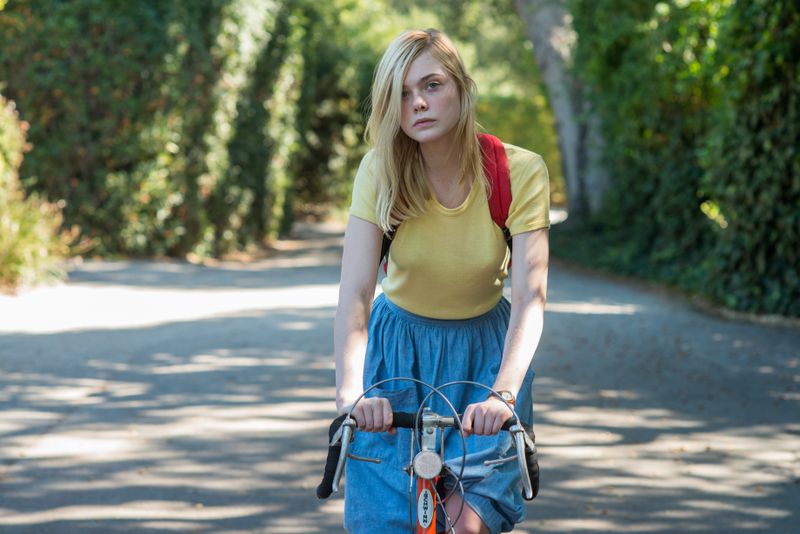
Elle Fanning has captivated audiences since childhood with her remarkable talent and emotional depth. From playing innocent young girls to complex, troubled characters, she has proven herself as one of Hollywood’s most versatile actors.
Her performances span genres from fantasy epics to intimate dramas, showcasing a range that few actors her age can match. Here are fourteen of her most unforgettable roles that demonstrate why she’s become such a celebrated star.
1. Somewhere (2010)
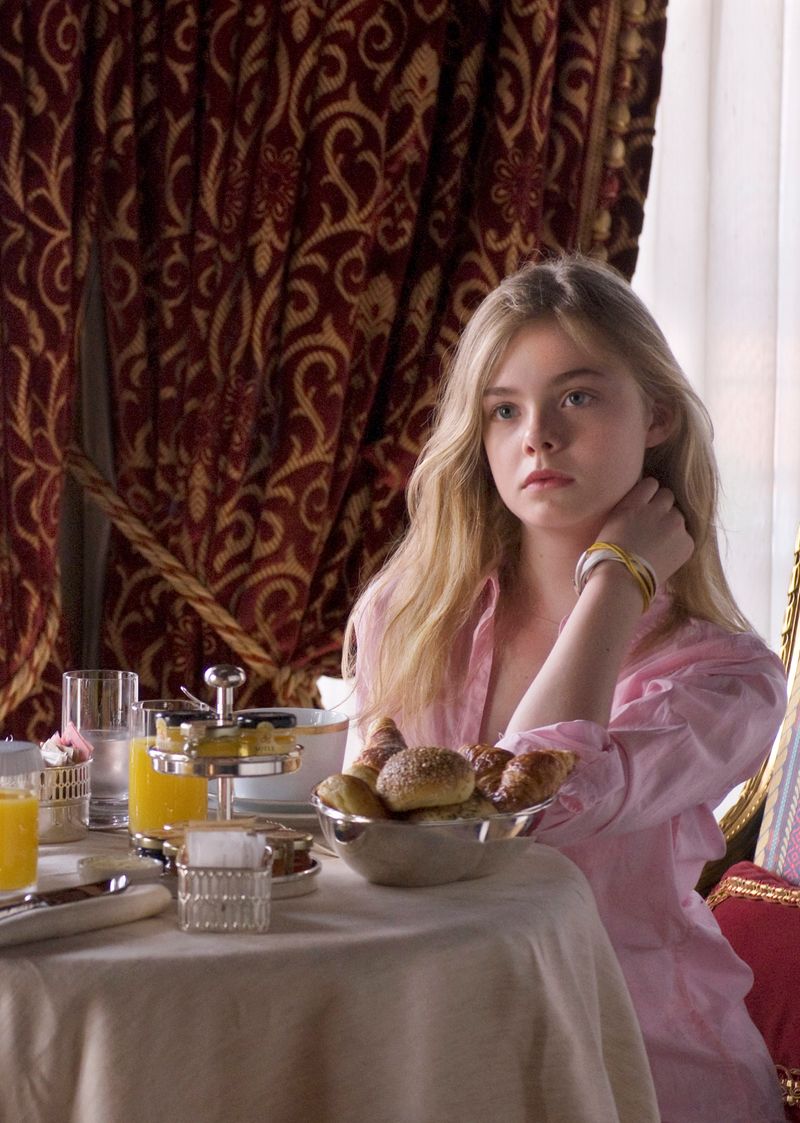
Sofia Coppola’s quiet meditation on fame and fatherhood introduced audiences to Elle Fanning’s understated brilliance.
Playing Cleo, the eleven-year-old daughter of a Hollywood actor, she brought authenticity to every scene without relying on theatrical tricks.
Her chemistry with co-star Stephen Dorff felt genuinely familial, making their awkward yet loving relationship the emotional core of the film.
What makes this performance special is how Fanning conveyed loneliness through silence.
Cleo’s figure skating routine and simple conversations revealed a child craving connection with her distant father.
The role required maturity beyond her years, and she delivered with grace that critics couldn’t ignore, establishing herself as more than just Dakota Fanning’s younger sister in the industry.
2. Super 8 (2011)
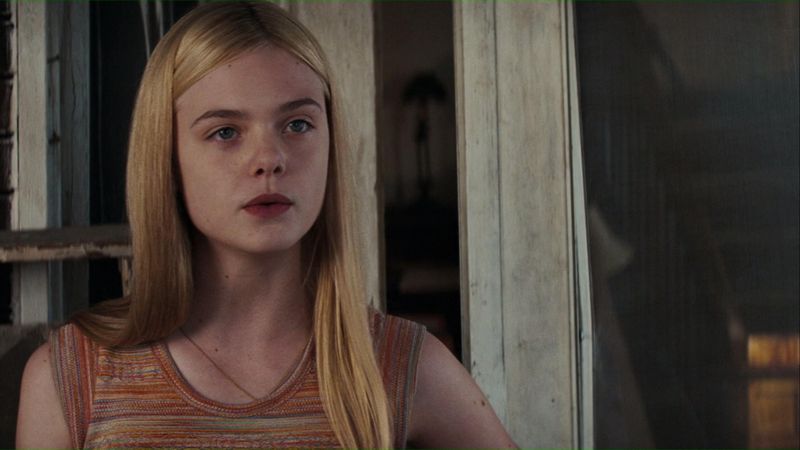
J. J. Abrams’ nostalgic adventure gave Fanning the chance to shine in a Spielberg-style blockbuster.
As Alice Dainard, a troubled teen caught up in a supernatural mystery, she anchored the film’s emotional weight while surrounded by chaos and special effects.
Her performance balanced vulnerability with surprising strength, making Alice more than just a typical damsel in distress character.
The chemistry between Fanning and co-star Joel Courtney felt refreshingly genuine for a young romance.
Alice’s complicated family situation added layers to what could have been a one-dimensional role.
Fanning made audiences care deeply about this small-town girl dealing with grief, guilt, and first love while monsters literally threatened her world, proving she could handle big-budget productions.
3. Ginger & Rosa (2012)
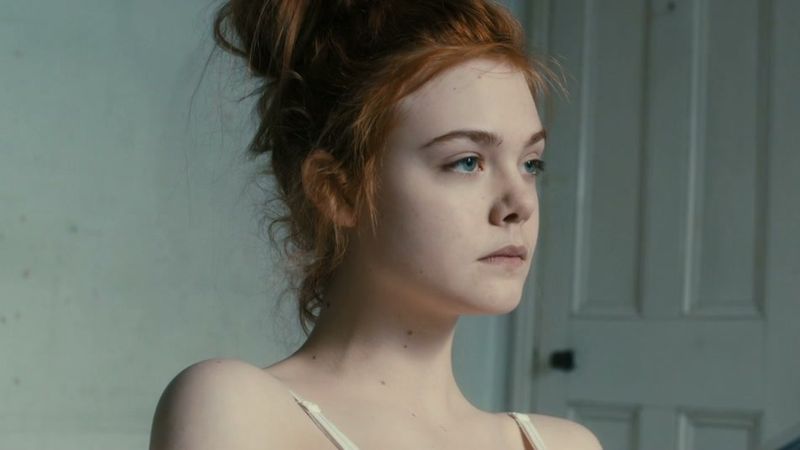
This British drama showcased Fanning’s ability to carry a film as the lead.
Playing Ginger, a teenage girl in 1960s London navigating friendship, politics, and family betrayal, she delivered her most mature performance yet.
The role demanded emotional complexity as Ginger watches her best friend Rosa betray her in the most painful way imaginable.
Fanning captured the idealism and heartbreak of adolescence with stunning authenticity.
Her portrayal of a young activist grappling with nuclear war fears while her personal world crumbles felt raw and honest.
The scenes where Ginger confronts her father’s affair with Rosa remain gut-wrenching, demonstrating Fanning’s capacity for portraying deep emotional pain without melodrama or overacting.
4. Maleficent (2014)
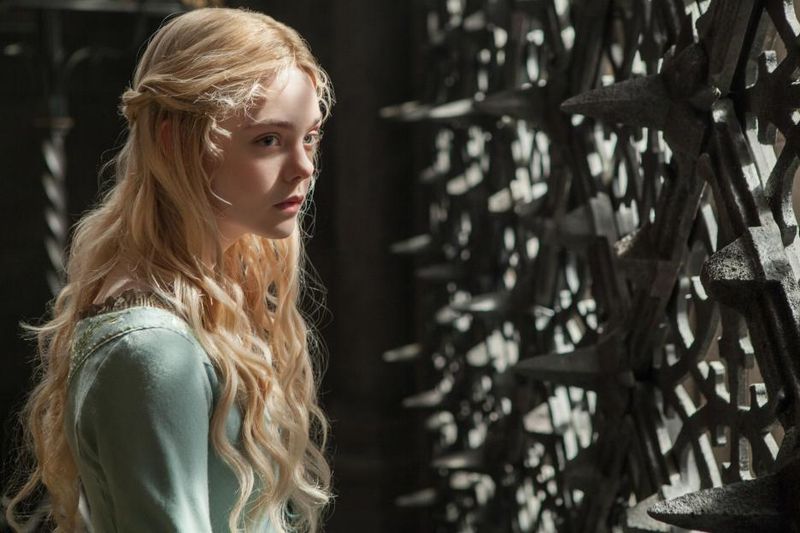
Stepping into the iconic role of Princess Aurora opposite Angelina Jolie required confidence and charm.
Fanning brought warmth and innocence to Sleeping Beauty, reimagining the character for a new generation.
Her Aurora wasn’t a passive princess waiting for rescue but a curious, kind-hearted young woman who forms an unexpected bond with her supposed enemy.
The relationship between Aurora and Maleficent became the film’s heart, largely thanks to Fanning’s genuine affection in every scene.
She made audiences believe this sheltered princess could see past fear and prejudice to find goodness in a misunderstood villain.
Her radiant performance in this fantasy epic proved she could command the screen in massive productions while maintaining the vulnerability that makes her work so compelling.
5. Low Down (2014)
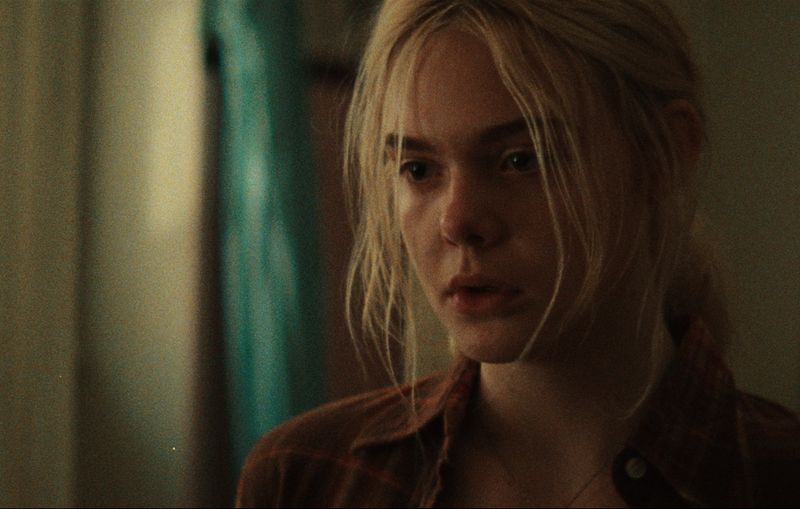
Based on a true story, this jazz drama found Fanning playing Amy Albany, daughter of pianist Joe Albany.
Growing up in 1970s Los Angeles with a heroin-addicted father meant navigating a childhood filled with instability and unconditional love.
Fanning portrayed this complicated relationship with sensitivity, never judging her character’s choices or her father’s struggles.
Her performance captured the specific pain of loving someone whose addiction constantly disappoints you.
Amy’s loyalty to her father despite repeated letdowns felt heartbreakingly real in Fanning’s hands.
The film required her to age from child to teenager, showing how years of chaos shape a young person’s worldview and resilience in ways both beautiful and tragic.
6. The Neon Demon (2016)
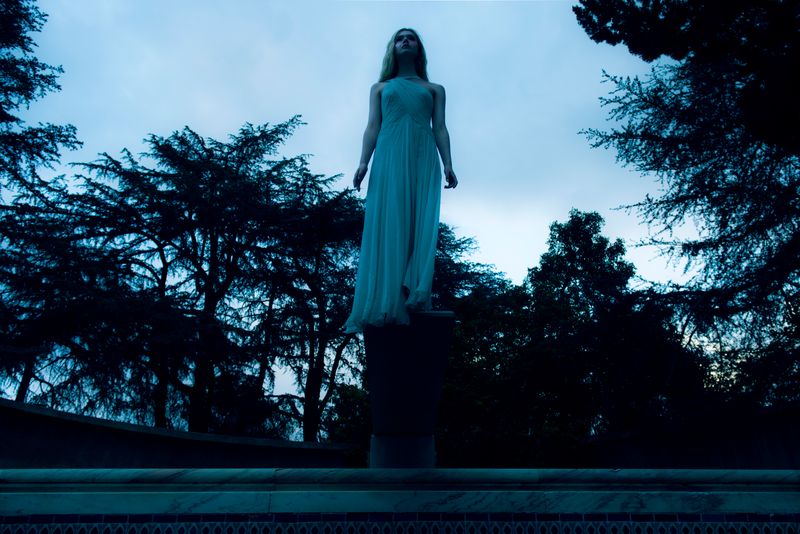
Nicolas Winding Refn’s provocative horror film pushed Fanning into unsettling territory as Jesse, an innocent model consumed by the fashion industry.
Her transformation from naive newcomer to something darker and more dangerous showcased range audiences hadn’t seen before.
The role required confidence in deeply uncomfortable scenes that challenged conventional beauty standards and morality.
Jesse’s arc from sweet small-town girl to narcissistic presence happened gradually in Fanning’s nuanced performance.
She made viewers simultaneously sympathize with and recoil from her character’s evolution.
The film’s extreme imagery and themes could have overshadowed any actor, but Fanning held her own, creating a haunting portrait of ambition and corruption that lingers long after viewing.
7. 20th Century Women (2016)
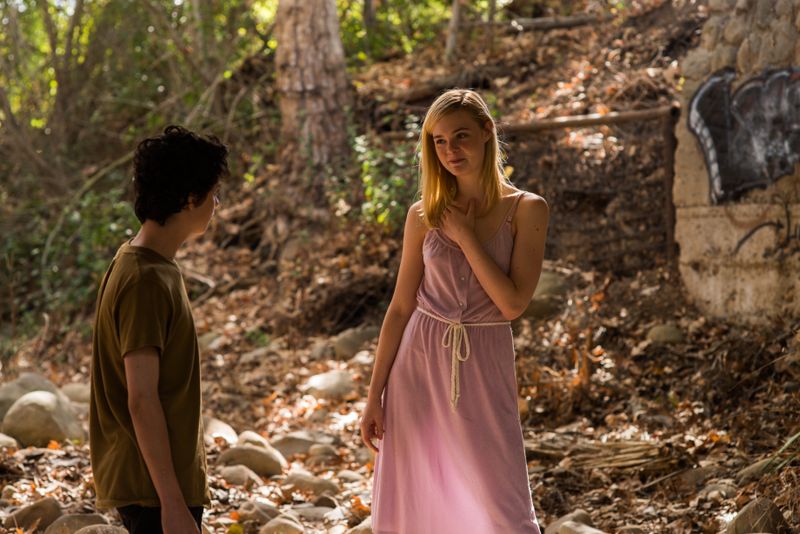
Mike Mills’ period dramedy featured Fanning as Julie, a free-spirited teenager in 1979 Santa Barbara.
Unlike the damaged characters she often plays, Julie was confident, liberated, and intellectually curious.
Fanning brought humor and warmth to this coming-of-age ensemble, holding her own alongside Annette Bening and Greta Gerwig with effortless charisma.
Julie’s relationship with Jamie, her best friend who desperately wants more, created some of the film’s most memorable moments.
Fanning navigated the complicated dynamics of platonic love and unrequited feelings with honesty that avoided clichés.
Her performance celebrated the messy, contradictory nature of growing up, making Julie feel like someone you actually knew rather than a screenwriter’s construct of cool teenage rebellion.
8. Mary Shelley (2017)
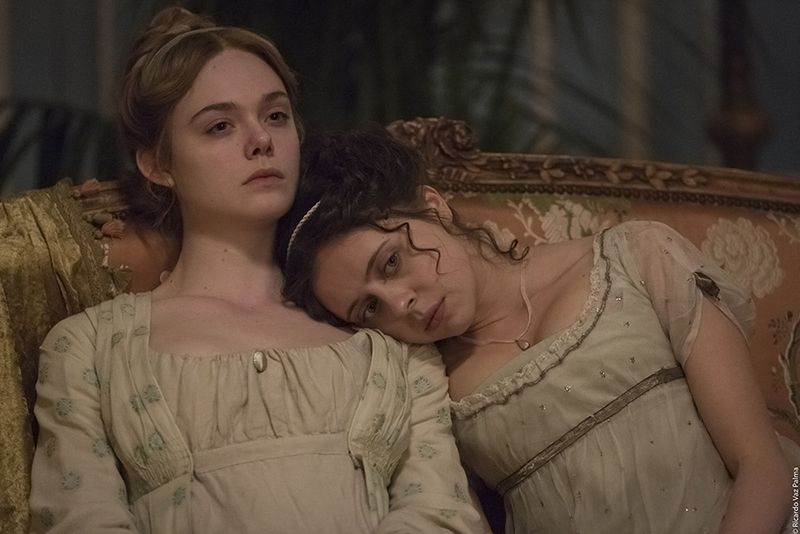
Portraying the author of Frankenstein required Fanning to embody intelligence, passion, and determination.
Her Mary Shelley wasn’t a passive muse but a young woman fighting for recognition in a world dismissive of female writers.
The biopic followed Mary’s tumultuous relationship with poet Percy Shelley and the tragic events that inspired her masterpiece.
Fanning captured the fire of a teenage intellectual refusing to accept society’s limitations.
Her Mary balanced romantic idealism with growing disillusionment as personal tragedies mounted.
The performance highlighted how genius can emerge from pain, showing the writer’s creative process alongside her struggles with loss, betrayal, and poverty.
Fanning made audiences root for this historical figure’s success while understanding the heavy price she paid for it.
9. The Beguiled (2017)
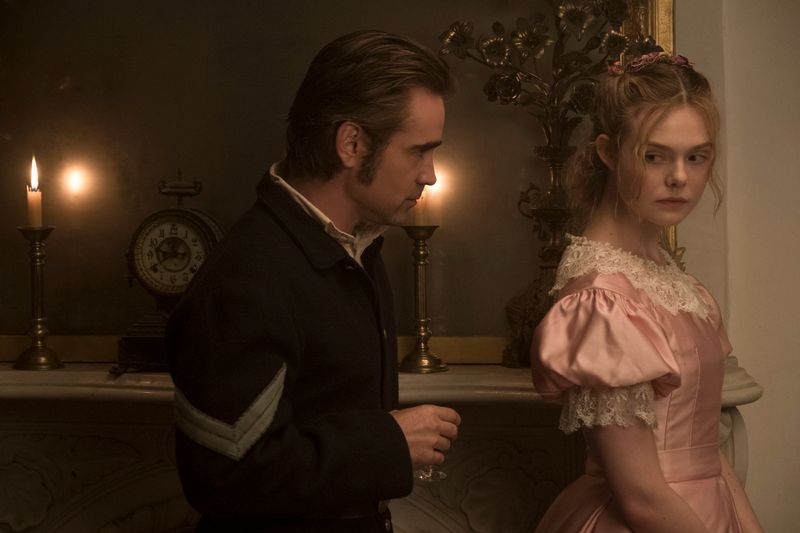
Sofia Coppola’s Civil War thriller reunited director and actress for a tale of desire and danger.
As Alicia, a sheltered student at a Southern girls’ school, Fanning portrayed awakening sensuality with delicate precision.
When a wounded Union soldier disrupts their isolated world, Alicia becomes both seducer and victim in the psychological games that follow.
Her performance balanced innocence with calculation, making Alicia’s motivations intriguingly ambiguous.
Fanning excelled in scenes requiring unspoken tension, using glances and body language to convey her character’s internal conflicts.
The film’s slow-burn atmosphere suited her understated style perfectly, creating moments of quiet intensity that exploded into the story’s shocking conclusion, proving restraint can be more powerful than theatrics.
10. How to Talk to Girls at Parties (2017)
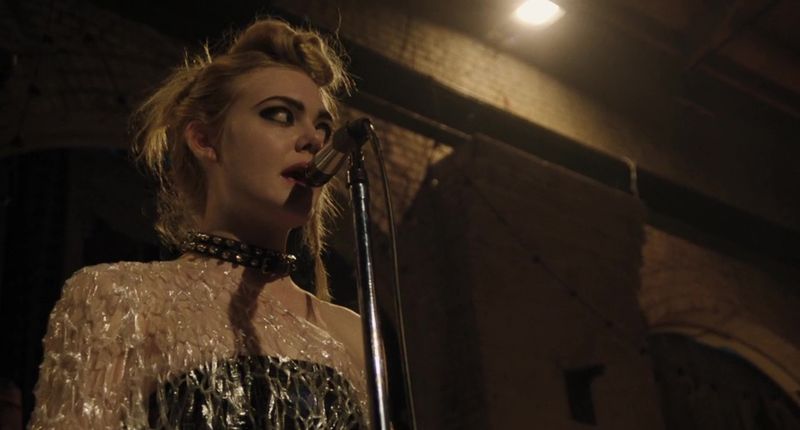
John Cameron Mitchell’s punk rock alien comedy found Fanning in wildly unconventional territory.
Playing Zan, an extraterrestrial visiting 1970s London who falls for a punk boy, required physical transformation and fearless commitment to bizarre material.
Her alien mannerisms and speech patterns could have seemed ridiculous, but Fanning made them strangely endearing and believable.
The role showcased her willingness to take creative risks in offbeat projects.
Zan’s fish-out-of-water experiences exploring human culture through punk music and teenage rebellion provided both humor and unexpected emotion.
Fanning brought genuine sweetness to this sci-fi oddity, making audiences care about an alien’s forbidden romance while wearing outrageous costumes and delivering absurdist dialogue with complete sincerity.
11. Teen Spirit (2018)
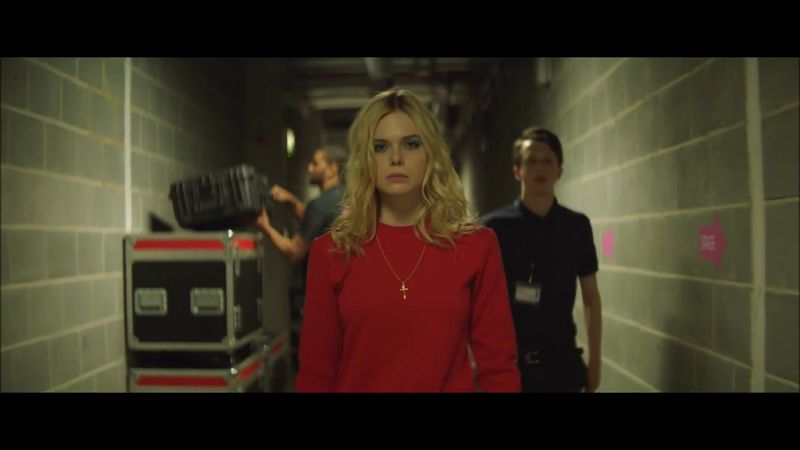
Fanning both sang and acted her way through this musical drama about a shy Polish farm girl chasing pop stardom.
As Violet, she delivered all her own vocals, training extensively to convincingly portray a singing competition contestant.
The film required vulnerability in performance scenes where Violet battles stage fright and self-doubt while discovering her voice literally and figuratively.
Her transformation from timid teenager to confident performer happened gradually, making Violet’s journey feel earned rather than formulaic.
Fanning captured the specific anxiety of exposing yourself through art, the fear of judgment, and the exhilaration of finally being heard.
Musical performances ranging from Robyn to Tegan and Sara showcased unexpected vocal talent, proving she could successfully carry a music-driven narrative.
12. All the Bright Places (2020)
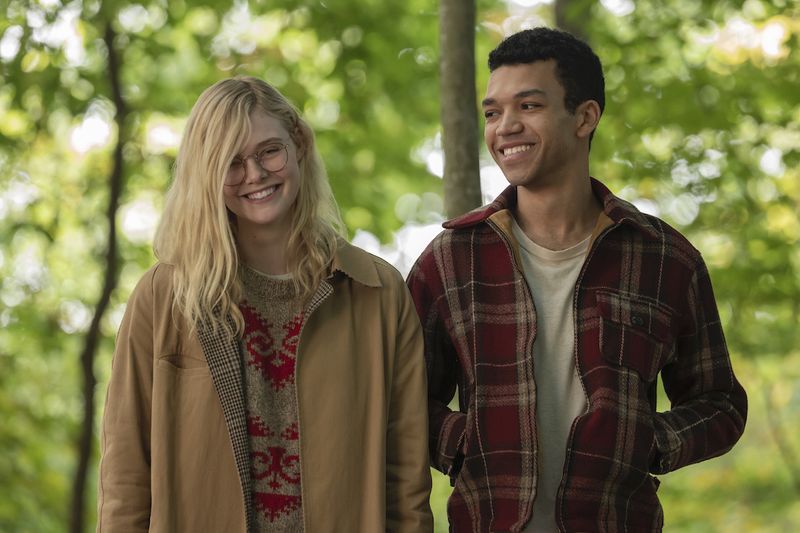
Netflix’s adaptation of the beloved YA novel paired Fanning with Justice Smith in a story about mental health and first love.
As Violet Markey, a grieving teenager who lost her sister, she portrayed depression’s quiet devastation with authenticity.
The role required balancing darkness with hope as Violet slowly opens up to life again through her relationship with the troubled Theodore Finch.
Fanning made Violet’s pain palpable without making her helpless or defined solely by tragedy.
Her chemistry with Smith gave the romance genuine warmth even as both characters struggled with serious issues.
The performance reminded audiences that teen problems deserve serious treatment, avoiding condescension while exploring how connection can help healing, though it cannot cure everything.
13. The Roads Not Taken (2020)

Sally Potter’s experimental drama featured Fanning as Molly, a woman spending one day caring for her father with dementia.
Opposite Javier Bardem, she portrayed the exhausting reality of being a caregiver with compassion and frustration in equal measure.
The role showed a different side of her talent, focusing on patience, love, and the painful loss of who someone used to be.
Molly’s determination to maintain her father’s dignity while managing practical crises created a portrait of caregiving rarely seen on screen.
Fanning conveyed the emotional toll without seeking sympathy, making choices that felt true to someone navigating impossible situations.
Her performance honored the real people who face these challenges daily, bringing attention to stories often overlooked by mainstream cinema.
14. The Great (2020–2023)
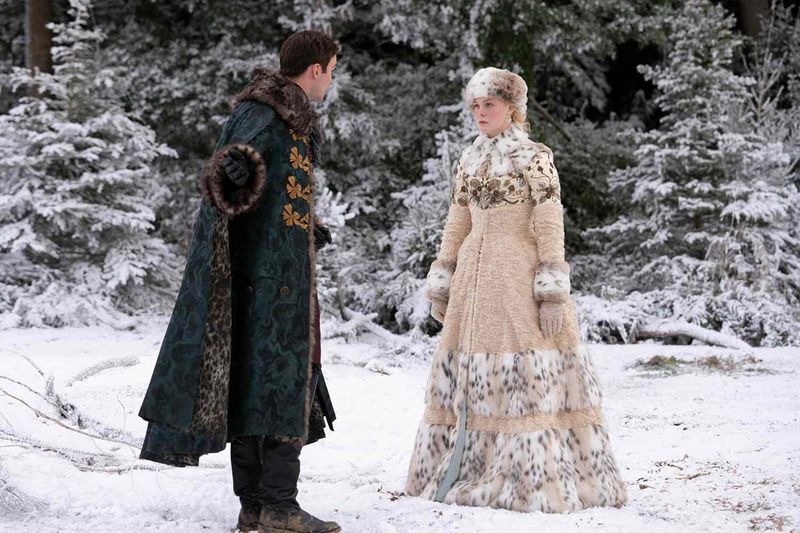
As Catherine the Great in Hulu’s satirical historical series, Fanning found her most celebrated role yet.
Playing the idealistic German princess who becomes Russia’s longest-ruling female leader allowed her to showcase comedic timing alongside dramatic depth.
Catherine’s journey from naive bride to cunning empress provided three seasons of transformation, wit, and occasionally shocking violence delivered with perfect deadpan humor.
Fanning made Catherine simultaneously sympathetic and ruthless, romantic and calculating, hilarious and terrifying.
Her chemistry with Nicholas Hoult’s Peter created one of television’s most dysfunctional yet compelling relationships.
The role earned her Emmy and Golden Globe nominations, finally giving her the widespread recognition she deserved after years of excellent work in smaller films.
Comments
Loading…