
 Jade Reed
Marvel heroes save worlds, but some storylines did a number on women along the way.
You can still love the characters and question the tropes that shaped them.
Let’s look at the moments and designs that sidelined agency, amped up fan service, and turned complex people into props.
Keep reading, because the messy history actually explains how modern rewrites got better.
1. Black Widow (Early Portrayals)

Early Natasha leaned hard into femme fatale stereotypes. Costumes clung, necklines plunged, and panels framed her like a poster instead of a person.
You could feel the spy fantasy overshadowing her agency, with plots orbiting male leads while she smoldered on the margins.
As readers, you might have cheered the cool gadgets and acrobatics, yet noticed dialogue reducing depth to seduction.
Those beats nudged you to view her as eye candy first, strategist second. Later arcs fought to rebalance the ledger.
Retcons gave her interiority, leadership, and scars that mattered. Still, the early blueprint lingers in reprints and nostalgia.
When you revisit those issues, you taste progress and the price of it.
2. She-Hulk (Hyper-Sexualized Eras)
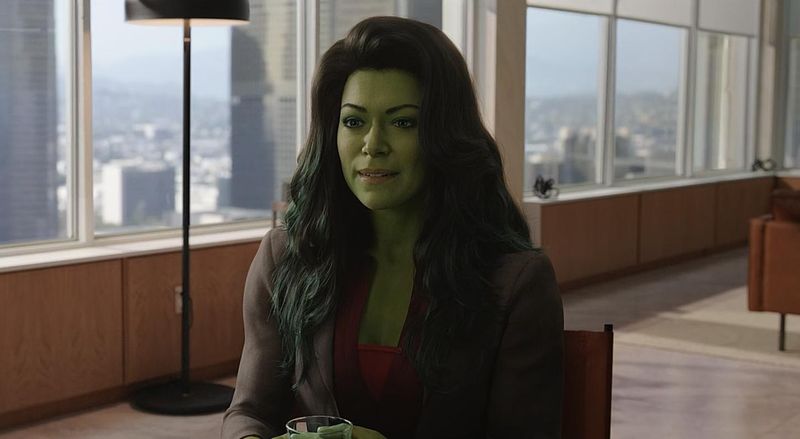
Some runs played Jennifer Walters like a cheesecake calendar with punchlines. Panels lingered on curves while courtroom victories got cropped.
You could laugh at meta jokes, then notice the camera refusing to blink.
When writers leaned into empowerment, the book sang. Confidence, humor, and legal smarts made you root for her beyond the green glam.
Yet marketing often dragged the spotlight back to skin and smirks.
Readers called it out, and the discourse reshaped later portrayals. Strength stopped being a pretext for leering and became character truth.
If you track the covers across decades, the shift is obvious and overdue.
3. Emma Frost

Powerful telepath, razor intellect, and still a wardrobe engineered to provoke. Early appearances framed Emma as a dominatrix fantasy, letting the Hellfire aesthetic do the talking.
You got spectacle, but the subtext reduced complexity to allure.
Later writers layered mentorship, trauma, and leadership into her voice. You could finally hear the strategist beneath the corset.
Even then, promotional art often clung to the same sensual shorthand.
The contradiction is the point you wrestle with. She can own sexuality and still be objectified by the page.
Reading her history feels like watching craft fight costume for narrative space.
4. Shanna the She-Devil

Jungle settings gave artists excuses for minimal fabric and maximum poses. Shanna’s competence often rode shotgun to pin-up framing. You saw survival skills, but the camera stuck to skin like vines.
When plots slowed down, character beats peeked through. Ecology, compassion, and courage surfaced between splash pages. Still, covers sold an image that flattened all that nuance.
You can appreciate pulp roots and question the gaze simultaneously. The series mirrors an era selling adventure with a wink at titillation.
Reworks have tried to clothe the premise in respect, with mixed results.
5. The Invisible Woman (Early Fantastic Four)

Early Sue Storm spent panels fainting, fretting, and disappearing literally and figuratively. Power was framed as support duty while the boys posed heroically.
You could see the family dynamic, then watch it excuse sidelining.
As writing matured, Sue became the team’s spine. Force fields turned surgical and devastating. Even so, those first years taught readers to expect her quiet.
You might revisit issue numbers and feel whiplash at the growth.
That arc maps Marvel’s learning curve on women’s agency. It also shows how initial framing lingers in fandom memory far longer than it should.
6. Wasp (Janet Van Dyne) Early Depictions
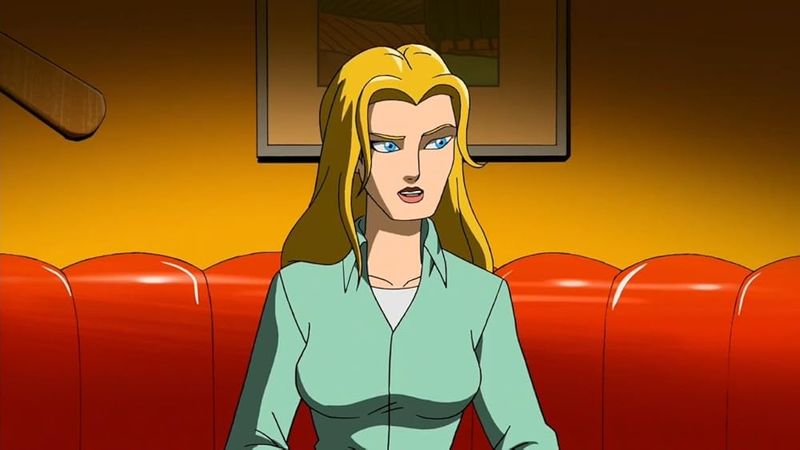
Janet arrived stylish, quippy, and frequently minimized. Panels treated her as a fashion commentator while battles raged. You watched leadership potential buried under chirpy asides.
Costumes rotated like runway looks, often skimpier than practical. It sold personality but also invited the gaze to set the agenda. Later arcs finally handed her the chair and the respect.
When she leads, the team clicks. Yet older stories still echo with flippant framing and romance-first subplots.
Reading chronologically, you feel the friction between charm and condescension.
7. Scarlet Witch (Silver to Bronze Age)
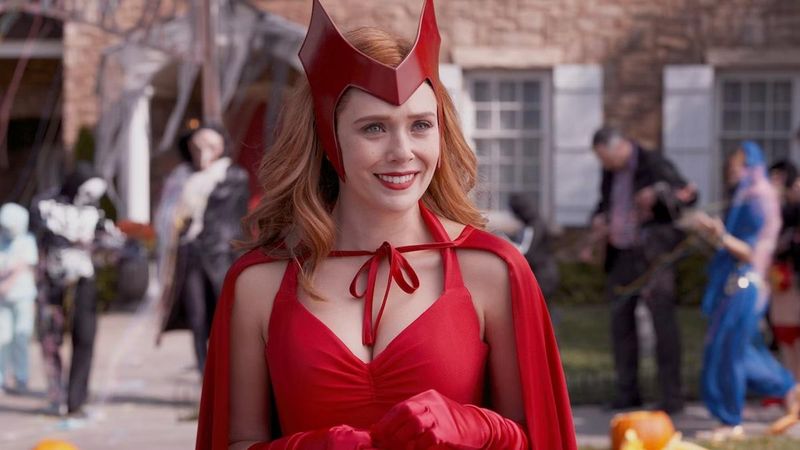
Chaos magic met chaotic writing. Early Wanda toggled between love interest, damsel, and occasional deus ex machina.
You could sense raw potential boxed in by romance arcs.
Costuming emphasized delicacy while scripts questioned her stability. That combo let plots blame emotion whenever stakes rose.
She was powerful, but reliability became the punchline.
Modern stories push back, centering agency and consequences. Still, those formative beats trained readers to doubt her focus.
Tracking her evolution is like watching a narrative unlearn its own biases.
8. Valkyrie (Early Non-Thor Titles)
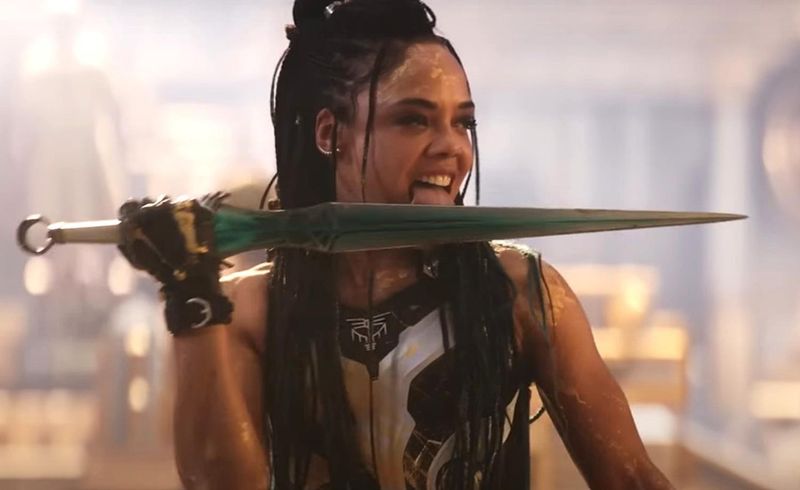
As a symbol, Valkyrie promised warrior equality. Early uses sometimes reduced her to a costume conduit for plots about male angst.
You saw might, yet scripts bent her presence to validate someone else’s arc.
Armor designs swung between practical and peekaboo. The camera often chose the latter. That tension undercut the message of fearsome autonomy.
Later portrayals restore bite and purpose, giving leadership and lore weight.
You can cheer those wins while remembering the detours. It is proof that intent without execution reads hollow.
9. Red Sonja (Marvel Publications Era)

Though now outside core Marvel, her Marvel-published adventures popularized the chainmail bikini shorthand.
Skill and ferocity shined, yet the outfit told buyers what to value. You can admire swordplay and still recognize the bargain.
Pulp roots rationalized exposure as defiance. Panels echoed that logic while sales climbed. The result was a template copied across catalogs.
Later creators complicated the myth and dressed her for weather, sometimes. Readers who grew up with the bikini carry mixed nostalgia.
It remains a case study in market forces shaping a heroine’s silhouette.
Comments
Loading…