
 Mila Ross
Some mother-daughter relationships on screen feel so real they can make you pause the episode just to breathe.
They remind us that love can be fierce, messy, and sometimes loud in ways that don’t fit neatly into “good” or “bad.”
Because so many stories aim for drama, the ones that hit hardest are the ones that mirror everyday tension, tenderness, and misunderstanding.
A sideways comment about clothes can land like a judgment, and a “helpful” suggestion can sound like a verdict.
At the same time, those same characters can turn around and show up with the kind of devotion that’s impossible to fake.
If you’ve ever felt seen by an argument you didn’t expect to relate to, these portrayals might feel a little too familiar.
Here are eight mother-daughter dynamics that capture the complicated truth: you can adore each other and still struggle to connect.
1. Lady Bird — Marion & Christine “Lady Bird” McPherson

Greta Gerwig’s story drops you into a home where affection and criticism share the same oxygen.
Christine wants freedom, self-definition, and a future that feels bigger than Sacramento.
Marion wants stability, gratitude, and a daughter who recognizes how hard love can work behind the scenes.
Their conversations can flip from jokes to cruelty so quickly it feels like emotional whiplash.
A fight over money or college isn’t really about money or college, because it’s about fear, pride, and feeling unappreciated.
What makes it sting is how recognizable the dynamic is: both of them are right, and both of them are hurting.
When softness finally breaks through the defensiveness, it lands like a reminder that distance doesn’t erase devotion.
2. Gilmore Girls — Lorelai & Rory Gilmore
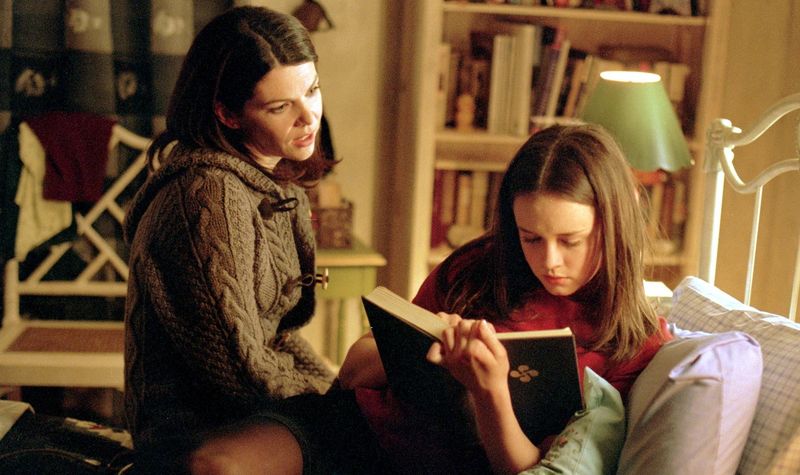
Few TV duos sell the “we’re best friends” vibe as effortlessly as this mother and daughter.
Lorelai builds a world where Rory feels adored, protected, and encouraged to dream big.
Rory grows up with a closeness that looks enviable, until expectations quietly start to feel like pressure.
The bond can blur boundaries, especially when disappointment shows up dressed as sarcasm or silence.
When Rory makes choices Lorelai didn’t script in her head, the fallout can feel personal rather than parental.
That push-pull hits close to home for anyone raised on praise that also came with an invisible rulebook.
Underneath the friction is deep loyalty, which is exactly why their conflicts can feel so intense to watch.
3. Freaky Friday (2003) — Tess & Anna Coleman
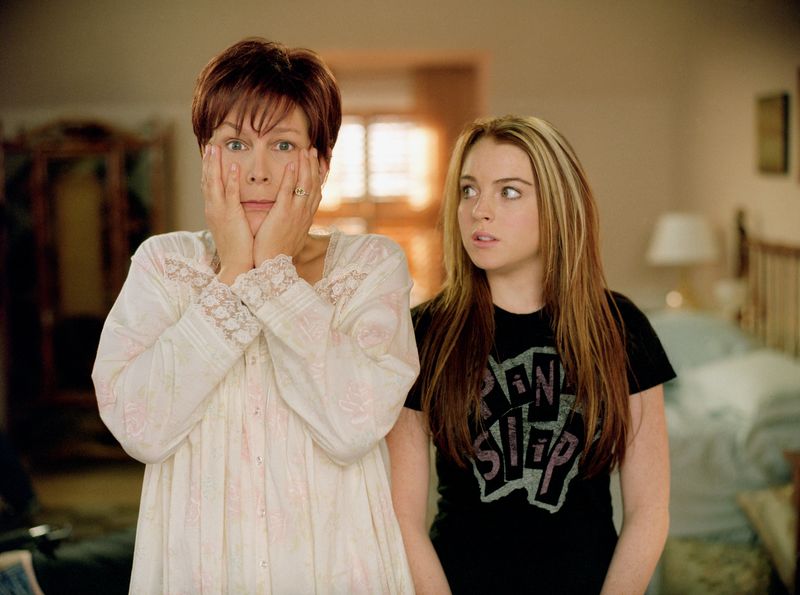
Body-swapping chaos works because the mother-daughter conflict underneath it is painfully believable.
Anna feels constantly judged, misunderstood, and treated like her feelings are a phase to be corrected.
Tess feels overburdened, underappreciated, and convinced that being the responsible one means she never gets to fall apart.
Their arguments sound like a greatest-hits album of every household battle over respect, freedom, and listening.
Once they’re forced to live each other’s day, the emotional blind spots become impossible to ignore.
The movie nails the hardest truth: empathy often arrives late, after damage has already been done.
By the time they finally speak with real care, it’s a little gutting, because you can’t help wishing it happened sooner.
4. Turning Red — Ming & Mei Lee
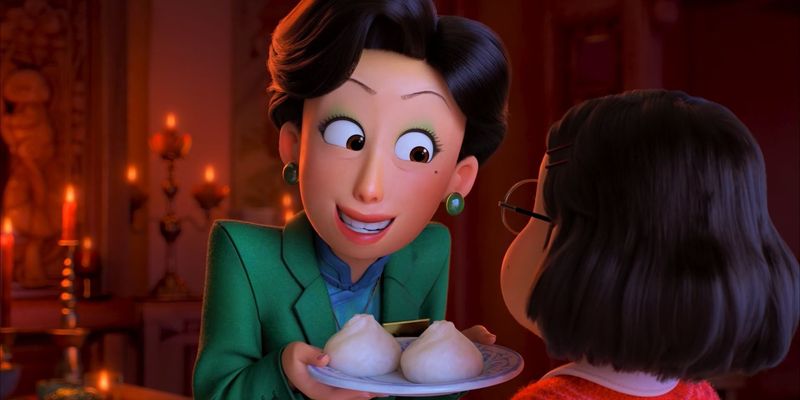
Pixar wraps this relationship in humor and color, but the emotional core is uncomfortably sharp.
Mei wants to be good, loved, and impressive, yet she also wants privacy and room to grow.
Ming’s devotion is intense in a way that can feel smothering, even when it comes from genuine concern.
The story captures how a mother’s anxiety can become a daughter’s internal voice, policing her choices and feelings.
When embarrassment happens in public, the shame sticks, because it feels like love turning into surveillance.
The “panda” becomes a perfect metaphor for puberty, anger, and identity bursting out of tight expectations.
Watching them renegotiate boundaries can be emotional, because it reflects how hard it is to separate love from control.
5. Terms of Endearment — Aurora & Emma Greenway
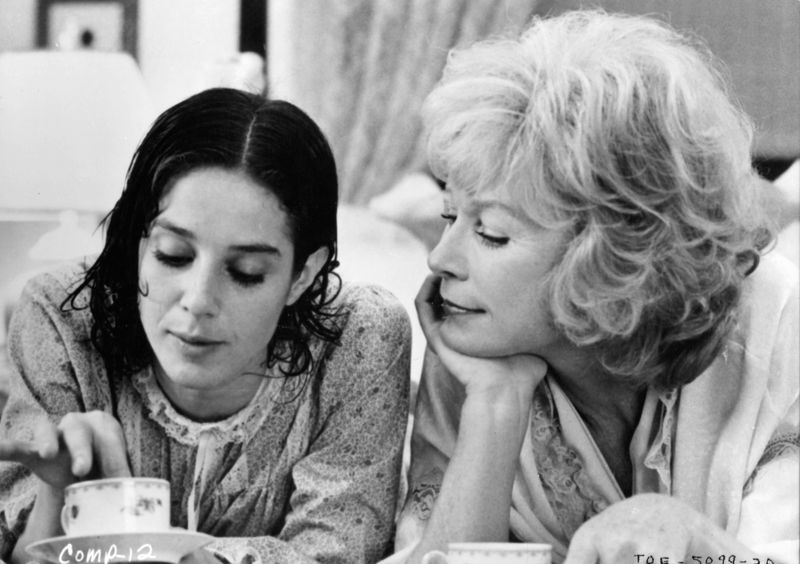
Classic films don’t always age perfectly, but this mother-daughter portrait still cuts deep.
Aurora is commanding, opinionated, and convinced that strong love means staying involved in every detail.
Emma wants independence, but she also wants her mother’s approval in a way she can’t quite outgrow.
Their dynamic shows how criticism can be disguised as concern, and how concern can be used to claim authority.
Even when they’re furious, there’s a sense that they’re tethered by history and habit.
The story doesn’t pretend reconciliation is tidy, because it understands that family love can be both comfort and burden.
When tenderness finally rises to the surface, it’s overwhelming, because you realize how much affection was trapped under the arguing.
6. Little Fires Everywhere — Elena & Izzy Richardson
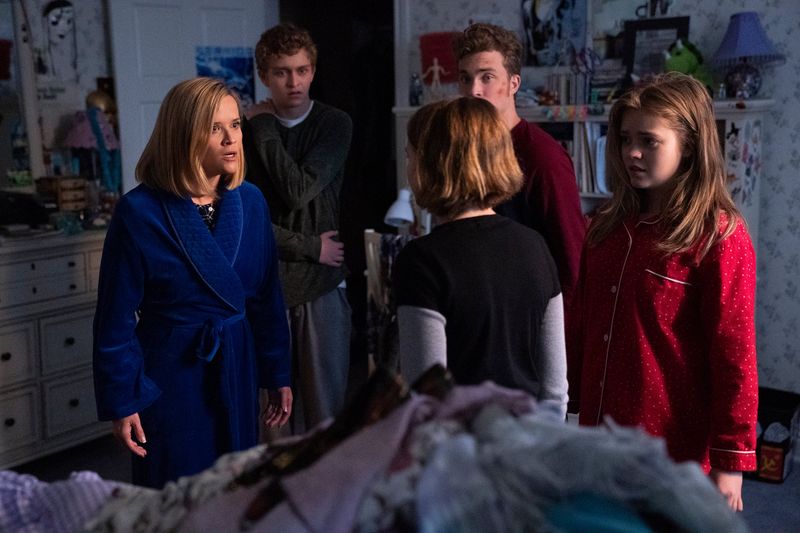
This relationship feels like a slow bruise, because the conflict isn’t one big moment but a constant atmosphere.
Izzy senses she’s being measured against an ideal she can’t and doesn’t want to meet.
Elena reads Izzy’s resistance as a personal attack, rather than a child trying to breathe in her own skin.
The show nails how damaging it is when a parent treats a kid as the family’s “difficult one.”
Every conversation becomes a power struggle, because neither of them feels truly seen.
What hits close to home is the subtle cruelty of comparison, perfectionism, and conditional warmth.
Even when you understand Elena’s stress, the dynamic still hurts to watch, because you can see the loneliness forming in real time.
7. This Is Us — Rebecca & Kate Pearson
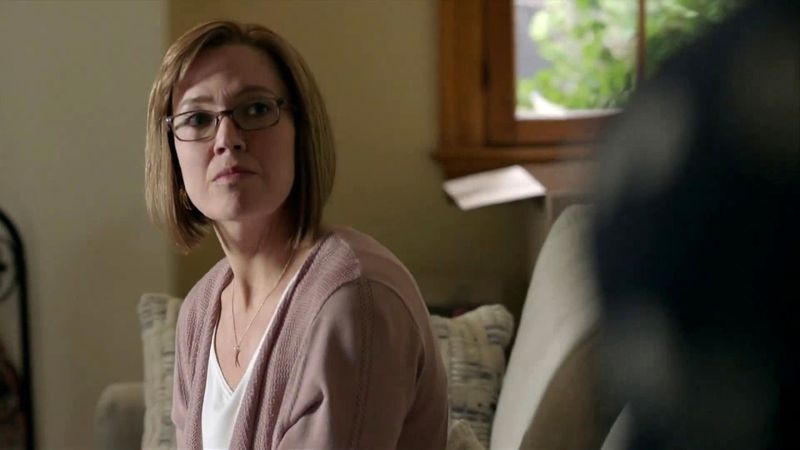
Family dramas rarely capture long-term emotional fallout as well as this mother-daughter bond does.
Kate carries old wounds about body image and belonging that don’t disappear just because she becomes an adult.
Rebecca loves fiercely, but her attempts to help can sometimes land like judgment or favoritism.
The show highlights how a single comment can echo for years when it touches an insecurity already on fire.
Their conflicts often revolve around control, grief, and the fear of not being enough for each other.
What makes it relatable is the way love coexists with resentment, especially when pain goes unspoken for too long.
When they manage honest conversations, it feels earned, because healing isn’t a montage, it’s a repeated choice.
8. Mamma Mia! — Donna & Sophie Sheridan

A sun-soaked musical shouldn’t feel this personal, yet the mother-daughter tension is quietly real.
Sophie is stepping into adulthood and craving answers, even if those answers complicate the story she grew up with.
Donna is proud and protective, but she also fears being replaced, judged, or left behind.
Their love is obvious, which makes the moments of hurt feel sharper than you expect from such a joyful film.
The story captures how parents can take independence as rejection, even when the child is simply growing.
It also shows how daughters sometimes romanticize the past and then feel shocked when the truth is messier.
By the end, the relationship lands in a bittersweet place that feels familiar: love remains, but it has to evolve.
Comments
Loading…