
 Mila Ross
The 1970s brought a revolution to R&B and soul music that changed everything.
Artists started blending funk rhythms, social messages, and cinematic production in ways nobody had heard before.
These 8 songs didn’t just top the charts—they created blueprints that musicians still follow today, proving that great music never really gets old.
1. Family Affair by Sly and the Family Stone (1971)
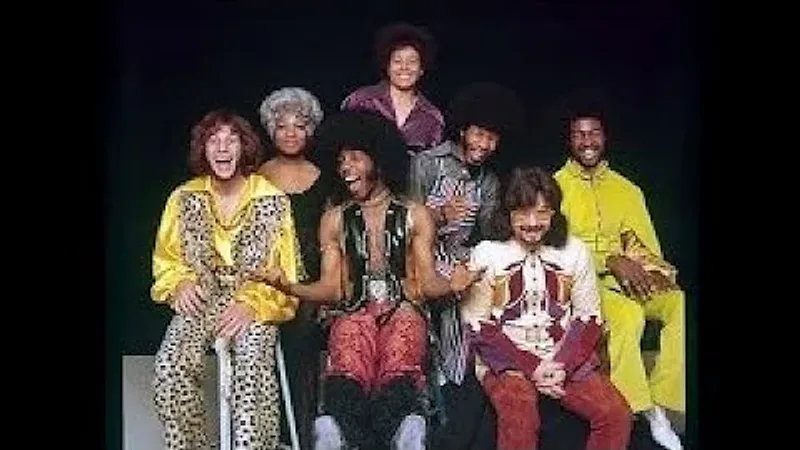
Sly Stone stripped everything down to basics with this track, creating something raw and real.
The song introduced drum machines to mainstream R&B, giving it a mechanical heartbeat that felt both futuristic and deeply human.
Instead of flashy production, the band focused on emotional honesty about family struggles and personal pain.
This approach captured how complicated life felt in the early seventies.
The funk grooves mixed with introspective lyrics showed that dance music could make you think while moving your feet.
It became a blueprint for socially aware R&B that still sounds fresh decades later.
2. Theme from Shaft by Isaac Hayes (1971)
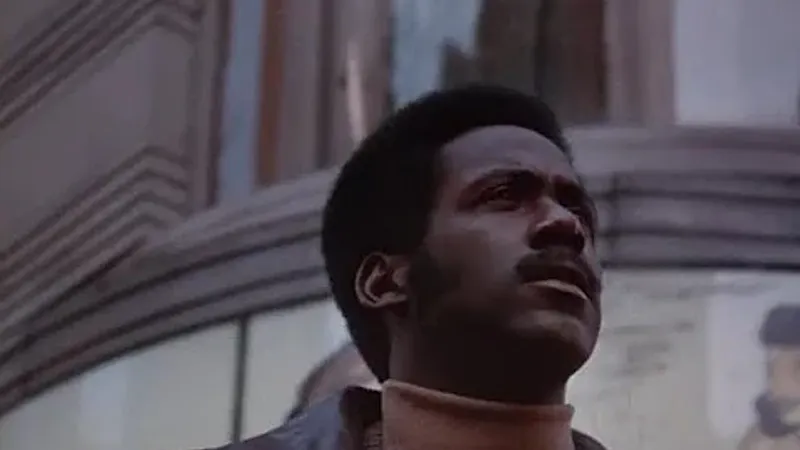
Isaac Hayes brought movie theater swagger straight into soul music with this instrumental masterpiece.
The wah-wah guitar and sweeping strings created a sound so cool and confident that it changed what R&B could accomplish beyond radio hits.
Hayes became the first African American to win an Academy Award for Best Original Song, breaking massive barriers.
His orchestral arrangements proved that soul music deserved the same respect as classical compositions.
The gritty, cinematic production influenced countless artists who wanted their songs to feel larger than life.
It showed that R&B belonged everywhere—from dance floors to silver screens.
3. Papa Was a Rollin’ Stone by The Temptations (1972)
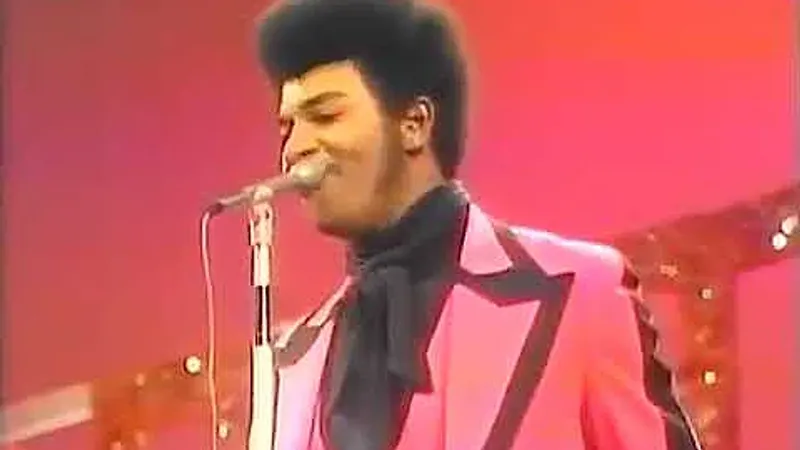
With its haunting bass line and twelve-minute runtime, this Motown epic redefined what a hit single could be.
The Temptations delivered a dark family story over hypnotic funk grooves that felt more like a musical journey than a typical pop song.
Norman Whitfield’s psychedelic production blended strings, percussion, and extended instrumental sections that pushed boundaries.
The lyrics tackled absent fathers and broken promises with brutal honesty rarely heard on mainstream radio.
This ambitious track showed that Motown could evolve beyond its classic sound into something experimental and profound.
It became proof that commercial success didn’t require compromise.
4. Let’s Stay Together by Al Green (1972)
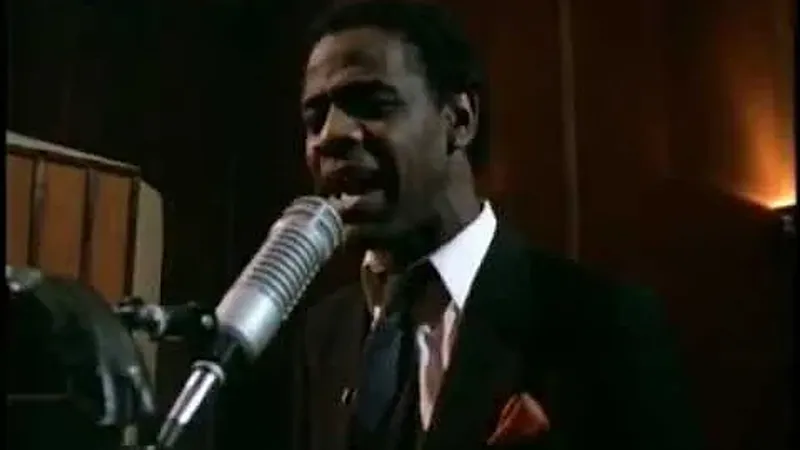
Al Green’s silky voice floated over Hi Records’ signature smooth production like butter melting on warm toast.
His romantic delivery made every listener feel like he was singing directly to them, creating an intimate connection that defined Southern soul’s appeal.
Producer Willie Mitchell crafted a sound so polished yet soulful that it became the gold standard for love songs.
The horns, strings, and rhythm section worked together like a perfectly choreographed dance.
This track proved that vulnerability and tenderness could be just as powerful as funk’s raw energy.
Decades later, it remains the ultimate soundtrack for romance.
5. I’ve Got to Use My Imagination by Gladys Knight & the Pips (1973)
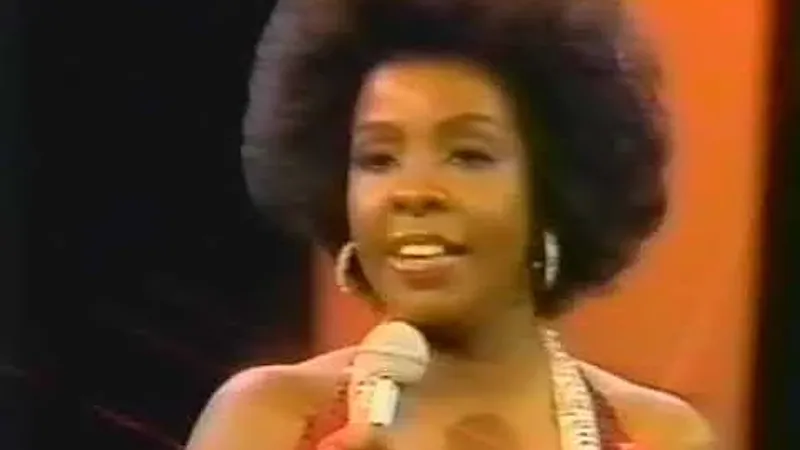
Gladys Knight poured every ounce of emotion into this performance, showcasing vocal intensity that could shake your soul.
Her ability to convey heartbreak and resilience simultaneously made this more than just another breakup song—it became an anthem for survival.
The Pips provided perfect harmonies and synchronized choreography that elevated the entire production.
Together, they created a performance style that influenced generations of R&B groups.
This track marked a shift toward deeply personal storytelling in soul music, where individual pain became universally relatable.
Knight’s powerhouse vocals proved that authenticity always connects with audiences seeking real human experiences.
6. What’s Going On by Marvin Gaye (1971)
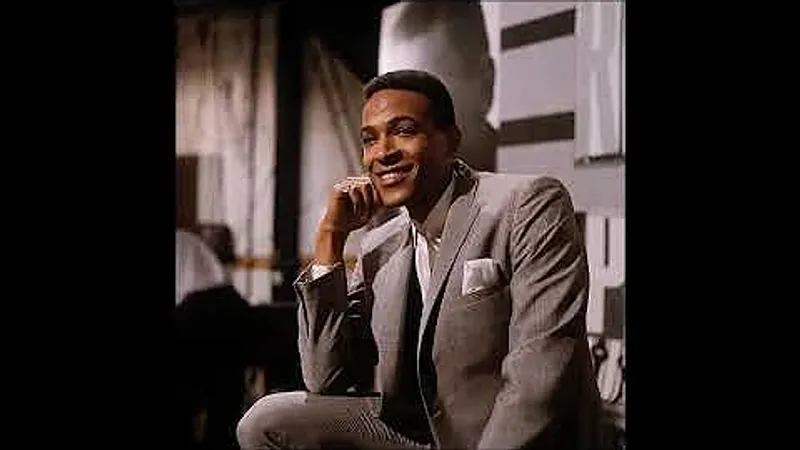
His multi-layered vocals floated over jazz-influenced arrangements that felt like a conversation between troubled souls searching for answers.
Marvin Gaye transformed R&B into high art with this landmark masterpiece about war, poverty, and environmental destruction.
Berry Gordy initially refused to release it, thinking it was too political and uncommercial.
Gaye proved him spectacularly wrong when it became both a critical triumph and massive hit.
This album opened doors for artistic freedom in Black music, showing that entertainment and enlightenment could coexist beautifully.
It remains the gold standard for socially aware soul music.
7. You Haven’t Done Nothin’ by Stevie Wonder (1974)
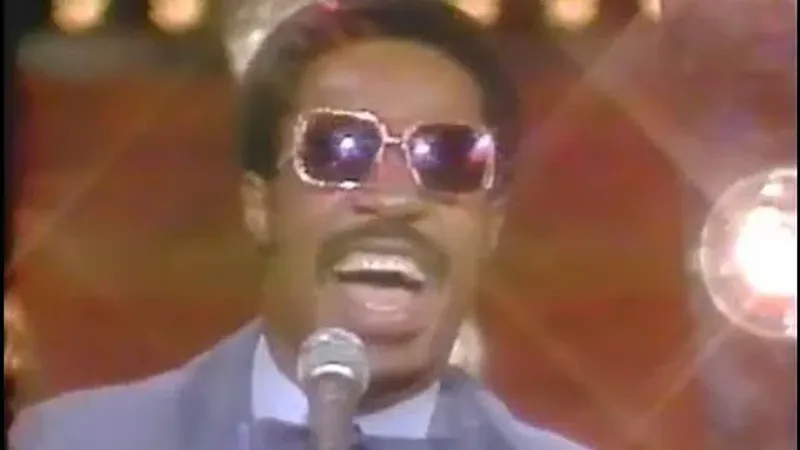
Stevie Wonder aimed this funk missile directly at politicians who made empty promises while communities suffered.
His razor-sharp lyrics called out hypocrisy with such infectious grooves that people danced while absorbing his message about accountability and justice.
The Jackson 5 added background vocals that gave the track extra punch and commercial appeal.
Wonder proved that socially conscious music didn’t need to sound preachy or boring to make an impact.
This song demonstrated how protest music could dominate both charts and dance floors simultaneously.
It inspired countless artists to speak truth to power through irresistible rhythms.
8. Just My Imagination (Running Away with Me) by The Temptations (1971)
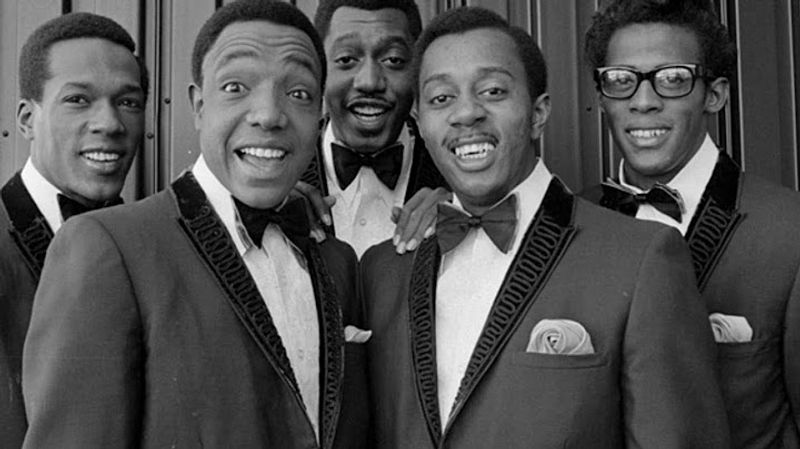
Eddie Kendricks’ falsetto soared over lush orchestration like a daydream turning into song.
This tender ballad explored unrequited love and fantasy with such vulnerability that it became one of the group’s most beloved recordings, showing their softer emotional range.
The production featured sweeping strings and gentle rhythms that created a romantic atmosphere perfect for slow dancing.
Norman Whitfield and Barrett Strong crafted lyrics that captured the bittersweet beauty of impossible love.
This track proved The Temptations could master delicate ballads as expertly as their harder funk material.
Its timeless appeal keeps it spinning at weddings and romantic moments everywhere.
Comments
Loading…