
 Chloe Peterson
Movies love to sneak into our everyday conversations.
We quote them at parties, in group chats, and when we need the perfect punchline at work.
The funny thing is that many of the lines we “know by heart” were never actually said that way on screen.
Sometimes a misquote is easier to remember, sometimes it flows better, and sometimes pop culture just repeats the wrong version until it feels official.
Over time, the remix becomes the legend, and the real wording gets lost behind impressions and memes.
Here are 12 famous examples where the line you’ve been repeating isn’t quite the line the movie gave us.
1. Star Wars: The Empire Strikes Back — “Luke, I am your father.”
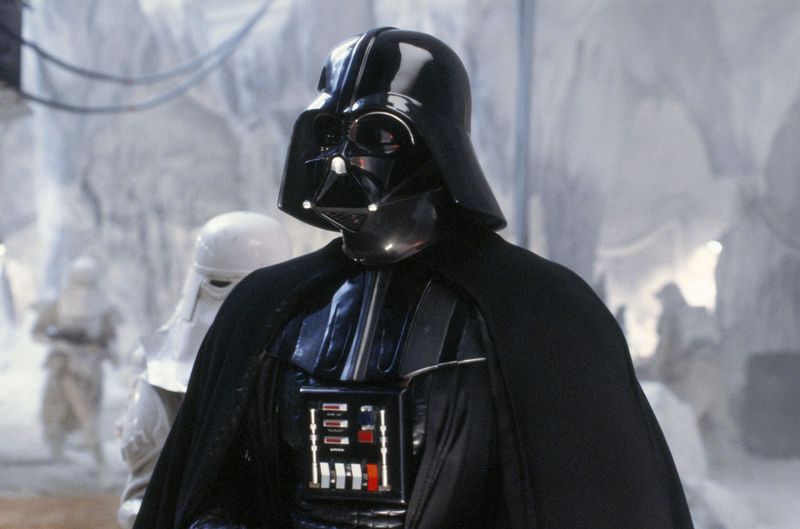
Few plot twists have been repeated so often that the wrong wording became more famous than the reveal itself.
In the actual scene, Darth Vader never says “Luke,” even though nearly everyone’s impression includes it.
The real line is a colder, more direct correction: “No, I am your father,” which hits like a blunt instrument.
Adding Luke’s name makes the quote clearer out of context, so it stuck in comedy sketches and casual recaps.
It also helps people instantly recognize who is speaking and what moment is being referenced.
Ironically, the misquote is so common that many viewers “hear” it even when they rewatch the scene.
This is a perfect example of pop culture simplifying dialogue into a slogan that travels better.
If you want to sound like a true fan, stick to the shorter, sharper original wording.
2. Casablanca — “Play it again, Sam.”
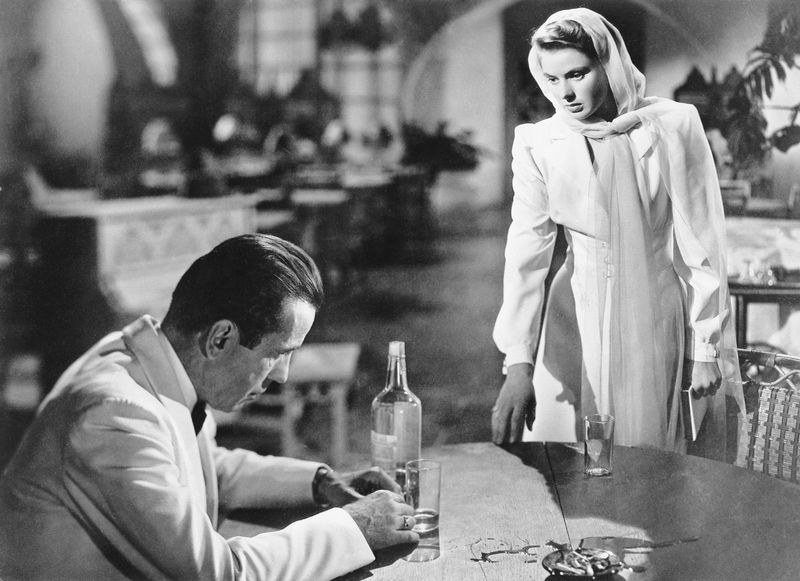
Classic Hollywood romance has a way of producing quotes that feel real, even when they’re invented by memory.
The line everyone repeats is “Play it again, Sam,” but that exact sentence never appears in the film.
What’s actually said is closer to “Play it, Sam,” along with variations asking him to perform the song.
Because the misquote sounds smoother and more complete, it became the tidy version people preferred.
It also works perfectly as a standalone reference, even if you haven’t watched the movie in years.
Later pop culture echoes, including titles and parodies, helped cement the incorrect wording in the public mind.
The result is a quote that functions like a cultural shorthand, not a transcription of the screenplay.
If you rewatch the scene, the real phrasing feels more natural, and that’s exactly why it was easier to “improve.”
3. Snow White and the Seven Dwarfs — “Mirror, mirror on the wall…”
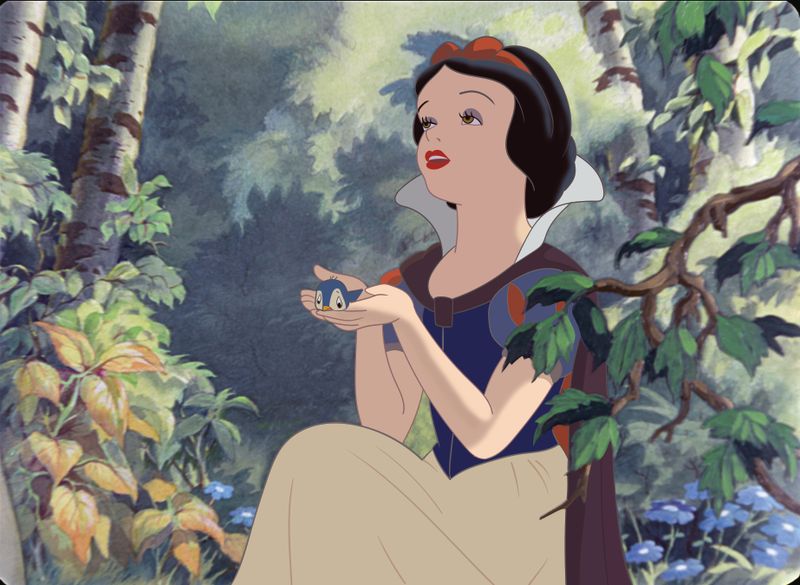
Fairy tales get retold so often that the most popular retelling can overwrite the original script.
In this case, most people swear the Evil Queen begins with “Mirror, mirror on the wall,” like it’s carved in stone.
The film’s wording is different, using “Magic mirror on the wall,” which shifts the rhythm slightly.
That small change is easy to miss because the meaning stays the same, and our brains keep the catchier cadence.
The “mirror, mirror” version appears in many adaptations and translations, which reinforces the mistaken memory.
It also sounds more poetic, so it’s the version people pass down in jokes and bedtime storytelling.
When a line becomes folklore, accuracy loses to musicality and repetition.
If you quote the movie specifically, “Magic mirror” is the tell that you actually remember the Disney wording.
4. Field of Dreams — “If you build it, they will come.”
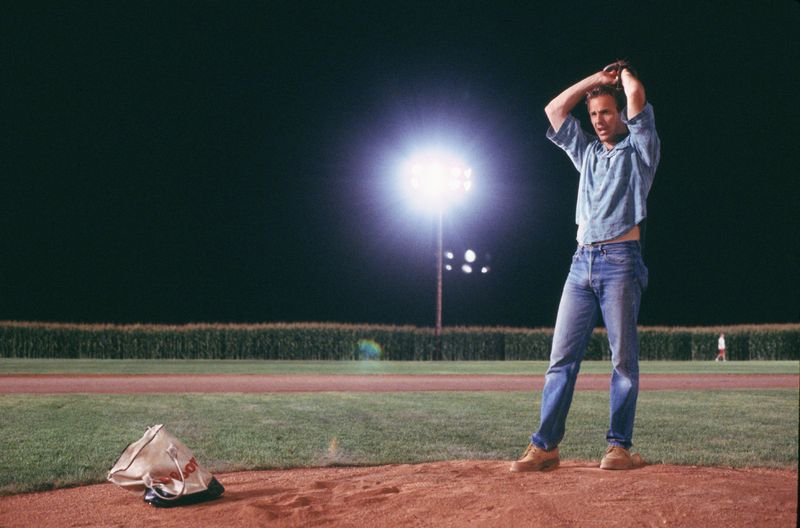
Sometimes a misquote turns a specific moment into a general life motto.
People repeat “If you build it, they will come” because it sounds like advice for business, love, or personal growth.
In the movie, the line is “If you build it, he will come,” and that “he” is very intentional.
Changing it to “they” makes it universal, which is why it shows up in speeches and motivational posters.
The original is mysterious and personal, while the misquote turns the message into a promise about crowds and success.
That shift also makes the line feel less eerie, which is not really what the film is going for.
As soon as a quote becomes inspirational, people reshape it to fit the widest audience possible.
Rewatching the scene with “he” intact makes the moment feel more intimate and strangely haunting.
5. Jaws — “We’re gonna need a bigger boat.”
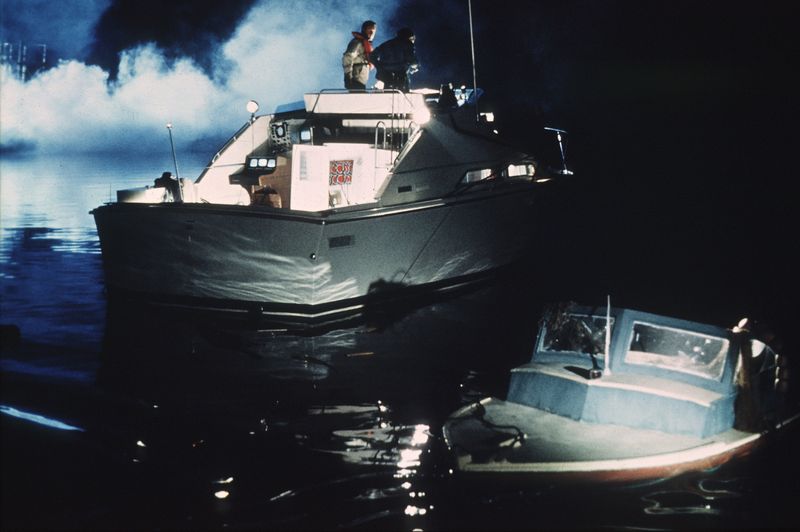
Memory loves rhythm, and “we’re gonna” has a casual bounce that feels perfect for retelling the scene.
The line, however, is actually “You’re gonna need a bigger boat,” which points the problem at someone else.
That pronoun change matters because it shifts the tone from teamwork to blunt warning.
People often remember it as “we” because it sounds like the group is collectively doomed together.
It also makes the quote easier to use in everyday situations, like a shared joke during a stressful task.
In the film, the original wording lands like a stunned observation, not a rehearsed catchphrase.
Once the quote entered pop culture, “we” became the version that fit the most situations.
If you want the true Brody vibe, the “you’re gonna need” phrasing is the one that nails the moment.
6. Dirty Harry — “Do you feel lucky, punk?”
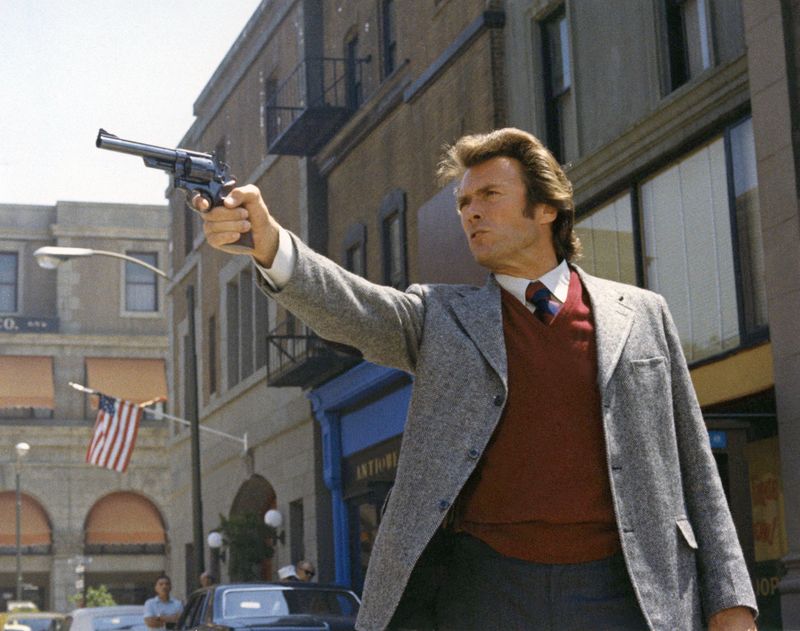
Catchphrases often get trimmed down until they fit neatly on a T-shirt or in a quick impression.
Clint Eastwood’s famous speech gets remembered as “Do you feel lucky, punk,” but the real line is longer.
In the movie, he builds tension with a full setup about counting shots and asking one question.
The famous “Well, do ya, punk?” lands harder because it arrives after the slow, taunting lead-in.
When people shorten the quote, they lose the whole psychological game he’s playing in that scene.
Still, the abbreviated version spread because it’s easier to repeat and instantly recognizable.
Parodies helped, too, because comedy loves a crisp punchline more than a faithful monologue.
If you want the line to hit like the movie intended, the long windup is what makes the threat feel real.
7. The Silence of the Lambs — “Hello, Clarice.”
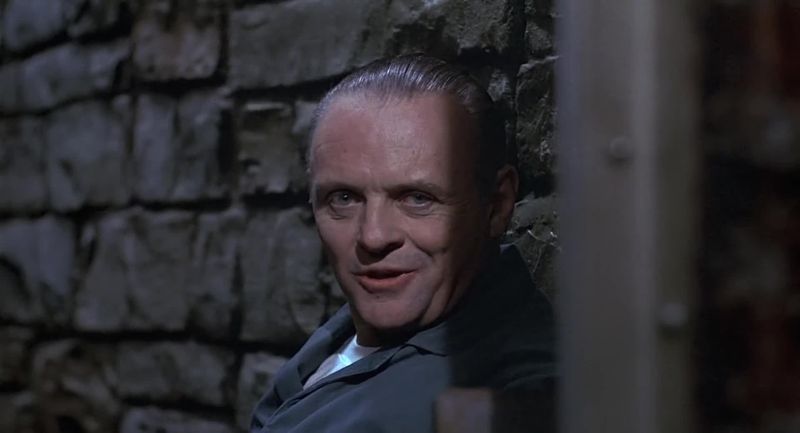
Pop culture sometimes invents a quote because it feels like something a character should say.
Despite how common it is, Hannibal Lecter doesn’t actually greet her with “Hello, Clarice” in the film.
The real dialogue uses different greetings, and the relationship builds through tension rather than a neat signature line.
“Hello, Clarice” became a convenient shortcut for impressions, trailers, and references that needed instant recognition.
It also sounds deliciously creepy, which matches the vibe people associate with the character.
Over time, the invented line started to feel more real than the real script because everyone kept repeating it.
This is what happens when a character’s aura becomes bigger than any single moment of dialogue.
If you rewatch the film, you’ll notice how the quiet, precise wording is actually more unsettling than the meme version.
8. Apollo 13 — “Houston, we have a problem.”
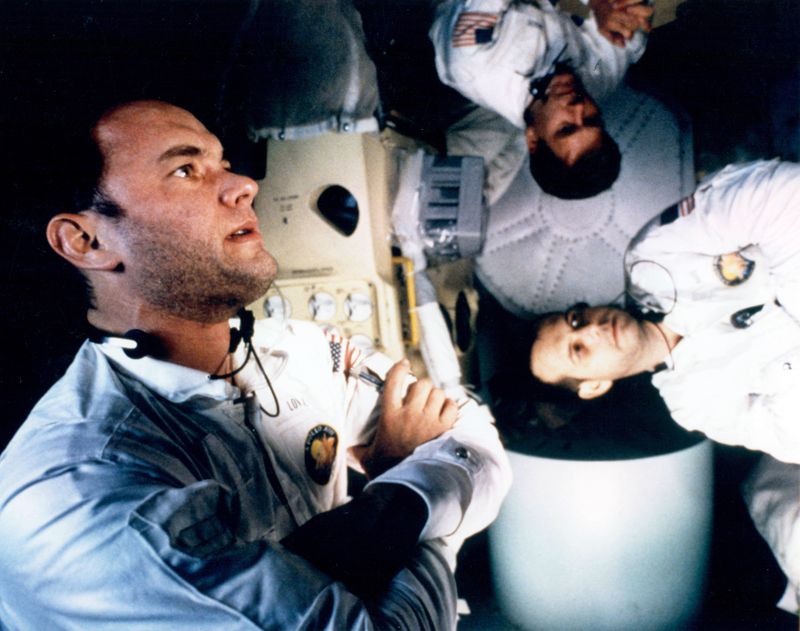
This one is tricky because the misquote is extremely close, and that closeness is what makes it so sticky.
Most people quote it as “Houston, we have a problem,” because it sounds immediate and dramatic.
In the film, the line is “Houston, we’ve had a problem,” which frames it as something that has already occurred.
That subtle tense change makes the moment feel more procedural, like astronauts reporting a serious issue.
The present-tense version spread because it works better as a catchphrase for everyday mishaps.
It’s short, it’s flexible, and it turns any minor inconvenience into a cinematic crisis.
Pop culture prefers lines that can be used in memes, headlines, and jokes without extra context.
If you rewatch the scene, the original wording feels more realistic, which fits the movie’s grounded tone.
Comments
Loading…