
 Jade Reed
Some band breakups are sad, and then there are the ones that feel like a friend moved away without saying goodbye.
When you’ve built routines around albums, tours, and inside jokes, the split doesn’t read like “business,” it reads like abandonment.
Fans don’t just miss the music, they miss the version of themselves that existed when those songs were everything.
That’s why certain breakups land with an oddly personal sting, even years after the last group photo.
Whether it was a “hiatus” that never ended or a feud that went nuclear, these endings left people feeling blindsided.
Here are 8 band breakups that didn’t just change the charts, they changed moods, playlists, and a lot of teenage journals forever.
1. One Direction

For millions of fans, the pause in 2015 felt less like a break and more like a slow-motion goodbye.
People tried to be supportive because everyone deserved rest, but the “18 months” framing kept hope alive in a way that hurt later.
Each solo rollout became both exciting and quietly heartbreaking, like watching roommates move out one box at a time.
The group’s chemistry had been a comfort show in musical form, so losing it felt like losing a safe place.
What made it sting was how the story shifted from “we’ll be back” to “we’re all doing our own thing” without a clear moment to grieve.
Even fans who matured out of peak stanning remember the emotional whiplash of realizing the reunion wasn’t guaranteed.
2. ’N Sync
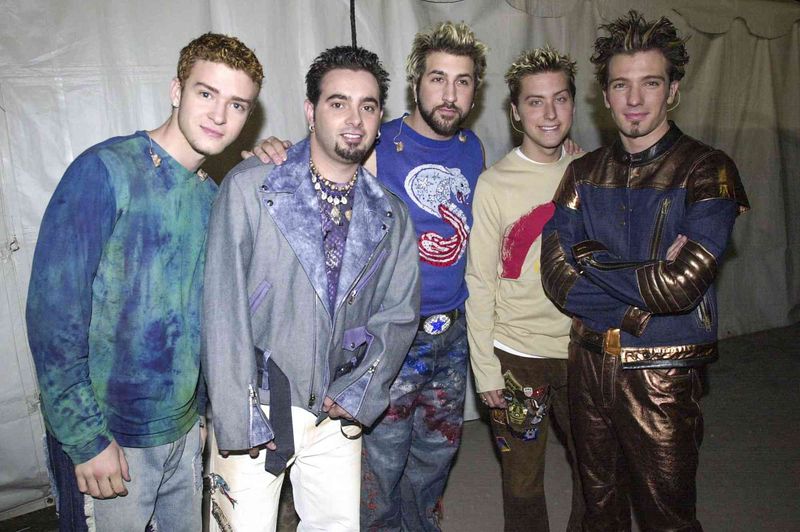
Back in the early 2000s, the silence after 2002 didn’t feel final at first, which is exactly why it hurt so much.
There was talk of a break, and fans held onto that word like it was a legally binding promise.
As Justin’s solo career exploded, it became harder to believe the group was still a priority rather than a chapter that had closed.
It wasn’t the idea of growing up that upset people, it was the feeling of being left behind without a proper farewell.
The group had represented a shared pop moment, and suddenly that moment belonged to the past while everyone pretended it was still loading.
Even years later, every reunion tease hits because fans never got the closure they thought they were owed.
3. The Beatles
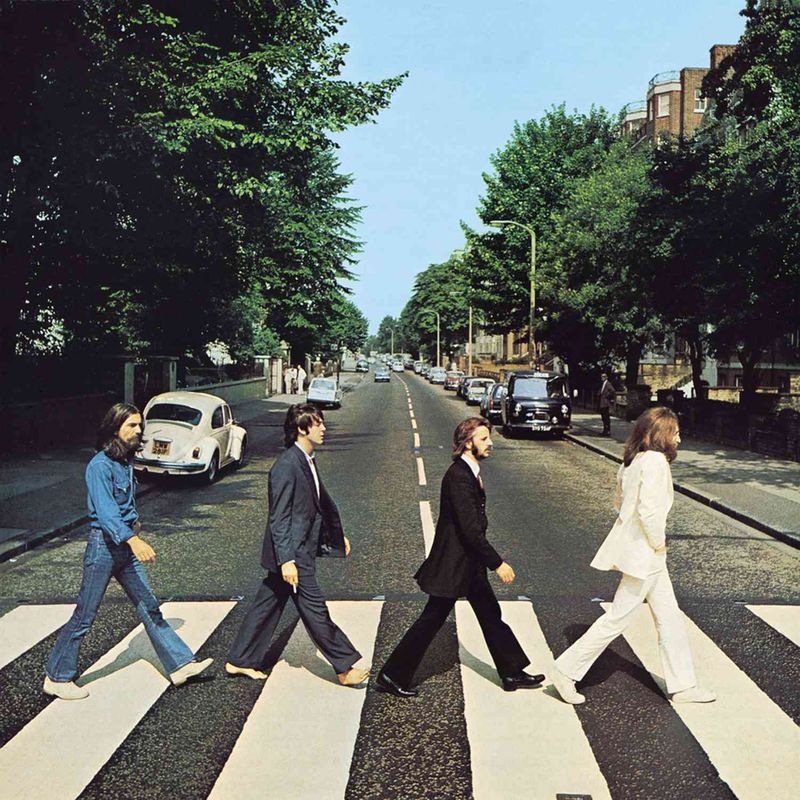
By the time the breakup was publicly confirmed in 1970, the cracks had already been showing, but fans still weren’t ready.
The band didn’t just stop making music; it unraveled in public, with lawsuits, tension, and pointed comments that felt painfully human.
For people who saw the group as a cultural anchor, watching the friendship dynamic collapse was almost harder than losing new songs.
The mythology of four people changing everything together was replaced with the reality of ego, burnout, and conflicting visions.
That shift turned a legendary story into something messy, and it made fans feel like they had been believing in a version of events that couldn’t last.
The betrayal wasn’t that they ended; it was that the ending wasn’t gentle.
4. Destiny’s Child

Even though the final split was framed as mature and planned, it still landed like the end of a whole stage of life.
Fans had already survived lineup changes and tabloid drama, so the idea of “we’re done” carried extra emotional weight.
There was a sense that the group had become bigger than music, like a blueprint for confidence, friendship, and surviving the spotlight.
When the focus shifted fully to solo careers, it felt like the sisterhood that powered all those anthems had been packed away.
The goodbye was successful, polished, and respectful, which almost made it more bittersweet because there was nothing to be angry at.
You just had to accept that something iconic was over, even if everyone was thriving.
5. Spice Girls

The departure in 1998 didn’t feel like one person changing jobs; it felt like the entire vibe of the ’90s getting dimmer.
Fans had treated the group like a five-part friendship bracelet, and suddenly one charm was missing with no way to fix it.
Because their message was unity and confidence, the split created confusion about what “together” even meant.
People still supported the remaining members, but the energy changed, and you could feel it in how fans talked about the band afterward.
The heartbreak came from how quickly the fantasy cracked, as if the world had promised a forever squad and then quietly took it back.
For many, it was the first pop breakup that taught them the harsh lesson that brands don’t equal bonds.
6. The Police
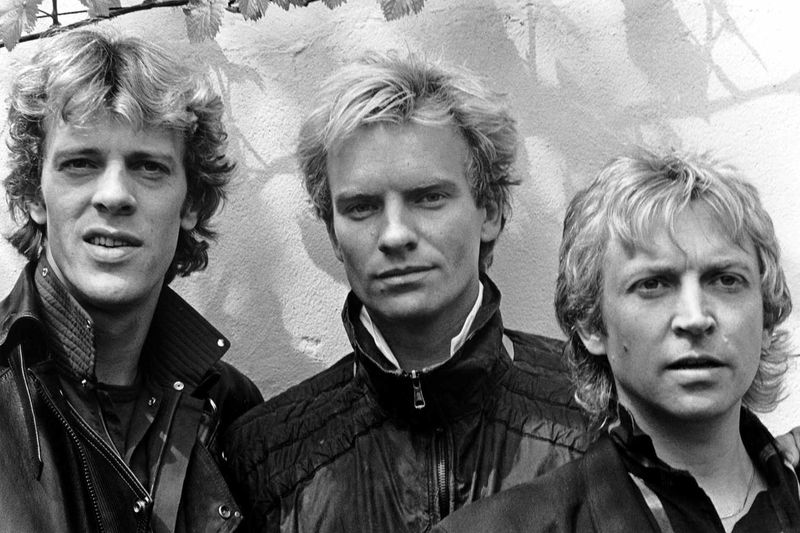
Long before the band officially stopped, the strain in the mid-’80s felt like a storm cloud that never moved away.
Fans could sense that the chemistry was turning into friction, and that unease made every new development feel fragile.
When Sting’s solo path became the obvious future, it wasn’t shocking, but it still felt like being told a favorite tradition had been discontinued.
The group’s sound had that rare balance of edge and catchiness, and losing the trio meant losing the exact mix that couldn’t be duplicated.
What hurt most was the feeling that the breakup wasn’t about music running out, but about people being unable to stand each other anymore.
That kind of ending always feels personal, because it makes you wonder what was real all along.
7. Oasis
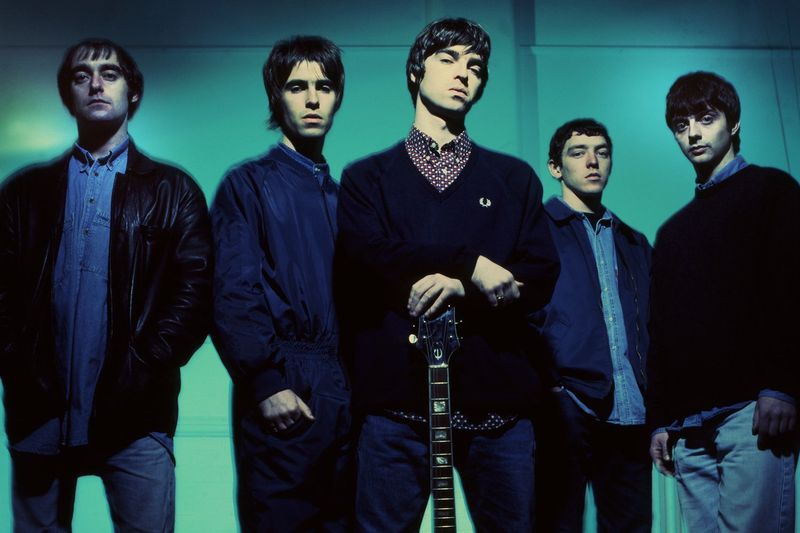
Years of chaos made the 2009 collapse seem inevitable, but inevitability doesn’t make it easier when it actually happens.
Fans had learned to tolerate the drama because it was part of the band’s mythology, like the dysfunction was somehow powering the anthems.
Then the breakup arrived like a door slam, and suddenly the whole “they’ll work it out” storyline was dead.
For listeners who grew up with those songs as confidence fuel, the end felt like someone erased a piece of cultural identity.
There was also a strange grief in realizing the brothers might never choose music over resentment, no matter how much fans begged.
But luckily, that was entirely the case as the Gallaghers reunited in 2025 for one more biblical Oasis tour.
8. The White Stripes

The announcement in 2011 came with respectful language, but it still felt like someone locking a beloved room and hiding the key.
Fans understood the idea of preserving the project’s integrity, yet the finality made it hard to process.
Their stripped-down sound wasn’t just a style, it was a mood that made listeners feel cooler, braver, and more alive.
Knowing that the duo’s chemistry would never be channeled into new work felt like being cut off from a specific kind of adrenaline.
The “ending on purpose” angle can feel noble, but it also leaves fans with nowhere to place their disappointment.
When something ends while it still feels essential, the loss hits like a betrayal of momentum.
Comments
Loading…