
 Chloe Peterson
Looking back at 2000s anime can be a wild ride — some characters hold up beautifully, while others make you cringe a little.
Many heroes we once cheered for are now harder to root for, thanks to outdated attitudes, frustrating behavior, or stories that let them off the hook too easily.
As our standards for storytelling and character development have grown, so has our ability to spot the cracks.
Here are 7 beloved 2000s anime protagonists who feel a lot less heroic when viewed through a modern lens.
1. Mamoru Takamura – Hajime no Ippo (2000–2002)
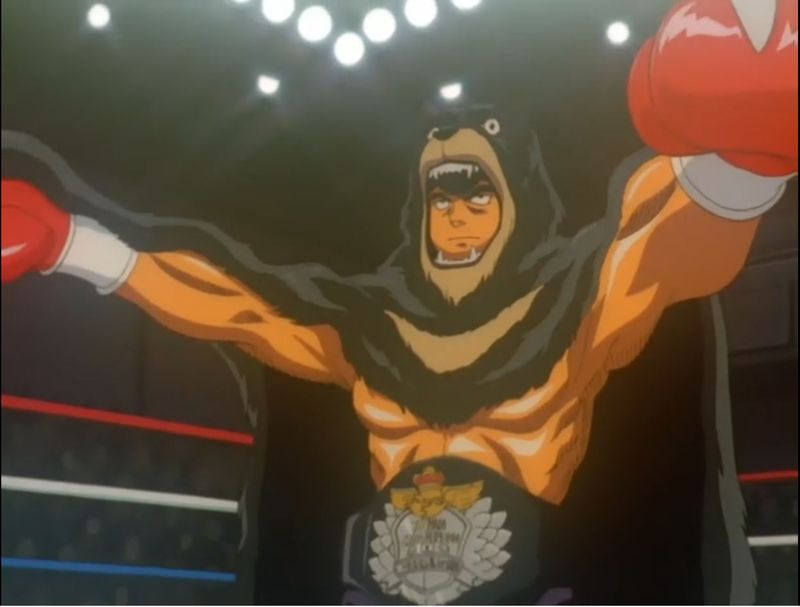
Takamura is undeniably one of the most powerful characters in Hajime no Ippo, and his boxing scenes are electric to watch.
But peel back the punches, and you find someone who is frequently rude, aggressive, and genuinely hard to be around.
His behavior toward women, in particular, has aged terribly.
What makes it worse is that the story rarely calls him out.
His worst moments are played for laughs, which sends a pretty uncomfortable message.
Modern audiences are far less willing to excuse cruelty as comedy.
Takamura’s charm fades fast once you stop laughing along with the crowd.
2. Tamaki Suoh – Ouran High School Host Club (2006)
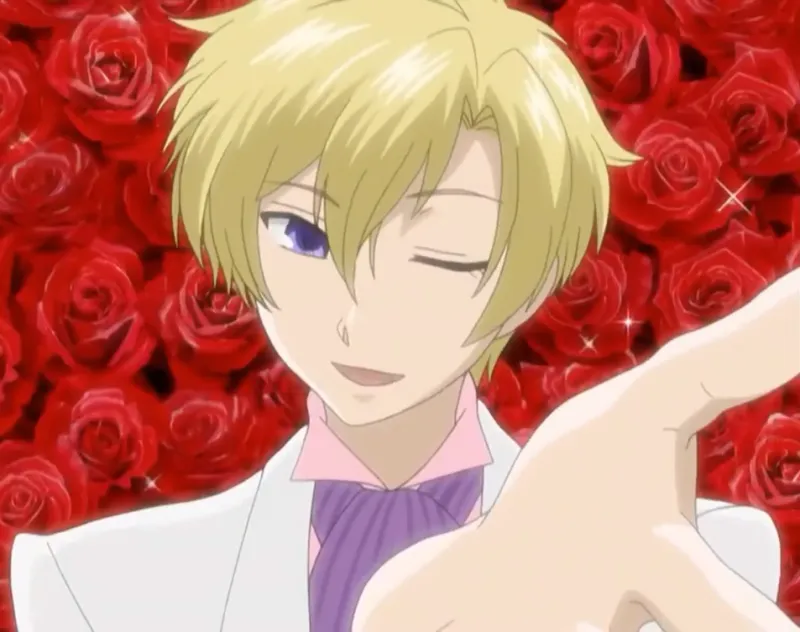
Back in 2006, Tamaki’s over-the-top “prince” energy felt like pure charm.
He was theatrical, passionate, and lovably ridiculous.
But watching him now, all that dramatics start to feel exhausting rather than endearing.
His disregard for personal boundaries is a recurring issue the show never quite addresses seriously.
He does have real emotional depth buried underneath the performance — that part is genuine.
Unfortunately, it gets swallowed up by constant tantrums and self-centered moments.
Add in real-world controversy tied to his English voice actor, and revisiting Tamaki today carries extra weight that makes nostalgia a little harder to hold onto.
3. Naruto Uzumaki and Sasuke Uchiha – Naruto / Naruto: Shippuden (2002–2017)
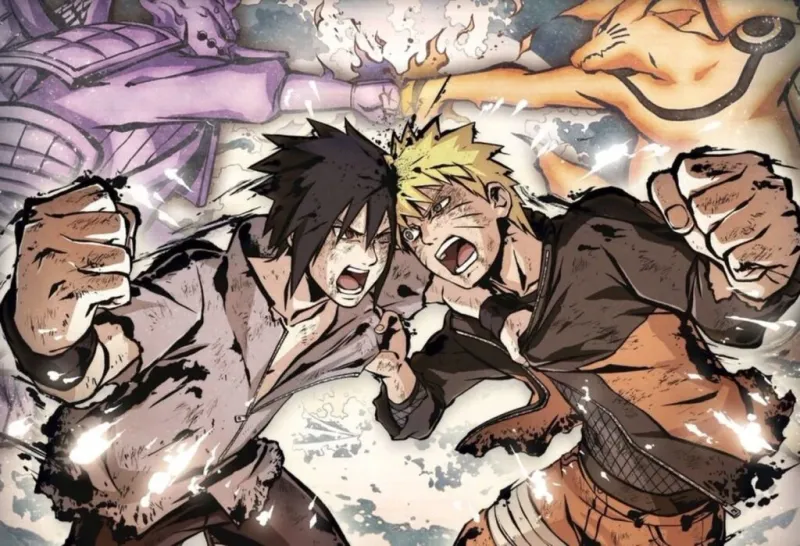
Few anime rivalries hit harder than Naruto and Sasuke’s — at least, that was the feeling back then.
Naruto’s stubborn loyalty and Sasuke’s brooding intensity made for a compelling duo.
Over time, though, both characters start to buckle under the weight of their own repetition.
Naruto’s obsession with Sasuke stretches way past reasonable dedication into something genuinely frustrating.
Sasuke, meanwhile, sheds his early complexity and becomes increasingly cold and cruel.
Their dynamic stops feeling inspiring and starts feeling exhausting.
Then Boruto arrived, revealing both as absent or neglectful fathers — a legacy blow neither character fully recovers from.
4. Suzaku Kururugi – Code Geass (2006–2008)
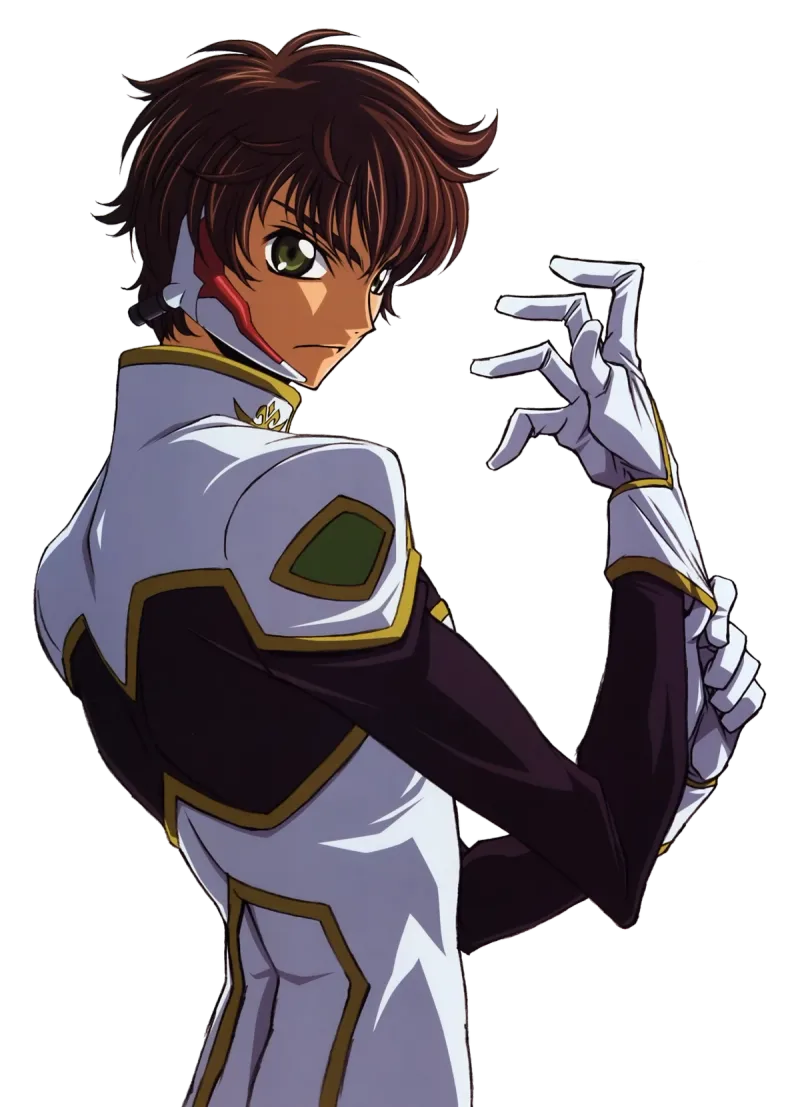
Suzaku Kururugi was sold to us as the moral heart of Code Geass — the guy who wanted to change the system from the inside.
Sounds noble, right?
The problem is that his actions almost never match his words.
He follows Britannia’s brutal orders without real pushback, even when lives are clearly on the line.
His constant self-righteousness feels hollow when you realize he has no actual plan.
The story keeps framing him as a hero, but that framing only makes his hypocrisy more obvious.
Today, Suzaku reads less like a voice of reason and more like a well-dressed contradiction.
5. L – Death Note (2006–2007)
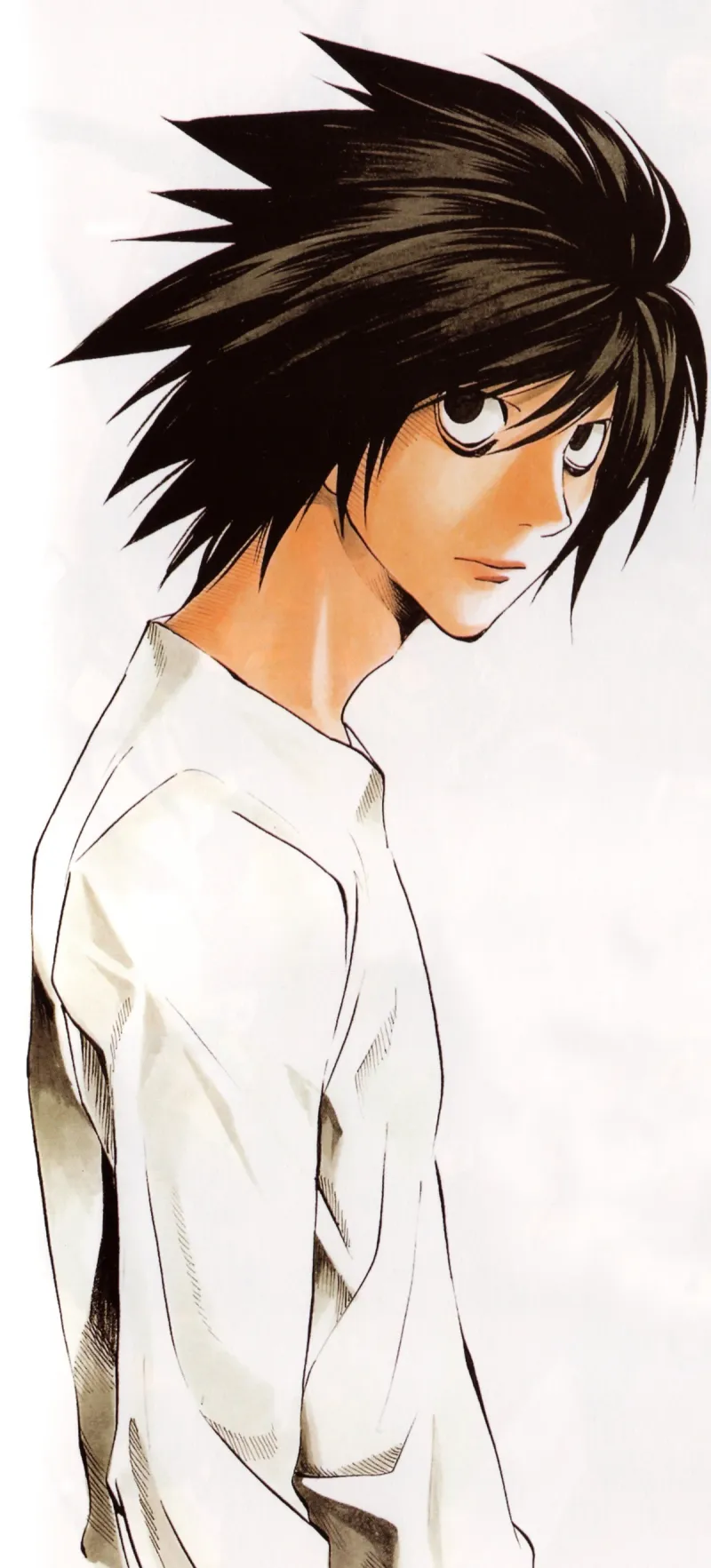
L is the kind of character who makes you feel smart just for watching him work.
His quirky habits, sharp instincts, and cat-and-mouse tension with Light Yagami made Death Note genuinely thrilling.
But here is the uncomfortable truth — L is not that different from the villain he is chasing.
His methods are ethically shaky at best.
He manipulates people, bends legal boundaries, and chases intellectual victory more than actual justice.
The ego driving him rivals Light’s own.
Calling him a hero requires ignoring quite a lot.
L is fascinating, absolutely — but “heroic” is a title he has never fully earned.
6. Kei Kurono – Gantz (2004)
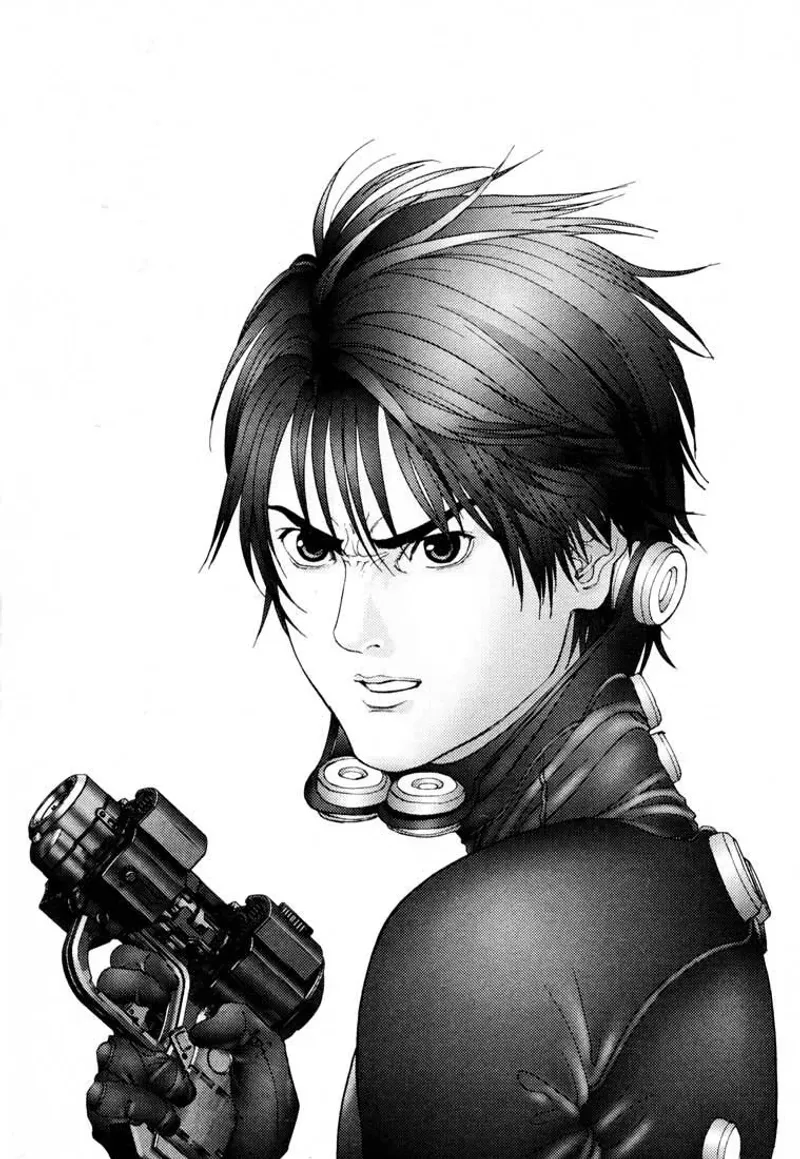
Gantz threw its audience into brutal, high-stakes chaos, and Kei Kurono was the reluctant face of it all.
He starts the series as one of the most openly selfish protagonists of his era — apathetic, self-absorbed, and almost aggressively indifferent to anyone else’s pain.
That raw honesty about his flaws was actually refreshing at the time.
The issue is that his early behavior leaves a stain that character growth can only partially wash out.
Modern storytelling tends to pair flawed protagonists with visible empathy.
Kurono skips that balance entirely in his early arc, making him abrasive in ways that are genuinely hard to defend today.
7. Kira Yamato – Mobile Suit Gundam SEED (2002–2003)
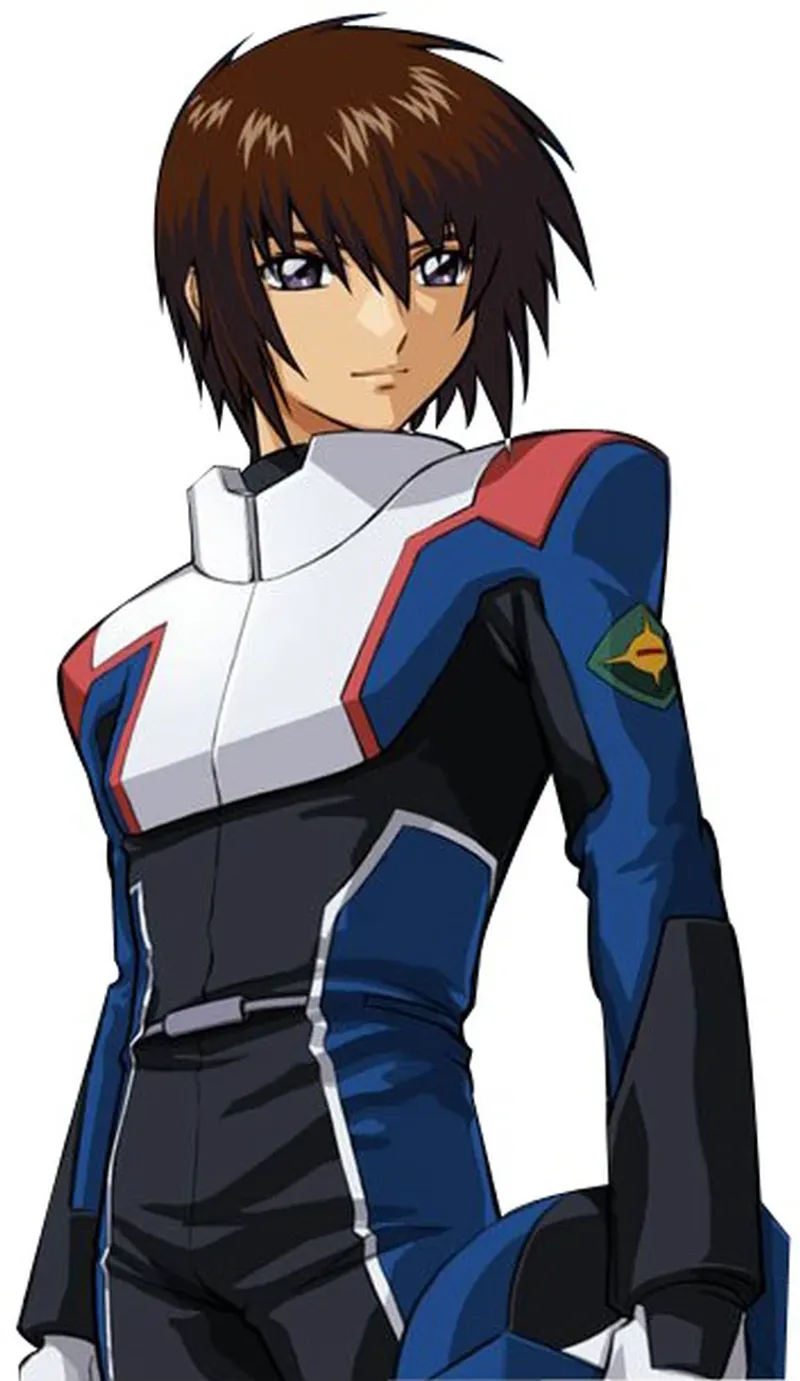
When Gundam SEED first aired, Kira Yamato felt like a breath of fresh air — a sensitive, peace-loving pilot in a genre full of hotheads.
His compassion stood out, and his internal struggle with war felt meaningful.
Looking back, though, that idealism has curdled into something that feels almost artificially perfect.
Kira rarely faces real consequences for his choices.
The story seems to protect him from meaningful growth by shielding him from lasting failure.
Compared to modern leads who earn their arcs through genuine hardship, Kira feels emotionally untested.
His relatability evaporates when the narrative refuses to let him truly struggle.
Comments
Loading…