
 Mary Murphy
Andrei Tarkovsky is widely considered one of the greatest filmmakers who ever lived, and for good reason. His movies feel less like stories and more like dreams you can’t quite shake after waking up.
Each film he made was packed with deep emotion, stunning visuals, and questions about life that still feel fresh today. If you’ve never seen his work, these seven films are the perfect place to start.
1. Ivan’s Childhood
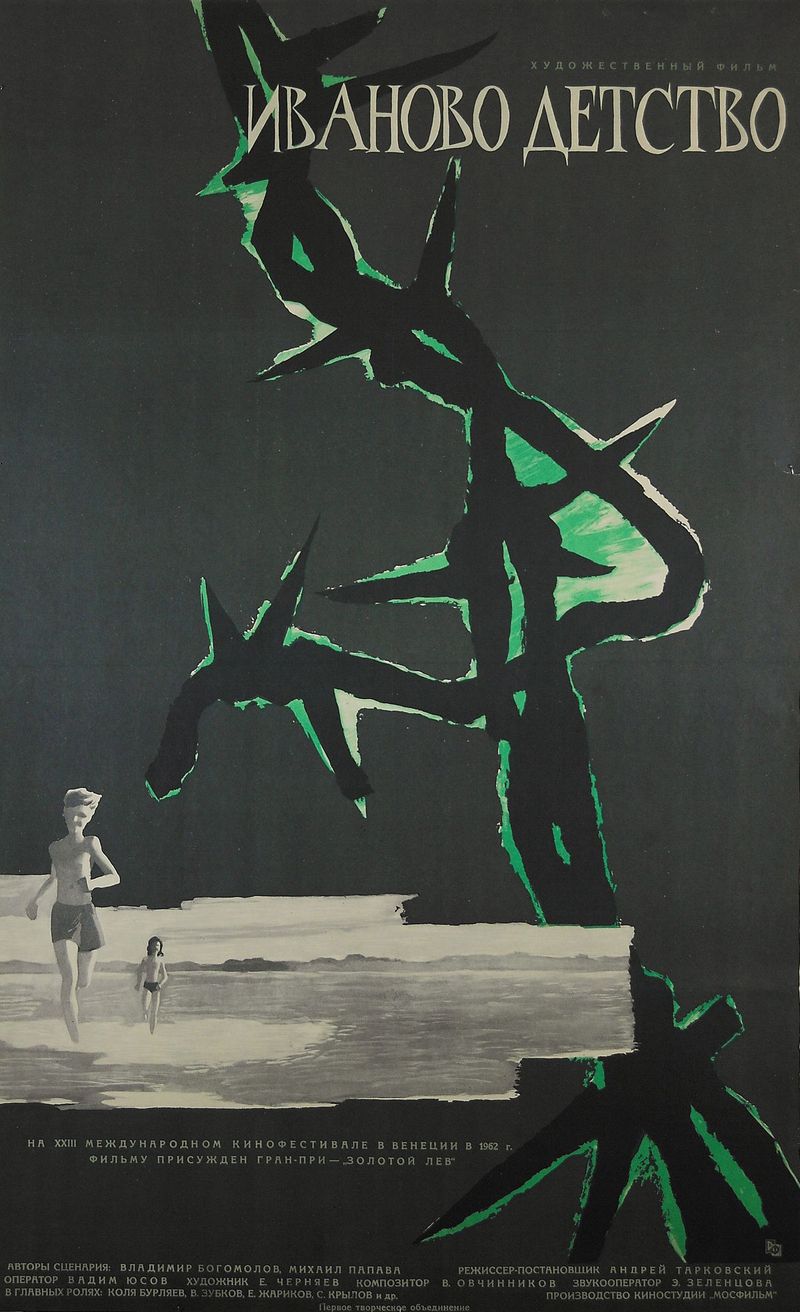
War through a child’s eyes hits differently, and nobody captured that truth more powerfully than Tarkovsky in his very first feature film.
Released in 1962, Ivan’s Childhood follows a 12-year-old orphan working as a Soviet spy during World War II.
The contrast between Ivan’s haunting dreams of a peaceful childhood and his brutal wartime reality is heartbreaking.
Tarkovsky used black-and-white photography like a painter uses shadow and light, making every frame feel alive.
This film won the Golden Lion at the Venice Film Festival.
It announced to the world that an extraordinary new voice in cinema had arrived.
2. Andrei Rublev
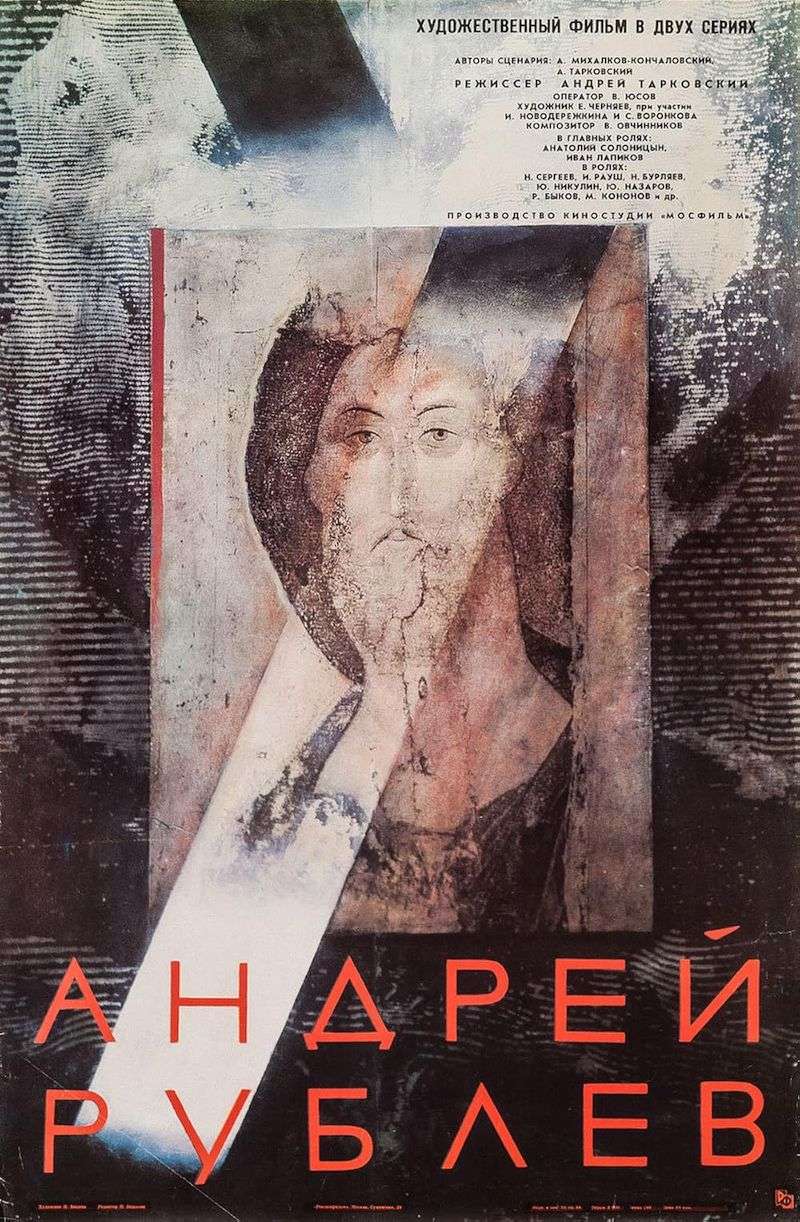
Imagine spending nearly three hours inside medieval Russia, watching a real historical figure wrestle with faith, violence, and the purpose of art.
That’s exactly what Andrei Rublev offers, and it’s absolutely worth every minute.
The film follows the legendary icon painter Andrei Rublev across several chapters of his turbulent life.
Tarkovsky wasn’t just telling a biography here.
He was asking a much bigger question: can beauty and art survive in a brutal world?
The Soviet government actually banned the film for years, which tells you just how powerful and challenging it truly was.
Few films feel this monumental.
3. Solaris
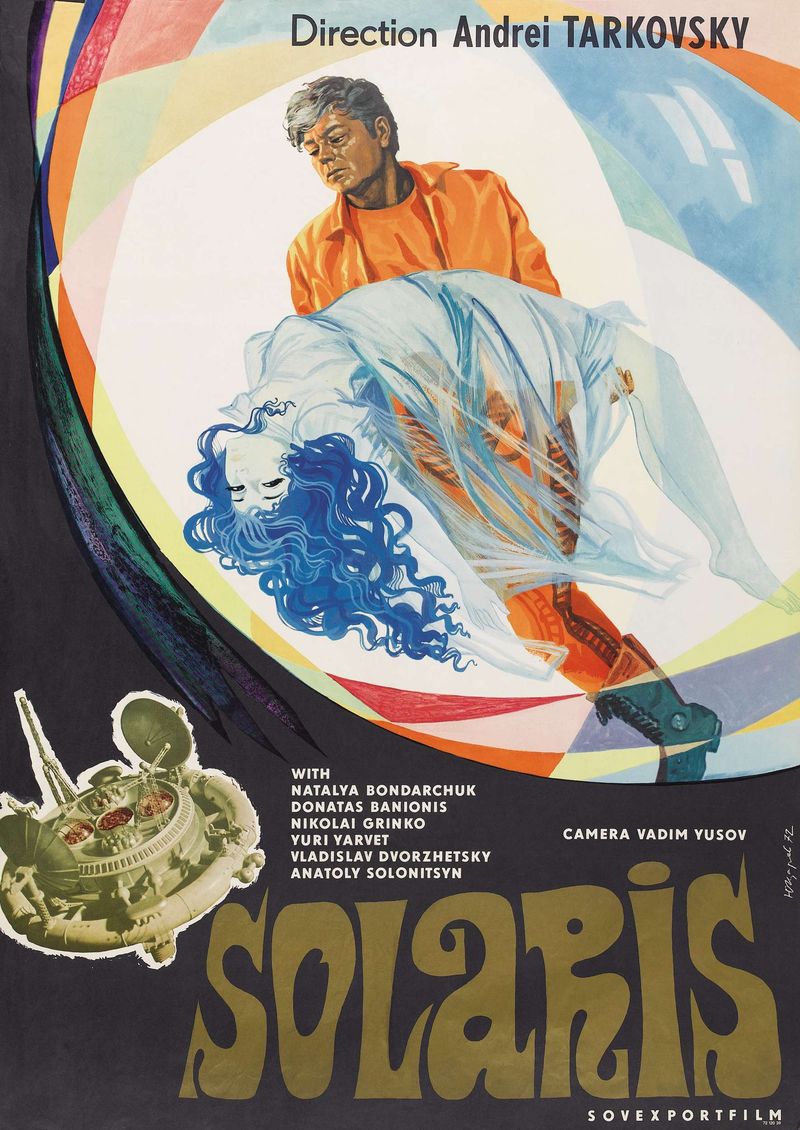
Forget the flashy spaceships and alien battles you might expect from a sci-fi film.
Solaris is something far more unsettling and deeply personal.
Based on Stanislaw Lem’s famous novel, the story follows a psychologist sent to a space station orbiting a mysterious ocean planet that seems to read human minds.
What makes this film genius is that Tarkovsky turned outer space into inner space.
The real subject isn’t the alien planet at all.
It’s grief, memory, and what it truly means to be human.
Released in 1972, Solaris remains one of the most thought-provoking science fiction films ever made.
4. Mirror
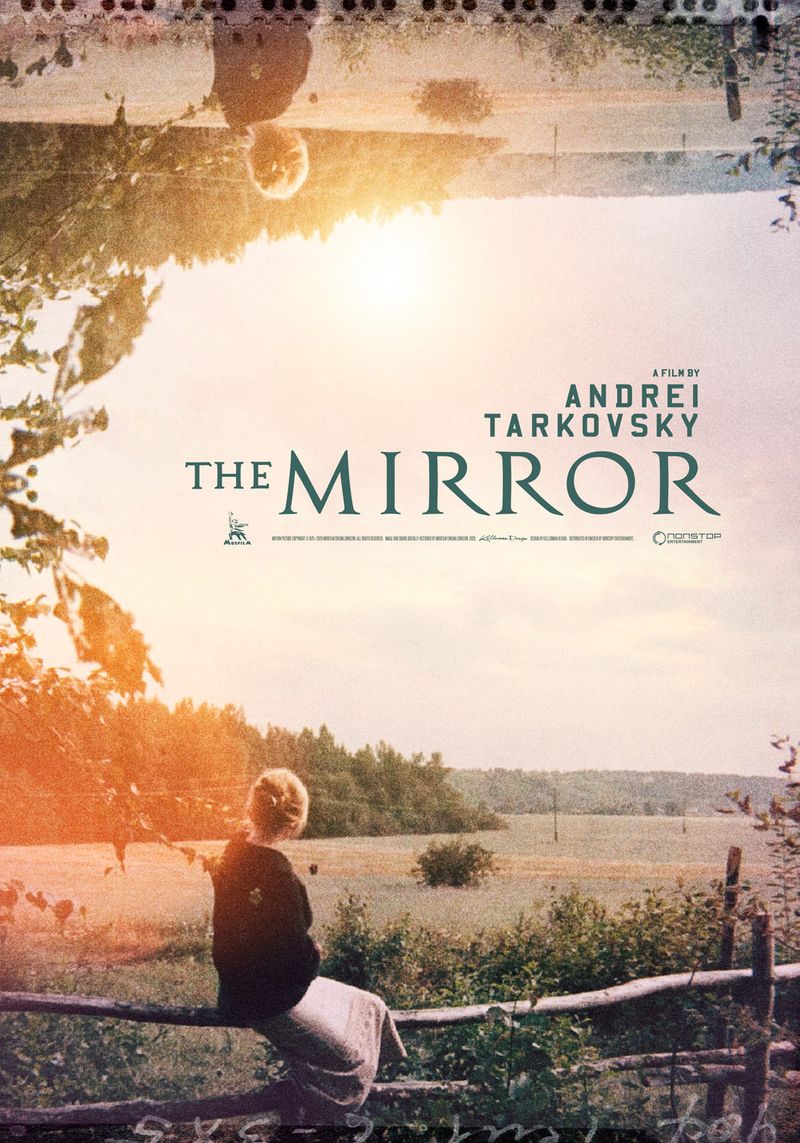
Some films tell a story.
Mirror doesn’t, and that’s precisely what makes it so astonishing.
Released in 1975, this deeply autobiographical film weaves together memories, dreams, newsreel footage, and poetry in a way that feels more like music than traditional storytelling.
Tarkovsky drew directly from his own childhood memories to create it.
Watching Mirror feels like flipping through someone else’s most private journal and somehow recognizing your own feelings inside it.
Critics and filmmakers around the world have called it one of the most personal films ever committed to celluloid.
It rewards patience with moments of pure, overwhelming emotional beauty.
5. Stalker
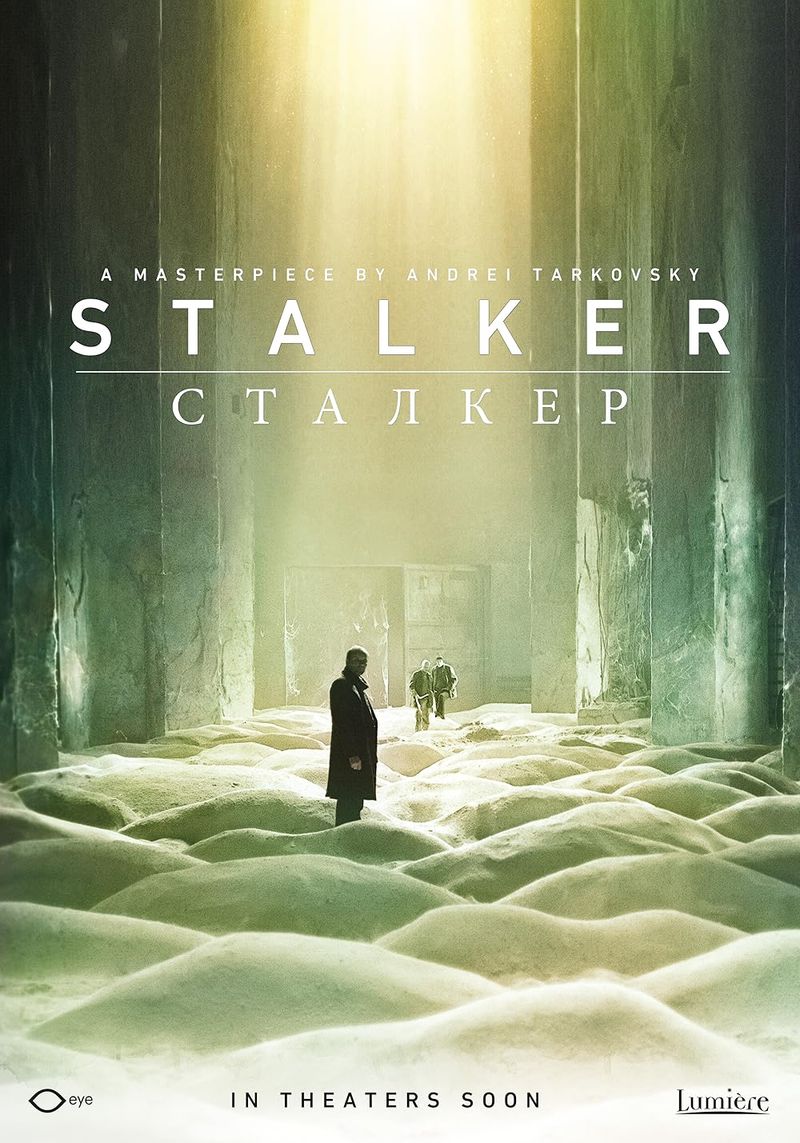
Picture a post-apocalyptic landscape where a forbidden zone holds a room that can supposedly grant your deepest wish.
Now imagine that the journey there is the entire point of the film.
Stalker, released in 1979, follows three men through this eerie, forbidden territory called the Zone, guided by a mysterious figure known only as the Stalker.
Tarkovsky shot the film in a real abandoned industrial area in Estonia, and the location feels genuinely otherworldly.
Long, slow takes build unbearable tension without a single explosion.
Stalker is a meditation on hope, belief, and human desire that filmmakers still study and admire decades later.
6. Nostalghia
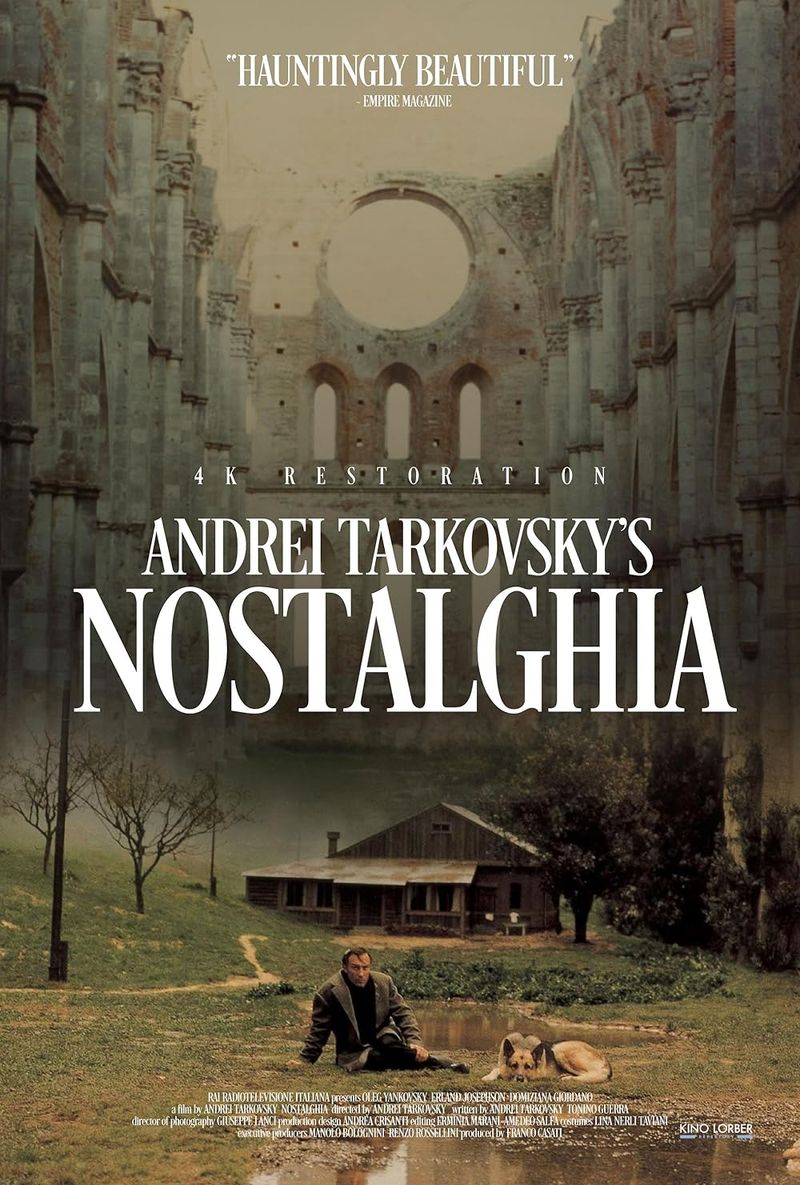
There’s a particular ache that comes from being far from home, and Tarkovsky knew it well.
Made while he was living in exile from the Soviet Union, Nostalghia is his most personal meditation on displacement and longing.
Released in 1983, it follows a Russian poet traveling through the Italian countryside, unable to feel truly connected to anything around him.
One unforgettable scene shows a character attempting to carry a lit candle across an empty thermal pool without letting it go out.
It takes nearly ten real-time minutes.
That single sequence says more about human perseverance and fragility than most entire films manage to express.
7. The Sacrifice
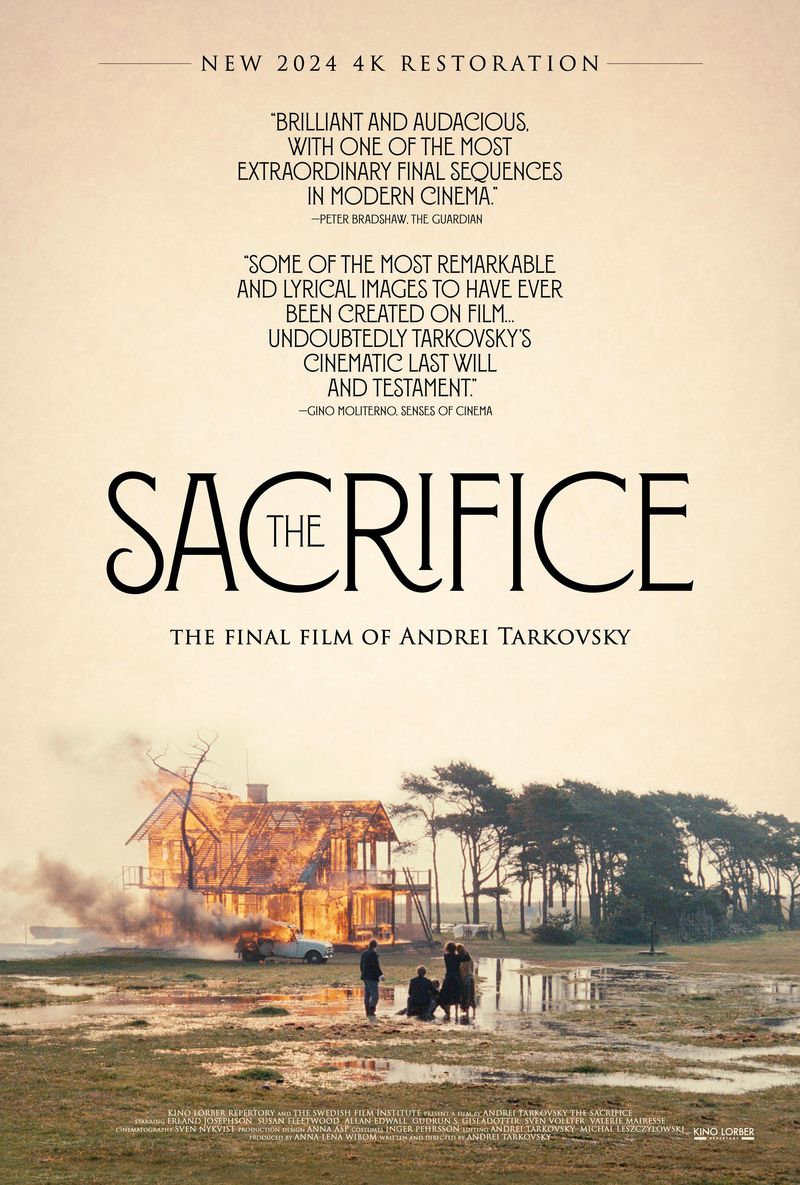
Tarkovsky’s final film carries the weight of a man who knew he was running out of time.
Made in Sweden and released in 1986, The Sacrifice tells the story of a man who promises God he will give up everything he loves if a looming nuclear catastrophe is prevented.
It’s quiet, slow, and utterly devastating.
Cinematographer Sven Nykvist, famous for his work with Ingmar Bergman, shot the film with breathtaking precision.
The closing scene, where a house burns to the ground in a single long unbroken take, is legendary in film history.
Tarkovsky died of cancer just months after completing it.
Comments
Loading…