
 Chloe Peterson
Studios tease, headlines flare, and then… nothing.
You keep hearing that a beloved sequel or remake is right around the corner, yet months slip into years with only vague promises to show for it.
That stop-and-start limbo can be thrilling one week and frustrating the next.
Let’s sift through the projects that refuse to die, the whispers that keep hope alive, and the reasons they are still not rolling cameras.
1. Sherlock Holmes 3 (sequel)

A third trip back to Victorian mystery-solving has been teased so long that it’s started to feel like a case only Sherlock could crack.
The appeal is obvious: the first two films were stylish, fast-paced, and built around a crowd-pleasing pairing, so a follow-up seems like easy money.
The problem is that “easy” rarely survives real-world scheduling, especially when everyone involved is busy and the project keeps drifting in and out of focus.
Over the years, updates have popped up just often enough to keep hope alive, but not consistently enough to suggest the movie is truly close.
Fans keep waiting for the moment it goes from “still in development” to “actually filming,” because that’s the only clue that matters.
2. Legally Blonde 3 (sequel)

If there’s one character who deserves a modern comeback without losing her charm, it’s Elle Woods, and that’s why this sequel refusal-to-launch is extra annoying.
The concept feels tailor-made for today: a smart, optimistic heroine navigating adulthood, career pivots, and the kind of pop-culture fame that follows you forever.
Yet the project has spent years stuck in the cycle of announcements, delays, and “we’re working on it” reassurance.
That’s not the same thing as momentum, and viewers have learned to treat vague updates as a warning sign rather than progress.
At this point, the biggest question is whether the story can still feel fresh after so many stop-and-start attempts.
The audience is ready, but the calendar keeps saying otherwise.
3. National Treasure 3 (sequel)
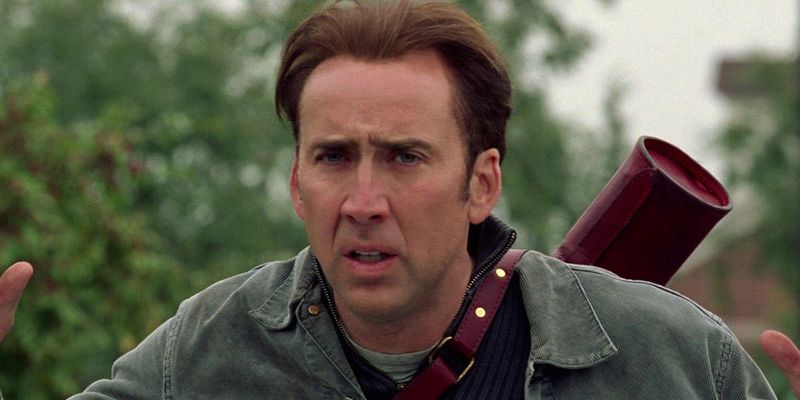
Few franchises make people instantly nostalgic quite like a globe-trotting treasure hunt with riddles, secret societies, and just enough history to make you want to open Wikipedia afterward.
That’s why another installment sounds like a slam dunk, especially when the original formula still works and the fanbase never really went anywhere.
The catch is that this sequel has been “almost happening” for years, which is basically the Hollywood version of leaving someone on read.
You hear about scripts, ideas, and renewed interest, but there’s never a real production timeline that sticks.
Part of the frustration is that the concept doesn’t require reinventing the wheel, and it could easily tap into today’s appetite for clever, comfort-watch adventures.
Instead, it remains a movie-shaped question mark.
4. Spawn (reboot)
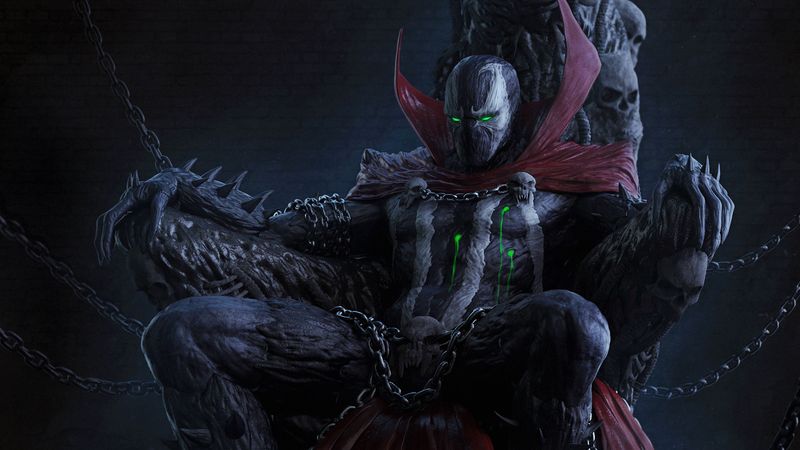
A darker comic-book reboot sounds like the kind of project studios claim they want, especially when audiences keep asking for something grittier than the usual glossy superhero routine.
That’s exactly why this one’s long journey has been so confusing, because the ingredients for a strong reboot have been on the table for ages.
Creative plans have shifted, scripts have reportedly been reworked, and updates appear in bursts that make it seem like the finish line is finally in sight.
Then things go quiet again, and the whole cycle restarts.
The difficulty is that “edgy” and “different” are easy words to say but hard to pull off in a way that still sells tickets.
Until a director, cast, and start date feel locked, it’s still a reboot in theory.
5. Hyperion (adaptation of Dan Simmons’ sci-fi novel)
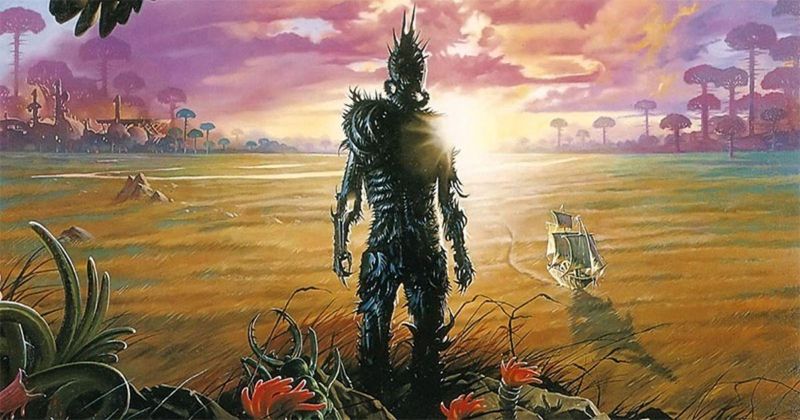
Big, brainy science fiction is having a moment, which makes this adaptation’s ongoing limbo even more surprising.
The source material is legendary among readers for its scope, structure, and world-building, but that’s also what makes it so difficult to translate into a single, clean blockbuster package.
The story is ambitious, the tone can be complex, and the expectations from fans are intense, which creates the kind of pressure that slows everything down.
It’s the classic development hell recipe: everyone agrees it could be amazing, but no one wants to be the person who simplifies it too much or spends a fortune and misses the mark.
That’s why the project keeps resurfacing as “in development” rather than “in production.” The dream is enormous; the logistics are brutal.
6. Metal Gear Solid (video game adaptation)

Video game movies finally found their footing, so the idea of adapting this iconic title feels more realistic than it did a decade ago.
Even so, the project has been attached to so much talk for so many years that people joke about it like it’s a mythological creature.
The challenge isn’t just making an action movie, because that part is easy; the challenge is capturing the series’ specific weirdness, political intrigue, and twisty storytelling without turning it into generic spy filler.
Every time the adaptation inches forward, there’s another round of script chatter, casting speculation, or “it’s coming along” updates that don’t translate into a concrete timeline.
Fans remain intrigued because the world is rich and cinematic, but curiosity can only carry a project so far.
Eventually, it has to become a real movie.
7. The Last Starfighter (sequel/revival)
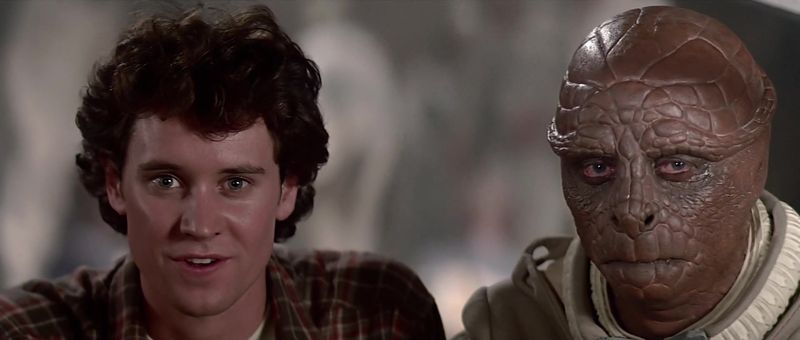
Long before “ready player one” energy became a mainstream thing, this cult favorite delivered a fantasy that still hits: what if being good at a game was the secret ticket to an epic adventure?
That’s exactly why a sequel or revival seems like it should be inevitable in today’s nostalgia economy.
The problem, as it often is with older properties, comes down to rights and legal complexity, which can turn a simple creative idea into years of paperwork and stalled negotiations.
When a project’s biggest villain is a contract, progress tends to happen in frustrating slow motion, even if the people involved genuinely want it to happen.
Fans keep hearing that something is still being worked out, but “worked out” doesn’t equal “moving forward.” Until those behind-the-scenes obstacles clear, the ship stays grounded.
Comments
Loading…