
 Hailey Watson
Music fans love to believe their favorite bands stick together out of pure passion and friendship.
But behind the scenes, some of the biggest names in rock history have a different story to tell.
Money, contracts, and legal obligations have kept certain legendary groups performing together long after the magic faded, turning what should be creative partnerships into business arrangements that nobody can escape.
1. The Eagles

Few bands have mastered the art of profitable dysfunction quite like The Eagles.
Don Felder and Don Henley’s explosive confrontation during a 1980 concert became legendary, yet fourteen years later they reunited for a tour that made millions.
Their ‘Hell Freezes Over’ comeback wasn’t just about nostalgia.
Recording contracts and the promise of massive paydays brought these feuding musicians back together despite their bitter history.
The band’s ability to set aside personal grudges for financial gain shows how powerful contractual obligations can be.
Even after Felder’s eventual departure and lawsuit, the remaining members continue touring, proving that when enough money is involved, almost any relationship can be maintained professionally if not personally.
2. Fleetwood Mac
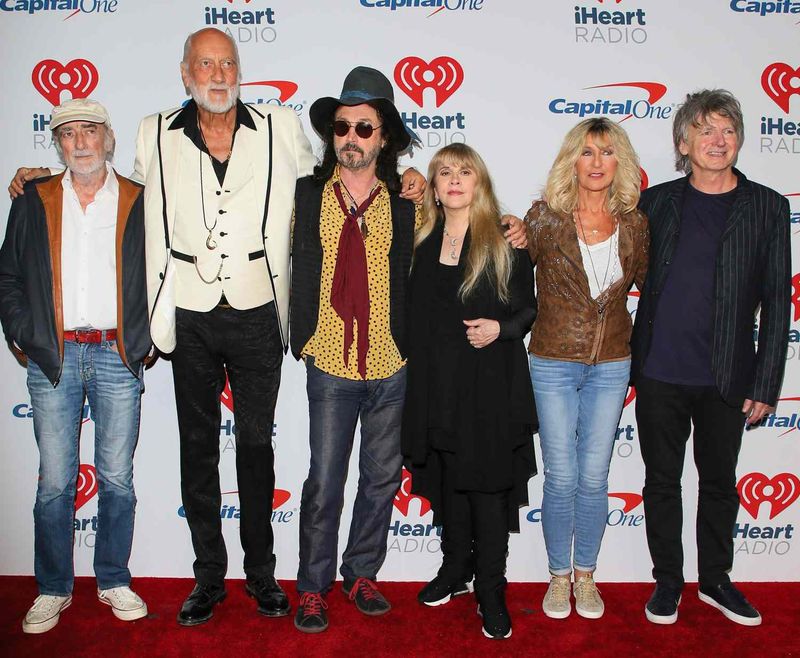
Romantic entanglements turned professional nightmares define Fleetwood Mac’s story.
Lindsey Buckingham and Stevie Nicks transformed their personal breakup into chart-topping hits, but their working relationship remained toxic for decades.
Commercial success and tour contracts kept them bound together through years of barely concealed hostility.
The tension finally exploded in 2018 when Buckingham was fired, leading to his breach of contract lawsuit.
What makes their situation fascinating is how they channeled dysfunction into creativity while contract terms ensured they couldn’t walk away.
The band’s willingness to endure uncomfortable working conditions for lucrative payouts demonstrates how financial incentives can override personal comfort in the music industry.
3. Creedence Clearwater Revival
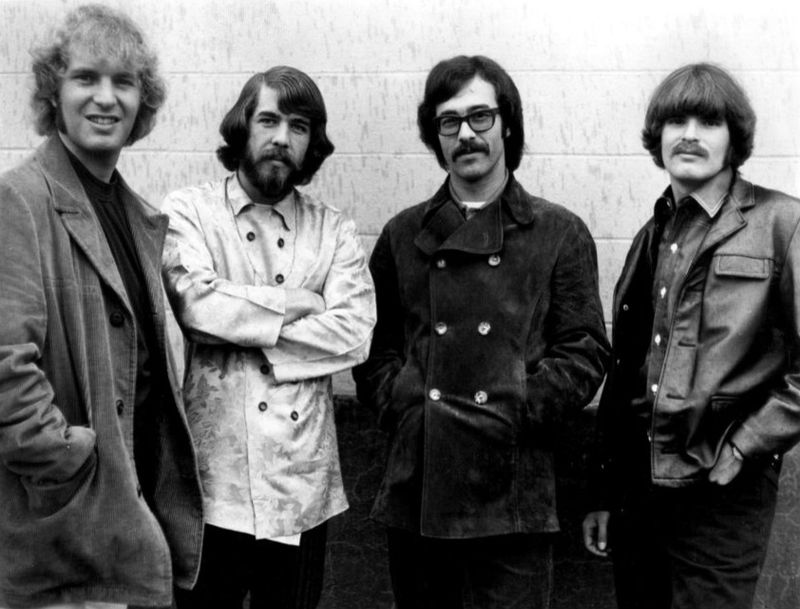
Success came fast for CCR, but it crumbled even faster under the weight of internal disputes.
John Fogerty’s creative control clashed with his bandmates’ desires for equal input, creating resentment that money couldn’t fix.
After their 1972 breakup, the real battle began.
Legal fights over royalties and naming rights stretched for years, with former members locked in courtroom warfare over who owned what.
These contractual disputes revealed how quickly brotherhood can dissolve when financial stakes get high.
The band’s story serves as a cautionary tale about the importance of clear agreements from the start, as their legal entanglements prevented any genuine reconciliation and turned former friends into permanent adversaries.
4. The Clash
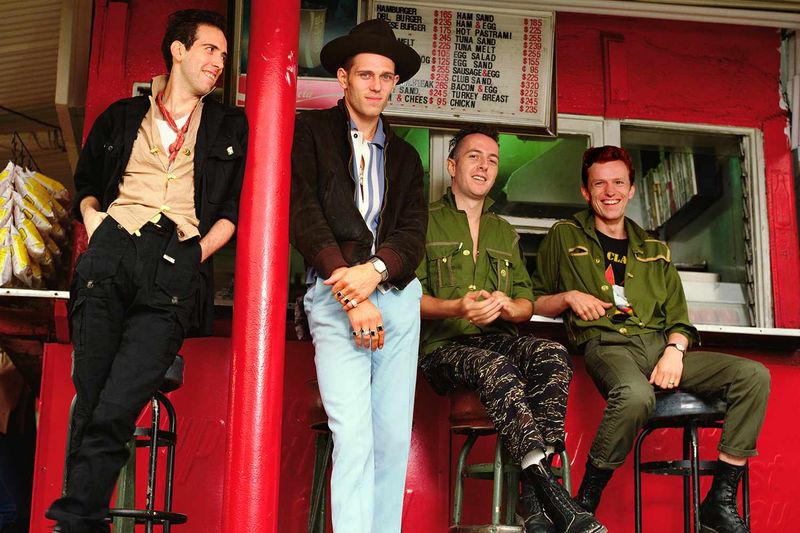
Irony defined The Clash’s downfall.
A band built on anti-establishment ideals collapsed over the most capitalist concern imaginable: money distribution.
Royalty disputes and disagreements over earnings tore through their ranks like a chainsaw through their punk rock credibility.
What started as a unified political voice devolved into arguments about who deserved bigger paychecks.
Multiple lineup changes followed as financial tensions mounted.
The contradiction between their revolutionary lyrics and backstage money fights exposed the harsh reality that even ideologically driven artists aren’t immune to greed.
Their story proves that contractual fairness matters regardless of a band’s public image, and when payment structures feel unfair, even the strongest shared beliefs can’t hold a group together.
5. Guns N’ Roses
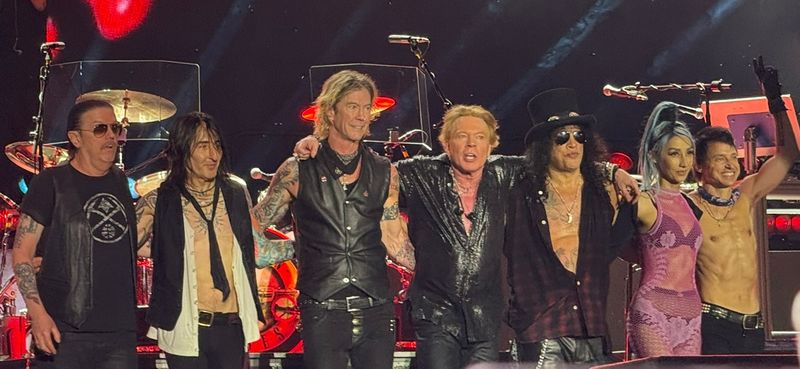
Excess defined everything about Guns N’ Roses, including their internal conflicts.
As their fame skyrocketed in the late eighties, so did disputes over who earned what from their explosive success.
Axl Rose’s increasingly controlling behavior combined with royalty disagreements created a revolving door of departing members.
The financial stakes were enormous, making every disagreement about money feel like a betrayal.
What kept various lineups touring under the GN’R name?
Lucrative contracts and the brand’s incredible earning potential.
Even when most original members had left, the business entity survived because the financial rewards for using that name were simply too large to abandon, regardless of personal relationships or creative authenticity.
6. Simon & Garfunkel
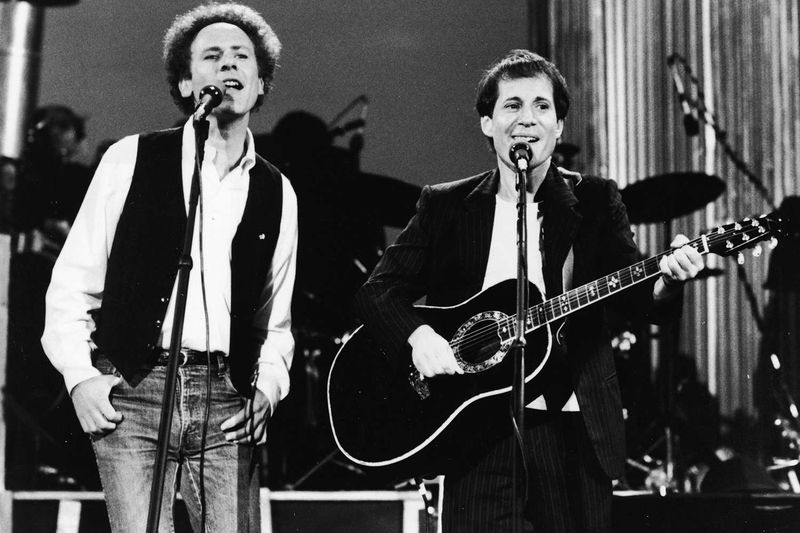
Perfect harmonies masked imperfect partnership dynamics.
Paul Simon and Art Garfunkel’s voices blended beautifully, but their business relationship hit sour notes over financial arrangements and creative credit.
As Simon’s songwriting drove their success, questions arose about fair compensation splits.
The pressure of fame magnified these money concerns until they became insurmountable obstacles.
Their periodic reunions over the decades weren’t always driven by renewed friendship.
Concert promoters offered massive paydays for nostalgia tours, and contractual opportunities brought them back together repeatedly despite unresolved tensions.
Their story illustrates how financial incentives can temporarily patch over personal rifts, creating the illusion of reconciliation when it’s really just profitable cooperation between estranged partners.
7. The Zombies
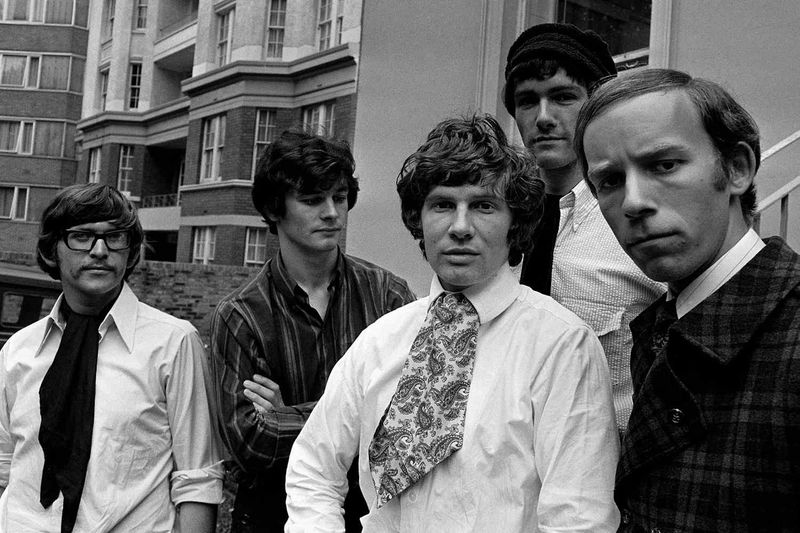
Critical acclaim doesn’t always equal financial stability.
The Zombies discovered this harsh truth after creating the masterpiece ‘Odessey and Oracle’ in 1968, only to break up shortly after due to money problems.
Their brilliant album failed to generate immediate commercial success, leaving band members struggling financially.
Years passed before people recognized its genius.
When reunion tour offers finally arrived with substantial paychecks attached, the financial incentive proved impossible to resist.
The band reformed not because they’d resolved old issues, but because promoters were willing to pay handsomely for their performance.
Their comeback demonstrates how contractual opportunities and delayed commercial recognition can resurrect bands that disbanded over the very financial struggles their reunion tours finally addressed.
Comments
Loading…