
 Mary Murphy
A lot of “overnight successes” in TV actually spent years getting ignored, doubted, or politely passed over.
Networks hesitate for predictable reasons, like confusing pilots, risky tones, or stories that feel too niche to market.
Sometimes a show is technically approved, but the first version is so shaky it has to be rebuilt from scratch.
Other times it gets a quick cancellation and only later finds the audience that was always waiting for it.
The most fascinating part is how rejection often forces creators to refine what makes the concept special.
These seven series prove that a hard “no” can be the first step toward a massive cultural “yes.”
1. Family Guy
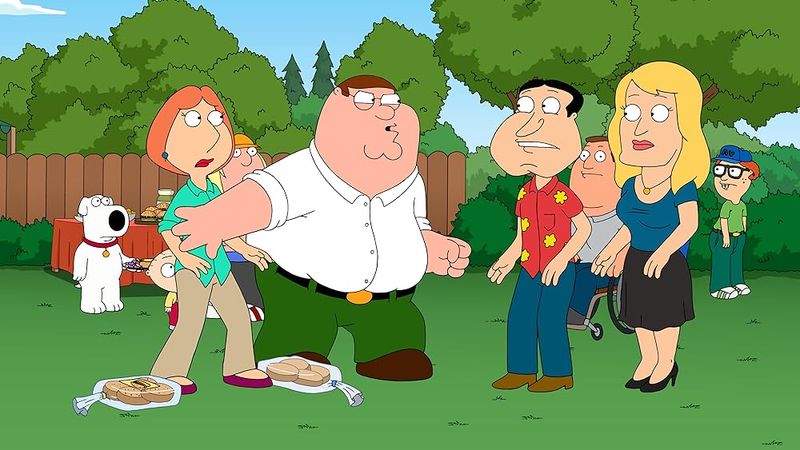
An offbeat animated comedy with a weird rhythm doesn’t always scream “safe investment” to executives.
Early on, the series faced skepticism because its cutaway-heavy humor and edgy tone felt like a gamble.
Even after it made it to air, it struggled with inconsistent scheduling and the kind of ratings panic that kills shows fast.
Cancellation could have been the end, but reruns introduced the characters to people who never caught the original episodes.
Those late-night marathons turned casual viewers into dedicated fans who quoted bits and shared clips relentlessly.
That growing enthusiasm created real pressure for the network to bring it back rather than let the buzz die.
Once it returned, the show leaned harder into its strengths, including absurd stories and fearless pop-culture jabs.
The result was a long-running hit that became proof fandom can resurrect what executives almost buried.
2. Stranger Things
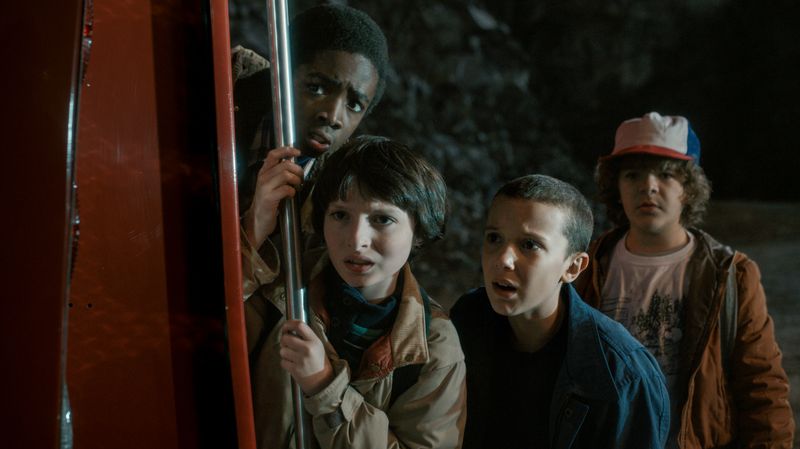
A supernatural coming-of-age story set in the 1980s can sound too specific on paper for traditional TV decision-makers.
Before anyone saw the final version, multiple gatekeepers reportedly hesitated to bet on kids, monsters, and slow-burn mystery together.
Concerns usually circle around tone, because it’s not pure horror, pure comedy, or a standard teen drama.
The concept eventually landed with a platform willing to trust binge-watching and word-of-mouth rather than overnight ratings.
Once viewers hit play, the emotional core made the sci-fi elements feel personal instead of gimmicky.
Nostalgia did plenty of work, but the real hook was the mix of friendship, fear, and family desperation.
Social media turned every cliffhanger into a conversation, and the show quickly became appointment viewing in disguise.
What started as a risky pitch became a pop-culture machine with iconic characters, memes, and Halloween costumes everywhere.
3. Breaking Bad
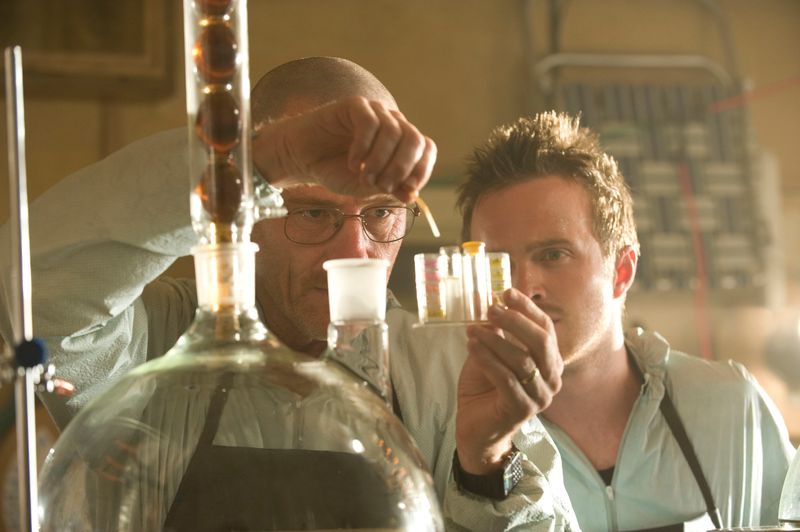
A pitch about a mild-mannered teacher becoming a drug kingpin isn’t the kind of premise most networks grab quickly.
The story sounded morally messy, and many executives tend to fear audiences won’t follow an antihero for long.
Even after it premiered, the show’s deliberate pacing made it feel more like a novel than a typical TV thriller.
That patience paid off because each choice had consequences, and the tension built in a way that felt inevitable.
As more people discovered it through word-of-mouth and later streaming, the early seasons gained a second life.
New viewers could watch the transformation unfold without long waits, which made the momentum feel unstoppable.
Awards and critical praise then amplified what fans already knew, turning curiosity into mainstream obsession.
By the end, it wasn’t just a hit, but a benchmark for how prestige TV could raise the bar for everyone.
4. The Big Bang Theory
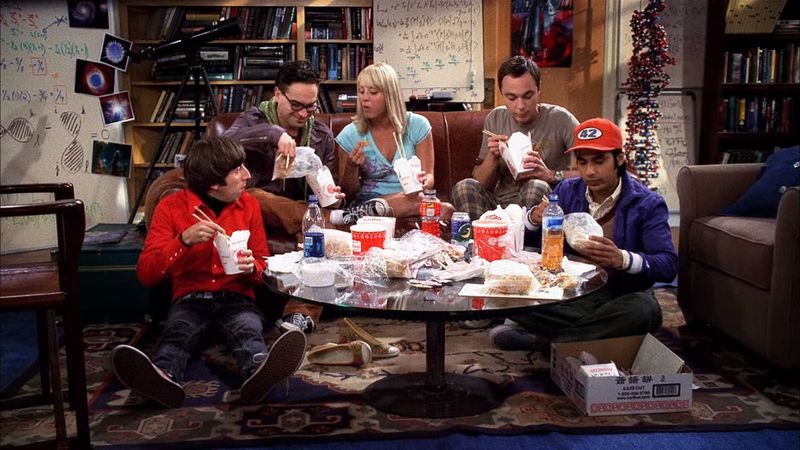
A brainy sitcom about awkward science friends can look like a tough sell when studios want broad, instant laughs.
The first attempt at the show didn’t click the way the creators hoped, and major changes followed.
Characters were reworked so the humor landed warmer, and the group dynamic became easier to root for.
That reset mattered because audiences will forgive nerdy references if the relationships feel genuinely funny and human.
Once the revised version aired, the jokes were clearer, but the charm came from how seriously the characters took their worlds.
Catchphrases and recurring bits gave viewers something familiar, while new situations kept it from feeling repetitive.
The show also benefited from strong casting chemistry that made even small scenes feel like hangouts.
What began as a shaky start turned into a ratings giant that dominated syndication and pop culture for years.
5. Cheers
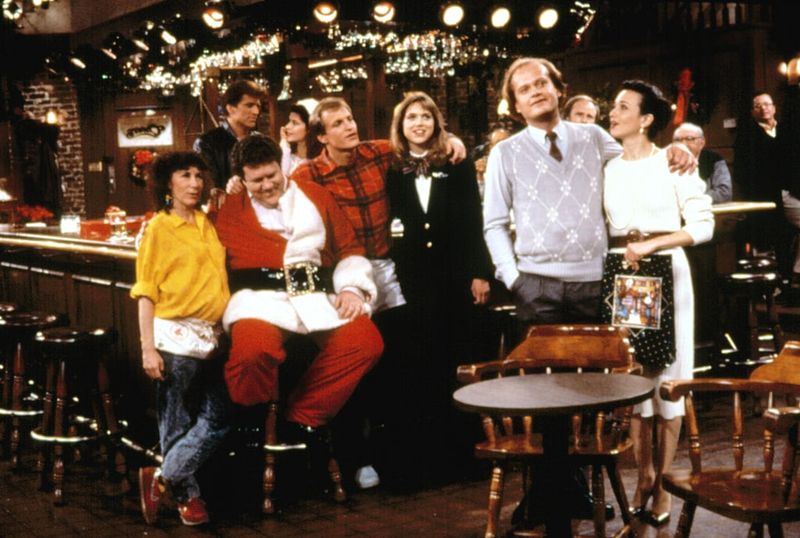
A sitcom set almost entirely in a bar doesn’t necessarily sound like an obvious blockbuster idea.
When it debuted, the ratings were famously underwhelming, and it looked like the network might pull the plug.
The premise was simple, but the characters were layered enough to make the same room feel fresh every week.
Instead of chasing gimmicks, the show invested in banter, slow-building friendships, and romances that felt lived-in.
As viewers stuck around, the humor became comfort food, and the bar started to feel like a real community.
Critical acclaim and awards helped keep it alive long enough for audiences to catch up to its strengths.
Once momentum hit, it became the rare series that could be both a prestige darling and a mainstream favorite.
Its legacy proves that a slow start can hide a long-lasting classic if the writing keeps earning attention.
6. Seinfeld
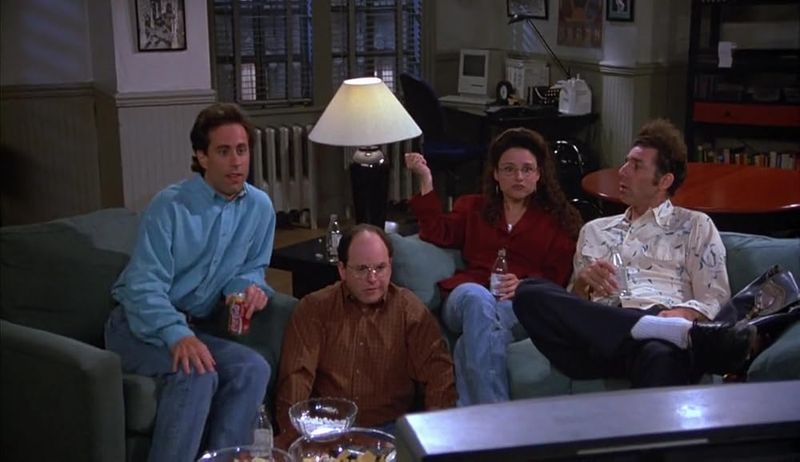
A comedy about “nothing” sounds like a terrible elevator pitch until you realize how perfectly it mirrors real life.
Early reactions were mixed because it didn’t follow the usual sitcom formula of big lessons and tidy emotional payoffs.
The humor came from petty annoyances, social awkwardness, and tiny moments everyone recognizes but rarely admits out loud.
That approach made some executives nervous, since it felt like the show wasn’t trying hard enough to be “likable.”
Over time, the specificity became the superpower, because each episode captured a weird slice of everyday modern behavior.
As the characters grew more unapologetic, the show leaned into bold storytelling that other sitcoms avoided.
Catchphrases, iconic plots, and endlessly rewatchable episodes turned casual viewers into lifelong quoters.
What once seemed too odd for mainstream TV became one of the defining comedies of its era.
7. Game of Thrones
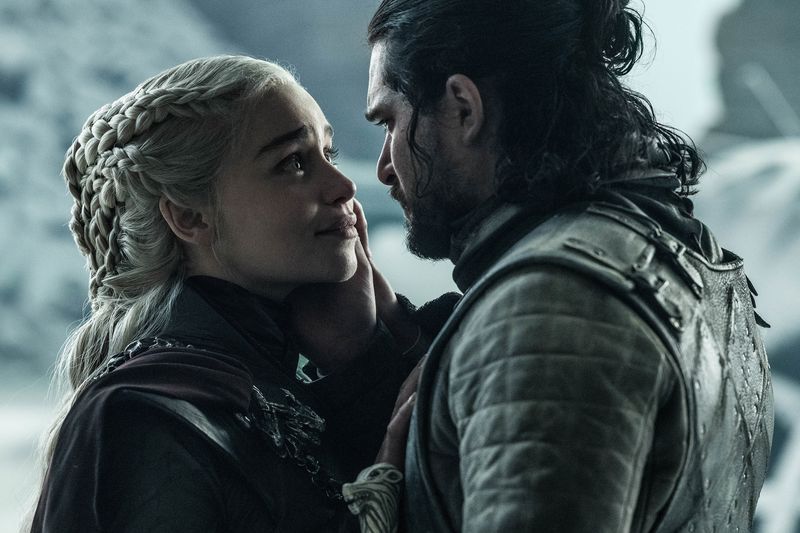
A fantasy epic with dense lore and political backstabbing can look expensive, confusing, and risky before it’s executed well.
The initial production didn’t fully work, and the creative team made substantial changes to get the tone right.
Recasting, rewriting, and rethinking key scenes helped make the world clearer and the stakes easier to follow.
Once it clicked, the show delivered something rare: dragons and magic paired with sharp dialogue and brutal consequences.
Viewers didn’t just watch, they debated alliances, predicted betrayals, and treated each episode like a major event.
The scale felt cinematic, but the real addiction came from character decisions that could flip the story instantly.
Cultural momentum grew so massive that even non-fantasy fans tuned in to avoid spoilers at work and online.
A project that nearly stumbled at the starting line became a global phenomenon that reshaped what TV could look like.
Comments
Loading…