
 Isabel Parker
We tend to assume celebrity money automatically comes with celebrity spending, but a lot of famous women quietly keep their finances refreshingly simple.
Instead of chasing bigger houses, constant upgrades, and status purchases, they lean on habits that look a lot like what normal people do every week.
Some set personal limits to avoid lifestyle creep, while others focus on everyday practicality like rewearing outfits, using coupons, or saying no to waste.
The best part is that these choices don’t read as deprivation, because they’re usually tied to freedom, stability, and feeling in control.
Here are seven well-known women whose “boring” money habits are surprisingly relatable, plus ideas you can copy without having a seven-figure income.
1. Keira Knightley

A surprising way to stay grounded is to put a ceiling on spending, even when your income could support almost anything.
She has said she prefers a relatively normal lifestyle and has been reported to keep herself on a defined annual budget to avoid drifting into excess.
That kind of self-imposed limit works because it forces you to choose what actually matters instead of saying yes to every upgrade.
Her most normal money habits look like resisting lifestyle inflation, keeping routines simple, and treating “more” as optional rather than automatic.
If you want the same effect, try a personal allowance system where guilt-free spending has a set number and everything else has to be planned.
The goal isn’t to be strict for the sake of it, but to protect future flexibility while still enjoying your money on purpose.
2. Jennifer Lawrence

When your career takes off overnight, it’s easy to believe you must immediately “look” rich in every part of your life.
She’s repeatedly been described as down-to-earth about money, including stories about using coupons and keeping day-to-day choices pretty ordinary.
That mindset matters because small purchases are where lifestyle creep usually hides, not just in the occasional splurge.
Her most normal money habits are practical ones: watching everyday costs, not upgrading everything at once, and staying comfortable with what already works.
A relatable takeaway is to treat savings like a default setting, so fun spending happens after the basics are covered, not before.
Even if the details vary, the broader lesson is clear: staying “normal” is often the fastest route to staying wealthy.
3. Sarah Jessica Parker

A lot of people confuse “having money” with “wasting money,” but some high earners stay steady by keeping family spending realistic.
She has talked about raising kids with a relatively normal attitude toward money, including using hand-me-downs and not making luxury the default.
That approach can be especially powerful because children absorb what they see, and routine frugality teaches them to value things instead of chasing newness.
Her most normal money habits revolve around reuse, practicality, and choosing long-term stability over constant upgrades.
If you want to borrow the idea, create a household norm where secondhand isn’t a backup plan, but a smart first option.
It’s not about depriving anyone, because the real “luxury” is financial breathing room that makes everyday life less stressful.
4. Kristen Bell
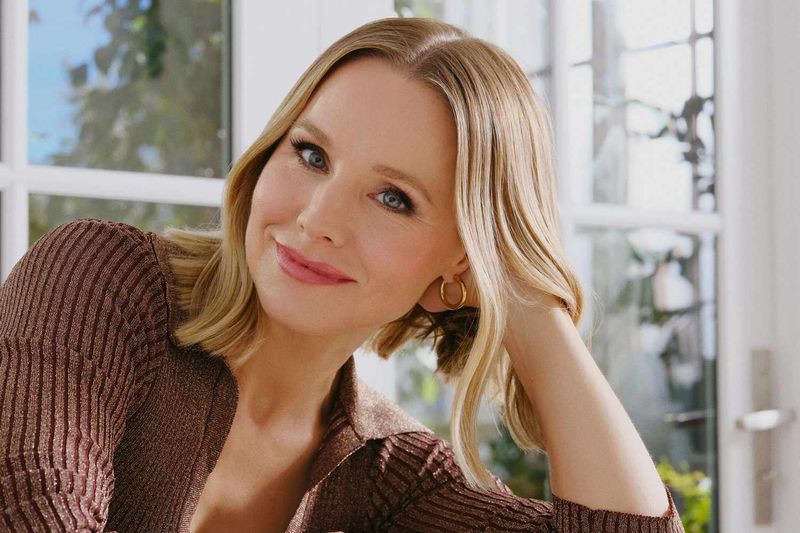
Some people collect designer bags, but others get a thrill from beating the grocery bill without sacrificing what their family actually eats.
She has openly joked about loving coupons and deals, and she’s shared stories about how much satisfaction she gets from saving on everyday shopping.
That kind of enthusiasm is more than a personality quirk, because it turns frugality into something fun instead of something you endure.
Her most normal money habits include couponing, price comparison, buying in bulk, and treating planning as the secret weapon behind a lower monthly total.
If you want to copy it, pick one category like toiletries or pantry staples and learn the sale cycles so your “stock-up” timing is strategic.
Over time, the habit feels less like effort and more like a system that quietly pays you back every month.
5. Dolly Parton

When someone grows up with limited resources, the instinct to avoid waste can stick around even after success becomes massive.
She’s long been associated with a practical, work-first mindset, and she has shared plenty of “make it last” attitudes in interviews over the years.
The heart of that approach is treating waste as the enemy, whether it’s food, time, or money spent just to prove a point.
Her most normal money habits can look like doing things yourself when it’s easy, keeping what you already have, and not throwing away value out of convenience.
If you want a Dolly-style habit, start with leftovers, repairs, and “use what you own” weeks that reduce impulse buys without feeling harsh.
The bigger lesson is that staying humble with money isn’t image management, it’s a choice that keeps you free.
6. Tori Amos
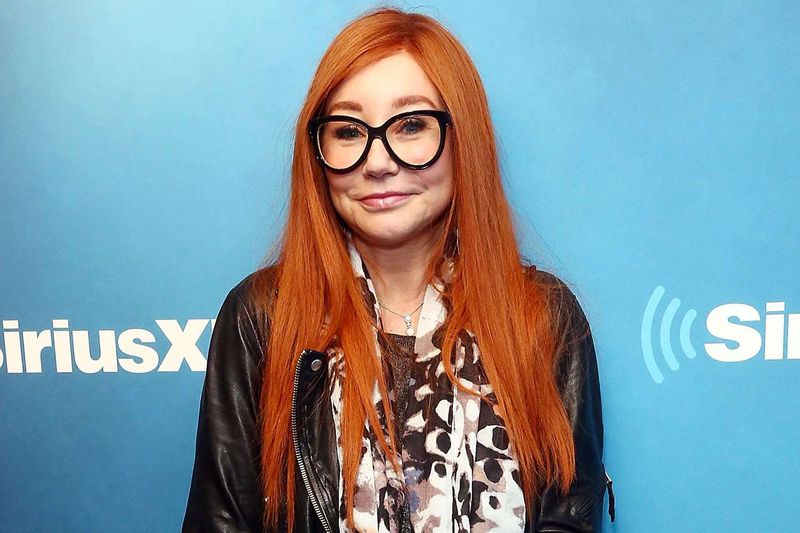
It’s easy to forget how expensive “small upgrades” become when you’re constantly replacing things that still do their job.
She has been described over time as someone who values function over flash, which fits a broader frugal philosophy many artists lean on.
Choosing to keep gear, furniture, and everyday items longer can be a quiet money habit that saves thousands without changing your quality of life.
Her most normal money habits align with delaying replacements, avoiding gadget churn, and investing in what lasts rather than buying what’s trending.
To apply it, try a personal rule that upgrades need a clear reason, like a true breakdown or a measurable benefit you can name.
The payoff is less clutter, fewer regret purchases, and a budget that stays steady even when marketing tries to make “new” feel urgent.
7. Tiffany Haddish

A bold way to reject waste is to treat clothing like an asset you’re allowed to use more than once, even when cameras are watching.
She made headlines for rewearing a designer dress at multiple high-profile events, framing it as common sense rather than something to be embarrassed about.
That attitude is powerful because it exposes how much “one-time” spending is really about social pressure, not personal enjoyment.
Her most normal money habits include maximizing value from what she buys, ignoring unnecessary judgment, and choosing practicality even when the world expects excess.
If you want the same energy, build a repeat-wear wardrobe for special occasions and budget for tailoring, because fit makes repetition look intentional.
The message is simple: confidence is cheaper than constant consumption, and it often looks better too.
Comments
Loading…