
 Mila Ross
Concert tickets used to be something you could save up for with a few paychecks, but those days seem long gone.
Today, fans are shelling out thousands of dollars just to see their favorite artists perform live, with some ticket prices exceeding what many people pay for rent each month.
The question on everyone’s mind is whether these sky-high prices are justified or if something more sinister is going on behind the scenes.
1. Taylor Swift’s Eras Tour VIP Packages
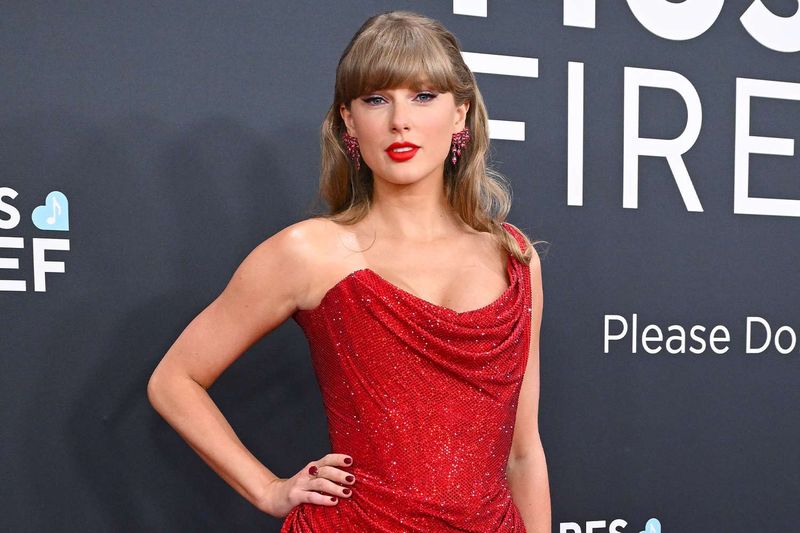
When Taylor Swift announced her Eras Tour, fans knew tickets would be expensive, but nobody predicted the chaos that followed.
VIP packages soared to $5,000 or more, leaving average fans priced out completely.
The combination of Ticketmaster’s dynamic pricing and overwhelming demand created a perfect storm.
Many fans reported being stuck in virtual queues for hours, only to find affordable tickets already gone.
Resale platforms showed even worse prices, with some seats hitting $10,000.
Swift herself spoke out against the predatory pricing, but the damage was done.
This situation highlighted how broken the ticketing system has become for major artists.
Fans questioned whether they were being scammed or simply caught in supply-and-demand economics gone wild.
2. Beyoncé Renaissance Tour Premium Seats
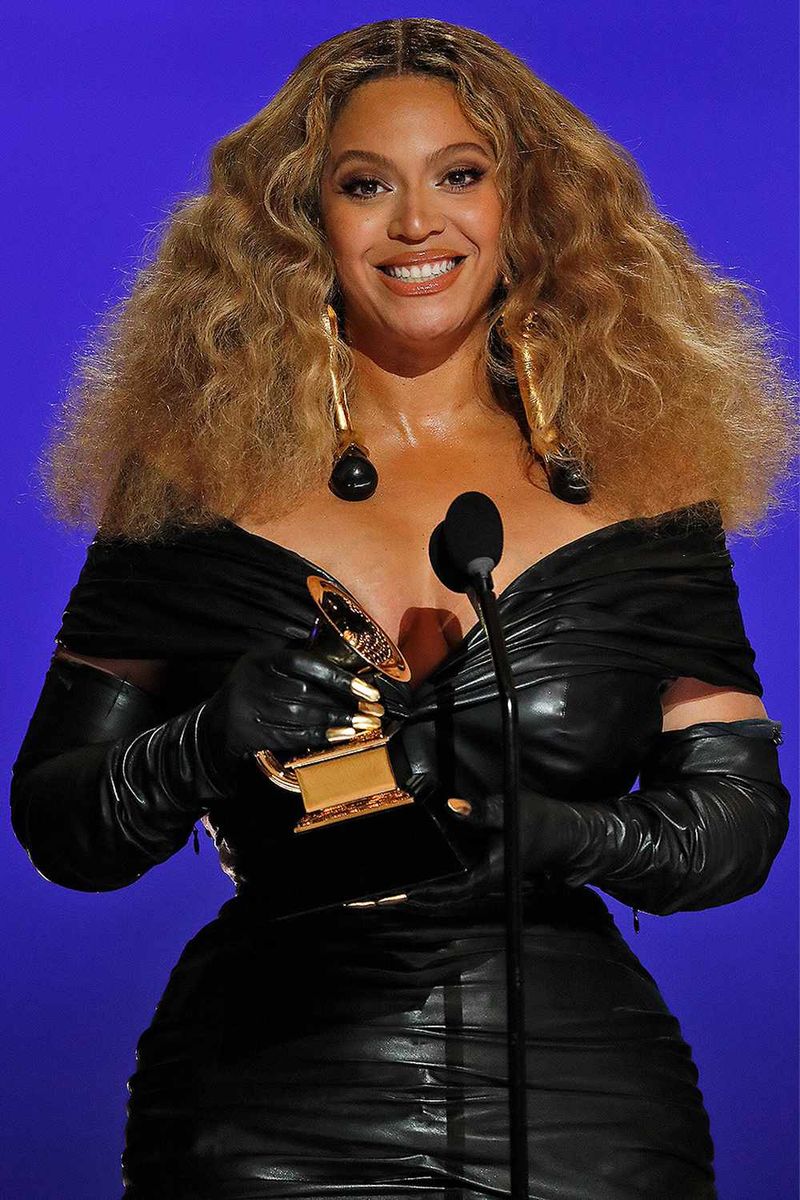
Beyoncé’s Renaissance Tour became legendary not just for the performances but for the ticket prices that made headlines worldwide.
Premium seats regularly cost $2,000 to $4,000, with some reaching $8,000 in major cities.
Fans debated whether seeing Queen Bey was worth more than two months of rent.
The tour’s popularity meant tickets vanished within minutes of going on sale.
Secondary market prices climbed even higher as desperate fans competed for any available seats.
Credit card companies reported unusual spending patterns as people maxed out cards for tickets.
Financial experts warned against going into debt for concerts, yet fans continued paying astronomical prices.
The situation raised serious questions about whether entertainment companies were exploiting devoted fanbases.
3. Bad Bunny’s Most Wanted Tour Floor Seats
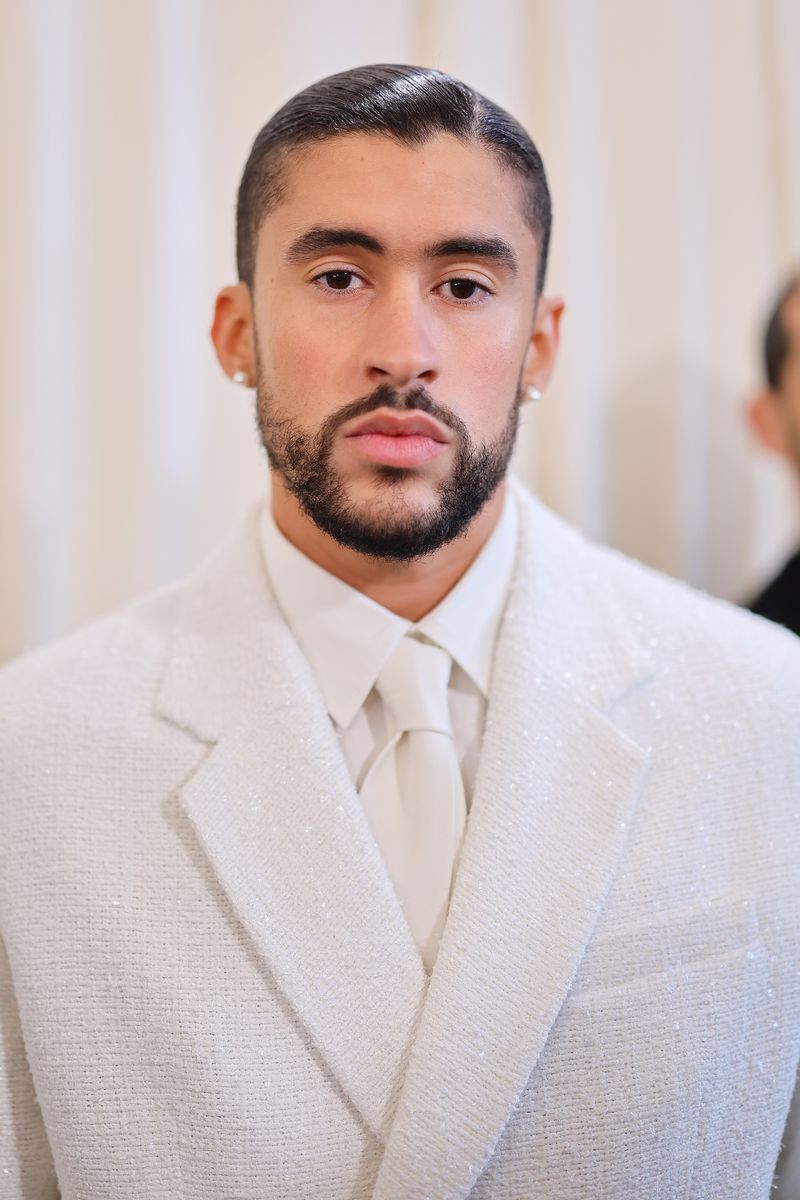
Bad Bunny’s rise to global superstardom brought ticket prices that shocked even longtime concert-goers.
Floor seats for his Most Wanted Tour regularly exceeded $3,000 in major markets, with some approaching $6,000.
His massive popularity across multiple demographics created unprecedented demand.
Scalpers took advantage of the frenzy, buying up tickets through bots and reselling them at inflated prices.
Many legitimate fans found themselves competing against automated systems that snatched tickets in seconds.
The artist’s team tried implementing verified fan programs, but problems persisted.
Young fans especially felt the squeeze, unable to afford seeing an artist who represents their generation.
The pricing sparked conversations about accessibility and whether concerts were becoming entertainment only for the wealthy.
4. Bruce Springsteen’s 2023 Tour Dynamic Pricing Disaster
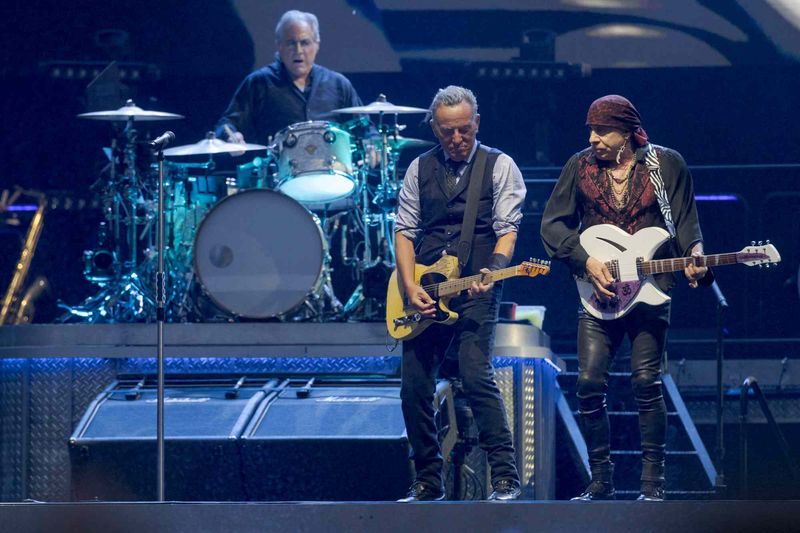
Bruce Springsteen faced backlash when his 2023 tour tickets hit $5,000 due to Ticketmaster’s dynamic pricing algorithm.
Longtime fans who had followed The Boss for decades suddenly couldn’t afford to see him.
The irony wasn’t lost on anyone—Springsteen built his career championing working-class Americans.
The dynamic pricing system adjusted costs in real-time based on demand, pushing tickets to luxury-item levels.
Fans expressed betrayal on social media, feeling abandoned by an artist who once represented their struggles.
Springsteen eventually addressed the controversy, though prices remained high.
This incident became a turning point in the conversation about concert pricing ethics.
It proved that even beloved, established artists weren’t immune to the ticketing industry’s problematic practices.
5. Harry Styles Love On Tour Resale Market Chaos

Harry Styles’ Love On Tour created a resale market nightmare where tickets routinely sold for $2,000 to $4,000 above face value.
His crossover appeal attracted fans from multiple age groups, intensifying competition for limited seats.
The original ticket prices seemed reasonable, but resellers changed everything.
Fake tickets became a serious problem as scammers exploited desperate fans willing to pay anything.
Social media filled with heartbreaking stories of people losing thousands to fraudulent sellers.
Even legitimate resale platforms charged fees that added hundreds to already inflated prices.
The situation demonstrated how secondary markets operate with minimal regulation.
Fans questioned whether they were victims of scams or just unfortunate participants in an unethical but legal system.
6. Drake and 21 Savage’s It’s All A Blur Tour
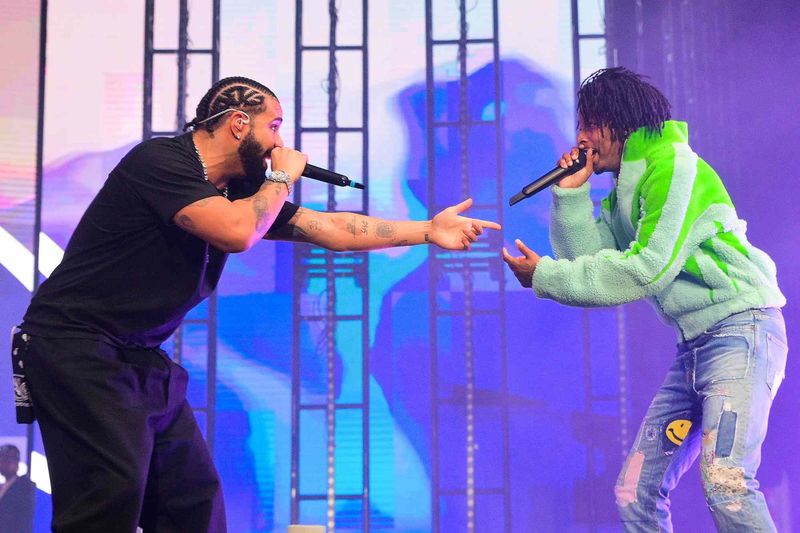
Hip-hop fans faced sticker shock when Drake and 21 Savage’s joint tour tickets reached $3,500 for decent seats in major cities.
The collaboration between two chart-topping artists created perfect conditions for price inflation.
Fans expected high costs but not ones exceeding monthly mortgage payments.
Toronto shows, Drake’s hometown, saw particularly extreme pricing as locals hoped to see their city’s biggest star.
International fans traveling to shows faced the double burden of travel costs plus outrageous ticket prices.
Many gave up entirely, watching concert clips online instead.
The tour highlighted how multiple-artist bills justify even higher prices than solo acts.
Critics argued this trend prices out the very communities that helped these artists achieve success.
7. Coldplay’s Music of the Spheres World Tour Sustainability Premium
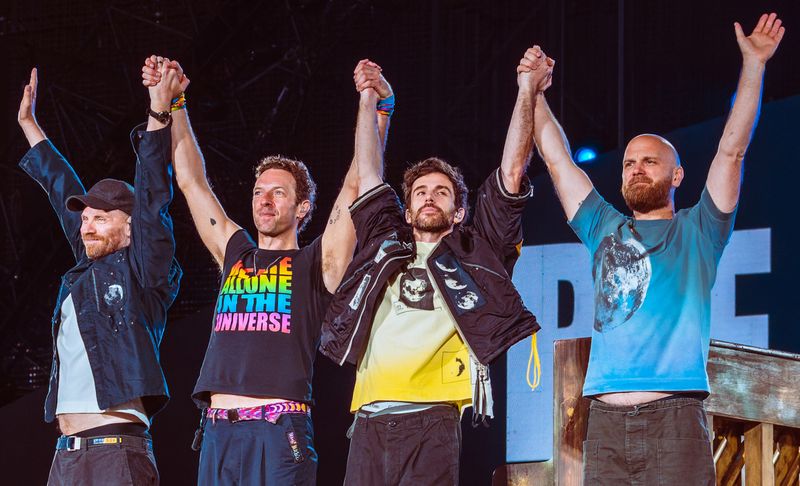
Coldplay’s environmentally-focused tour came with premium prices reaching $4,000 for VIP experiences, raising eyebrows given the band’s sustainability message.
While the production featured innovative eco-friendly technology, fans wondered if they were paying extra for the band’s conscience.
Standard tickets remained expensive compared to pre-pandemic prices.
The band promoted their carbon-neutral efforts extensively, but this didn’t soften the blow for fans struggling to afford tickets.
Some argued that truly accessible concerts would better align with progressive values.
Others defended the pricing as necessary for elaborate sustainable production.
This situation sparked debate about whether environmental responsibility justifies higher concert costs.
Fans appreciated the band’s efforts but questioned if sustainability should come at the expense of accessibility.
Comments
Loading…