
 Hailey Watson
Not all reality TV is created equal when it comes to your mental health.
Some shows can actually make you feel better about yourself and inspire positive changes in your life.
But others might leave you feeling anxious, inadequate, or stressed out without you even realizing it.
Understanding which shows help and which ones hurt can make your TV time a lot healthier.
1. The Great British Baking Show
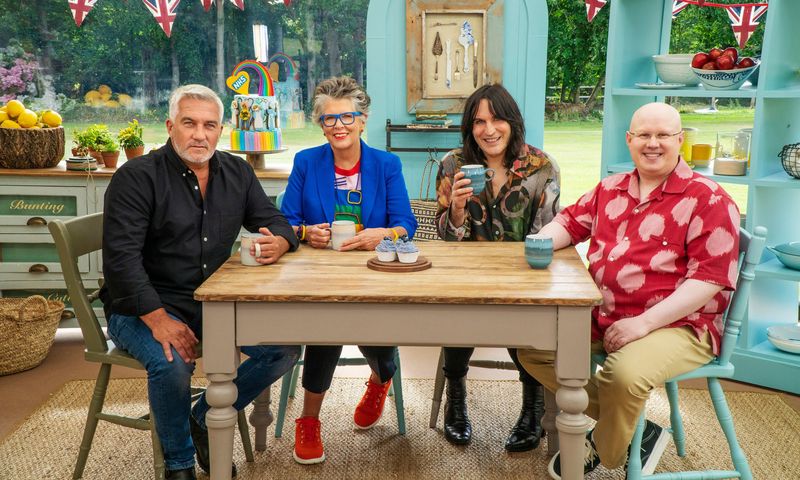
A competition where everyone actually wants each other to succeed.
That’s exactly what makes this baking show so refreshing for your mind.
Contestants help each other fix mistakes, share ingredients, and celebrate together even when someone else wins.
The gentle pace and absence of manufactured drama create a calming viewing experience.
You won’t find anyone yelling, backstabbing, or getting voted off in tears.
Instead, you’ll watch talented bakers pursue their passion while treating each other with genuine kindness.
Studies show that watching positive social interactions can boost your own mood and social skills.
This show reminds viewers that success doesn’t require stepping on others, which is a healthy message we all need sometimes.
2. Queer Eye

Five experts swoop in to help people who are struggling, but this isn’t about superficial makeovers.
The Fab Five address real issues like self-esteem, grief, and personal identity while teaching practical life skills.
Their approach focuses on helping people love themselves first.
What sets this show apart is its emphasis on emotional growth alongside external changes.
You’ll see participants work through deep personal challenges with professional guidance and unconditional support.
The tears are real, but so is the healing.
Viewers often report feeling inspired to make positive changes in their own lives.
The show normalizes therapy, self-care, and asking for help—all crucial mental health practices that reduce stigma.
3. Maid

Based on Stephanie Land’s memoir, this series follows a single mother escaping domestic abuse while trying to build a better life.
Though technically scripted drama, it’s rooted in reality and addresses mental health with remarkable accuracy.
The portrayal of trauma, poverty, and resilience feels authentic rather than exploitative.
Mental health professionals have praised how the show depicts PTSD, depression, and the systemic barriers abuse survivors face.
It doesn’t sugarcoat the struggle, but it also highlights the strength required to keep going.
Viewers see that healing isn’t linear.
For people experiencing similar situations, seeing their reality reflected on screen can reduce feelings of isolation and shame.
4. Love Island

Attractive people in swimsuits competing for love sounds harmless enough, right?
Wrong.
This show actively promotes unhealthy relationship dynamics and unrealistic beauty standards that can damage your self-image.
Contestants are constantly judged on physical appearance, and emotional manipulation is treated as entertainment.
Research links shows like this to increased body dissatisfaction, especially among young viewers.
The pressure to look perfect and couple up quickly mirrors toxic dating culture rather than healthy relationships.
Watching people get “dumped” based purely on looks reinforces harmful messages.
The show’s fast-paced drama can also trigger anxiety.
Constant recoupling, betrayals, and public rejections create an environment where vulnerability is punished and superficiality wins.
5. The Bachelor and Bachelorette

Thirty people competing for one person’s love creates a fantasy that bears zero resemblance to real dating.
The Bachelor franchise sells the idea that love happens instantly, that jealousy proves passion, and that dramatic confrontations are romantic.
None of this is true or healthy.
Viewers who regularly watch these shows report having higher expectations for their own relationships, often leading to disappointment.
The compressed timeline—falling in love in six weeks—sets an impossible standard.
Real relationships require time, not helicopter rides and exotic locations.
The show also normalizes dating multiple people simultaneously while demanding exclusivity from contestants.
This double standard, combined with manufactured drama, teaches terrible relationship lessons.
6. Keeping Up with the Kardashians

Watching billionaires solve problems with unlimited money might seem like harmless escapism, but it can seriously mess with your sense of reality.
The Kardashians present an unattainable lifestyle as normal, making viewers feel inadequate about their own lives and possessions.
That’s not accidental—it’s the business model.
Studies show that exposure to materialistic media increases anxiety and decreases life satisfaction.
When you constantly see people with perfect bodies, perfect homes, and endless resources, your brain starts believing that’s the standard you should meet.
Spoiler alert: you can’t and shouldn’t.
The family’s conflicts also trivialize real problems while making drama seem constant and necessary.
7. Jersey Shore

Excessive drinking, constant fighting, and toxic relationships are presented as entertainment rather than concerning behavior.
The cast members’ lifestyle revolves around partying, hooking up, and creating drama—none of which represents healthy coping mechanisms or relationship skills.
Yet the show glorifies these choices.
Young viewers especially may internalize these behaviors as normal or desirable.
The normalization of binge drinking, aggressive confrontation, and casual disrespect can influence real-world behavior.
Research shows reality TV can shape attitudes about acceptable social conduct.
The show also reinforces negative stereotypes and promotes a culture where self-worth comes from physical appearance and social status.
That’s a recipe for poor mental health.
8. The Real Housewives Franchise

Wealthy women fighting over petty issues while flaunting designer everything—that’s the franchise formula.
These shows thrive on interpersonal conflict, backstabbing, and public humiliation.
The cast members rarely model healthy communication, boundary-setting, or genuine friendship.
Instead, loyalty shifts constantly and drama is manufactured for ratings.
Watching these unhealthy relationship dynamics can actually affect how you handle your own friendships.
The constant conflict can increase stress levels and normalize toxic behavior patterns.
When betrayal and gossip are treated as entertainment, it becomes harder to recognize them as problems.
The extreme wealth on display also creates the same materialistic dissatisfaction found in other luxury-focused shows.
Comments
Loading…