
 Isabel Parker
25 African-American Actresses Who Shaped Pop Culture
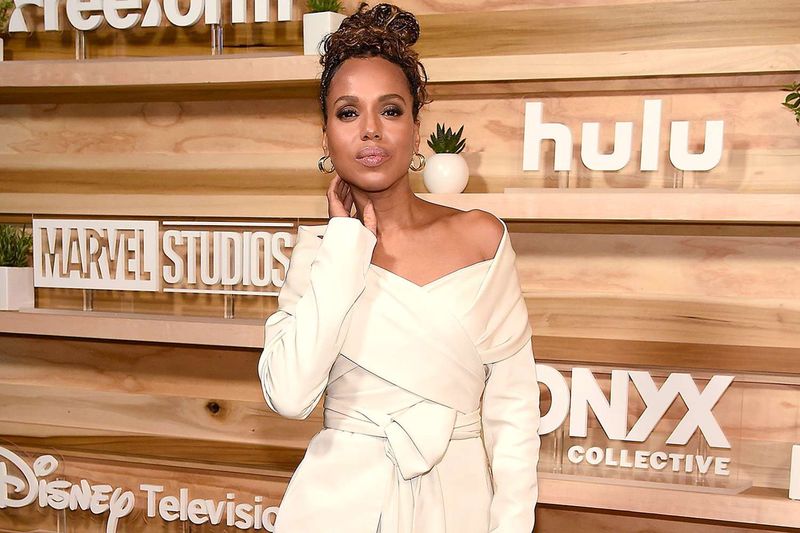
Pop culture doesn’t crown icons by accident.
A true cultural phenomenon is the kind of actress whose name becomes shorthand for an era, whose characters turn into costumes, quotes, memes, and think pieces, and whose red-carpet appearances feel like events all on their own.
For African-American actresses especially, that level of visibility often comes with extra weight: they’re not only expected to deliver a great performance, but to represent progress, style, power, and possibility in the same breath.
The women below didn’t just book roles or win awards.
They shifted conversations, expanded what Hollywood believed a leading lady could be, and left fingerprints on fashion, music, television, and the way audiences talk about fame.
Whether they dominated the box office, redefined TV, or became global symbols overnight, each one had a moment that felt impossible to ignore.
1. Halle Berry
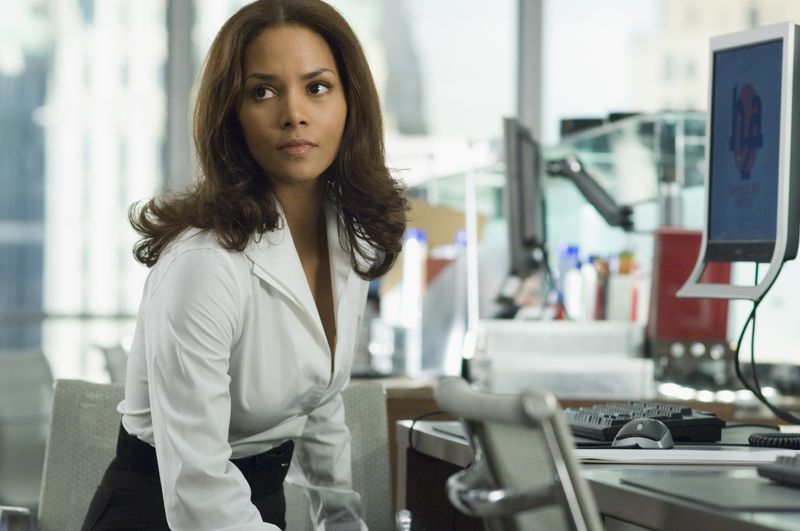
Few careers capture the dizzying mix of glamour, ambition, and scrutiny like the one Halle Berry navigated at her peak.
By the early 2000s, she had become a true crossover superstar, moving fluidly between drama and action while remaining a constant fixture in entertainment news.
Her historic Best Actress Oscar win wasn’t just a personal milestone; it became a cultural marker that sparked conversations about opportunity, representation, and what “first” really means when it takes so long to happen.
Berry’s presence was also unmistakable in the style and beauty world, where her hair, red-carpet looks, and confident persona influenced trends well beyond movie premieres.
Even today, she’s frequently referenced as an emblem of an era when celebrity felt larger-than-life and Hollywood stardom looked almost mythic.
2. Whoopi Goldberg
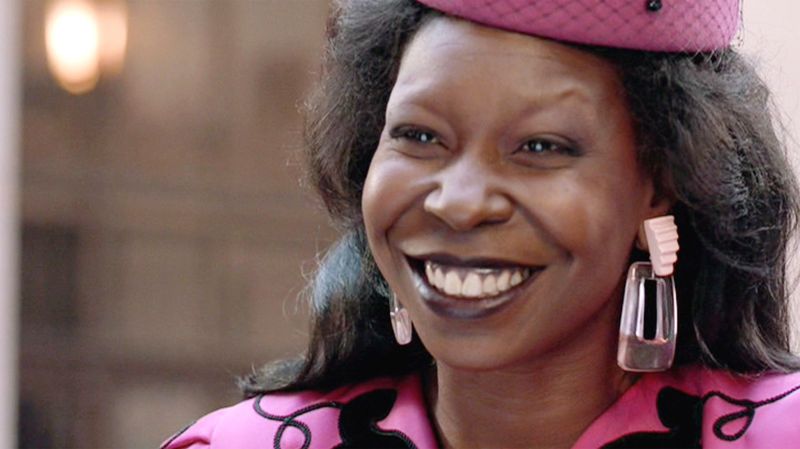
Long before “multi-hyphenate” became a trendy label, Whoopi Goldberg was proving how wide an entertainer’s reach could be.
Her early rise blended sharp comedy, undeniable charisma, and dramatic credibility, which allowed her to become recognizable to nearly everyone, even if they didn’t watch the same kinds of movies.
She moved between blockbuster films, prestige projects, and cultural touchpoints that made her feel like part of the national conversation rather than merely a performer on a screen.
Goldberg’s public persona—funny, outspoken, and refreshingly direct—also helped her stand out in an industry that often rewards conformity.
Over time, her influence expanded into television and hosting, where she shaped public discourse simply by being present, engaged, and unafraid to occupy space on her own terms.
3. Angela Bassett
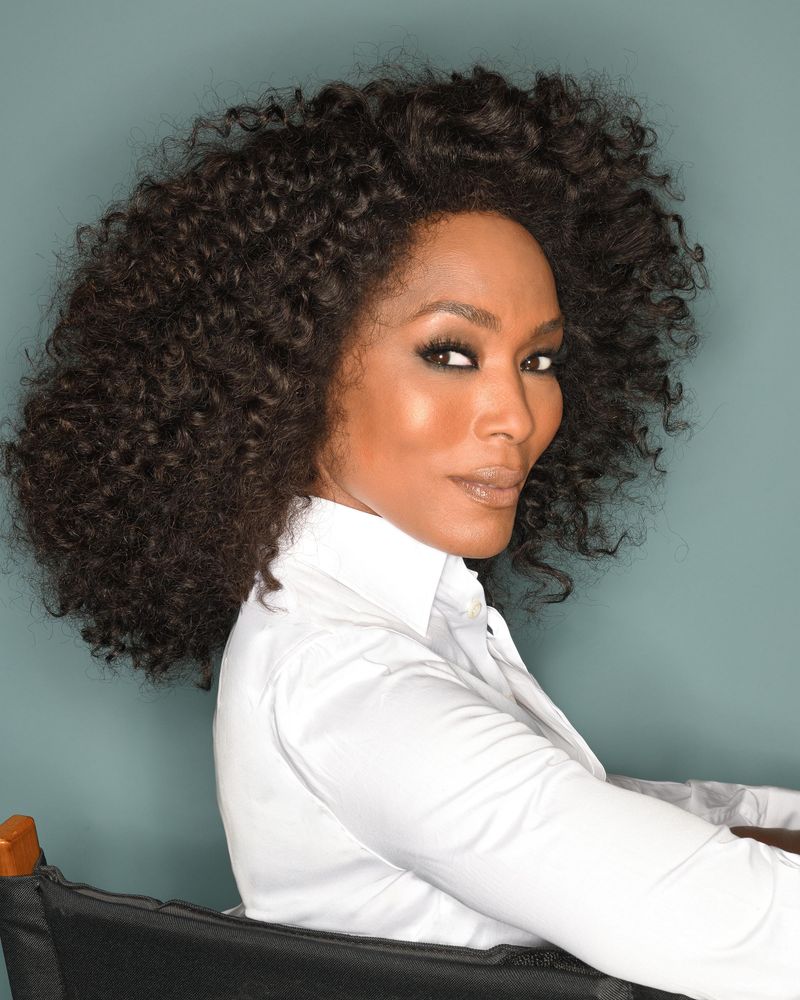
Some stars don’t just enter a scene; they take possession of it, and Angela Bassett has been doing exactly that for decades.
Her performances carry a combination of precision and intensity that makes audiences feel like they’re watching someone who cannot be ignored, even in a crowded cast.
Bassett’s most iconic roles became reference points for strength and style, and her impact reaches beyond acting into the way people talk about presence, poise, and authority.
She has also remained a red-carpet and fashion standout, often celebrated as a rare example of someone whose public image feels both aspirational and grounded.
Over time, Bassett evolved into a figure whose name signals excellence, whether she’s in a biopic, a blockbuster, or a prestige ensemble that relies on her gravity.
4. Viola Davis
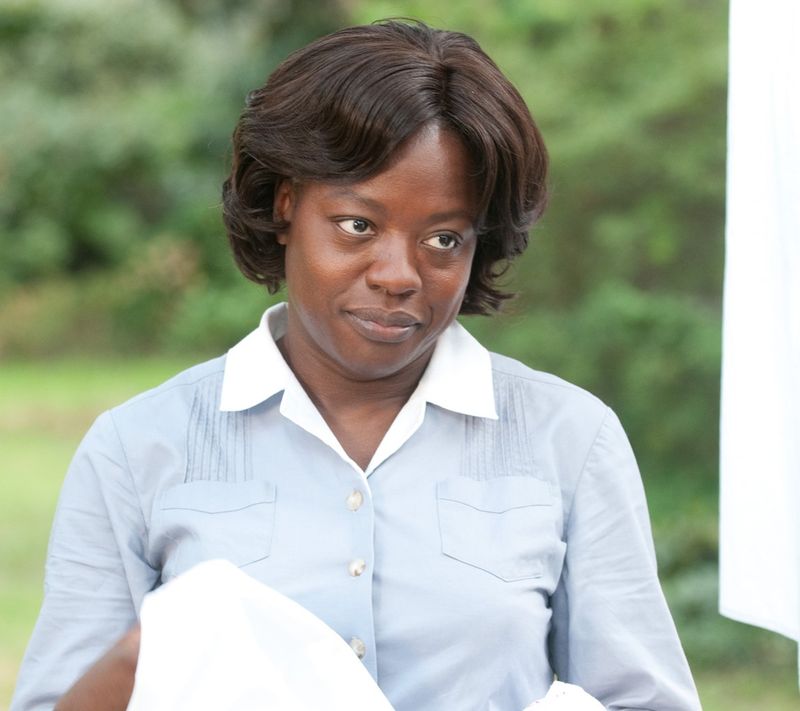
When Viola Davis steps into a role, the performance rarely stays contained within the story.
Her work has a way of spilling into cultural conversation, inspiring debates about artistry, fairness, and the kind of emotional honesty audiences crave but don’t always get.
She became a defining figure of modern prestige television and film not only because she wins awards, but because she makes people listen differently, even in silence.
Davis’s speeches and public commentary also resonate, since she consistently connects personal experience to larger truths about opportunity and recognition.
That combination—unmatched talent plus an ability to articulate what so many feel—turned her success into a symbol for broader change.
Whether playing a complicated hero, a flawed leader, or a woman carrying unspoken grief, Davis makes impact feel inevitable.
5. Taraji P. Henson
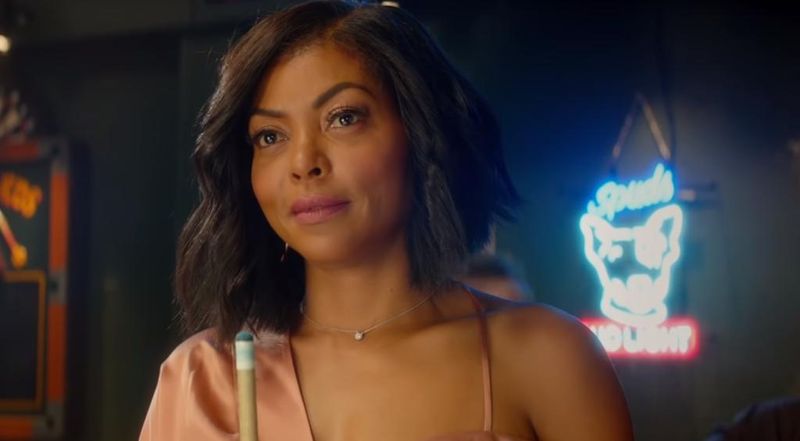
A charismatic performance can transform a character into a cultural obsession, and Taraji P.
Henson proved that with the kind of force most actors only dream of.
Her most famous television role didn’t just entertain viewers; it sparked weekly reactions, fashion admiration, and a flood of quotable lines that traveled far beyond the show itself.
Henson’s appeal is rooted in her ability to blend humor, toughness, vulnerability, and swagger in a way that feels effortlessly human, even when the plot gets dramatic.
Off-screen, she’s been equally visible as a public figure, using her platform to speak about mental health, resilience, and the realities of working in Hollywood.
That mix of magnetism and honesty helped her become an “everywhere” name rather than a star limited to a single breakout moment.
6. Kerry Washington
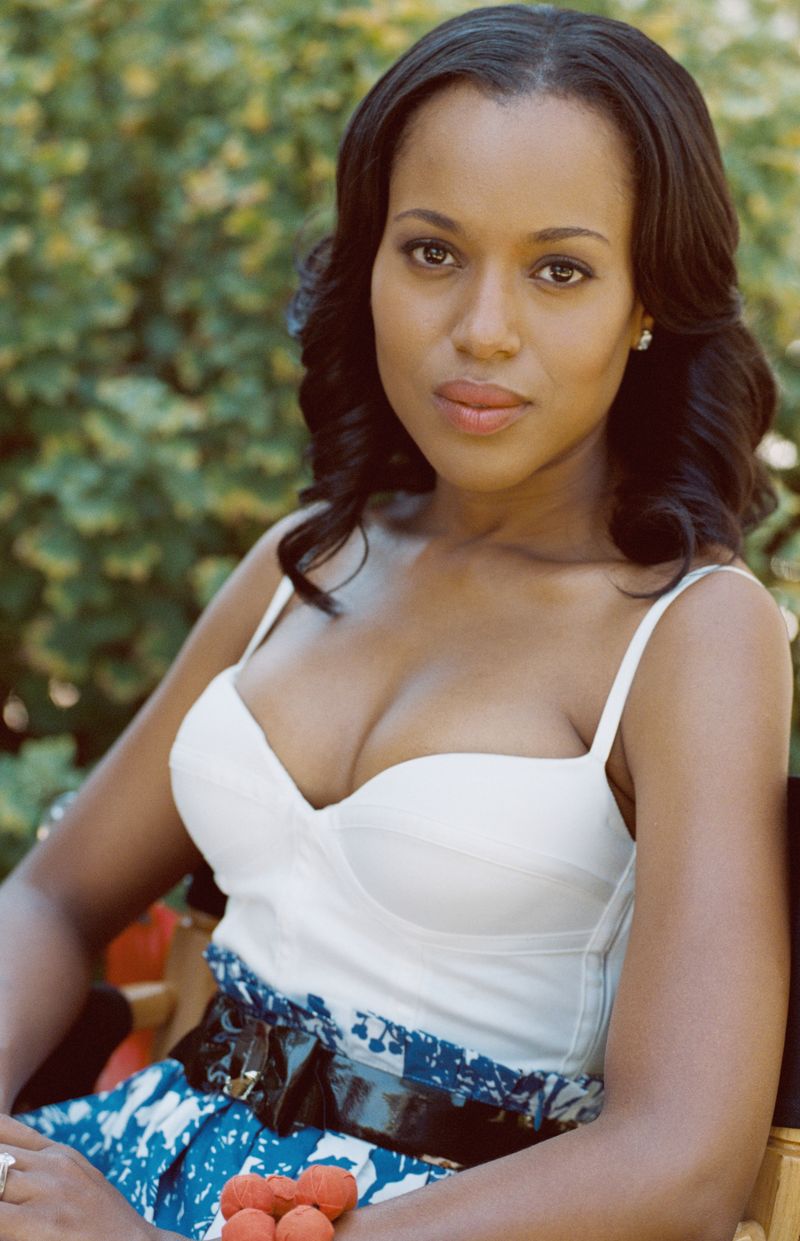
At a certain point, Kerry Washington’s presence on television began to feel like a weekly national appointment.
Her most famous role didn’t merely anchor a series; it created a phenomenon of live reactions, heated debates, and social-media frenzy that made the show feel bigger than entertainment.
Washington’s character also influenced style in a way few TV leads manage, with outfits and beauty looks that inspired copycat guides and fashion breakdowns.
Beyond the screen, Washington became a prominent voice in public life, blending celebrity with activism and thoughtful commentary.
What makes her cultural impact distinct is how she embodied both aspiration and accessibility, presenting a polished image while still feeling emotionally real.
The result was a star whose influence touched politics, fashion, and television culture all at once.
7. Gabourey Sidibe
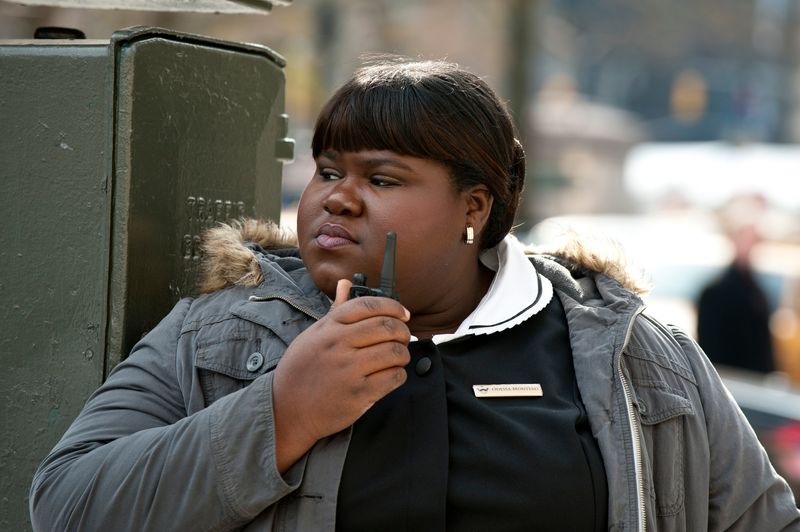
Sometimes a debut hits so hard it feels like an instant turning point, and Gabourey Sidibe’s arrival in film carried that kind of shockwave.
Her breakout performance sparked intense conversation, because it challenged audiences to reckon with stories they weren’t used to seeing centered so boldly.
Sidibe quickly became a major presence in awards season discussions, interviews, and cultural commentary, not only for her talent but also for her candor and humor.
She pushed back against narrow beauty standards simply by existing in the spotlight without apology, and that mattered to people who rarely saw themselves reflected in mainstream narratives.
Over time, her career expanded into television and memoir, where her voice remained a key part of her appeal.
Sidibe’s phenomenon moment wasn’t just about fame; it was about visibility with meaning.
8. Mo’Nique
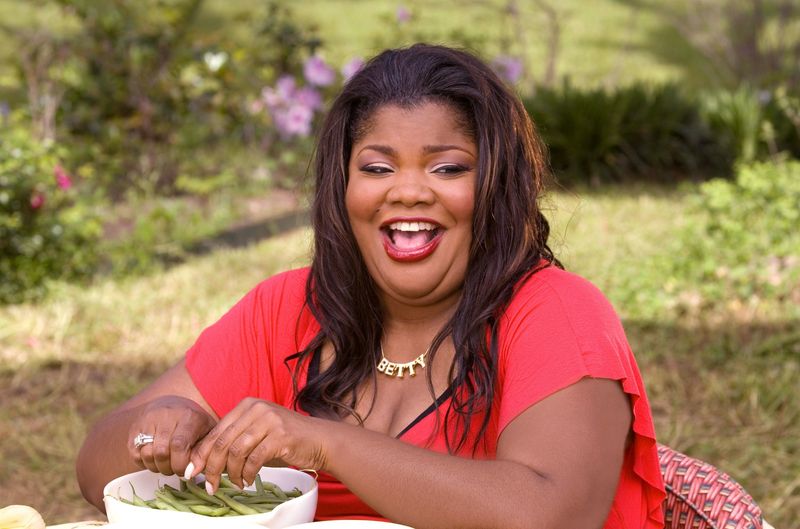
A career that begins in comedy can still deliver one of the most unforgettable dramatic breakthroughs, and Mo’Nique’s trajectory proved that in a way audiences couldn’t ignore.
Her most acclaimed film performance wasn’t just “surprisingly good,” as critics sometimes patronizingly label comedic actors; it was raw, unsettling, and impossible to forget.
That role turned her into an awards-season lightning rod and pushed conversations about range, respect, and how Hollywood values certain types of talent.
Mo’Nique’s public presence also fueled discussion, because she has never been particularly interested in smoothing her edges to make others comfortable.
Whether people agreed with her or not, they listened, and that attention is part of what makes a phenomenon.
The cultural footprint she left is tied to both the work and the audacity to demand credit for it.
9. Queen Latifah
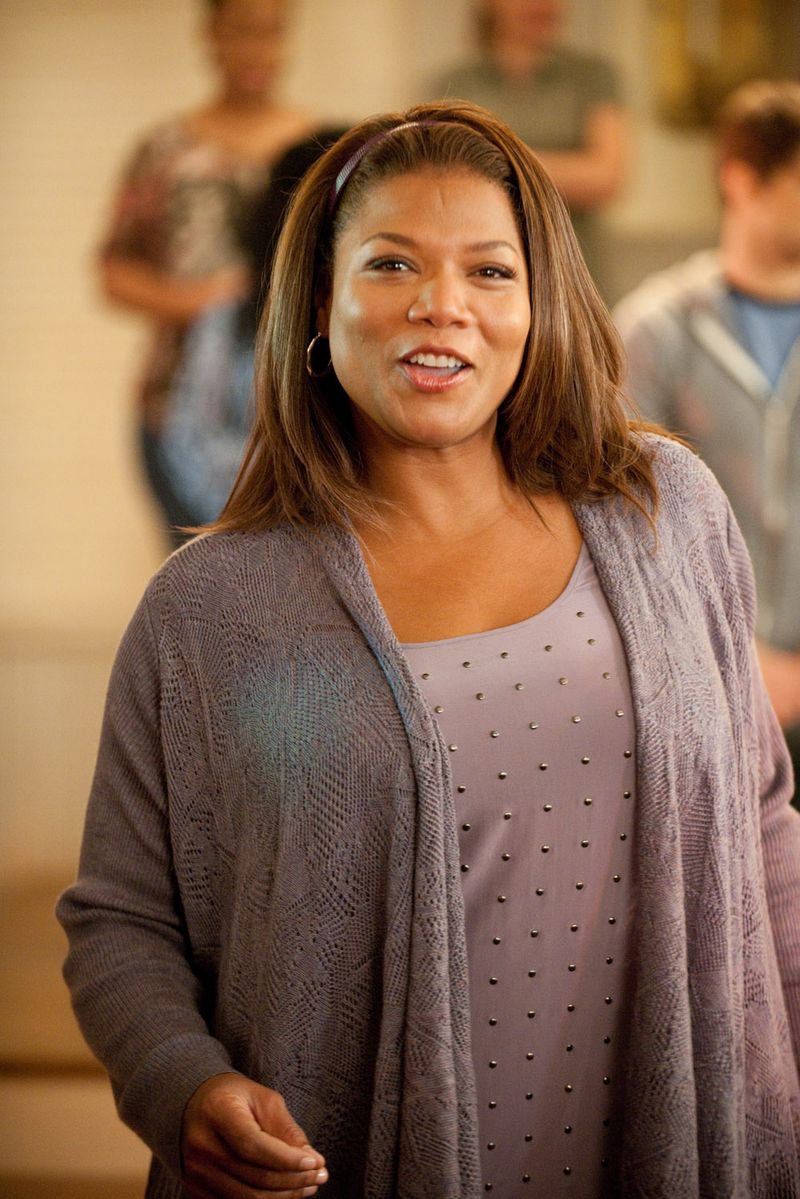
Before it was common to see artists bounce between music, movies, and television without losing credibility, Queen Latifah was quietly building the blueprint.
Her stardom grew from a foundation of confidence and versatility, allowing her to shift from music icon to beloved actress while maintaining a brand that felt distinct and self-owned.
She became the kind of celebrity people trusted, whether she was anchoring a rom-com, stealing scenes in a musical, or later leading her own television projects.
Latifah’s cultural impact also comes from the way she carries success, projecting warmth and authority at the same time, which invites audiences to root for her across genres.
Over the years, she evolved into more than a performer; she became a symbol of longevity, reinvention, and mainstream power on her own terms.
10. Tiffany Haddish
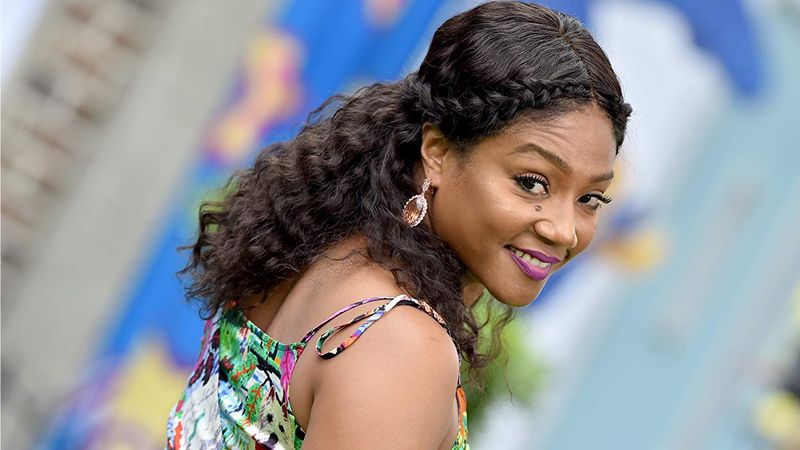
Viral stardom can be fleeting, but Tiffany Haddish turned a breakout moment into sustained cultural visibility by pairing comedic skill with an unforgettable public personality.
Her rise felt sudden because audiences instantly recognized her as someone who could dominate a room, whether she was telling a story, hosting a show, or popping up in interviews that became shareable clips.
Haddish’s humor often blends vulnerability with confidence, making her feel relatable even when she’s living an unrelatable celebrity life.
That dynamic helped her become a frequent reference point in pop culture, as people quoted her, imitated her delivery, and followed her every new project.
She also symbolized a specific kind of modern fame—part stand-up, part social-media presence, part red-carpet regular—where the line between performer and personality becomes the main attraction.
11. Zendaya
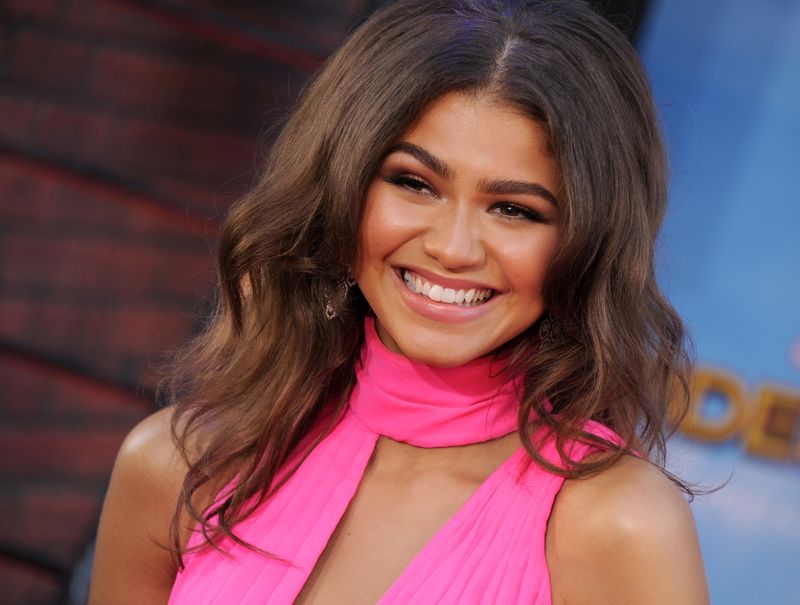
Modern celebrity is as much about cultural influence as it is about acting roles, and Zendaya mastered that balance with striking precision.
Her performances earned credibility, but her broader impact expanded through fashion, music-adjacent visibility, and a social-media presence that feels curated without being distant.
Zendaya’s red-carpet appearances frequently become headline moments, not because they’re flashy for the sake of it, but because they show intentional storytelling through style.
On screen, she has consistently chosen projects that cement her as a serious performer while also keeping her connected to big global franchises, creating a rare blend of artistry and mass reach.
What makes her a phenomenon is the sense that she represents the current era’s version of “it girl,” where confidence is quiet, influence is measurable, and the spotlight seems to follow her naturally.
12. Lupita Nyong’o
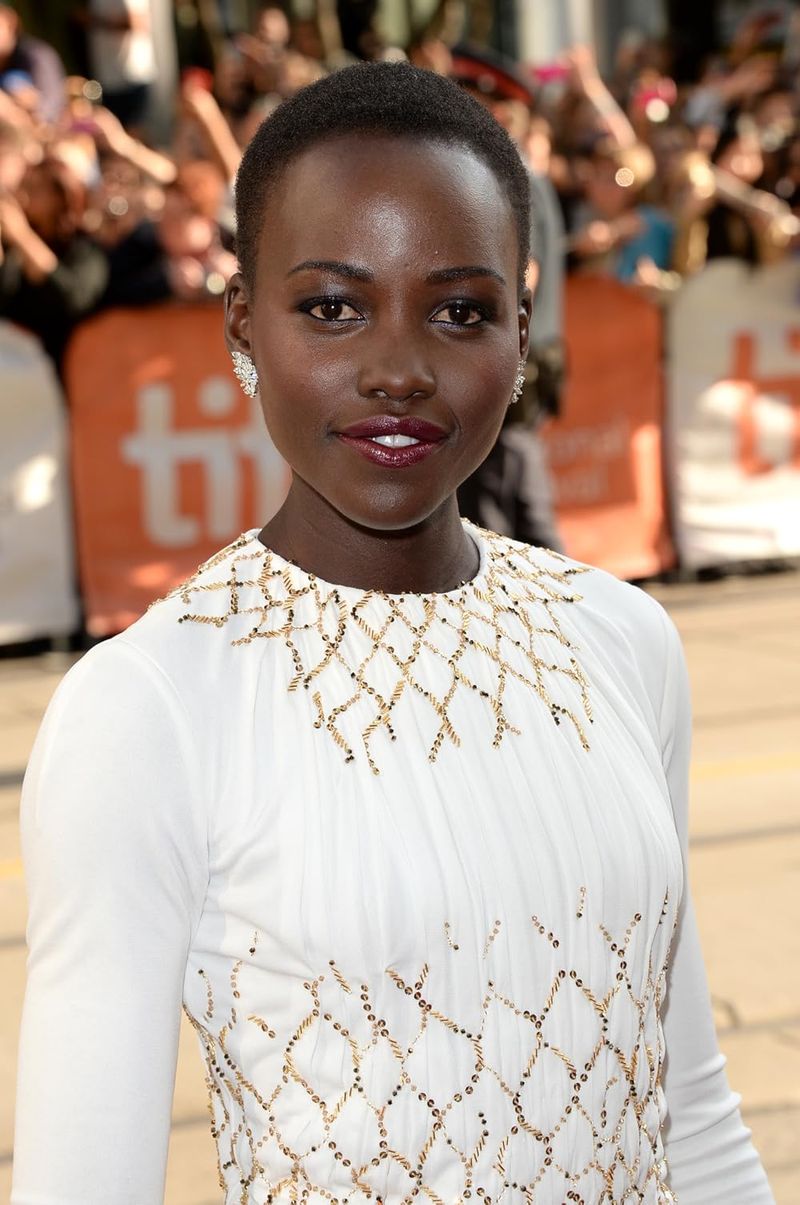
An overnight icon is rare, yet Lupita Nyong’o achieved that kind of instantaneous cultural elevation with a debut that felt both stunning and historic.
Her talent was obvious, but so was the way she captured imagination beyond the film itself, quickly becoming a favorite in fashion, beauty, and global media.
Nyong’o’s presence challenged long-standing industry assumptions about who gets to be centered, celebrated, and styled like royalty, and her visibility made a powerful statement without her needing to shout.
She has since balanced prestige projects with blockbuster roles, maintaining a reputation for careful choices and high standards.
The phenomenon surrounding her isn’t just about awards or headlines; it’s also about symbolism, since her success has been widely treated as proof that global audiences will embrace excellence when given the chance to see it.
13. Cicely Tyson
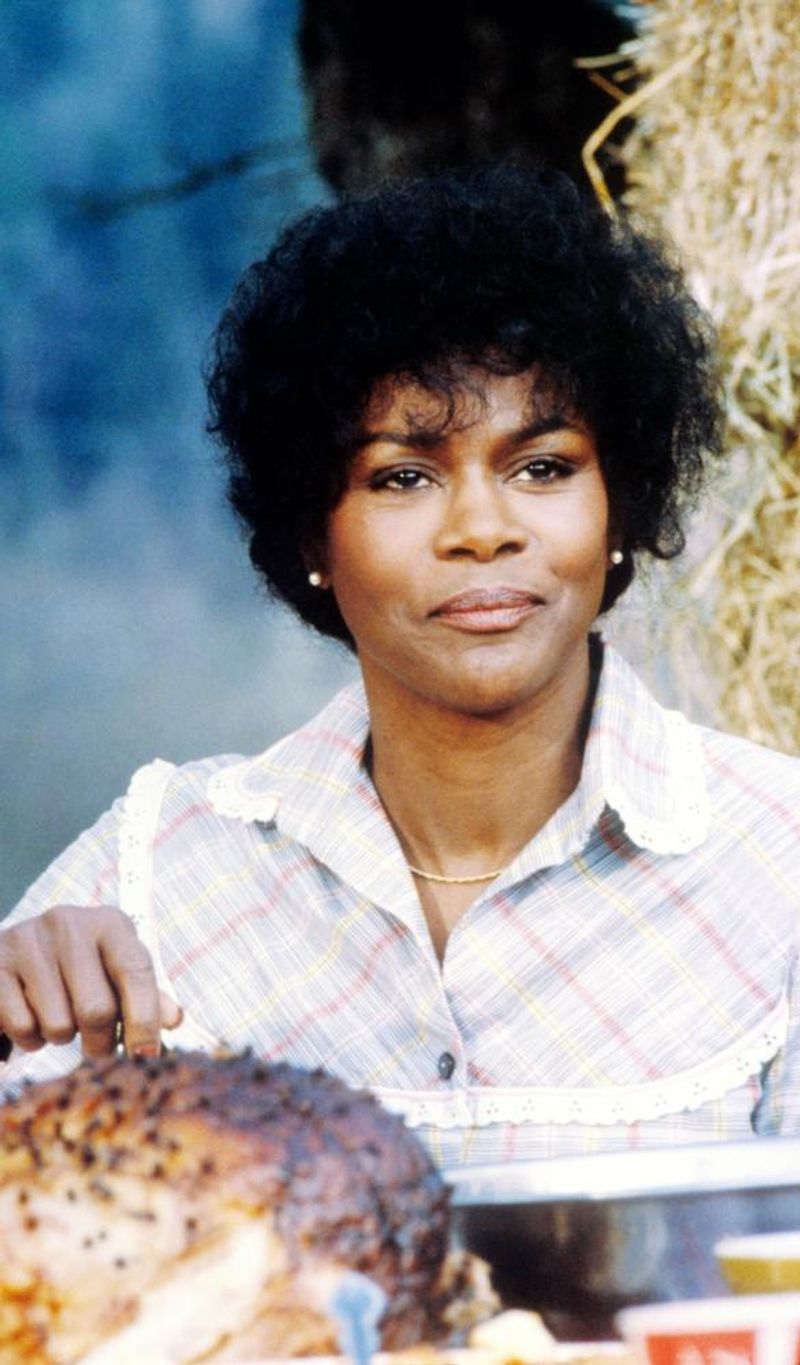
Some actresses become cultural phenomena through constant media saturation, while others earn their status through legacy that shapes everything that follows.
Cicely Tyson belongs firmly in the second category, because her work changed expectations for how Black women could be portrayed on screen.
She became synonymous with roles that carried dignity, complexity, and depth, often insisting on characters that felt truthful rather than convenient stereotypes.
Tyson’s public reputation grew alongside her body of work, making her a revered figure whose name represented integrity as much as talent.
When she appeared in a project, it felt meaningful, and that aura turned her into a cultural reference point for excellence and principle.
Even for people who couldn’t list every credit, her influence still registers in the fact that many later actresses cite her as a reason they believed a serious career was possible.
14. Diahann Carroll
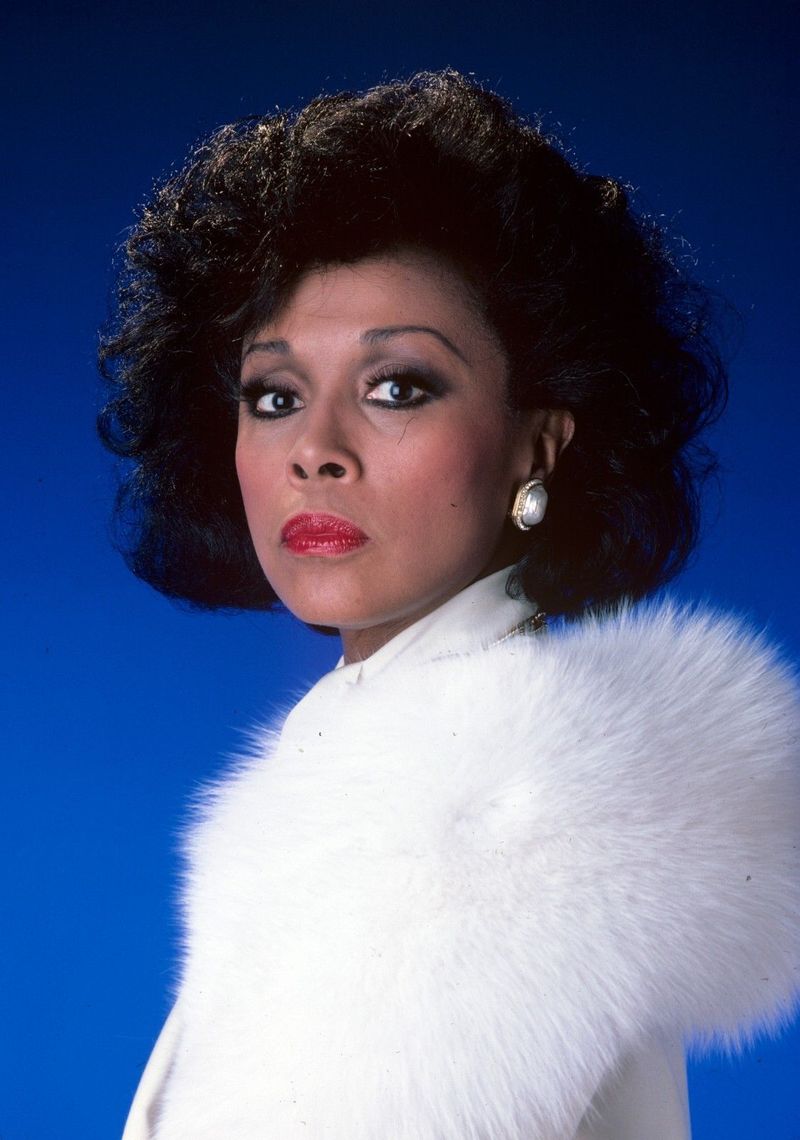
Breaking barriers can look like a quiet act from the outside, but Diahann Carroll’s impact was loud in its consequences.
Her visibility in mainstream entertainment helped shift what audiences expected to see, especially on television, where representation has always shaped cultural imagination.
Carroll carried an elegant, star-quality presence that made her stand out in a landscape that often refused to offer Black actresses the same glamorous framing as their white peers.
Over time, she became a symbol of both style and progress, proving that sophistication and mainstream appeal were never the issue—opportunity was.
Her career also demonstrated how one person’s success can open doors that others didn’t even know were locked.
The cultural phenomenon around Carroll is tied to that feeling of “firstness,” where every milestone she reached doubled as a statement about what the industry had been missing.
15. Pam Grier
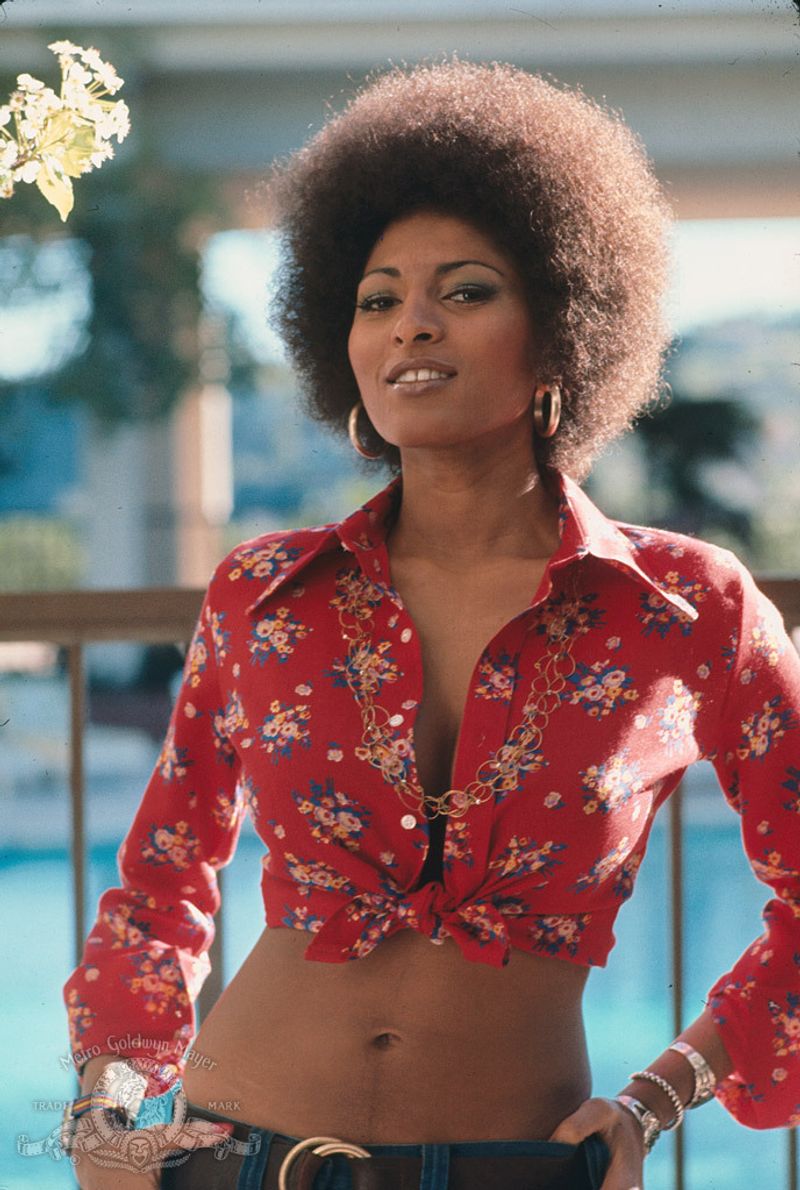
Long before superhero universes and franchise branding dominated Hollywood, Pam Grier became iconic through sheer attitude, charisma, and genre-defining screen power.
Her roles didn’t just entertain; they created an image that influenced fashion, music, and the broader idea of what a tough, magnetic leading woman could look like.
Grier’s impact also carried a particular cultural charge, because she embodied confidence and agency in a way that audiences felt immediately, even when the industry wasn’t offering many complex opportunities for Black actresses.
Over time, her legend grew as filmmakers and fans treated her work as foundational, and her name became shorthand for fearless cool.
What makes her a phenomenon isn’t only nostalgia; it’s the fact that her influence keeps resurfacing in modern storytelling, where “a Pam Grier type” still signals a specific kind of strength.
16. Dorothy Dandridge
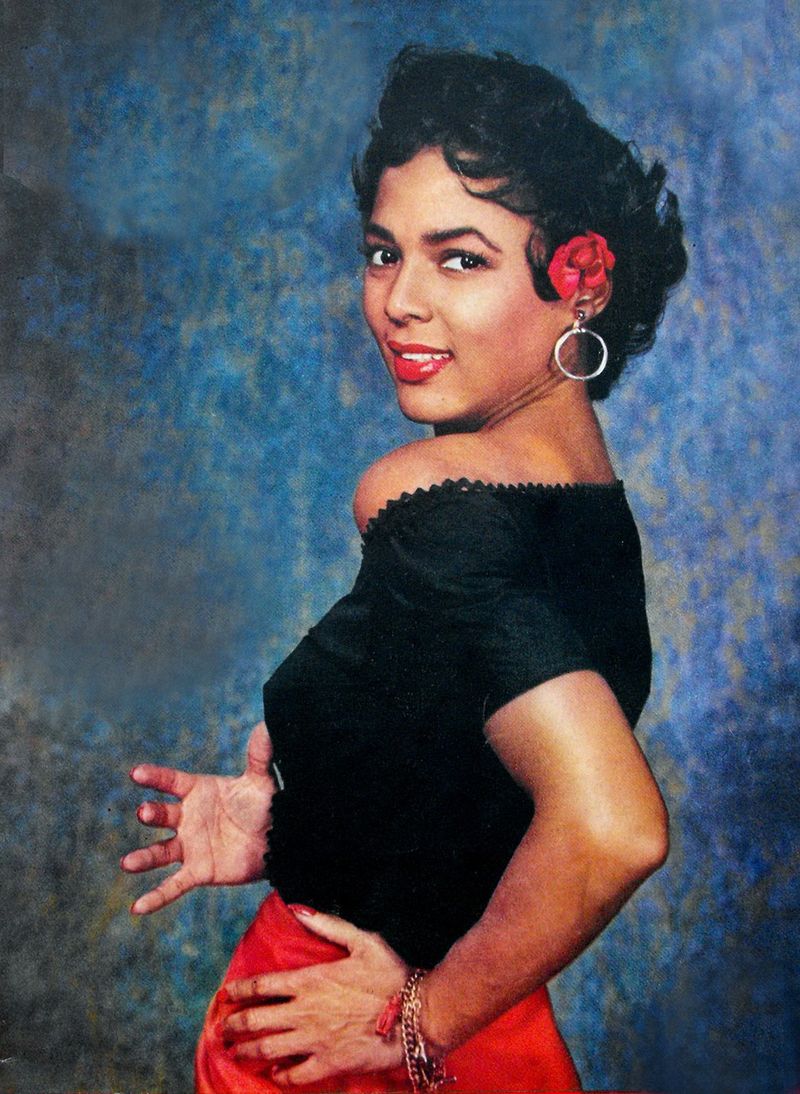
Hollywood has always been quick to create legends, but Dorothy Dandridge’s story endures because it sits at the intersection of glamour, talent, and painful limitation.
Her beauty and star presence made her a sensation, yet the industry around her often refused to offer the kind of roles that matched her ability and range.
That contrast turned Dandridge into a symbol, not just of what she achieved, but of what was denied to her in an era of rigid barriers.
The cultural phenomenon surrounding her has only grown with time, because she represents both a breakthrough and a warning about how stardom can be shaped by forces outside an artist’s control.
When people reference Dandridge today, they’re often talking about more than a filmography; they’re talking about myth, legacy, and the cost of being first in a space that wasn’t built for you.
17. Diana Ross
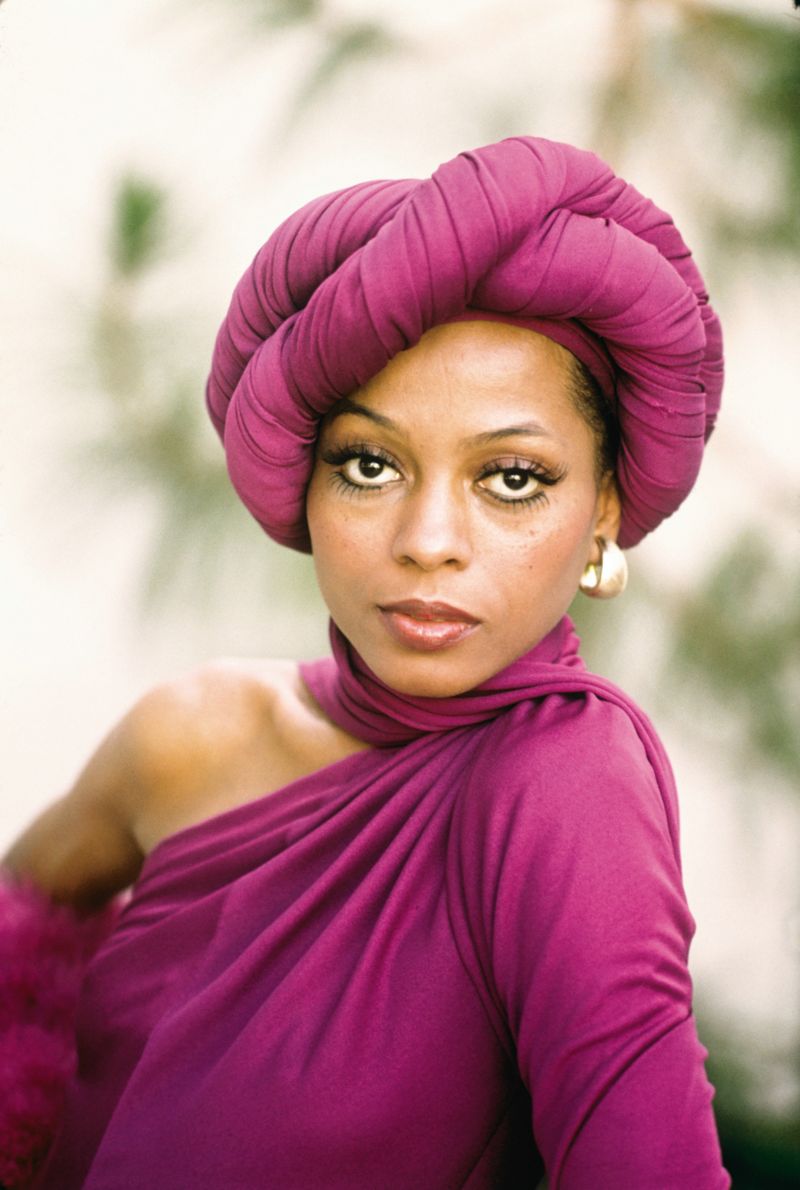
Fame that begins in music can translate into film in many ways, but Diana Ross’s transition felt like a full cultural event rather than a side project.
Her screen presence carried the same magnetism that made her a global music icon, and audiences treated her acting era as another chapter in an already massive public story.
Ross’s style, voice, and persona helped shape an image that was instantly recognizable, which meant every appearance—on a set, on a red carpet, or in a magazine—felt like a headline.
She also embodied a particular kind of glamorous ambition, where stardom was both performance and identity.
The phenomenon around Ross is tied to scale: she wasn’t simply popular, she was omnipresent, and her influence traveled across music, fashion, film, and the broader mythology of celebrity.
18. Jennifer Hudson
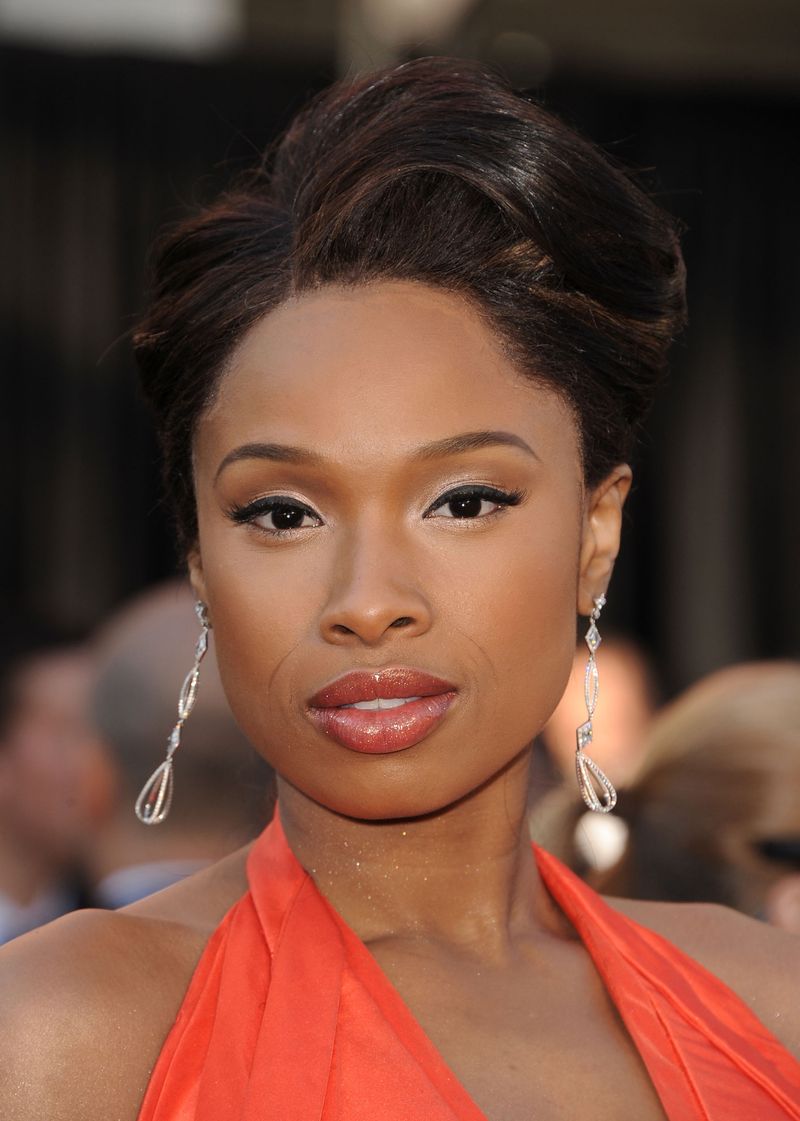
An origin story that plays out in public can create an unusually intense bond between star and audience, and Jennifer Hudson’s rise carried that kind of emotional visibility.
She became widely known through a high-profile launch, then quickly proved her staying power with a breakout performance that turned her into an awards-season centerpiece.
Hudson’s voice—both literal and figurative—has always been central to her appeal, because she projects power without needing to oversell it.
Her cultural presence also deepened through personal resilience in the face of public hardship, which many people followed closely and felt invested in.
Over time, her career expanded into music, film, and television, reinforcing her as a multi-platform figure rather than a one-moment sensation.
What makes Hudson a phenomenon is the way her talent and her story combine into a narrative people remember as much as her roles.
19. Regina King
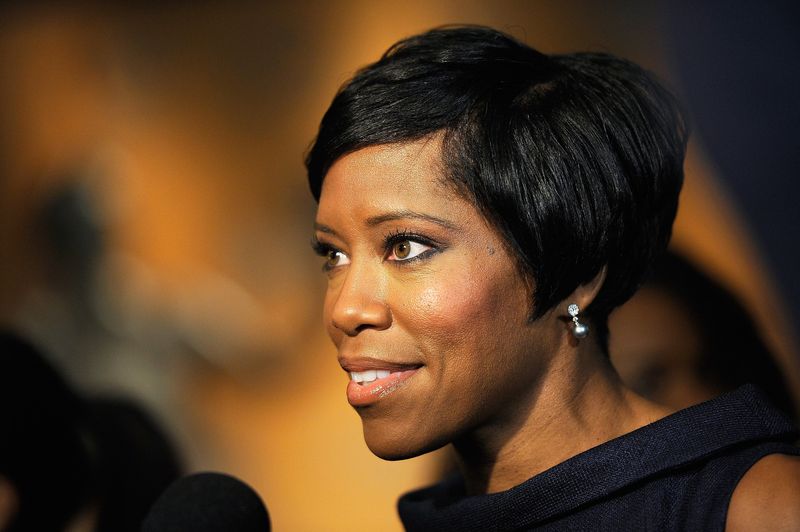
There’s a particular kind of celebrity built on admiration rather than hype, and Regina King has cultivated that with remarkable consistency.
Her career spans decades, which means many audiences feel like they grew up with her, watching her evolve from standout roles into a performer whose excellence seems almost expected.
King’s cultural phenomenon status comes from the way she is widely respected across genres, winning people over whether she’s playing comedic warmth or dramatic intensity.
In recent years, her influence expanded even further through directing and leadership behind the camera, which added another layer to her public identity.
She represents a form of longevity that feels increasingly rare, where relevance isn’t driven by scandal or trend-chasing, but by steady, undeniable skill.
When King’s name appears in a cast list, it signals quality, and that kind of trust is its own cultural power.
20. Octavia Spencer
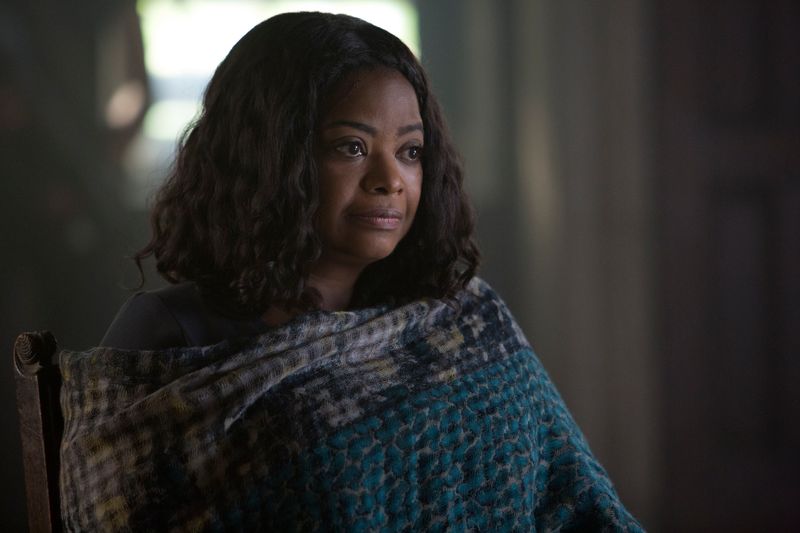
A performer who can steal a scene without forcing it tends to become a fan favorite, and Octavia Spencer has made an entire career out of that effortless impact.
Her presence often brings humor, warmth, or sharpness that instantly clarifies a film’s emotional core, which is why audiences remember her even when she isn’t the lead.
Spencer’s rise to major awards recognition also helped shift conversations about who gets celebrated, especially when supporting roles are frequently treated as secondary rather than essential.
Beyond acting, she developed a public persona that feels approachable and witty, adding to her cultural footprint in interviews and social media moments.
What makes Spencer a phenomenon is the combination of credibility and relatability, since she can carry prestige on one hand and an everywoman charm on the other.
In an industry obsessed with “types,” she became the type everyone wants: unforgettable.
21. Jada Pinkett Smith
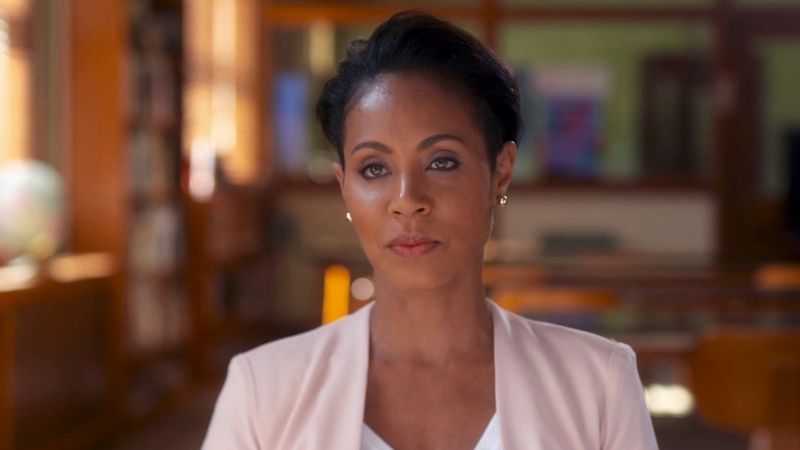
Celebrity can become cultural phenomenon when a public figure remains relevant across multiple eras, and Jada Pinkett Smith has done that through constant reinvention.
Her acting career helped establish her as a recognizable presence, but her broader visibility grew through her role as a public personality who often sits at the intersection of entertainment, relationships, and cultural conversation.
Pinkett Smith’s willingness to speak openly about complicated topics—sometimes to admiration, sometimes to controversy—kept her in the public eye in a way that feels uniquely modern.
That mix of fame and discourse made her name more than a credit; it became part of the ongoing pop-culture dialogue.
Whether people follow her for her performances, her interviews, or the larger celebrity ecosystem around her, she remains a figure who consistently draws attention, which is a key ingredient of phenomenon status.
22. Nia Long
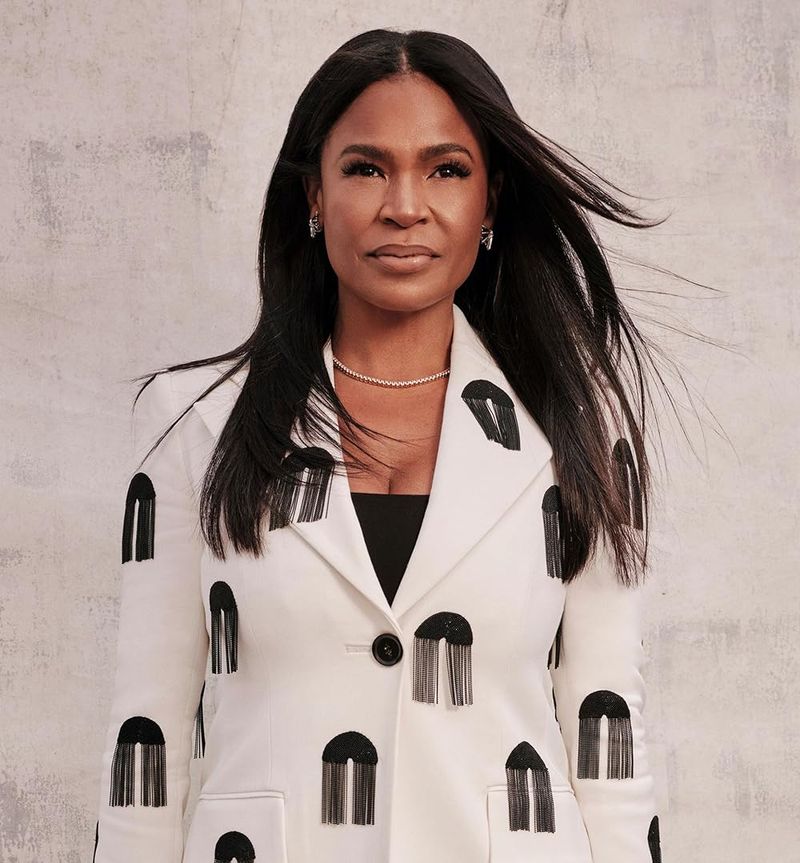
An “it girl” isn’t just someone who looks the part; she’s someone whose presence defines a vibe, and Nia Long owned that role for an entire era.
Her film and television work helped shape the romantic and cultural landscape for many viewers, especially within Black cinema where her characters often embodied a mix of softness and strength that audiences wanted to see centered.
Long’s appeal was never only about beauty, although that was frequently highlighted; it was also about the calm confidence she brought to roles, which made her feel both aspirational and familiar.
Over time, her name became shorthand for a certain kind of ’90s and early-2000s leading-lady energy that people still reference today.
The phenomenon around Long is tied to cultural memory, because she represents a time when specific actresses were not just cast frequently, but woven into the emotional soundtrack of viewers’ lives.
23. Sanaa Lathan
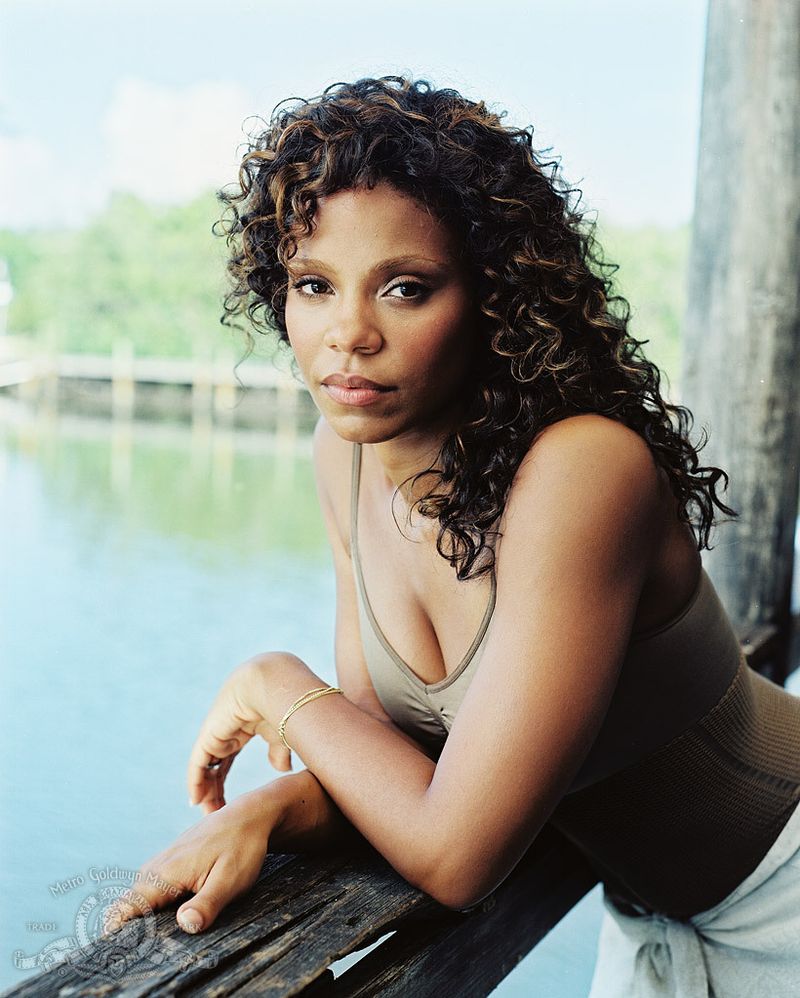
Romance roles can become cultural touchstones when an actress makes the emotions feel specific and lived-in, and Sanaa Lathan did that with remarkable consistency.
Her characters often carried a sense of grounded realism that helped audiences see their own experiences reflected, which is why her films remain rewatch favorites and conversation starters.
Lathan also developed a lasting reputation for chemistry, the kind that makes a pairing feel iconic long after the credits roll.
That kind of on-screen connection turns into cultural capital, because people reference those moments the way they reference songs from a beloved era.
Beyond romance, she has shown range in thrillers and drama, reinforcing that her appeal isn’t limited to one lane.
The phenomenon status comes from familiarity: she became one of those names audiences trust to deliver emotional payoff, and that trust makes her presence feel like an event.
24. Issa Rae
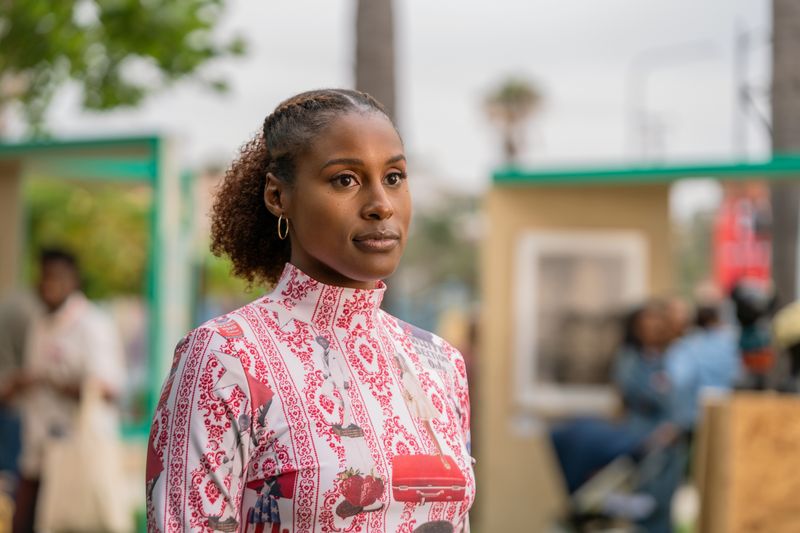
The cultural impact of Issa Rae is inseparable from how she reshaped the path to stardom.
Instead of waiting for permission from traditional gatekeepers, she built a loyal audience through storytelling that felt intimate, specific, and refreshingly honest.
When her work made the leap to mainstream television, it didn’t lose its authenticity; it expanded it, turning her show into a weekly conversation about friendship, ambition, dating, and identity.
Rae’s influence also extended into fashion and everyday language, since her characters and scenes became meme material and quote fuel without feeling manufactured for virality.
As her career grew, she became a symbol of creator-driven success, inspiring others to see storytelling as something you can build from the ground up.
That’s why her phenomenon feels bigger than acting credits; it’s about a shift in how culture is made.
25. Ayo Edebiri
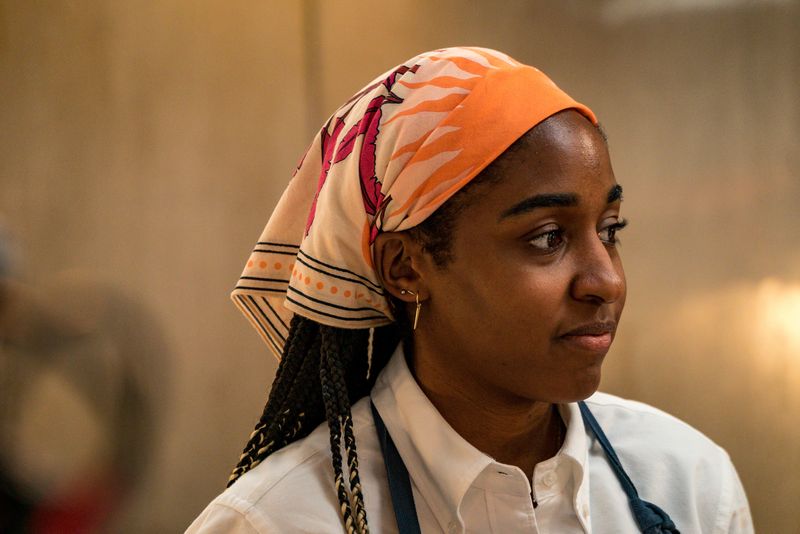
Breakouts are common, but a breakout that feels like a cultural adoption—where audiences start rooting for someone as if they’ve known her forever—is something rarer.
Ayo Edebiri has that quality, blending sharp comedic timing with an earnestness that makes her performances feel both clever and warm.
Her rising visibility has also been amplified by a public persona that plays well in the modern ecosystem of interviews, social clips, and internet enthusiasm, where authenticity can be as powerful as star polish.
Edebiri’s appeal is that she seems to belong everywhere at once: in serious scenes, in absurd comedy, and in cultural commentary that values wit over flash.
As she racks up higher-profile projects, she increasingly represents the kind of new-generation phenomenon built on talent first and hype second.
Watching her career unfold feels like witnessing a star being chosen by the culture in real time.
Comments
Loading…