
 Jade Reed
22 Rap Icons Who Shaped Modern Music as We Know It
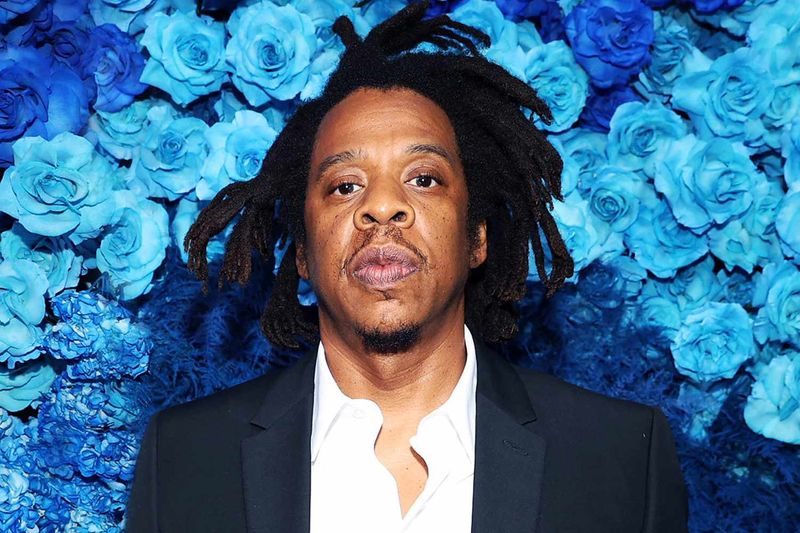
Hip-hop has evolved from its humble beginnings in the Bronx to become one of the most influential cultural forces on the planet.
Along the way, certain artists have done more than just make music—they have redefined what rap can be, pushing boundaries and inspiring generations.
These 22 icons have shaped modern music in ways that still echo today, from lyrical innovation to genre-blending production and fearless social commentary.
1. Lauryn Hill
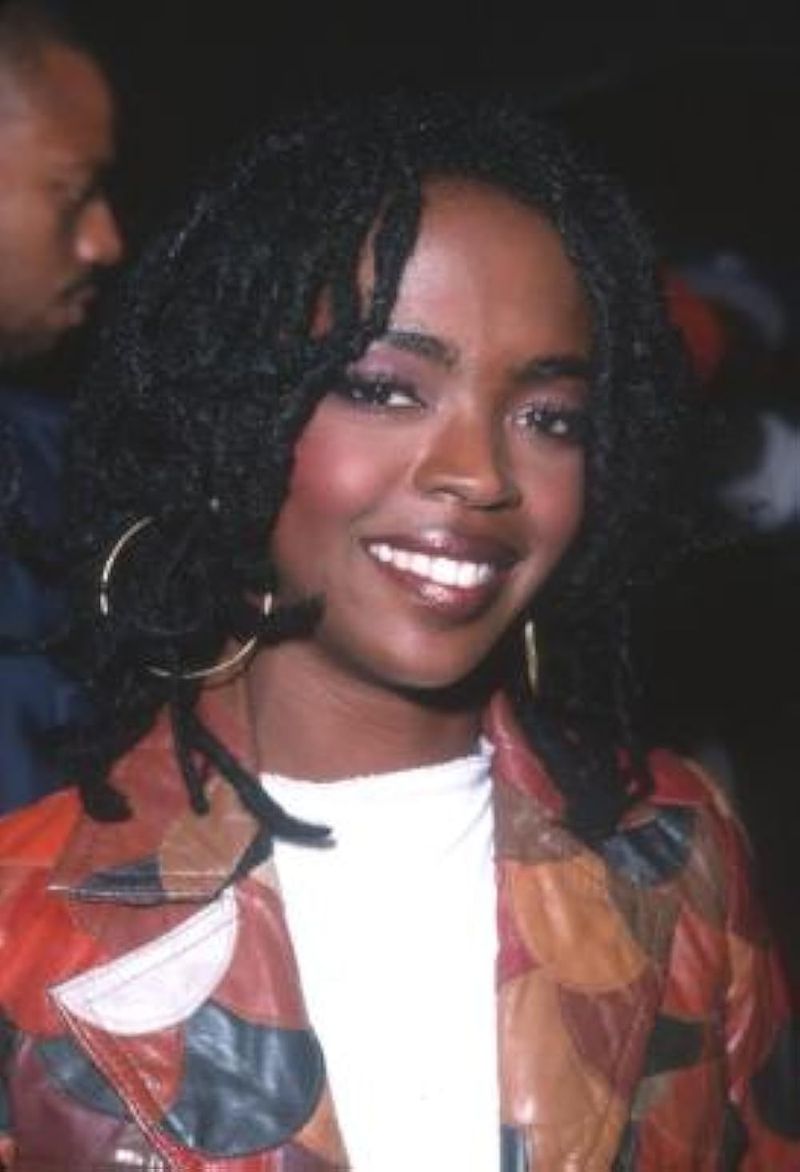
Lauryn Hill shattered expectations by blending soul, reggae, and rap into something entirely new and deeply personal.
Her album The Miseducation of Lauryn Hill became a cultural touchstone, addressing love, identity, and social issues with poetic grace.
She proved that rap could be musically rich, emotionally complex, and socially conscious all at once.
Her influence on female MCs and neo-soul artists is immeasurable.
Lauryn showed that vulnerability and strength could coexist in hip-hop.
Though her output has been limited, her impact remains timeless and continues to inspire artists across genres.
2. Notorious B.I.G. (Biggie Smalls)
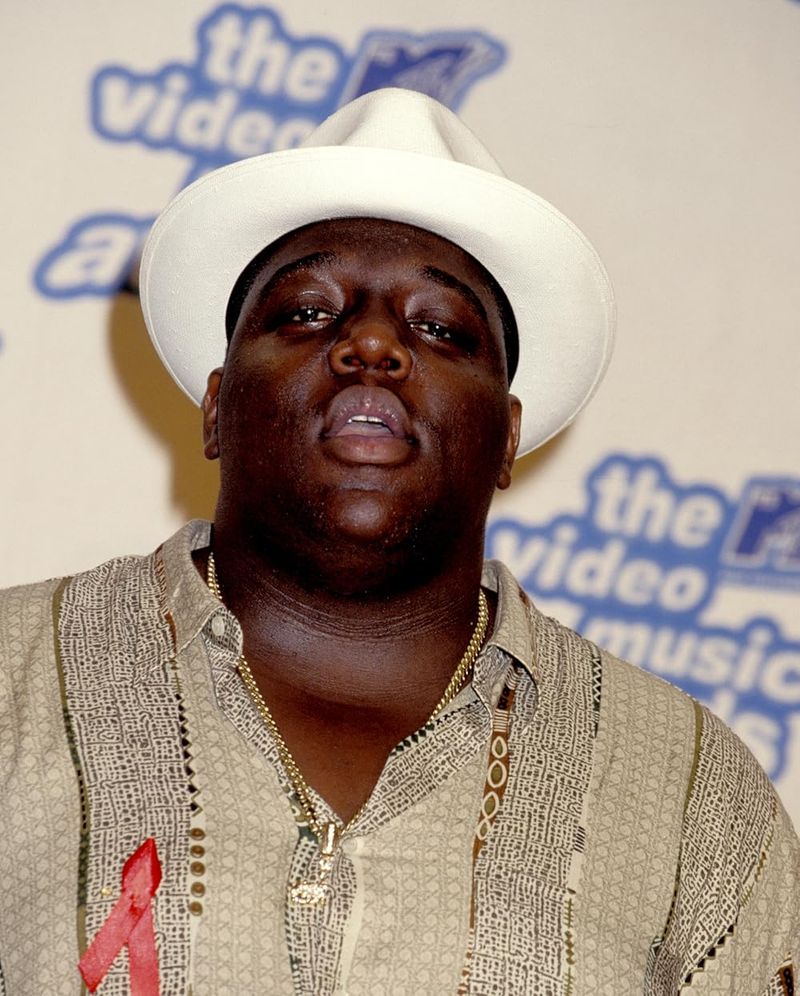
Biggie’s voice was unmistakable—smooth, commanding, and effortlessly cool.
His storytelling painted vivid pictures of street life, ambition, and celebration with a cinematic quality that felt like watching a movie.
Every line dripped with charisma, making even the simplest bars memorable and quotable.
His flow was so natural it seemed like he wasn’t even trying, yet every verse was perfectly crafted.
Biggie set the gold standard for lyrical presence and charm in hip-hop.
Decades after his passing, his influence remains unshakable, inspiring everyone from underground rappers to global superstars.
3. Nas
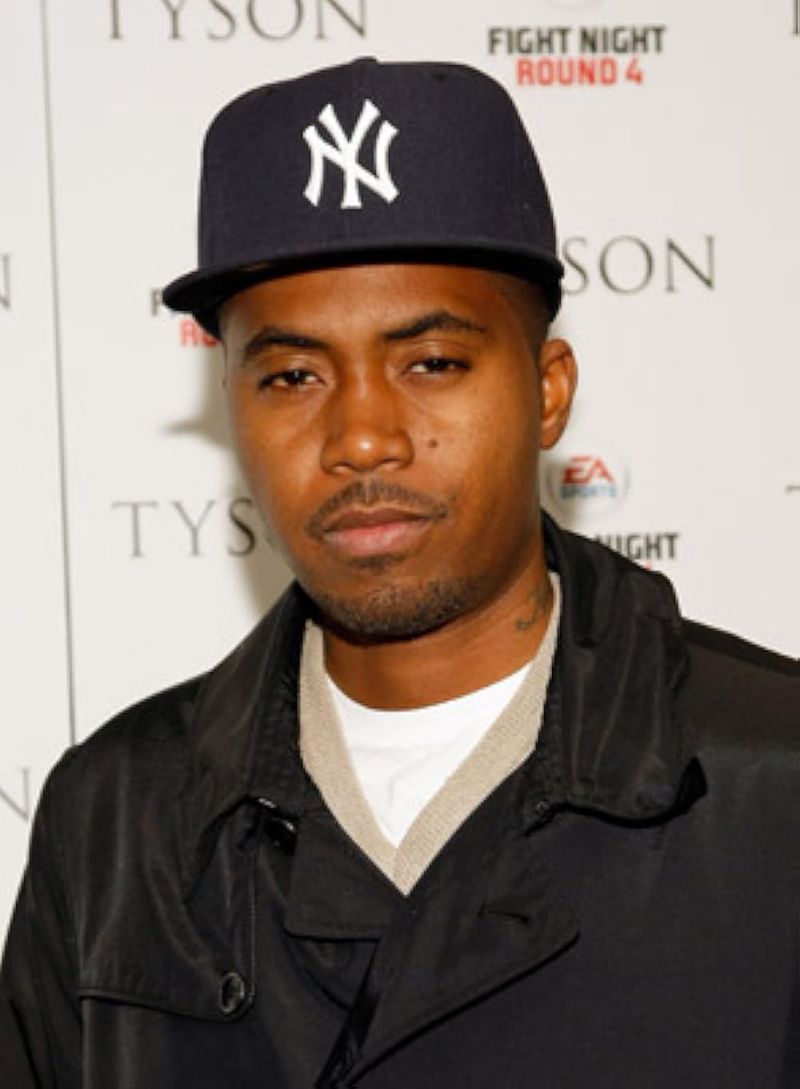
Nas brought a literary quality to rap that elevated the entire genre.
His debut album painted urban life with poetic realism, giving voice to struggles, dreams, and survival in the inner city.
His wordplay and metaphors are studied like classic poetry, blending street wisdom with intellectual depth.
He never compromised his lyrical integrity for commercial trends, earning respect as a true artist.
Nas showed that rap could be both deeply authentic and universally relatable.
His influence on conscious rap and storytelling continues to shape how MCs approach their craft today.
4. Rakim
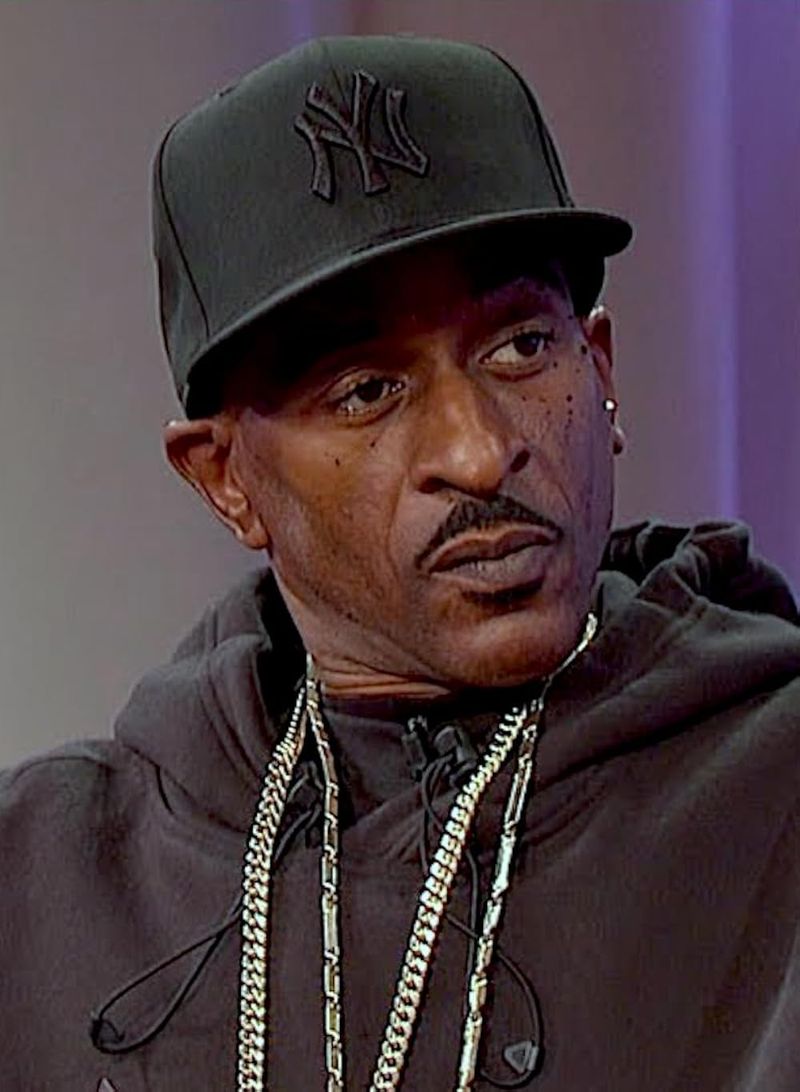
Before Rakim, rap was mostly about simple rhymes and energetic delivery.
He changed everything by introducing internal rhymes, complex patterns, and a smooth, intellectual approach that made listeners lean in closer.
His calm, confident voice became the blueprint for countless MCs who wanted to sound smart and powerful at the same time.
Rakim’s influence stretches across decades, from the golden age of hip-hop to today’s lyrical heavyweights.
Artists still study his verse structure and flow like students reading classic literature.
Without his groundbreaking techniques, modern rap would sound completely different and far less sophisticated.
5. Missy Elliott
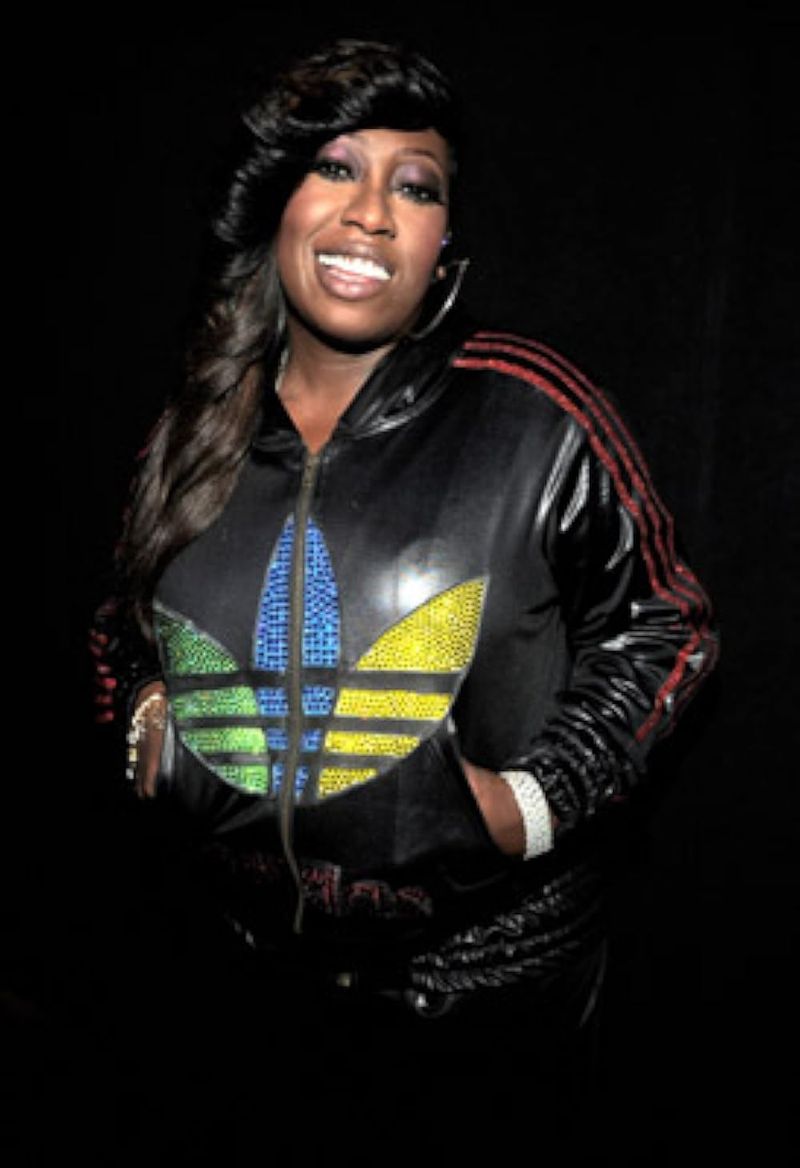
Missy Elliott redefined what hip-hop could sound like and look like with futuristic beats and groundbreaking music videos.
Her playful flows, inventive production, and bold visuals challenged gender norms and pushed creative boundaries.
She wasn’t afraid to experiment, making her one of the most original voices in rap history.
Her collaborations with producer Timbaland created a signature sound that influenced pop and hip-hop for decades.
Missy proved that female MCs could be just as innovative and dominant as their male counterparts.
Her fearless creativity continues to inspire artists who refuse to follow the rules.
6. Jay-Z
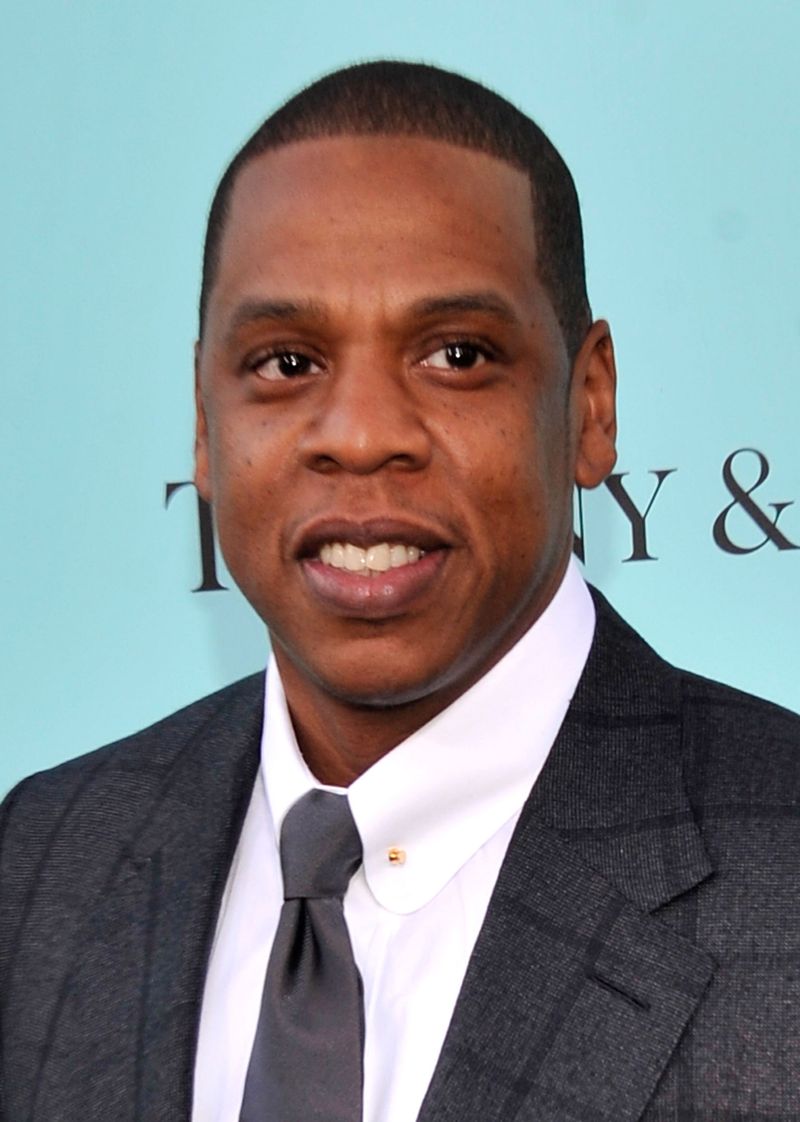
Jay-Z turned rap into an empire, proving that hip-hop artists could be moguls, entrepreneurs, and cultural leaders.
His sharp lyricism and clever wordplay made him a favorite among fans and critics alike.
But beyond the music, he built a business empire that changed how artists think about ownership and wealth.
His longevity is unmatched—staying relevant across multiple decades while adapting to new sounds and trends.
Jay-Z’s influence extends from the boardroom to the studio, inspiring a generation to think bigger.
He showed the world that rap could be a pathway to global influence and generational wealth.
7. Tupac Shakur (2Pac)
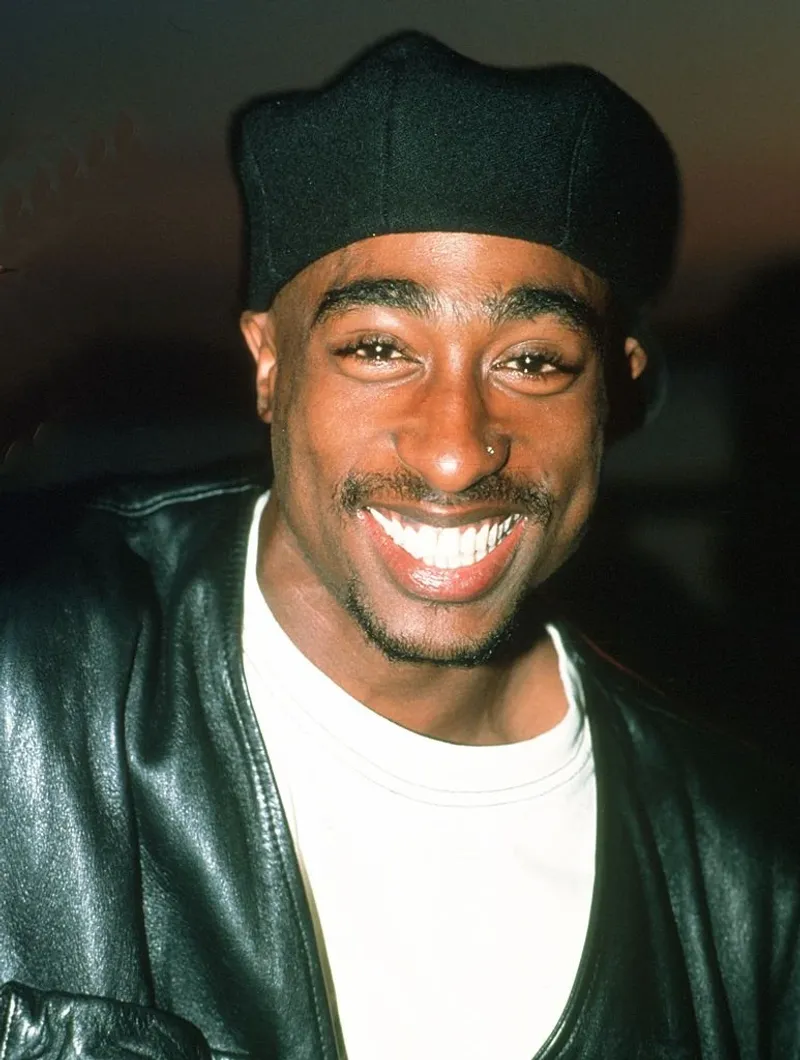
Few artists have ever captured raw human emotion the way Tupac did.
His music explored pain, hope, injustice, and love with a poet’s sensitivity and a revolutionary’s fire.
He wasn’t afraid to show vulnerability, cry on record, or challenge the system with fierce honesty.
Tupac’s legacy goes beyond his tragic death—his words continue to inspire activists, artists, and everyday people facing struggles.
He proved rap could be deeply personal while addressing massive social issues.
His ability to balance aggression with tenderness set a standard that still resonates powerfully today.
8. Eminem
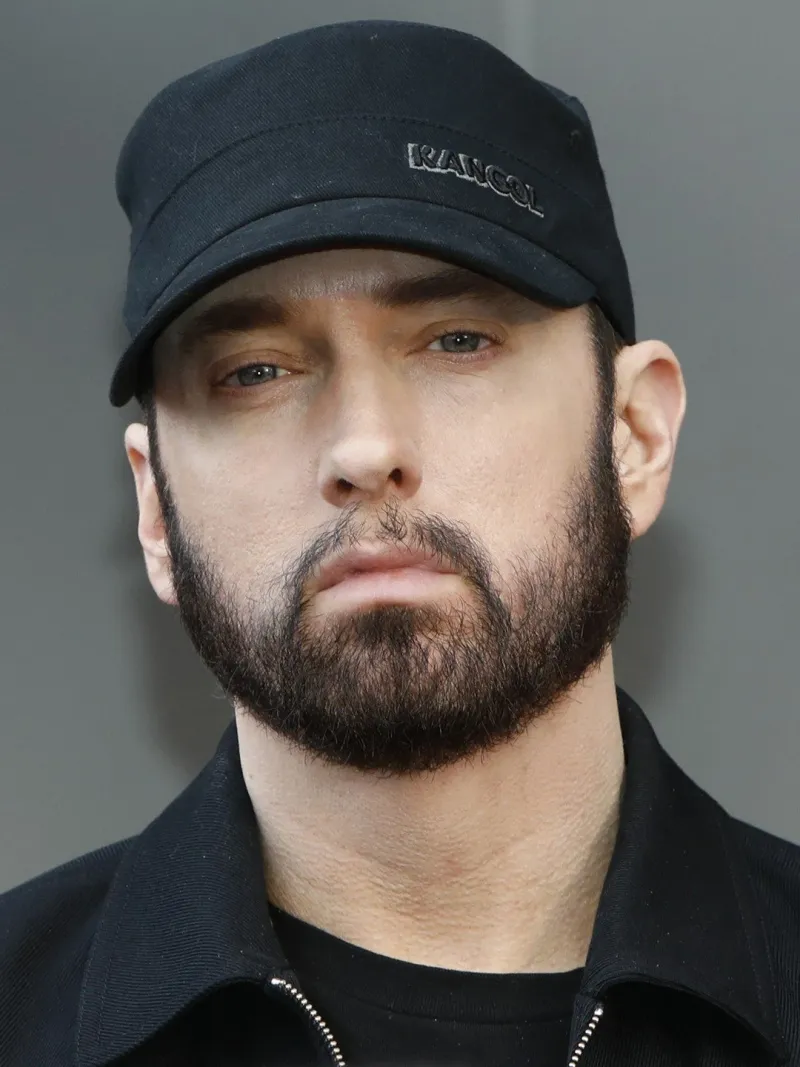
Eminem’s rhyme schemes are so intricate they’ve been analyzed by linguists and scholars.
His ability to bend words, create multi-syllabic patterns, and deliver shocking content with precision is unmatched.
He brought a raw, confessional style that mixed dark humor with painful honesty, breaking down barriers for white rappers in a predominantly Black genre.
His technical skill set a new benchmark for what lyricism could achieve.
Eminem’s influence reaches across all demographics, proving rap’s universal appeal.
Love him or hate him, his impact on mainstream rap lyricism is undeniable and continues to inspire countless artists.
9. Dr. Dre
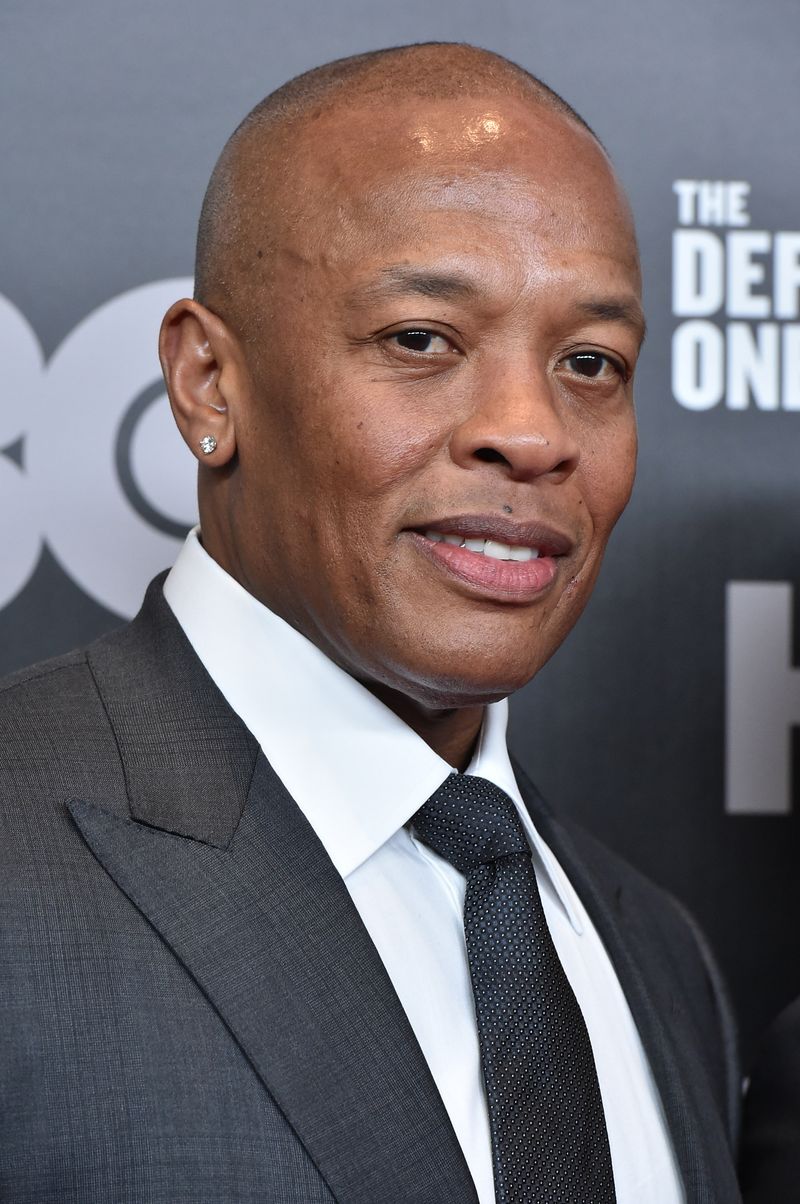
Dr. Dre didn’t just make beats—he crafted sonic landscapes that defined entire eras of hip-hop.
His production style on albums like The Chronic set the standard for West Coast G-funk, blending funk samples with hard-hitting drums.
Beyond his own work, he launched the careers of legends like Snoop Dogg, Eminem, and Kendrick Lamar.
His ear for talent and perfectionist approach to production made him a kingmaker in the industry.
Dre proved that producers could be just as influential as rappers.
His legacy is heard in every polished, bass-heavy track dominating modern hip-hop.
10. Queen Latifah
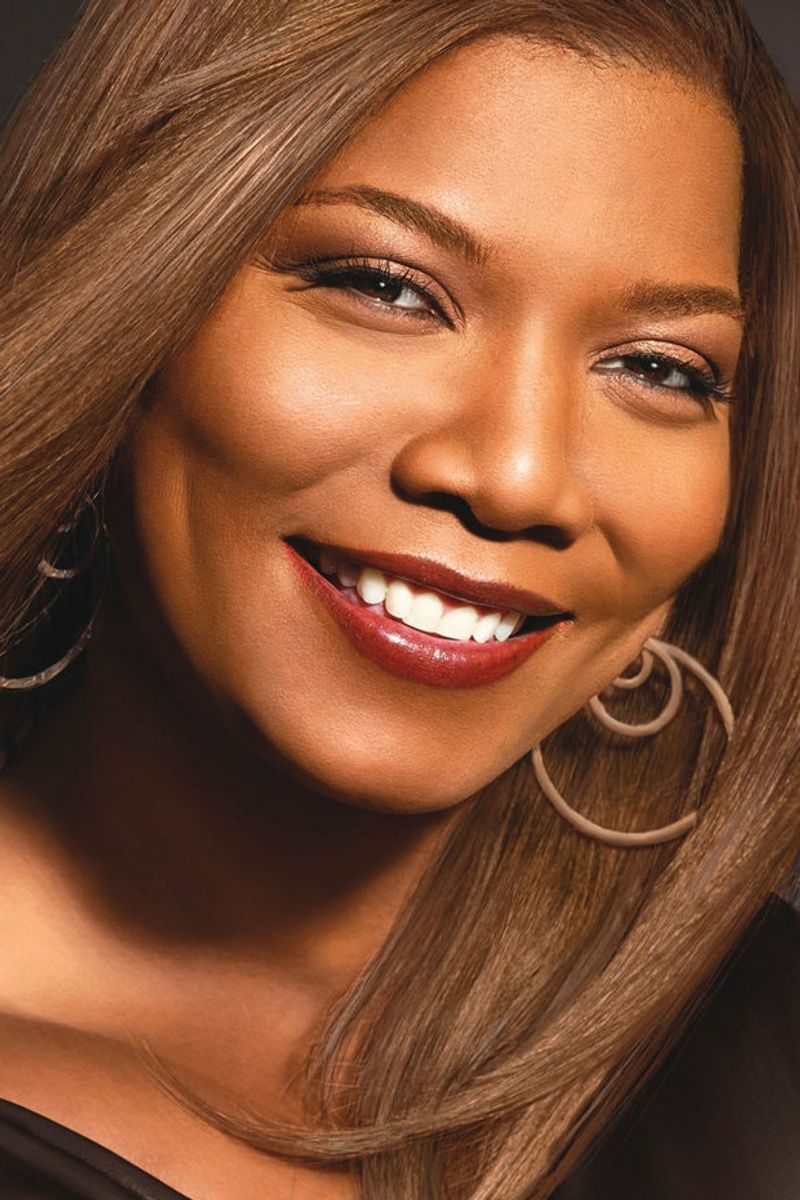
Championing female empowerment and dignity in a male-dominated space, Queen Latifah commanded respect from the moment she stepped into hip-hop.
Her music addressed issues like self-respect, unity, and social justice with grace and power.
She opened doors for women in rap, proving they could be strong, intelligent, and commercially successful.
Beyond music, she became a successful actress, talk show host, and entrepreneur.
Queen Latifah showed that hip-hop artists could build diverse, lasting careers.
Her legacy as a trailblazer continues to inspire women across all industries to demand respect and equality.
11. Snoop Dogg
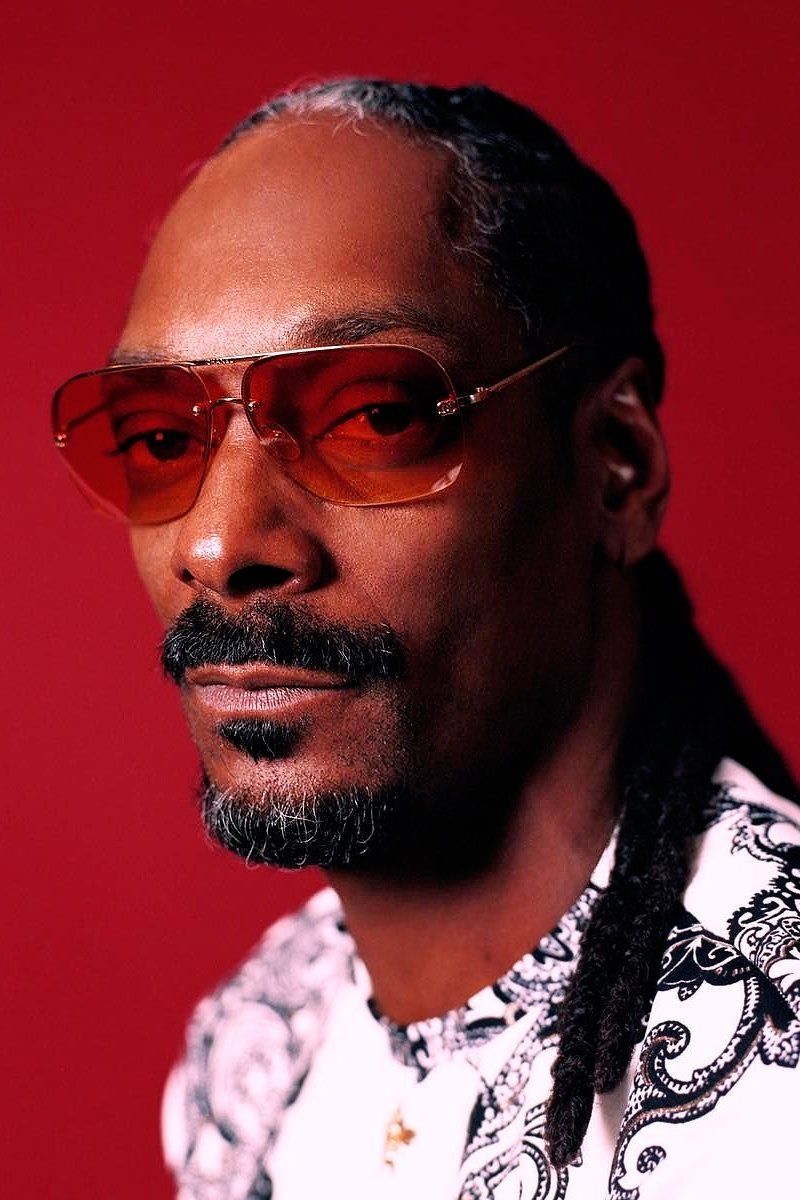
Snoop’s laid-back flow and smooth charisma made him an instant icon when he burst onto the scene.
His melodic delivery and effortless style brought a new flavor to gangsta rap, making it accessible and infectious.
He turned West Coast culture into a global phenomenon, influencing fashion, language, and attitude worldwide.
His longevity and ability to stay relevant across genres is remarkable.
Snoop has collaborated with everyone from pop stars to reggae legends, proving his versatility.
His cool, easygoing persona made hip-hop feel welcoming and fun, opening doors for countless fans and artists.
12. Ice Cube
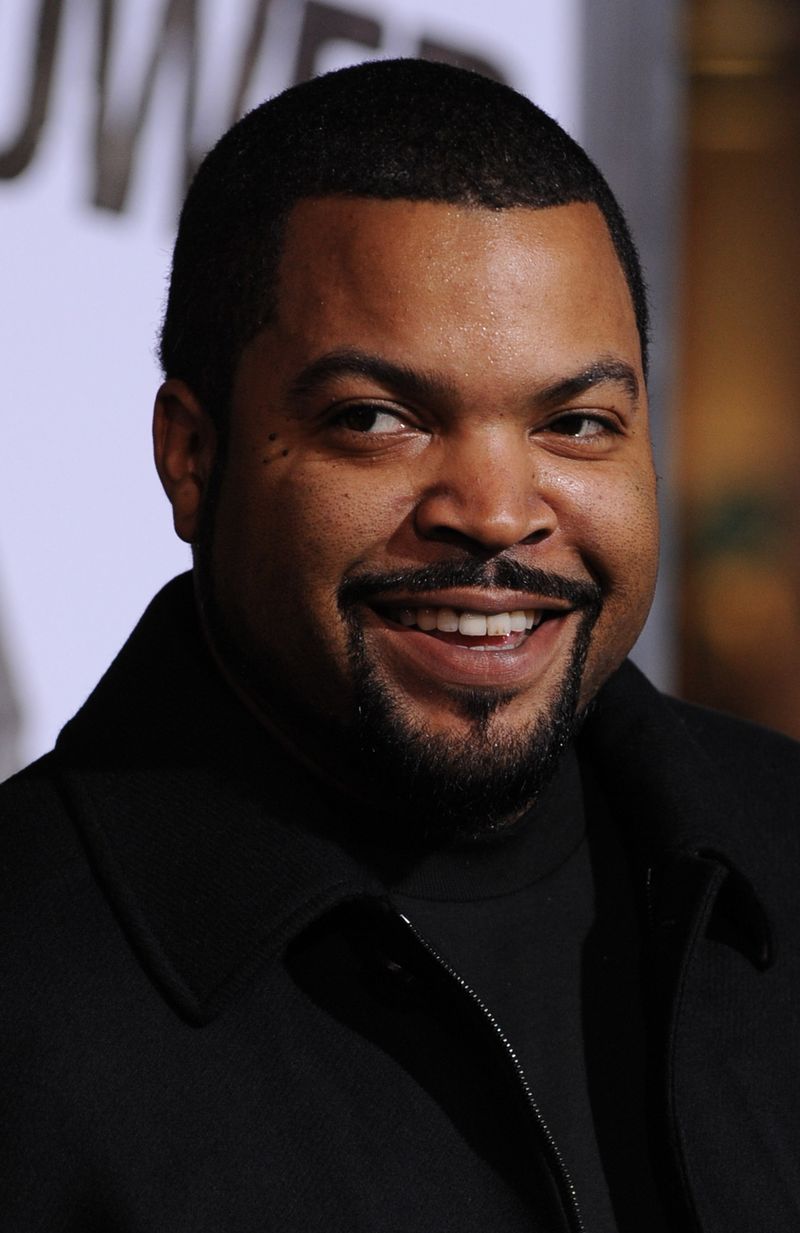
Ice Cube’s sharp, uncompromising lyricism brought social commentary to the forefront of mainstream rap.
His words cut through the noise, addressing police brutality, systemic racism, and inequality with brutal honesty.
He never softened his message for commercial appeal, earning respect as a true voice of the people.
Beyond music, he became a successful actor and filmmaker, expanding his cultural impact.
Ice Cube showed that rappers could be multifaceted artists and activists.
His fearless approach to truth-telling continues to inspire artists who refuse to stay silent about injustice.
13. Nicki Minaj
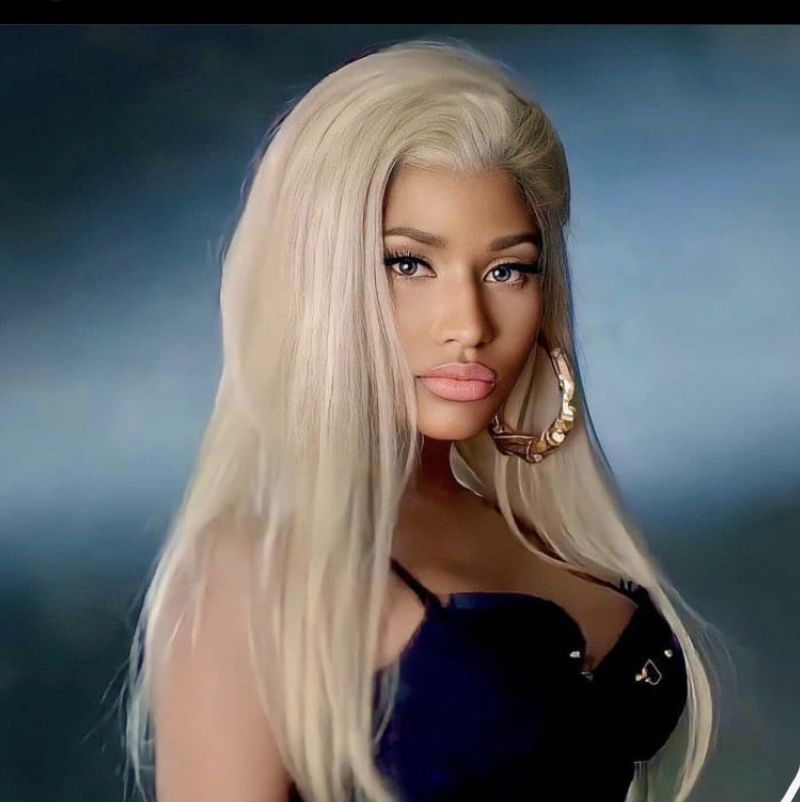
Bursting onto the scene with her colorful alter egos, Nicki Minaj showcased rapid-fire delivery and undeniable technical skill.
Her ability to switch flows, accents, and personas within a single verse set her apart from everyone else.
She dominated the pop-rap crossover, proving female MCs could achieve massive mainstream success without sacrificing lyrical ability.
Her influence on a new generation of female rappers is impossible to ignore.
Nicki opened doors and broke records, becoming one of the best-selling female artists in hip-hop history.
Her bold personality and fearless approach continue to inspire artists who refuse to be boxed in.
14. Kanye West
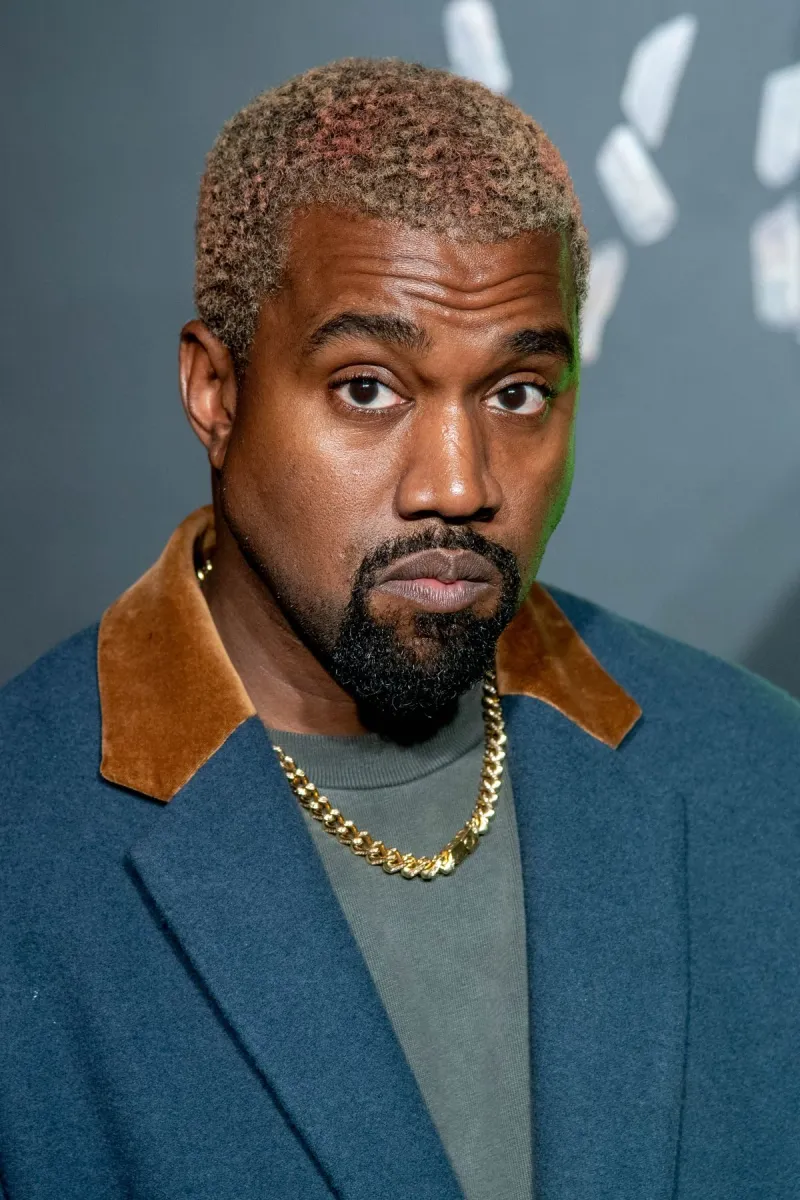
Kanye West redefined rap production by flipping soul samples into emotional, lush soundscapes that felt both nostalgic and futuristic.
He wasn’t afraid to be vulnerable, rapping about insecurities, faith, and personal struggles in ways that challenged hip-hop’s tough-guy image.
His influence extends beyond music into fashion, design, and pop culture at large.
Love him or hate him, Kanye’s impact on modern hip-hop is undeniable.
He pushed boundaries with every album, constantly reinventing himself and the genre.
His fearless creativity and willingness to take risks continue to shape nearly every lane of contemporary rap.
15. Kendrick Lamar

Kendrick Lamar approaches rap like a filmmaker, crafting concept albums that tell complex, layered stories.
His dense lyricism tackles race, identity, trauma, and redemption with a depth rarely seen in mainstream music.
He’s won Pulitzer Prizes and critical acclaim, pushing hip-hop into new artistic and cultural territory.
His influence on modern rap is profound, inspiring artists to think bigger and dig deeper.
Kendrick proved that commercial success and artistic integrity don’t have to be mutually exclusive.
His work continues to challenge listeners and redefine what hip-hop can achieve as an art form.
16. Andre 3000 (OutKast)
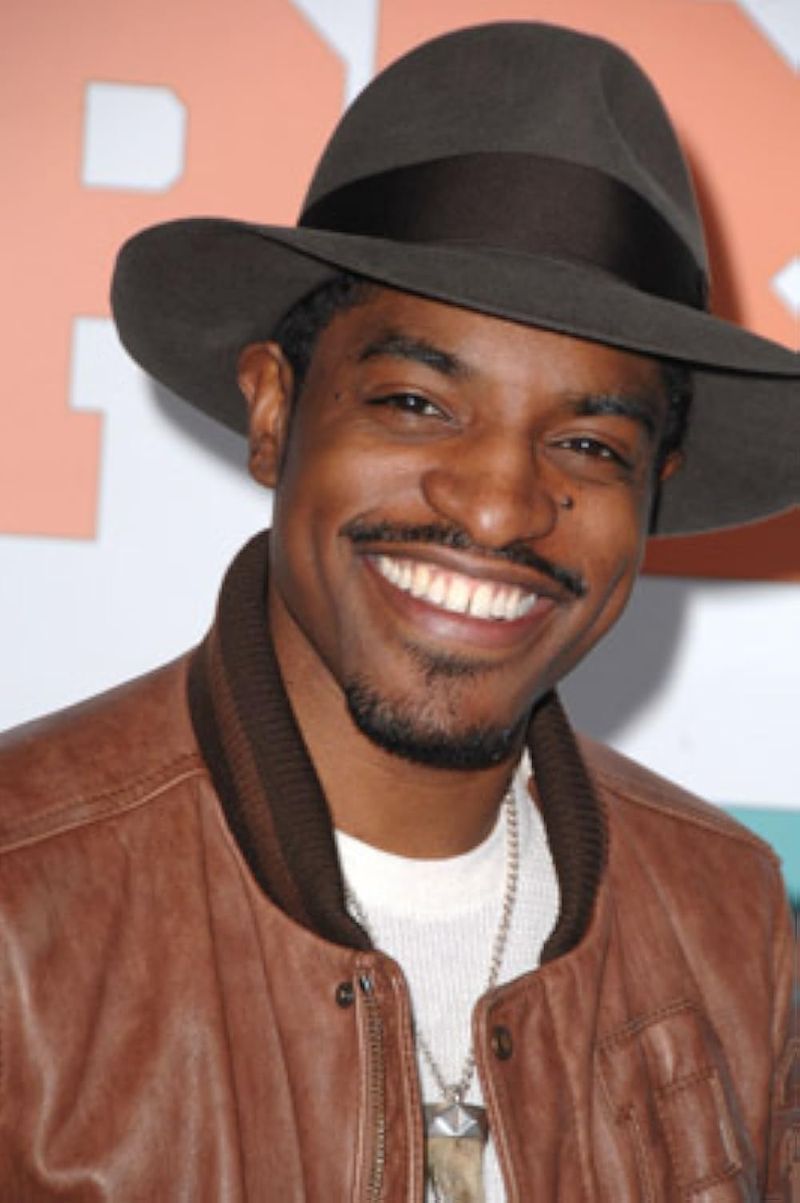
With his eccentric style and fearless experimentation, Andre 3000 expanded what rap could sound like and feel like.
He mixed funk, jazz, psychedelia, and soul into OutKast’s music, creating a sound that was uniquely Southern yet universally appealing.
His fashion sense and artistic vision challenged hip-hop’s conventions, proving individuality could thrive in the genre.
His lyrical ability is matched only by his willingness to take creative risks.
Andre showed that rappers could be poets, musicians, and visionaries all at once.
His influence continues to inspire artists who refuse to be confined by genre or expectation.
17. Common

Common blended introspection, poetry, and activism into a style that felt both personal and universal.
His thoughtful lyrics addressed social issues, love, and self-awareness with a sincerity that resonated across audiences.
He maintained credibility in both underground and mainstream spaces, proving conscious rap could be commercially viable.
His collaborations with legendary producers created timeless albums that still sound fresh today.
Common showed that rap could be a vehicle for positive change and deep reflection.
His influence on conscious hip-hop continues to inspire artists who use their platform for purpose and meaning.
18. LL Cool J
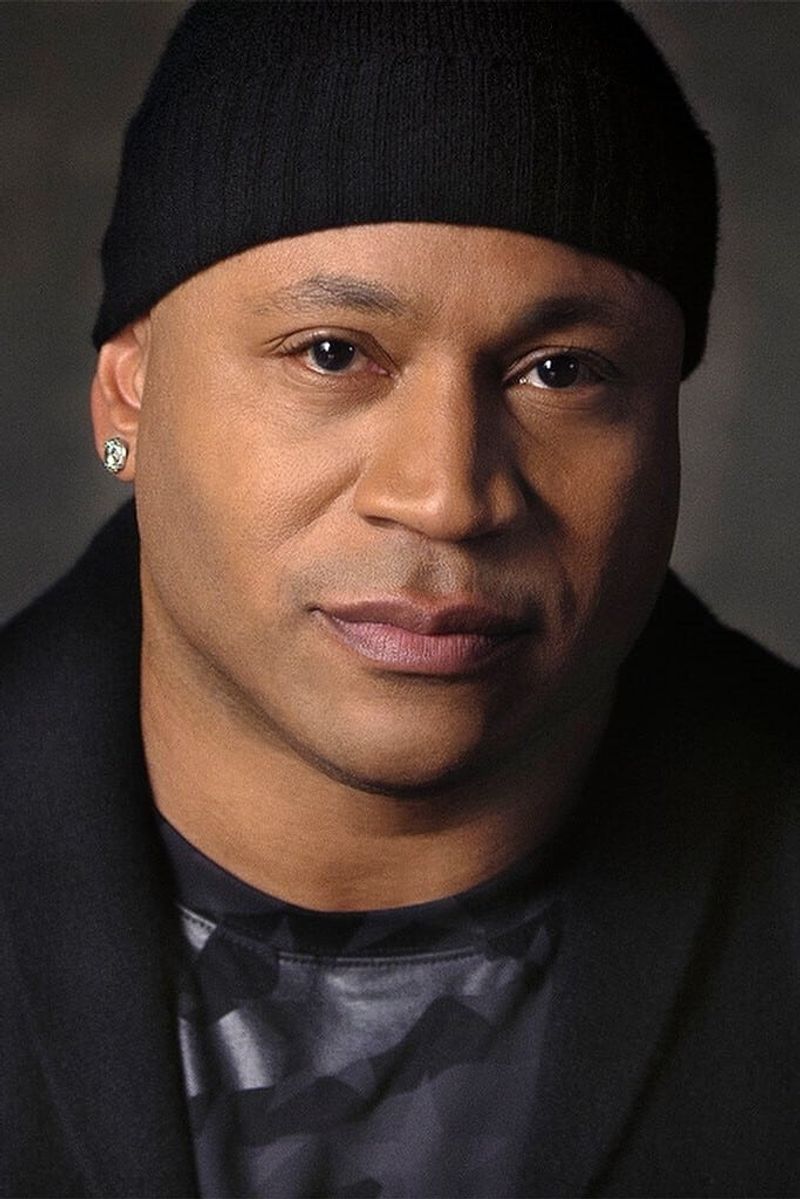
LL Cool J balanced hard-hitting bars with romantic appeal, proving rap could be versatile and commercially successful.
His charisma and stage presence made him one of the first true rap superstars, crossing over into mainstream pop culture.
He showed that hip-hop artists could be multi-dimensional, appealing to different audiences without losing authenticity.
His longevity in the game is a testament to his talent and adaptability.
LL paved the way for future crossover stars, proving rap’s potential beyond the streets.
His influence on both the music and business sides of hip-hop remains significant decades later.
19. Big Daddy Kane
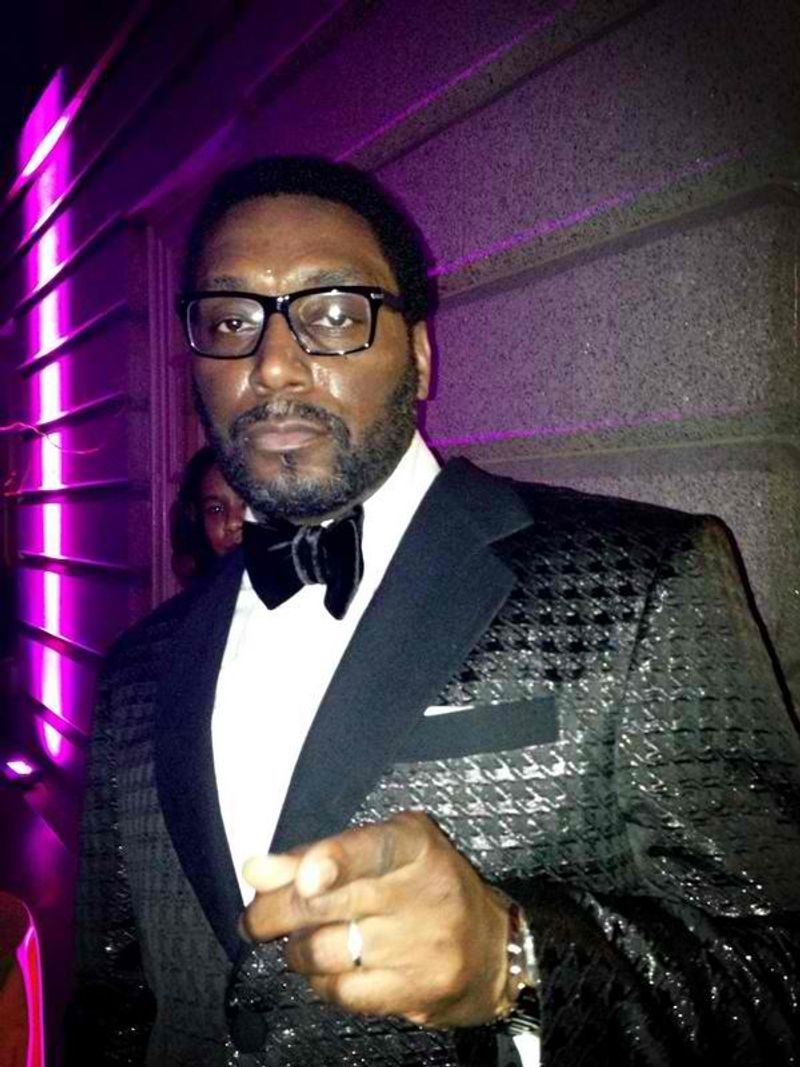
During hip-hop’s golden age, Big Daddy Kane elevated rhyme complexity, swagger, and stage presence.
His smooth delivery and intricate wordplay set a new standard for technical skill in rap.
He brought a sense of style and showmanship that influenced everyone from Jay-Z to Eminem.
His impact on lyrical rap cannot be overstated—he showed that MCs could be both street-smart and sophisticated.
Kane’s influence on battle rap and freestyle culture remains strong today.
He proved that being a great rapper meant mastering both the art and the performance of hip-hop.
20. Ghostface Killah (Wu-Tang Clan)
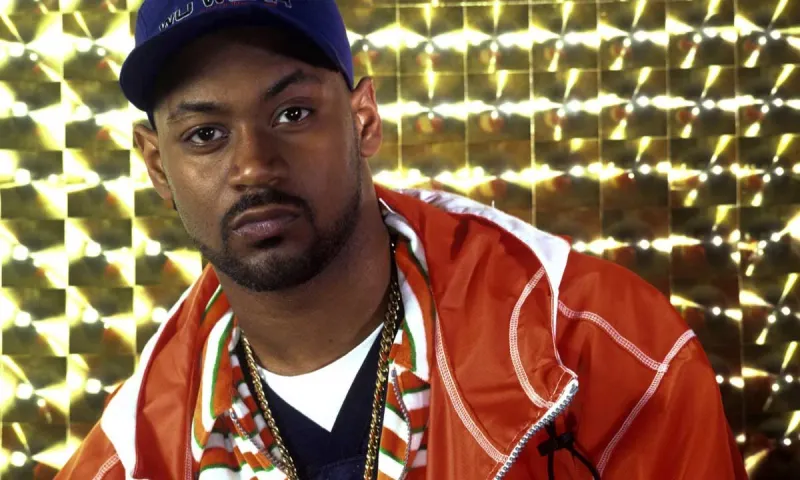
Ghostface Killah’s vivid, cinematic narratives brought East Coast rap’s gritty realism to life with emotional depth.
His storytelling painted detailed pictures of street life, love, and survival with a raw honesty that felt like watching a movie.
His unique voice and rapid-fire delivery made every verse memorable and impactful.
As a member of Wu-Tang Clan, he helped define the sound and style of 90s New York hip-hop.
His solo work showcased his versatility and lyrical prowess.
Ghostface’s influence on narrative-driven rap continues to inspire storytellers who value authenticity and emotion.
21. A Tribe Called Quest
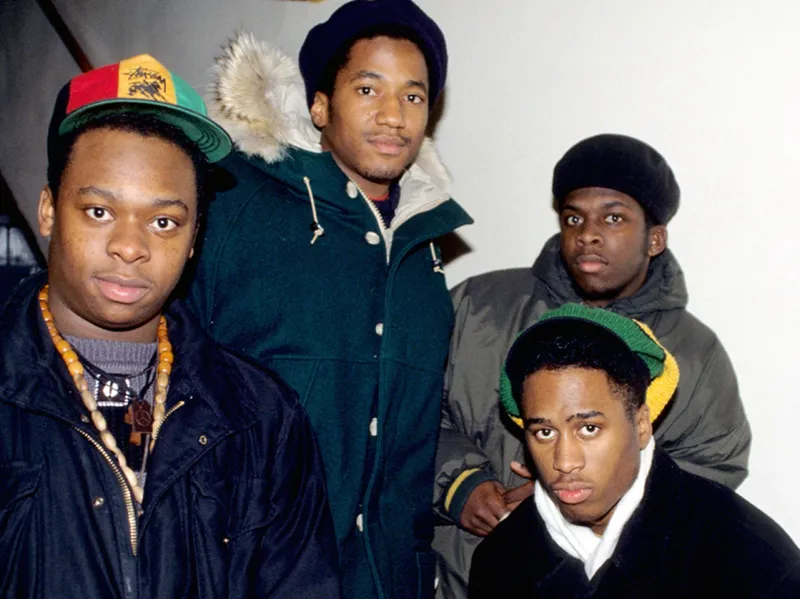
A Tribe Called Quest proved hip-hop could be thoughtful, laid-back, and musically adventurous without losing its edge.
Their jazz-infused beats and socially conscious lyrics created a sound that was both intelligent and accessible.
They brought a sense of positivity and creativity to rap, showing that the genre could be diverse and inclusive.
Their influence on alternative and conscious hip-hop is immeasurable.
Tribe showed that rap didn’t have to be aggressive to be powerful.
Their legacy continues to inspire artists who value musicality, message, and innovation over trends and commercial formulas.
22. Lil Wayne

Lil Wayne’s mixtape dominance in the 2000s changed how artists released music and built fanbases.
His punchline-heavy style, creative wordplay, and relentless work ethic made him one of the most influential rappers of his generation.
He wasn’t afraid to experiment with melodies, Auto-Tune, and unconventional flows, paving the way for modern rap’s next wave.
His influence on artists like Drake, Nicki Minaj, and countless others is undeniable.
Wayne proved that staying hungry and constantly evolving could keep you relevant for decades.
His fearless creativity continues to shape the sound and approach of contemporary hip-hop.
Comments
Loading…