
 Mila Ross
20 Modern TV Episodes That Broke the Internet and Redefined Pop Culture
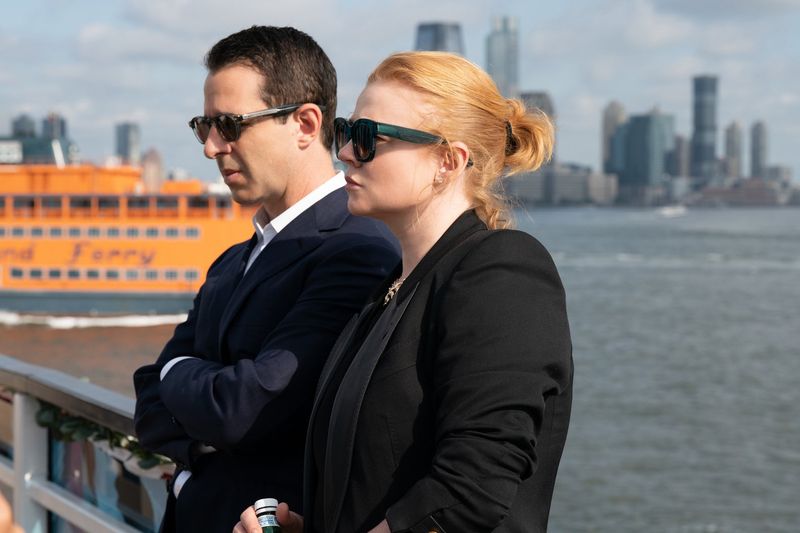
Television has always shaped culture, but modern TV has taken that influence to a whole new level.
Social media gave viewers a megaphone, and suddenly one shocking scene, unexpected cameo, or emotional gut punch could dominate the internet for weeks.
Some episodes didn’t just entertain—they rewired how we talk, meme, dress, or even understand the world around us.
These are the moments we collectively gasped at, rewound ten times, and immediately texted our friends about.
They sparked think pieces, reaction videos, Halloween costumes, heated debates, and even political conversations.
From dragons and dystopias to sitcom chaos and viral streaming hits, these episodes became more than stories.
They became cultural landmarks.
Let’s revisit the modern TV episodes that truly shook the pop-culture universe.
1. Game of Thrones — “The Rains of Castamere”

Nothing prepared viewers for the massacre that unfolded at the Twins on June 2, 2013.
The episode delivered one of the most shocking betrayals in TV history, killing off beloved characters Robb Stark, Talisa, and Catelyn in minutes.
George R.R. Martin’s readers knew it was coming, but millions of show-only fans had no clue.
Social media erupted instantly, with reaction videos becoming their own viral genre.
Memes, parodies, and stunned silence spread across the globe.
The Red Wedding wasn’t just a plot twist—it became cultural shorthand for any unexpected or brutal disappointment.
Even people who never watched the show knew the phrase.
Its legacy proved how TV could create a real-time worldwide emotional event.
After this episode, audiences learned a hard lesson: never get too attached to anyone in Westeros.
2. Breaking Bad — “Ozymandias”
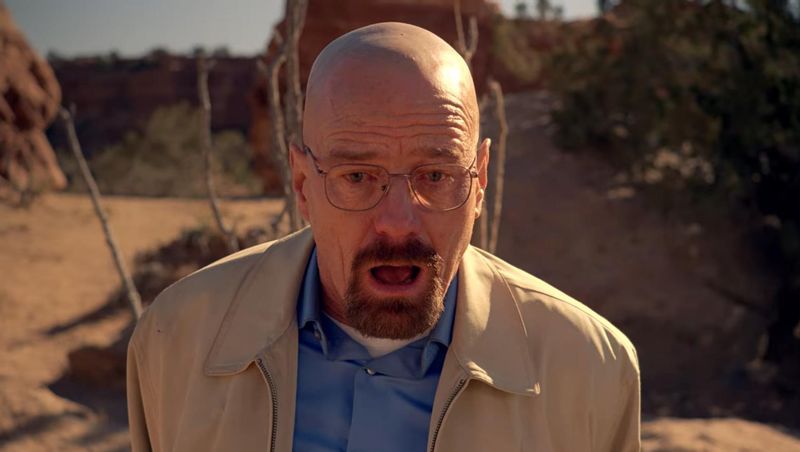
Few hours of television have ever been as devastating—or critically acclaimed—as this episode.
Aired in 2013, it features the collapse of Walter White’s world following Hank’s death and the family’s implosion.
The episode is often called the best TV episode ever made, with a rare perfect score on IMDb.
Director Rian Johnson crafted a tense, heartbreaking descent that critics still cite today.
The title references Percy Shelley’s poem about fallen empires, perfectly mirroring Walt’s unraveling kingdom.
Pop culture now uses “Ozymandias moment” to describe any dramatic downfall.
Live-tweeting peaked during the broadcast, amplifying reactions globally.
The episode showed how prestige TV could deliver film-level intensity.
Even people who hadn’t watched Breaking Bad knew the memes, the quotes, and the chaos that followed.
It cemented Walter White as one of television’s greatest antiheroes.
3. The Last of Us — “Long, Long Time”

Audiences weren’t expecting a love story to steal the entire season, yet that’s exactly what happened in Episode 3.
The relationship between Bill and Frank unfolded over decades and left viewers worldwide emotional wrecks.
Nick Offerman and Murray Bartlett delivered standout performances that immediately went viral.
The episode sparked conversations about representation, survival, and unexpected beauty in bleak worlds.
Linda Ronstadt’s 1970 song “Long, Long Time” skyrocketed in streams by over 4,900% after the episode aired.
Critics praised it as one of the finest examples of storytelling within an adaptation.
Fans debated whether this was the best or most heartbreaking episode of the series.
Its standalone structure broke traditional video-game adaptation rules.
This wasn’t just an episode—it became a cultural moment of tenderness in an apocalypse.
4. Black Mirror — “San Junipero”

A rare optimistic Black Mirror tale caught everyone off guard—and it worked brilliantly.
This 2016 episode told the love story of Yorkie and Kelly inside a virtual afterlife.
It won two Primetime Emmys, including Outstanding Television Movie.
Audiences praised its hopeful vision of technology in a series known for dystopian nightmares.
The soundtrack, especially 80s classic “Heaven Is a Place on Earth,” became forever tied to the episode.
San Junipero became a touchstone in LGBTQ+ media representation.
Think pieces analyzed its philosophical take on love, memory, and mortality.
Memes referenced its neon aesthetic endlessly.
Pop culture embraced its hopeful twist, treating it as a soft rebellion against “tech doom” narratives.
To this day, it remains one of Black Mirror’s most celebrated and rewatched stories.
5. Stranger Things — “Chapter Eight: The Mind Flayer”

A surge of popularity hit Kate Bush decades after her song appeared in this supernatural Netflix hit.
Though “Running Up That Hill” didn’t explode until Season 4, this Season 2 episode laid crucial groundwork for the show’s emotional stakes.
The Mind Flayer’s presence grew darker as the gang scrambled to protect Will.
The series’ blend of nostalgia and horror reached new heights.
Fans praised the emotional scenes between Joyce, Jonathan, and Mike as they tried to save Will from possession.
The episode helped cement Stranger Things as a streaming giant shaping everything from fashion to Halloween culture.
Its creatures, themes, and references became instant cosplay favorites.
The show continued reviving retro culture, but this episode deepened its emotional core.
Pop culture fully embraced Hawkins after this chapter.
6. Euphoria — “Stand Still Like the Hummingbird”

Chaos erupts in Rue’s life during this unforgettable episode, leading Zendaya to one of her most acclaimed performances.
Released in 2022, it showed Rue’s addiction spiraling out of control in a raw, visceral chase through her neighborhood.
Zendaya won an Emmy partly on the strength of this episode.
Viewers flooded TikTok with reactions, edits, and discussions on addiction.
The episode sparked debates about realism in depictions of substance abuse.
Many fans called it the most intense hour of the entire series.
The internet couldn’t stop quoting Rue’s confrontations, especially with her mom and Jules.
Memes and GIFs spread within hours.
Euphoria’s bold storytelling style reached a peak moment here.
The cultural conversation around mental health and addiction expanded dramatically because of it.
7. The Mandalorian — “Chapter 1: The Mandalorian”
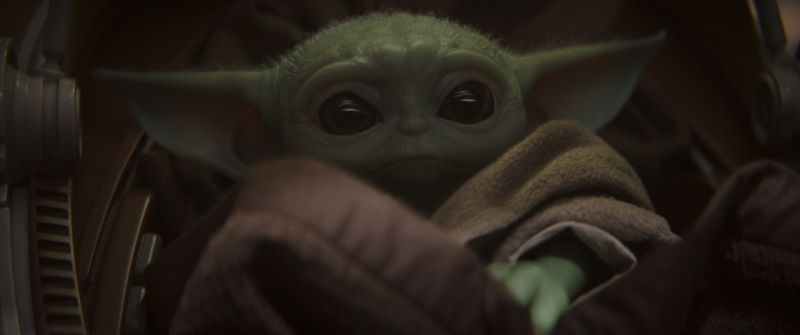
No one was expecting Baby Yoda.
The reveal at the end of the pilot became a global sensation in minutes.
Grogu quickly became the most beloved Star Wars character since the original trilogy.
Merchandising boomed, despite Disney not having toys ready for months.
The show’s Western-inspired storytelling and practical effects helped win over skeptical fans.
Social media exploded with memes, fan art, and speculation.
The episode also helped launch Disney+ into instant success.
Critics praised its cinematic quality and world-building.
Star Wars regained cultural momentum at a time when fans were divided after the sequel films.
This episode proved the franchise could still innovate and surprise everyone.
8. Squid Game — “Red Light, Green Light”
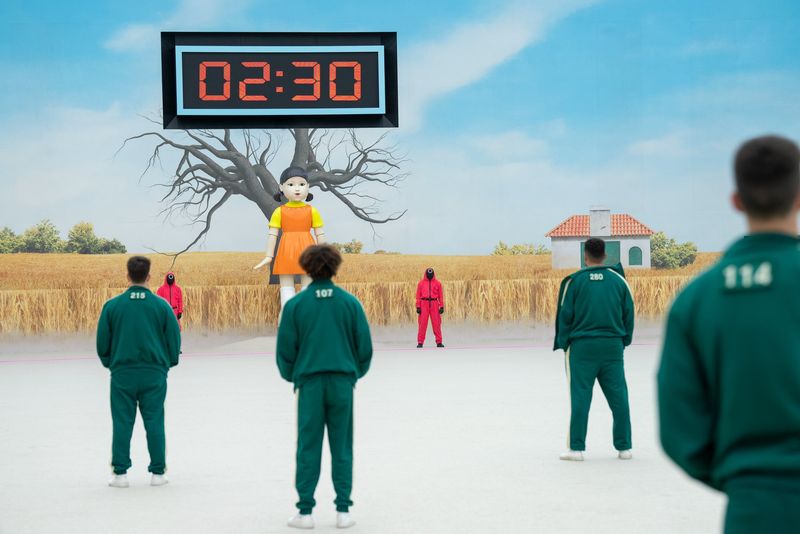
Global audiences were hooked within the first episode of this Korean survival drama.
The giant animatronic doll, the haunting “무궁화 꽃이 피었습니다” chant, and the sudden brutality shocked viewers everywhere.
Within weeks, Squid Game became Netflix’s most-watched series ever.
The games inspired TikTok trends, Halloween costumes, and thousands of memes.
Major celebrities recreated the challenges on YouTube.
The episode also sparked conversations about debt culture, economic inequality, and South Korean society.
The guards’ pink suits and masks became instant pop culture symbols.
Even people who never watched the show recognized the creepy doll.
This opening episode became the blueprint for global streaming phenomena.
Squid Game proved international TV could dominate the world overnight.
9. The Office — “Stress Relief”
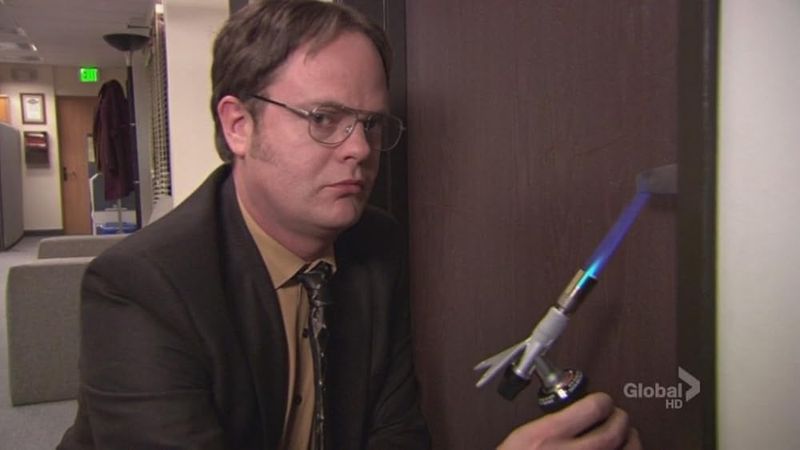
A chaotic fire drill gone wrong gave the world one of the most replayed cold opens in TV history.
Dwight’s fake fire sends the Dunder Mifflin staff into total panic, leading to iconic lines like “Stay calm!”
The episode originally aired after the 2009 Super Bowl, drawing nearly 23 million viewers.
Internet culture quickly turned its best moments into GIFs and memes.
The CPR training sequence with the Bee Gees song became another instant classic.
Michael cutting the face off the dummy added to the absurdity.
This episode reminded audiences why the series had such staying power.
Even years later, the cold open frequently appears on social feeds.
It helped cement The Office as an endlessly quotable, memeable sitcom.
Few episodes are as rewatchable or culturally evergreen.
10. BoJack Horseman — “Fish Out of Water”
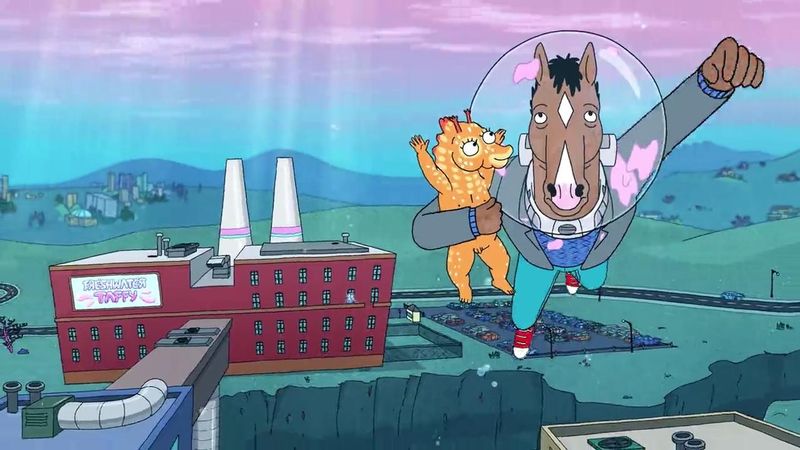
Animation got a masterclass in storytelling without dialogue in this underwater adventure.
Aired in 2016, BoJack travels to a film festival under the sea, where communication becomes nearly impossible.
The episode relies on expressive animation and music instead of words.
Critics praised its emotional depth and creativity.
Viewers resonated with its themes of loneliness, anxiety, and failed attempts at connection.
The episode sparked widespread discussion about the bold risks adult animation can take.
Fans often cite it as the show’s best episode.
Its visuals became viral aesthetic posts on Tumblr, Twitter, and Instagram.
This chapter showcased how absurdity and heartbreak can coexist seamlessly.
BoJack’s attempt to deliver a letter to Kelsey still hits hard for many fans.
11. The Bear — “Fishes”

Holiday dinners were forever redefined after this episode.
Season 2’s chaotic Christmas flashback brought together a powerhouse cast, including Jamie Lee Curtis delivering an unhinged performance as Donna.
The tension, shouting, and emotional unraveling felt painfully real for many viewers.
Family dysfunction memes spread quickly after its release.
Critics praised the episode as one of the most intense hours of television in 2023.
It highlighted the show’s ability to blend pressure-cooker environments with character-driven storytelling.
Fans on Reddit and TikTok dissected every emotional beat.
Many viewers called it the best episode of the entire series.
Holiday-themed episodes rarely feel this authentic.
“Fishes” became a cultural example of why family gatherings are both beloved and dreaded.
12. Succession — “Connor’s Wedding”
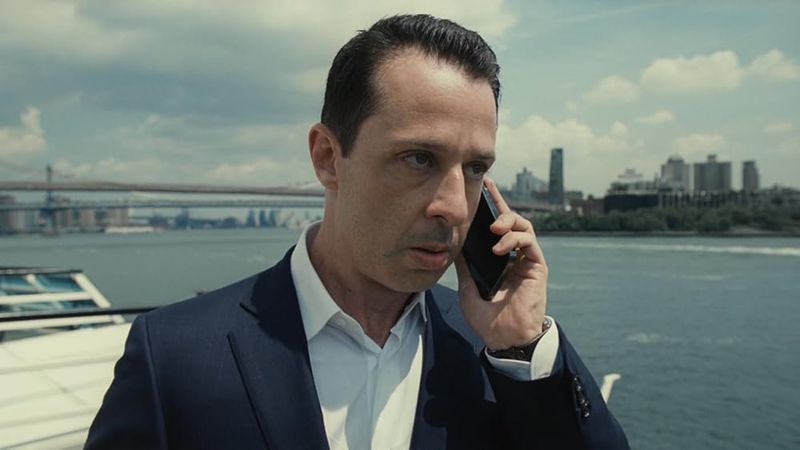
Live reactions flooded social media as the shocking news of Logan Roy’s death unfolded in real time.
The episode aired in April 2023 and kept viewers glued to the screen for nearly an hour of anxiety.
The handheld, unpolished camera work made everything feel frighteningly real.
Fans praised the cast for their painfully raw performances, especially Sarah Snook and Jeremy Strong.
The internet exploded with theories, memes, and stunned disbelief.
The episode became one of the most-discussed TV moments of the decade.
Critics called it a narrative risk executed flawlessly.
Watercooler TV returned for one glorious weekend.
People who didn’t even watch the show heard about Logan’s fate.
The cultural ripple from this episode was immediate and massive.
13. WandaVision — “On a Very Special Episode…”
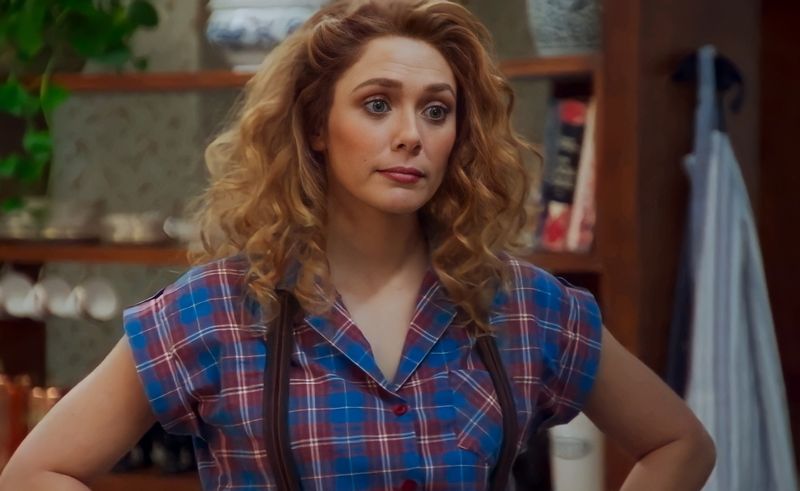
Marvel fans lost their minds when Evan Peters showed up at the door as “Pietro.”
The cameo sparked weeks of theories, reaction videos, and deep-dive breakdowns.
The episode aired during peak pandemic lockdowns, creating a communal viewing experience online.
Fans compared it to old-school watercooler TV but on a global, digital scale.
Sitcom format shifts delighted longtime TV lovers.
The episode paid homage to cheesy 80s family shows.
Memes spread instantly, especially those featuring Wanda and Vision’s outfits.
Critics noted its clever blend of comedy, mystery, and emotional tension.
WandaVision dominated conversation for its entire run, but this episode lit the biggest fire.
It proved the MCU could reinvent itself in surprising, playful ways.
14. The Walking Dead — “The Day Will Come When You Won’t Be”
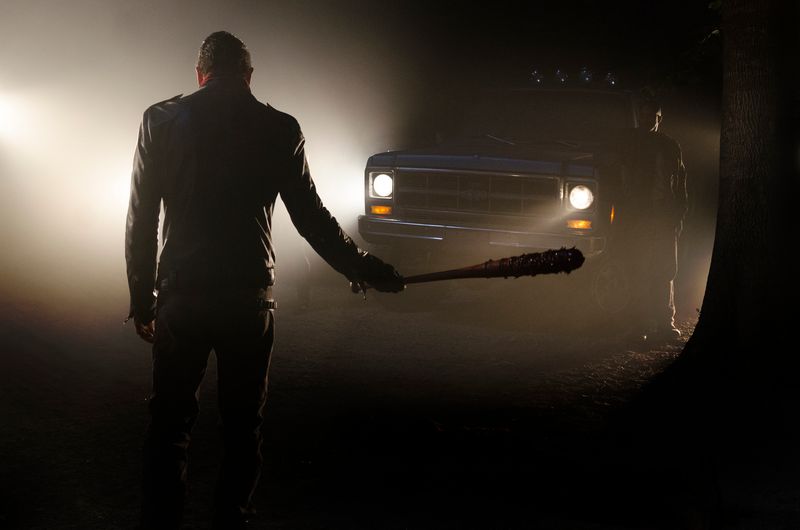
Negan’s arrival shattered viewers emotionally—and sometimes physically, judging by reaction videos.
Glenn and Abraham’s deaths were among the most brutal scenes in mainstream TV history.
Jeffrey Dean Morgan’s performance cemented Negan as a terrifying villain.
The episode aired in 2016 to massive ratings.
Pop culture immediately latched onto Negan’s barbed-wire bat, Lucille.
Fans debated whether the violence went too far.
Memes and parodies quickly followed despite the grim subject matter.
This episode marked a turning point for the series, shifting its tone dramatically.
Even casual viewers knew about “that Negan episode.”
It became a pop culture moment that defined an entire era of the show.
15. Grey’s Anatomy — “Now or Never”
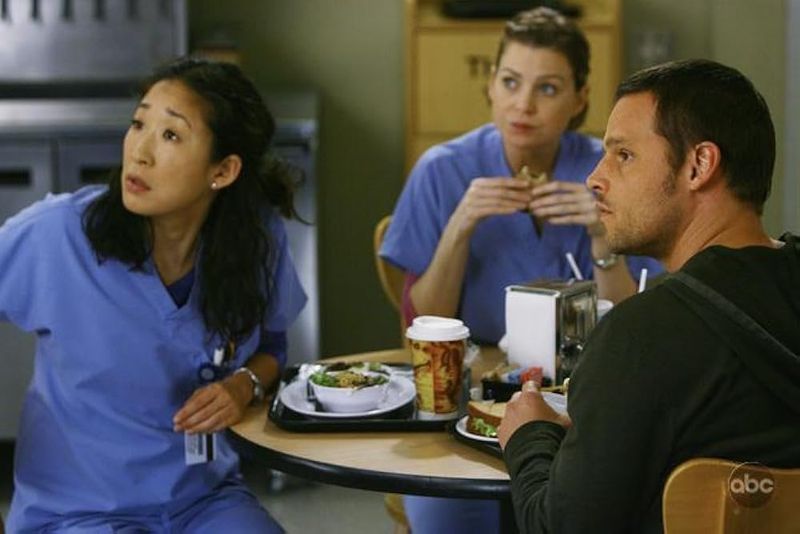
Viewers were left devastated when the identity of the badly injured “John Doe” was revealed.
The number “007” on his hand confirmed it was George O’Malley.
The twist shocked fans worldwide in 2009.
Social media was still growing then, but fan forums exploded with grief.
The episode became one of the most memorable exits in TV history.
Grey’s fans still reference this moment as one of the show’s saddest.
The emotional montage set to Ingrid Michaelson’s “Keep Breathing” added to the heartbreak.
This was the end of George as a main character, marking a major shift in the series.
The episode remains a cultural touchpoint for devastating plot twists.
Even years later, people still talk about “the 007 moment.”
16. Fleabag — “Episode 4”

A priest made half the internet swoon.
Andrew Scott’s performance as the “Hot Priest” launched a thousand memes.
This episode deepened the chemistry between him and Fleabag, blending comedy with painful vulnerability.
Phoebe Waller-Bridge’s fourth-wall-breaking reached new heights.
Fans shared screenshots, quotes, and edits everywhere.
The confessional scene became instantly iconic.
The episode sparked conversations about forbidden romance, faith, and emotional intimacy.
Critics praised the season for its perfect writing.
This chapter cemented Fleabag as a modern masterpiece.
Pop culture now uses “Hot Priest energy” as its own descriptor.
17. Atlanta — “Teddy Perkins”

Surreal horror and social commentary collided in one unforgettable episode.
Donald Glover, unrecognizable under unsettling makeup, portrayed Teddy himself.
The episode aired in 2018 and immediately caused a stir online.
Viewers debated its symbolism, themes, and uncomfortable tone.
Its exploration of fame, trauma, and identity invited deep analysis.
Critics praised it as a bold artistic risk.
The unsettling aesthetic spawned memes and Halloween costumes.
Many fans consider it the best episode of the entire series.
The episode showed Atlanta’s willingness to push boundaries.
Its influence on experimental TV is still felt today.
18. The Handmaid’s Tale — “Offred”

A chilling dystopia leapt from page to screen with terrifying relevance.
The pilot debuted in 2017 and instantly resonated culturally and politically.
Red cloaks and white bonnets became global symbols for women’s rights protests.
Elisabeth Moss’s performance set the tone for the entire series.
The episode won praise for its faithful yet modernized adaptation of Margaret Atwood’s novel.
The intense atmosphere gripped viewers from the start.
Think pieces linked Gilead’s themes to real-world issues.
Its visuals shaped an immediately recognizable aesthetic.
This episode helped redefine dystopian television.
The cultural impact went far beyond entertainment.
19. Sherlock — “A Scandal in Belgravia”
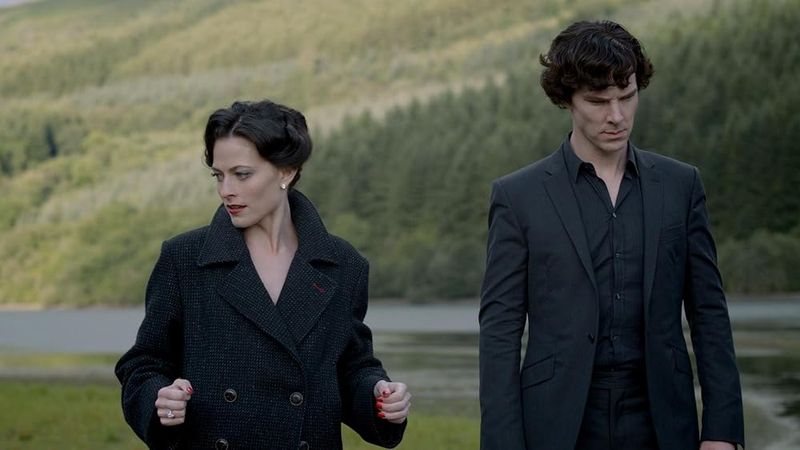
A phone passcode instantly became a cultural catchphrase.
“I am Sherlocked” spread across social media, fan art, and merchandise.
Lara Pulver’s portrayal of Irene Adler captivated audiences.
The episode aired in 2012 and remains one of the show’s most iconic stories.
Fans loved the sharp writing and electric chemistry between Sherlock and Irene.
Memes circulated endlessly, especially involving Sherlock’s awkwardness.
The episode sparked debates about Irene’s adaptation.
Benedict Cumberbatch’s popularity skyrocketed even more afterward.
This episode helped Sherlock cement its global fanbase.
Its influence on fandom culture was massive.
20. Lost — “Through the Looking Glass”

Flashbacks turned into flash-forwards, and TV storytelling changed forever.
Jack’s haunting line, “We have to go back!” still echoes through pop culture.
The episode aired in 2007, shocking audiences who thought they understood the show’s structure.
Fans debated theories nonstop afterward.
Charlie’s tragic death added another emotional blow.
The episode became one of Lost’s highest-rated chapters.
Cultural discussions around complex, serialized TV surged.
The twist influenced later shows like Westworld and The Witcher.
Even non-fans recognize the iconic catchphrase.
This episode cemented Lost as a landmark in modern narrative television.
Comments
Loading…