
 Isabel Parker
20 Forgotten TV Shows From the 90s You Definitely Used to Watch Every Day
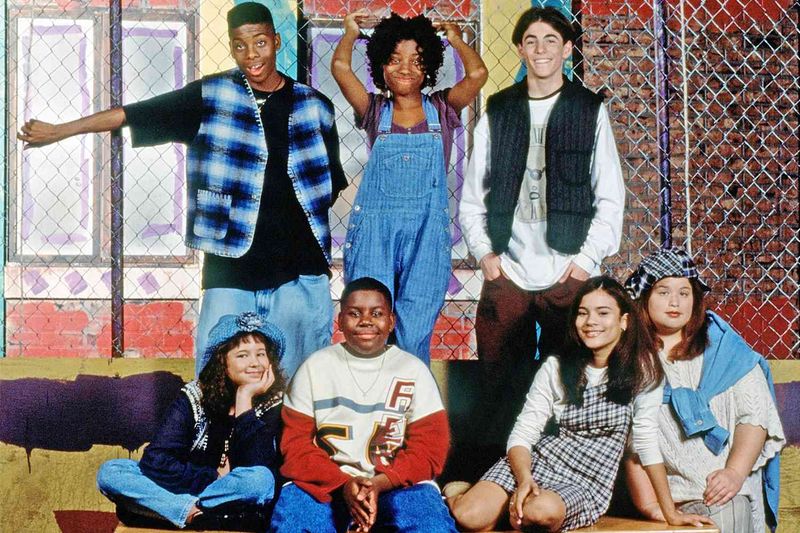
Remember racing home from school to catch your favorite shows?
The 1990s delivered some of the most creative and entertaining television programming ever made.
While everyone talks about Friends and Seinfeld, there were dozens of other shows that captured our hearts and dominated our afternoons.
These hidden gems shaped our childhoods but somehow slipped through the cracks of pop culture memory.
1. The Adventures of Pete & Pete
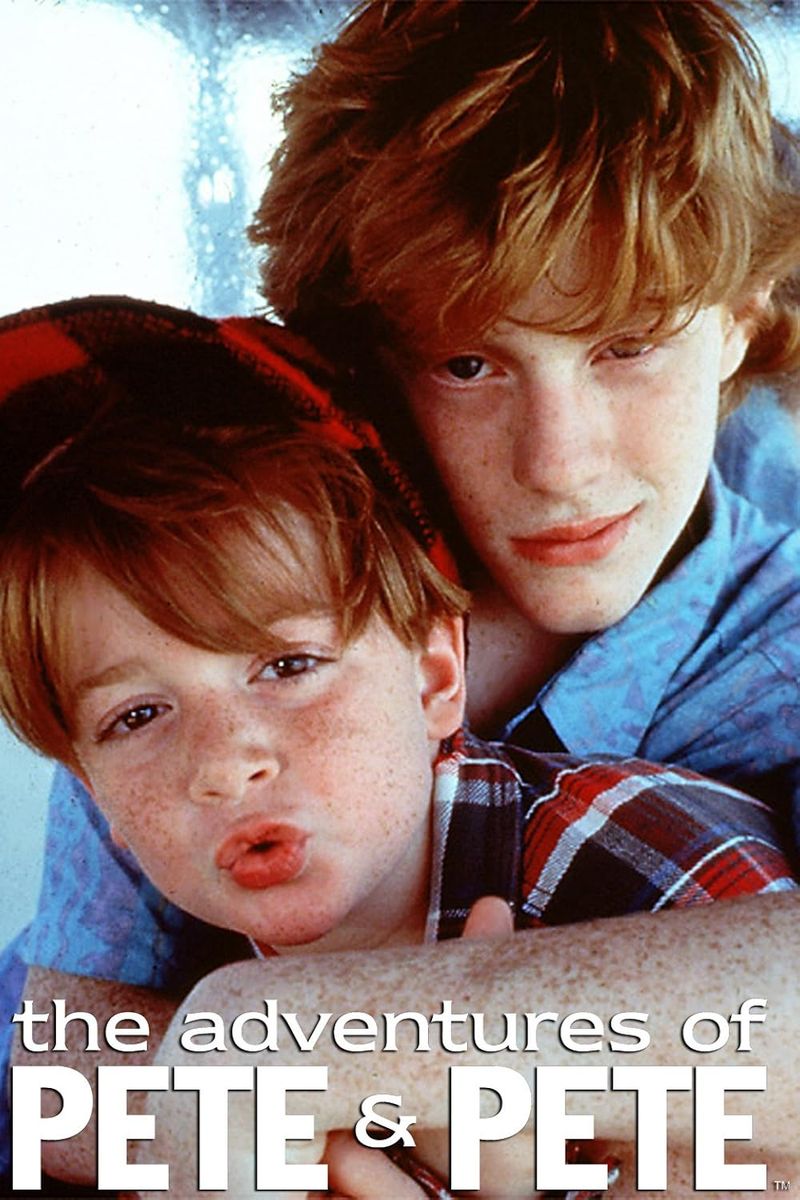
Nickelodeon struck gold with this offbeat comedy about two brothers who shared the same name.
Pete and Pete Wrigley lived in a world where the bizarre felt completely normal, and every episode took viewers on a journey through their wonderfully weird suburban adventures.
The older Pete had a tattoo named Petunia on his arm, while little Pete wore his signature bowling shirt everywhere.
Their mom had a metal plate in her head that picked up radio signals.
These quirky details made the show feel like a fever dream you never wanted to wake up from.
The series tackled real issues like friendship, growing up, and finding your place in the world.
It did so with such creativity and heart that kids and adults both found something meaningful in every episode.
2. Clarissa Explains It All
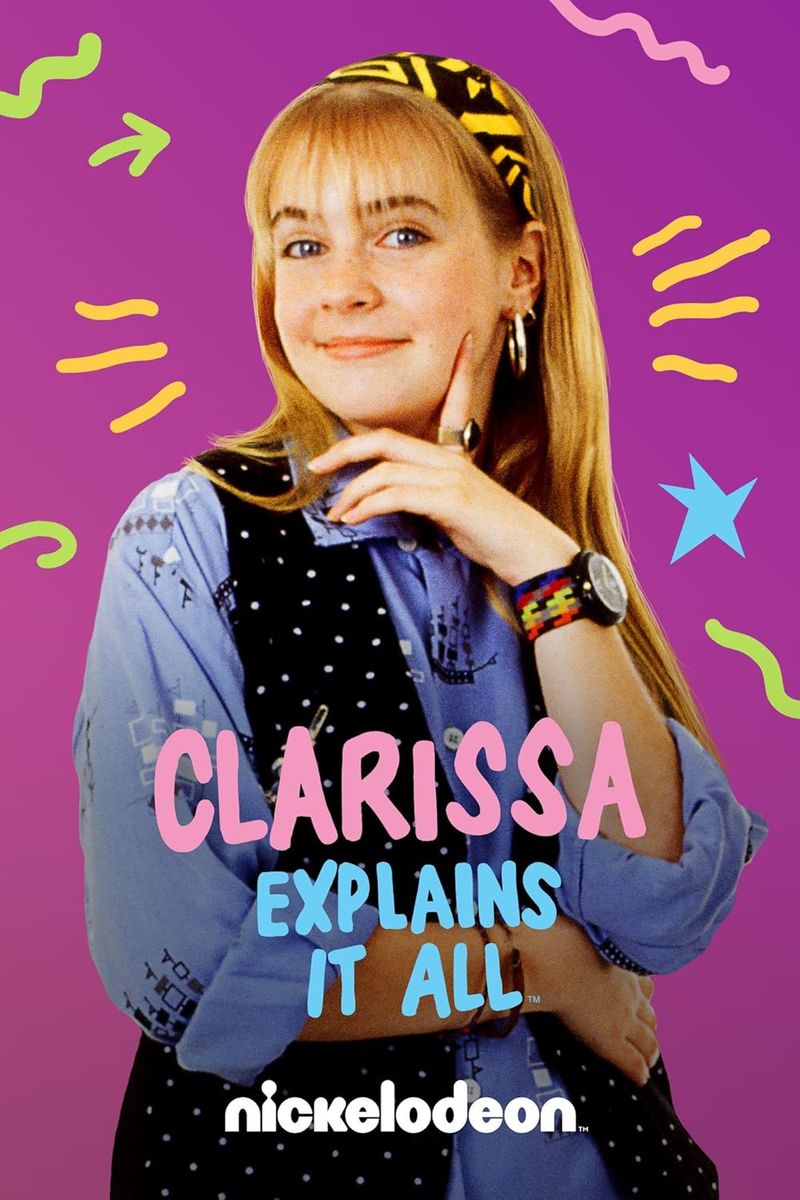
Before vlogging existed, Clarissa Darling broke the fourth wall and talked directly to viewers about her teenage life.
She wore the coolest outfits that defined 90s fashion and had a best friend named Sam who climbed through her window using a ladder.
Every episode felt like hanging out with your smartest, funniest friend.
Melissa Joan Hart brought Clarissa to life with perfect comedic timing and genuine charm.
The show tackled everything from first crushes to family drama with honesty and humor.
Clarissa used computer graphics and creative visual effects to explain her thoughts, which felt incredibly innovative for its time.
Her annoying little brother Ferguson provided endless comic relief, while her parents were surprisingly understanding and cool.
This show proved that teenage girls could be the heroes of their own stories.
3. KaBlam!
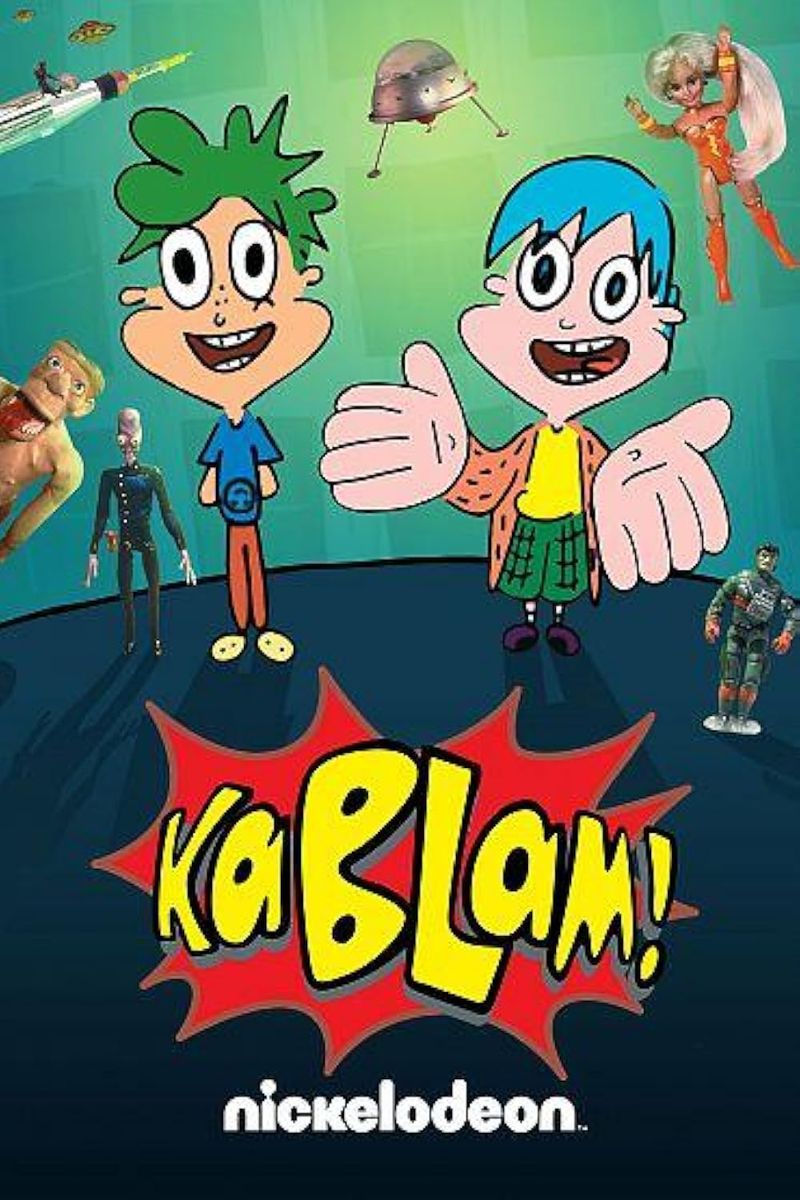
Henry and June hosted the wildest animated variety show on television, introducing different cartoon segments in every episode.
The show celebrated animation in all its forms, from stop-motion to traditional hand-drawn cartoons.
Each segment had its own unique style and humor that kept kids glued to their screens.
Action League NOW! featured action figures in ridiculous superhero adventures, while The Flesh was a bumbling superhero who somehow always saved the day.
Sniz and Fondue followed two cat roommates through their absurd daily lives.
Life with Loopy showcased a girl and her imaginary monster friend in heartwarming stories.
The comic book aesthetic made every episode feel like flipping through the coolest magazine ever created.
KaBlam! proved that animation could be experimental, funny, and totally unpredictable all at once.
4. All That
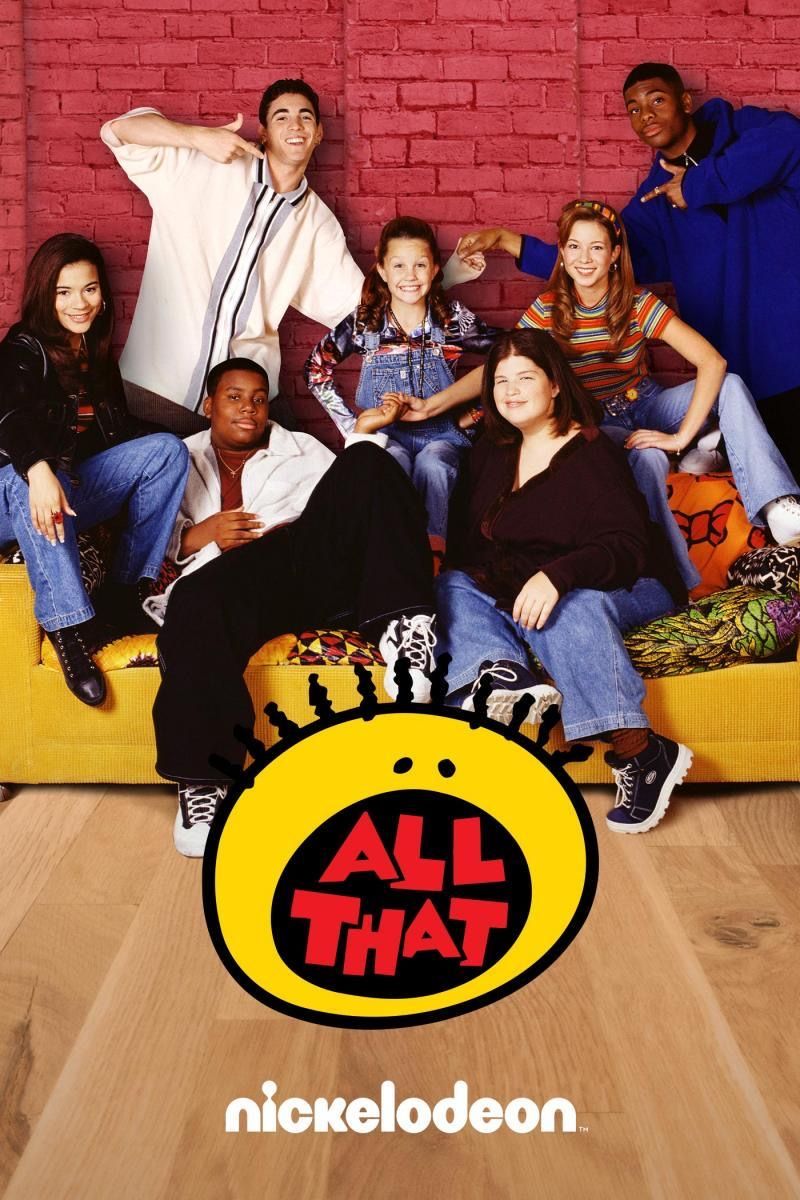
Saturday Night Live for kids sounds like a recipe for disaster, but Nickelodeon created something magical.
All That launched the careers of Kenan Thompson, Amanda Bynes, and Nick Cannon while delivering hilarious sketches that kids quoted endlessly at school.
The energy was infectious, the comedy was sharp, and every episode felt like a party.
Good Burger became so popular it spawned its own movie.
Superdude, Vital Information with Lori Beth Denberg, and Ask Ashley gave us characters we loved and catchphrases we repeated until our parents begged us to stop.
The musical guests were always current and exciting, making each episode feel like a special event.
The show treated its young audience with respect, never talking down to them or dumbing down the humor.
It proved that kids could appreciate sophisticated comedy when it was done right.
5. Salute Your Shorts
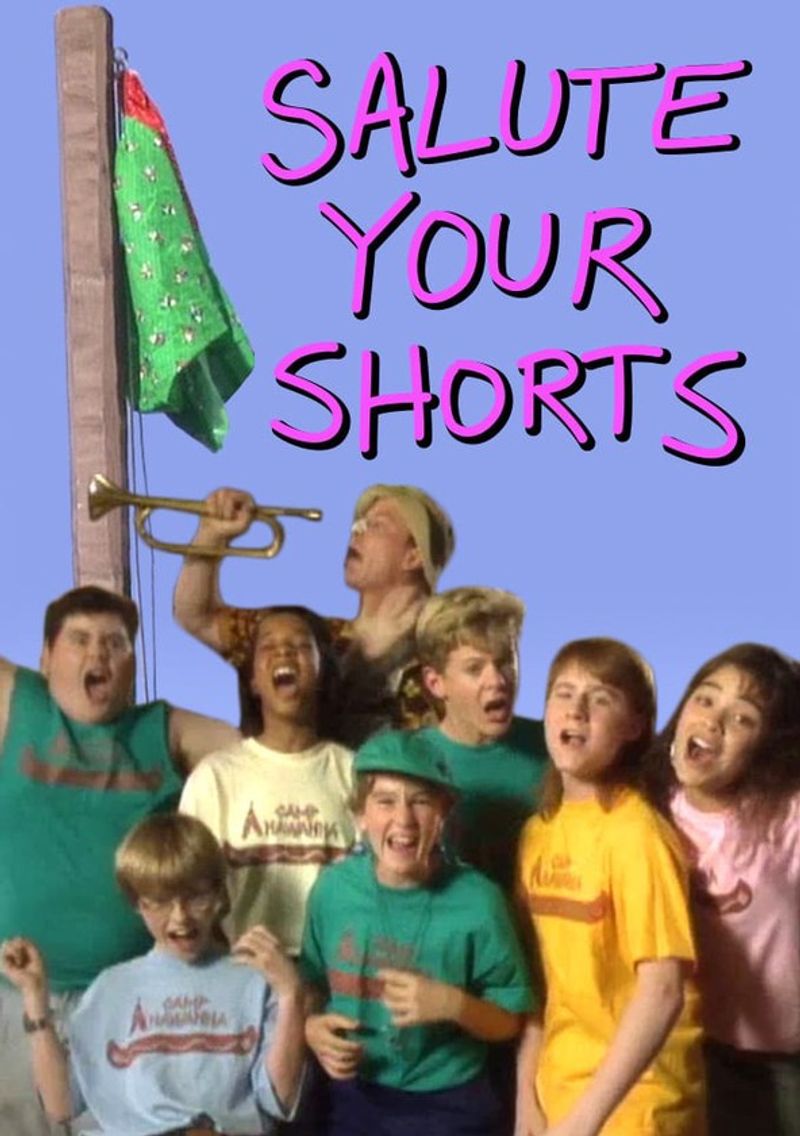
Camp Anawanna became the summer destination every kid wished they could attend.
This show captured the chaos, friendships, and adventures of summer camp life with perfect accuracy.
Counselor Ug was the grumpy authority figure everyone loved to prank, while the campers formed bonds that felt genuine and relatable.
Budnick was the troublemaker with a secret soft side.
Donkeylips provided comic relief and surprising wisdom.
Telly and Dina navigated crushes and friendship drama that mirrored what viewers experienced in their own lives.
The show never shied away from showing real conflicts between characters, making their friendships feel earned and meaningful.
Each episode balanced humor with heart, teaching lessons about loyalty, honesty, and accepting others.
The theme song remains one of the catchiest TV tunes ever written, instantly transporting fans back to those carefree summer days.
6. Eerie, Indiana
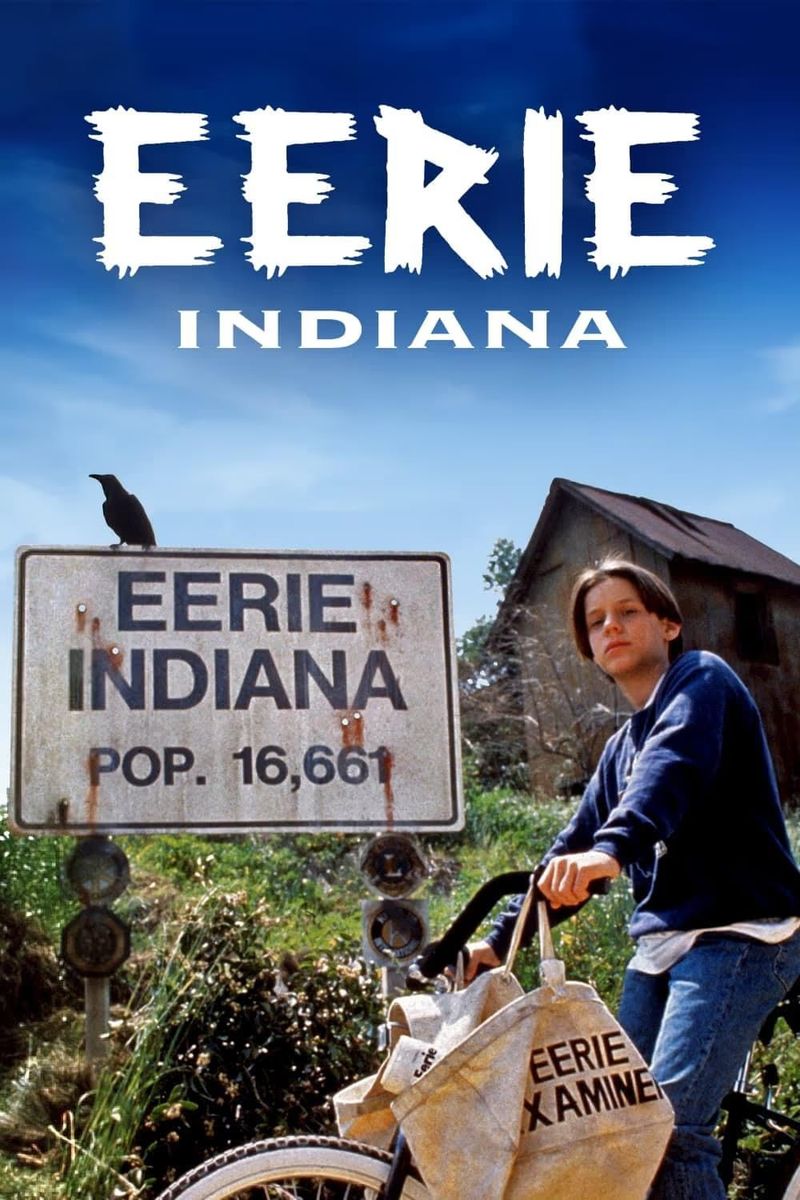
Marshall Teller moved to the weirdest town in America and documented every bizarre occurrence he encountered.
Eerie, Indiana was the center of all things strange, where Tupperware kept people young forever and dogs controlled their owners through subliminal messages.
The show blended comedy with genuine creepiness in ways that kept viewers both laughing and looking over their shoulders.
Every episode presented a new mystery that challenged reality and made you question what was possible.
Marshall’s best friend Simon was the loyal sidekick who helped investigate these paranormal events.
The adults in town acted like everything was completely normal, which made the weirdness even more unsettling.
The show had a unique tone that was part Twilight Zone, part kids’ adventure series.
It respected its audience enough to deliver real scares alongside clever humor and thoughtful storytelling.
7. The Secret World of Alex Mack
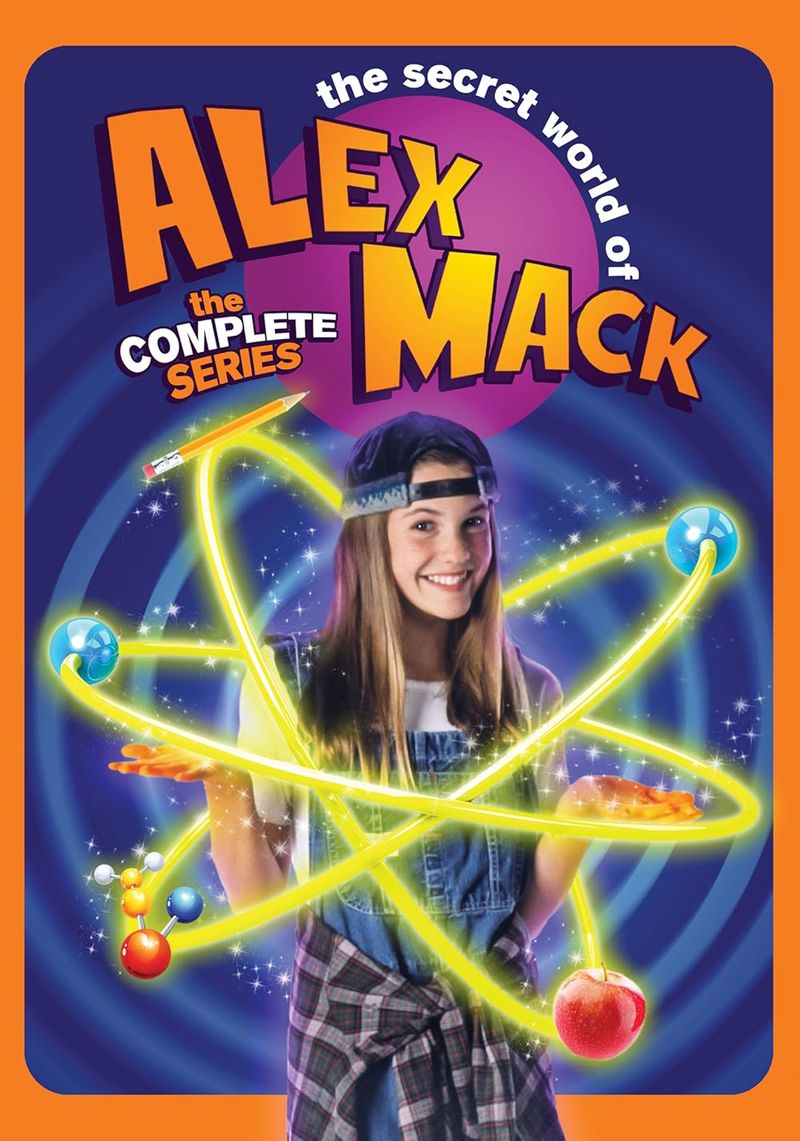
Getting drenched in experimental chemicals gave Alex Mack incredible abilities she had to keep hidden from everyone.
She could move objects with her mind, shoot electricity from her fingers, and transform into a puddle of liquid to escape danger.
These powers made for thrilling adventures while she tried to maintain a normal teenage life.
Alex’s older sister Annie was the science genius who helped her understand and control her abilities.
Their sibling relationship felt authentic, mixing rivalry with genuine love and support.
The evil chemical company Paradise Valley Chemical constantly searched for the kid they accidentally contaminated, creating ongoing tension throughout the series.
The show tackled typical teenage problems like school drama and first dates while adding the excitement of superhero action.
Larisa Oleynik made Alex relatable and likable, proving that ordinary kids could be extraordinary heroes.
8. Are You Afraid of the Dark?
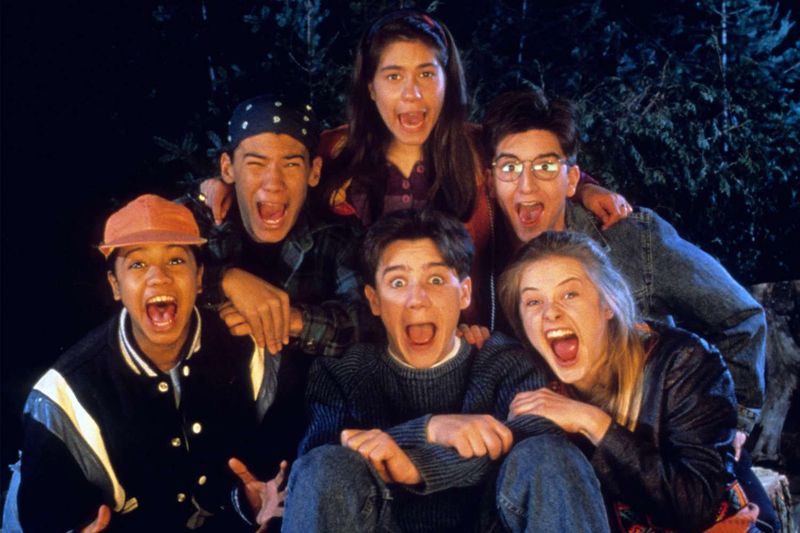
The Midnight Society gathered around their campfire to share the most terrifying tales imaginable.
Each episode began with one member throwing magical dust on the flames and declaring the start of their story.
What followed was genuinely frightening television that gave kids nightmares while keeping them coming back for more.
The stories ranged from haunted houses to cursed objects to supernatural creatures that lurked in ordinary places.
The Ghastly Grinner turned people into giggling zombies through his comic book.
The pool monster terrorized swimmers in a deserted recreation center.
These tales felt dangerous and real in ways that respected the audience’s intelligence.
The show proved that children’s programming could be scary without being inappropriate.
It created a generation of horror fans who still remember specific episodes that haunted their dreams decades later.
9. The Weekenders
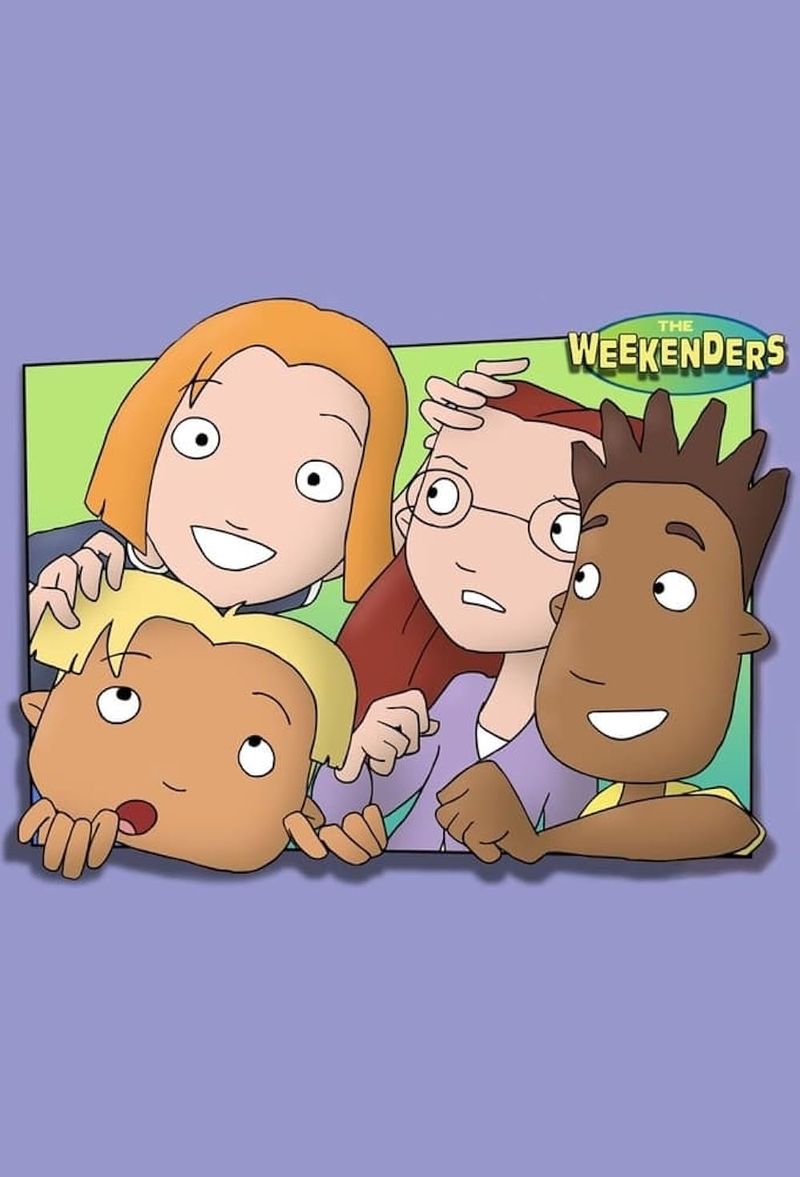
Tino, Lor, Carver, and Tish made the most of every weekend with adventures that celebrated friendship and individuality.
This animated series captured the joy of having two days of freedom after a long school week.
The characters felt like real people with distinct personalities, flaws, and growth throughout the series.
Every episode featured the group trying new activities, exploring their town, and navigating the social complexities of middle school life.
The pizza place changed themes constantly, providing running gags that rewarded loyal viewers.
Tino broke the fourth wall to share his thoughts directly with the audience, creating an intimate connection.
The show’s art style was vibrant and expressive, perfectly matching the energetic storytelling.
It taught valuable lessons about being yourself, supporting your friends, and finding fun in everyday moments without ever feeling preachy or forced.
10. Animaniacs
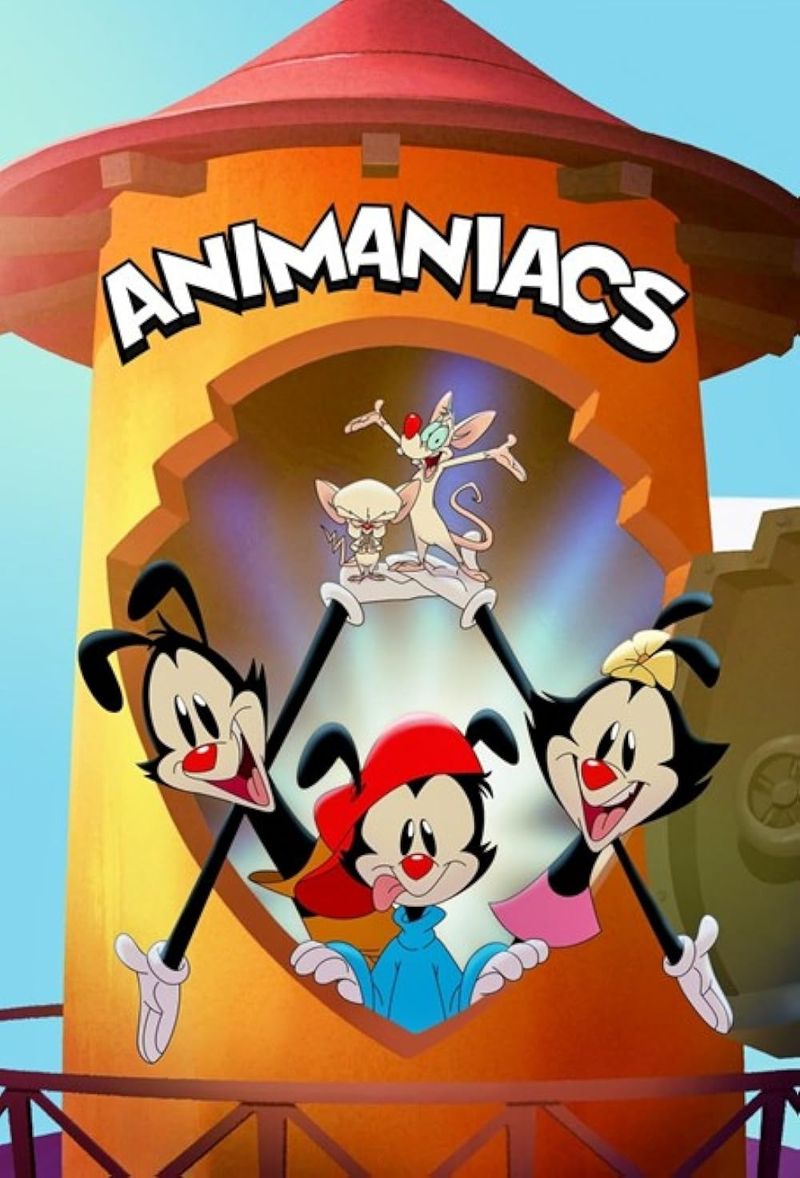
Yakko, Wakko, and Dot Warner escaped from the Warner Bros water tower to cause mayhem and deliver the smartest comedy on television.
This variety show featured dozens of characters and segments that entertained multiple generations simultaneously.
The humor worked on different levels, with jokes for kids and sophisticated references that adults appreciated.
Pinky and the Brain plotted to take over the world every night with hilariously elaborate schemes.
The Goodfeathers parodied gangster movies with pigeons in New York City.
Slappy Squirrel was a cranky old cartoon star who delivered brutal slapstick violence to anyone who annoyed her.
The musical numbers were Broadway-quality productions that taught geography, history, and grammar through catchy songs.
The show never dumbed itself down, trusting that its audience could keep up with rapid-fire jokes and cultural references.
11. Gargoyles
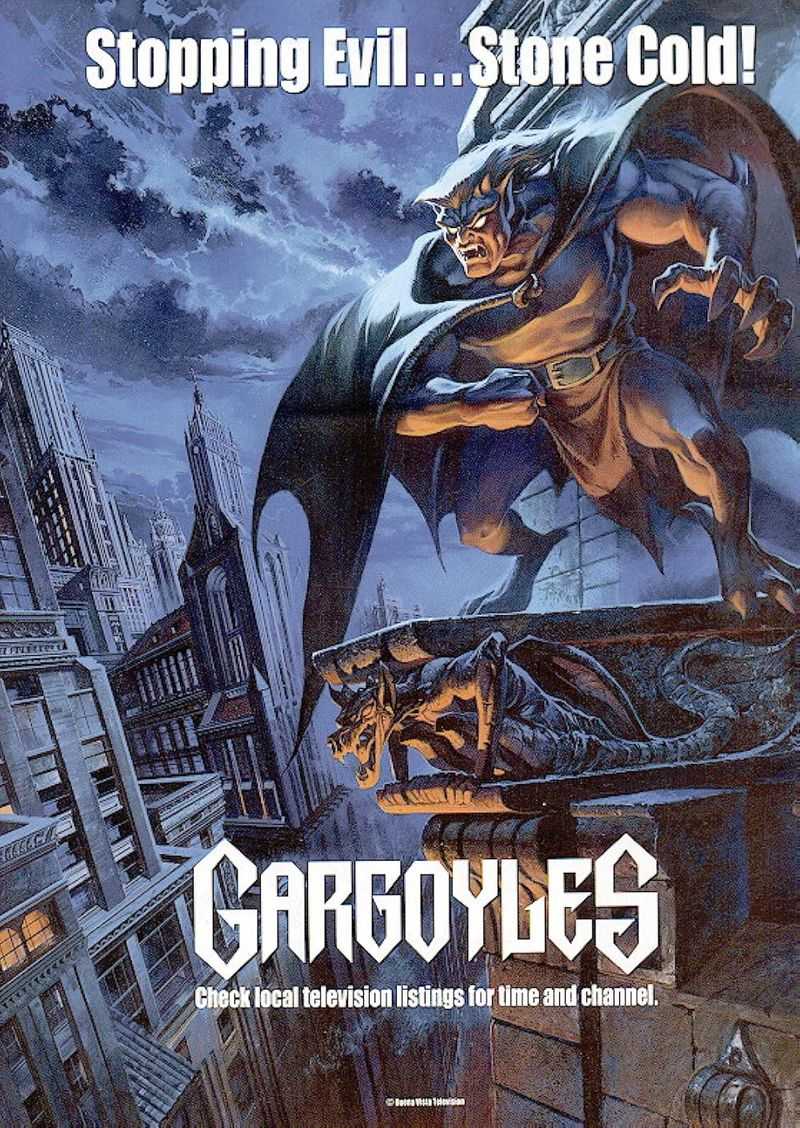
Medieval warriors cursed to sleep as stone statues awakened in modern New York City to protect the innocent.
Gargoyles delivered sophisticated storytelling rarely seen in animated action shows.
The series explored themes of prejudice, loyalty, and redemption through complex characters who struggled with their place in a world that feared them.
Goliath led his clan with wisdom and strength while dealing with the pain of losing his entire world.
Elisa Maza was the human detective who befriended the gargoyles and helped bridge the gap between their species.
The villain Xanatos played three-dimensional chess with everyone around him, making him one of the most compelling antagonists in animation history.
The show’s mythology drew from Shakespearean drama, creating epic story arcs that rewarded dedicated viewers.
It proved that cartoons could be dark, mature, and emotionally resonant without losing their sense of adventure and wonder.
12. Rocko’s Modern Life
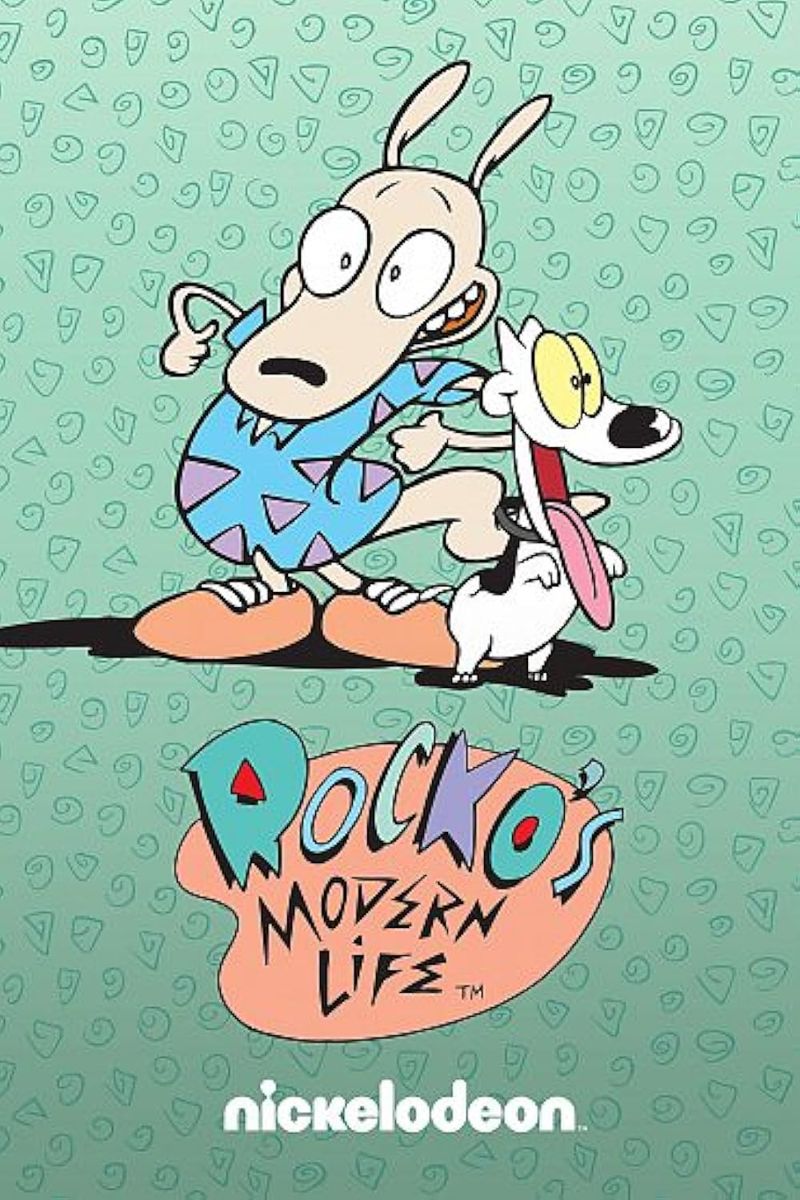
An Australian wallaby named Rocko navigated the absurdity of adult life in this brilliantly bizarre cartoon.
The show tackled mundane situations like grocery shopping, paying bills, and dealing with terrible jobs through a surreal lens that made everything hilariously uncomfortable.
Creator Joe Murray crafted a world where anything could happen and usually did.
Rocko’s best friends were Heffer, a steer raised by wolves, and Filburt, an anxious turtle who worried about everything.
Their adventures ranged from working at a comic book store to accidentally traveling through time.
The humor was subversive and often snuck adult jokes past the censors in clever ways.
The animation style was fluid and expressive, perfectly capturing the chaos of each situation.
Rocko’s Modern Life influenced countless animators and comedy writers who grew up watching its unique brand of satirical storytelling.
13. Aaahh!!! Real Monsters
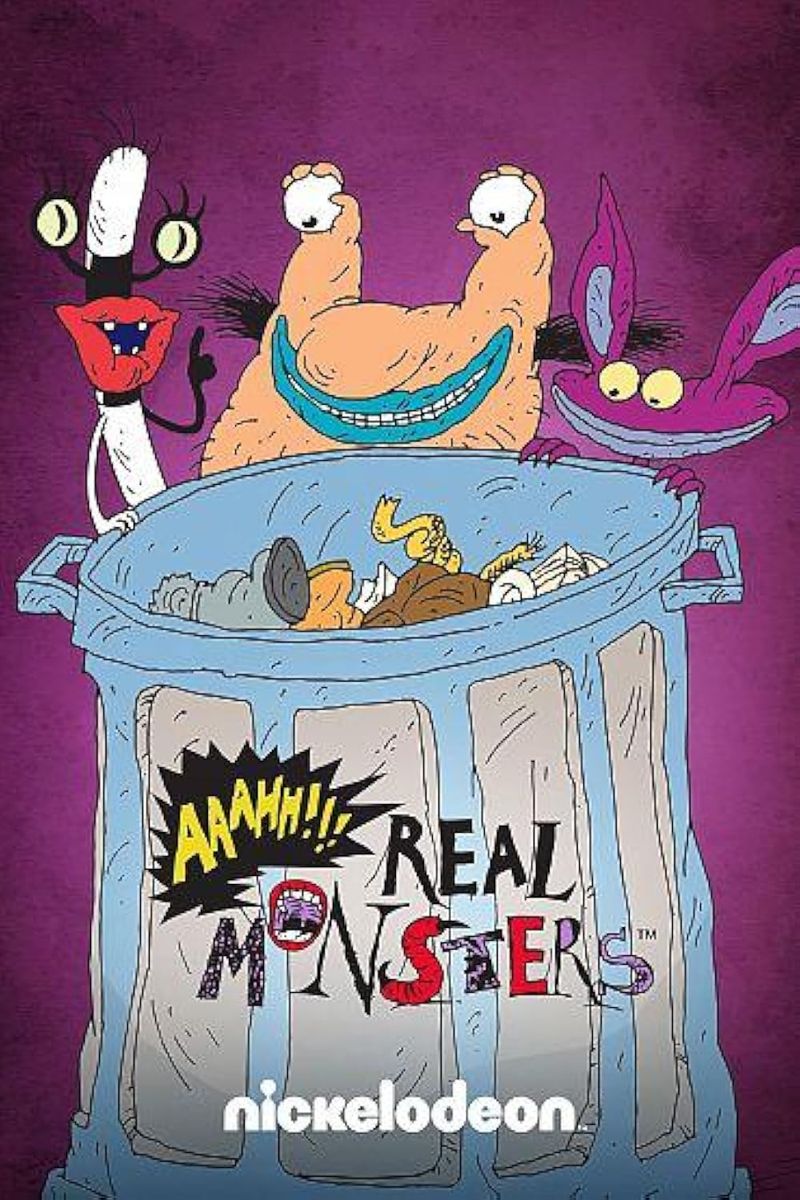
Monsters went to school just like human kids, except their lessons focused on perfecting the art of scaring people.
Ickis, Oblina, and Krumm attended the monster academy under the guidance of the terrifying Gromble.
The show flipped the typical monster narrative by showing these creatures as students trying to pass their classes and earn good grades.
Ickis was the anxious rabbit-like monster who constantly doubted his abilities.
Oblina was the sophisticated overachiever who could pull her organs out of her body.
Krumm carried his eyeballs in his hands and emitted horrible odors that cleared rooms instantly.
Their friendship anchored the series and provided genuine emotional moments.
The animation was grotesque and beautiful, creating a fully realized underground world where monsters lived.
The show balanced gross-out humor with heartfelt stories about friendship, confidence, and finding your unique talents.
14. Pepper Ann
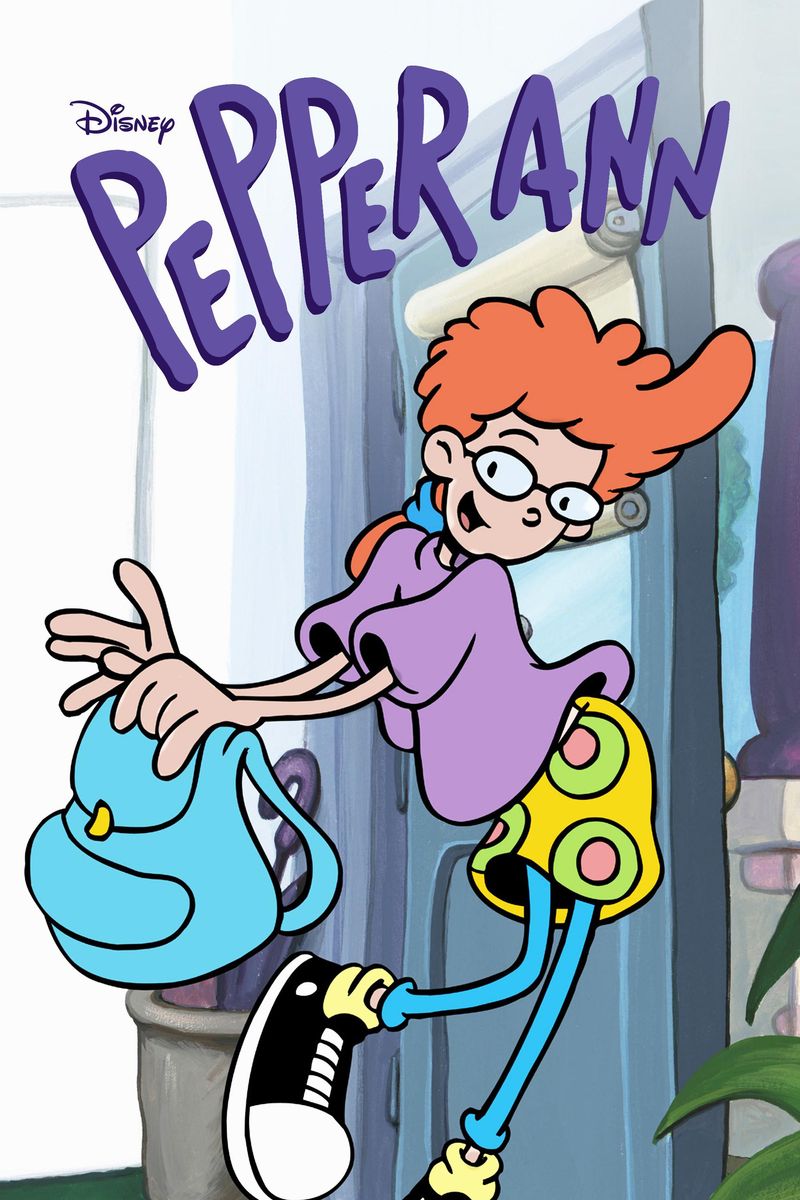
Middle school felt like an epic adventure through Pepper Ann’s imaginative perspective.
She daydreamed constantly, turning ordinary situations into wild fantasies that played out on screen.
The show captured the awkwardness and intensity of being twelve years old with perfect accuracy and genuine empathy for its characters.
Pepper Ann lived with her mom and quirky younger sister Moose in a single-parent household that felt refreshingly normal.
Her best friends Nicky and Milo supported her through every crisis, from school presentations to social disasters.
The show addressed real issues like divorce, peer pressure, and self-esteem without ever feeling like an after-school special.
The animation style was distinctive and expressive, bringing Pepper Ann’s wild imagination to life in creative ways.
It celebrated weird kids and showed that being different was something to embrace rather than hide.
15. Recess
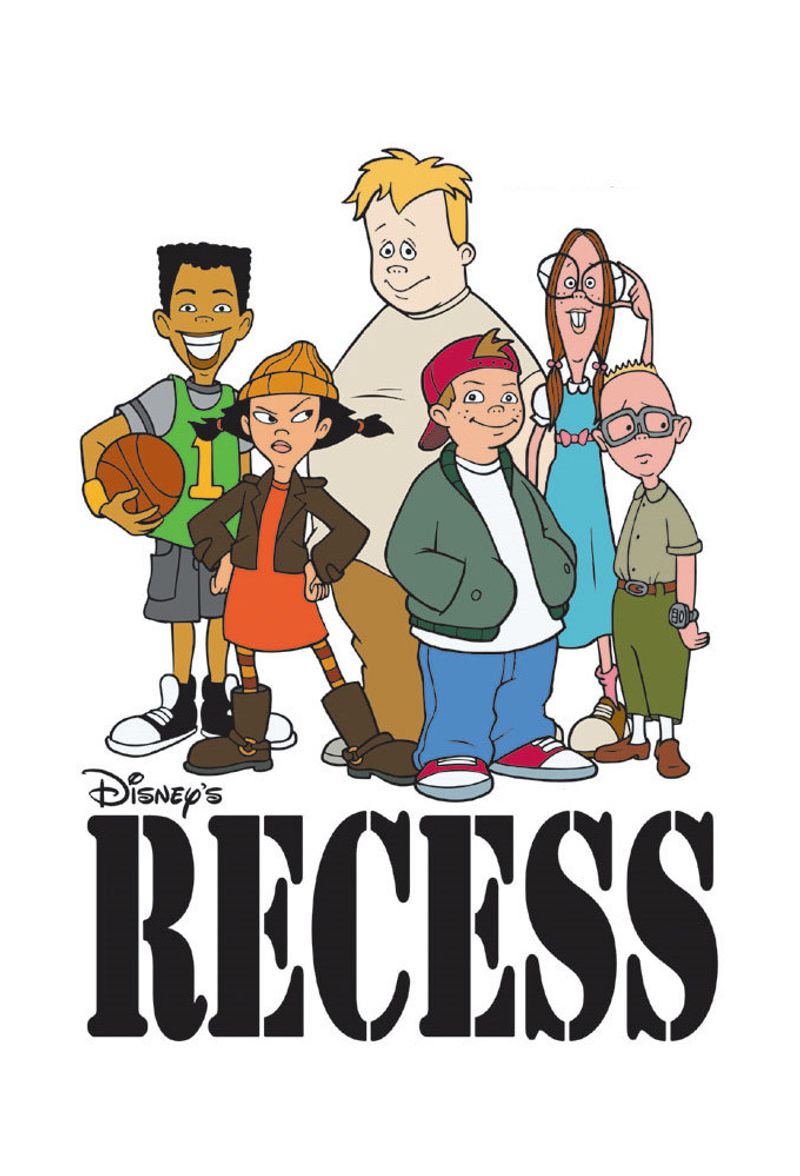
The playground became a complex society with its own rules, hierarchies, and territories in this brilliant animated series.
Six fourth-graders navigated the social dynamics of recess while having adventures that felt genuinely important.
The show treated childhood seriously, showing that the problems kids face matter deeply to them.
TJ was the charismatic leader who planned elaborate schemes.
Spinelli was the tough girl who secretly loved things that weren’t considered cool.
Gretchen was the genius who applied scientific thinking to playground problems.
Vince was the athletic superstar, Mikey was the gentle poet, and Gus was the nervous new kid learning the ropes.
The show created an entire mythology around elementary school culture, from the kindergartners who spoke their own language to King Bob who ruled the playground from his tire throne.
It perfectly captured the feeling that recess was the most important part of the school day.
16. Angry Beavers
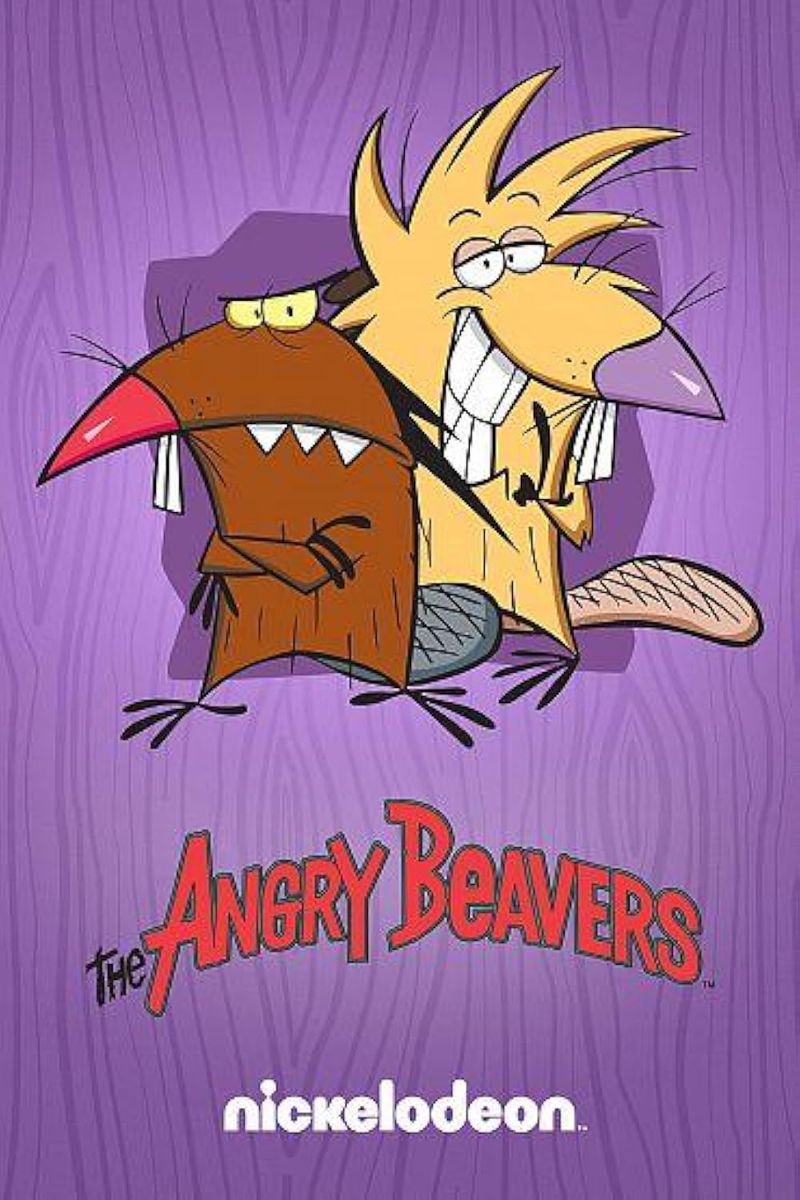
Daggett and Norbert were beaver brothers who left home to build their own dam and live independently.
Their relationship captured the love and frustration of sibling dynamics with hilarious accuracy.
Norbert was the smooth, confident older brother, while Daggett was the hyperactive younger sibling who constantly caused chaos.
The show’s humor came from the brothers’ contrasting personalities and their absurd adventures in the forest.
They dealt with everything from forest fires to celebrity status to romantic entanglements with other woodland creatures.
The voice acting brought incredible energy to every episode, making even simple conversations entertaining.
The animation was expressive and allowed for exaggerated physical comedy that maximized every joke.
Angry Beavers balanced silly humor with genuine moments of brotherly affection, showing that family bonds survive even the most ridiculous conflicts and disagreements.
17. Cousin Skeeter
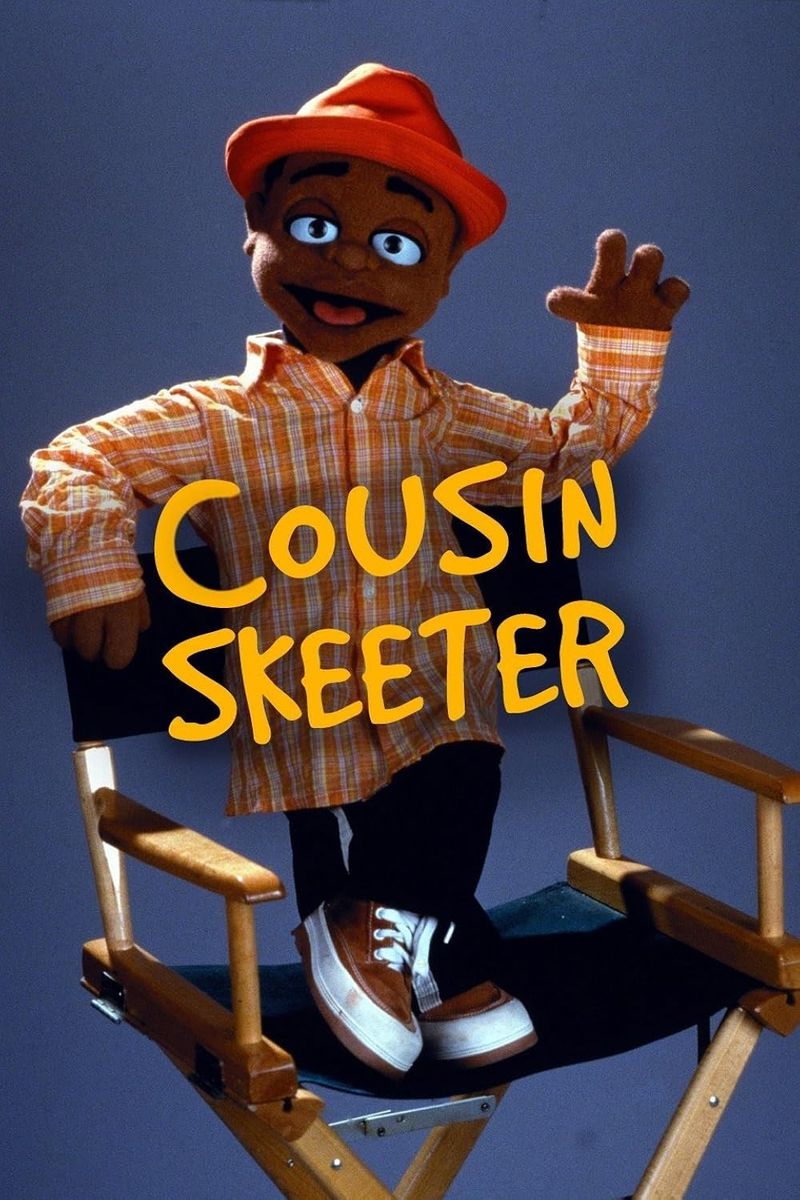
Bobby’s cousin Skeeter was a puppet living in a human world, and nobody ever questioned it.
This unique sitcom blended live-action with puppetry in ways that felt completely natural.
Skeeter was loud, mischievous, and constantly getting Bobby into trouble, but their bond was unbreakable.
The show tackled typical family sitcom scenarios with the added twist of one character being an actual puppet.
Skeeter’s schemes ranged from starting a business to impressing girls to becoming famous overnight.
Bobby served as the straight man, trying to keep Skeeter’s wild ideas from spiraling completely out of control.
The puppet work was impressive, allowing Skeeter to interact seamlessly with human actors and the environment.
The show proved that unconventional formats could work when the writing was strong and the characters were likable enough to carry the concept.
18. The Mystery Files of Shelby Woo
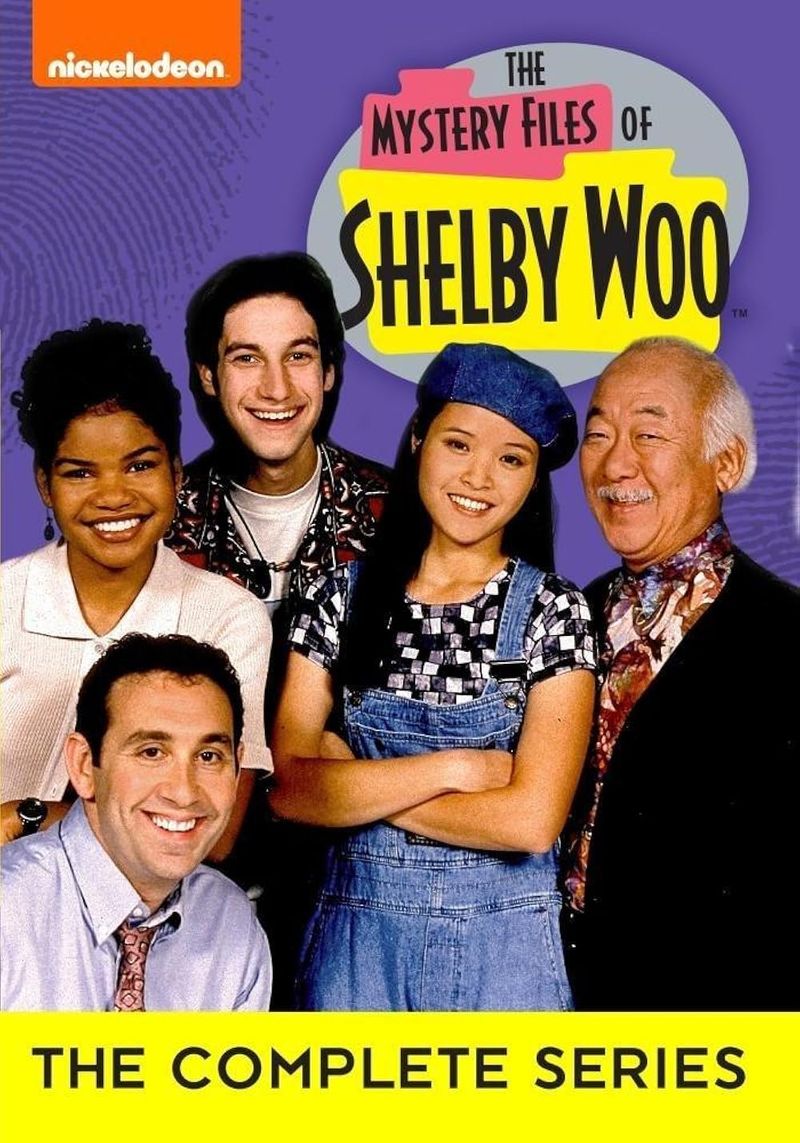
Shelby Woo worked as an intern at the local police station and solved crimes that baffled the adult detectives.
This mystery series featured a smart, capable Asian-American protagonist who used logic and observation to crack cases.
Each episode presented a genuine puzzle that viewers could try to solve alongside Shelby.
The show treated its audience with intelligence, providing real clues and red herrings throughout each investigation.
Shelby balanced her detective work with typical teenage concerns like school, friends, and family obligations.
Her grandfather provided wisdom and support while giving her the freedom to pursue her passion for solving mysteries.
The cases ranged from stolen items to missing persons to sabotage, always staying age-appropriate while maintaining real stakes.
Shelby Woo proved that teen detectives could be believable and relatable without relying on supernatural elements or unrealistic scenarios.
19. Space Cases
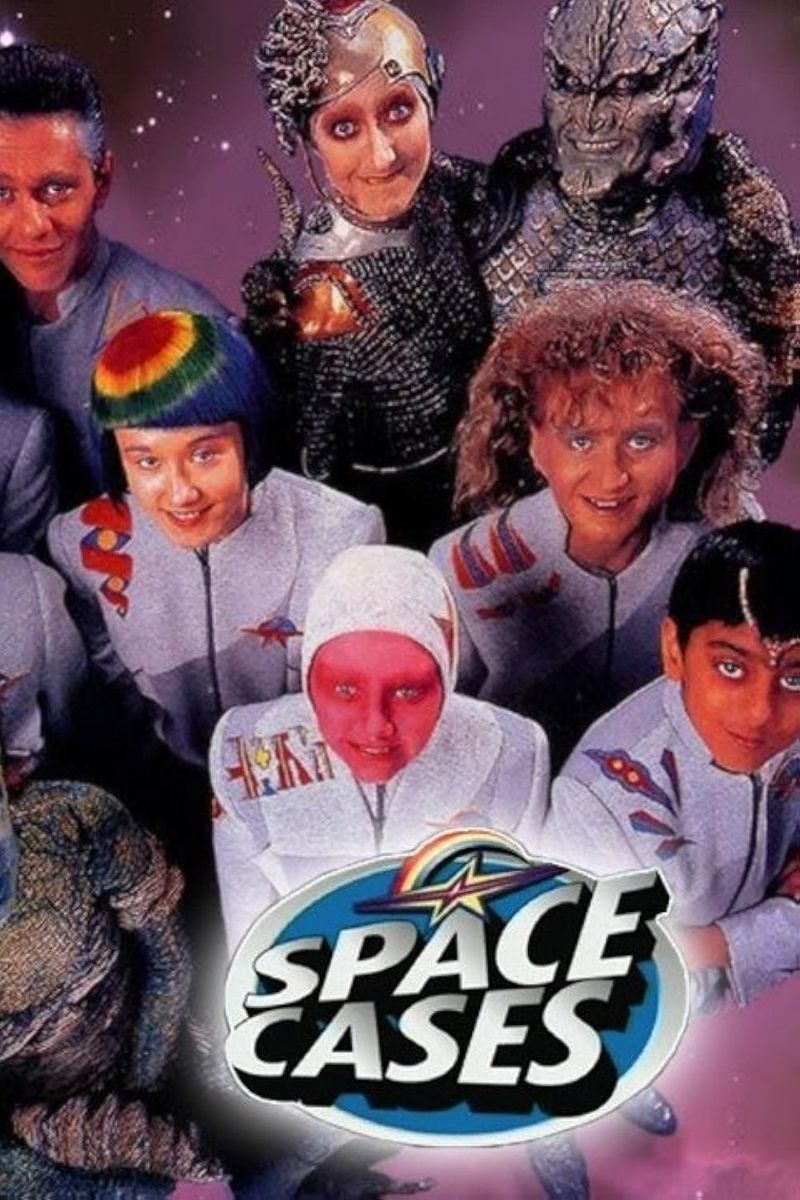
A group of students at a space academy accidentally launched themselves into deep space and had to find their way home.
This science fiction series combined Star Trek concepts with teenage drama in entertaining ways.
The diverse cast of characters each had unique alien abilities and personalities that created interesting dynamics and conflicts.
Catalina was the telepathic leader trying to keep everyone together.
Harlan was the arrogant hotshot who gradually learned humility.
Radu had super strength and loyalty that made him the heart of the group.
Their teacher Commander Goddard and android Thelma provided adult guidance as they navigated dangerous situations in uncharted space.
The show explored themes of teamwork, prejudice, and growing up while delivering exciting sci-fi adventures.
It respected the intelligence of young viewers by creating complex moral dilemmas and consequences that lasted across multiple episodes.
20. Flash Forward
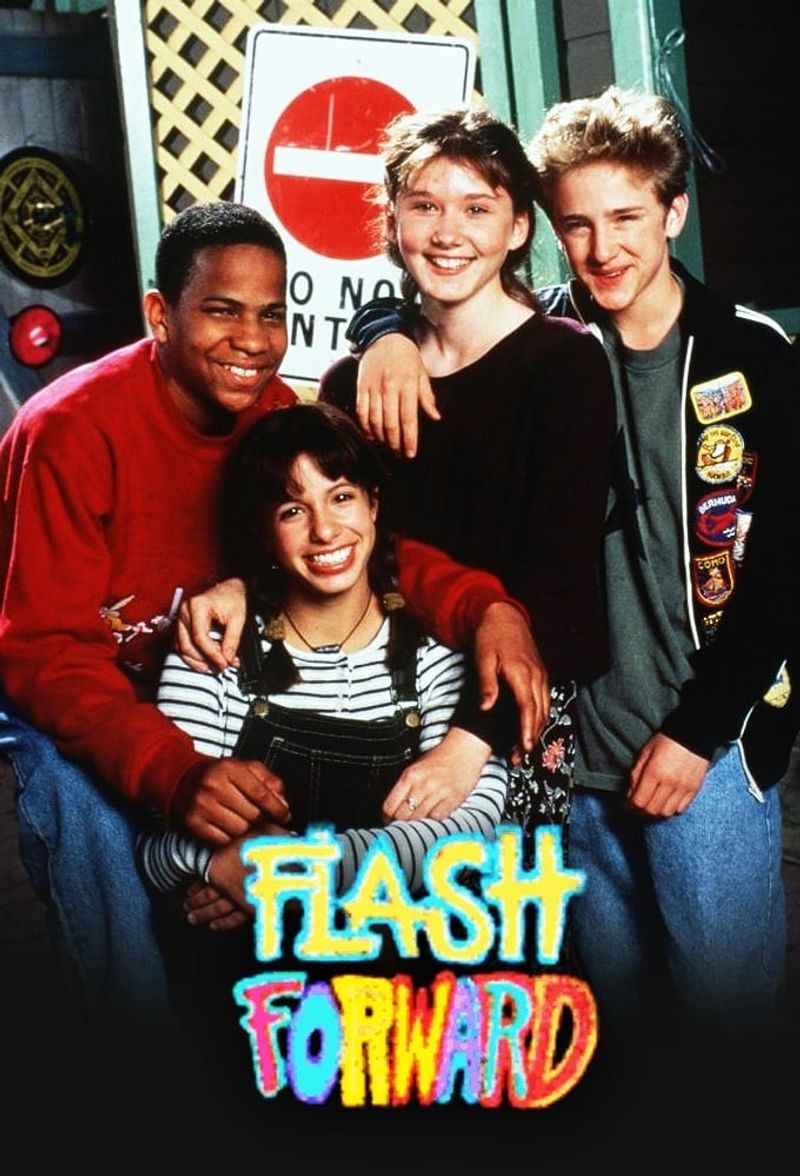
Becca and Tucker were best friends navigating the turbulent waters of adolescence together.
This live-action series captured the authentic experience of being a teenage girl in the 90s with remarkable honesty.
The show didn’t shy away from difficult topics like divorce, body image, peer pressure, and changing friendships.
Becca was thoughtful and introspective, often imagining conversations with her future self for guidance.
Tucker was more outgoing and impulsive, providing balance to their friendship.
Their relationship felt genuine, showing both the support and occasional conflicts that real friendships experience during the challenging teenage years.
The show featured a unique narrative device where adult Becca reflected on her younger self’s decisions and experiences.
This perspective added depth and wisdom without feeling preachy, helping viewers understand that everyone struggles with growing up and making mistakes along the way.
Comments
Loading…