
 Jade Reed
20 Famous Musicians Who Are Impossible to Work With
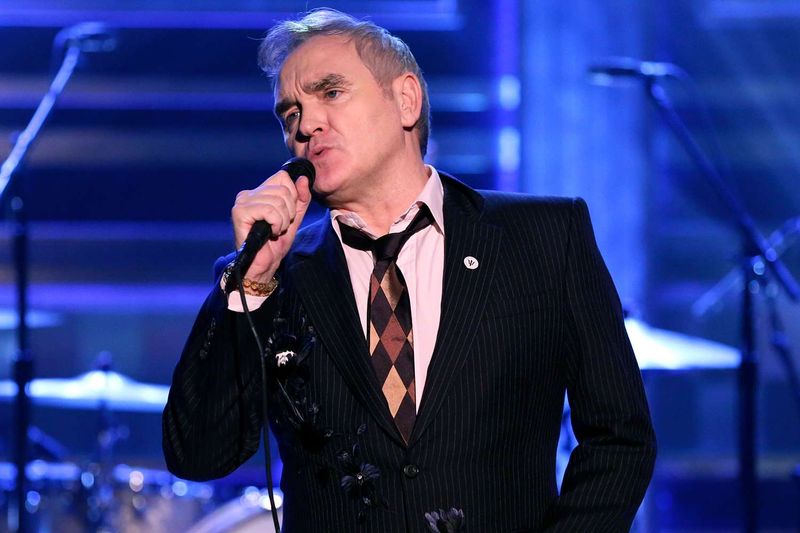
The music industry sparkles with talent, but not every superstar is easy to collaborate with behind the scenes.
Some legendary artists have earned reputations for being demanding, unpredictable, or downright impossible when it comes to working relationships.
From last-minute cancellations to explosive arguments, these musicians have left producers, bandmates, and industry professionals pulling their hair out—even as they continue creating incredible music.
1. Kanye West (Ye)
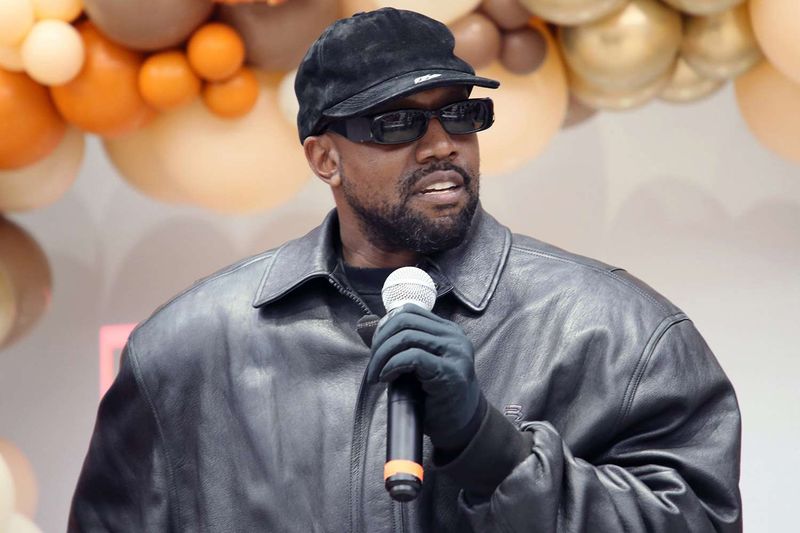
Genius often comes with a price, and in Kanye’s case, that price is predictability. His creative process involves constant last-minute changes that leave collaborators scrambling to keep up.
Studio sessions can stretch for days without warning, and carefully planned projects get scrapped entirely when inspiration strikes differently.
Producers and engineers have shared stories about working around the clock, only to have entire albums reimagined overnight.
His confidence in his vision means he rarely compromises, which creates friction with record labels and fellow artists. Business partnerships have crumbled under the weight of his unpredictable shifts in direction.
Despite the chaos, many still line up to work with him because the results often justify the struggle. His influence on hip-hop and fashion remains undeniable, even if getting there tests everyone’s patience.
2. Axl Rose

Waiting for Axl became a running joke in the rock world, but bandmates and crew members found nothing funny about it.
Concerts would start hours late, leaving angry crowds and frustrated promoters in the wake. His volatile temper created an atmosphere where explosions could happen at any moment over the smallest issues.
Within Guns N’ Roses, tensions ran so high that original members eventually quit rather than continue dealing with the drama.
Recording sessions turned into battles over creative control, with Axl insisting on perfection while others wanted to move forward. Tour managers developed ulcers trying to manage his demands and mood swings.
Other artists learned to avoid collaborations after witnessing or experiencing his unpredictable behavior firsthand.
Yet his powerful voice and stage presence kept fans coming back, even when they had to wait hours past showtime.
3. Mariah Carey

Five-octave range meets five-star demands when Mariah enters a recording studio or concert venue.
Her legendary status comes with equally legendary requirements about lighting, temperature, and even the specific brands of water available.
Producers quickly learn that creative suggestions are welcomed only when they align with her exact vision.
Recording engineers have described sessions where entire takes get rejected over the tiniest imperfections that most ears would never catch.
Her attention to detail borders on obsessive, which creates beautiful music but exhausted collaborators.
Management teams know to prepare extensively before meetings because unprepared proposals get shut down immediately.
Despite the reputation, those who meet her standards often speak about the incredible professionalism beneath the diva exterior.
4. Prince
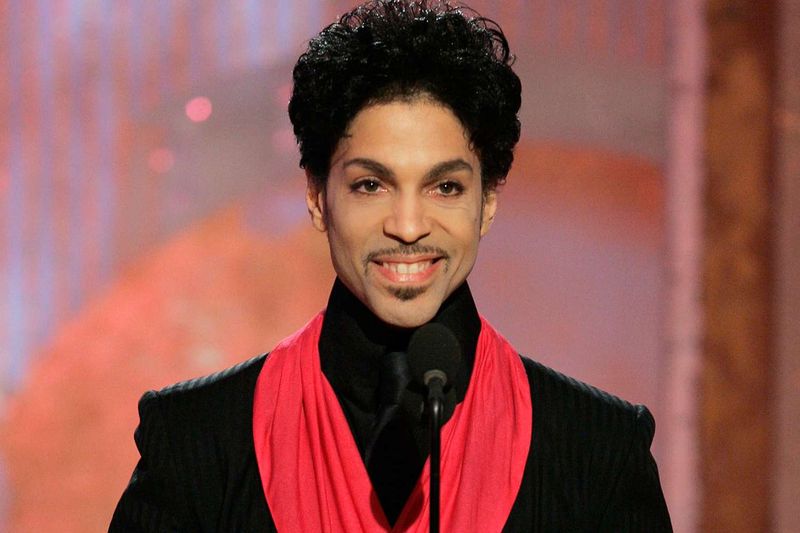
Purple Rain may have been his masterpiece, but working under Prince’s purple reign tested everyone’s limits.
His genius-level musicianship came packaged with iron-fisted control over every aspect of production and performance. Record labels struggled constantly with his refusal to follow traditional release schedules or marketing plans.
Band members lived under strict rules, including bizarre requirements about eye contact and personal behavior both on and off stage.
Studio sessions happened at all hours, often in complete secrecy, with musicians forbidden from discussing what happened inside. His perfectionism meant recording the same section hundreds of times until it met his impossibly high standards.
Collaborators never knew which version of Prince would show up—the charming genius or the demanding taskmaster.
Despite the difficulties, working with him remained a badge of honor because the musical results were simply extraordinary.
5. Morrissey
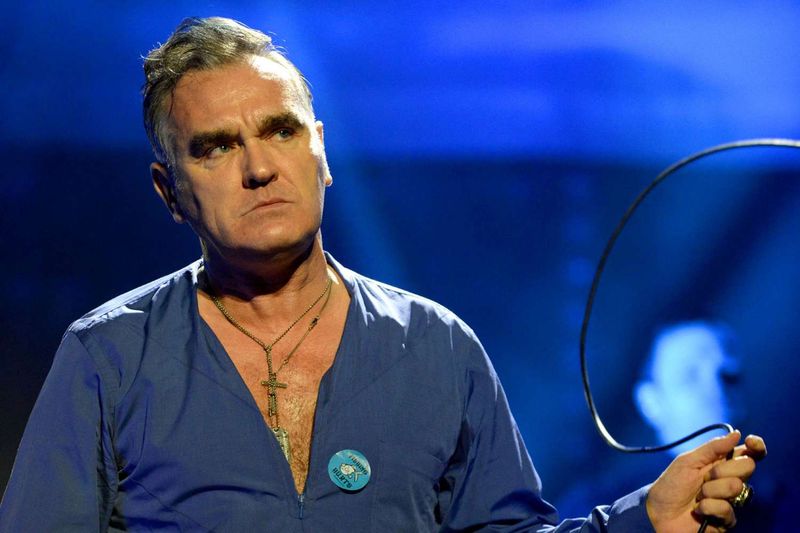
Canceled shows have become almost as much a Morrissey trademark as his distinctive voice and melancholic lyrics.
Fans buy tickets knowing there’s a decent chance the concert won’t actually happen, which drives promoters absolutely crazy.
His reasons range from illness to disagreements with venue policies about food being sold nearby.
Former Smiths bandmates have spoken openly about the impossibility of maintaining working relationships with him over the years.
His controversial political statements create constant headaches for managers trying to book tours and maintain industry relationships. Recording sessions with producers often devolve into arguments about artistic interpretation and creative direction.
Management companies have dropped him despite his loyal fanbase because the stress outweighs the financial benefits.
Yet his devoted followers continue supporting him through every cancellation and controversy, finding authenticity in his refusal to compromise.
6. Courtney Love

Chaos follows Courtney like a shadow, from her Hole bandmates to every musician unfortunate enough to cross her path.
Public feuds erupt regularly, often played out through media interviews and social media posts that burn bridges faster than they can be built.
Her unpredictable behavior makes tour planning a nightmare for managers who never know what version of her will show up.
Former bandmates have shared horror stories about recording sessions derailed by emotional outbursts and creative disagreements that turned personal.
Industry professionals learned to document everything in writing because verbal agreements meant nothing when her mood shifted.
Producers approached projects with her knowing they might face sudden changes in direction or complete project abandonment.
Despite the turmoil, her raw talent and fearless authenticity attracted collaborators willing to brave the storm. Her influence on alternative rock remains significant, even if working with her required nerves of steel.
7. Lauryn Hill
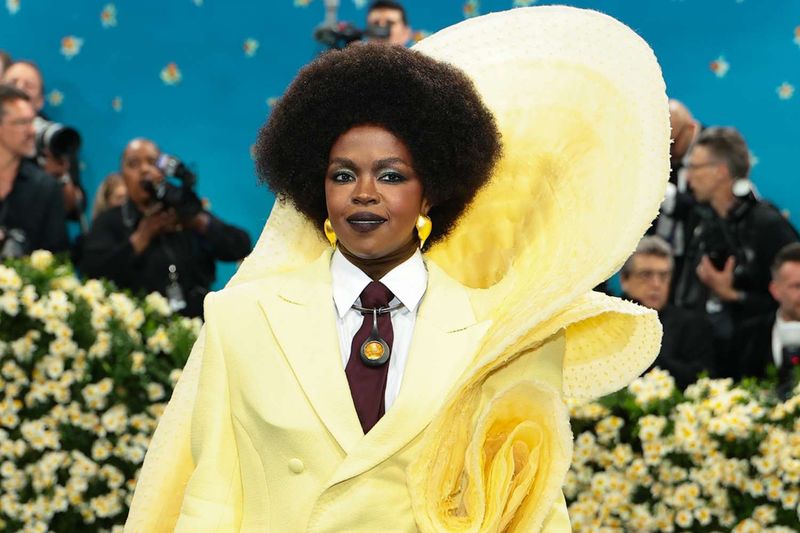
Brilliance and punctuality rarely shared the same stage when Lauryn Hill was involved.
Concerts scheduled for eight o’clock might start at midnight, if they happened at all, leaving furious fans and promoters in the lurch.
Her relationship with the music industry soured over the years, leading to increasingly unpredictable professional behavior.
Recording sessions that should have taken weeks stretched into months as she wrestled with perfectionism and personal struggles.
Collaborators never knew if she would show up or communicate for days at a time. Festival organizers learned to build extra time into schedules, though even that often proved insufficient.
Industry partners who once eagerly pursued projects with her eventually gave up after too many disappointments and broken commitments.
Yet when she does perform, the transcendent talent reminds everyone why they wanted to work with her in the first place, making the frustration somehow worth it.
8. Ted Nugent
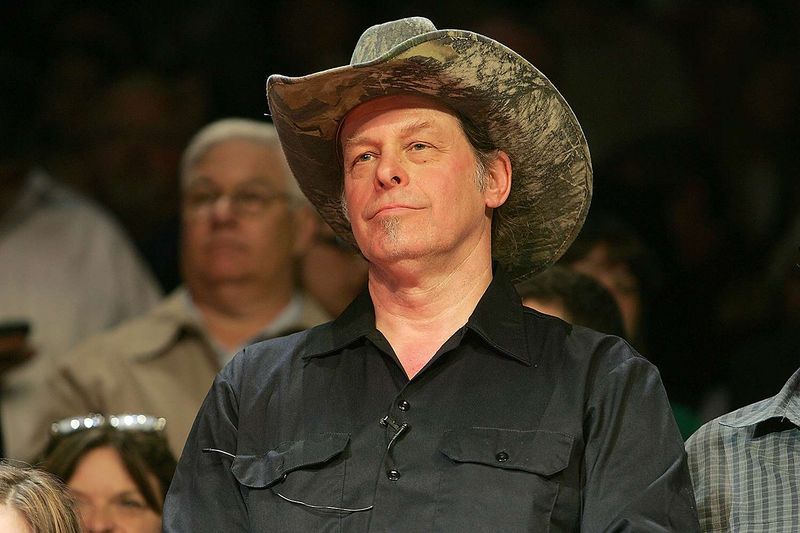
Outspoken doesn’t begin to cover Ted Nugent’s approach to pretty much everything in life.
His polarizing political views and controversial statements have created rifts with fellow musicians who refuse to share stages or studios with him.
Venues have canceled bookings after public backlash, making tour routing increasingly difficult for his management team.
Industry professionals describe working with him as walking through a minefield of potential controversies and conflicts.
Recording sessions can turn into political lectures rather than musical collaborations, testing the patience of producers and engineers.
His unwillingness to moderate his public persona has cost him opportunities and partnerships that would have been automatic for someone with his guitar skills.
Fellow musicians from across the political spectrum have distanced themselves, finding his behavior too divisive for professional association.
Despite the conflicts, his dedicated fanbase ensures he continues performing, even as industry doors close.
9. Billy Corgan
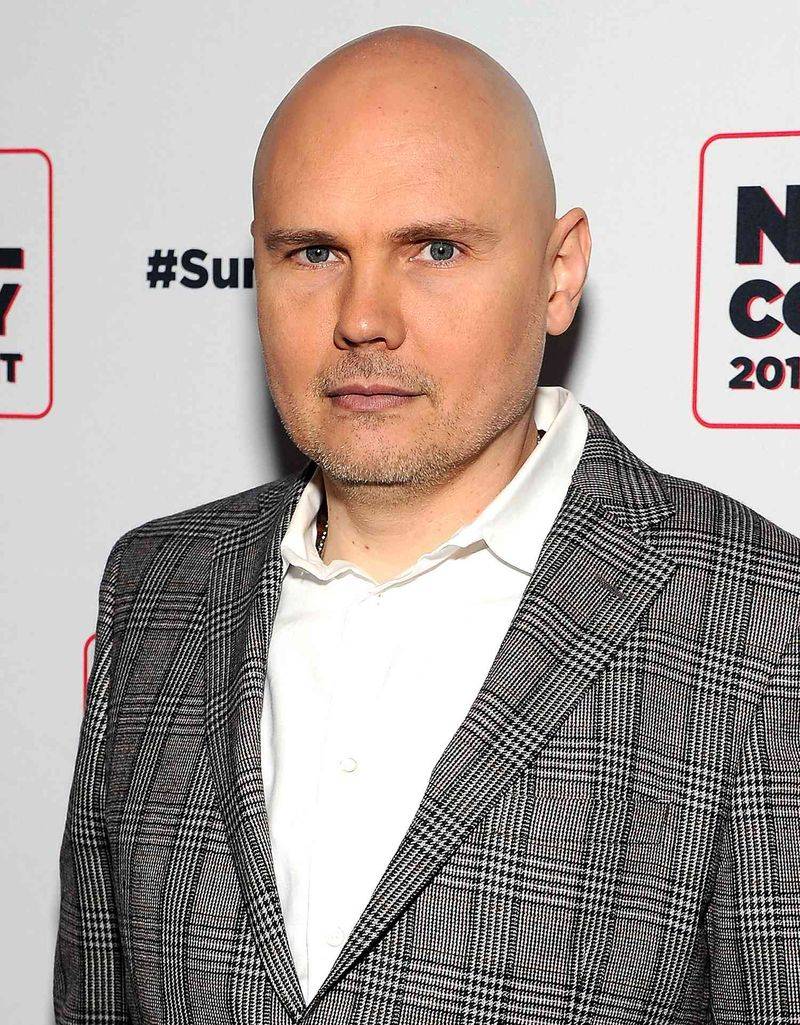
Perfectionism reached extreme levels inside Smashing Pumpkins’ recording studios under Billy Corgan’s leadership.
Original band members eventually quit rather than continue under his demanding creative control and dismissive treatment of their contributions. He famously re-recorded their parts himself when their performances didn’t match his exact vision.
Producers and engineers walked away from projects citing his impossible standards and refusal to accept input from others.
Business partners discovered that disagreements weren’t discussions but rather battles where compromise meant total surrender to his perspective.
His intensity in pursuing his artistic vision left little room for collaboration in the traditional sense.
10. Nicki Minaj

Social media feuds became almost a signature move for Nicki, creating constant headaches for management and collaborators.
Her assertive control over every aspect of her image and music leaves little room for others’ creative input or suggestions.
Production teams learned quickly that challenging her decisions meant risking explosive confrontations or being cut from projects entirely.
Industry peers have shared stories about collaborations that fell apart over disagreements about billing, creative direction, or perceived slights.
Her perfectionism extends beyond music into every photo shoot, interview, and public appearance, exhausting those trying to keep up. Record label executives found themselves caught between her demands and practical business realities.
Despite the reputation for being difficult, her commercial success and loyal fanbase mean people continue lining up to work with her.
Those who survive the experience often admit the final product justified the stress, even if they wouldn’t rush to repeat it.
11. Van Morrison

Grumpy might be too gentle a word for Van Morrison’s approach to the business side of music. Concert organizers dread dealing with his extensive list of requirements and his curt responses to reasonable questions.
Interviews often turn awkward as he provides minimal answers or openly displays irritation at questions he deems stupid.
Collaborators describe walking on eggshells around him, never quite sure what will trigger his displeasure or abrupt departure from sessions.
His particular nature extends to every detail of performances, from stage setup to lighting, with little patience for those who don’t get it right immediately.
Band members past and present have learned to anticipate his moods and adjust accordingly.
Despite his difficult reputation, his legendary status and incredible catalog mean venues and musicians still seek opportunities to work with him.
Those experiences just come with the understanding that warmth and patience won’t be part of the package.
12. Phil Spector
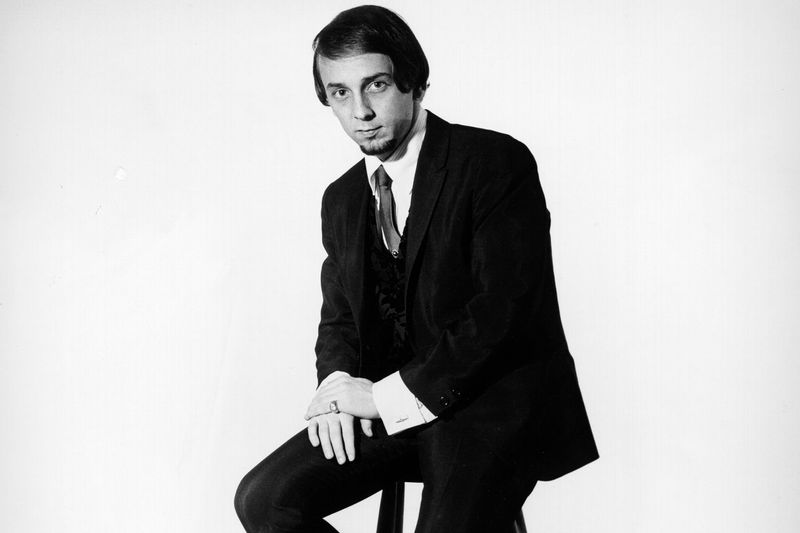
Wall of Sound techniques made Phil Spector a legend, but his wall of terror made him nearly impossible to work with.
Artists who entered his studios found themselves trapped in marathon sessions that felt more like hostage situations than creative collaborations. His explosive temper could erupt without warning, creating an atmosphere of fear rather than artistic freedom.
Stories emerged over the years about him threatening musicians with weapons to get the performances he wanted.
His extreme control extended beyond music into psychological manipulation of the artists he produced. Record labels tolerated his behavior because the hits kept coming, even as they quietly dreaded dealing with him.
His abusive treatment of collaborators eventually caught up with him both professionally and legally, ending his career long before his murder conviction.
The incredible music he produced will forever be tainted by the terror he inflicted on those who created it.
13. Trent Reznor
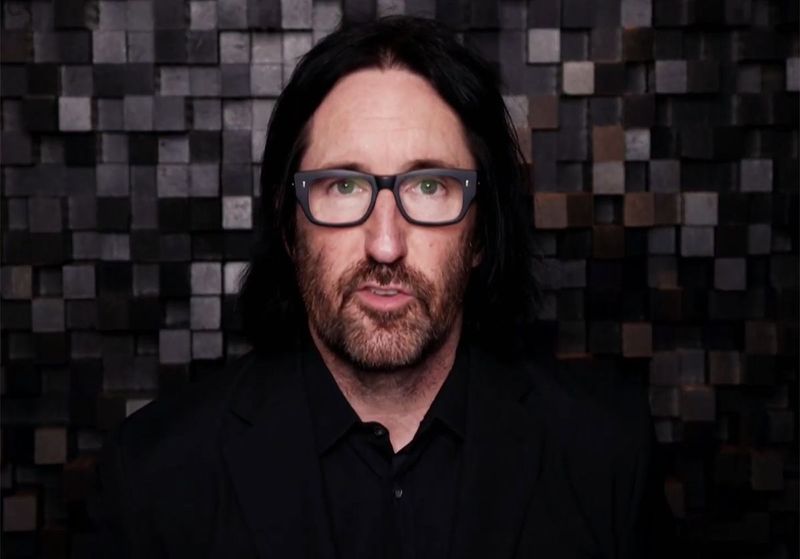
Industrial music matched Trent Reznor’s industrial-strength perfectionism in the studio. His reputation for intensity created challenging working environments where mistakes weren’t tolerated and good enough never actually was.
Engineers and session musicians described feeling constant pressure to deliver flawless performances under his exacting standards.
Nine Inch Nails recording sessions stretched on endlessly as he obsessed over every sonic detail and textural element.
Collaborators found his vision so specific that contributing ideas felt pointless since he knew exactly what he wanted.
His demanding nature extended to live performances, where technical perfection was expected every single night.
Despite the difficult reputation, many musicians considered working with him a privilege because of the groundbreaking results.
His evolution into film scoring brought the same intensity to new collaborators in Hollywood, though his professional approach has reportedly mellowed somewhat with age and success.
14. Brian Wilson
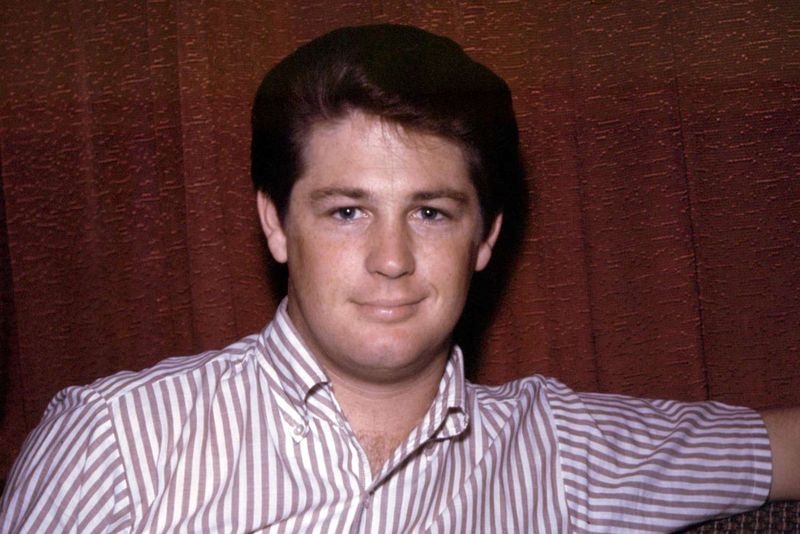
Pet Sounds revolutionized pop music, but creating it nearly destroyed the Beach Boys from within. Brian’s perfectionism during those sessions pushed band members and studio musicians to their absolute limits.
He demanded countless takes of even simple parts, hearing imperfections that nobody else could detect.
His controlling approach to production left other band members feeling like hired hands rather than creative partners in their own group.
Studio costs skyrocketed as sessions dragged on for months while he chased sounds existing only in his head.
The pressure he created contributed to his own mental health struggles, which further complicated working relationships.
Family dynamics within the band made conflicts even messier, with personal and professional grievances becoming impossible to separate.
Despite the internal chaos, the music they created together remains timeless, proving that sometimes great art requires great sacrifice from everyone involved.
15. Sly Stone
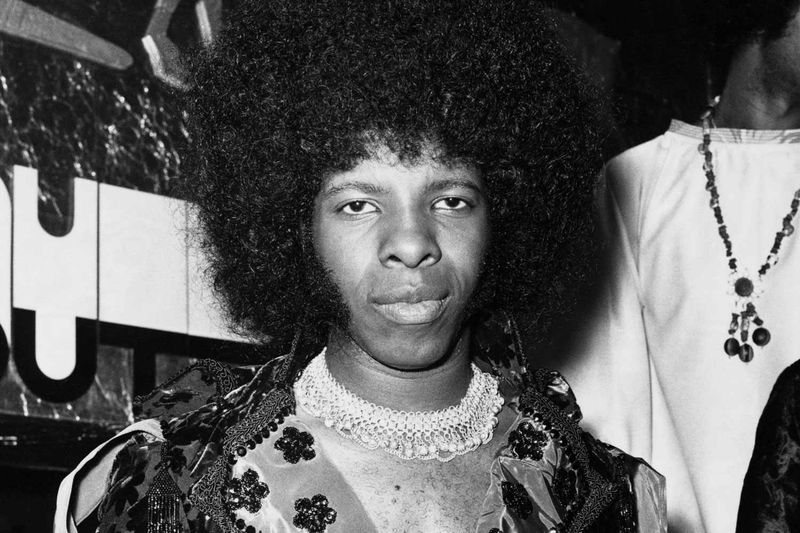
Revolutionary funk came from Sly Stone, but so did revolutionary levels of unpredictability that drove everyone around him crazy.
Recording sessions happened only when he decided to show up, which might be days or weeks after they were scheduled.
His band members never knew if their leader would appear for concerts, leaving them to either perform without him or cancel entirely.
Record labels invested heavily in albums that might never be completed because Sly disappeared for extended periods without communication.
His erratic behavior stemmed partly from substance issues that made him increasingly unreliable as his career progressed.
Business partners who initially embraced his genius eventually walked away after too many broken promises and missed opportunities.
The Family Stone members watched their revolutionary band crumble under the weight of his unpredictability and absence. His musical legacy remains undeniable, even as his professional reputation serves as a cautionary tale about talent without reliability.
16. Liam Gallagher

Feuding became practically a full-time job for Liam Gallagher, starting with his own brother and expanding to include most of the music industry.
His constant battles with Noel made Oasis both legendary and legendarily dysfunctional, with bandmates caught in the crossfire of sibling warfare.
Backstage fights and onstage tensions turned tours into stress-filled nightmares for everyone involved.
Interviews with him often devolved into insult sessions directed at other musicians, critics, or anyone who had recently annoyed him.
His combative personality made simple business decisions into dramatic confrontations that exhausted managers and label executives.
Recording sessions featured arguments over everything from song selection to microphone placement.
Despite his difficult nature, fans loved his rock-and-roll attitude and genuine persona, finding authenticity in his refusal to play nice.
The chaos he created somehow fed into Oasis’s appeal, making them bigger even as it made them impossible to sustain long-term.
17. Noel Gallagher
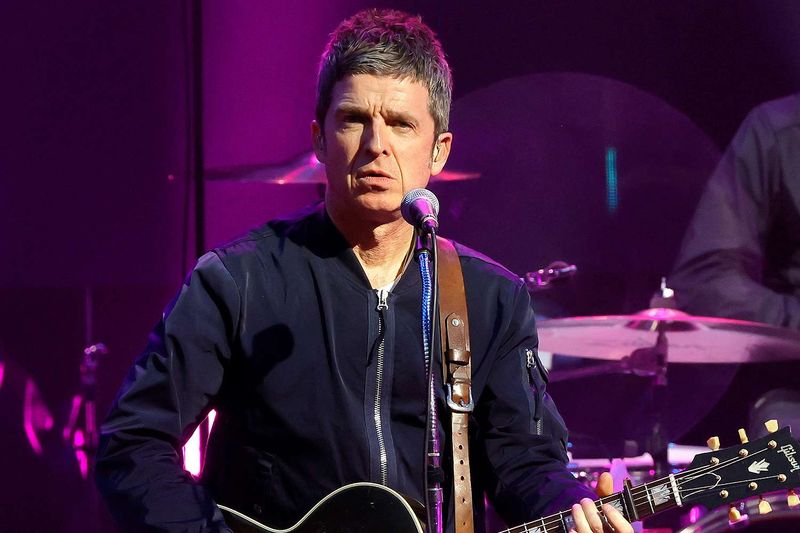
Sharp wit and sharper criticism defined Noel’s approach to pretty much everything related to Oasis and beyond.
His intellectual arrogance clashed constantly with Liam’s more instinctive approach, creating a volatile combination that eventually exploded the band.
Other members found themselves navigating between the brothers’ egos while trying to maintain some semblance of group cohesion.
His dismissive attitude toward other Britpop bands and musicians created unnecessary enemies throughout the industry.
Recording sessions under his creative control left little room for others’ input, as he viewed himself as the primary creative force. Producers learned that suggesting changes to his songs was generally pointless unless they wanted lengthy arguments about artistic vision.
Despite contributing heavily to the band’s dysfunction, his songwriting talent was undeniable and formed the backbone of their success.
His solo career has continued with somewhat mellowed behavior, though his sharp tongue remains ready for critics and former collaborators alike.
18. Roger Waters
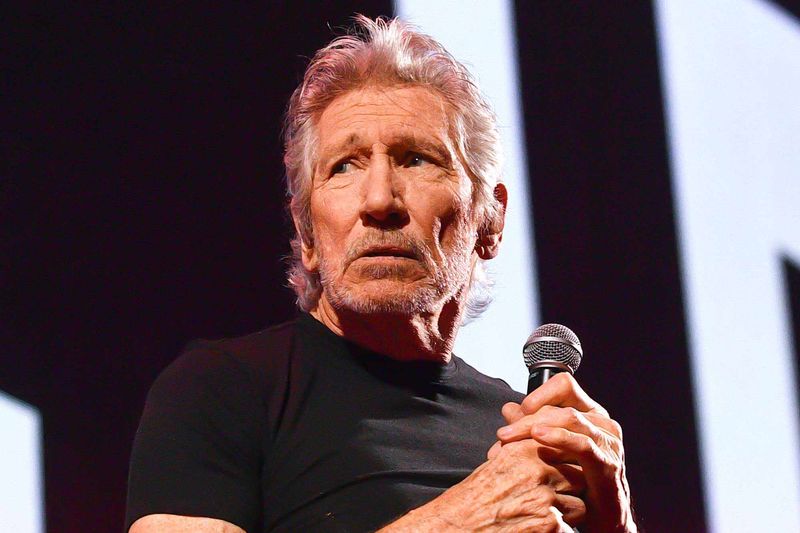
Creative control became an obsession for Roger Waters that ultimately tore Pink Floyd apart from the inside.
His dominating presence during later albums left other band members feeling like session musicians in their own group.
David Gilmour and others watched as their input became increasingly unwelcome in the creative process they had helped build.
Concept albums under his direction required total commitment to his vision, with dissenting opinions met with hostility and dismissal.
His intense personality transformed recording sessions from collaborative experiences into dictatorial productions where he made every significant decision. Business disagreements over the band’s name and legacy led to bitter legal battles that lasted years.
Former bandmates have spoken about the impossibility of working with him once he decided he was Pink Floyd’s true creative genius.
Despite the conflicts, his ambitious concepts produced some of rock’s most iconic albums, proving his vision was often correct even if his methods were intolerable.
19. Dave Mustaine
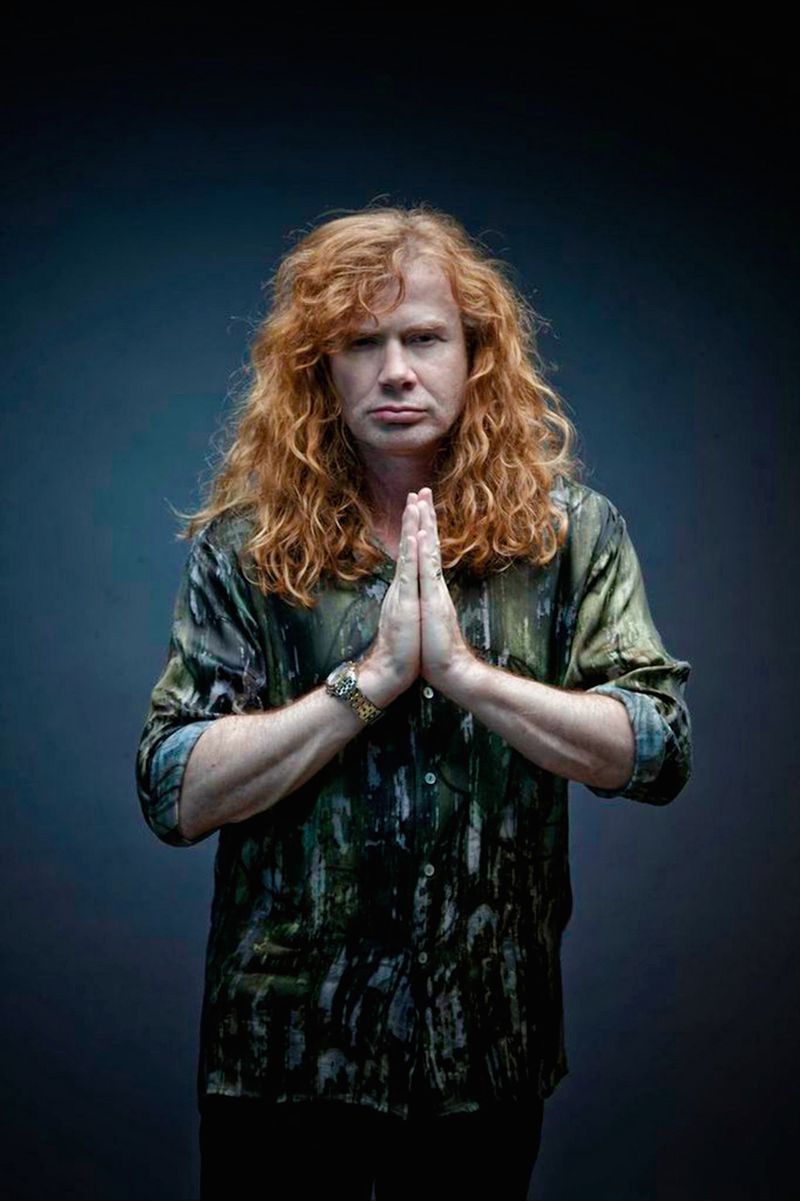
Getting kicked out of Metallica for bad behavior should have been a wake-up call, but Dave Mustaine brought similar difficulties to Megadeth.
His aggressive personality and substance issues during the early years created chaos within his own band. Members came and went as they tired of his controlling nature and explosive temper.
Recording sessions featured his perfectionism combined with an abrasive communication style that wore down producers and engineers.
His inability to let go of the Metallica firing fueled decades of public comments and feuds that created awkward situations throughout the metal community.
Business partners discovered that disagreements could escalate quickly into personal attacks and burned bridges.
Despite cleaning up his personal life in later years, his reputation for being difficult persisted among industry professionals.
His incredible guitar skills and songwriting talent kept Megadeth going through numerous lineup changes, proving that sometimes ability outweighs personality in the music business.
20. Eric Clapton
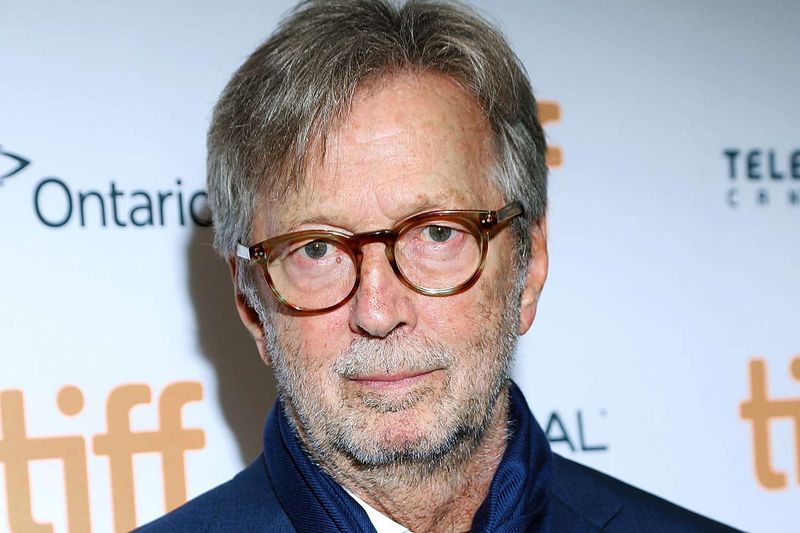
Guitar god status didn’t translate into being easy to work with for Eric Clapton throughout his long career.
His moody nature meant collaborators never quite knew which version of him would show up to sessions or tours.
Demanding perfection from himself and others created tense working environments where mistakes were met with visible frustration.
Band members and session musicians described feeling constant pressure to meet his exacting standards while dealing with his emotional unpredictability.
His struggles with addiction during certain periods made him even more difficult, adding unreliability to the existing challenges.
Producers learned to work around his moods, knowing that pushing back might derail entire projects.
Comments
Loading…