
 Chloe Peterson
20 Celebs With Surprisingly Multicultural Backgrounds
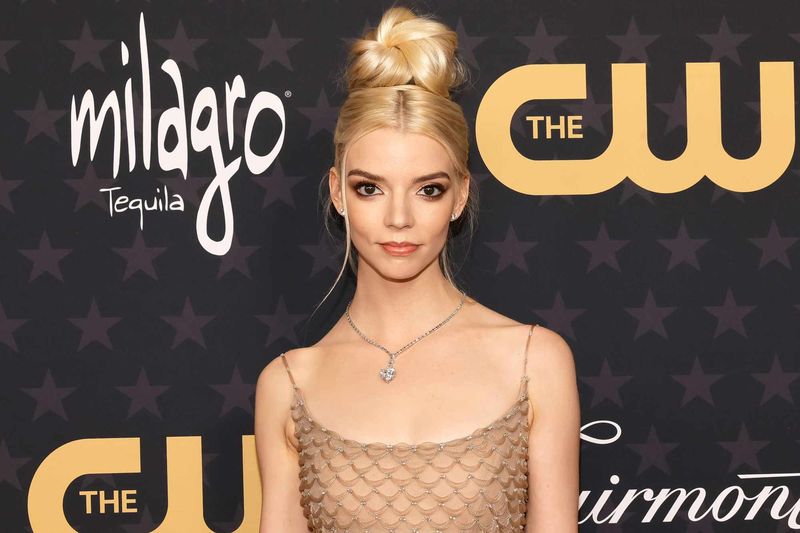
Hollywood loves a simple narrative, but real family histories are rarely that neat.
Plenty of famous faces you’ve watched for years have roots that stretch across countries, continents, and cultures—and sometimes the most surprising part is how rarely those details make it into their “public” story.
For some stars, a multicultural background shaped where they grew up, what languages they heard at home, or how they learned to navigate identity in spaces that want you to fit a single box.
For others, it’s a quieter thread that still shows up in the way they talk about family, belonging, and pride.
Ahead are 20 stars with multicultural roots you might not know about, along with the quick backstory that makes each one more interesting than the headline version you’ve heard before.
1. Keanu Reeves
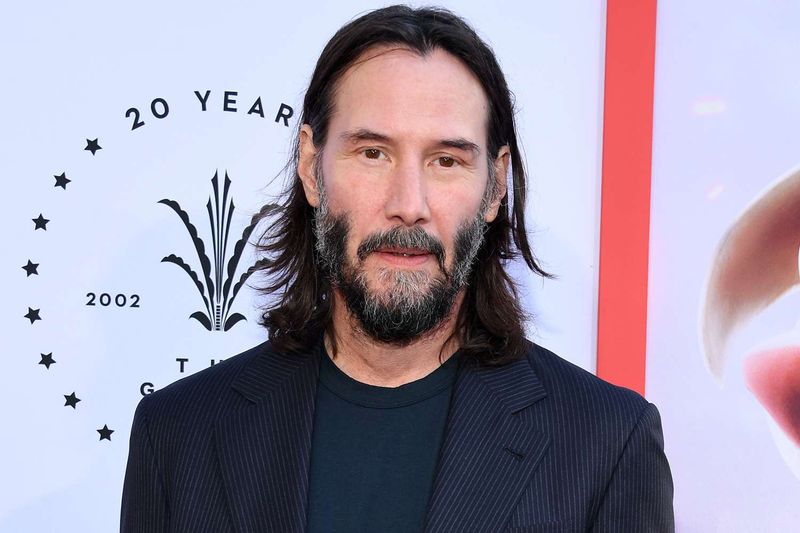
Long before he became the internet’s favorite low-key icon, this actor’s life began with a background that spans far beyond a single place.
Born in Beirut and raised primarily in Canada, he has spoken about a family history that includes an English mother and a father from Hawaii with a mix of ancestries often described as Native Hawaiian, Chinese, Portuguese, and more.
That kind of blend is common in Hawaii’s multicultural fabric, but it’s not always something audiences associate with a leading man who’s often cast as quietly “universal.”
His upbringing also included moving between cities and adjusting to different environments, which may explain the grounded, adaptable energy that fans connect with.
When you look at his story through that lens, his calm, everywhere-and-nowhere vibe makes even more sense.
2. Darren Criss
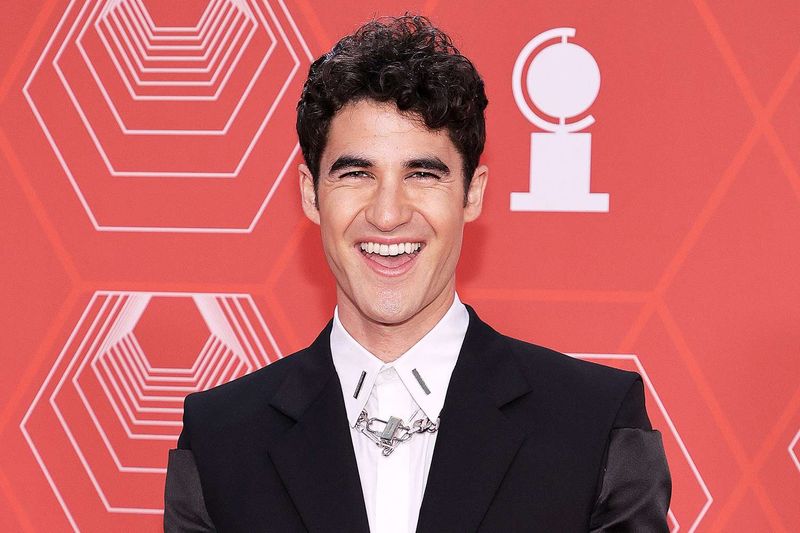
A lot of people know him as the charismatic performer who can sing, act, and charm a camera in a single breath, but fewer know how layered his family background is.
His mother is Filipina, with roots in Cebu and a heritage that’s often described as a blend of Filipino, Chinese, and Spanish influences, while his father’s side includes European ancestry.
That mix reflects the real history of migration and colonization in the Philippines, which shaped family names, traditions, and even how people understand identity.
He’s also talked about the experience of being seen differently depending on the room he’s in, which is a familiar reality for many mixed-heritage kids.
When he shows up on-screen, you’re seeing someone whose “all-American” image actually contains a much wider world.
3. Mark-Paul Gosselaar
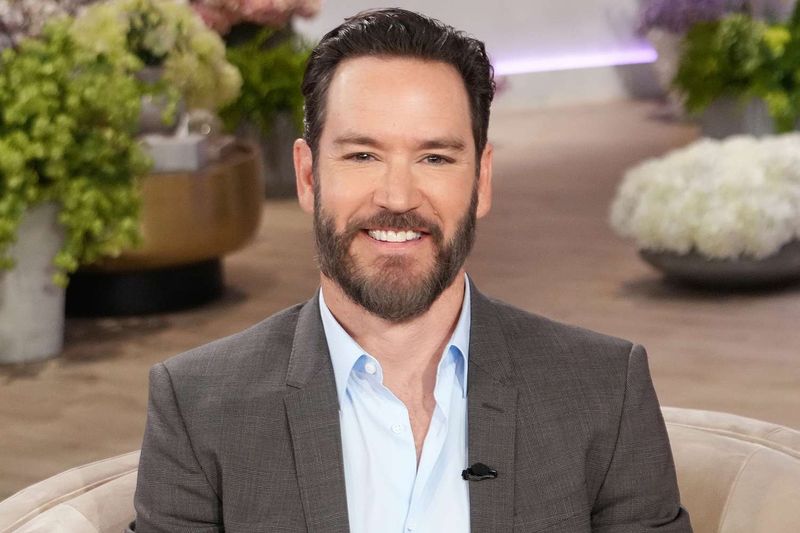
If you grew up watching teen TV, you probably filed him away as the classic all-American heartthrob, but the details of his background tell a more global story.
His father is Dutch, while his mother is Dutch-Indonesian and was born in Bali, which connects him to a Southeast Asian heritage many viewers never clocked.
He has also spoken publicly about how he identifies, including describing himself as “half-Asian,” which is a statement that can surprise people who only know him from early roles.
What’s interesting here is how often mixed identities get flattened by casting, styling, and the limited boxes entertainment offers, especially in older eras of television.
His roots aren’t a trivia fact so much as a reminder that appearances can be misleading, and that many “familiar” stars have family histories that don’t match the default assumptions.
4. Naomi Scott
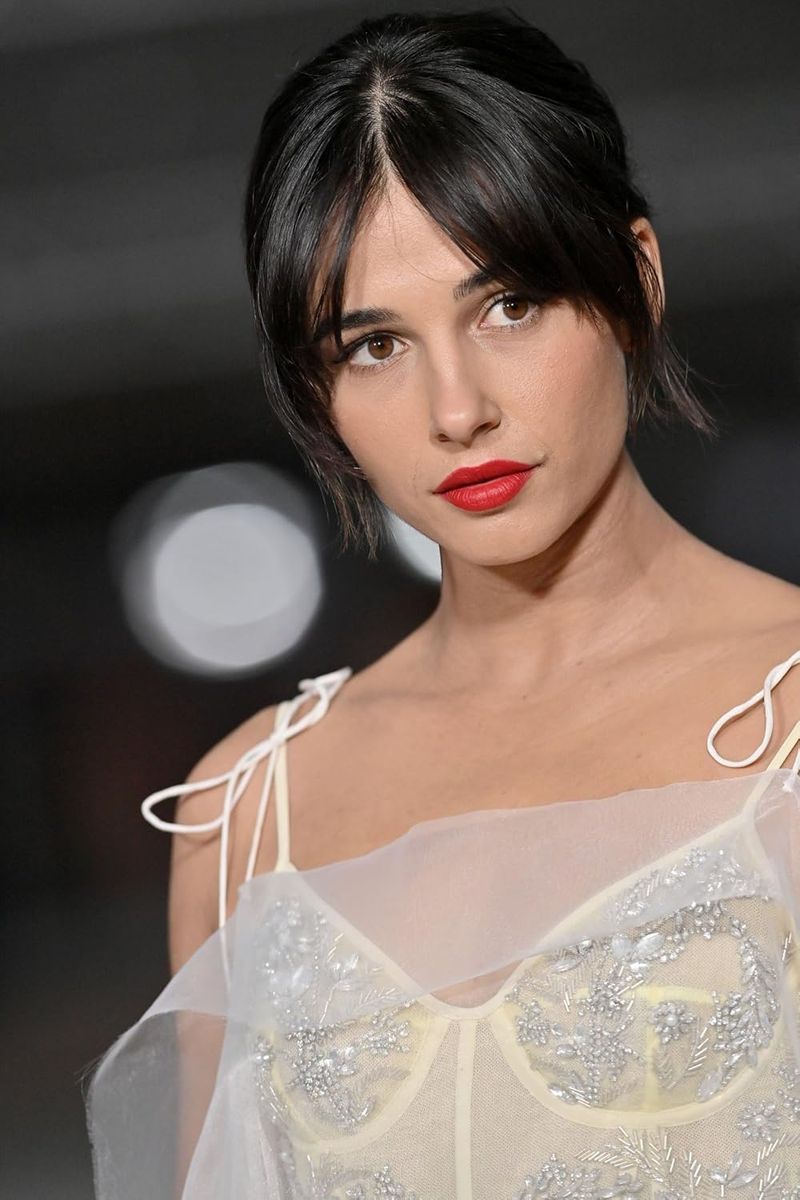
Her breakout roles have a glossy, global-pop appeal, but her real-life background is just as international as the characters she plays.
She was born in the UK to a British father and a mother of Gujarati Indian heritage who was born in Uganda, which reflects a long history of South Asian communities living in East Africa and later migrating to Britain.
That three-point connection—India, Uganda, and the UK—creates a family story shaped by movement, adaptation, and layered identity.
In interviews, she has spoken about navigating culture and belonging, and you can sense that thoughtful self-awareness in the way she carries herself in public.
It’s also a useful reminder that “Indian heritage” isn’t a single monolith, and that diaspora stories often include multiple migrations before a family lands where you first meet them.
5. Bruno Mars
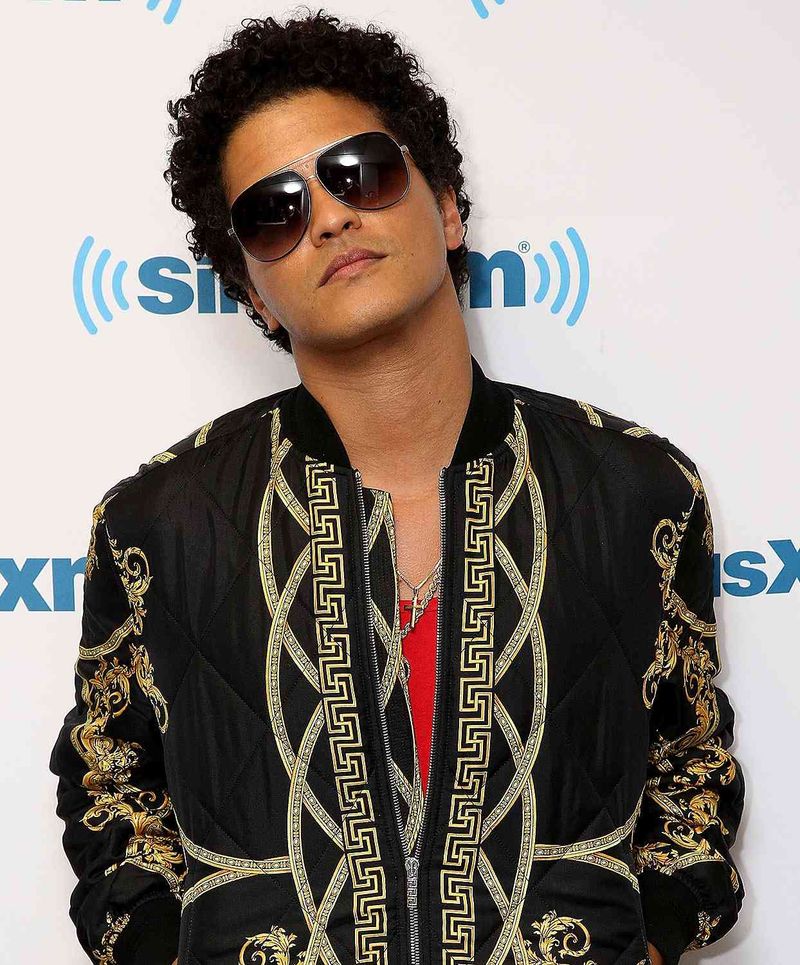
Even if you know he grew up performing in Hawaii, the details of his heritage can still catch people off guard.
His mother was Filipino, and his father has Puerto Rican roots along with other ancestries that he has discussed publicly over time, which is part of why his sound and style feel so naturally cross-genre.
Hawaii itself is a cultural crossroads, and his upbringing reflected that blend, with music, dance, and performance woven into daily life.
What makes his story especially interesting is how often listeners assume his influences are purely artistic choices, rather than something connected to family, community, and the mix of cultures that shaped him from childhood.
When you step back, his ability to move between pop, funk, R&B, and throwback soul doesn’t feel like a branding strategy so much as an extension of a home life where “one lane only” was never the default.
6. Rashida Jones
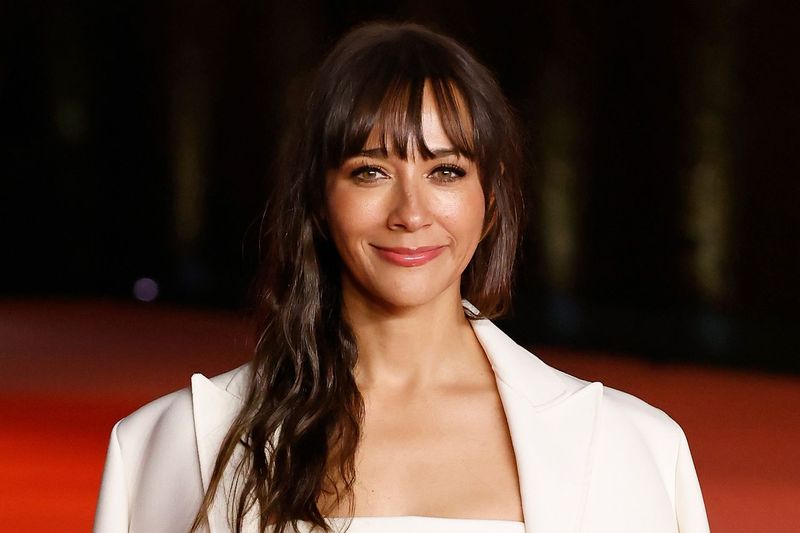
For years she has played smart, funny characters with effortless charm, but her family background is a fascinating example of two very different cultural histories meeting in one household.
Her father is music legend Quincy Jones, and her mother is actress Peggy Lipton, who was raised in a Jewish family, giving Rashida both Black and Jewish heritage.
She has spoken about how identity can feel complicated when the world tries to categorize you in a single, tidy way, especially in industries that love shorthand.
Her story also highlights how mixed-heritage kids are often asked to “prove” parts of themselves depending on who’s asking, which can be exhausting and oddly personal for strangers to demand.
Seeing her as someone shaped by multiple communities adds texture to the roles she chooses and the way she talks about culture with a mix of humor and precision.
7. Maya Rudolph
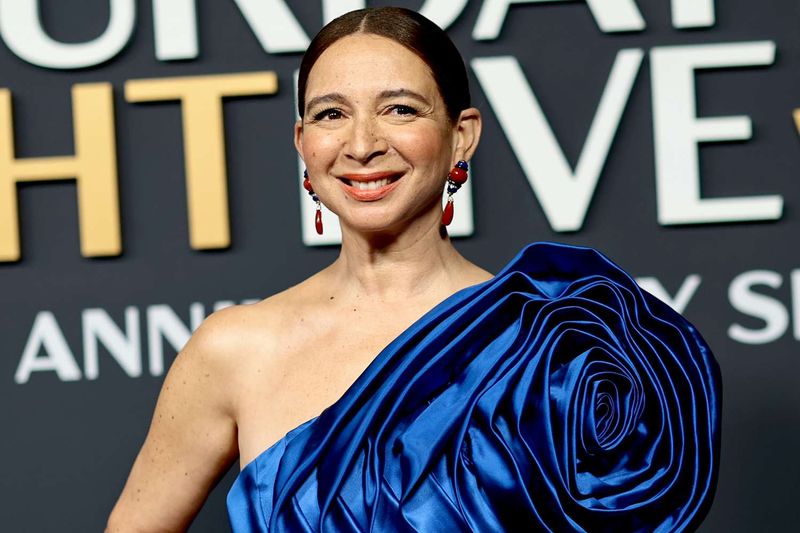
Some people know her as the queen of impressions and big comedic energy, but her family background is filled with musical history and cultural layering.
Her mother was Minnie Riperton, the iconic singer whose career left a lasting mark, and her father is of Ashkenazi Jewish heritage, which means Rudolph grew up with both Black and Jewish roots shaping her world.
When you watch her work, there’s a versatility that feels deeper than just talent, as if she’s comfortable moving between different spaces because she’s always done that in real life.
She has also spoken about grief and identity in ways that show how family stories aren’t just “fun facts,” but real foundations.
In a culture that loves to put comedians into simple categories, her background quietly challenges that, reminding you that humor can come from a life that has always included multiple perspectives and traditions.
8. Henry Golding
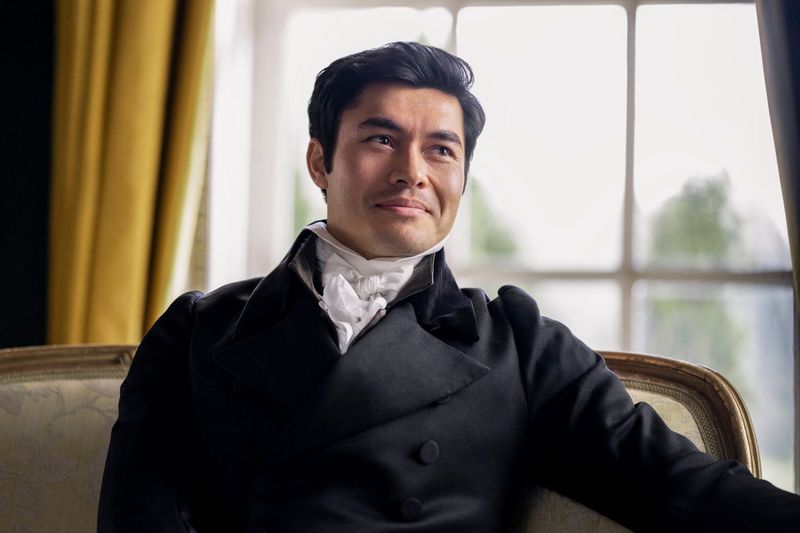
The polished leading-man image can make him seem like he stepped out of a rom-com template, but his background is rooted in a real multicultural mix.
He has spoken about having a Malaysian mother of Indigenous Iban ancestry and an English father, and he spent parts of his life moving between places and cultures.
That combination can create a unique push-and-pull: being seen as “exotic” in one context and “not quite enough” in another, depending on who’s doing the labeling.
It’s also worth noting that Indigenous Malaysian identities are often underrepresented in global media, so seeing that heritage attached to a mainstream star is meaningful beyond celebrity trivia.
His visibility opens a small window into how diverse Malaysia really is, and it challenges the lazy assumption that “Asian representation” is one single story.
The more you learn, the more his global appeal feels earned rather than manufactured.
9. H.E.R.
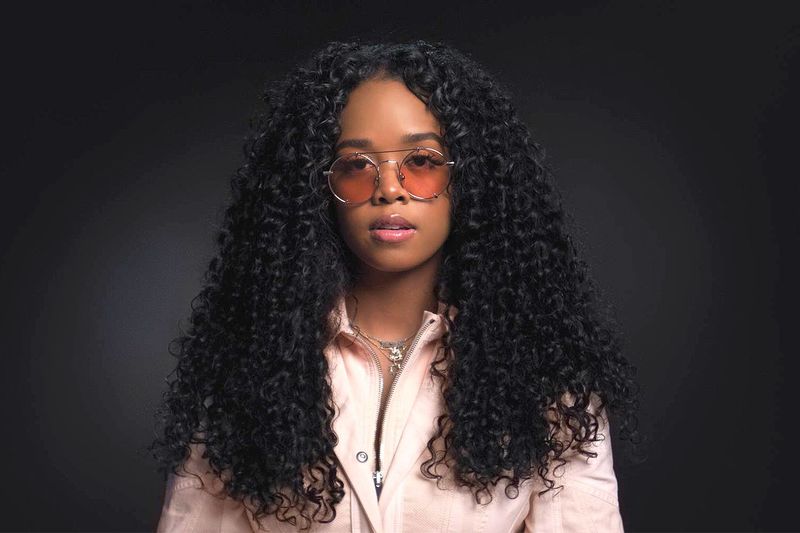
A lot of fans focus on the mystery of the stage name and the powerhouse voice, yet her roots are part of what makes her artistry feel so grounded.
She was born to a Filipina mother and an African-American father, which places her within two communities that have their own deep musical traditions and their own complicated relationships with visibility in pop culture.
Growing up with that blend can shape how someone thinks about identity, belonging, and being “read” by other people, especially when audiences try to guess who you are before you speak.
She has also carried herself with a calm intentionality that suggests she’s thought about how much of herself to reveal and when, rather than letting the industry define her narrative first.
When you connect those dots, her ability to move between R&B, soul, and pop starts to feel like more than a career choice—it sounds like home.
10. Pete Wentz
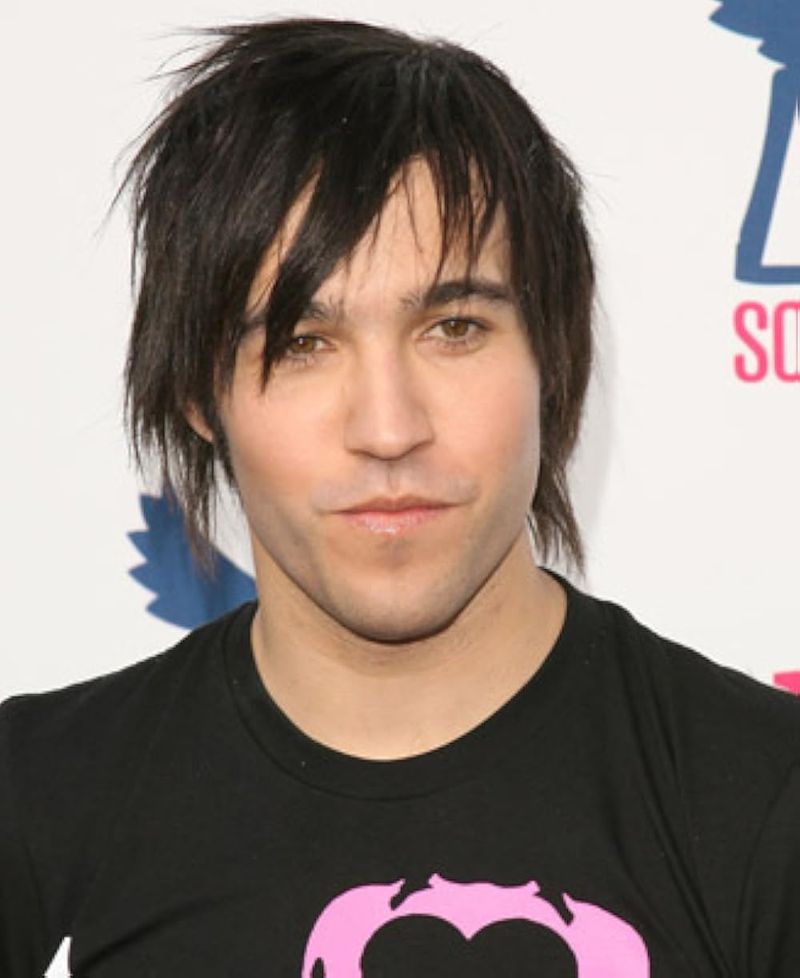
It’s easy to associate him mainly with eyeliner, stadium choruses, and mid-2000s pop-punk nostalgia, but his heritage story adds another layer to the way he’s been perceived.
His mother is Afro-Jamaican, while his father’s side has European roots, and he has talked about being mixed in a scene that didn’t always know what to do with that.
The alternative music world has often marketed itself as “outsider-friendly,” but that doesn’t automatically mean it’s comfortable with race and identity, especially during earlier eras.
His experience reflects a broader reality: mixed kids can feel hyper-visible and invisible at the same time, depending on the context and the expectations around them.
Understanding his background also helps explain why themes of identity, belonging, and self-definition show up in the music and imagery around him, even when the loud guitars try to disguise the deeper feelings underneath.
11. Olivia Rodrigo
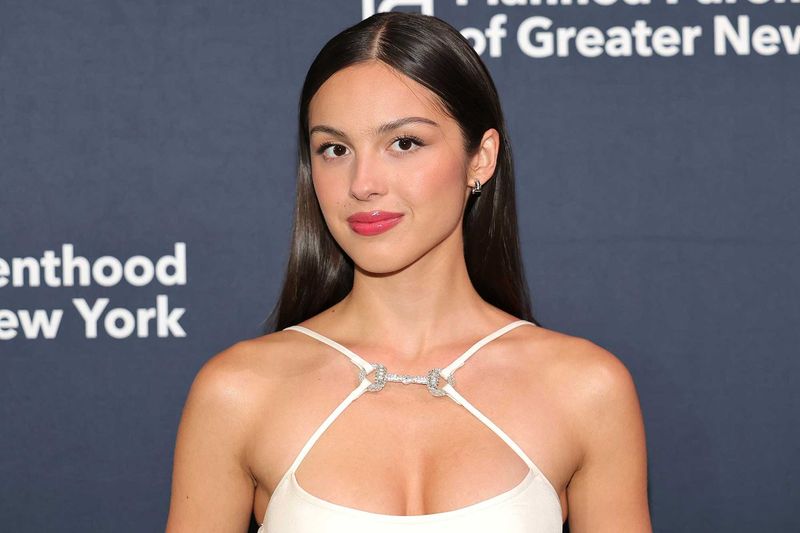
She has been positioned as the voice of a generation, but her background includes a cultural thread that many casual listeners might not know much about.
Her father is Filipino American, and she has spoken about that heritage in interviews, while her mother has European ancestry, giving her a mixed identity that doesn’t always get emphasized in mainstream coverage.
What’s striking is how often people assume the “default” identity of young pop stars unless it’s made extremely explicit, even though multicultural families are increasingly common.
She has also shared moments of cultural pride, like talking about Filipino food and traditions, which can be small but meaningful signals for fans who rarely see themselves reflected.
In a world where celebrity narratives are often simplified into one neat label, her story is a reminder that a person can be many things at once, and that those layers can still matter even when the spotlight tries to flatten them.
12. Dave Bautista
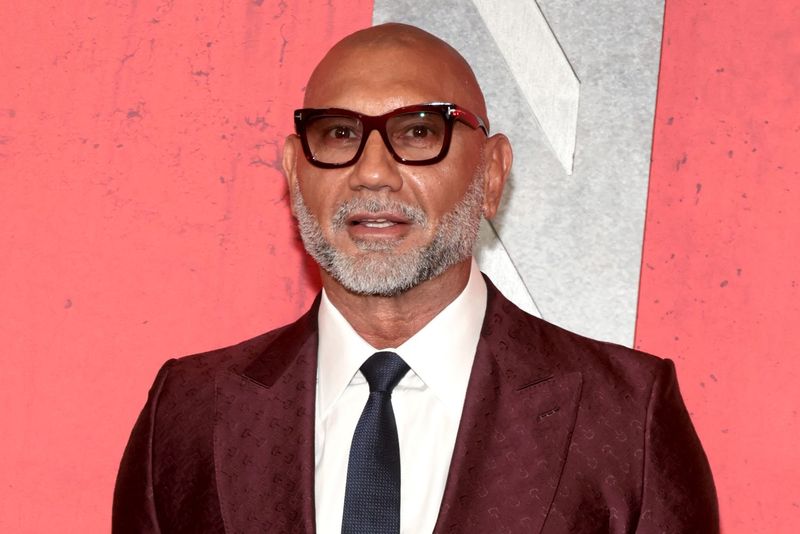
When you think of him, you probably picture action scenes, intimidation, or surprisingly tender comedic timing, but his roots connect him to more than one cultural world.
His mother is Greek, while his father’s side includes Filipino heritage, giving him a background shaped by both Mediterranean and Southeast Asian lineage.
That blend isn’t always obvious to audiences, partly because Hollywood has historically cast “tough guys” in ways that minimize complexity and emphasize a single image.
He has also spoken about growing up with real hardship, and it’s hard not to connect that sense of survival and resilience to the way he approaches roles with something more human than brute force.
When a star like him talks openly about identity, it challenges the stereotype that masculinity must be simple or one-dimensional.
His background adds texture to the story, reminding you that strength can look like embracing the full truth of where you come from.
13. Saweetie
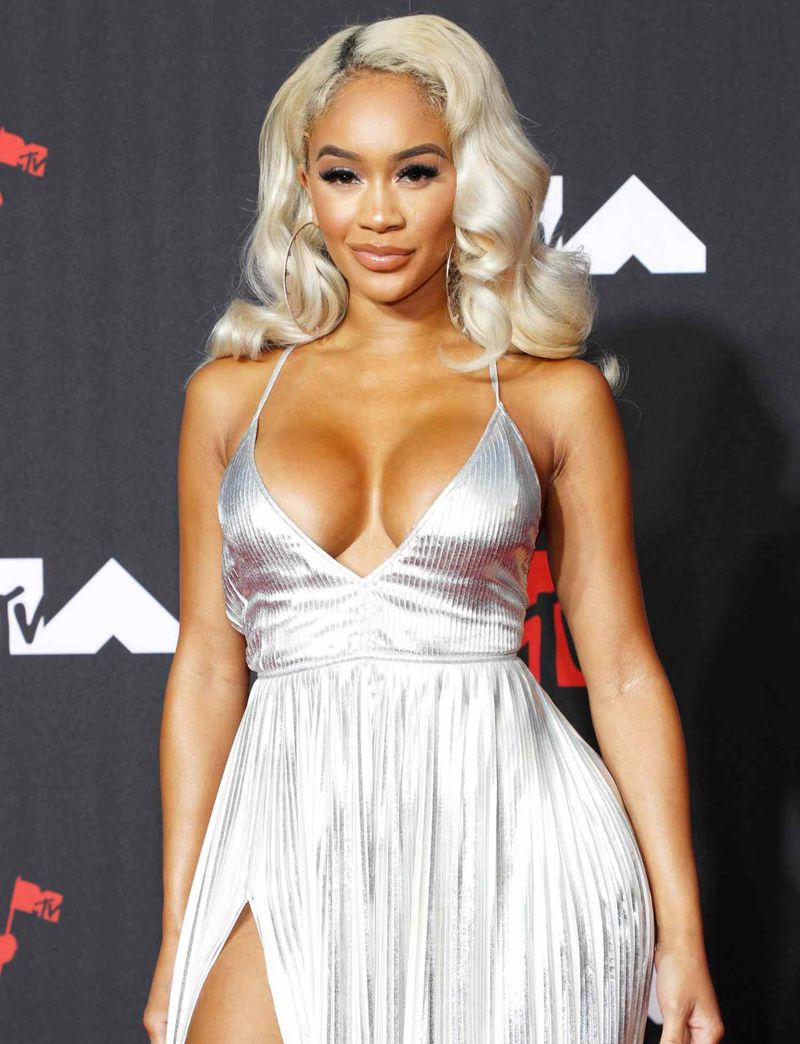
Her public persona is all confidence and glossy swagger, but her roots reflect a blend that mirrors modern America more than people sometimes realize.
She has spoken about having Black heritage alongside Filipino and Chinese ancestry, and you can see how that intersection shapes the way she talks about identity and representation.
For many mixed-heritage people, there’s a constant negotiation of how others read you, which parts they assume, and which parts they ignore, and celebrity doesn’t erase that—sometimes it intensifies it.
Her style and artistry also pull from multiple influences, which can feel natural when you’ve grown up with different cultural reference points around you.
What makes her a strong fit for this list is that she doesn’t frame her background as a quirky fact, but as part of who she is, which matters in an industry that still tries to package women into one “marketable” identity at a time.
14. Zazie Beetz
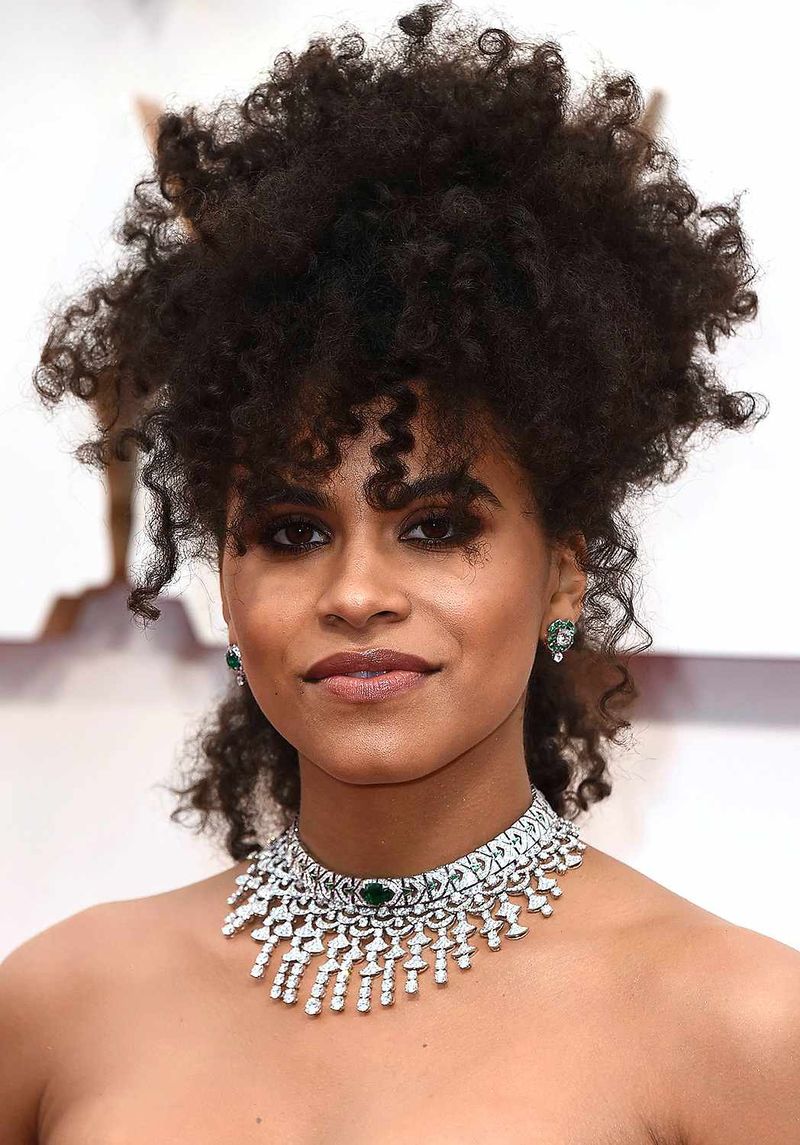
She’s known for characters that feel sharp, grounded, and a little unpredictable, and her real-life story carries that same sense of being shaped by more than one place.
Born in Berlin to a German father and an African-American mother, she grew up with a multicultural identity that included language, geography, and differing cultural expectations.
Living between worlds can teach you how to read a room quickly, and it can also make you more aware of how people project assumptions onto you, depending on where you are.
She has spoken about being bilingual and about the experience of moving between cultures, which is relatable for anyone who has ever felt like they’re translating themselves, not just their words.
That background adds nuance to her presence on-screen, because she doesn’t play characters like a stereotype; she plays them like real humans who carry multiple layers, even when the script doesn’t spell it out.
15. Anya Taylor-Joy
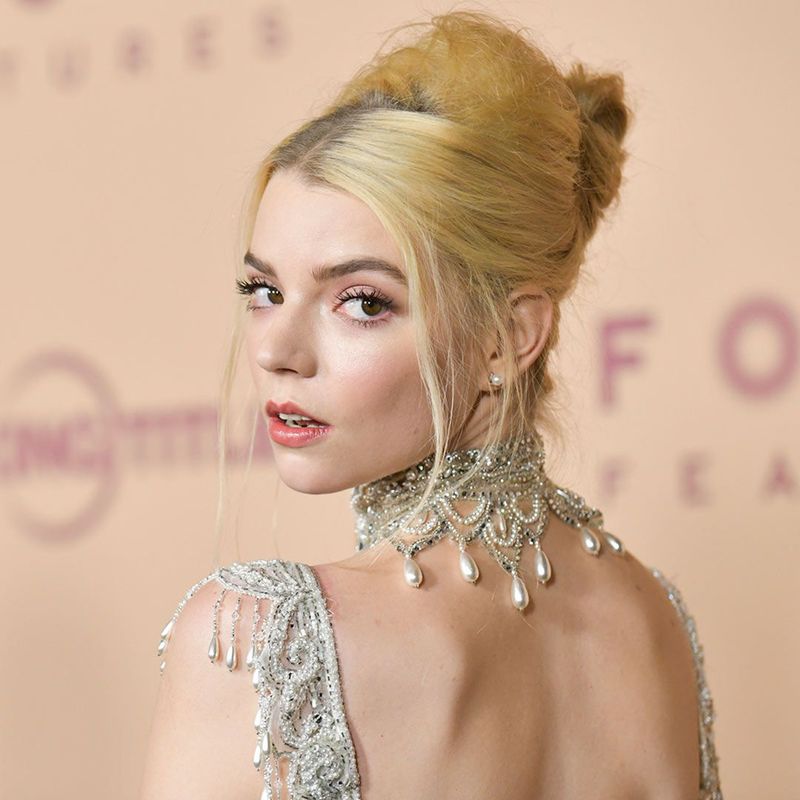
The accent, the vibe, and the old-Hollywood face can make people assume a straightforward background, yet her family story is far more global than most would guess.
She has connections to Argentina through her father, and her mother’s background includes roots linked to multiple places as well, creating a family history that crosses continents.
She also spent portions of her childhood moving between countries, which can shape everything from language to the subtle way someone carries themselves in unfamiliar spaces.
That kind of upbringing often builds a strong internal compass, because “home” stops being a single zip code and becomes something you carry in your habits, family traditions, and sense of identity.
It’s also a reminder that “international” isn’t just a branding term used for glamorous stars; sometimes it’s a lived reality that includes constant adjustment and feeling like you’re both insider and outsider depending on where you land.
16. Oscar Isaac
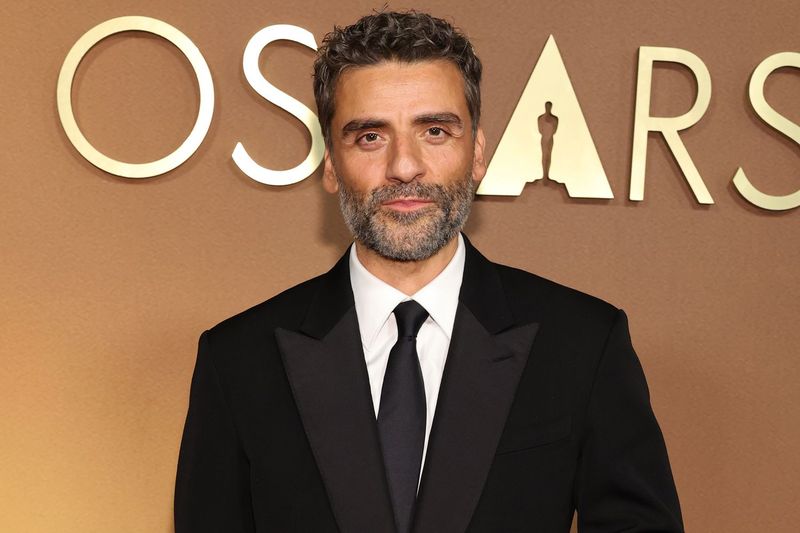
The name alone hints that there’s more to the story than a typical Hollywood biography, and his background absolutely delivers.
Born in Guatemala to a Guatemalan mother and a Cuban father, he carries a Central American and Caribbean heritage that doesn’t always get highlighted in mainstream celebrity coverage.
When Latin identity is discussed in entertainment, it’s often treated as one monolithic category, even though the cultures, histories, and experiences across Latin America are wildly diverse.
His story is a useful example of that complexity, because Guatemala and Cuba come with very different political, cultural, and migration narratives.
He has also spoken about his early experiences growing up and navigating opportunities, which can resonate with many immigrant and first-generation families.
Seeing him as someone shaped by multiple Latin roots adds depth to his career, especially in roles where he brings emotional intensity without relying on clichés about what a “Latino leading man” is supposed to be.
17. Vanessa Hudgens
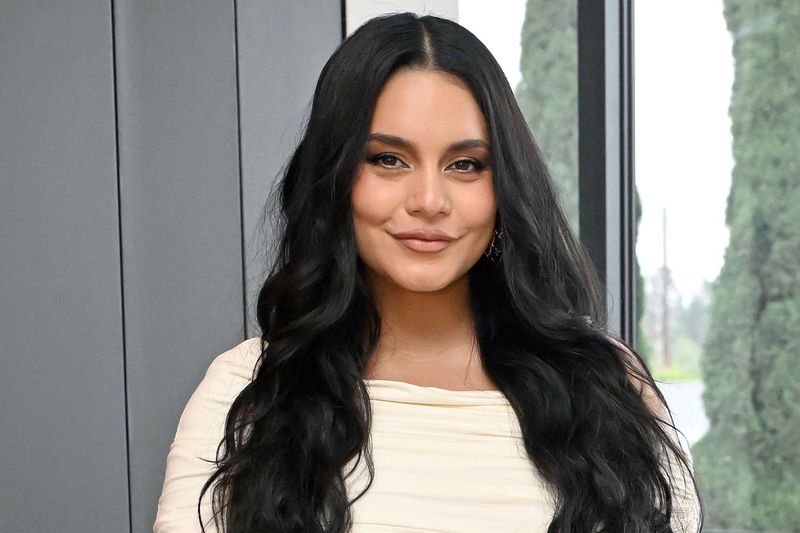
Her early fame created a very specific “Disney girl” image, but her family history is more layered than that tidy branding suggested.
Her mother is Filipina, and her father had European ancestry, giving her a multicultural identity that isn’t always the first thing people mention when they talk about her career.
She has spoken about her mom’s upbringing and the cultural pieces that were part of her household, and those details matter because representation often gets reduced to what’s immediately visible on-screen.
When mixed-heritage celebrities talk openly about their background, it can validate fans who share similar roots and rarely see them acknowledged in pop culture narratives.
What’s also interesting is how audiences tend to “discover” these details late, as if a person’s heritage is a surprising twist rather than a normal part of their life.
Her story works well for this list because it’s a reminder that many stars grew up with cultures that didn’t make it into the marketing.
18. Nicole Scherzinger
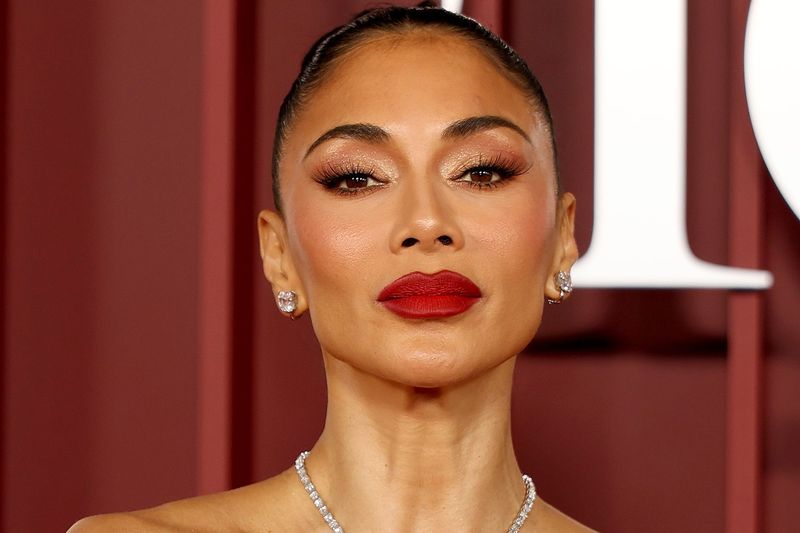
The powerhouse vocals and stage confidence can distract from how multicultural her background truly is, but her roots connect multiple communities.
She was born in Hawaii and has spoken about having a Filipino father, while her mother’s heritage includes Native Hawaiian ancestry along with roots tied to Eastern Europe, which creates a family story that spans very different worlds.
Growing up in Hawaii often means being surrounded by many cultures at once, yet it can also mean dealing with assumptions from outsiders who don’t understand that “Hawaiian” is not just a vacation aesthetic but an identity with history and meaning.
Her career also reflects how the industry sometimes tries to repackage someone into a single simplified label, especially when marketing pop groups and solo acts.
Understanding her background adds context to the way she has navigated visibility, because she has long been balancing cultural pride with the pressure to fit a mainstream mold that doesn’t always celebrate complexity.
19. Jordan Fisher
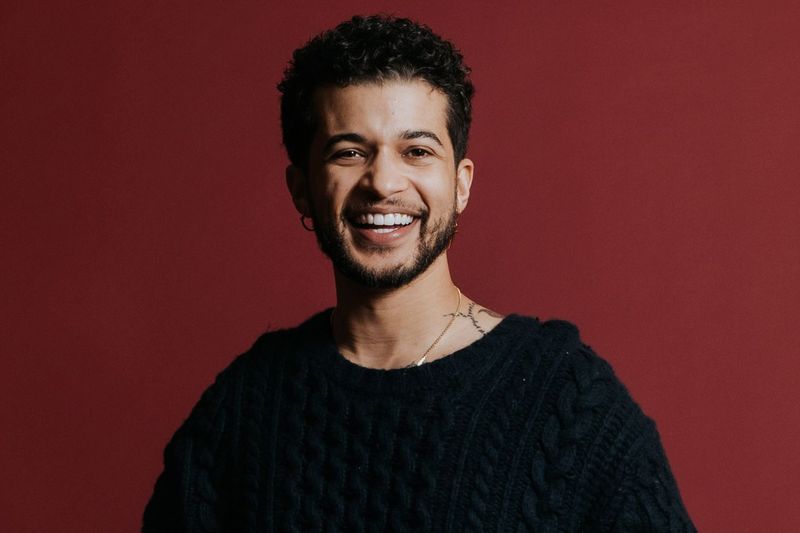
If you’ve ever heard him casually list his heritage, you probably realized quickly that his background doesn’t fit into any single easy category.
He has spoken publicly about having a wide mix of roots that include Nigerian, Cambodian, and several European and Polynesian lineages, which makes his story feel like a living example of how interconnected families can be.
For mixed-heritage people, identity can be both empowering and complicated, because outsiders may treat it like a fun party trick while it’s actually a deeply personal part of family history.
He often talks about his upbringing with warmth, and that tone matters because it shows pride rather than confusion, even when the list of ancestries sounds like a geography lesson.
In an entertainment world that loves simple labels, his openness challenges that framework and invites audiences to accept that someone can belong to many communities without needing to “pick” just one.
20. Kristin Kreuk
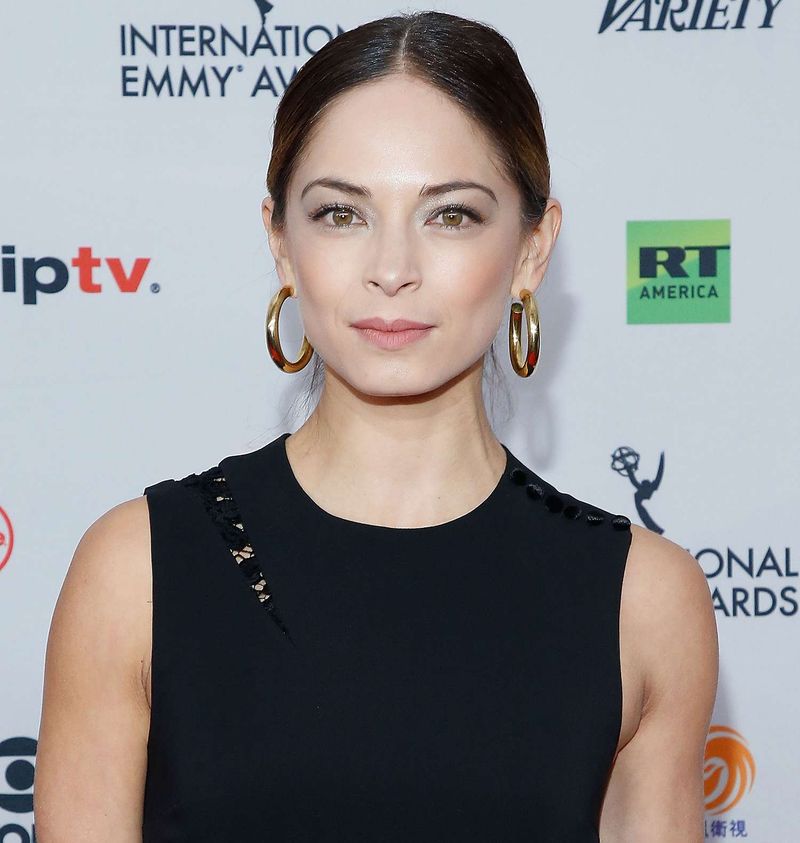
Her on-screen presence has always had a calm, understated quality, and her background includes a multicultural story that many viewers didn’t learn until later.
Her father is Dutch, while her mother is of Chinese descent and was born in Indonesia, which connects her to a Southeast Asian Chinese diaspora history that’s rarely discussed in mainstream celebrity profiles.
That kind of layered identity can be hard to explain in a world that wants simple checkboxes, because it’s not just “Chinese” or “Indonesian,” but a blend shaped by migration and community history.
She has also had a career spanning genres and audiences, which means she has likely been viewed through different lenses depending on what role she’s in and what era it is.
Her inclusion here matters because her roots represent a complex, real-world version of multicultural identity that exists outside the most commonly spotlighted narratives, and because it challenges the assumption that mixed backgrounds are rare among well-known stars.
Comments
Loading…