
 Jade Reed
20 Celebrities Who Were Told They Were ‘Too Ugly’ for Hollywood
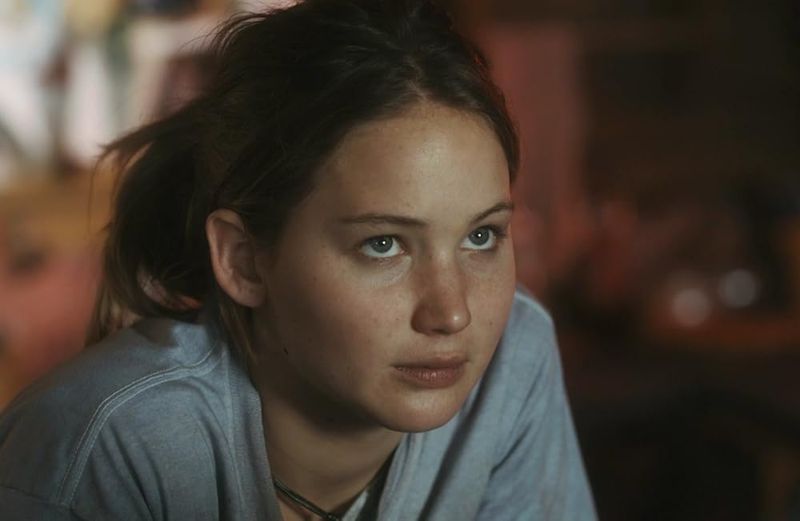
Hollywood has always been obsessed with beauty, but what happens when talented actors don’t fit the mold?
Many of today’s biggest stars were once told they weren’t attractive enough to make it in show business.
Their stories prove that talent, determination, and authenticity matter far more than fitting into narrow beauty standards.
1. Meryl Streep
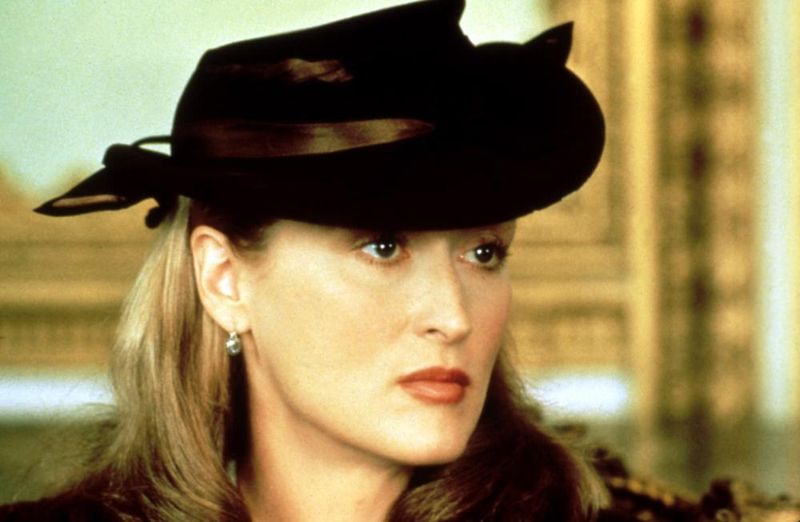
Imagine being rejected for King Kong because producers thought you weren’t glamorous enough. That’s exactly what happened to the woman who would become the greatest actress of her generation.
Meryl faced harsh criticism early in her career. Casting directors focused on conventional beauty rather than raw talent. One producer infamously called her “too ugly” for a major blockbuster role.
But she didn’t let that stop her. With unmatched skill and dedication, Meryl built a career that spans decades. She holds the record for most Academy Award nominations—21 in total.
Her success proves that true artistry transcends physical appearance.
Today, she’s respected worldwide not for fitting beauty standards, but for her incredible range and emotional depth. Young actors everywhere look up to her as proof that talent always wins.
2. Winona Ryder

A casting director once looked at this future superstar and declared she lacked the beauty for leading roles. How wrong they were!
Winona’s unique look set her apart in an industry obsessed with cookie-cutter perfection.
Her dark features and expressive eyes didn’t match the typical blonde bombshell image Hollywood preferred. Executives doubted whether audiences would connect with her.
Instead of changing herself, she embraced what made her different. Throughout the 1990s, she became one of cinema’s most beloved actresses. Films like “Beetlejuice,” “Edward Scissorhands,” and “Girl, Interrupted” showcased her incredible talent.
Her career resurgence with “Stranger Things” introduced her to a whole new generation. Now fans celebrate her distinctive beauty and acting prowess.
She proved that authenticity resonates more powerfully than conforming to outdated standards.
3. Lady Gaga
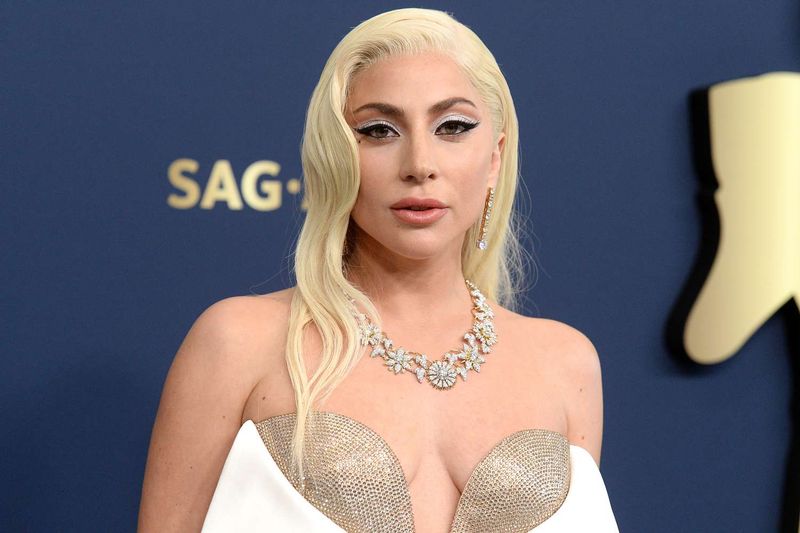
Music executives told this future icon that her face wouldn’t sell records. They wanted her to hide behind other artists instead of stepping into the spotlight herself.
Stefani Germanotta faced brutal rejection in her early twenties. Industry gatekeepers couldn’t see past traditional pop star beauty standards.
They suggested she write songs for prettier performers rather than pursue her own career.
She refused to stay in the shadows. Creating the persona Lady Gaga, she built an empire on talent, creativity, and fearless self-expression. Her music dominated charts worldwide, earning countless awards and breaking records.
Then she conquered Hollywood too, winning an Oscar for “A Star Is Born.” Her journey from rejected songwriter to global superstar inspires millions.
She teaches fans that being yourself is far more powerful than fitting someone else’s narrow definition of beauty.
4. Jennifer Lawrence
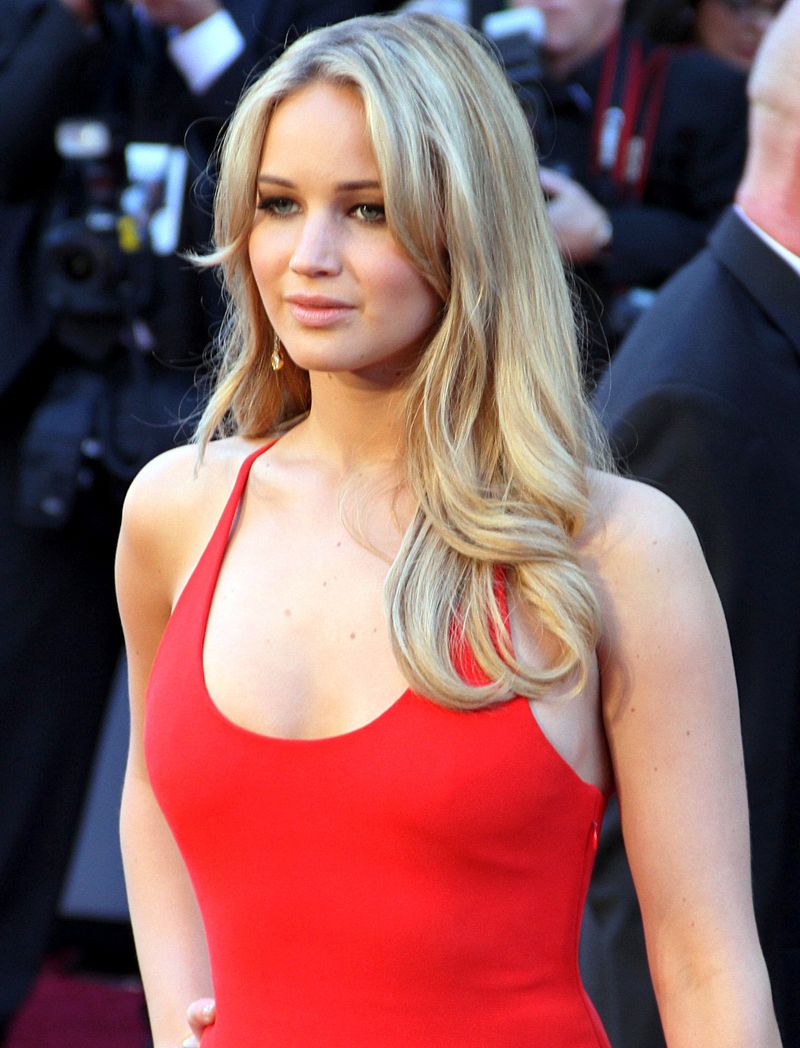
Before becoming one of Hollywood’s highest-paid actresses, she heard she wasn’t attractive enough for major films. Agents and casting directors doubted her star potential based purely on looks.
Growing up in Kentucky, Jennifer didn’t fit the polished Hollywood mold. Her down-to-earth personality and natural appearance made some industry professionals skeptical.
They couldn’t imagine her carrying blockbuster franchises or Oscar-worthy dramas.
But her raw talent spoke louder than their doubts. At just 22, she won the Academy Award for Best Actress in “Silver Linings Playbook.” She also became the face of “The Hunger Games,” one of cinema’s biggest franchises.
Her relatable personality and genuine charm won over millions of fans. She’s proof that audiences connect with real people, not just perfect faces.
Today, she’s celebrated as both a talented actress and a refreshing voice in entertainment.
5. Sarah Jessica Parker
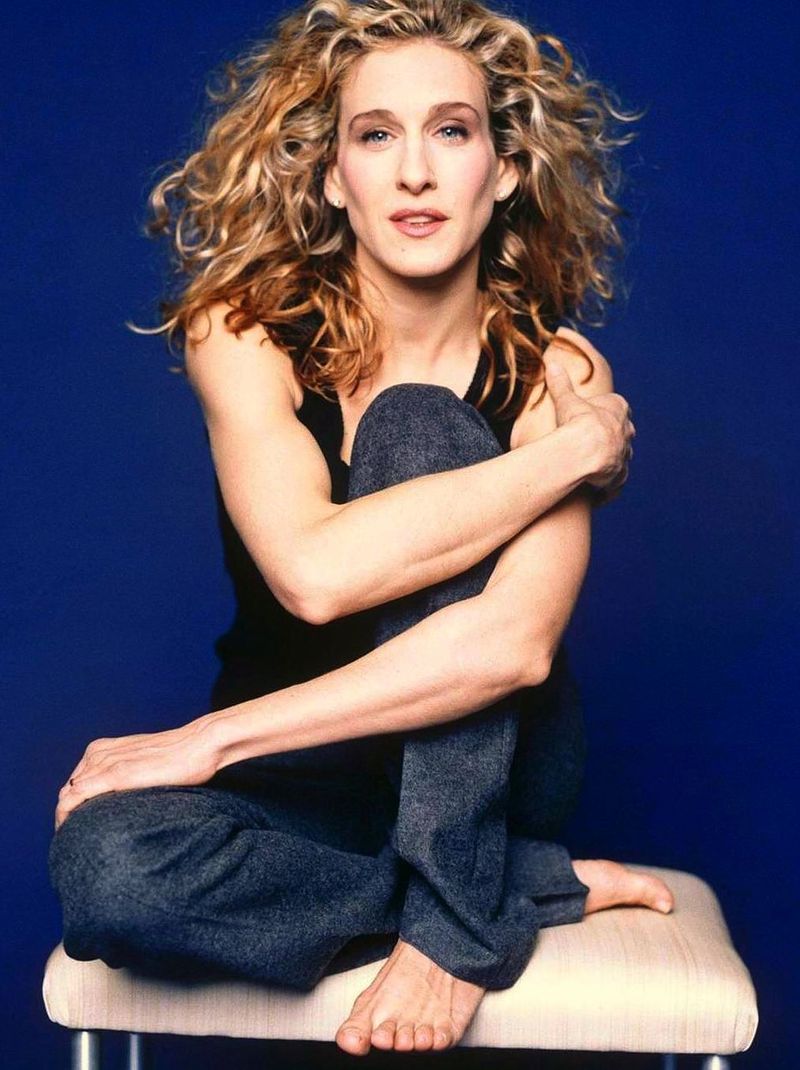
Tabloids spent years mocking her appearance, yet she became a fashion icon and television royalty. Her story shows how success is the best response to critics.
Throughout her career, mean-spirited articles focused on her features rather than her talent. Gossip magazines printed cruel comparisons and unflattering photos. The criticism was relentless and deeply personal.
Rather than retreating, she owned her unique look with confidence. “Sex and the City” made her a household name and style inspiration for millions. Carrie Bradshaw became one of television’s most beloved characters, running for six seasons and spawning multiple movies.
She parlayed that success into a fashion empire and production company. Her shoe line and fragrance became bestsellers.
Today, she’s remembered not for tabloid cruelty, but for her talent, business savvy, and unshakeable confidence in herself.
6. Benedict Cumberbatch
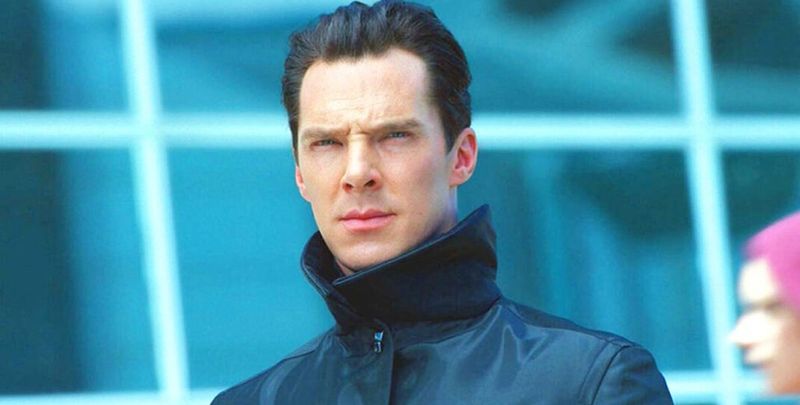
Casting agents hesitated over his unconventional appearance, calling it too unusual for mainstream success. They worried audiences wouldn’t accept him as a leading man.
British casting directors struggled to categorize him. His unique facial structure didn’t fit typical romantic lead standards. Some suggested he stick to theater where looks mattered less than on screen.
Then “Sherlock” changed everything. His brilliant portrayal of the famous detective made him an international sensation.
Suddenly, those “unconventional” features became iconic and instantly recognizable.
Hollywood came calling with major roles. He joined the Marvel universe as Doctor Strange and earned Oscar nominations for dramatic performances. His success opened doors for other actors who don’t fit traditional molds.
Fans now celebrate what makes him different. His distinctive look has become his trademark, proving that uniqueness is an asset, not a liability, in the entertainment world.
7. Lea Michele
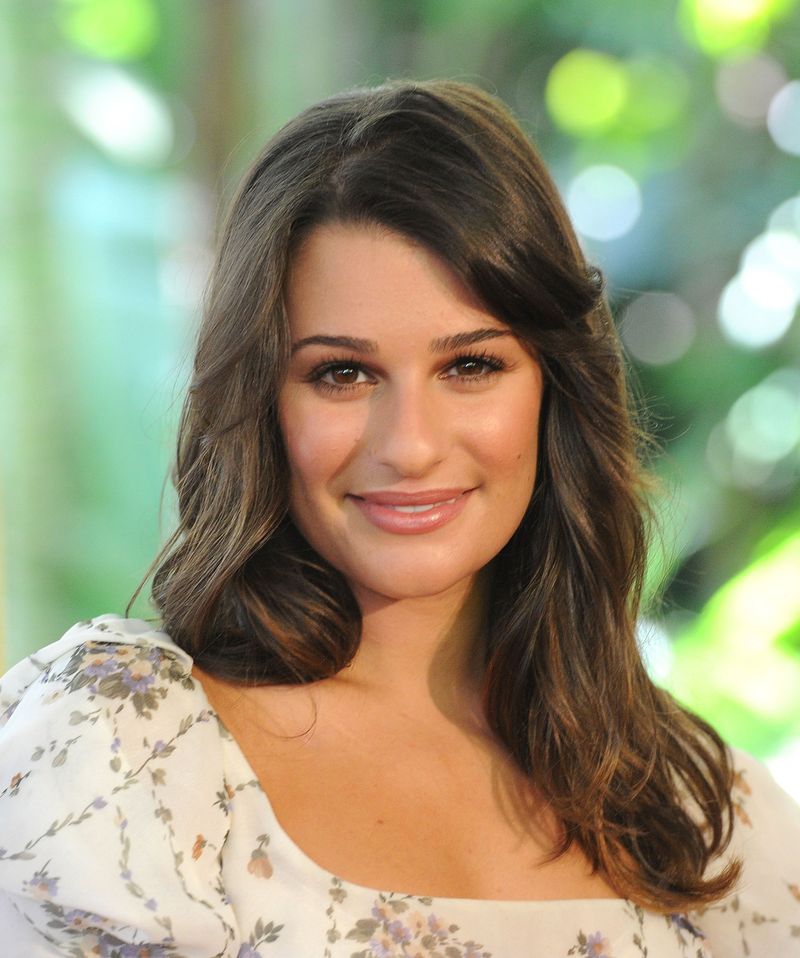
Industry professionals repeatedly told her that her ethnic features would prevent leading roles. They said she’d be limited to supporting characters or ensemble work at best.
Coming from Broadway, Lea had proven vocal talent and stage presence. But Hollywood casting directors focused on her appearance instead.
They used coded language like “nontraditional” and “ethnic” to suggest she wasn’t marketable enough.
“Glee” proved all those doubters completely wrong. Her portrayal of Rachel Berry showcased both her incredible singing voice and acting ability. The show became a cultural phenomenon, running for six successful seasons.
She became a role model for young performers who didn’t fit narrow beauty standards. Her success demonstrated that talent and charisma matter more than conforming to outdated ideals.
Today, she continues working in television and theater, inspiring others to embrace what makes them unique and never give up on their dreams.
8. Steve Buscemi
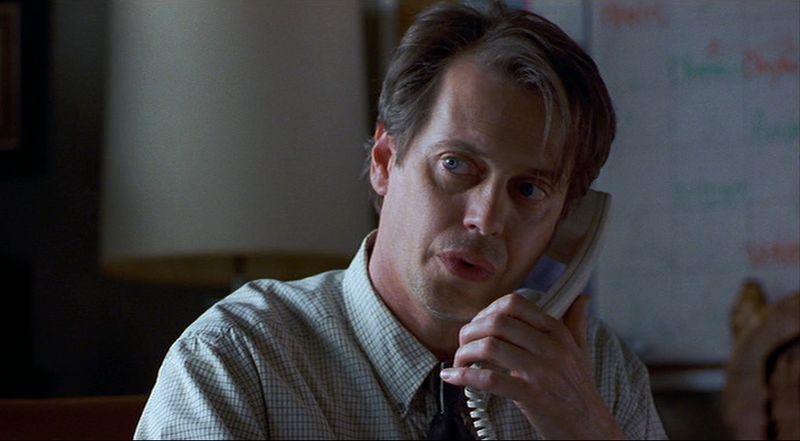
Nobody would call him conventionally handsome, and that’s exactly what makes him unforgettable. His distinctive appearance became his greatest professional asset.
Early in his career, directors saw him only for quirky side characters. Leading man roles seemed completely out of reach. His unique look meant he’d never play the romantic hero or action star.
But he carved out something better than conventional stardom. Working with directors like Quentin Tarantino and the Coen Brothers, he created memorable characters that audiences couldn’t forget. Films like “Fargo” and “Reservoir Dogs” showcased his incredible range.
Critics and fellow actors praise him as one of the finest character actors ever. He’s directed acclaimed episodes of “The Sopranos” and other prestigious shows.
His career proves that Hollywood needs more than just pretty faces—it needs real talent, depth, and the kind of authenticity that comes from embracing who you truly are.
9. Tilda Swinton
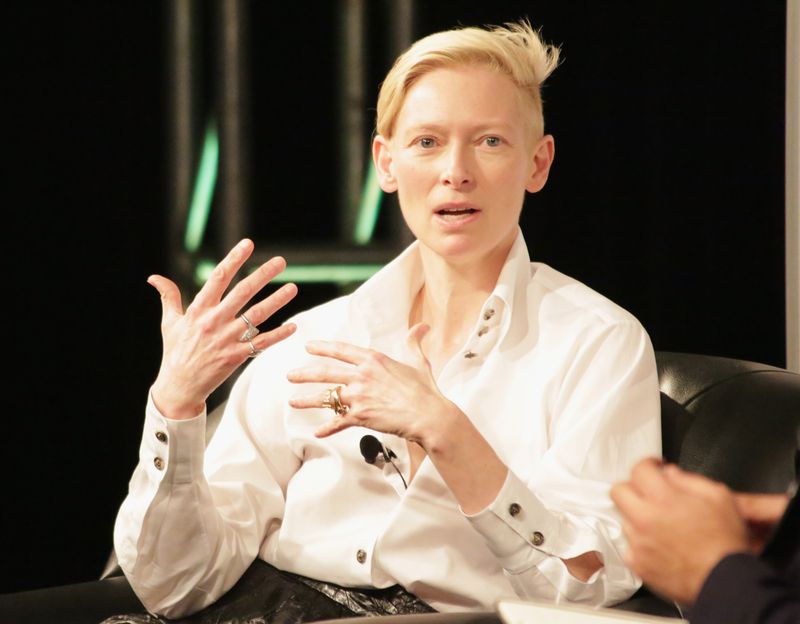
Her androgynous, otherworldly appearance baffled Hollywood executives who couldn’t figure out how to market her. They called her look “too odd” and “too artistic” for mainstream cinema.
Coming from British independent films, Tilda never fit conventional female star categories. Her pale features, angular face, and gender-fluid presentation confused casting directors. Many suggested she’d only work in experimental European cinema.
Instead, she became one of the most respected actresses working today. Her role in “Orlando” showcased her unique presence perfectly. She won an Oscar for “Michael Clayton” and joined major franchises like Marvel and “The Chronicles of Narnia.”
Fashion designers and artists celebrate her as a living icon. Her willingness to take risks and embrace unconventional roles inspires creative people everywhere.
She’s proof that true artistry transcends traditional beauty, and that being different can be your greatest strength in a world full of sameness.
10. Rebel Wilson
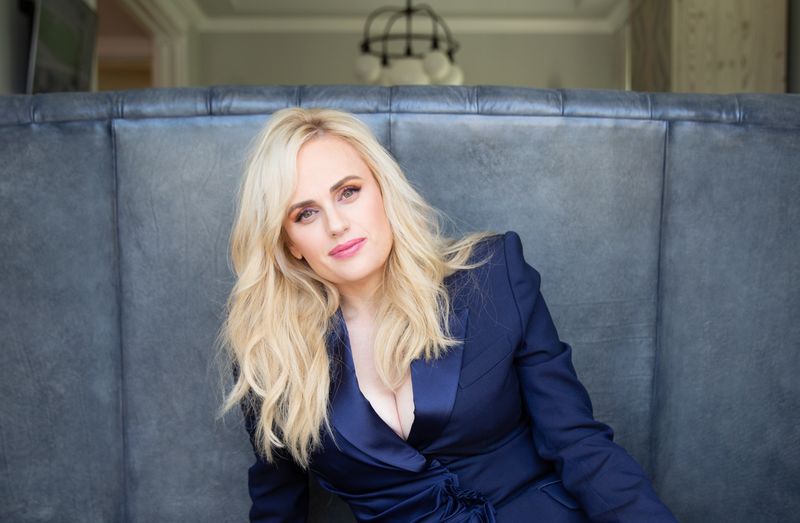
Agents told her that her size and appearance would severely limit her opportunities. They suggested she’d only get small, forgettable parts if she was lucky.
Breaking into Hollywood from Australia, Rebel faced constant discouragement. Industry gatekeepers couldn’t imagine a plus-size woman carrying major comedy films. They wanted her to lose weight or accept that stardom wasn’t possible.
Her incredible comedic timing proved them all wrong. “Bridesmaids” introduced her to American audiences, and “Pitch Perfect” made her a household name. Her character Fat Amy became iconic, spawning countless quotable moments and memes.
She’s since starred in romantic comedies and action films, breaking barriers everywhere. Her confidence and charisma shine through every performance.
Rebel’s success opened doors for actresses of all body types, proving that funny, talented, and charming matter infinitely more than fitting outdated size standards in the entertainment industry.
11. Peter Dinklage

Throughout his early career, people told him his height would make a successful acting career impossible. Casting directors saw his dwarfism as an insurmountable obstacle rather than simply part of who he is.
For years, he struggled to find roles with dignity and depth. Hollywood offered only stereotypical parts that relied on his height for cheap jokes. He refused those demeaning roles, even when money was tight.
Then “Game of Thrones” changed his life and the industry forever. His portrayal of Tyrion Lannister earned him four Emmy Awards and worldwide recognition. He proved that talent transcends physical characteristics when given the right opportunity.
His success forced Hollywood to reconsider how it casts actors with disabilities. Now he chooses from diverse, complex roles in major films.
Peter’s career demonstrates that perseverance and refusing to compromise your dignity eventually pays off, even when the entire industry seems stacked against you.
12. Barbra Streisand
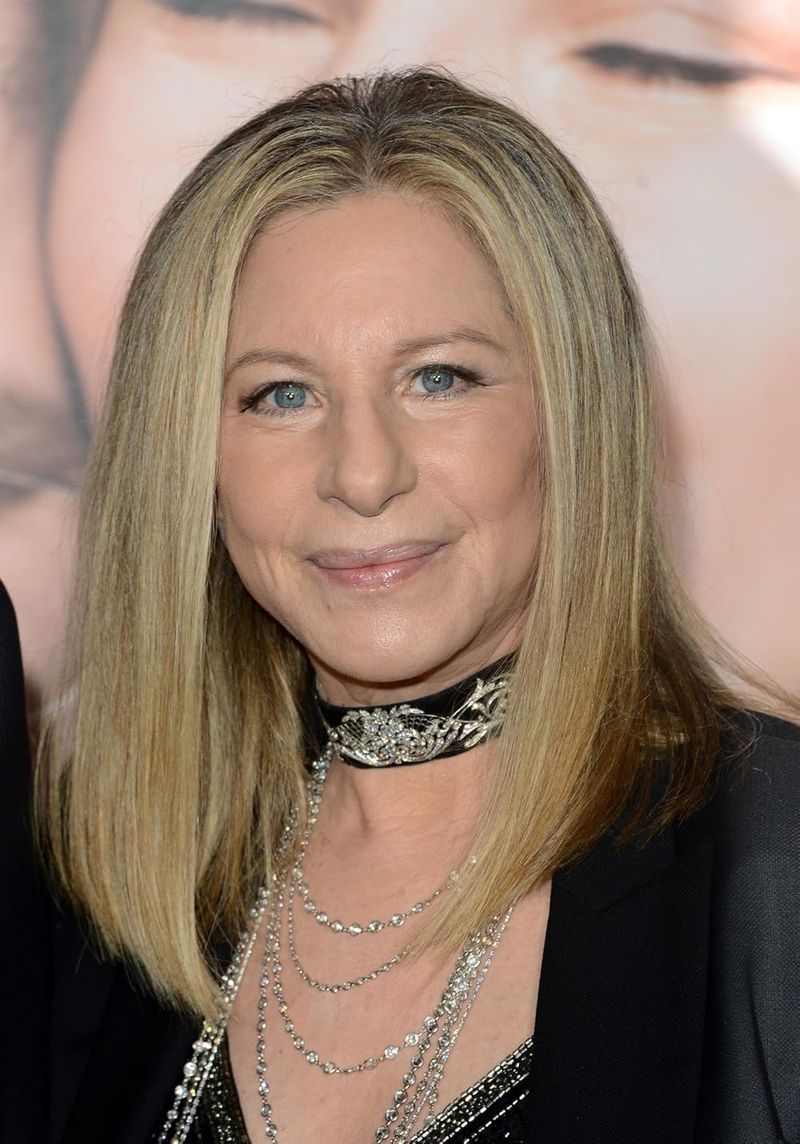
Producers famously pressured her to get a nose job, insisting she’d never become a star otherwise. They said her features were too ethnic and unconventional for Hollywood leading ladies.
Growing up in Brooklyn, Barbra dreamed of stardom despite constant criticism. Industry gatekeepers told her to change everything about herself—her nose, her name, even her singing style.
They wanted her to conform to 1960s beauty standards.
She refused every single demand. Instead, she became one of entertainment’s most legendary figures. Her voice, acting, and directing earned her EGOT status—Emmy, Grammy, Oscar, and Tony awards.
Films like “Funny Girl” and “A Star Is Born” showcased both her talent and her distinctive beauty. She sold over 150 million records worldwide.
Barbra’s refusal to change herself paved the way for countless performers who followed, proving that authenticity and talent will always triumph over conformity and fear.
13. Adam Driver
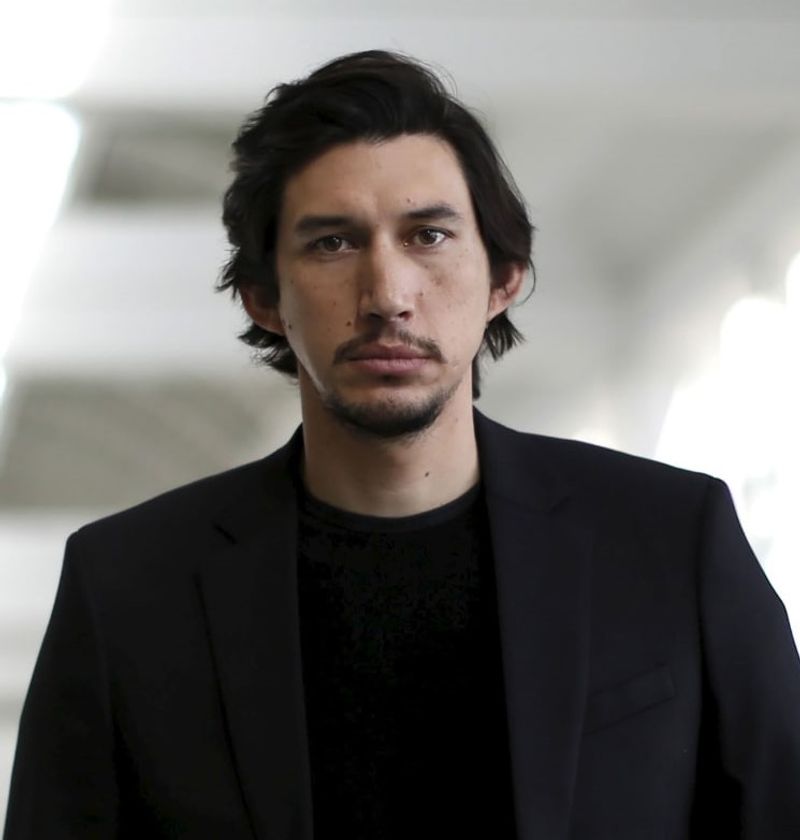
Critics and casting directors frequently called him “weird-looking” and questioned whether he could carry major films. His large ears and unconventional features didn’t match typical leading man standards.
After leaving the Marines, Adam pursued acting seriously. Early auditions didn’t go well, with feedback focusing on his appearance rather than his talent. Some suggested he’d only work in character roles, never as a romantic lead.
“Girls” gave him his breakthrough, showcasing his unique charisma and dramatic depth. Then “Star Wars” made him internationally famous as Kylo Ren. He followed that with Oscar-nominated performances in “BlacKkKlansman” and “Marriage Story.”
Now critics praise the very features they once mocked. His intense presence and emotional range make him one of the most sought-after actors working today.
Adam’s journey shows how quickly industry opinions change once someone proves their undeniable talent, and how perseverance through early rejection leads to lasting success.
14. Maggie Gyllenhaal
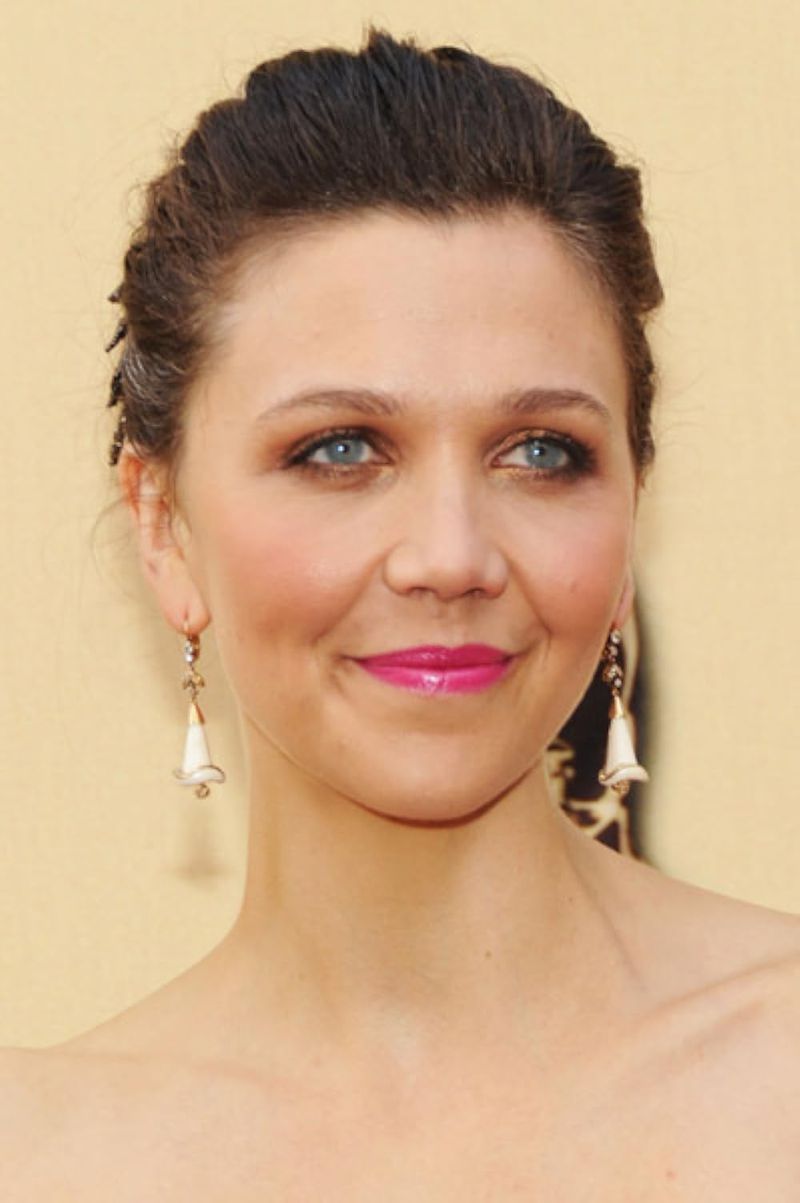
At 37, a producer told her she was too old to play the love interest of a 55-year-old man. The same industry that questioned her looks throughout her career now claimed she’d aged out of romantic roles.
Maggie has always been a talented, respected actress. But Hollywood casting directors repeatedly said she wasn’t pretty enough for certain parts. They preferred more conventionally beautiful actresses, even when Maggie was clearly the better performer.
The double standard infuriated her, and she spoke out publicly. Her honesty sparked important conversations about ageism and sexism in entertainment. Rather than accepting these limitations, she fought back with her words and her work.
She’s since taken control of her career, writing and directing “The Lost Daughter,” which earned her an Oscar nomination.
Her powerful performances in “The Deuce” and other projects showcase her incredible range. Maggie proves that speaking truth to power can change the conversation and create new opportunities.
15. Gabourey Sidibe
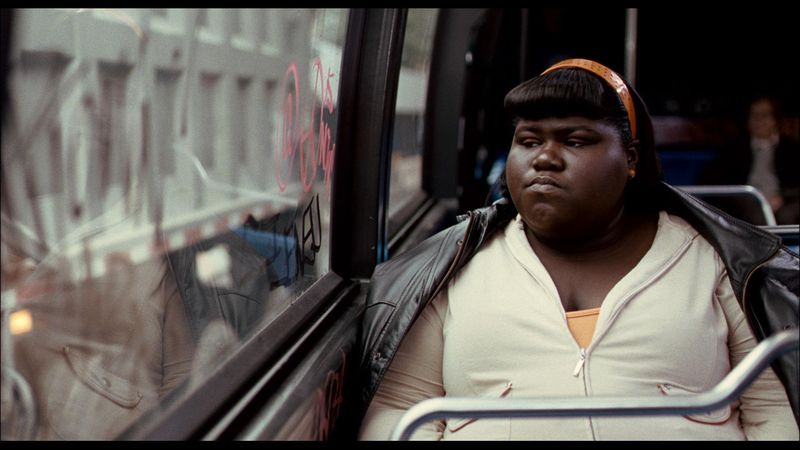
From the moment she appeared in “Precious,” critics attacked her appearance viciously.
They questioned whether she could have any career beyond that one role, focusing on her weight rather than her incredible performance.
Despite earning an Oscar nomination for her very first film, Gabourey faced brutal skepticism. Industry insiders publicly doubted her future, making cruel predictions about her career. The racism and fatphobia she experienced was shocking and hurtful.
But she kept working and refused to disappear. She joined the cast of “Empire,” one of television’s biggest hits. She’s appeared in “American Horror Story” and numerous other successful projects.
Her memoir, “This Is Just My Face,” addresses the criticism with humor and honesty. She’s become an advocate for body positivity and self-acceptance.
Gabourey’s resilience in the face of horrible treatment inspires others facing similar discrimination, proving that you can build a lasting career despite an industry that doesn’t always want you to succeed.
16. Danny DeVito
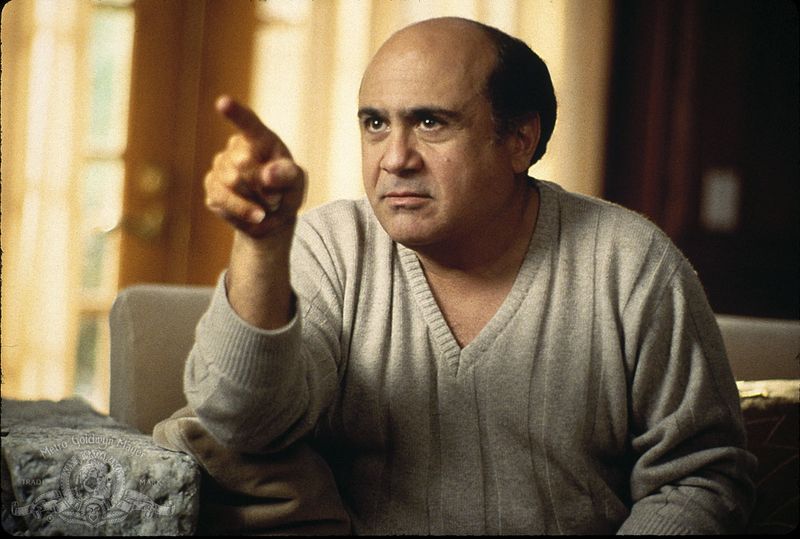
Standing just under five feet tall, Danny never fit Hollywood’s leading man image. Early in his career, people assumed his height would limit him to occasional comedic relief in other people’s projects.
Instead of accepting limitations, he created his own opportunities. His breakout role on “Taxi” won him an Emmy and launched a multifaceted career. He became not just an actor, but also a director and producer.
Films like “Twins,” “Batman Returns,” and “Get Shorty” showcased his range and star power. He co-founded Jersey Films, producing Oscar winners like “Pulp Fiction” and “Erin Brockovich.”
His production company gave opportunities to emerging filmmakers and unconventional stories.
Later, “It’s Always Sunny in Philadelphia” introduced him to new generations of fans. His career spans decades and multiple aspects of entertainment.
Danny proves that talent, work ethic, and refusing to accept others’ limitations can lead to extraordinary, lasting success in any field.
17. Whoopi Goldberg
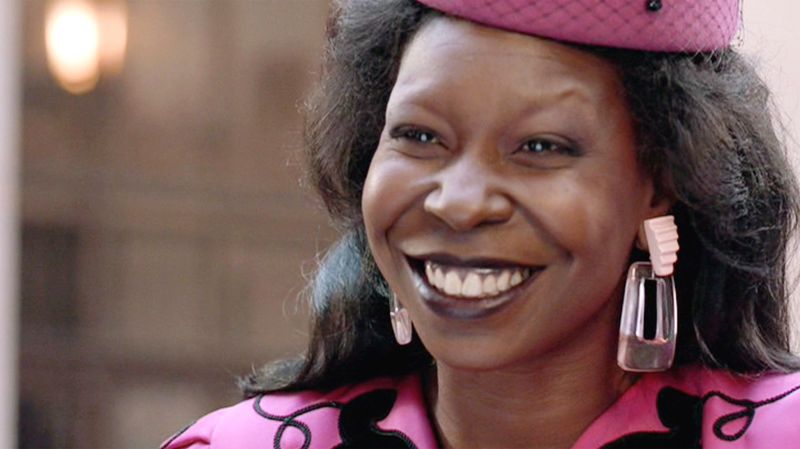
Industry gatekeepers told her she didn’t have the “Hollywood look” and should forget about major roles. As a Black woman with unconventional features, she faced both racism and narrow beauty standards.
Growing up in New York, Whoopi struggled through poverty and discrimination. When she finally got opportunities to perform, casting directors couldn’t see past their preconceptions. They doubted whether audiences would accept her as a leading actress.
Her one-woman show caught Steven Spielberg’s attention, leading to “The Color Purple” and an Oscar nomination. She won the Academy Award for “Ghost,” becoming only the second Black woman ever to win Best Supporting Actress.
She’s now one of only 17 people to achieve EGOT status—winning Emmy, Grammy, Oscar, and Tony awards. As a co-host of “The View,” she remains a powerful voice in entertainment.
Whoopi’s journey from rejection to legendary status inspires everyone told they don’t belong.
18. Willem Dafoe
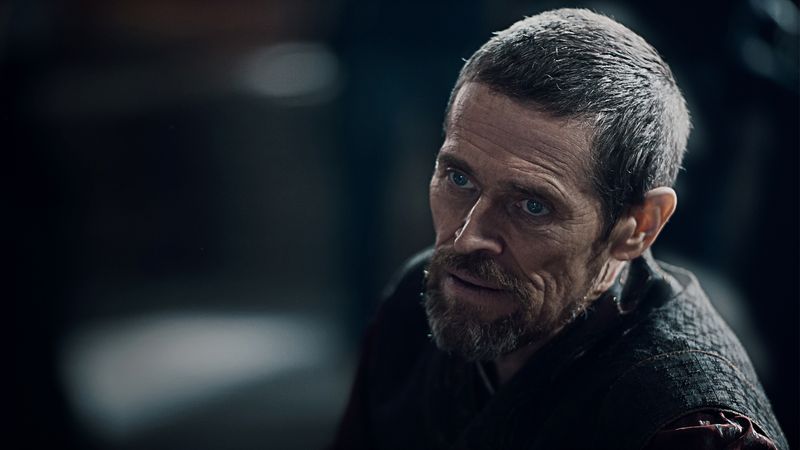
Casting agents called his face “too strange” for conventional roles. His sharp, angular features and intense expressions made Hollywood nervous about his commercial appeal.
Early in his career, Willem worked primarily in experimental theater. Mainstream casting directors saw him only for villain roles or strange characters. Nobody imagined him as a romantic lead or sympathetic hero.
But directors like Martin Scorsese and Oliver Stone recognized something special. His performance in “Platoon” earned him an Oscar nomination. He’s since received three more nominations for diverse, powerful roles.
That “strange” face became one of cinema’s most expressive and recognizable. He’s played Jesus Christ, a vampire, and the Green Goblin with equal intensity. His four-decade career includes over 100 films across every genre.
Willem proves that what makes you different can become your signature. His distinctive look is now celebrated as perfect for the complex characters he brings to life with unmatched commitment and skill.
19. Maisie Williams
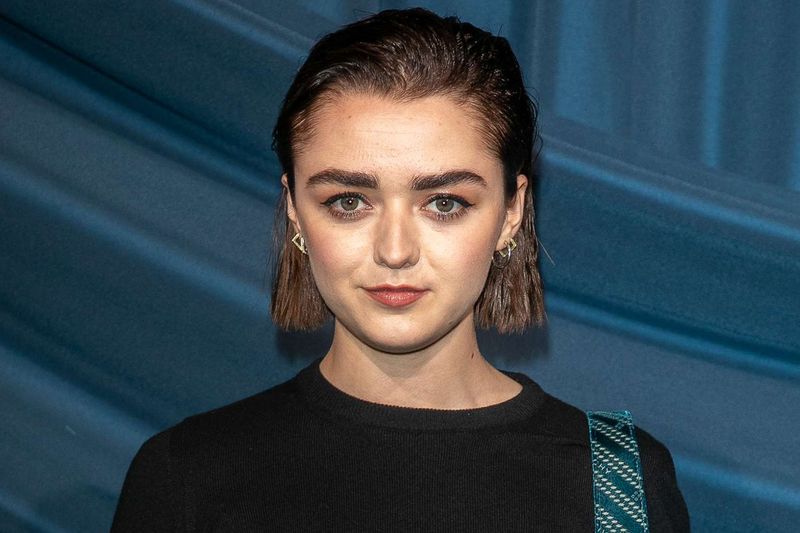
Before “Game of Thrones” premiered, critics claimed she wasn’t pretty enough for television. Some questioned why producers would cast someone who didn’t fit traditional young actress beauty standards.
Maisie was just 12 years old when she auditioned for Arya Stark. She had no professional acting experience and didn’t look like a typical child star. Industry observers doubted whether audiences would connect with her unconventional appearance.
Then the show became a global phenomenon. Her portrayal of Arya became one of the most beloved characters in television history. Fans around the world celebrated her strength, courage, and refusal to conform to princess stereotypes.
She grew up on screen, becoming a fashion icon and advocate for body positivity. Now in her twenties, she continues acting while speaking out against unrealistic beauty standards.
Maisie’s experience shows how young performers face cruel criticism, but also how talent and authentic characters resonate far more than conventional prettiness ever could.
20. Chrissy Metz
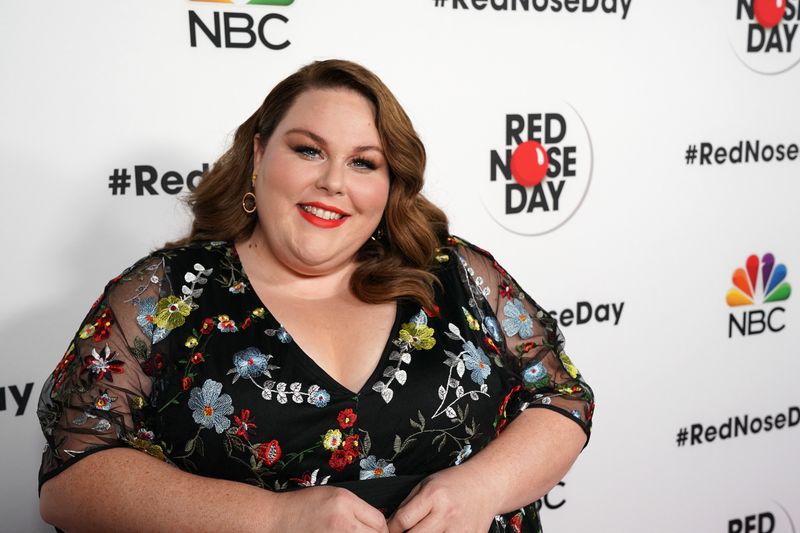
Hollywood told her to lose weight or give up on acting entirely. Agents said her size made her unemployable, and she should find a different career path.
For years, Chrissy struggled financially while pursuing her dream. She worked as a talent agent’s assistant, helping other actors get roles she couldn’t audition for herself. The rejection was constant and deeply discouraging.
She was down to 81 cents in her bank account when she got the call about “This Is Us.” Her portrayal of Kate Pearson earned Emmy and Golden Globe nominations. The show became one of television’s biggest hits, running for six emotional seasons.
Her success sparked important conversations about representation and body diversity in entertainment. She’s written a memoir and continues advocating for plus-size performers.
Chrissy’s story reminds us that perseverance through seemingly impossible odds can lead to breakthrough success, and that every body type deserves to see themselves represented on screen with dignity and depth.
Comments
Loading…