
 Mila Ross
20 Celebrities Who Hate Being Approached in Real Life
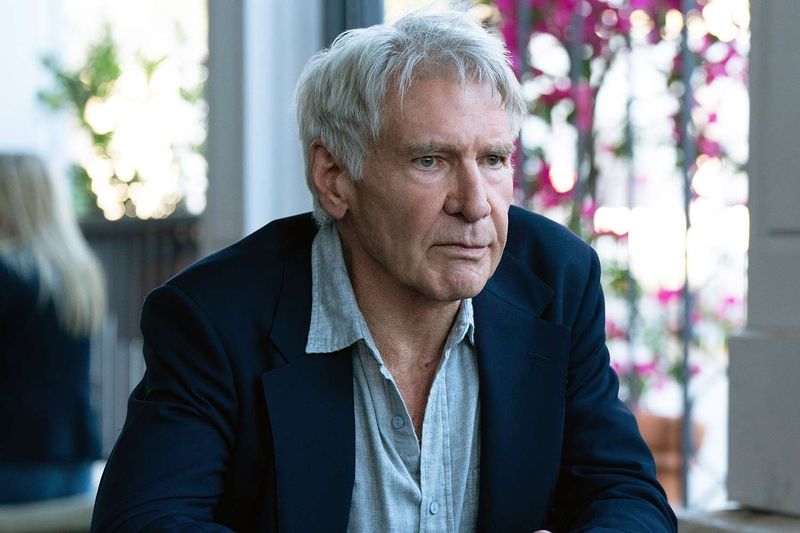
Fame looks glamorous from the outside, but it comes with a side effect most people don’t think about until they’re living it: constant access.
Being recognized at dinner, approached mid-workout, or asked for a selfie while you’re traveling sounds harmless—until it happens every single day and you’re expected to be “on” no matter what.
Some celebrities genuinely love meeting supporters, but others have admitted that surprise encounters can spike their anxiety, drain their energy, or blur the line between public and private life.
That doesn’t always mean they dislike fans; it often means they’re protecting boundaries, mental health, and personal safety.
Below are 20 stars who’ve been described as especially firm about fan interactions—and why their approach can be more complicated than it looks.
1. Robert Pattinson
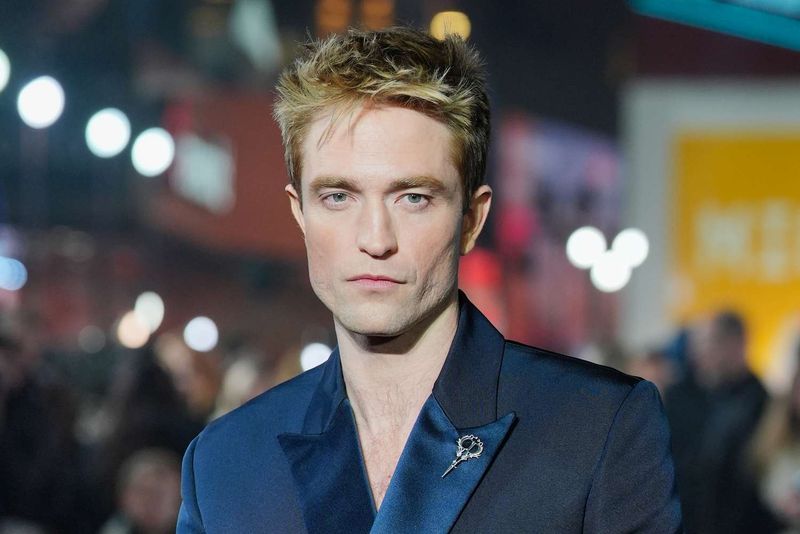
Being one of the most recognizable faces on the planet seems like it would come with endless perks, but he’s often sounded more amused and overwhelmed than flattered by the attention.
In interviews over the years, he has joked about the strange pressure of being watched and the awkwardness of being approached by strangers who feel like they already know him.
That discomfort tends to show up in his reputation for dodging overly intense fan moments rather than embracing them.
Part of it is personality—he leans private and slightly offbeat—but part is also self-preservation after years of being followed everywhere.
Fans often interpret a reserved reaction as coldness, yet it can also be a sign he’s trying to keep his real life from becoming a 24/7 performance.
2. Jennifer Lawrence
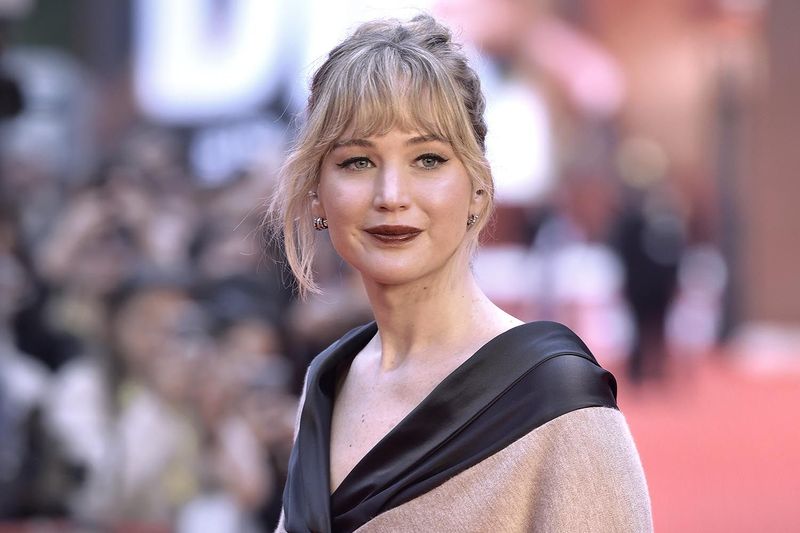
Even though she’s known for being funny and down-to-earth on camera, she has repeatedly explained that random fan encounters make her nervous.
She’s said she’s not trying to be rude; she just doesn’t want to feel like she owes a cheerful photo at any moment, especially when she’s simply living her life.
That distinction matters, because “no selfies” doesn’t always equal “no appreciation.”
She has talked about how being approached can make her feel like she’s no longer a person in that moment, but a public object that everyone gets to claim a piece of.
When you factor in how frequently she’s recognized, it becomes easier to see why she sometimes defaults to polite distance.
For some celebrities, boundaries are the only way to stay sane.
3. Justin Bieber
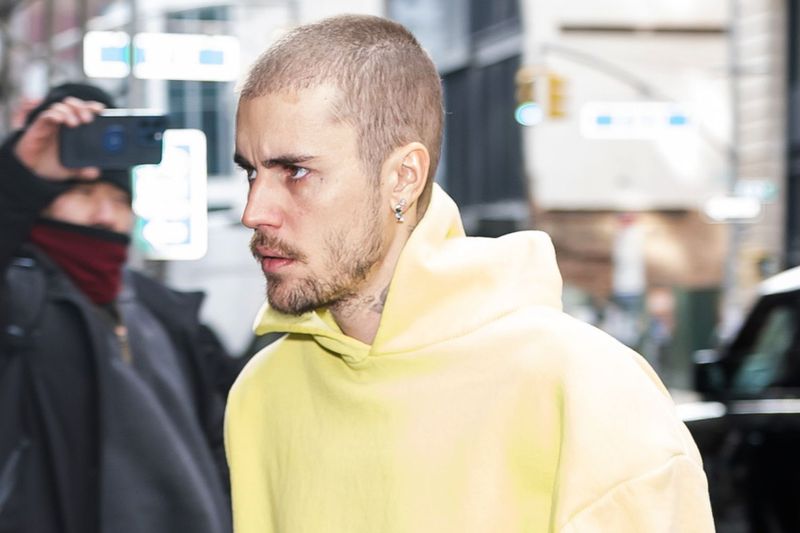
At various points, he’s been openly honest about how fame affected his mental health, and that honesty has included setting rules about fan interaction.
There have been times he asked people not to approach him for photos, explaining that constant picture-taking can feel invasive and exhausting.
The dynamic can get especially intense because many fans have grown up with him and feel an emotional connection that doesn’t match reality.
When someone expects warmth on demand—while he’s eating, traveling, or having a bad day—it can spark a reaction that looks harsh from the outside.
Still, boundaries are part of what he’s said he needs to function.
It’s a reminder that celebrity doesn’t erase personhood, and that the “nice” choice for a fan isn’t always the healthiest option for the famous person.
4. Emma Watson
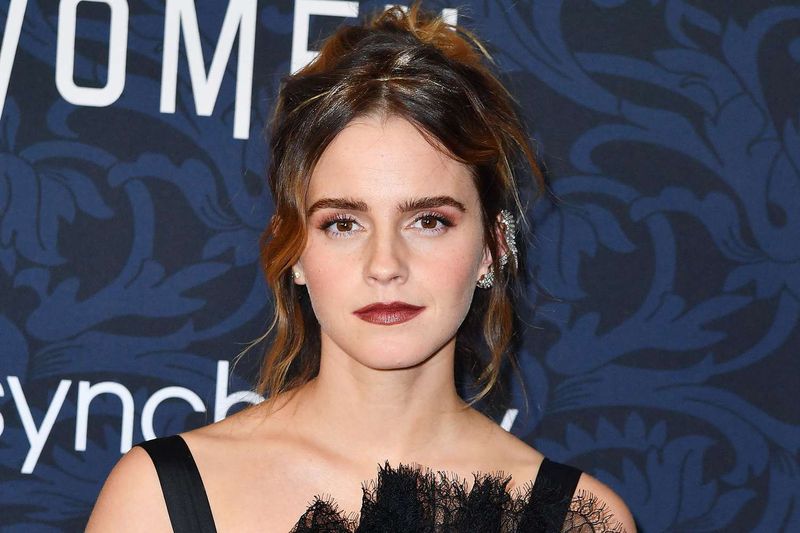
Refusing selfies is one of her best-known rules, and she has explained her reasoning in a way that’s surprisingly thoughtful.
The issue, as she’s described it, is that a posed photo can instantly turn a human interaction into proof-of-access, and she’d rather keep the moment grounded than transactional.
She has said she may be happy to chat for a minute, answer a quick question, or acknowledge someone kindly, but she often draws the line at being photographed.
That approach can frustrate fans who see selfies as harmless, yet her point is that photos create a permanent record of where she is and what she’s doing, which can raise safety concerns.
In a world where everything is content, her boundaries are a way of staying in control of her own presence.
5. Chris Pratt
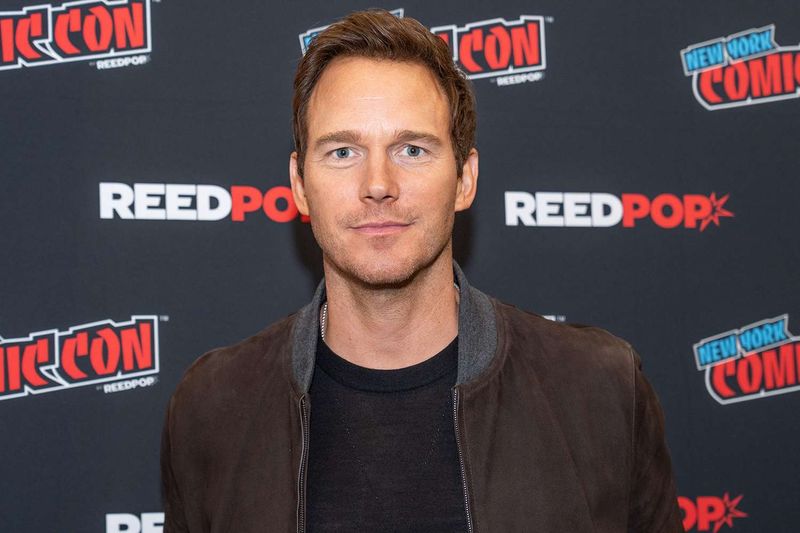
He’s talked about how endless photo requests can shift the tone of an interaction, and he’s admitted he doesn’t always say yes.
The way he frames it is less “I dislike fans” and more “I dislike what this sometimes becomes.”
When every meeting turns into a posed picture, the celebrity can start to feel like a theme-park character, and the fan can start to feel like they paid for a moment rather than sharing one.
Pratt has described preferring real conversation when it’s appropriate, and sometimes that means declining a selfie even if he’s being friendly.
That boundary can rub people the wrong way, especially because his public persona reads warm and approachable.
But the broader point is that even friendly celebrities may want limits, because constant access can erase any sense of normal life.
6. Tobey Maguire
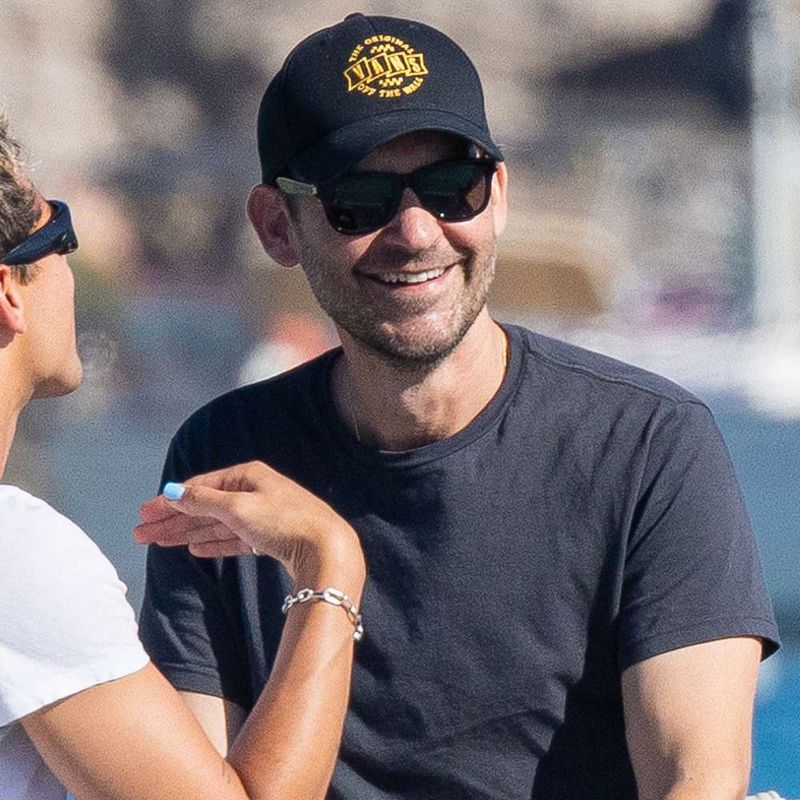
A reputation for extreme privacy tends to follow him, and it’s fueled by the fact that he rarely seems to lean into “fan-friendly” visibility the way some stars do.
He’s been known to keep a low profile, avoid splashy public appearances, and appear guarded in impromptu interactions.
When a celebrity isn’t actively courting attention, fans sometimes interpret that as arrogance, even if it’s more about temperament than attitude.
Maguire has long seemed like someone who prefers distance between his work and his personal life, which makes surprise run-ins feel unwanted.
Add in decades of being recognized as a beloved superhero, and the pressure can compound quickly.
The result is a star who, by many accounts, keeps fan contact limited—not necessarily because he dislikes support, but because he values privacy more than publicity.
7. Adele
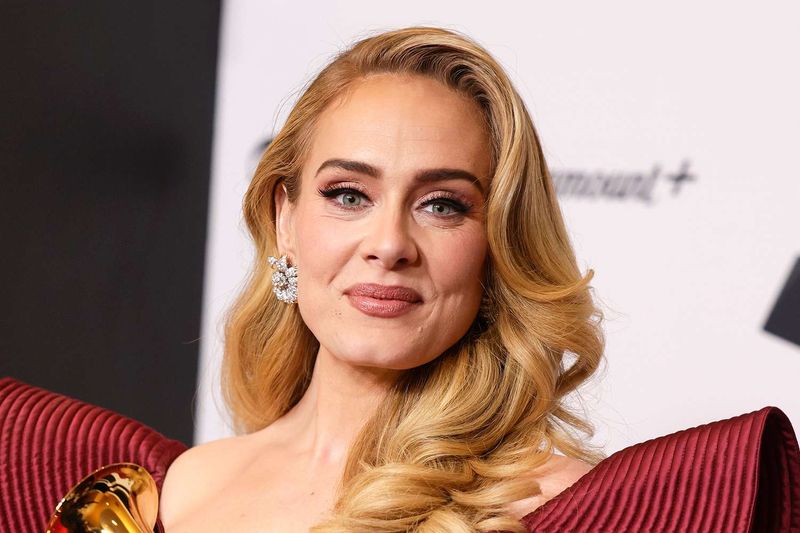
Her voice may be huge, but she has sometimes described herself as an introvert who gets overwhelmed by attention.
There have been public moments where she’s sounded blunt about the pressure of constant access, and that bluntness can get labeled as “rude” when it’s really honesty without polish.
Adele has also talked about the anxiety that can come with being watched, judged, and approached when you’re just trying to exist in peace.
When fans see a superstar, they often assume confidence is automatic, yet fame doesn’t erase sensitivity. In fact, it can amplify it.
She clearly appreciates her audience in the context of music and performances, but random encounters in public can feel like a different world—one that’s unpredictable and emotionally demanding.
For someone who values normalcy, boundaries can be a form of self-care.
8. Bill Murray
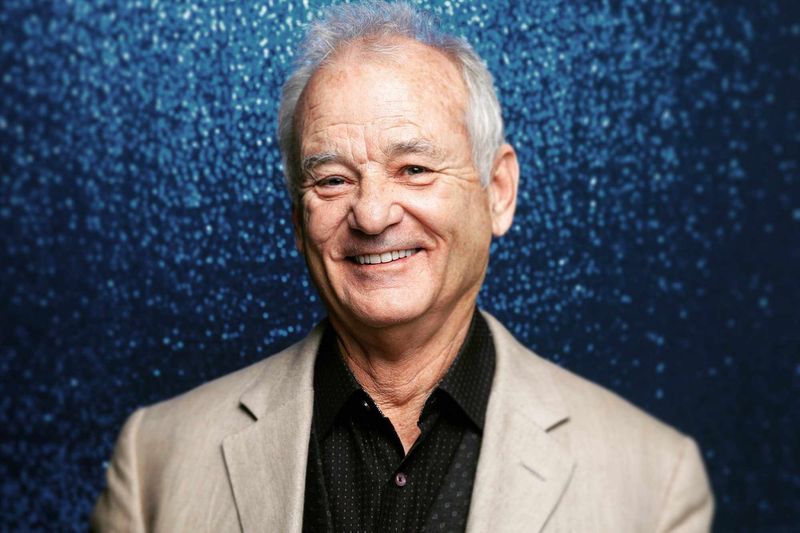
Unpredictability is practically his brand, and that same vibe spills into how people describe meeting him.
Instead of a consistent “yes” or “no,” he’s known for reacting in ways that can feel confusing, dismissive, or strangely theatrical depending on the moment.
Some fans walk away with a legendary story; others feel brushed off or baffled by the interaction.
That inconsistency can create the impression that he doesn’t like being approached, because you never quite know what you’re going to get.
Murray’s persona has always leaned mischievous and detached, which can be fun from a distance but awkward up close.
The bigger takeaway is that not every celebrity wants fan encounters to follow a polite script.
When someone thrives on control, privacy, or unpredictability, spontaneous interactions can feel more intrusive than flattering.
9. Christian Bale
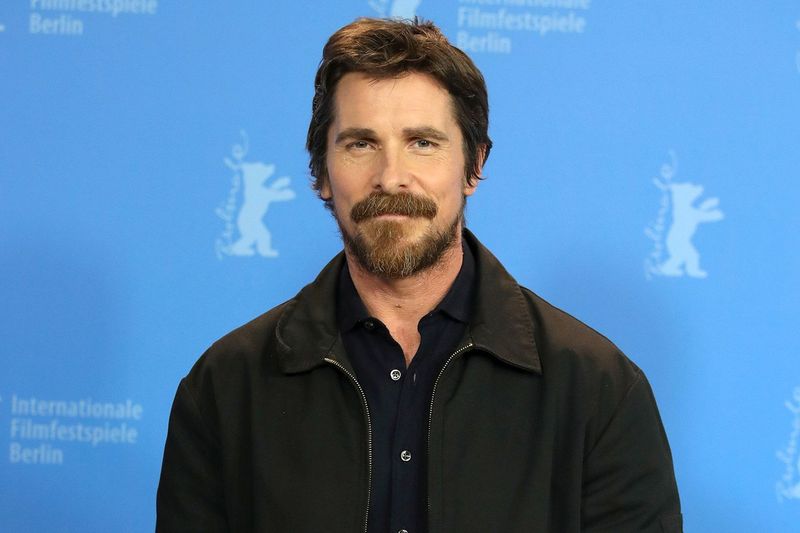
Keeping distance from fame has been part of his image for years, and he often comes across as someone who takes his craft seriously but doesn’t crave public attention.
He’s known to be private, selective, and low-key outside of professional settings, which can make fan approaches feel like an interruption rather than a compliment.
When a celebrity isn’t actively “performing” off-screen, their resting demeanor can read stern, even if it’s just neutral.
Bale’s reputation for intensity also plays a role, because people expect him to be as serious in real life as some of his characters.
In reality, that seriousness may simply translate to wanting quiet and personal space.
Fans sometimes forget that being recognized constantly can make even a calm person feel defensive.
For someone who values privacy, saying no is often the only way to keep life manageable.
10. Miley Cyrus
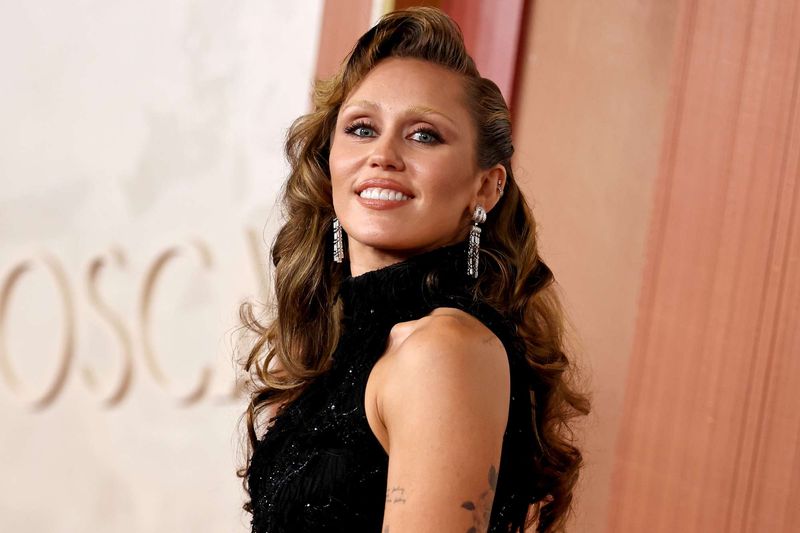
She has spoken openly about personal boundaries and how fame can invite entitlement from strangers.
Over the years, she’s pushed back on the idea that being a public figure means being publicly available, especially when she’s off the clock.
Miley has also talked about how intense fan culture can get, including expectations that celebrities owe constant access, emotional intimacy, or endless patience.
That pressure can make casual encounters feel loaded before they even begin.
While she clearly appreciates the people who support her music, she has also emphasized that she’s a human being with moods, limits, and the right to say no.
When fans interpret boundaries as rejection, it can spark backlash, but boundaries are often about survival.
For someone whose entire adulthood has happened under a spotlight, controlling access can be the closest thing to freedom.
11. Harrison Ford
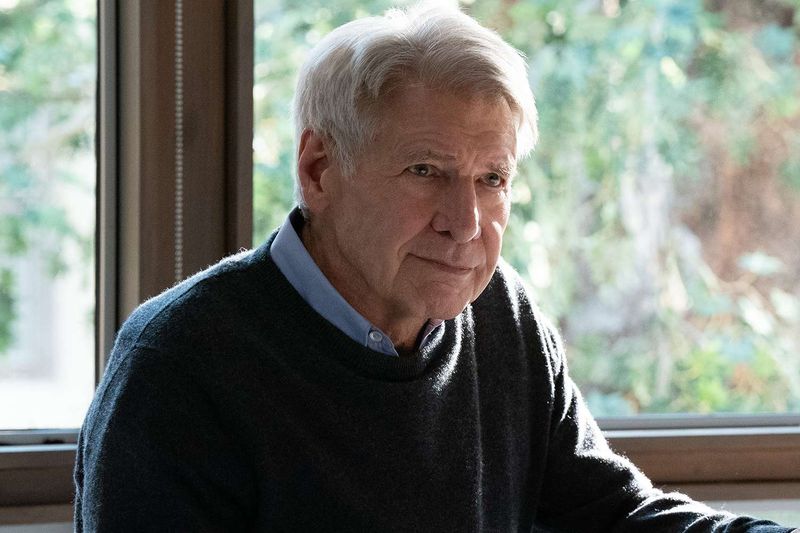
Dry humor and blunt honesty are part of his charm, but they also contribute to his reputation for not being especially eager to engage with fans.
He has often come across as no-nonsense in interviews, and that same energy is what people sometimes report in spontaneous public encounters.
Ford doesn’t seem interested in the performance of celebrity friendliness, especially if the moment feels forced or intrusive.
When a fan expects warmth, small talk, and a photo, his straightforward style can feel like rejection even if he’s simply being himself.
It’s also worth noting that he’s been famous for decades, which changes the equation; being approached constantly for half a lifetime can wear anyone down.
The result is a star who often seems to prefer polite distance, with a personality that doesn’t pretend fame is always fun.
12. Kanye West
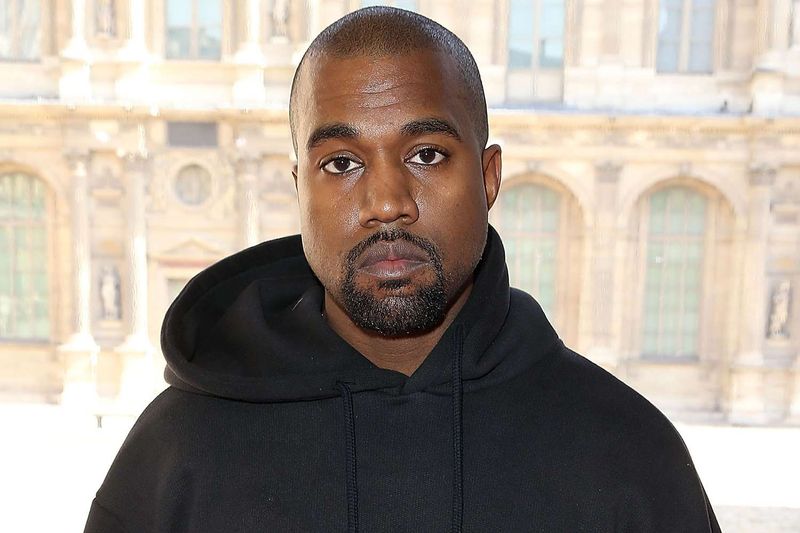
Public interactions around him have often been intense, and there have been many moments where he reacted strongly to people approaching him, filming him, or demanding attention.
That tension isn’t just about fans; it’s also about the constant presence of cameras, the pressure of public scrutiny, and the feeling of being provoked or cornered.
When someone is already dealing with stress, a surprise phone shoved into their face can escalate quickly.
Kanye has made it clear at different times that he doesn’t like being recorded without consent, and he’s also expressed anger about how the public consumes celebrities like content.
Even if a fan’s intentions are innocent, the environment can feel aggressive.
This is one of those cases where the line between “fan interaction” and “public intrusion” gets blurred, and his responses often reflect that discomfort in a very visible way.
13. Denzel Washington
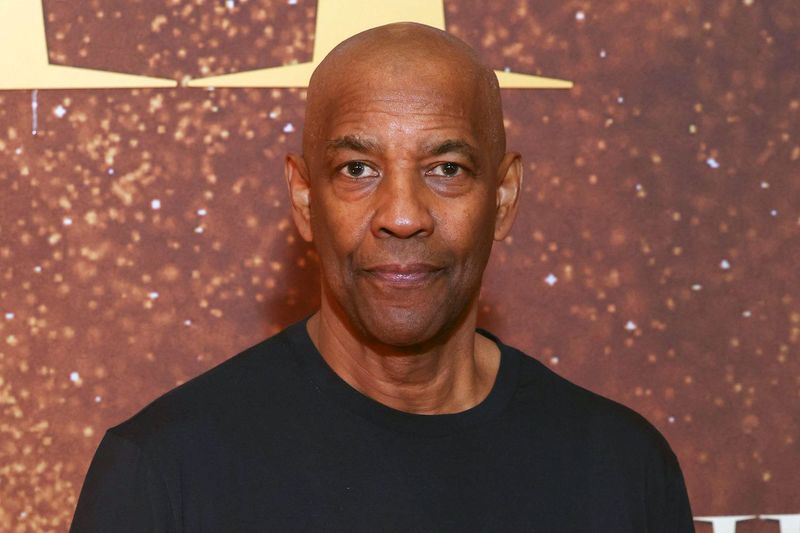
Respect is a recurring theme in how he carries himself, and some of his most talked-about public moments involve him shutting down behavior he finds disrespectful.
There have been situations where he appeared frustrated with people crowding him, filming him, or pushing for access, especially when he felt boundaries were being crossed.
That can look harsh in a short clip, but it often reflects a bigger point: he expects basic manners, space, and human decency, not chaos.
Washington is widely praised for professionalism, yet professionalism doesn’t mean availability.
Fans sometimes assume admiration gives them permission to approach at any moment, but he has shown that he’s willing to say no if the situation feels out of line.
Ultimately, he seems less “anti-fan” and more “pro-boundary,” which can be a hard pill for entitled strangers to swallow.
14. Shia LaBeouf
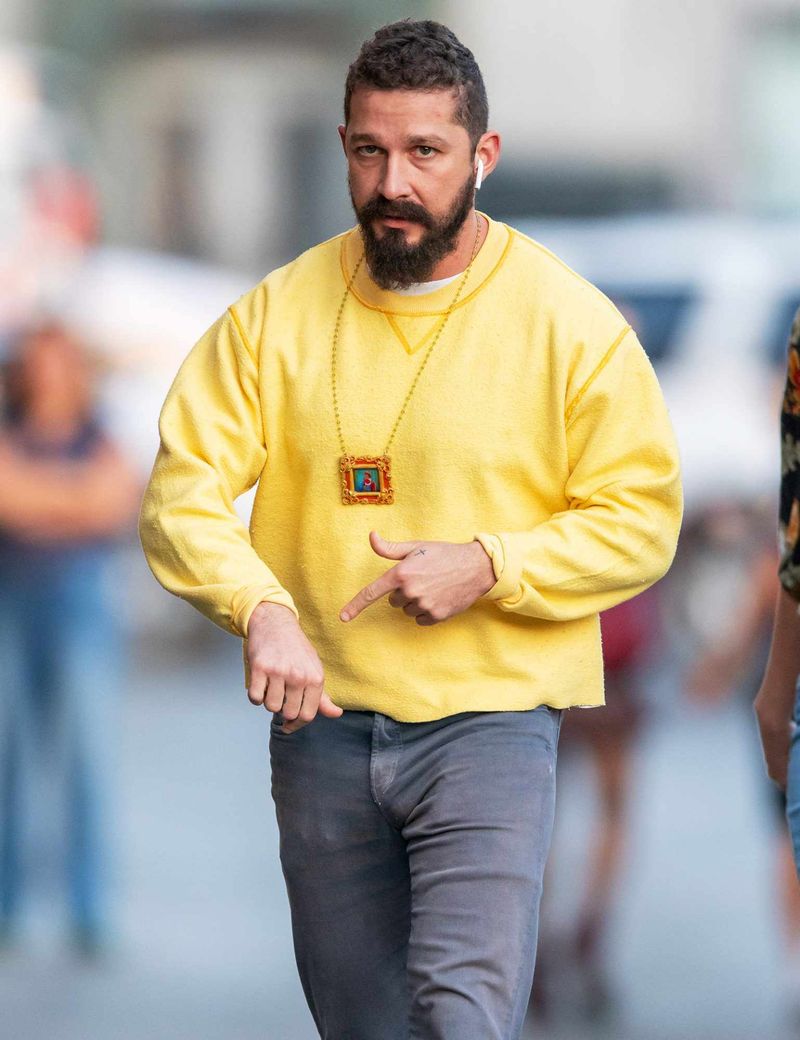
His history with fame has been complicated, and that complication often shows up in how he reacts to being approached.
There have been multiple instances where he asked people not to engage with him, especially when he was trying to move through public spaces without being filmed.
Because he’s had periods of intense media attention, even a simple fan encounter can feel like another layer of scrutiny.
When someone is already guarded, an unexpected interaction can trigger defensiveness or discomfort.
LaBeouf has also been known to create strong reactions simply because his public persona is unpredictable, which can make fans unsure how to approach him in the first place.
It’s a reminder that not every celebrity is built for constant access, and not every public figure experiences attention as flattering.
For some, it’s an emotional stressor they manage day by day.
15. Doja Cat
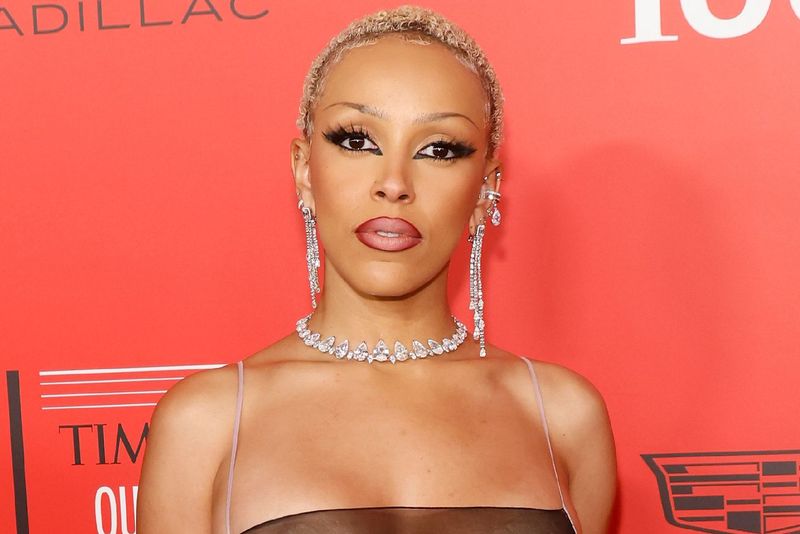
She has been extremely outspoken about parasocial behavior and the way fan culture can turn into entitlement.
When supporters demand constant interaction, call celebrities “family,” or expect emotional access, she has pushed back publicly—sometimes in ways that come off sharp.
That bluntness has helped shape a reputation that she doesn’t enjoy being approached, especially by people who treat her like a character rather than a person.
Doja Cat’s point, at its core, is about boundaries and consent: you can appreciate someone’s work without expecting them to perform closeness for you in real time.
The modern celebrity ecosystem makes this harder because social media trains fans to expect interaction as part of the product.
When she refuses that script, it can feel jarring, yet it also reflects a broader cultural shift where more celebrities are openly saying, “Support me, but don’t claim me.”
16. Björk
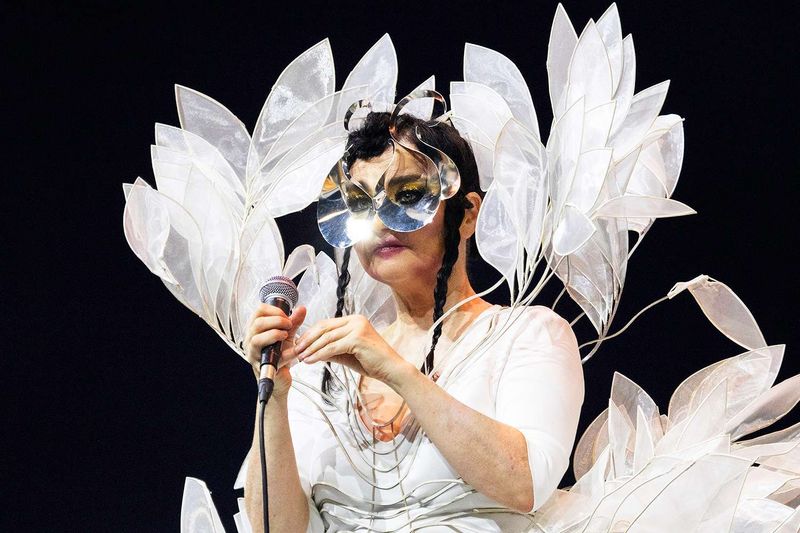
Privacy has always mattered to her, and she has a long-standing reputation for fiercely protecting personal space.
There have been high-profile incidents in the past that made her even more guarded, and fans often describe her as someone who does not want surprise interactions, especially in airports or other stressful public settings.
Björk’s energy is intensely artistic, but that doesn’t translate to wanting to be approached casually by strangers.
She appears to treat her public presence as something she offers on stage and through her work, not as something people can access whenever they feel like it.
When an artist is deeply protective of their inner world, constant interruptions can feel like an invasion.
Fans sometimes romanticize eccentricity, but the reality is simpler: she seems to want safety, calm, and control over her own time, which makes random encounters unwelcome.
17. Prince
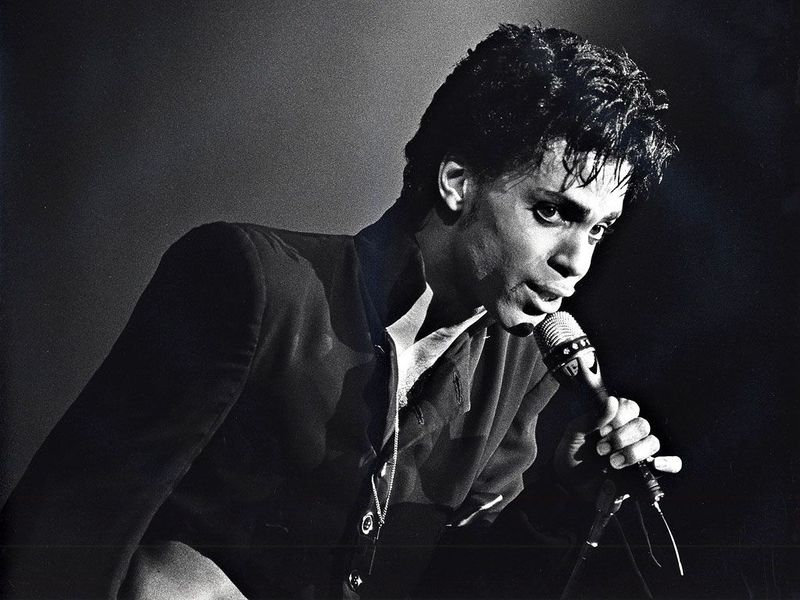
The late icon was famously selective about access, and that selectiveness extended to fan interactions.
He cultivated mystery, guarded his privacy, and maintained a sense of control over his image in a way that felt intentional and principled.
Rather than treating fame like an open invitation, he seemed to treat it like a boundary line: the public got the music, the performances, and the artistry, but not necessarily the person behind it.
That approach can frustrate fans who want closeness, yet it also helped him keep his real life separate from his legend.
Prince’s brand was built on artistry and autonomy, and constant meet-and-greets would have clashed with that identity.
While he clearly valued his audience, he didn’t appear interested in being available on demand.
For many superstars, privacy is the price they pay to keep their creativity and sanity intact.
18. Jack Nicholson
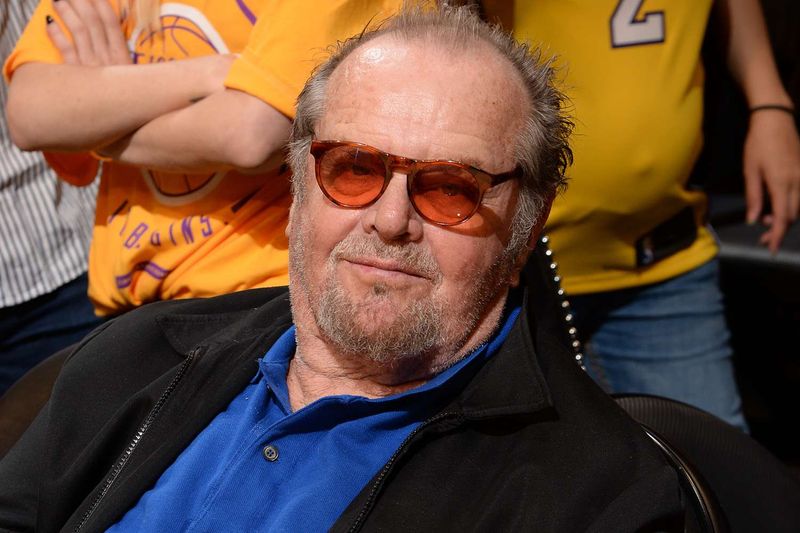
For someone so iconic, he has often avoided the kind of constant public exposure that turns celebrities into everyday sightings.
Nicholson has a reputation for keeping a low profile, choosing his moments carefully, and not seeking the spotlight unless it’s on his terms.
When a star is this recognizable, even stepping outside can feel like stepping onto a stage, and many people assume he’d rather not deal with that.
Fans have long described him as guarded and not particularly interested in casual public interactions, which can come across as unfriendly.
But after decades of fame, privacy can become a necessity rather than a luxury.
Nicholson’s persona has always had a larger-than-life edge, yet real life requires quieter rhythms.
The less a celebrity appears publicly, the more intense any random encounter becomes, and the more likely they are to avoid it altogether.
19. Keanu Reeves
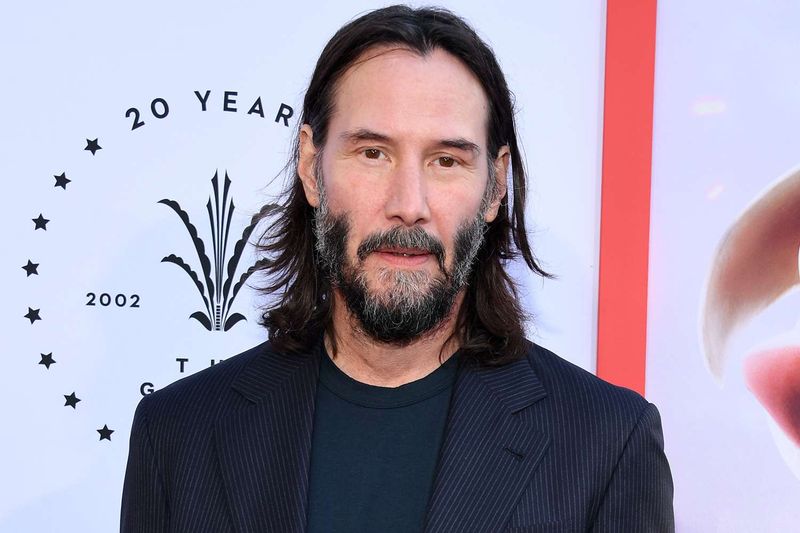
He’s often described as kind, but his boundaries are very specific, and that’s where the fan conversation gets interesting.
Many people have noticed that in photos with fans he frequently avoids touching, keeping his hands slightly away, which suggests a deliberate choice about personal space and respect.
That doesn’t read as hatred of fans; it reads as caution and consent awareness, especially in a world where images can be misinterpreted or used out of context.
Reeves also seems to carry a gentle, reserved energy that doesn’t match the chaotic demands of constant selfie culture.
He’ll often acknowledge people politely, but he doesn’t appear to encourage a frenzy around him.
In other words, he can be warm without being endlessly accessible.
For fans who expect physical closeness or extended interaction, that can feel like distance, but it can also be a quiet form of respect.
20. David Letterman
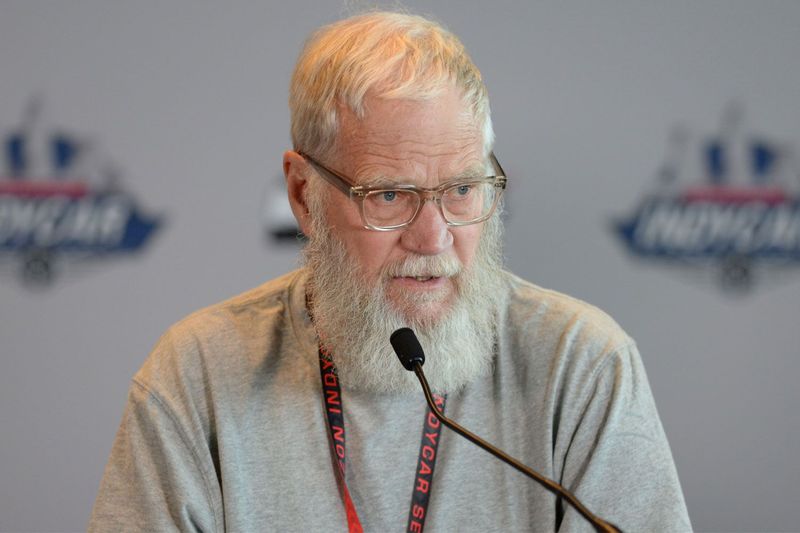
Life after late-night television has made one thing clear: he prefers privacy now, and he doesn’t seem interested in playing the celebrity game off-camera.
Letterman has long had a guarded, dry persona, and that same tone can carry into real-life interactions, especially if he feels interrupted or observed.
While some fans adore his humor and want a quick moment of recognition, he doesn’t appear to treat public attention as an automatic obligation.
After decades of being watched, asked questions, and expected to entertain, stepping away from that constant performance makes sense.
When people approach him in public, they may still expect the talk-show version of him, but he’s not necessarily offering that anymore.
The shift can feel disappointing if you catch him at the wrong time, but it also highlights a simple truth: even famous entertainers get tired of entertaining.
Comments
Loading…