
 Mary Murphy
20 Actors Who Always Get Typecast in the Same Role
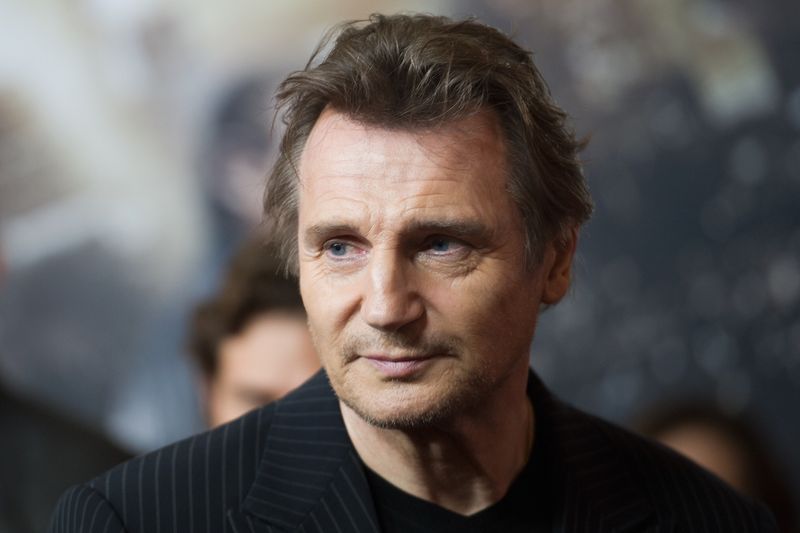
There’s a funny kind of comfort in watching a familiar face show up and thinking, “Yep, I already know exactly who they’re going to be.”
Hollywood loves patterns, and once an actor nails a specific vibe—action hero, quirky romantic lead, unshakeable mentor, slick villain—the industry often locks them into that lane.
It’s not always a bad thing, either.
Typecasting can mean reliable paychecks, instant audience recognition, and roles that play to an actor’s strengths.
Still, it can also become a creative cage, especially when viewers start feeling like they’ve seen the same character in five different movies with five different titles.
Below are 20 actors who often get handed the same “job description,” again and again, plus why it works and why it sometimes feels limiting.
1. Jason Statham
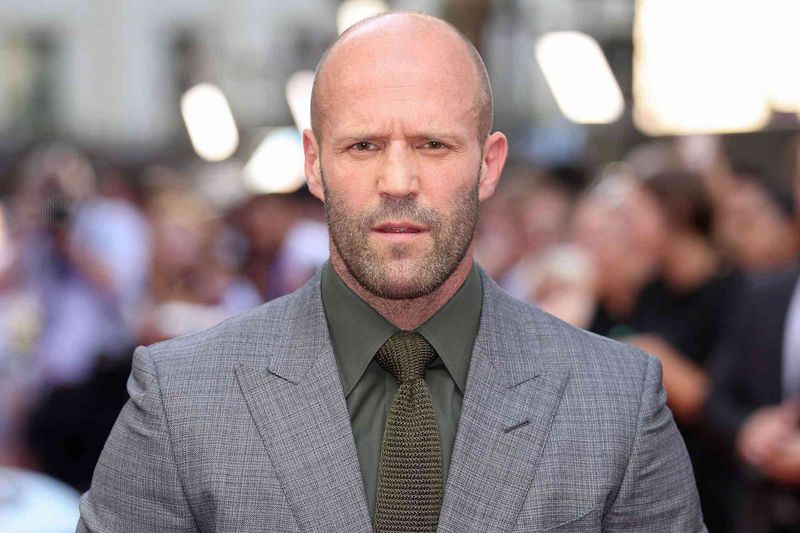
Few modern action stars have been boxed into a clearer template than this one: the blunt, unbothered tough guy who communicates mainly through intense eye contact and decisive punches.
Over and over, he’s cast as a highly competent professional—driver, courier, fixer, or ex-elite something—who doesn’t want trouble but attracts it like a magnet.
The formula rarely changes: someone crosses a line, he responds with efficiency, and the plot becomes a series of escalating “you picked the wrong guy” moments.
It works because he sells physical credibility without needing long speeches, and audiences know they’re getting slick, fast-paced action.
The downside is that even when he switches settings, the character’s emotional range stays tightly controlled, making many roles feel like different outfits on the same persona.
2. Dwayne “The Rock” Johnson
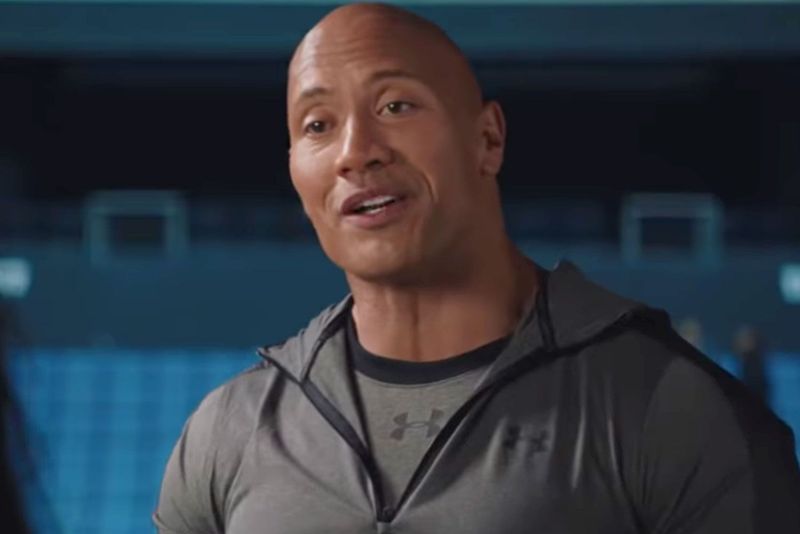
Hollywood tends to treat him like a human safety net: whatever the story throws at the characters, this guy will be the unbreakable solution with a smile and a motivational speech.
He’s frequently cast as the unstoppable hero who’s tough enough to fight off chaos but warm enough to keep things family-friendly, which makes him a dependable centerpiece for big-budget crowd-pleasers.
Whether he’s in an action comedy, a jungle adventure, or a disaster scenario, the role usually blends strength, humor, and a strong moral core.
The appeal is obvious: his charisma feels like a guarantee that the movie won’t be too dark or too complicated.
Still, the pattern can flatten his performances, because the “Rock character” often comes prepackaged with the same confidence, the same swagger, and the same outcome—he wins, and everyone learns a heartwarming lesson.
3. Ryan Reynolds
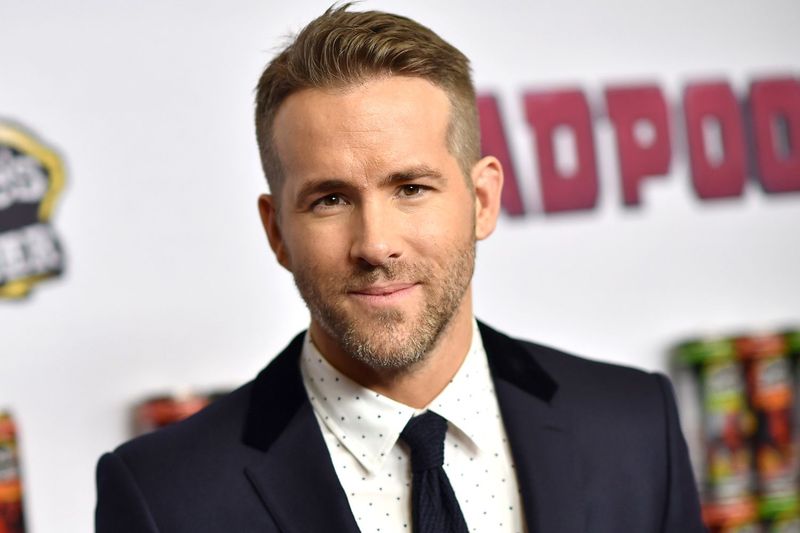
There’s a specific brand of charm Hollywood keeps ordering from him: the witty, self-aware guy who talks like his brain is running a stand-up routine during a hostage situation.
His typecast role often features rapid-fire sarcasm, a little emotional avoidance, and a lovable “I’m joking because feelings are hard” energy.
Even when he’s playing an action lead or a romantic hero, the character usually feels like the same persona in different circumstances, tossing quips to keep the tone light.
The approach is incredibly effective, because he makes exposition feel fun and keeps even messy plots moving with comedic momentum.
At the same time, it can make roles blur together, especially when scripts lean too heavily on snark instead of giving the character a distinct inner life.
When he does slow down and play sincerity, it stands out precisely because audiences aren’t trained to expect it.
4. Kevin Hart
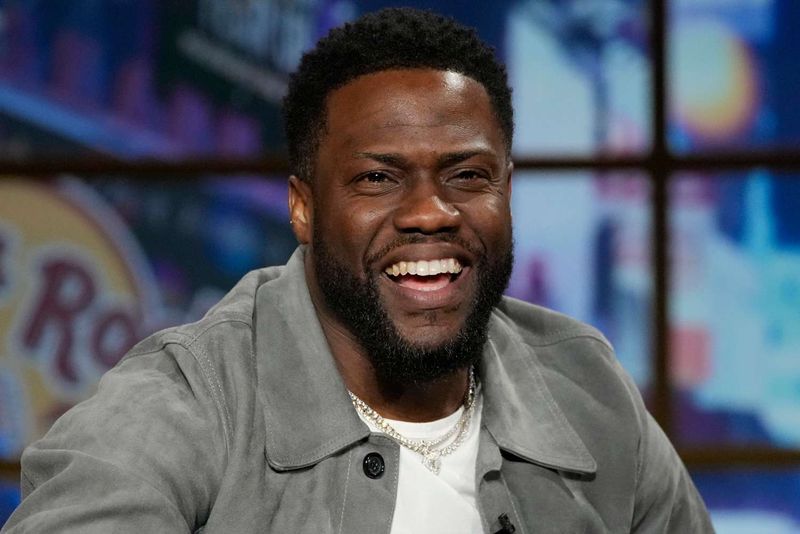
A familiar pattern shows up in many of his biggest roles: the fast-talking, high-energy guy who reacts to danger with comedic panic while still trying to prove he belongs in the action.
He’s often placed next to a tougher co-star, which sets up a reliable dynamic where he complains, gets dragged into chaos, and somehow ends up surprisingly brave.
The formula works because his delivery is quick, expressive, and relatable, turning scary situations into laughable moments without killing the stakes.
He’s also extremely good at playing characters who feel underestimated, which gives the audience someone to root for even when the jokes get loud.
The downside is that his characters can start feeling interchangeable, especially when the story depends on the same beats: disbelief, overreaction, accidental heroism, and a final moment of confidence.
When he gets roles with more emotional shading, it’s a reminder that he can do more than just the “panic and punchline” routine.
5. Michelle Rodriguez
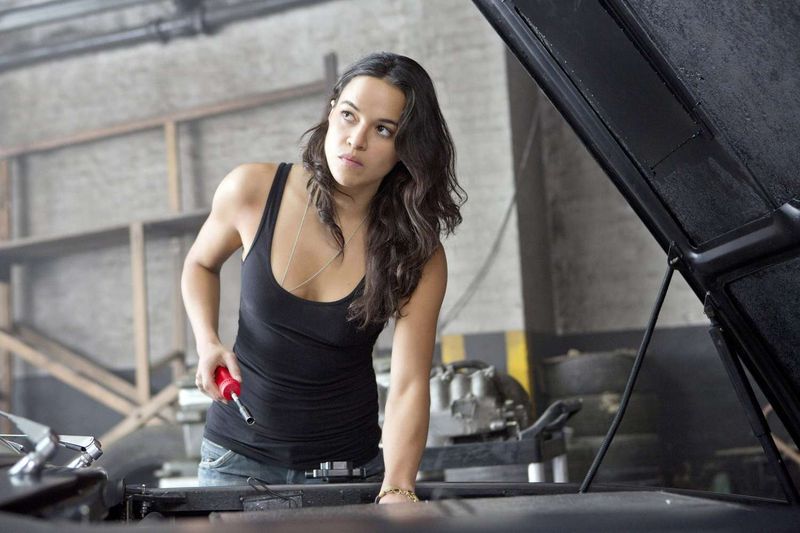
Casting directors often look at her and see one thing: tough, fearless, and absolutely not here to be anyone’s delicate love interest.
She’s frequently placed in roles where she’s the fighter, the driver, the soldier, or the no-nonsense teammate who can hold her own in a room full of men with weapons.
The character usually has a practical vibe, sharp instincts, and a strong loyalty code that doesn’t require a lot of sentimental dialogue.
It’s a powerful typecasting choice because she brings a believable edge, and audiences trust her competence instantly.
The drawback is that scripts sometimes confuse “strong” with “emotionally unavailable,” limiting the chance to show softer layers without weakening her.
When stories do give her vulnerability, it often lands even harder, because it contrasts with the steady toughness viewers are used to seeing.
6. Zooey Deschanel
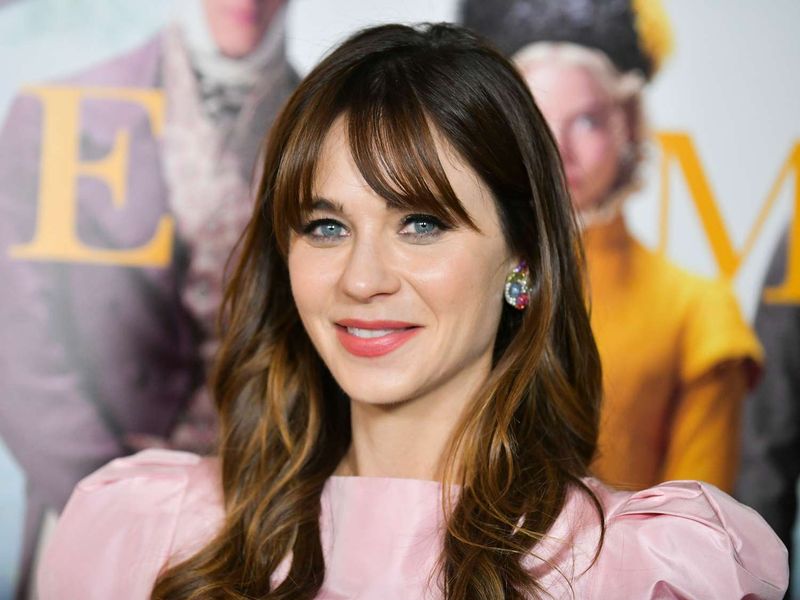
Her on-screen identity has often been packaged as the quirky, whimsical romantic lead—the kind of woman who seems like she has a playlist for every mood and a charmingly unconventional way of seeing the world.
She’s frequently cast as the adorable outsider who turns ordinary life into something slightly more magical, usually through humor, awkward sincerity, and a love of offbeat details.
That typecasting works because her delivery is distinctive, and she makes “quirky” feel natural rather than forced, which is harder than it looks.
Still, the trope can become a trap when writers reduce the character to surface-level eccentricities instead of giving her real depth.
The result is that different roles can feel like variations of the same person: slightly off-kilter, emotionally guarded, and secretly longing for connection.
When she’s written with sharper complexity, she proves she can be more than a mood-board personality.
7. Jesse Eisenberg
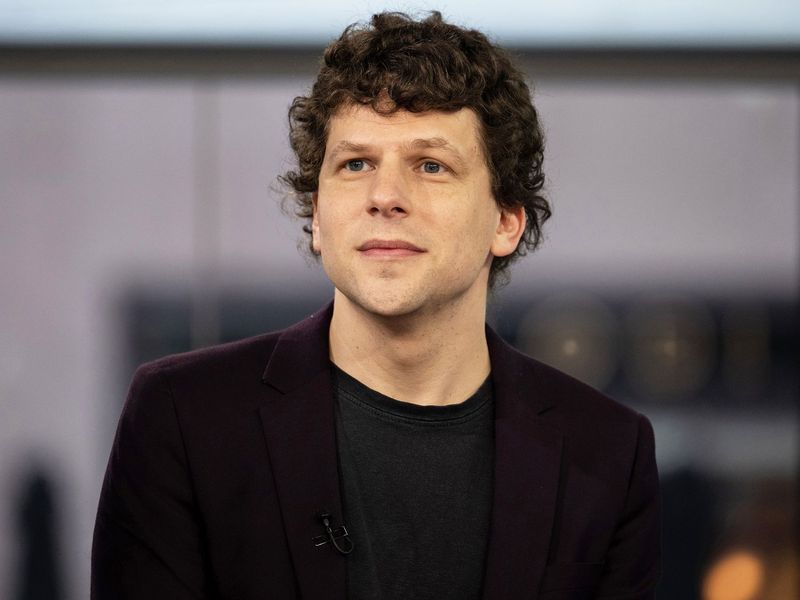
Many of his roles share a specific flavor: intelligent, anxious, and slightly confrontational, as if the character is always half a step away from either a rant or a defensive joke.
He’s often cast as the brainy guy who thinks faster than everyone else, which can make him look smug even when he’s technically correct.
The dialogue typically leans rapid and tense, giving him plenty of opportunities to sound both impressive and irritating in the same breath.
It works because his energy feels real, like someone who’s always processing ten tabs at once and can’t quite relax.
The downside is that the persona can become predictable, especially when scripts keep using him as the embodiment of “awkward genius with poor people skills.”
When he gets parts that soften the edge or shift him into quieter emotional territory, it highlights how much range has been hiding behind the familiar nervous intensity.
8. Michael Cera
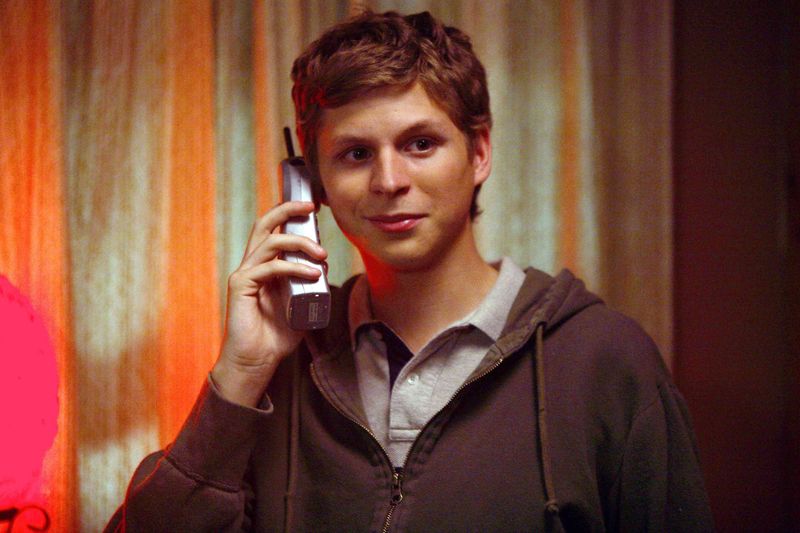
A lot of his most recognizable characters feel like cousins: sweet, awkward, and constantly surprised that anyone is paying attention to him.
He’s frequently cast as the nervous underdog who stumbles through social situations with apologetic body language and a voice that sounds like it’s trying not to take up space.
That typecasting works because he can make discomfort hilarious without turning the character into a joke, which creates empathy even when the comedy is sharp.
He’s also great at playing the kind of person who gets pulled into events larger than him—romance, chaos, weird adventures—and reacts like a confused human being rather than a movie hero.
The downside is that, after a while, audiences can predict the emotional arc: shy guy, accidental confidence, small victory.
When he’s given a darker or more assertive role, it feels like a genuine surprise because it breaks the long-standing “awkward nice guy” pattern.
9. Danny Trejo
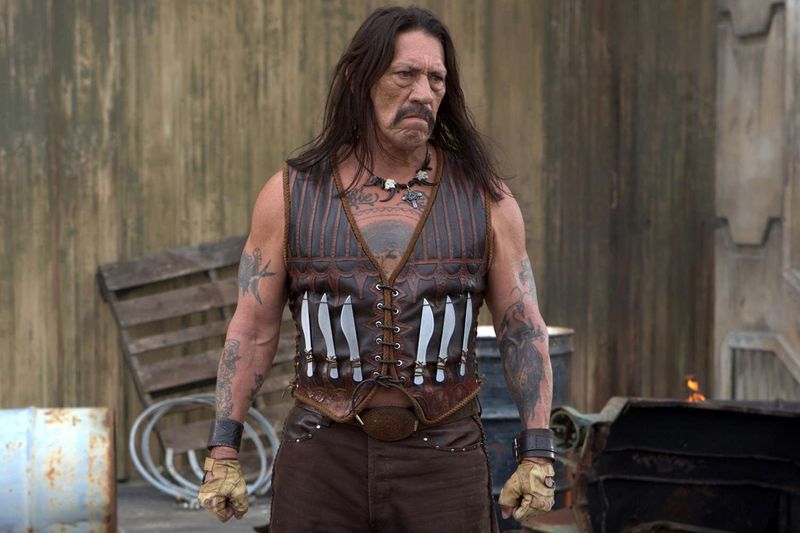
If a script needs someone who looks like trouble before saying a single word, he’s often the first call.
He’s frequently cast as the intimidating enforcer, hardened criminal, or dangerous-looking guy whose presence instantly raises the stakes.
Even in smaller roles, the typecasting usually relies on his tough exterior—tattoos, stare, gravelly vibe—because it communicates a backstory without any explanation.
That’s why he’s so effective: audiences understand the character’s potential danger immediately, and the movie can move on without a long introduction.
The downside is that this visual shorthand can keep him stuck in the same lane, even though he has the personality to pull off warmth, humor, and vulnerability.
When a film lets him be gentle or surprisingly principled, it tends to be memorable, precisely because it plays against the “he’s obviously the scary guy” expectation that casting has reinforced for years.
10. Steve Buscemi
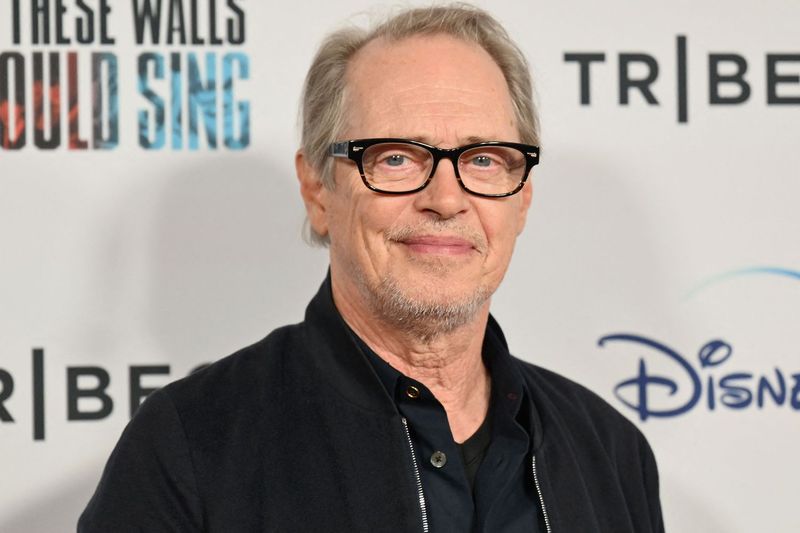
His face and energy often get used as a storytelling shortcut for “eccentric,” “untrustworthy,” or “delightfully odd.”
He’s frequently cast as the jittery side character who knows too much, the shady guy who might betray you, or the weirdly charming misfit who steals scenes with nervous intensity.
The typecasting works because he can make small moments feel alive, and he delivers offbeat humor without forcing it.
He also has a gift for characters who appear harmless but carry an unpredictable edge, which makes him perfect for crime stories and dark comedies.
The downside is that he can get stuck as the “that guy” who exists to add flavor rather than drive the emotional core.
When he’s given roles with more quiet humanity, it’s a reminder that his talent isn’t limited to being strange; he’s simply very good at it, so scripts keep asking for the same dish.
11. Kristen Stewart
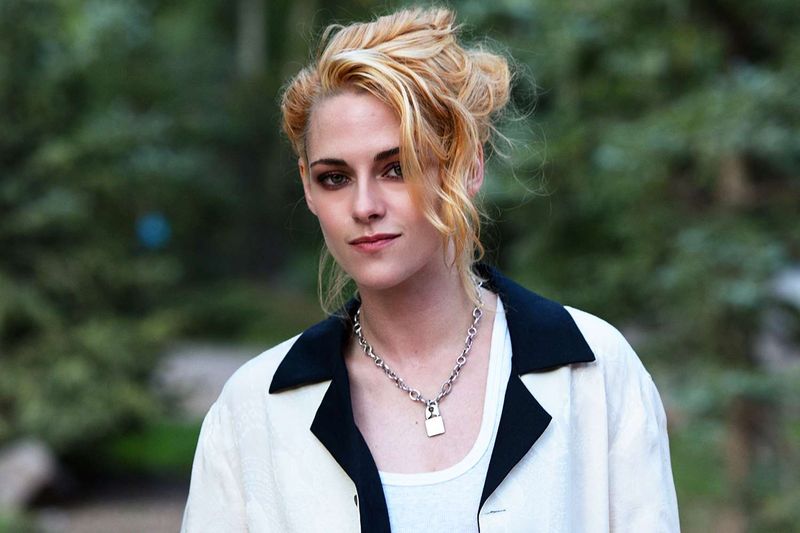
A consistent pattern shows up in many of her performances: the guarded, intense protagonist who reveals emotion in subtle shifts rather than big speeches.
She’s often cast as a character who seems distant at first, either because she’s private, overwhelmed, or quietly furious at the world.
The appeal is that she plays internal tension extremely well, making the audience lean in to catch the smaller cues—hesitations, glances, and the way a sentence lands slightly sideways.
That typecasting can be powerful in indie dramas and moody thrillers, where restraint creates atmosphere.
The limitation is that some viewers interpret the same style as emotional flatness, and similar roles can start blending together if the script doesn’t give her a distinct motivation.
When she’s allowed to play characters with humor or warmth on the surface, it breaks expectations and proves the “cold” label is more about Hollywood’s narrow casting habits than her actual range.
12. Liam Neeson
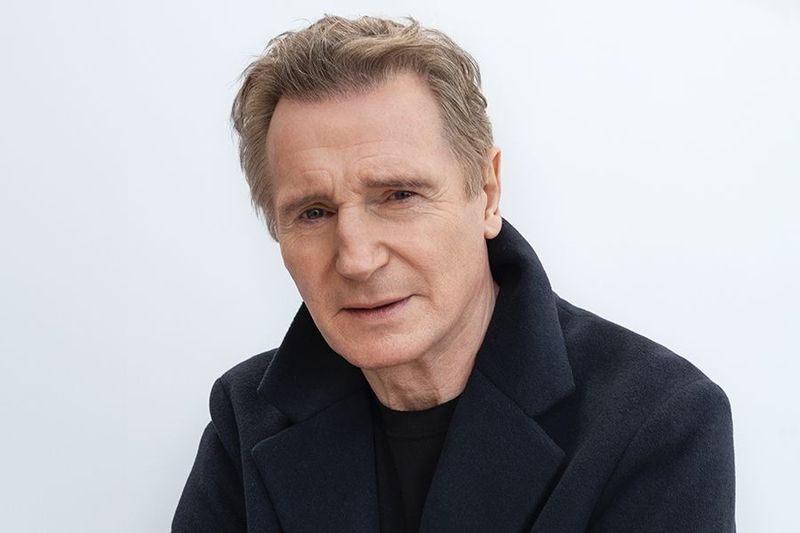
There’s a modern movie archetype built around him: the older man who looks calm, sounds reasonable, and is secretly the most dangerous person in any room.
He’s frequently cast as a grieving, hardened figure pulled into violence by circumstance, usually because someone threatens his family or crosses a moral line.
The role often relies on controlled intensity—he doesn’t brag, he doesn’t flinch, and he doesn’t need backup.
Audiences buy it because he has a serious presence and a voice that can make even simple dialogue feel like a warning.
The downside is that the “competent avenger” template has become so familiar that many films feel interchangeable, as if they’re remixes of the same story.
When he takes a part that leans into humor or emotional vulnerability without the usual violence, it stands out, because the public has been trained to expect a specific kind of righteous revenge every time he shows up.
13. Morgan Freeman
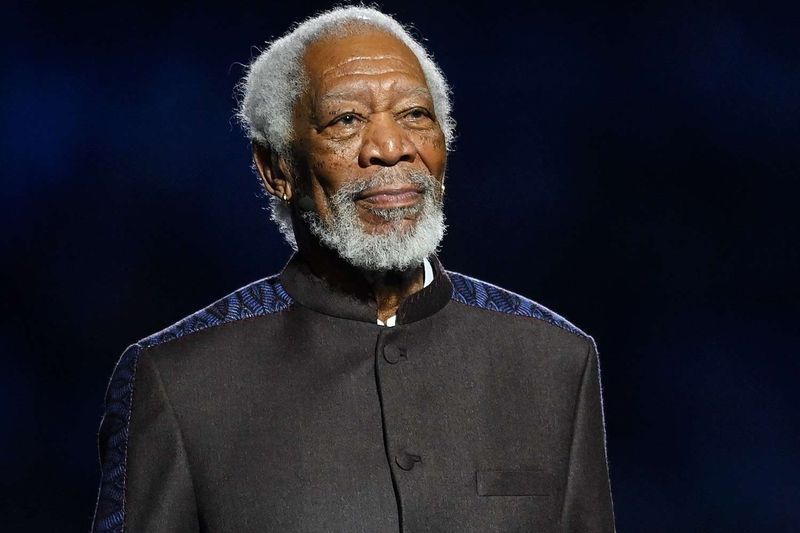
A lot of movies treat his voice like an instant credibility boost, casting him as the wise narrator, respected mentor, or calm authority figure who seems to understand the universe better than everyone else.
He’s frequently positioned as someone who offers guidance, moral clarity, or steady reassurance, whether he’s playing a teacher, a leader, a narrator, or a character who exists to anchor the story’s meaning.
The typecasting works because his presence creates a sense of trust, and audiences often feel safe when he’s on screen, even if the plot is chaotic.
The downside is that the “wise man” label can be limiting, because it reduces him to a symbolic role rather than a messy, complicated person with contradictions.
When he’s allowed to play characters who are flawed, selfish, or unpredictable, it becomes a reminder that the soothing voice is just one part of a much larger toolkit.
14. Helena Bonham Carter
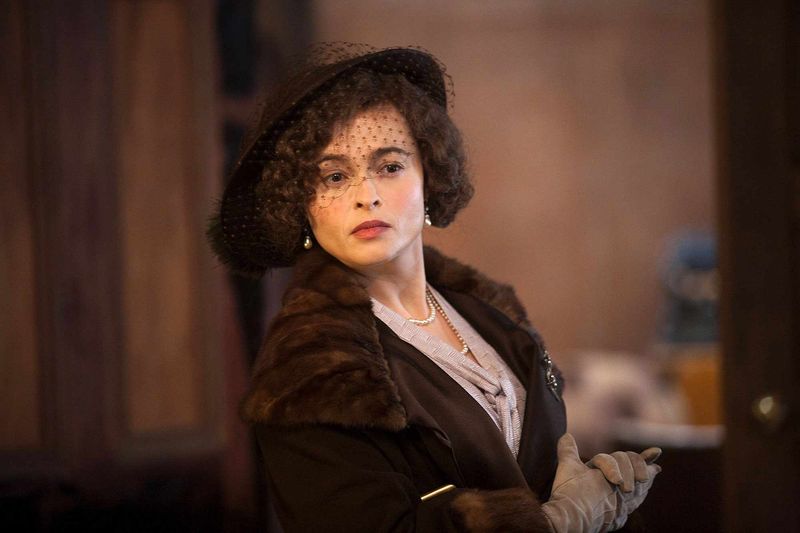
Her casting often screams “delightfully eccentric,” especially in period pieces and fantasy worlds where weirdness is a feature, not a bug.
She’s frequently used as the gothic, dramatic, slightly chaotic character who feels like she stepped out of a dark fairytale, complete with expressive costumes and intense emotional swings.
The typecasting works because she commits fully, making even wild characters feel purposeful rather than random.
She also has a talent for playing women who don’t fit neatly into polite expectations, which gives her roles a rebellious edge.
The downside is that filmmakers sometimes treat her as a decorative ingredient—add her to make the story feel quirky—without giving the character real depth beyond eccentricity.
When she’s written with grounded emotion and complexity, her performances become even more striking, because the audience gets more than the familiar “gothic oddball” energy they’ve been trained to anticipate.
15. Jackie Chan
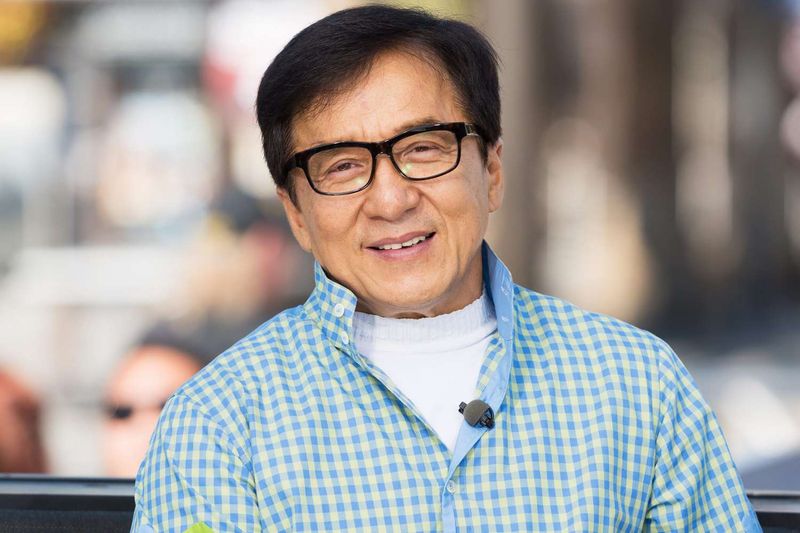
His most common roles follow a reliable recipe: the underdog who’s forced into a fight, improvises with everyday objects, and turns danger into slapstick without losing the thrill.
He’s frequently cast as a fundamentally decent character who doesn’t start conflicts but finishes them with creative, astonishing physical comedy.
That typecasting exists for a reason: he built a style that blends stunt work and humor in a way few actors can replicate, making action scenes feel playful rather than grim.
Audiences come expecting choreography that’s both impressive and funny, and he delivers with a signature rhythm.
The downside is that the “Jackie Chan role” can overshadow other possibilities, because movies often revolve around his established formula instead of allowing a different emotional tone.
When he’s given parts that highlight sadness, aging, or vulnerability, it adds weight to the familiar physical brilliance and shows there’s more behind the smile and the stunts.
16. Nicolas Cage
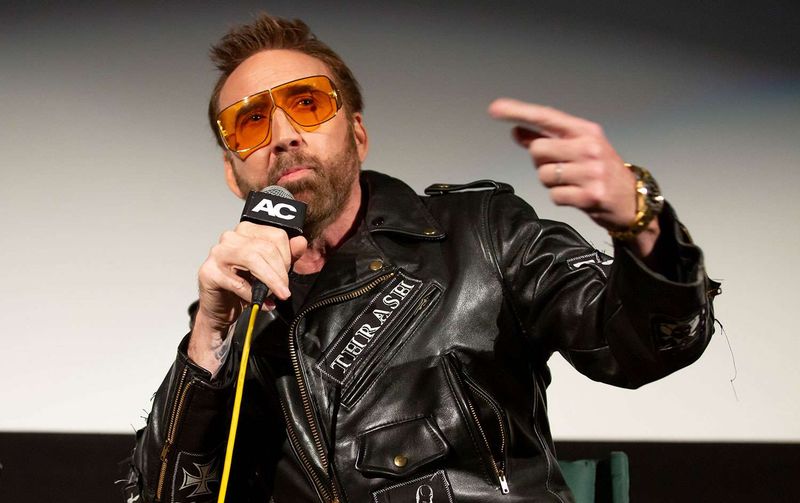
His casting identity has become a meme for a reason: he’s often the unpredictable wildcard who can swing from quiet intensity to full-throttle chaos in the span of one scene.
Many of his roles lean into that volatility, placing him as a man on the edge—obsessed, frantic, driven, or spiraling—because filmmakers know he can make heightened emotion feel fearless.
The typecasting works because he brings energy that’s hard to ignore, and even mediocre scripts can become entertaining when he’s all-in.
The downside is that the “Cage is going to go crazy” expectation sometimes becomes the entire selling point, which can flatten the story and reduce the performance to a spectacle.
When he’s cast in more restrained roles, it can feel surprisingly intimate, because the audience realizes he can do subtlety too.
The real issue isn’t his range; it’s that Hollywood keeps ordering the same dramatic fireworks.
17. Ken Jeong
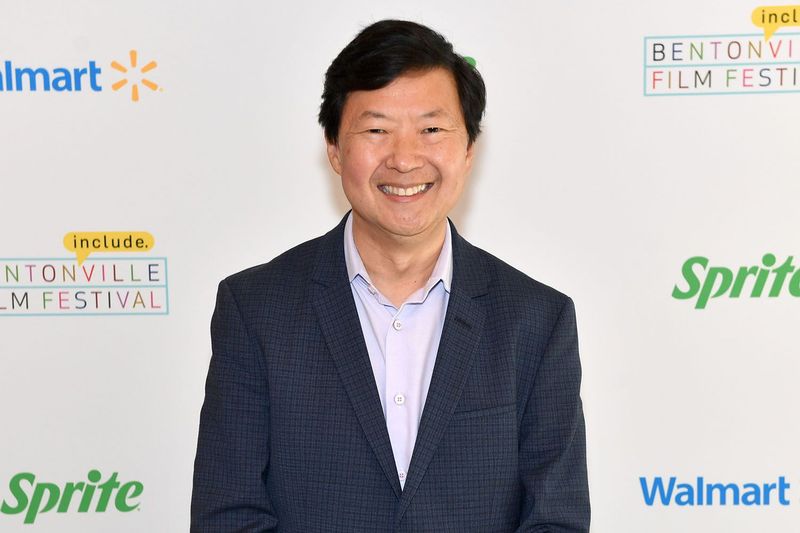
He’s frequently cast as the loud, unpredictable comedic curveball—the character who bursts into scenes with chaotic confidence, exaggerated reactions, and an energy that seems to ignore social rules entirely.
The role usually involves outrageous lines, big facial expressions, and a willingness to look ridiculous, which makes him a reliable scene-stealer in comedies.
That typecasting works because he commits without hesitation, and audiences instantly understand the character’s purpose: to raise the comedic temperature.
The limitation is that scripts sometimes treat him like a one-note “crazy guy,” giving him volume instead of depth.
When he’s allowed to be funny without being frantic, or when a story builds a real emotional layer underneath the humor, it’s more satisfying because it feels like a person rather than a punchline machine.
His best performances often happen when the chaos is balanced with a hint of sincerity, but Hollywood too often forgets that option exists.
18. Meryl Streep
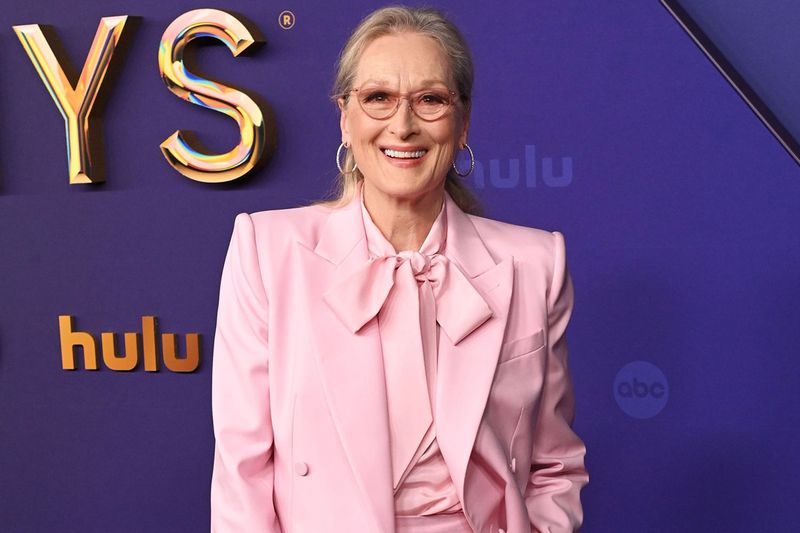
A common casting habit is to place her in roles that practically come with a crown: the formidable expert, the commanding boss, or the legendary figure who dominates every room through intelligence and presence.
Even when she’s not playing a literal authority, her characters often carry an air of competence that makes everyone else look slightly unprepared.
The typecasting works because she can deliver sharp dialogue with precision, and she makes power feel layered rather than cartoonish.
Still, being “the best” can become its own kind of box, because writers may rely on her prestige instead of crafting a character with vulnerability and messiness.
When she plays someone truly ordinary, insecure, or rough around the edges, it tends to feel fresh precisely because audiences aren’t used to seeing her without that aura of mastery.
The irony is that she can do anything, but Hollywood often insists on turning her into the standard for excellence.
19. Christopher Walken
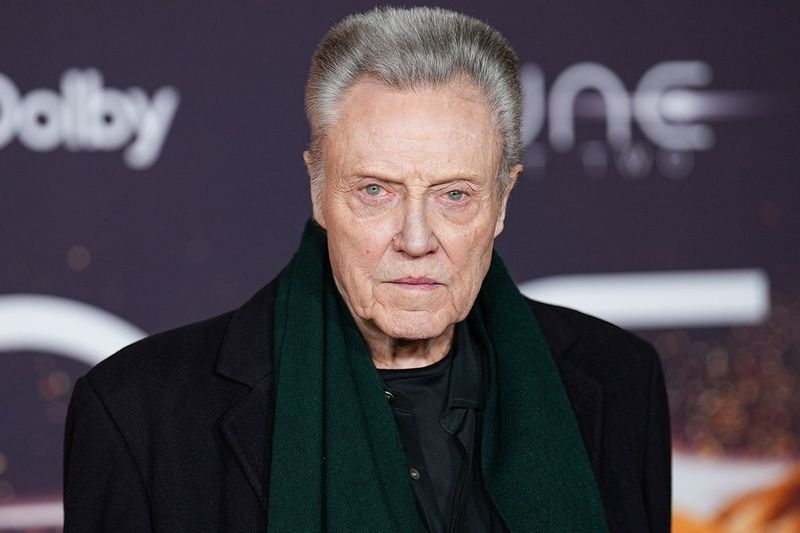
His casting often hinges on a single, unmistakable vibe: the quietly unsettling oddball who speaks like he’s delivering a prophecy, even when discussing something mundane.
He’s frequently used as an eccentric authority figure, a mysterious mentor, or a character whose calmness makes you more nervous than yelling ever could.
That typecasting works because his cadence and presence are so distinctive that he brings instant character depth without much backstory.
The downside is that the “Walken energy” can become the role itself, meaning scripts sometimes lean on his delivery rather than giving him something new to play.
When he takes a part that uses his strangeness in a grounded way—mixing humor with real emotion—it’s especially effective, because it feels like the familiar flavor with added dimension.
He’s not limited to being odd; Hollywood just knows audiences will pay attention when he’s allowed to be wonderfully, unmistakably himself.
20. Giancarlo Esposito
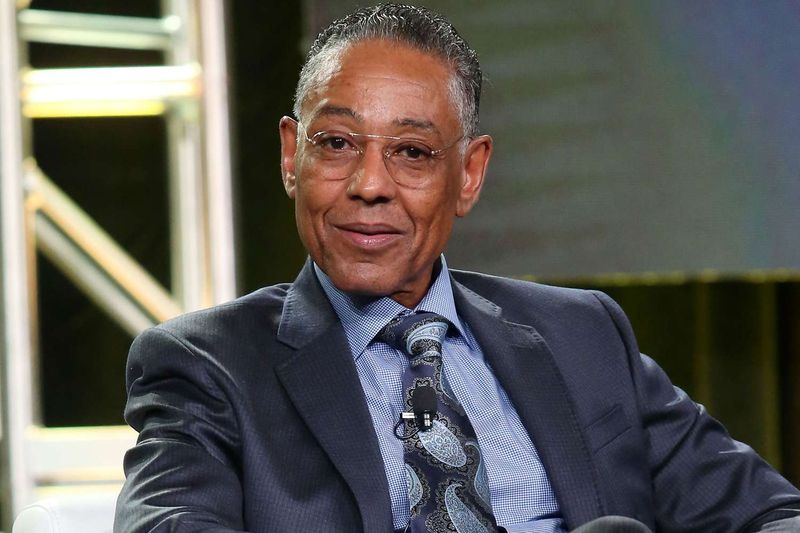
A lot of casting decisions treat him as the gold standard for controlled intimidation: the calm, precise leader who doesn’t raise his voice because he doesn’t need to.
He’s frequently cast as a boss, executive, or mastermind with immaculate composure, where the real threat is how politely he delivers it.
The typecasting works because he’s brilliant at stillness, using subtle expression and measured speech to create fear without melodrama.
He makes power feel intelligent, which is rare and compelling.
The drawback is that once audiences associate him with that specific brand of menace, stories keep repeating it, and he can end up stuck as “the villain with perfect posture.”
When he plays characters who are warm, vulnerable, or morally complicated in ways that aren’t purely threatening, it feels like a revelation, even though the talent has always been there.
The industry just keeps rewarding the same iconic mood.
Comments
Loading…