
 Chloe Peterson
19 Times a Role Left an Actor With a Lifelong Injury
Playing make-believe for a living sounds glamorous until you look at what some actors have endured to make a scene feel “real.”
Beyond the obvious risks of stunts, many productions demand punishing training schedules, extreme weight changes, heavy prosthetics, long hours in harsh conditions, and repeated takes that turn a single mistake into a lasting injury.
In some cases, the damage wasn’t a freak accident at all, but the predictable result of pushing a body past its limits for weeks or months at a time.
The most surprising part is how many performers have talked openly about the long-term consequences—scars they still carry, chronic pain that never fully went away, and injuries that changed what they can do for the rest of their lives.
Here are 19 roles that reportedly left permanent physical marks.
1. Jared Leto (Chapter 27)
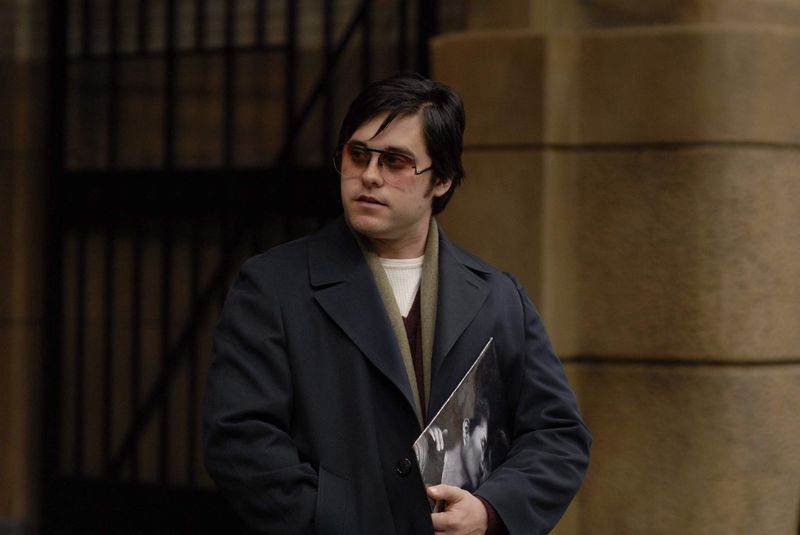
For this role, the transformation wasn’t just cosmetic; it centered on rapid weight gain that pushed his body into uncomfortable territory fast.
Leto has described the experience as physically punishing, and reports from interviews and profiles often mention complications that cropped up during or after the process, including gout-like symptoms and joint pain associated with sudden changes.
What makes the story linger is that the discomfort wasn’t simply “method acting misery” that vanished when filming wrapped, because extreme weight shifts can stress the cardiovascular system, metabolism, and connective tissue in ways that take a long time to normalize.
Even when a person later loses the weight, the body can remember the shock through lingering inflammation and recurring flare-ups.
It’s a sobering example of how quick transformations can come with a long invoice.
2. George Clooney (Syriana)
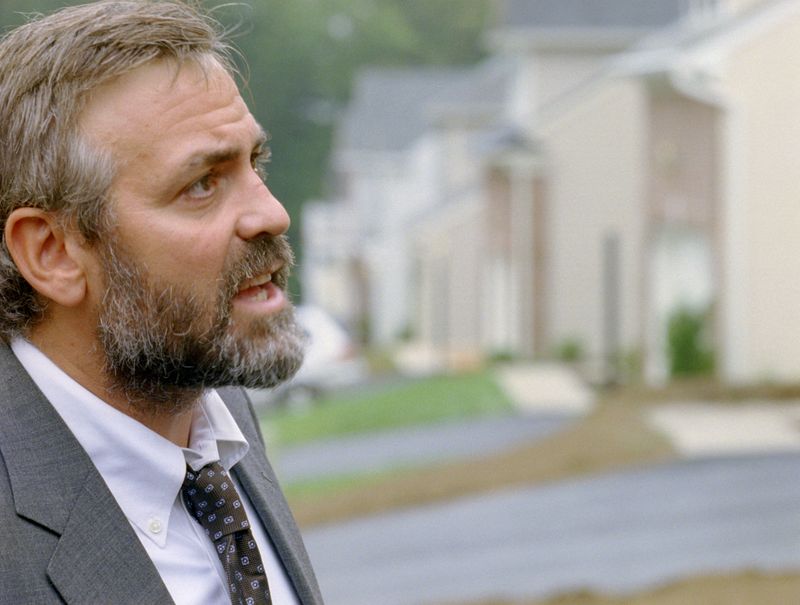
A dramatic physical change helped sell the character, but the lasting issue reportedly came from an on-set injury that didn’t resolve neatly.
Clooney has spoken about a stunt-related accident during filming that led to significant pain and a long medical road, with chronic symptoms that persisted well beyond production.
Back and neck injuries are especially notorious for this, because even a small structural problem can cause a cascade of nerve irritation, headaches, and limited mobility that becomes part of daily life.
What makes cases like this frustrating is that the damage doesn’t always show up as one clean “break” you can heal and forget; it can present as recurring pain spikes, disrupted sleep, and a constant negotiation with your own body.
The performance looks controlled and effortless on-screen, which only highlights the hidden cost behind it.
3. Jackie Chan (Armour of God / Armour of God II)
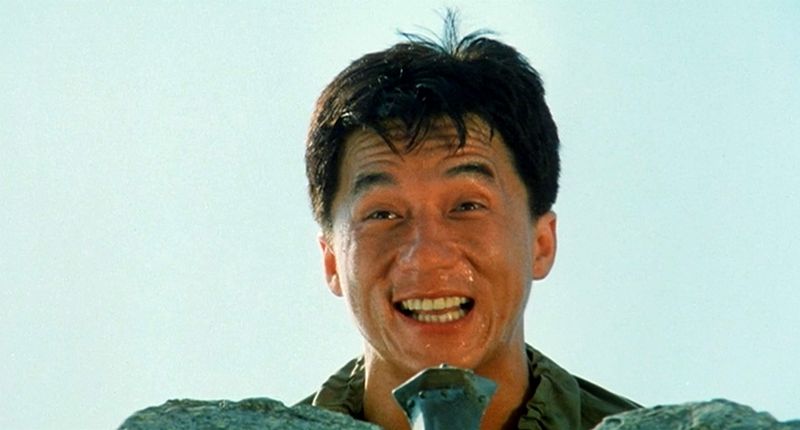
Few stars embody physical commitment like Jackie Chan, and one infamous accident during this production is often cited as proof that his approach came with real consequences.
During a stunt gone wrong, he reportedly suffered a severe head injury that required emergency medical care, and Chan has described lingering effects that never fully disappeared.
Head trauma is terrifying because it isn’t only about the immediate injury; it can involve long-term sensitivity, balance issues, and complications that remain unpredictable over time.
Even when someone returns to work, the body can carry permanent reminders in the form of surgical hardware, chronic discomfort, or vulnerability to future impacts.
The larger story is that Chan’s career is filled with spectacular physical feats, but this incident stands out because it underscores how quickly a single misstep can become a lifelong footnote, no matter how skilled the performer is.
4. Sylvester Stallone (The Expendables 3)
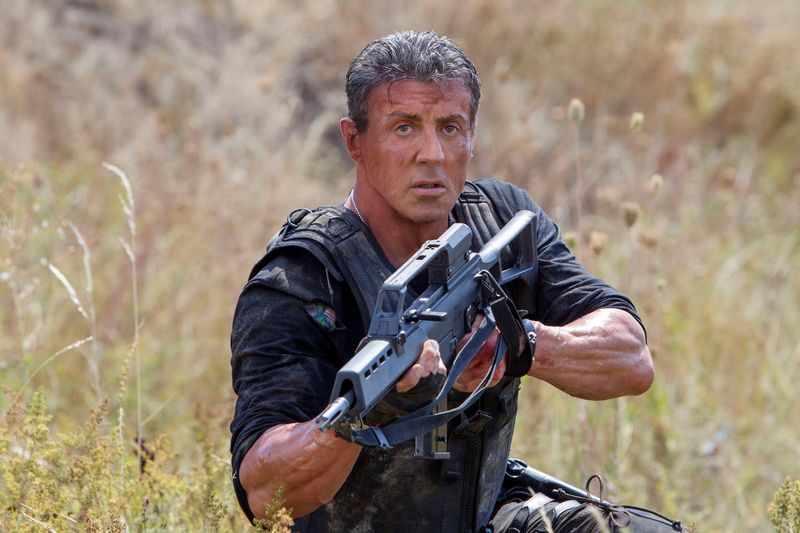
Action franchises are built on toughness, but behind the muscle-and-one-liners energy, Stallone has reportedly dealt with injuries that didn’t simply fade with rest.
Accounts from interviews and coverage of the series often mention a serious fall or stunt-related incident that left him with lasting back trouble and required significant medical intervention.
Back injuries can be uniquely life-altering because they affect everything from basic posture to sleep quality, and the pain can flare up when you least expect it.
What complicates action-heavy productions is that filming rarely happens in a tidy order; performers may be asked to repeat demanding physical sequences on different days, under time pressure, when the body hasn’t fully recovered.
Stallone’s persona has always been built around resilience, yet his experience is a reminder that grit doesn’t magically override anatomy, and even the toughest stars can end up carrying permanent damage.
5. Linda Hamilton (Terminator 2: Judgment Day)
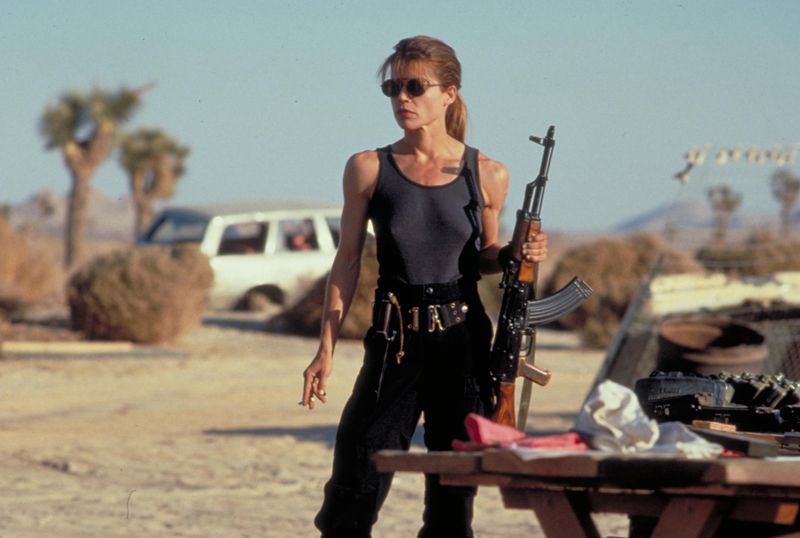
The intensity of the character matched the intensity of the production, and one incident frequently discussed involves sound exposure that reportedly left Hamilton with permanent hearing damage.
Loud blanks, enclosed sets, and repeated takes can turn what seems like a quick “bang” into sustained auditory stress, especially if ear protection isn’t used consistently or if a performer is caught off guard.
Hearing loss is often irreversible, and it can ripple into everyday life through tinnitus, sensitivity to noise, and difficulty following conversations in crowded spaces.
What makes this story particularly striking is that the scene itself is iconic, but the consequence isn’t something an audience can see on screen.
Hamilton’s tough, battle-ready performance became a template for action heroines, yet the behind-the-scenes cost is a reminder that the most memorable moments sometimes come with injuries that don’t feel dramatic in the moment, but last for decades.
6. Bruce Willis (Die Hard)
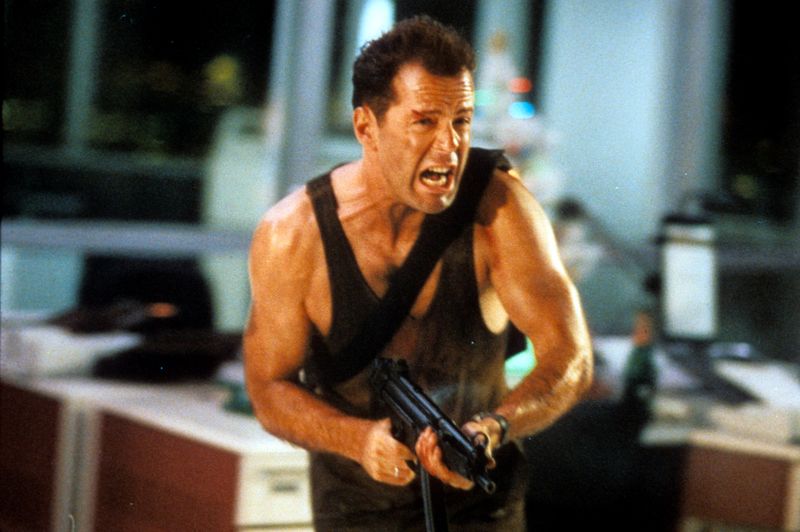
Long before his later health struggles became public, Willis had been linked to an on-set hearing injury that has followed him for years.
Reports and interviews have frequently associated the issue with exposure to repeated gunfire effects and loud action setups, which can be brutal on the ears when you’re working day after day.
Hearing damage is tricky because it can start subtly, with muffled frequencies or ringing that comes and goes, and then solidify into something permanent.
The irony is that action films rely on sensory overload—explosions, crashes, and chaos—yet the performers standing closest to the sound are often the ones taking the greatest risk.
McClane’s character survives impossible circumstances with a few cuts and bruises, but the reality of filmmaking can leave less visible scars.
In Willis’s case, the reported hearing loss has become part of the role’s legacy.
7. Angelina Jolie (Salt)
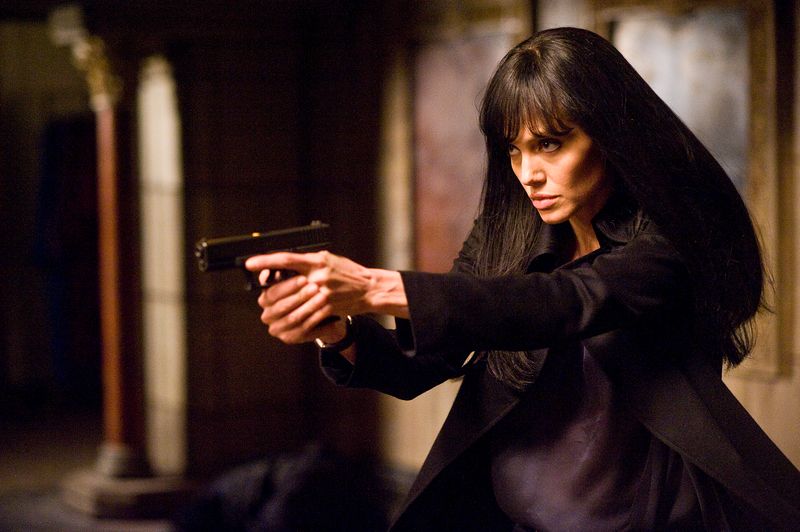
Action roles demand a level of physical precision that can turn even a minor mishap into a permanent mark.
In Jolie’s case, coverage of the film has often referenced a stunt-related incident that left her with a lasting facial scar.
Scars aren’t just cosmetic; depending on placement, they can involve nerve sensitivity, changes in sensation, and a lifelong reminder each time you look in the mirror.
What makes stunt work risky is the combination of speed, choreography, and unpredictable variables, like surfaces that don’t behave as expected or timing that’s off by a fraction of a second.
Jolie’s character spends the movie sprinting, fighting, and escaping with near-superhuman grit, and that physicality is part of why the film works.
Still, a permanent scar highlights the gap between the fantasy of invincibility on screen and the very human fragility of a performer’s body.
8. Daniel Craig (Spectre)
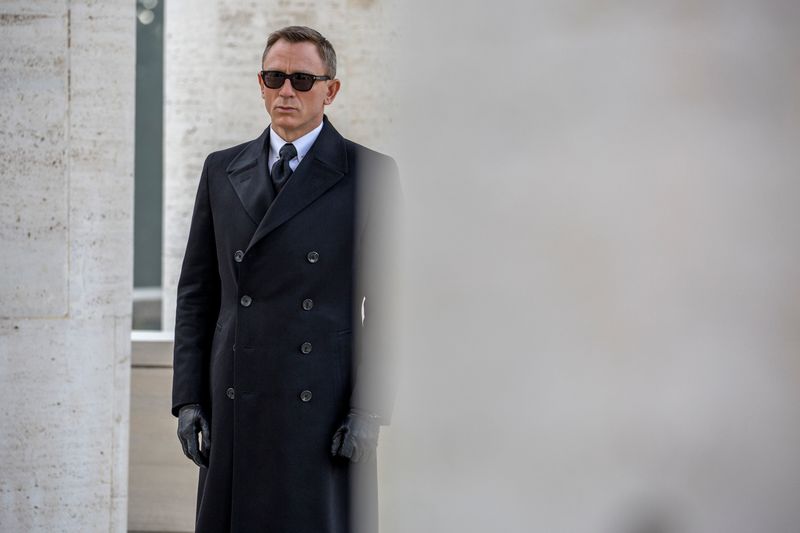
Bond films are designed to look seamless, but the physical cost behind that polish can be steep, and Craig’s time in the franchise has been associated with multiple injuries.
Reports around Spectre often mention a significant knee problem that required surgery and was described as having lingering effects.
Knee injuries can be especially disruptive because the joint is involved in nearly every movement, and even after repair, instability or pain can persist under strain.
What complicates a production like Bond is that action scenes are spread across locations and schedules, so a performer may return to high-intensity work before a joint is truly ready.
Craig’s Bond is built on a grounded, bruising realism, which means the fights and falls feel heavier than the polished choreography you might see elsewhere.
That realism isn’t free, and a lasting knee injury is one more reminder that the tuxedo and swagger often come with medical bills and long rehab.
9. Dylan O’Brien (Maze Runner: The Death Cure)
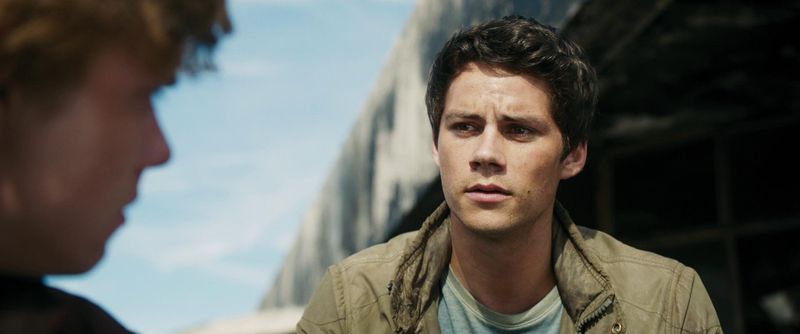
A single stunt accident can rewrite an entire career trajectory, and O’Brien’s crash during production has been widely discussed as one of the most serious modern examples.
The incident reportedly caused significant injuries, and O’Brien has spoken about long-term physical aftermath, including lasting changes and hardware that may remain part of his body.
Facial injuries in particular can be both physically and emotionally heavy, because the healing process is slow, unpredictable, and often involves lingering numbness or sensitivity.
What makes his story especially unsettling is how quickly a controlled, planned stunt can turn into something catastrophic, even with safety teams present.
Productions can be pressured by timelines, and action sequences sometimes demand speed that leaves little room for error.
O’Brien ultimately returned to acting, but the reported permanent physical reminders underline how thin the line can be between a thrilling scene and a life-changing injury.
10. Jaimie Alexander (Thor: The Dark World)
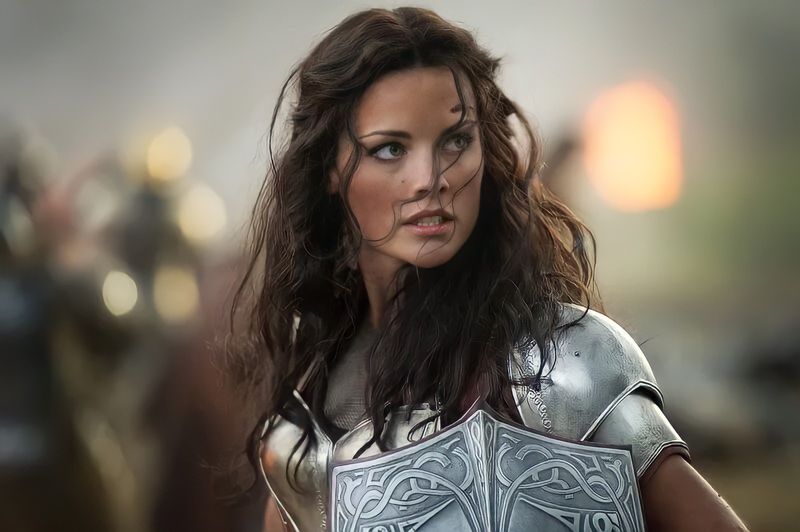
Superhero worlds are built on physical spectacle, and Alexander’s time playing Lady Sif reportedly came with serious real-world consequences after an on-set accident.
Coverage of the incident has described spinal and shoulder injuries, and accounts have mentioned frightening symptoms at the time that suggested how severe the damage might be.
Injuries involving the spine are especially alarming because they can affect nerves, mobility, and long-term pain management, sometimes leaving a performer dealing with limitations long after the bruises fade.
What complicates these situations is that productions often require you to keep moving, even when your body is signaling it needs rest, and that can exacerbate an injury before it’s properly stabilized.
Alexander’s character is defined by athletic confidence and warrior strength, but the behind-the-scenes reality illustrates how demanding harness work, falls, and fight choreography can be.
Even in a world filled with gods, gravity and anatomy still win.
11. Jessica Chastain (The Eyes of Tammy Faye)
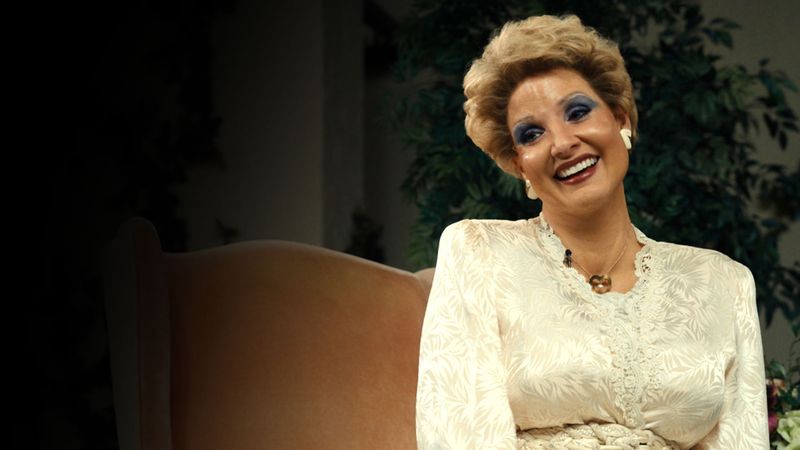
Not all long-term damage comes from stunts; sometimes it comes from the transformation tools meant to make a performer look like someone else.
Chastain has spoken about the heavy makeup and prosthetics required for this role and suggested that the process had lingering effects on her skin.
Extended wear of adhesives, frequent removals, and repeated applications can irritate the skin barrier, trigger inflammation, and exacerbate sensitivities that don’t simply reset overnight.
When this happens for weeks of filming, the irritation can evolve into persistent issues like dryness, flare-ups, or heightened reactivity to products that were once harmless.
What makes it particularly challenging is that makeup departments are often working at the edge of what materials can do, balancing realism with comfort, while production schedules demand consistency every day.
The finished performance is empathetic and layered, but the physical price of becoming Tammy Faye reportedly lasted beyond the final take.
12. Taylor Hickson (Incident in a Ghostland)

Some of the most tragic stories involve injuries that were not only severe but visibly permanent.
Hickson suffered a widely reported accident involving glass during filming that resulted in serious facial injuries and scarring.
Facial wounds can be life-altering because they affect identity as much as comfort, and the healing process can involve multiple surgeries, long recovery periods, and ongoing psychological impact.
The most unsettling part is how preventable many set injuries can feel in hindsight, because safety protocols exist precisely to stop sharp materials from becoming unpredictable hazards.
When an injury leaves permanent scarring, it becomes a constant reminder of a moment that happened in seconds but echoes for years.
Hickson’s case is often mentioned in conversations about on-set protections and accountability, because it illustrates how quickly an entertainment product can produce consequences that are anything but fictional.
It’s a stark example of permanent damage that’s impossible to “act away.”
13. Ray Bolger (The Wizard of Oz)
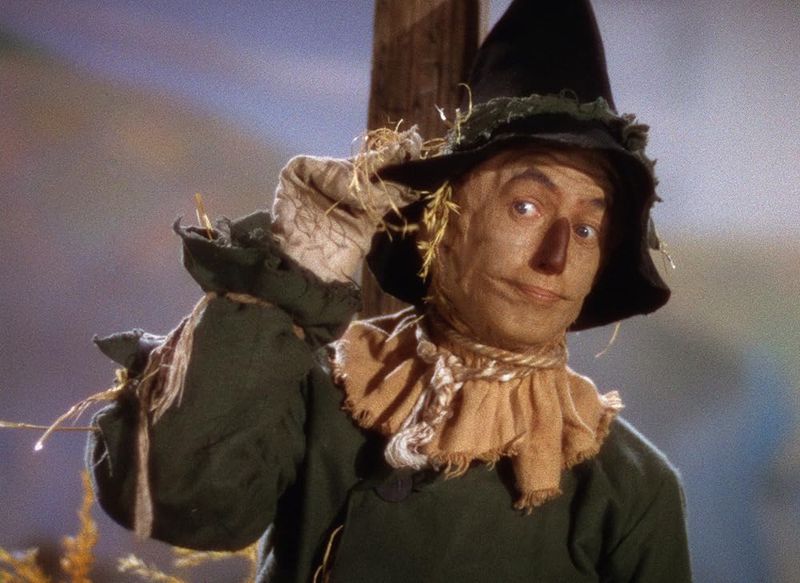
Classic Hollywood wasn’t gentle, and the physical toll of early prosthetics and makeup is a recurring theme in stories from that era.
Bolger’s Scarecrow look required extensive face work, and accounts over the years have suggested that the adhesives and materials used may have contributed to lasting irritation or scarring.
Even if you set aside the exact details, the broader reality is that film makeup in the 1930s relied on chemicals and techniques that were far harsher than modern standards, often applied for long hours under hot lights.
When skin is repeatedly stripped, rubbed, and covered with strong adhesives, it can become damaged in ways that are slow to heal and sometimes permanent.
Bolger’s performance is famously elastic and expressive, which is part of why Scarecrow remains beloved, but it’s worth remembering that the very face that carried the character may have paid a price behind the scenes.
14. Martin Sheen (Apocalypse Now)
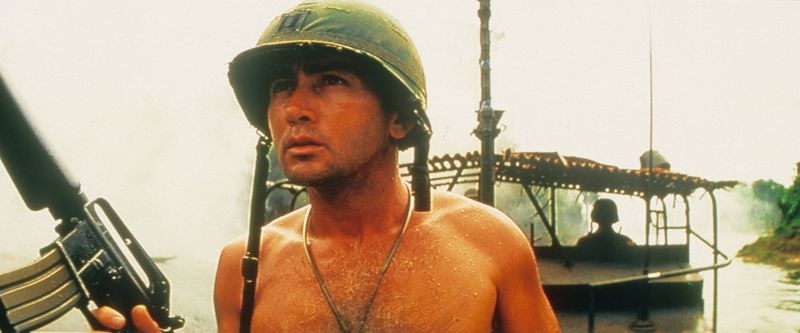
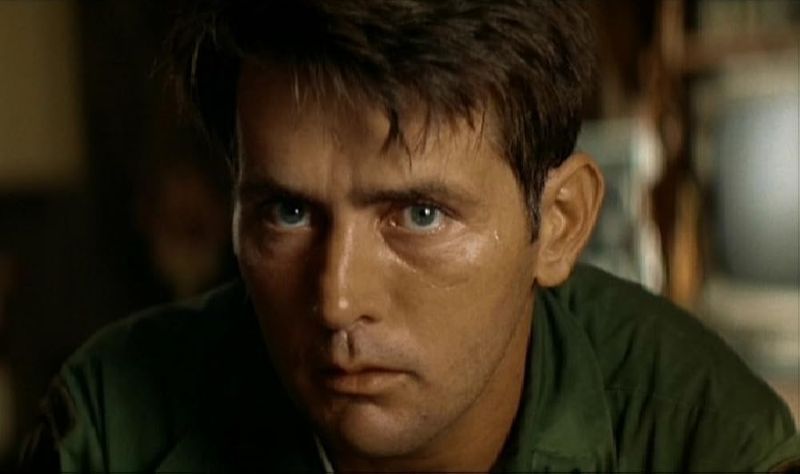
A production already known for chaos includes one moment that’s become part of Hollywood lore: Sheen’s character has a breakdown, and the scene involves real broken glass and real blood.
Reports and discussions of the film frequently mention that Sheen injured his hand during the sequence, leaving a scar that has endured.
Physical scars from glass cuts can be stubborn, especially when tendons or deeper tissue are involved, and they can affect grip strength, sensitivity, or range of motion depending on placement.
What makes this example so compelling is how it blurs the line between performance and reality, because the rawness of the scene is partly fueled by genuine injury and emotional intensity.
Apocalypse Now is often cited as a film that pushed everyone past reasonable limits, and Sheen’s lasting scar serves as a tangible artifact of that pressure.
It’s a reminder that “authenticity” can carry literal, permanent marks.
15. Al Pacino (Scarface)
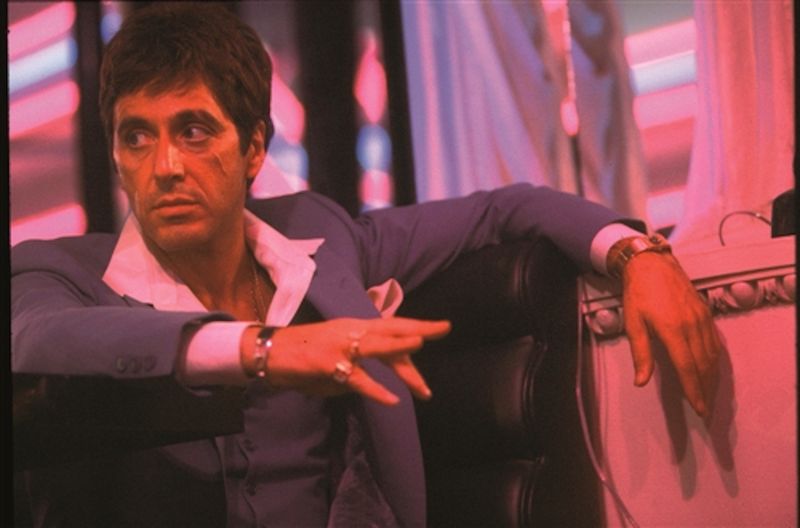
Sometimes the harm comes from repeated habits performed for realism, even when the substance itself isn’t the dangerous one.
Pacino has been linked, through interviews and long-circulating reports, to irritation and damage in his nasal passages from repeatedly snorting a stand-in powder during filming.
Even if a substitute is used, the act can still be abrasive because inhaled particles can inflame delicate tissue, cause chronic irritation, and contribute to longer-term sensitivity.
The risk grows when you’re repeating the action take after take, because the body doesn’t get a chance to recover before the next exposure.
What’s striking is that the scenes were meant to signal Tony Montana’s destructive lifestyle, yet the performer may have absorbed some of the physical consequences of that depiction.
Pacino’s performance is iconic precisely because it feels unrestrained, but this is one more example of how realism can quietly reach beyond the frame and into the actor’s health.
16. Uma Thurman (Kill Bill)
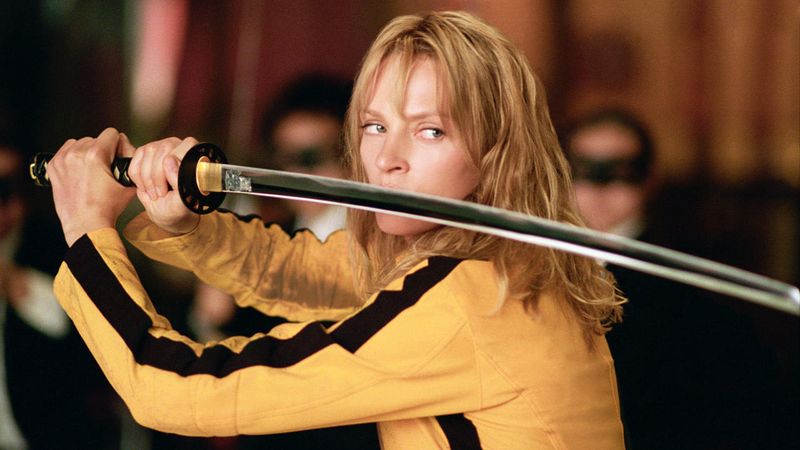
The physicality of the role was intense, but the most lasting damage reportedly came from a serious car crash that occurred during filming.
Thurman has spoken publicly about the incident, describing injuries and long-term effects that didn’t simply disappear once production moved on.
Car accidents can create a complicated web of issues, including neck and back trauma, joint problems, and pain that resurfaces unpredictably long after the initial healing window closes.
What makes her case particularly notable is that it’s often discussed alongside broader questions of set safety and decision-making, especially when a performer feels pressured to complete a risky setup.
The Bride is a character defined by unstoppable endurance, and Thurman’s performance helped cement that mythos, but the off-camera reality is that real bodies don’t have stunt-editing or heroic plot armor.
Her story stands as a reminder that behind a stylized fight epic, there can be very real injuries with lingering impact.
17. Kristin Chenoweth (The Good Wife)
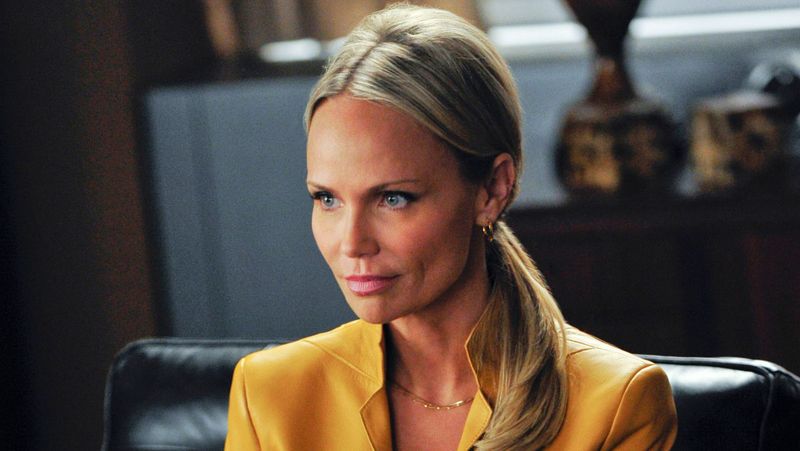
A guest appearance shouldn’t become a lifelong medical issue, but Chenoweth has spoken about an on-set accident that reportedly caused significant injury and lasting physical complications.
Being struck by equipment or suffering a fall can produce more than a temporary setback, because injuries involving the head, neck, or nerves often come with symptoms that persist in complicated ways.
Chronic pain can be exhausting not just physically, but emotionally, since it affects sleep, energy, and the ability to work consistently.
What’s especially unsettling is how quickly something routine—blocking a scene, hitting a mark, standing in the wrong place—can turn into an emergency.
Chenoweth has described long-term impact in interviews over the years, making her experience a reminder that workplace safety applies on a TV set just as it does anywhere else.
The camera might capture only a few minutes of performance, but the aftermath can stretch across seasons of real life.
18. Johnny Knoxville (Jackass Forever)
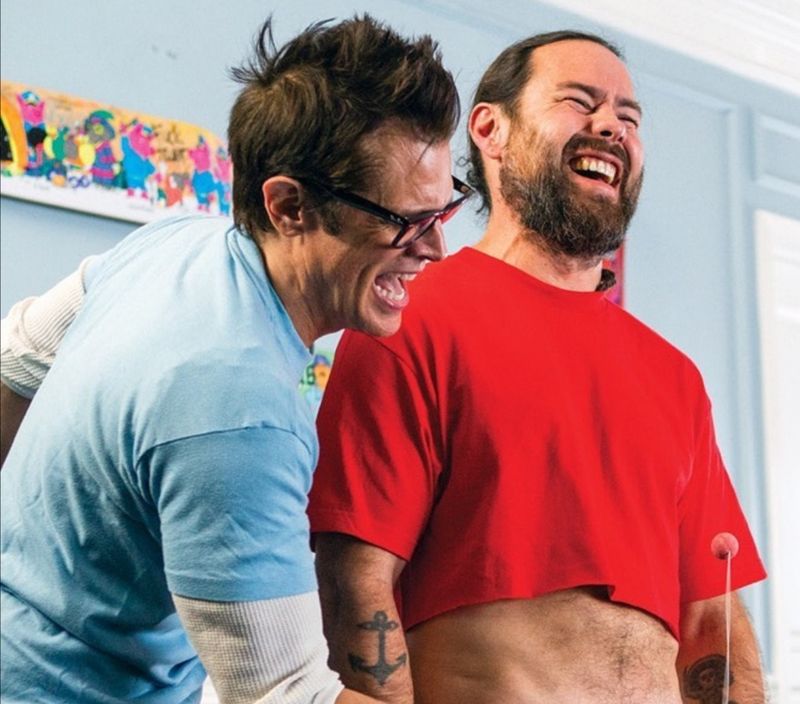
There’s a difference between acting tough and repeatedly putting your body into situations designed to fail, and Knoxville has been candid about the consequences of doing that for decades.
Reports tied to Jackass Forever and the franchise’s later years often mention concussion history and traumatic brain injuries, including serious incidents that led to long-term restrictions and ongoing concern.
Brain injuries are uniquely frightening because recovery can be uneven, and the cumulative effect of repeated head impacts can affect memory, mood, balance, and overall cognitive function.
The stunts are presented as comedic chaos, but the danger isn’t a joke when the body keeps tallying the hits.
What makes Knoxville’s story especially stark is that the “role” is essentially his identity, meaning there’s no character boundary to soften the cost.
The laughter is real, but so is the damage, and it reportedly influenced what risks he can safely take going forward.
19. Bruce Campbell (The Evil Dead)
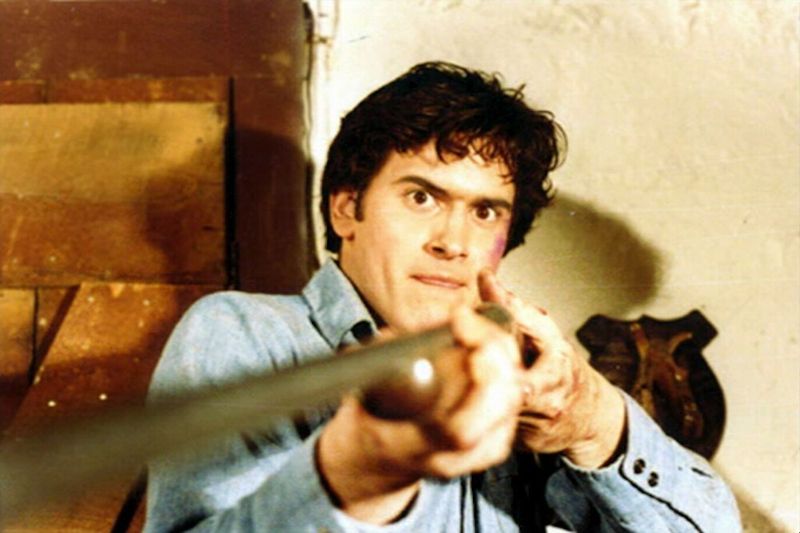
Low-budget filmmaking can be brutally physical because there are fewer resources to cushion mistakes, and Campbell has long described the original Evil Dead experience as punishing.
One frequently repeated anecdote involves a serious injury—often described as a broken ankle—along with lingering issues that affected how he moved afterward.
Even when a bone heals, the aftermath can include stiffness, chronic soreness, and vulnerability that returns under stress, especially if the injury occurred in chaotic conditions without ideal medical downtime.
What’s striking is that Ash became an enduring horror icon precisely because he feels battered and human, always taking one more hit and stumbling back up.
That realism wasn’t purely performance; it was shaped by a production that reportedly pushed the cast through physically demanding work in rough environments.
Campbell’s lasting injury is a reminder that cult classics are sometimes built on genuine discomfort, and the payoff for the audience can translate into long-term consequences for the person on camera.
Comments
Loading…