
 Mary Murphy
19 Celebrities Who Have Suffered Tragic Losses of Their Loved Ones
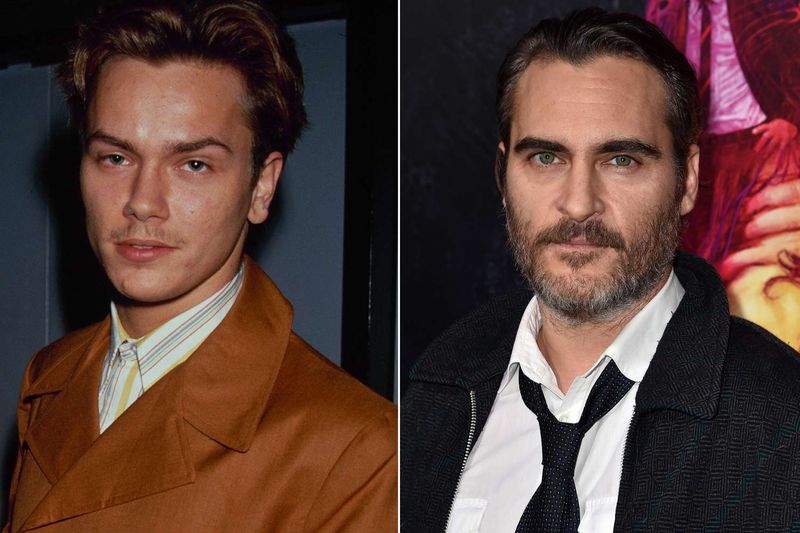
Grief doesn’t care how famous someone is, and Hollywood has seen that truth play out in painfully public ways.
When a celebrity loses a child, a partner, a parent, or a sibling, the mourning often unfolds under a spotlight that can feel both supportive and invasive at the same time.
Some stars have spoken openly about their heartbreak, using interviews, tributes, and advocacy to keep a loved one’s memory alive, while others have chosen privacy, letting their work and quieter gestures do the talking.
The stories in this article aren’t meant to sensationalize tragedy, but to acknowledge the human cost behind the headlines and the resilience it takes to keep moving forward after the unthinkable.
1. John Travolta — Losing Jett and Kelly Preston
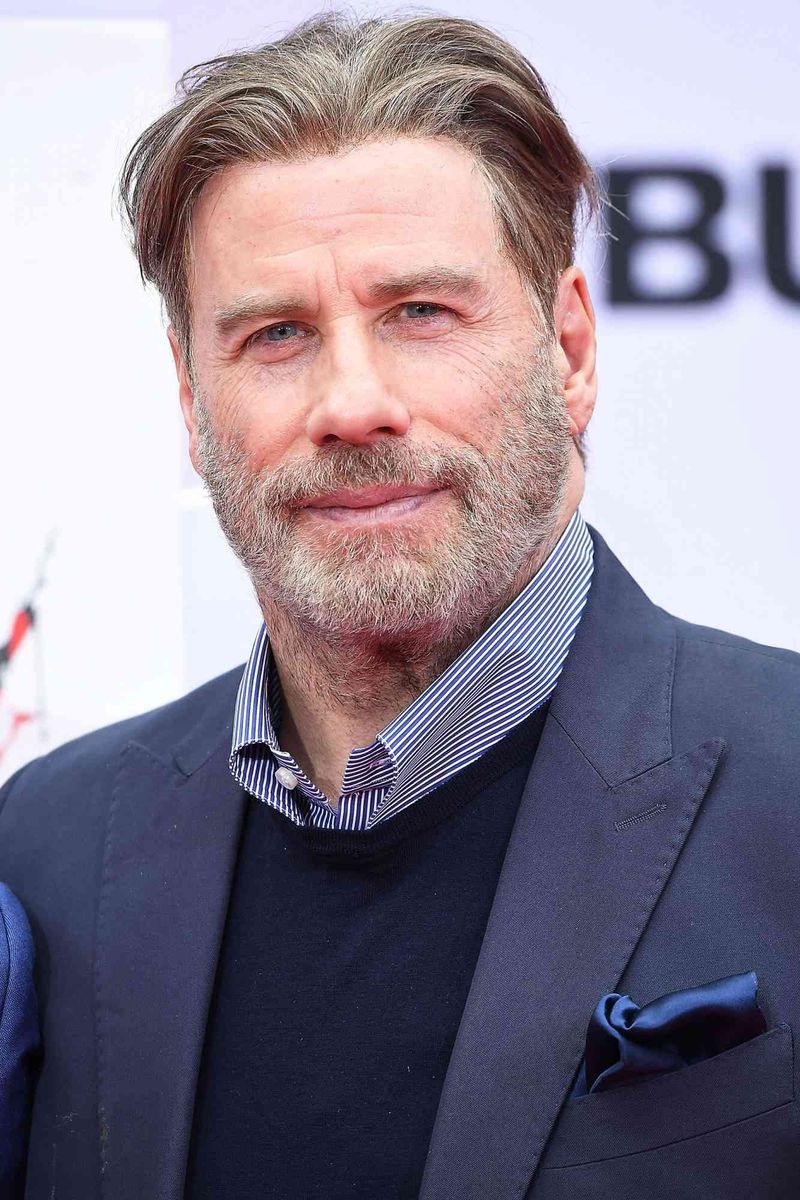
Few public figures have had their family life shaped by grief as repeatedly and as publicly as this longtime actor.
In January 2009, his teenage son Jett died while the family was vacationing in the Bahamas, a loss that became a defining wound for the entire household.
Years later, the family faced another devastating blow when Kelly Preston died in 2020 after battling breast cancer, leaving Travolta to navigate widowhood while raising their children.
What stands out is how consistently he has honored both Jett and Preston with personal tributes, often choosing simple, direct words and family photos instead of polished statements.
It’s a reminder that even in a world trained to perform, mourning can still look unmistakably real.
2. Vanessa Bryant — Losing Kobe and Gianna
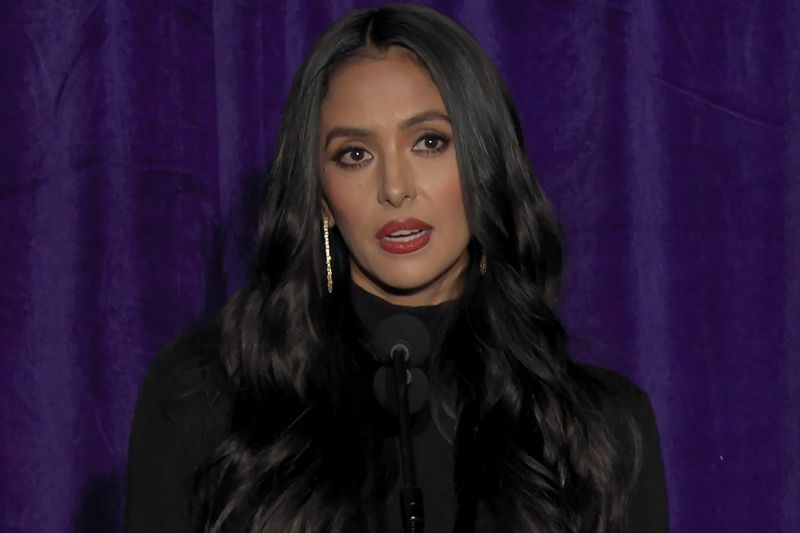
The shock of sudden tragedy hit with brutal force when Kobe Bryant and their daughter Gianna died in the helicopter crash on January 26, 2020.
In the weeks that followed, Vanessa Bryant mourned in a way few people ever have to: in front of arenas full of grieving strangers, and in front of cameras that never seemed to turn off.
During the public memorial at Staples Center on February 24, 2020, she honored both her husband and her daughter, balancing love and devastation while also acknowledging the other families who suffered losses that day.
Her grief has continued to show up in anniversaries, legacy work, and the steady effort to keep moving for the sake of her remaining daughters.
3. Liam Neeson — Losing Natasha Richardson
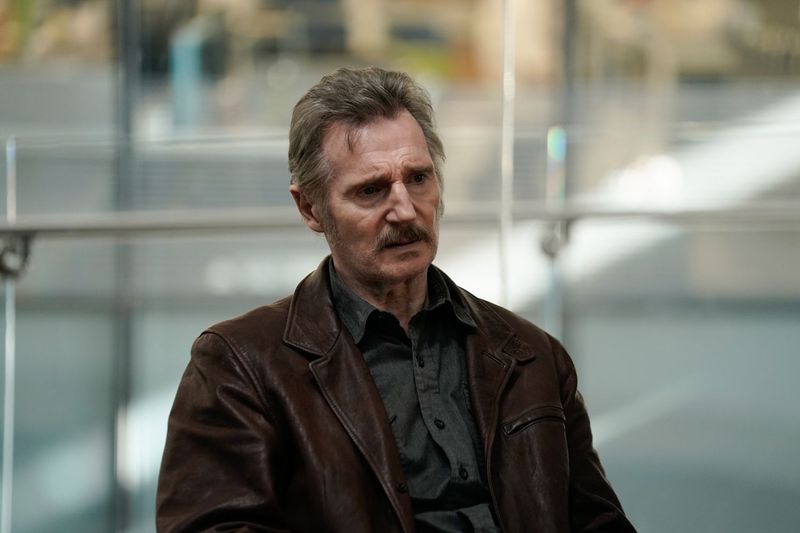
A single accident can split life into “before” and “after,” and that line became permanent in March 2009.
Natasha Richardson died at 45 after a fall during a ski lesson led to an epidural hematoma, a medical emergency that can worsen rapidly even if the initial injury seems mild.
In the aftermath, Liam Neeson was left to raise their sons while processing a loss that was both sudden and widely reported.
Over the years, he has spoken about the enduring presence of grief, describing how it doesn’t neatly disappear with time, even when daily life demands forward motion.
His story resonates because it shows how mourning can become a quiet companion, carried alongside work, parenting, and the pressure to “be okay” in public.
4. Eric Clapton — Losing His Son, Conor
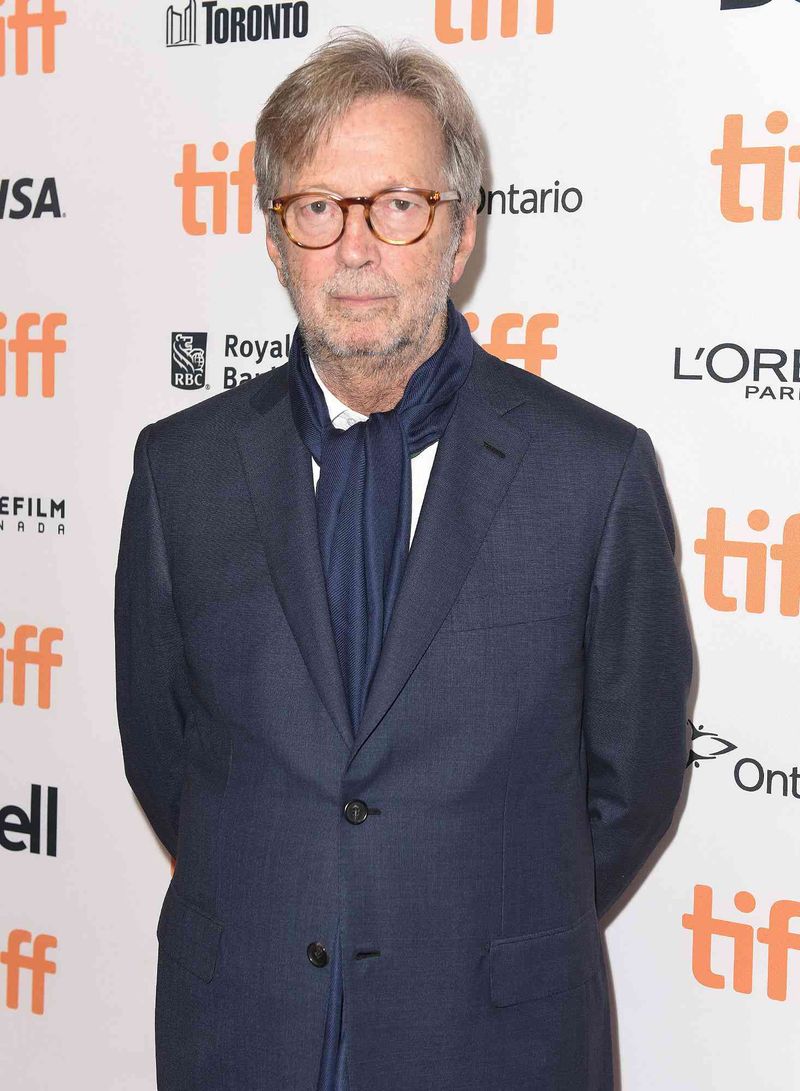
Some losses are so shattering that they change the way a person speaks, creates, and even breathes through the day.
In March 1991, Clapton’s 4-year-old son Conor died after falling from an open window in a New York high-rise, a tragedy that stunned the public and devastated the musician.
In the years that followed, grief became intertwined with his art, most famously through “Tears in Heaven,” which he released in 1992 as a tribute shaped by pain rather than performance.
What makes this story especially haunting is the ordinary detail behind the catastrophe: a moment, an opening, and a life that can’t be retrieved.
The way Clapton translated mourning into music shows how some people survive by giving sorrow a form.
5. Simone Ledward Boseman — Losing Chadwick Boseman
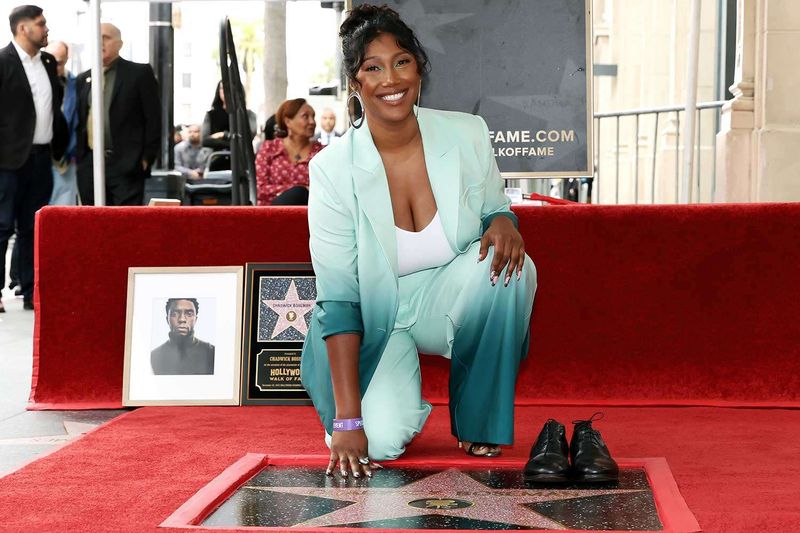
Privacy and global fame rarely coexist, yet Chadwick Boseman’s final years were defined by both.
After he died in August 2020 from colorectal cancer, his widow, Simone Ledward Boseman, became a guardian not only of his memory but also of the fuller story of his life.
In rare public moments, she has emphasized that she doesn’t want his legacy reduced to the way he died, and that protecting who he was matters as much as commemorating what he endured.
The grief here is layered: personal loss, public fascination, and the responsibility of carrying a beloved figure’s spirit forward without letting it become a spectacle.
Her approach has been steady, intentional, and quietly defiant in a culture that often tries to “consume” mourning.
6. Michelle Williams — Losing Heath Ledger
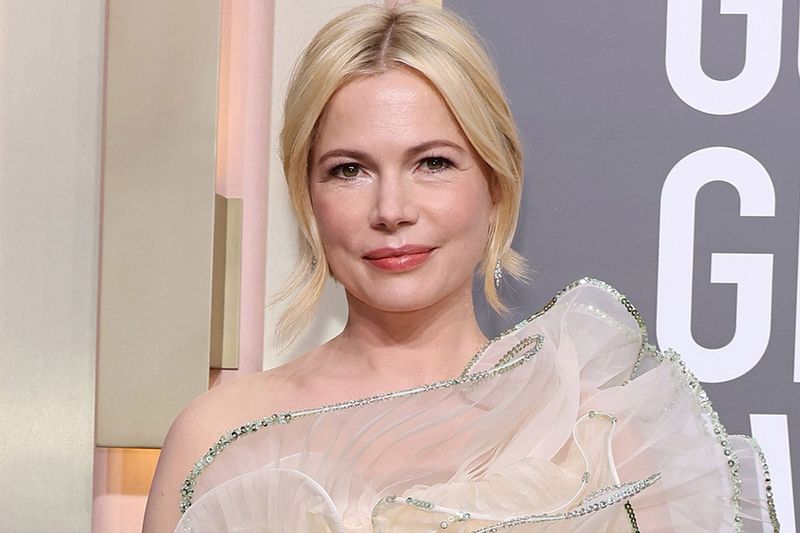
Co-parenting can be hard under the best circumstances, and it becomes something else entirely when loss arrives.
Heath Ledger died on January 22, 2008, from an accidental overdose, leaving Michelle Williams to grieve a former partner while raising their daughter Matilda.
Over time, Williams has spoken sparingly, but when she does, the focus tends to be on what matters most: the reality that a child grows up with an absence that can’t be explained away.
Her story often lands with readers because it is both familiar and unimaginable at once—trying to build a stable home while the world keeps revisiting the tragedy in headlines and retrospectives.
In her case, mourning hasn’t looked like dramatic public displays, but like long-term responsibility, privacy, and the quiet stamina of motherhood.
7. Keanu Reeves — Losing His Daughter and Jennifer Syme
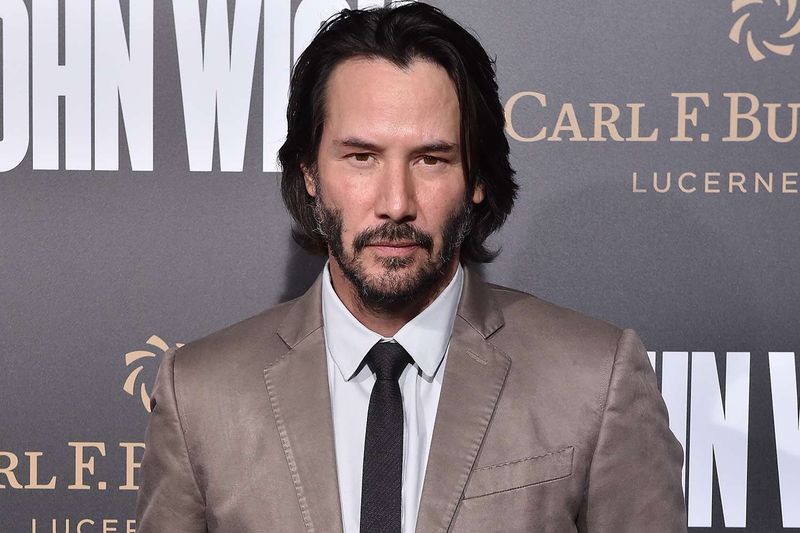
Tragedy shaped Reeves’ life long before he became synonymous with quiet steadiness.
In December 1999, his daughter with Jennifer Syme was stillborn, a loss that strained their relationship under the weight of grief.
Then, in April 2001, Syme died in a car accident at 28, a second blow that turned heartbreak into something even harder to name.
Reeves has rarely spoken in detail about either loss, which has only added to the sense that he carries grief with an intensely private kind of respect.
The facts alone are devastating, yet what stands out is how his public persona has remained gentle and grounded, as if surviving those chapters required him to build a different relationship with fame altogether.
It’s a reminder that silence can also be a form of mourning.
8. Pierce Brosnan — Losing Cassandra Harris and Charlotte
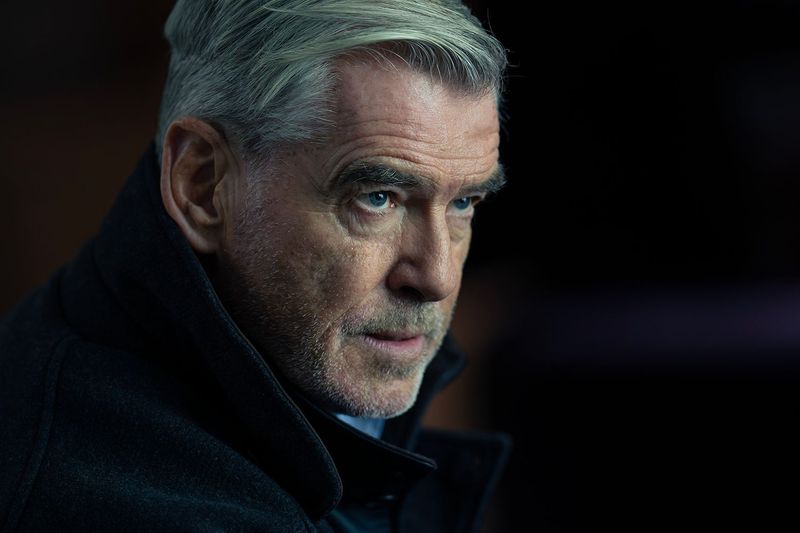
Some families are stalked by the same tragedy more than once, and Brosnan’s story is a heartbreaking example.
His first wife, Cassandra Harris, died on December 28, 1991, after living with ovarian cancer for years.
More than two decades later, his adopted daughter Charlotte—Cassandra’s daughter—also died of ovarian cancer in 2013, repeating a nightmare the family already knew too well.
Brosnan has spoken about the helplessness of watching options narrow as treatments fail, and the specific kind of grief that arrives when you’ve already lived through a similar goodbye.
The repetition adds a cruel echo: the same disease, the same fear, and the same hollow aftermath.
In his case, mourning isn’t one chapter with an ending, but a recurring storm that reshaped his family’s entire emotional landscape.
9. Gary Sinise — Losing His Son, Mac
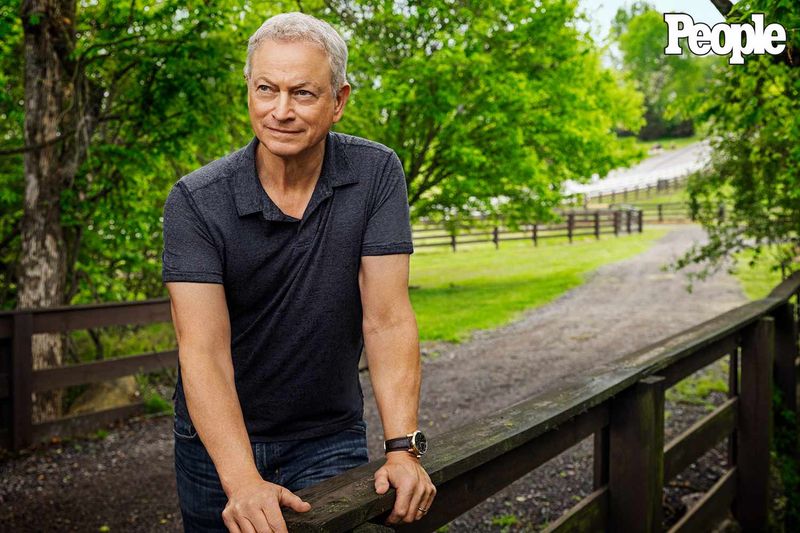
A parent’s grief has its own gravity, especially when it follows a long fight that still ends in loss.
Sinise’s son, McCanna Anthony “Mac” Sinise, died on January 5, 2024, after battling a rare cancer, and the family’s foundation later shared tributes that highlighted Mac’s work, including his involvement in music and the nonprofit’s projects.
The public knows Sinise as someone deeply connected to service and support for others, and this loss brought that role into a more intimate, painful frame.
When a family spends months or years hoping for treatments that may not exist, mourning can begin before death and continue afterward in waves.
The story is both personal and universal: the pride of a parent, the cruelty of illness, and the emptiness that follows.
10. Nick Cave — Losing Arthur (and later Jethro)
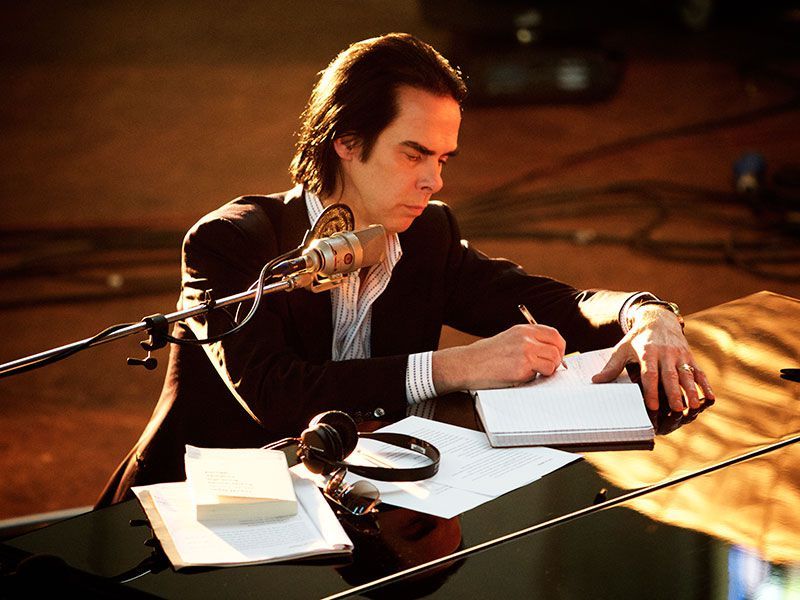
Grief became an unavoidable public subject for Cave after his 15-year-old son Arthur died in July 2015 following a fall near the family’s home in Brighton.
The tragedy wasn’t something he could keep neatly private, and he has written and spoken about being forced to grieve under public attention while trying to keep his family intact.
Years later, another loss followed when his son Jethro Lazenby died in 2022, compounding the pain in a way few people can imagine.
Cave’s work has often served as a vessel for mourning, but what’s striking is how directly he has addressed the emotional mechanics of it—how sorrow alters time, identity, and even the ability to feel joy.
His story is a portrait of survival without tidy closure.
11. Mark Ruffalo — Losing His Brother, Scott
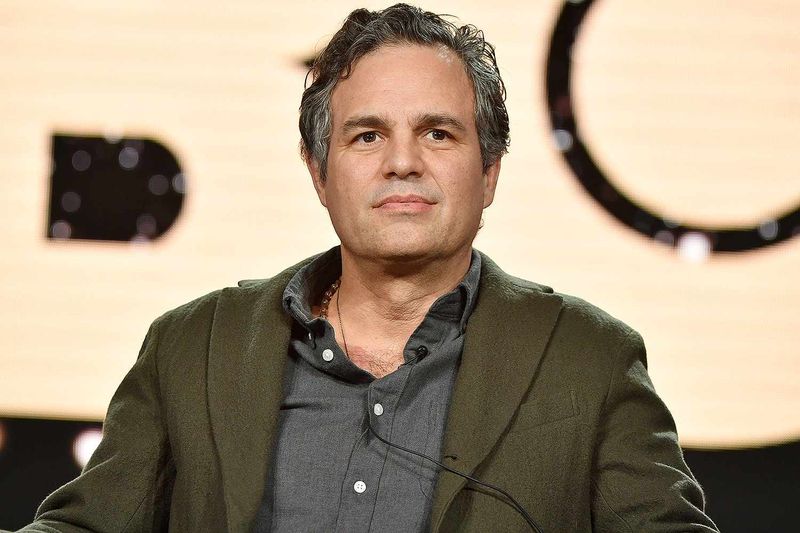
When a sibling dies violently, the grief can come with unanswered questions that never fully settle.
Ruffalo’s brother Scott, a hairdresser, died in December 2008 after being shot in his Beverly Hills-area apartment and later taken off life support.
The news was shocking not only because of the crime itself, but because it collided with the family’s private life in a way that instantly became public.
In situations like this, mourning often includes the extra weight of investigation, media coverage, and the unsettling feeling that the world wants “details” more than it wants to understand pain.
Ruffalo has kept much of his family’s processing private, but the facts of the case underscore how sudden loss can arrive through chaos rather than illness or age.
It’s the kind of tragedy that changes a family’s sense of safety forever.
12. Sofía Vergara — Losing Her Brother, Rafael
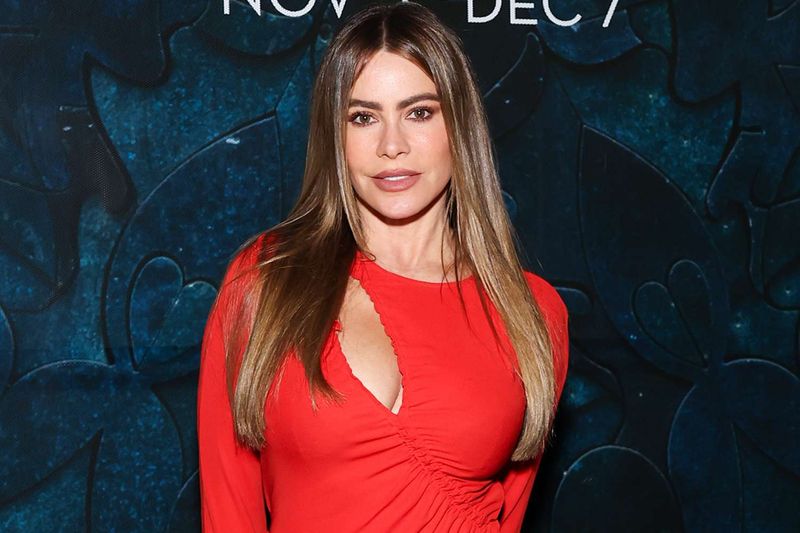
Long before fame turned her into a household name, tragedy struck her family in Colombia.
Vergara has shared that her older brother Rafael was killed in the late 1990s, a loss that devastated her mother and shifted the family’s life permanently.
The grief wasn’t only about death, but about fear—about what it meant to live in a place where violence could reach into ordinary routines and steal someone you love.
Stories like hers remind readers that celebrity “origin stories” often include real trauma that doesn’t vanish once success arrives.
Even when someone builds a new life in a new country, the loss can remain a constant reference point, shaping choices, relationships, and the way a person understands safety.
In her case, the pain is part of the foundation, not a footnote.
13. Robin Roberts — Losing Her Parents
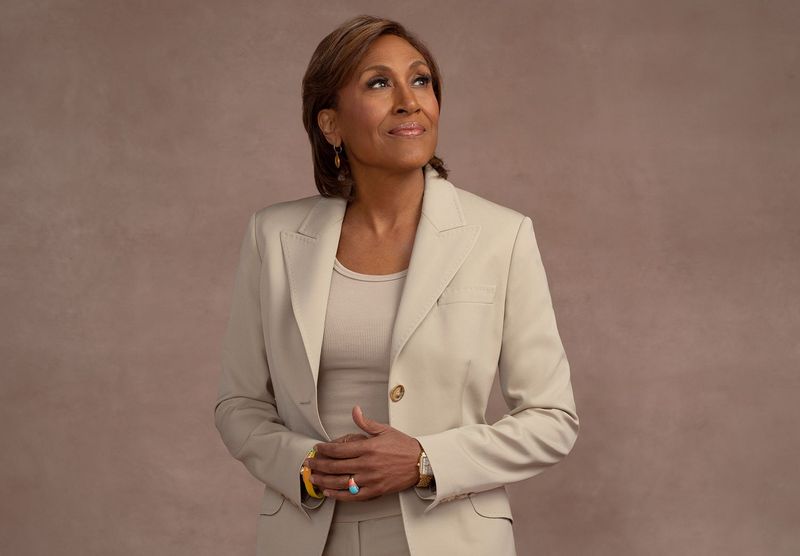
Family loss can become even heavier when it overlaps with personal health battles and public responsibility.
Roberts’ mother, Lucimarian Tolliver Roberts, died in 2012, and her father, Col.
Lawrence “Larry” Roberts, died in October 2004.
In both cases, Roberts has spoken and written about the grounding influence her parents had on her character, faith, and resilience.
What makes her story especially poignant is how grief was not an isolated experience; it occurred alongside high-profile health struggles, including her public fight with breast cancer and later myelodysplastic syndrome.
In moments like that, mourning doesn’t pause simply because a person is “strong” or well-known; it demands space even when work and recovery still require daily effort.
Her life shows how loss can deepen gratitude, while still leaving an ache that doesn’t disappear with time.
14. Céline Dion — Losing René Angélil
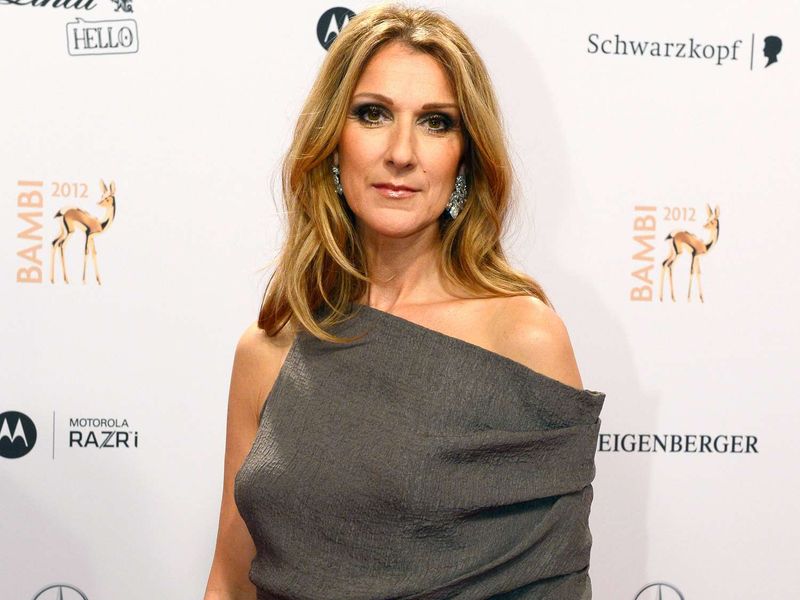
Sometimes the person you lose is also the person who helped build your entire world.
René Angélil wasn’t only Dion’s husband; he was her longtime manager and a key architect of her career, which made his death feel like both a personal and professional earthquake.
Angélil died on January 14, 2016, after years of serious health challenges related to throat cancer, and Dion has continued to honor him in anniversaries and tributes that emphasize how deeply he remains part of their family story.
Their relationship also carried decades of history—partnership, mentorship, marriage, and parenting—so grief wasn’t simply about missing a spouse, but about losing the person who had been present at nearly every major turning point.
The tenderness of her public messages shows how mourning can be an ongoing conversation with someone who’s gone.
15. Patton Oswalt — Losing Michelle McNamara
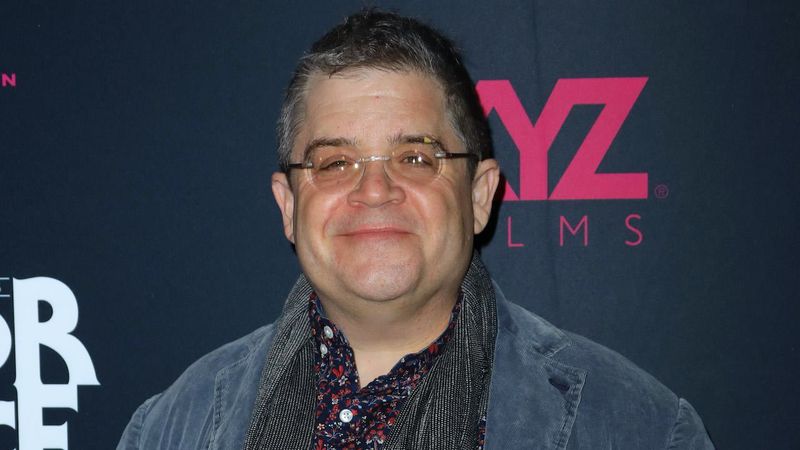
Widowhood can feel surreal when it comes without warning, and that shock shaped Oswalt’s life after April 2016.
His wife, true-crime writer Michelle McNamara, died at 46, and later reporting described her death as involving multiple prescription drugs.
In the immediate aftermath, Oswalt had to grieve while raising their daughter, and he also faced the impossible task of figuring out how to honor a partner whose work was unfinished.
One of the most moving chapters came when he helped shepherd McNamara’s book into the world after her death, later posting tributes that made it clear the accomplishment was inseparable from the pain.
His story is complicated by the public’s curiosity about how quickly grief “should” look a certain way, especially after he eventually remarried.
In reality, mourning is not a timeline; it’s a landscape you learn to live inside.
16. Anna Nicole Smith — Losing Her Son, Daniel
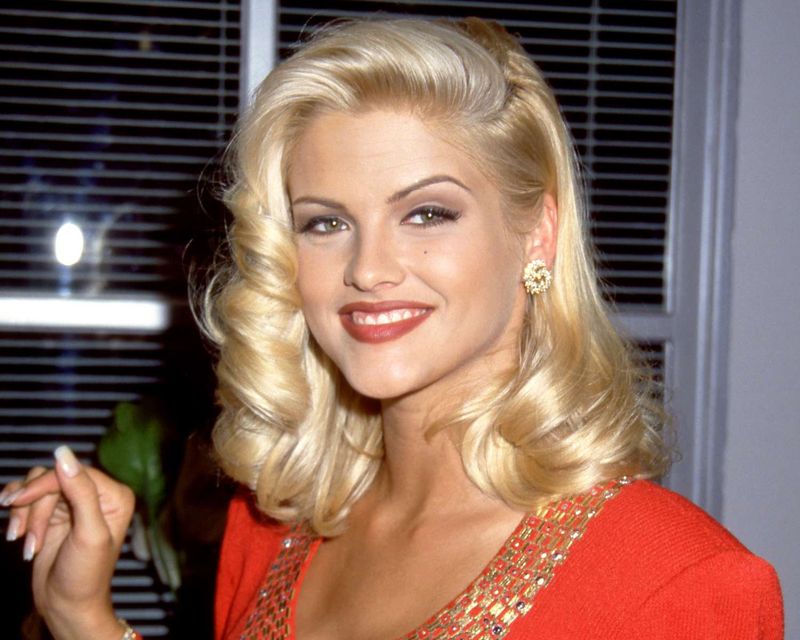
The tragedy that unfolded in 2006 was so sudden it still feels hard to process even in retrospect.
Just days after giving birth to her daughter Dannielynn in the Bahamas, Anna Nicole Smith’s 20-year-old son Daniel died on September 10, 2006, after collapsing while visiting her in the hospital.
Investigators later said the cause was an accidental overdose involving a combination of medications, turning what should have been a moment of new life into immediate devastation.
The loss was widely covered, but underneath the headlines was a mother who had long described her bond with Daniel as central and stabilizing, especially amid the chaos of fame.
What makes this story especially heartbreaking is how grief arrived at the exact moment the family was supposed to be expanding, leaving celebration and mourning tangled together in the same hospital room.
17. Joaquin Phoenix — Losing River Phoenix
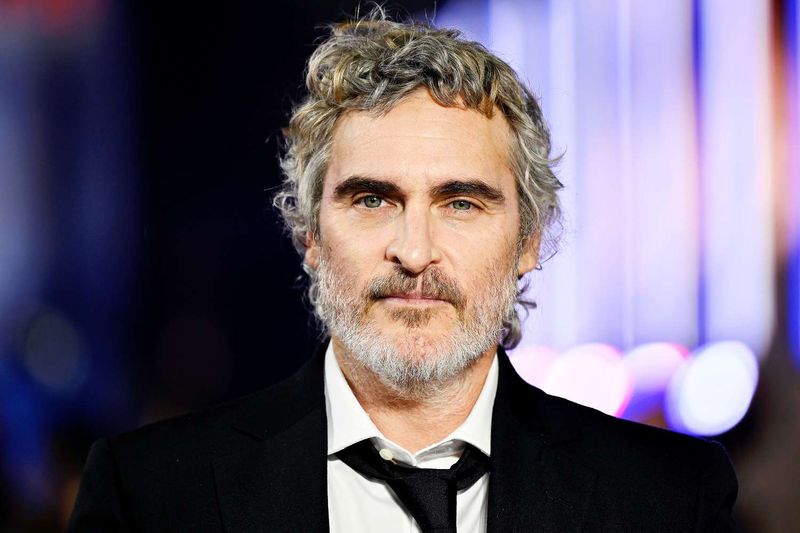
Few celebrity losses have been as sudden, public, and permanently defining as the death of River Phoenix.
On the night of October 31, 1993, River collapsed outside The Viper Room in West Hollywood and later died at age 23; the coroner listed the cause as acute multiple drug intoxication, with toxicology showing high levels of morphine (from heroin) and cocaine.
In the most haunting detail of the night, Joaquin Phoenix was the one who called 911, his voice recorded in a frantic plea for help that later became part of the public record.
Years afterward, he has honored his brother in quieter but unmistakable ways, including ending his 2020 Oscars speech with a lyric River wrote: “Run to the rescue with love and peace will follow.”
18. Robert Downey Jr. — Losing Robert Downey Sr.
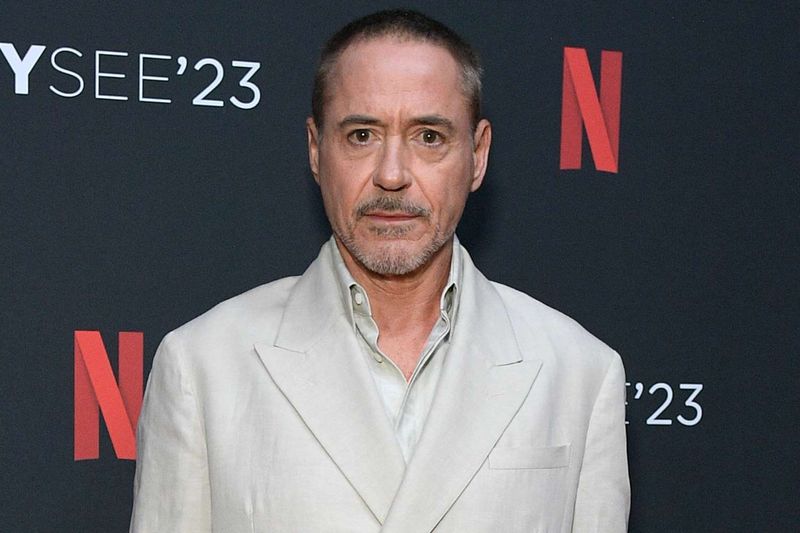
Losing a parent often comes with complicated emotions, and Downey Jr. spoke with raw honesty when his father died in 2021.
Robert Downey Sr., an influential filmmaker and actor, died on July 7, 2021, after living with Parkinson’s disease, and his son shared the news publicly in a way that highlighted both love and realism.
Their relationship carried decades of history—family, artistry, and the messy humanity that often exists between a father and son—so the loss wasn’t simply about death, but about the end of a long, evolving connection.
When a parent is also a creative influence, mourning can stir up memories of who you were when you first tried to become yourself.
In his tribute, Downey Jr. framed his father as one-of-a-kind, which is often what grief does: it clarifies how irreplaceable a single person can be.
19. Jamie Foxx — Losing DeOndra Dixon
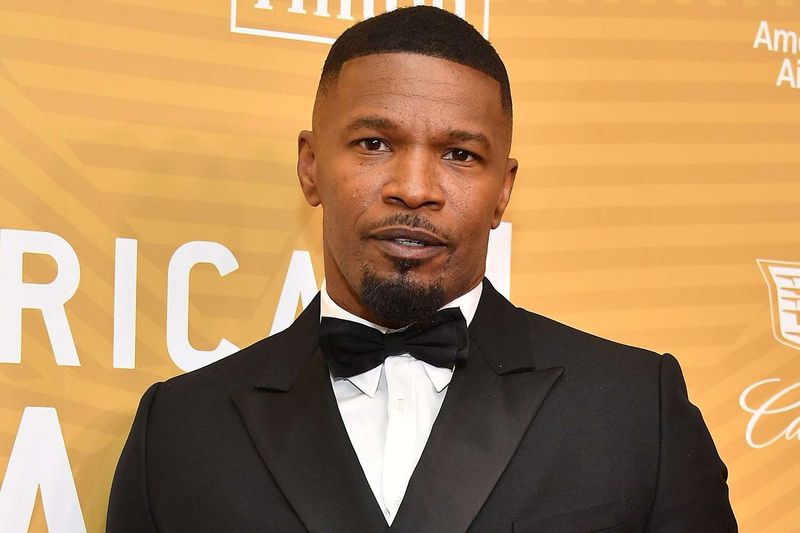
A sibling’s death can crack open a family’s emotional center, especially when that sibling was also a source of joy and light.
Foxx announced in October 2020 that his younger sister, DeOndra Dixon, had died at 36, and he described his heart as “shattered,” making it clear the loss was profound and immediate.
DeOndra had Down syndrome, and coverage of her life often highlighted her passion for dance and the way she brought people together through her energy.
Foxx’s tributes focused less on celebrity and more on love, emphasizing that she would remain “alive” in the family’s memory.
In stories like this, grief isn’t just about what was lost, but about what a person represented—innocence, laughter, and a kind of presence that changes a home simply by being in it.
His mourning also reflected a protective tenderness, as if he wanted the world to see her dignity before anything else.
Comments
Loading…