
 Hailey Watson
17 TV Characters We Loved Then… But Wouldn’t Tolerate Now
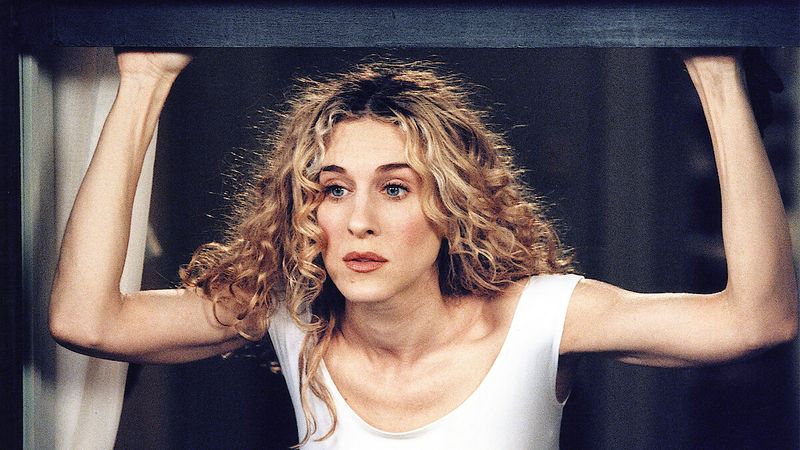
Nostalgia has a funny way of smoothing out the rough edges.
When we rewatch the shows we grew up on, it’s easy to remember the catchphrases, the iconic outfits, and the comfort of familiar storylines.
But it’s also hard to ignore how much our standards have shifted.
What once played as “quirky,” “romantic,” or “just a joke” can land very differently now—especially when it involves boundaries, workplace behavior, or the way characters treat the people closest to them.
That doesn’t mean these series have no value, or that we can’t still enjoy them.
It just means we’re watching with sharper eyes and more context.
Here are 17 TV characters many of us loved then… but probably wouldn’t tolerate in our lives today.
1. Ross Geller (Friends)
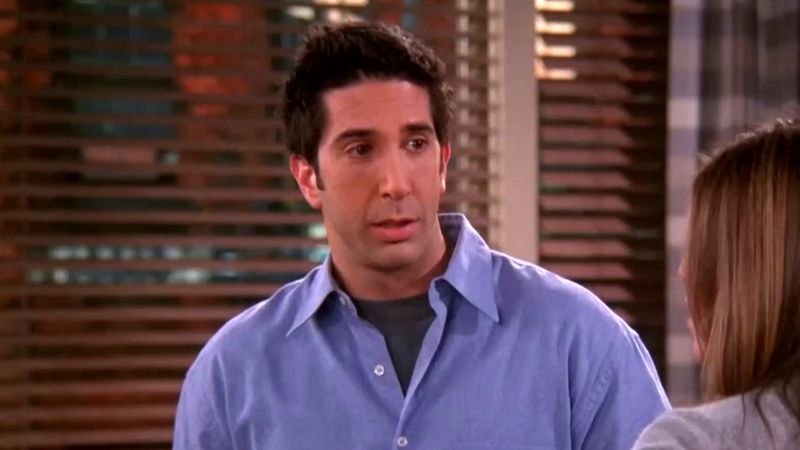
For a character presented as sweet and well-meaning, his insecurity often turns into behavior that feels surprisingly controlling.
Ross frequently spirals into jealousy, especially when he feels threatened by a partner’s independence or friendships, and he tends to justify it as “caring.”
Rewatching now, a lot of his conflicts could have been avoided with basic communication and emotional maturity, but instead he doubles down, argues technicalities, and acts wounded when he’s called out.
The famous “we were on a break” debate is a perfect example of how he clings to loopholes instead of focusing on the impact of his choices.
In the moment, it was funny sitcom drama, yet today it reads like a pattern of defensiveness that would exhaust most people.
2. Barney Stinson (How I Met Your Mother)
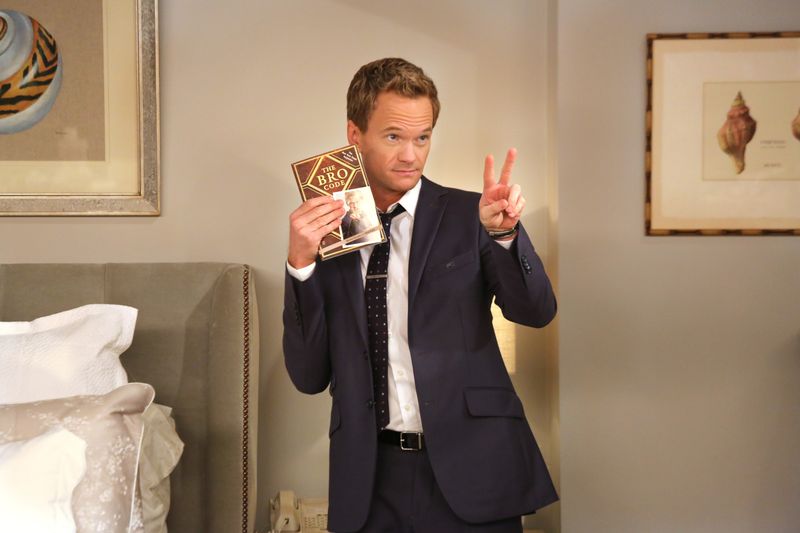
At the time, Barney’s over-the-top confidence and outrageous antics were treated like harmless comedy, mostly because the show framed them as exaggerated and cartoonish.
Watching now, his behavior looks a lot less like charming bravado and a lot more like manipulation dressed up as a punchline.
He lies to women, turns dating into a game, and repeatedly treats people as props in his personal “legendary” narrative.
Even when the story attempts to soften him with moments of vulnerability, the pattern remains: he pushes boundaries until someone reacts, then tries to win them back with spectacle instead of accountability.
In a modern context, a friend who constantly objectifies others and normalizes deception wouldn’t feel fun; he’d feel like an emotional hazard.
3. Charlie Harper (Two and a Half Men)

Some characters age poorly because their jokes rely on stereotypes, and Charlie is a perfect example of that.
He’s written as the ultimate carefree bachelor, but much of his humor comes from relentless objectification and the idea that commitment is a trap to avoid at all costs.
The show often rewards his worst instincts, treating his casual cruelty as a sign of confidence rather than immaturity.
Rewatching today, it’s hard not to notice how frequently women are reduced to a type, a body, or a punchline, while Charlie’s bad behavior is treated like something to envy.
Even his relationships with family can feel transactional, as if everyone exists to manage his messes.
In real life, someone like that wouldn’t be “hilarious,” he’d be draining and deeply disrespectful.
4. Eric Cartman (South Park)

Satire is tricky, and Cartman has always been designed to be awful on purpose, which is part of why he became so iconic.
Still, there’s a difference between recognizing the intent and feeling comfortable laughing along the same way we used to.
He embodies cruelty, prejudice, and manipulation, and he often succeeds through intimidation or sheer lack of empathy.
In earlier years, many viewers treated him like a lovable troublemaker because the show is animated and absurd, but rewatching can make his behavior feel less like edgy humor and more like a parade of red flags.
The bigger issue is how easily people normalize him as “just a character,” even though his actions mirror real-world attitudes that cause actual harm.
Today, he reads less like a mischievous kid and more like someone you’d avoid at all costs.
5. Homer Simpson (The Simpsons)

There’s no denying Homer is a comedy legend, but a modern rewatch highlights how often his mistakes aren’t just silly—they’re genuinely harmful.
He regularly avoids responsibility, makes impulsive decisions that put his family at risk, and expects everyone else to clean up the fallout.
What used to feel like classic sitcom exaggeration can now look like weaponized incompetence, especially when Marge becomes the default fixer for everything he breaks.
His parenting is also wildly inconsistent, swinging from affectionate to negligent depending on the joke of the episode.
Of course, animation gives the show extra freedom, and Homer’s stupidity is part of its DNA, yet it still lands differently today.
In real life, a partner who refuses to grow, learn, or contribute would not be endearing; he’d be a long-term stressor.
6. Peter Griffin (Family Guy)

The early appeal of Peter was that he’s so absurd he barely feels human, which made the show’s chaos easier to swallow.
With today’s lens, though, his behavior looks like a nonstop cycle of selfishness, cruelty, and reckless decisions that hurt everyone around him.
He lies, he sabotages relationships, and he often treats his family like obstacles rather than people.
Even when the show resets after each episode, the pattern remains: Peter acts out, someone suffers, and the “lesson” rarely sticks long enough to matter.
A lot of humor comes from how far he’s willing to go, but the escalation can feel less funny and more exhausting on rewatch.
If you knew someone like this in real life—someone who constantly humiliates loved ones and makes dangerous choices for attention—you wouldn’t call him entertaining; you’d call him unsafe.
7. George Costanza (Seinfeld)
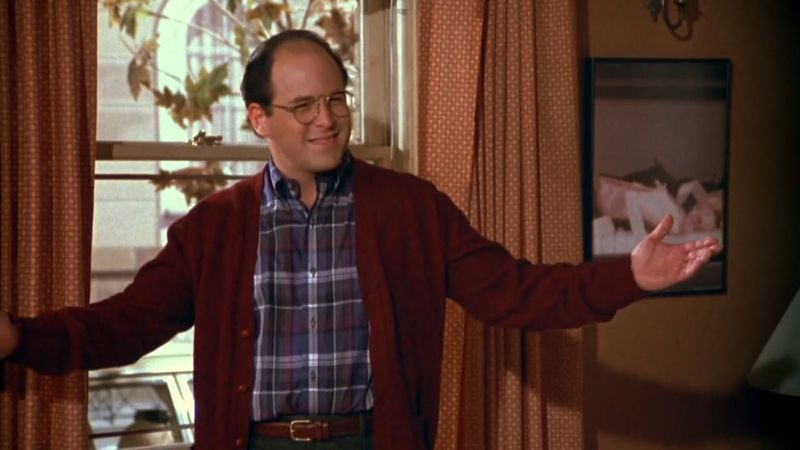
George became relatable because he was anxious, awkward, and always convinced the universe was against him, which can feel oddly comforting when you’re young.
Watching now, it’s hard not to see how often he creates his own problems through dishonesty and entitlement.
He lies as a default setting, shifts blame the moment he’s caught, and treats relationships like a performance where he’s always trying to gain an advantage.
The show frames his selfishness as comedic, and it is, but it also shows a person who rarely learns or grows.
His constant schemes—especially in dating—often revolve around minimizing effort while maximizing what he gets from other people.
Modern audiences are quicker to call that out as emotional laziness rather than relatable neurotic humor.
A friend like George would be funny in small doses, but impossible to trust long-term.
8. Carrie Bradshaw (Sex and the City)

A lot of viewers first saw Carrie as the voice of modern dating, the woman trying to figure it out in real time, and that’s still part of her charm.
Yet rewatching today makes her self-centered streak much more obvious, especially in how she handles conflict.
She can be impulsive, dismissive of other people’s boundaries, and oddly entitled when things don’t go her way.
There are moments where she expects friends to support choices she hasn’t fully thought through, then becomes defensive when they ask reasonable questions.
Her romantic storylines also include patterns of chasing drama and confusing intensity with intimacy, which can look exhausting rather than aspirational.
It’s not that she’s unredeemable; it’s that the show often treats her perspective as automatically correct.
Today, many viewers would want more accountability and less “main character” justification.
9. Samantha Jones (Sex and the City)

Samantha remains an icon for her confidence and unapologetic independence, and there’s still something refreshing about her refusing to shame herself.
But some of her behavior, especially in professional environments, hits differently now.
She often blurs boundaries, makes sexually explicit comments in settings where other people can’t opt out, and treats discomfort as a joke rather than a signal to stop.
The show frames her as liberated, which she is, yet liberation doesn’t automatically equal consideration for others.
In a modern workplace culture with clearer standards around harassment and consent, a lot of her one-liners would be inappropriate at best, and career-ending at worst.
What we might celebrate today is her ownership of her choices and her refusal to internalize double standards, while also acknowledging that true empowerment includes respecting other people’s boundaries just as fiercely as your own.
10. Dr. Gregory House (House)

Brilliance is often used as a shield for bad behavior, and House is one of television’s most famous examples of that trope.
He’s witty, sharp, and usually right, which encourages the audience to excuse how cruel he can be to everyone around him.
On rewatch, his workplace conduct is almost constantly inappropriate, from humiliating colleagues to ignoring rules whenever they get in his way.
The show frames it as the cost of genius, but in real life, constant belittling would destroy morale and trust fast.
House also frequently crosses patient boundaries, justifying ethically shaky decisions as necessary because he “knows best.” It’s compelling drama, but it reinforces an idea that competence cancels out character.
Today, many viewers would still enjoy his one-liners, yet they’d also recognize that a boss or coworker like House would be unbearable and potentially harmful, no matter how smart he is.
11. Michael Scott (The Office)
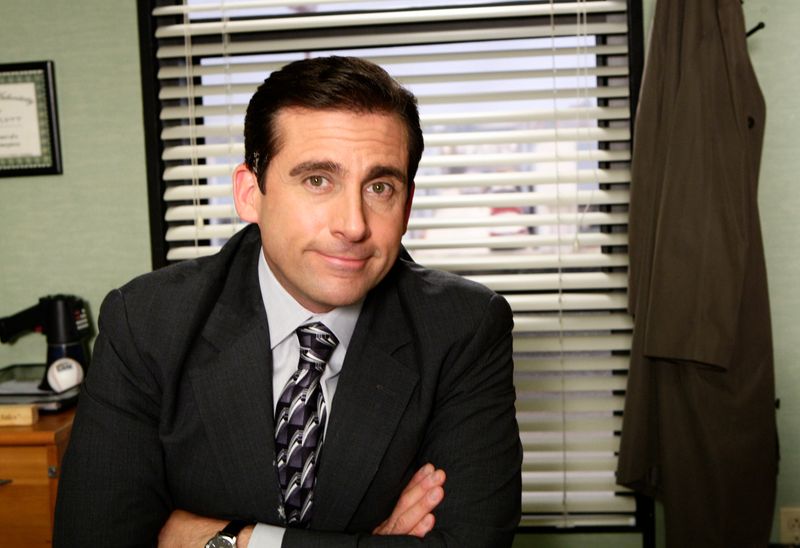
Comedy thrives on discomfort, and Michael is practically built out of it, which is why he can still make people laugh even years later.
Yet when you strip away the mockumentary framing, his behavior is what HR training videos warn you about.
He overshares, makes inappropriate jokes, crosses professional boundaries, and often centers himself in situations where he should be listening.
What’s difficult on rewatch is how frequently his employees have to manage his emotions so the office can function, as if they’re parenting their boss instead of working for him.
The show does give him growth and moments of genuine kindness, but it also normalizes the idea that a leader can be incompetent and offensive as long as he’s “well-intentioned.”
In real life, someone like Michael would create a workplace full of stress, anxiety, and constant secondhand embarrassment that no paycheck could justify.
12. Red Forman (That ’70s Show)
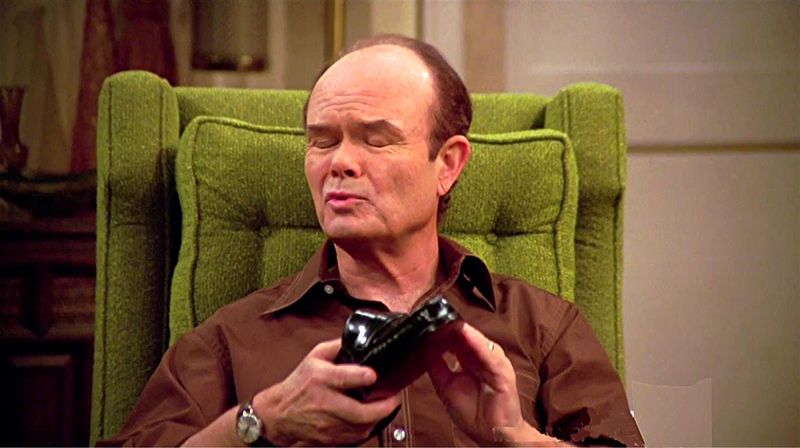
Tough love used to be framed as a sign of good parenting, and Red’s bluntness was often treated like the voice of reason in a household full of chaos.
Watching now, many of his “discipline” moments come off less like guidance and more like intimidation.
He relies heavily on insults, threats, and fear to maintain control, and while it’s played for laughs, it can mirror real family dynamics that leave lasting emotional damage.
The show sometimes balances him with softer scenes that reveal he cares deeply, but those moments don’t erase how often his default is harshness.
Modern viewers are more likely to question whether respect that’s built on fear is respect at all.
Red still has his funny lines and occasional wisdom, yet if you imagine him as a real parent rather than a sitcom dad, his style would feel less iconic and more unsettling.
13. Archie Bunker (All in the Family)
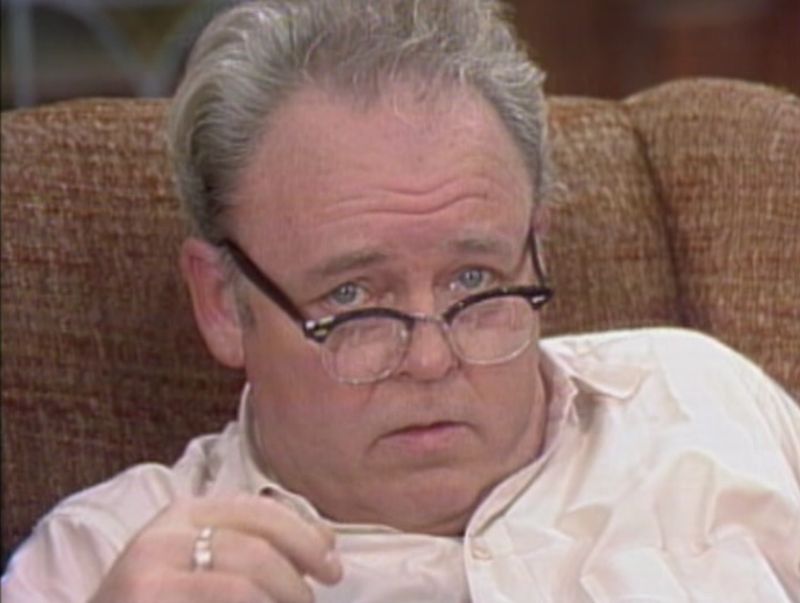
Archie was created as a character you weren’t supposed to imitate, and the show used him to expose prejudice by making his views look ignorant and outdated.
Even so, rewatching can be uncomfortable because so much of the humor depends on hearing him say things that would be unacceptable in most spaces today.
The difference now is that audiences are more aware of how repeated exposure to hateful language, even in satire, can still normalize it or give it room to breathe.
Archie’s stubbornness, his refusal to learn, and his tendency to dismiss other people’s lived experiences might have once been written off as “just how he is,” but today it reads like a person actively choosing ignorance.
The character remains historically important because he reflected real social tensions, yet he’s also a reminder that “classic TV” sometimes asked marginalized viewers to sit through a lot of harm to get to the point.
14. Blair Waldorf (Gossip Girl)

For many viewers, Blair represented fantasy power: perfectly styled, endlessly confident, and always in control of the social hierarchy.
Rewatching now makes it harder to ignore how often that “power” is built on cruelty.
She bullies people to maintain status, humiliates friends when they threaten her spotlight, and treats kindness like weakness unless it benefits her strategy.
The show glamorizes her schemes with sharp dialogue and iconic fashion, which can make her feel aspirational, but the underlying behavior resembles toxic workplace dynamics and high school trauma more than “queen” energy.
Blair also shows how easy it is to confuse insecurity with superiority, because many of her worst moments come from fear of not being enough.
Today, a lot of people would still enjoy her as a dramatic character, yet they’d be far less willing to excuse her as someone they’d want in their actual lives.
15. Chuck Bass (Gossip Girl)

Romanticizing a walking red flag was practically a genre in the late 2000s, and Chuck became one of the most famous examples.
He’s portrayed as brooding, wealthy, and secretly sensitive, which encourages viewers to interpret his darkness as depth.
Looking back now, many of his actions fit patterns we’re much less willing to tolerate, including manipulation, coercion, and using power to get what he wants.
The show frequently frames his relationship as epic love, but love doesn’t require someone to be repeatedly hurt in order to “earn” tenderness.
Even when the series gives him growth arcs, the foundation is still built on harm that would be deal-breaking in real life.
Modern audiences tend to recognize that trauma and vulnerability do not excuse abusive behavior, and that “he changes for her” is not a safe or healthy romantic standard.
Today, Chuck reads less like a dream boyfriend and more like a cautionary tale.
16. Al Bundy (Married… with Children)
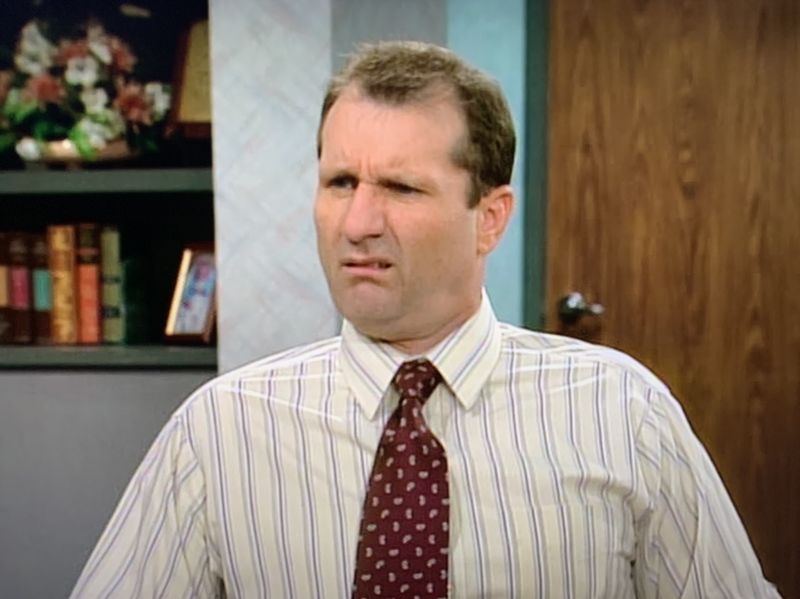
Sitcoms once treated the miserable husband trope as comedy gold, and Al was the poster child for it.
He complains constantly, insults his wife, and speaks about women with a bitterness that’s presented as relatable frustration.
The show plays it as “honest” humor about marriage, but rewatching today makes it feel like a steady stream of misogyny and emotional contempt.
Instead of communicating, he mocks; instead of showing partnership, he acts like his family ruined his life.
While the series is intentionally exaggerated, the theme is still clear: disrespect is a punchline, and women are often the target.
Modern viewers are far more likely to ask why Peg is expected to tolerate insults as part of the joke, and why Al’s mediocrity is treated like something the audience should root for.
In real life, someone who speaks that way about their spouse wouldn’t be funny; they’d be a walking warning sign.
17. Kramer (Seinfeld)
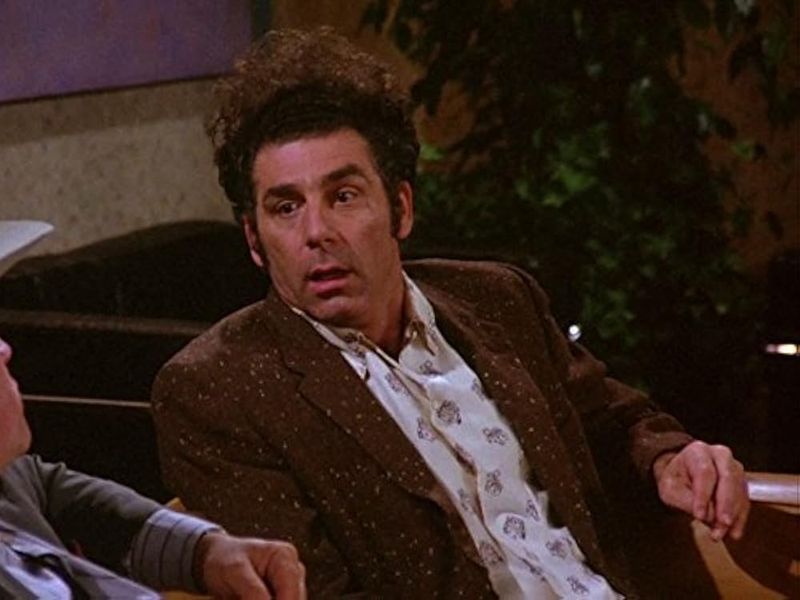
Kramer’s appeal is pure chaos, the unpredictable neighbor who turns ordinary life into absurd adventures just by walking through a door.
But when you look past the slapstick, his behavior often involves boundary-crossing that would feel invasive in real life.
He shows up uninvited, inserts himself into other people’s problems, and treats personal space like a suggestion rather than a rule.
The humor works because the show is built on exaggeration and because the characters rarely face lasting consequences, yet modern audiences are more aware of how exhausting that kind of person can be.
A friend who constantly takes without asking, disrupts routines, and ignores social cues would not be lovable for long, no matter how entertaining he seems at first.
Kramer is still an iconic comedic creation, but he also represents a type many of us have learned to distance ourselves from: the person who mistakes chaos for charisma and expects everyone else to adapt.
Comments
Loading…