
 Jade Reed
17 Actors Who Were Blamed for Flops That Weren’t Really Their Fault

Hollywood loves a simple explanation, especially when a big-budget movie crashes at the box office.
Instead of pointing fingers at messy scripts, chaotic productions, shifting release dates, weak marketing, or franchise fatigue, the conversation often lands on the most visible person in the room: the star.
Sometimes that blame is tied to casting backlash, sometimes to a public persona people have grown tired of, and sometimes to circumstances outside anyone’s control.
The result is a familiar cycle where one actor becomes the headline shorthand for a much bigger failure, even when the real reasons are spread across dozens of decisions made long before opening weekend.
Here are 17 actors who, fairly or unfairly, ended up absorbing a disproportionate share of the fallout when a movie didn’t perform the way studios expected.
1. Alden Ehrenreich — Solo: A Star Wars Story

Stepping into a role as iconic as Han Solo is the kind of career move that can turn into a no-win scenario, because the audience is comparing you to a legend before you even say your first line.
When Solo underperformed relative to the sky-high expectations attached to the Star Wars brand, a chunk of the blame quickly landed on Alden Ehrenreich, as if one performance could explain a complicated release.
Plenty of viewers were simply resistant to the idea of “young Han” being played by anyone at all, and that skepticism became louder once the box office numbers didn’t match the franchise’s usual dominance.
In reality, the film’s narrative was also shaped by behind-the-scenes turbulence and a crowded release window, but the public conversation tends to choose an easy target.
Fair or not, Ehrenreich became the face of a disappointment that had a lot more going on.
2. Annabelle Wallis — King Arthur: Legend of the Sword
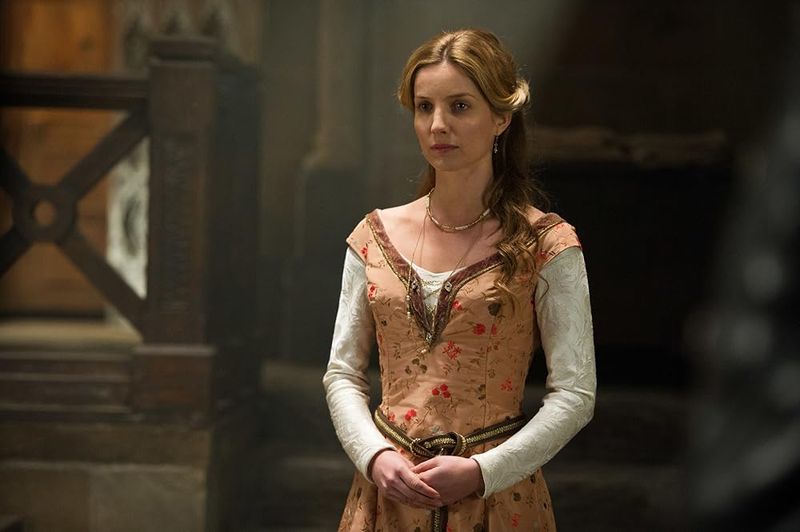
A big fantasy reboot invites big opinions, and when it doesn’t connect, audiences often start picking apart the casting like it’s a puzzle that could have been solved differently.
With King Arthur: Legend of the Sword, Annabelle Wallis was one of the names people singled out, not because she was the only issue, but because a lead role is an obvious place for critics to aim when they’re disappointed.
Online chatter framed her as “miscast,” and the narrative hardened into the idea that she was a key reason the film didn’t take off.
The truth is that the movie’s tone, pacing, and stylized approach were polarizing, and those choices carry far more weight than one actor’s presence.
Still, when a film tries to launch a franchise and fails, someone has to wear the failure in the public imagination, and she became one of the easiest candidates.
3. Chris Hemsworth — Blackhat
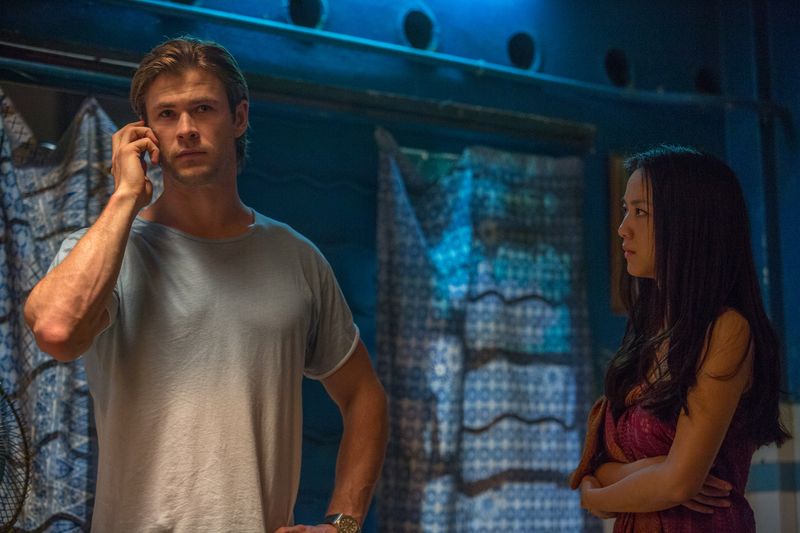
When a star is known for playing larger-than-life heroes, audiences can be surprisingly unforgiving when that actor switches lanes into something cooler, quieter, or more technical.
Blackhat put Chris Hemsworth in a cybercrime thriller mode, and once the film struggled commercially, the conversation turned into whether he could convincingly carry a role that relied on brainy credibility rather than charisma and physicality.
Some critics treated his casting like a fundamental flaw, arguing that he felt out of place in a story built around hacking jargon and international intrigue.
That’s an oversimplification, though, because thrillers live or die on clarity, tension, and pacing, and those elements are largely driven by writing and direction.
Even so, a famous face can become the shorthand explanation for why a movie didn’t land, especially when the actor’s brand seems misaligned with the material.
Hemsworth ended up absorbing the frustration of viewers who wanted the film to feel sharper than it did.
4. Eddie Murphy — The Adventures of Pluto Nash
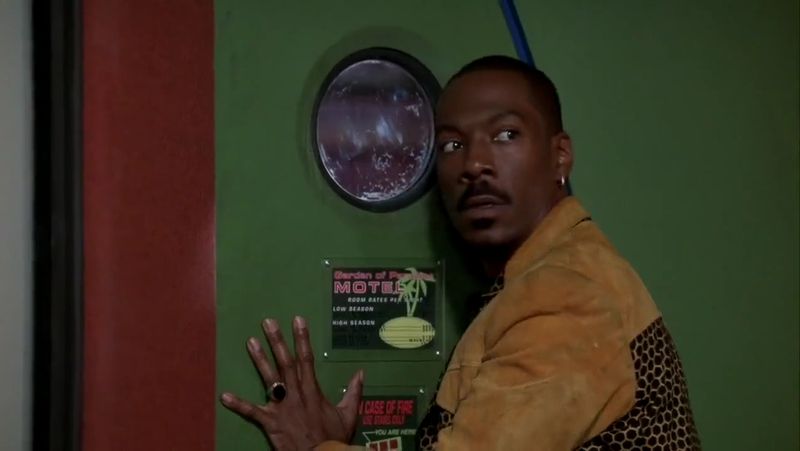
Few careers show the danger of a high-profile flop like Eddie Murphy’s, because even a single notorious bomb can become a running joke for years afterward.
The Adventures of Pluto Nash is often cited as one of those cautionary tales, and Murphy became the person most associated with its failure, as if the film’s problems began and ended with him saying yes to the project.
The backlash wasn’t just about box office numbers; it was also about expectations, since audiences were used to his comedic energy feeling effortless and the movie’s tone never quite found that same spark.
Big-budget comedies are tricky, because they need a clean concept, relentless momentum, and jokes that land consistently, and when any of those pieces wobble, the whole thing can feel expensive and empty.
Studios rarely publicize the many small creative choices that add up to a misfire, so the blame defaults to the star.
Murphy took the hit, even though the mess was much bigger than one performance.
5. Ezra Miller — The Flash
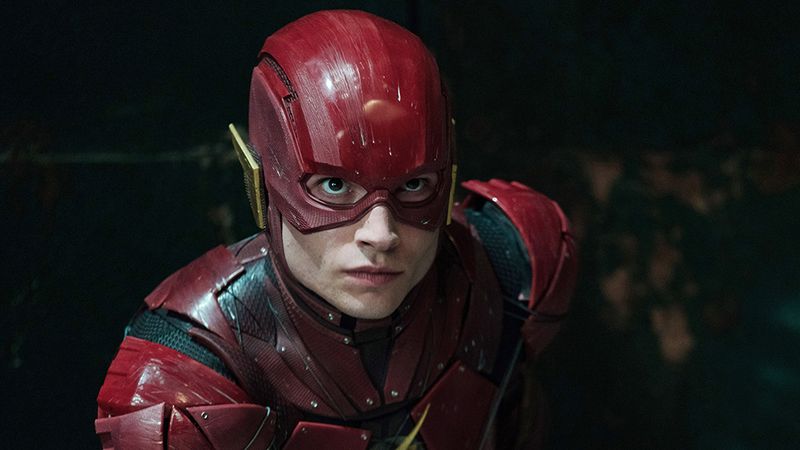
Sometimes the box office narrative has less to do with what happens on screen and more to do with what’s happening around the release.
With The Flash, the conversation was dominated by Ezra Miller’s off-screen controversies, and that baggage became a convenient explanation for why audiences stayed away or felt conflicted about buying a ticket.
In these situations, the actor becomes both the headline and the symbol, which means the film’s creative strengths and weaknesses get swallowed by a broader debate about reputation and accountability.
It’s also a harsh reminder that studios can spend years building a franchise entry, but public interest can shift quickly when a release is surrounded by negative press.
Even people who were curious about the movie’s multiverse storyline sometimes framed their hesitation as “I don’t want to support the star,” which kept the blame tightly centered on one person.
Marketing strategy, superhero fatigue, and audience trust all played roles too, but Miller became the lightning rod.
6. George Clooney — Batman & Robin
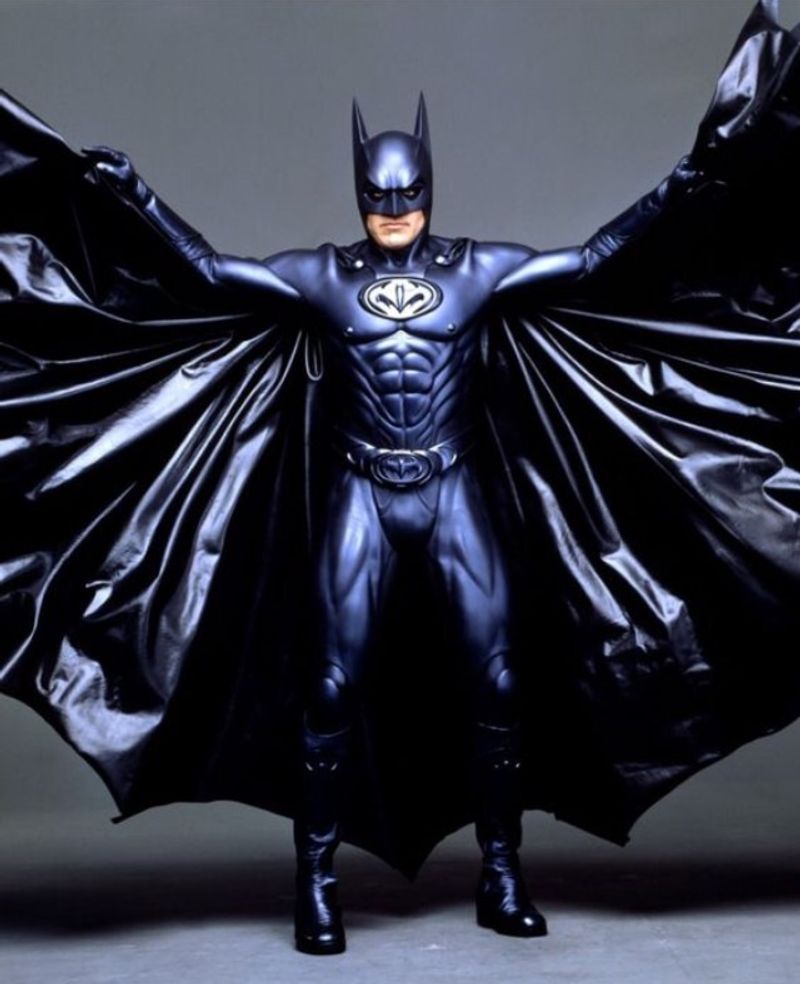
Reboots and recasts are always risky, but superhero roles come with a special kind of scrutiny, because fans treat their favorite characters like family heirlooms.
When Batman & Robin became a pop-culture punchline, George Clooney was frequently singled out as “the wrong Batman,” even though the film’s louder problems were its campy tone, toyetic aesthetic, and an approach that many viewers felt turned the character into a cartoon.
Clooney has even joked publicly about the role, which cemented the idea that the blame belongs on him, but a star can only operate within the world the movie creates.
If the script is more interested in one-liners and spectacle than grounded stakes, the performance is going to read differently than it would in a more serious take.
Still, audiences prefer a simple narrative, and “Clooney ruined Batman” became easier to repeat than “the entire creative direction didn’t match what fans wanted.”
He took a disproportionate share of the heat for a film that was designed to be the way it was.
7. Rachel Zegler — Snow White

In the modern internet era, a movie can become controversial long before it reaches theaters, and that early outrage often attaches itself to a single person who becomes the main character of the discourse.
With Snow White, Rachel Zegler faced intense scrutiny tied to public comments, online culture wars, and debates about what a remake “should” be, which meant her casting and personality were treated as box office factors in a way that’s hard to measure.
Once a narrative forms that a star is “unpopular,” every setback gets interpreted through that lens, even if broader issues like release timing, marketing choices, or audience fatigue with live-action remakes are doing more of the heavy lifting.
The problem is that controversy tends to simplify complex decisions into a morality play, where one actor is framed as the reason audiences didn’t show up.
Whether people were genuinely turned off or just loud online, the blame landed on Zegler in a very personal way, even though a film’s performance is rarely determined by one face.
8. Scarlett Johansson — Ghost in the Shell
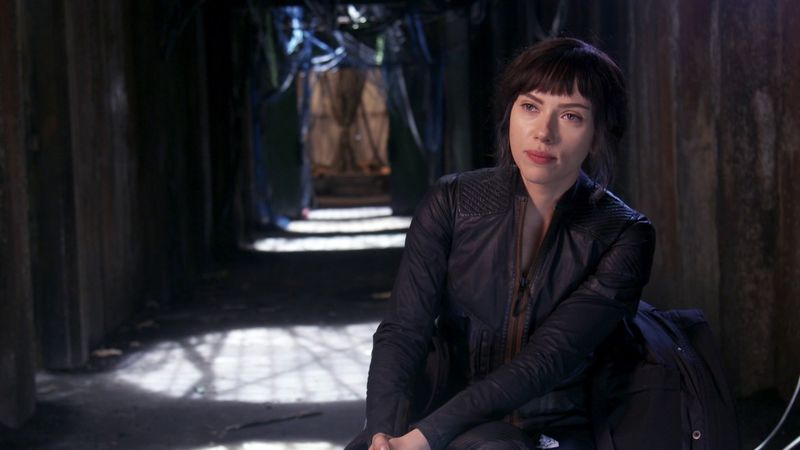
Casting debates can reshape a film’s entire public identity, because once the conversation becomes about representation, the actual movie often stops being the point.
In Ghost in the Shell, Scarlett Johansson was at the center of intense criticism over casting, and when the film underperformed, many observers treated that backlash as the obvious reason for the disappointing numbers.
It’s not hard to see why, since negative press can reduce excitement and push casual viewers toward “wait for streaming” behavior, but blaming one actor also flattens a much wider set of factors.
The movie’s tone was cerebral and stylish, which can be a harder sell for general audiences, and adaptation choices can alienate both newcomers and longtime fans.
Even so, the simplest storyline is “the star caused the problem,” which is why Johansson became the focal point.
In a business that thrives on headline narratives, nuance doesn’t travel as fast as outrage.
9. Sydney Sweeney — Christy

A newer star can become an especially convenient scapegoat, because people love to turn a single project into a verdict on whether someone is “overhyped” or “not a real box office draw.”
In the case of Christy, Sydney Sweeney was treated by some corners of the internet as a measuring stick for fame, with the film’s reception and performance fueling a broader debate about whether she’s a brand, an actress, or both.
That’s a lot to dump on one person, especially when a movie’s success depends on distribution strategy, marketing reach, genre appeal, and whether audiences even know it exists.
Modern releases are also fragmented across theaters and streaming windows, which makes it easier for a modest performance to be framed as a “bomb” even when the project was never positioned like a blockbuster.
Still, social media likes clear villains, and “it failed because of the star” is a more shareable take than “it wasn’t marketed well and the concept was niche.” Sweeney ended up taking the public hit.
10. Tom Cruise — The Mummy
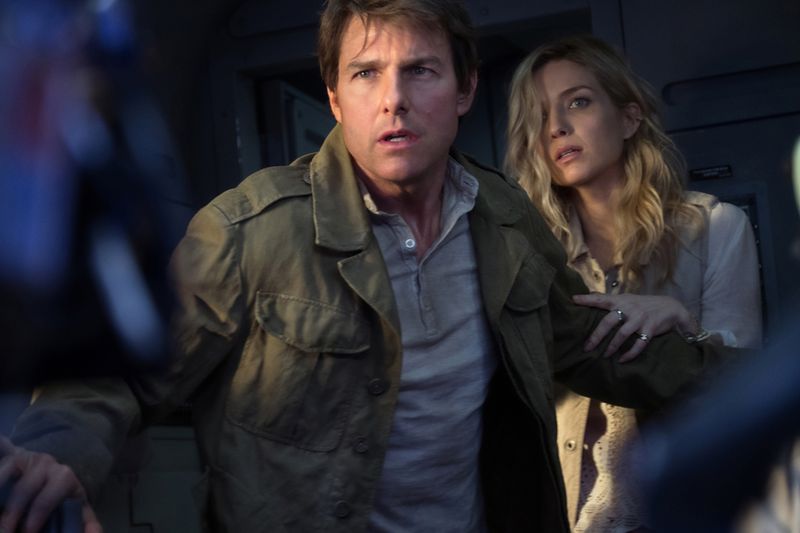
When a superstar is known for controlling his projects, audiences and critics often assume that any misfire is automatically his fault.
The Mummy carried the weight of launching a connected universe, and once that plan stalled, Tom Cruise became an easy target, with commentary suggesting the movie felt like a “Tom Cruise vehicle” awkwardly grafted onto a franchise blueprint.
Some viewers blamed him for tone shifts that prioritized action spectacle over horror atmosphere, while others argued that his star persona swallowed the story’s stakes.
The more famous you are, the more people believe your fingerprints are on every creative choice, whether that’s fair or just a convenient assumption.
In reality, franchise ambitions, studio mandates, and script development timelines can create a movie that feels assembled rather than authored, and that kind of patchwork is rarely the responsibility of a single actor.
Still, when a film tries to start a universe and fizzles, the lead actor becomes the symbol of that failure, and Cruise took the brunt of it.
11. Halle Berry — Catwoman
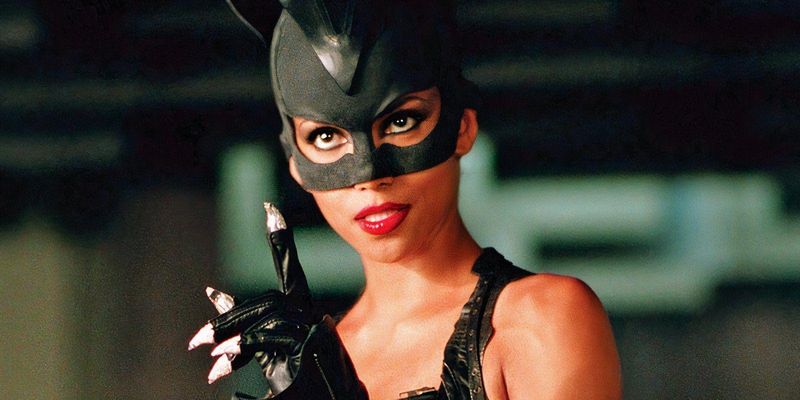
The punishment Hollywood hands out for a high-profile flop is rarely evenly distributed, and Catwoman is a classic example of how the backlash can land hardest on the person in front of the camera.
Halle Berry became the face of the movie’s failure, and the narrative often implied that she “should have known better,” as if the actor is responsible for the script, the tone, and the final cut.
What makes this blame feel especially unfair is that the movie’s issues were structural, with storytelling choices that confused audiences who expected a more faithful superhero film.
Berry’s performance is often remembered through the lens of the movie’s reputation, which means even her strengths get swallowed by the punchline.
Over time, she addressed the flop with humor and honesty, but that self-awareness doesn’t erase how quickly the industry can turn one project into a career stain.
The reality is that many talented actors end up trapped inside a bad creative vision, but audiences tend to remember the star before they remember the filmmakers.
12. Ben Affleck — Gigli
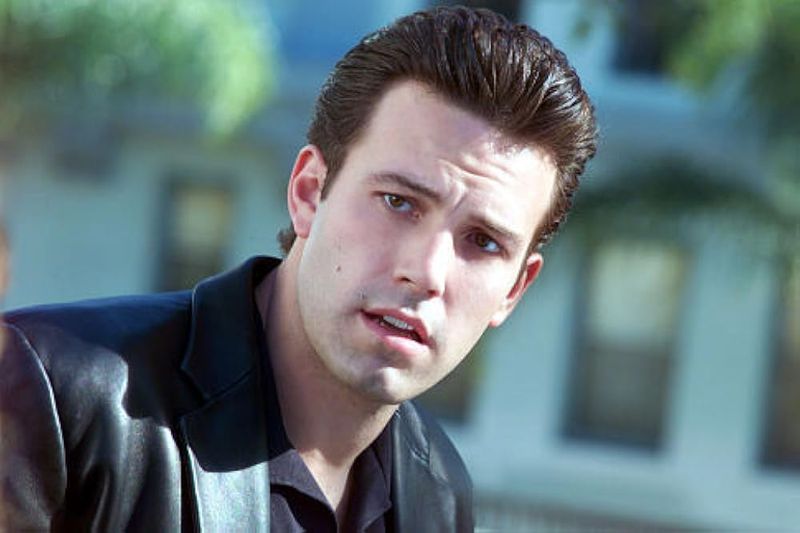
Celebrity culture can turn a movie into tabloid theater, and once that happens, the box office narrative becomes less about the film and more about the famous couple attached to it.
Gigli was heavily associated with Ben Affleck and Jennifer Lopez, and the backlash often felt like a public referendum on their relationship rather than an evaluation of the movie on its own terms.
When it bombed, Affleck was treated as one of the main culprits, as if his presence automatically doomed the project, and that perception stuck because the media coverage was relentless.
Romantic comedies and genre hybrids are already vulnerable if the script doesn’t balance tone well, but the added weight of celebrity scrutiny can magnify every flaw.
People weren’t just judging performances; they were judging a cultural moment, which is an unfair burden for any actor to carry.
Affleck eventually spoke candidly about how the criticism didn’t always “sit right,” and it’s easy to see why, since the movie’s failure became a broader punchline that he couldn’t fully control.
13. Taylor Kitsch — John Carter
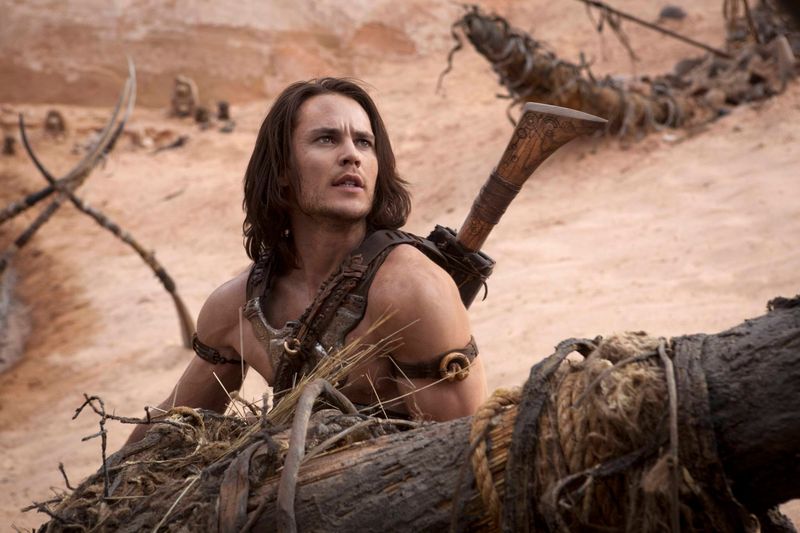
A studio’s biggest mistake can be treating a movie like a “guaranteed event” without doing the work to explain why audiences should care.
John Carter is often remembered as a marketing and positioning disaster, yet Taylor Kitsch still ended up wearing the blame as if he personally failed to convince the world to show up.
The film asked viewers to invest in a strange new universe with unfamiliar names and mythology, and the title didn’t communicate much to casual audiences, which made it harder to build excitement.
When the box office numbers came in, the narrative quickly shifted to whether Kitsch was a bankable leading man, a brutal label that can stick even when the project’s problems were bigger than the actor.
It’s also telling that the “blame” focused on his star power rather than on how confusing the advertising felt for people who had never heard of the source material.
In Hollywood, a single flop can define a performer’s perceived value, and Kitsch became an example of that harsh logic.
14. John Travolta — Battlefield Earth
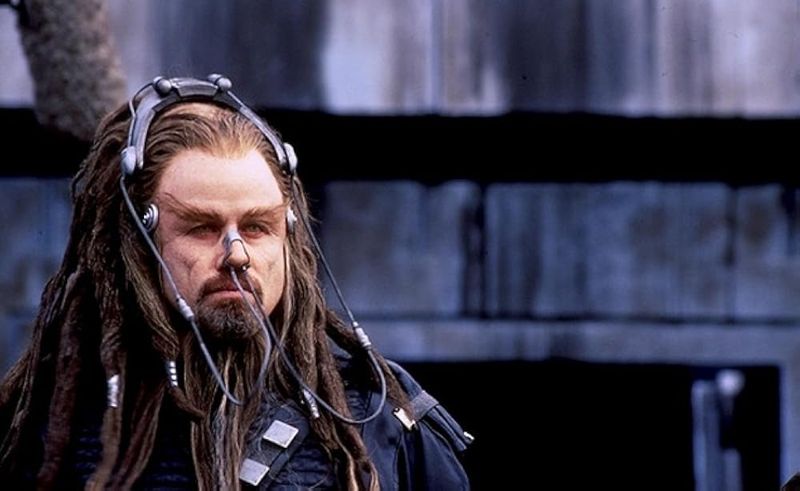
When a movie becomes infamous, the person most associated with its existence often turns into the stand-in for every bad decision made along the way.
Battlefield Earth didn’t just flop; it entered the pop-culture hall of shame, and John Travolta’s connection to the project made him the obvious face of the backlash.
Audiences and critics mocked its tone, visual style, and storytelling choices, and because Travolta was a major champion of the film, the blame attached to him in a particularly sticky way.
That’s the risk of being passionate about a project: if it succeeds, you look visionary, but if it fails, you become the person everyone points at when they want to summarize the disaster in one sentence.
Over time, the movie’s reputation hardened into a cautionary tale, and the nuance of how films get financed, developed, and compromised disappeared behind the meme.
Travolta’s long career has survived plenty, but Battlefield Earth remains one of those titles people bring up as if it explains everything, which is rarely fair to any actor.
15. Elizabeth Berkley — Showgirls
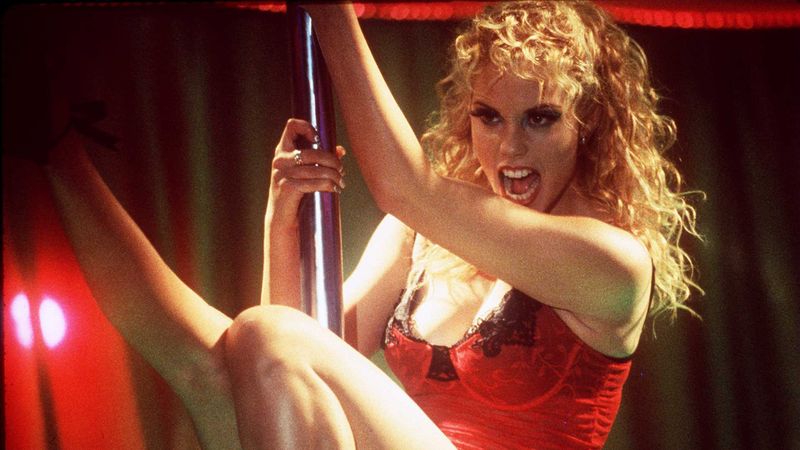
The harshest part of a flop isn’t always the box office; sometimes it’s the way public judgment can follow a performer for years, regardless of what they do next.
With Showgirls, Elizabeth Berkley became the lightning rod for a movie that was provocative, misunderstood, and mercilessly mocked at the time of release.
The backlash often framed her performance as the main reason the film was “bad,” even though the project was designed to be heightened, satirical, and intentionally uncomfortable.
What’s striking is how the movie later gained cult status, which suggests the original reception was shaped by shock, expectations, and cultural discomfort as much as by acting choices.
Berkley, however, bore the immediate consequences, because the industry can be unforgiving to performers, especially women, when a controversial film goes wrong.
The narrative became “she ruined her career,” a simplistic storyline that ignores how easily an actor can be boxed in by public perception.
It’s a reminder that Hollywood’s blame game is often gendered, and the consequences aren’t evenly shared.
16. Mariah Carey — Glitter

Pop stars who cross into acting are often treated like they’re on trial, because audiences assume the performance will be either a triumphant surprise or a cringe-worthy stunt.
Glitter became an infamous flop, and Mariah Carey took the brunt of the ridicule, with the public conversation framing the movie as a symbol of overreach rather than a project that simply didn’t come together.
The release also landed during a complicated period in Carey’s life and career, which meant the film’s reception was tangled up with tabloid narratives and public speculation.
Once a movie gets labeled as a disaster, people tend to stop discussing the details and start repeating the punchline, and the star becomes the punchline’s anchor.
It didn’t help that the film’s concept and tone felt like a time capsule in a way that didn’t inspire excitement, but blaming Carey alone ignores how many pieces of production, marketing, and timing determine a release’s fate.
She became the face of the flop because celebrity culture prefers a single scapegoat, especially when the star is already famous enough to attract mockery.
17. Mike Myers — The Love Guru
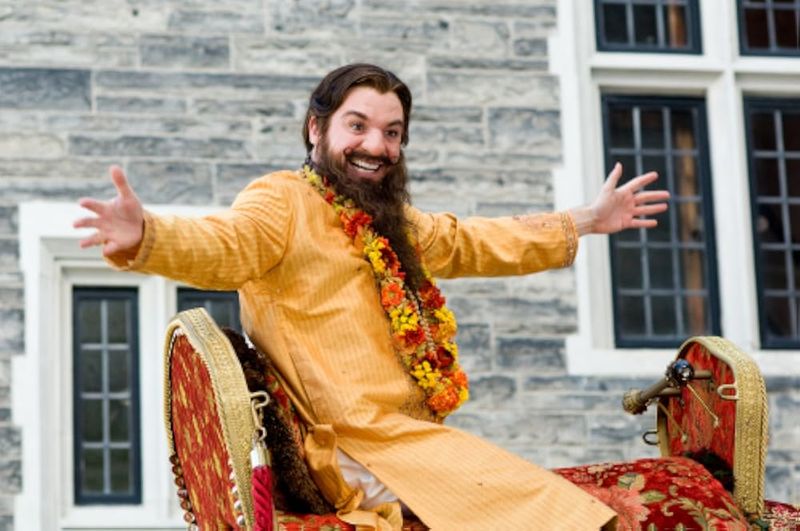
Comedy flops can be brutal because the failure feels personal, as if the audience is rejecting the comedian rather than one particular project.
The Love Guru became that kind of moment for Mike Myers, with criticism framing the movie as evidence that he had lost his touch, even though a single misfire shouldn’t erase an entire career’s worth of iconic work.
The film’s humor was polarizing, and once the reviews were harsh, the box office narrative hardened into “Myers can’t open a movie anymore,” which is exactly the kind of simplified takeaway Hollywood loves.
What often gets lost is that comedic taste shifts, cultural context changes, and what feels hilarious in one era can feel awkward or out-of-step in another, especially when a movie relies on broad characters and big swings.
Studios, marketing teams, and development choices also influence whether a comedy lands, but the star is the easiest person to blame when jokes don’t connect.
Myers became the symbol of the failure, and that symbolism did more damage than the actual numbers.
Comments
Loading…