
 Jade Reed
16 Movie Masterpieces You Probably Haven’t Seen Yet
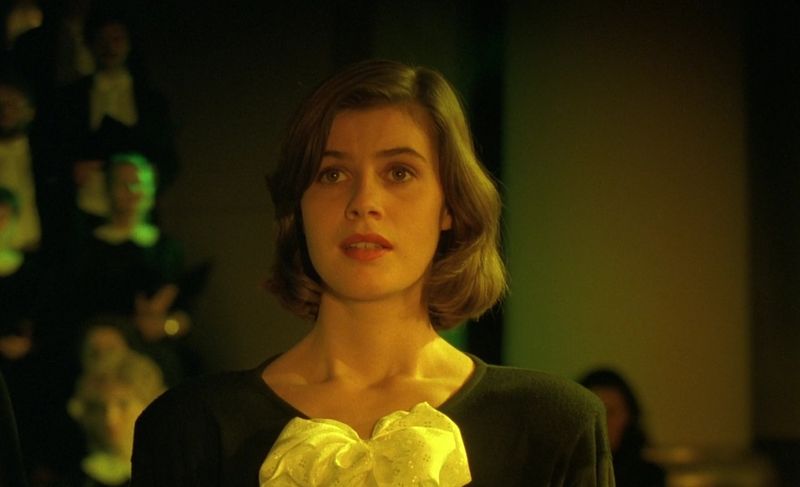
Most people stick to the same popular films everyone talks about, but some of the greatest movies ever made fly completely under the radar. These hidden masterpieces offer stunning visuals, powerful stories, and unforgettable experiences that rival any blockbuster.
Whether you love slow-burning dramas, mind-bending mysteries, or breathtaking cinematography, this collection will introduce you to films that deserve a spot on your must-watch list.
1. Stalker (1979)
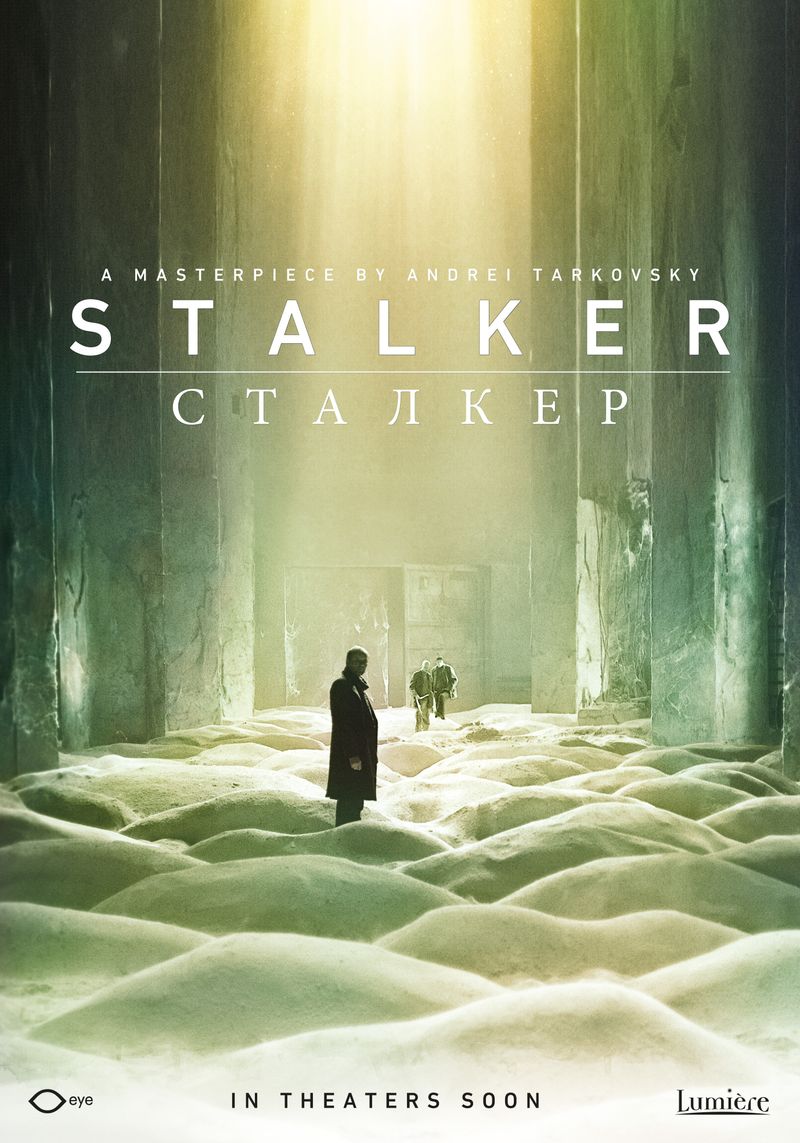
Soviet director Andrei Tarkovsky created something truly mesmerizing with this science fiction masterpiece.
Three men journey into a forbidden area called the Zone, where a room supposedly grants your deepest wishes.
The film moves slowly, giving you time to soak in every beautiful shot of decaying buildings and overgrown landscapes.
Instead of action sequences, you get philosophical conversations about hope, faith, and what people really want from life.
Watching this feels like meditation mixed with mystery.
The visuals are so carefully crafted that each frame could hang in an art museum, making it perfect for anyone who appreciates films as visual poetry.
2. The Night of the Hunter (1955)
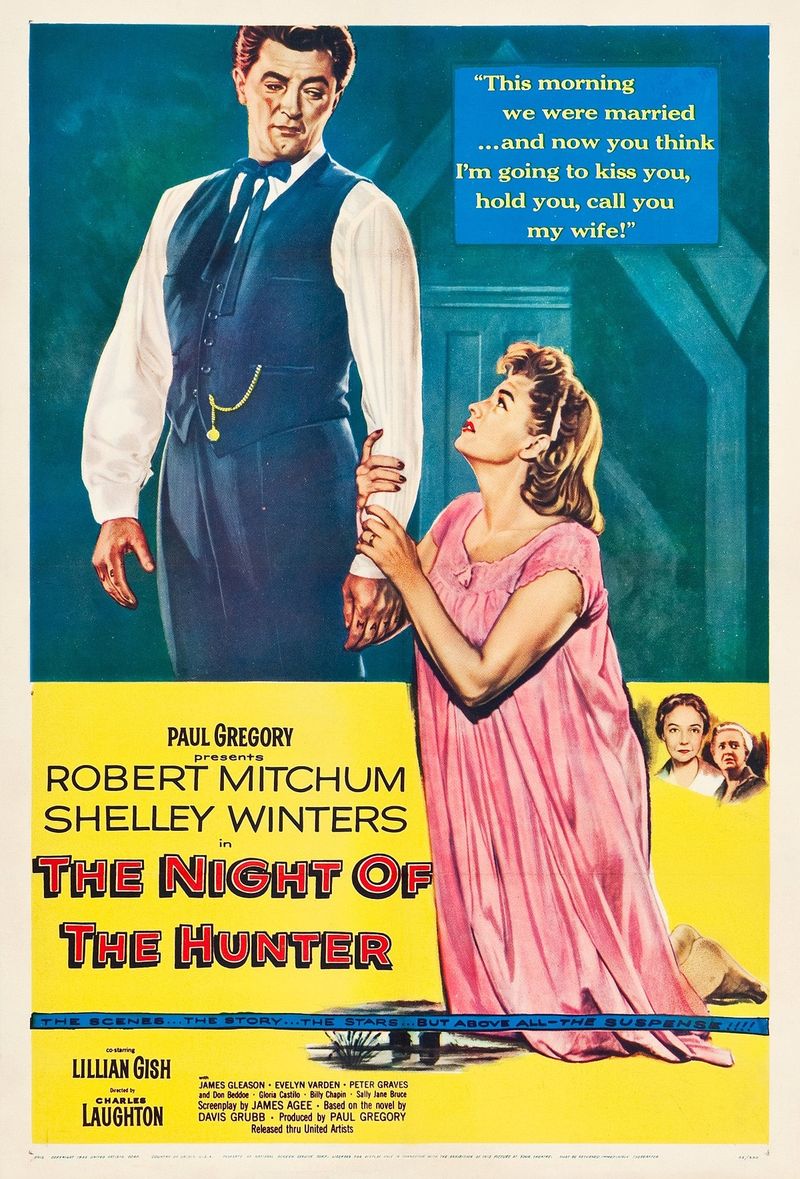
Robert Mitchum plays one of cinema’s most terrifying villains in this gothic thriller.
As a fake preacher with LOVE and HATE tattooed on his knuckles, he hunts two children who know where their father hid stolen money.
Director Charles Laughton used expressionistic lighting and shadows to create a fairytale nightmare world.
The black-and-white cinematography makes everything feel both beautiful and deeply unsettling at the same time.
Despite being a masterpiece, this was Laughton’s only film as director.
Modern audiences will recognize its influence on countless thrillers that came after, though few match its unique blend of horror and poetry.
3. Paris, Texas (1984)
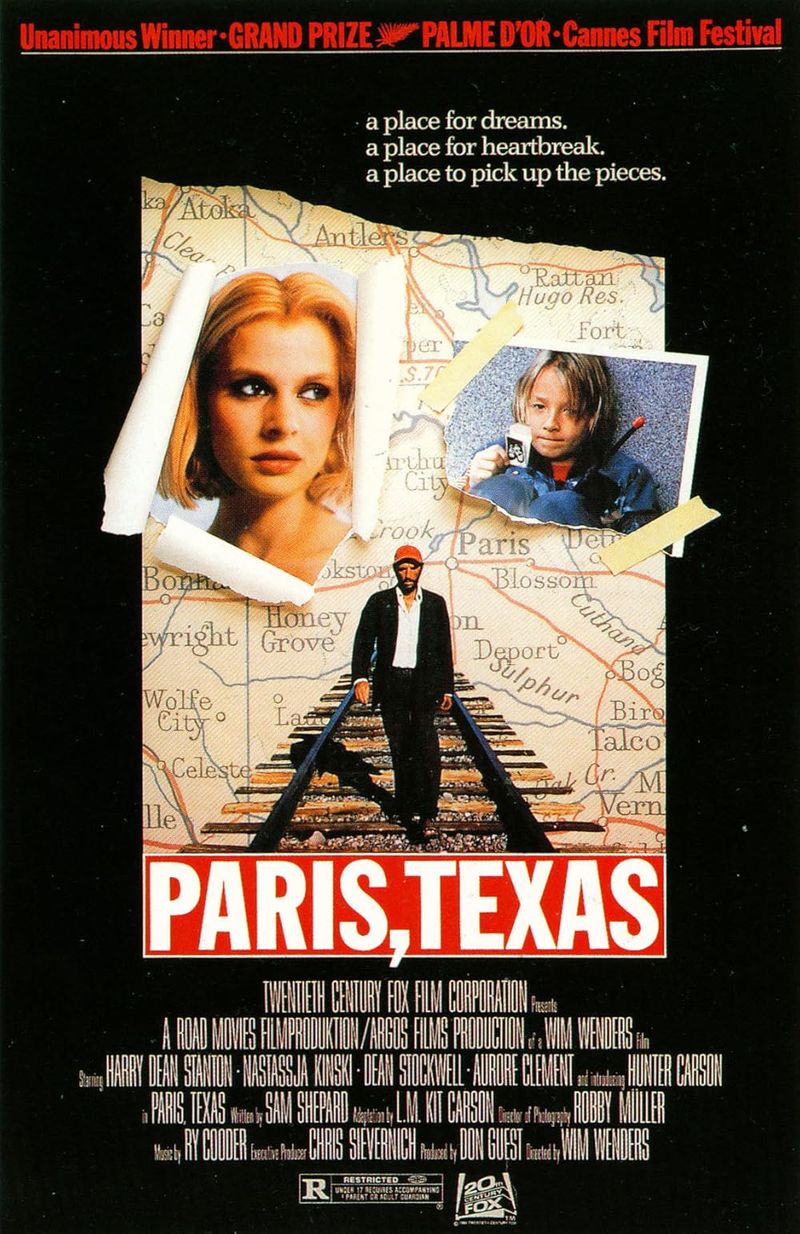
In a career-defining role, Harry Dean Stanton portrays Travis, a man who reappears from the desert after being missing for four years.
Silent and withdrawn, he struggles with the weight of his confusion and inner torment.
German director Wim Wenders captured the American Southwest with breathtaking beauty and loneliness.
The story unfolds gradually as Travis reconnects with his young son and searches for the wife he abandoned.
Ry Cooder’s haunting slide guitar score perfectly matches the film’s emotional landscape.
By the end, you’ll understand how love can both destroy and redeem us in equal measure.
4. A Ghost Story (2017)
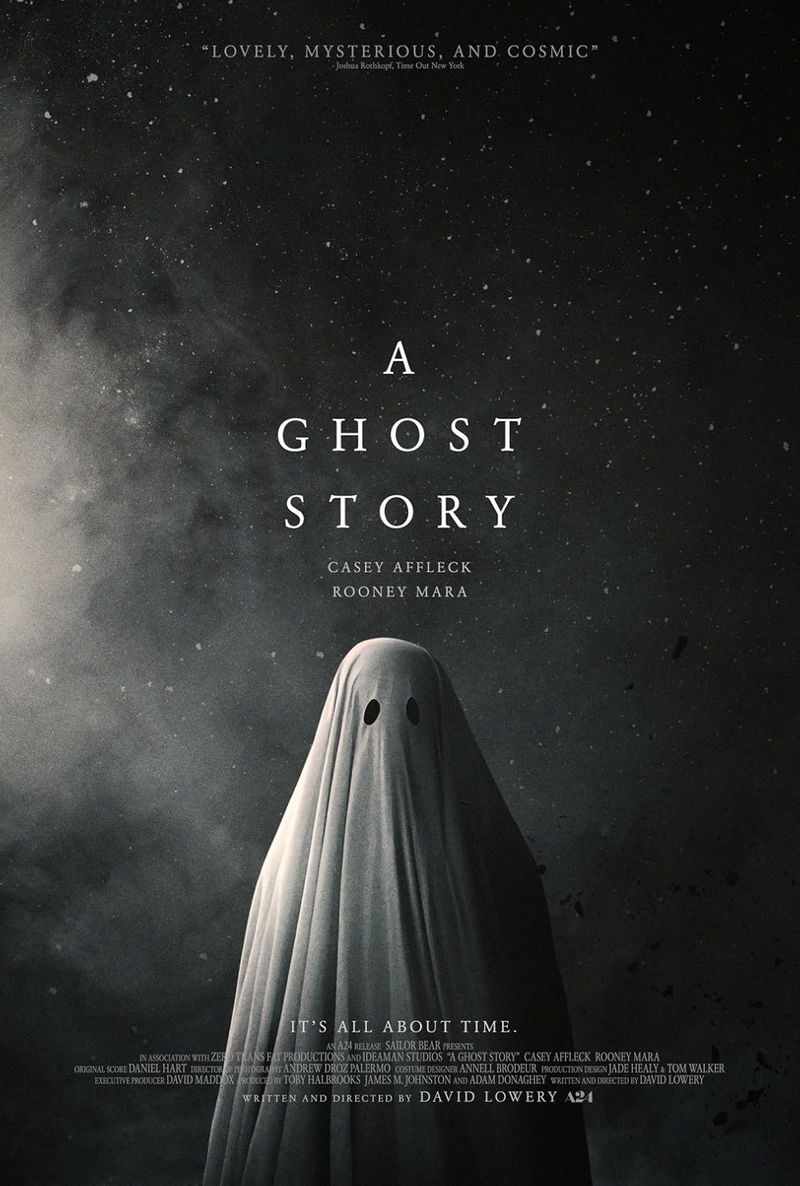
Casey Affleck plays a ghost who returns to his home as a figure in a white sheet with eye holes.
What sounds silly actually becomes a profound meditation on time, memory, and what we leave behind.
Director David Lowery uses an unusual square aspect ratio and long, quiet takes.
You watch the ghost observe his grieving partner, then witness years pass in moments as new people move through the house.
One famous scene shows Rooney Mara eating an entire pie in real time.
These bold choices make you feel the weight of eternity and the fleeting nature of human existence.
5. Come and See (1985)
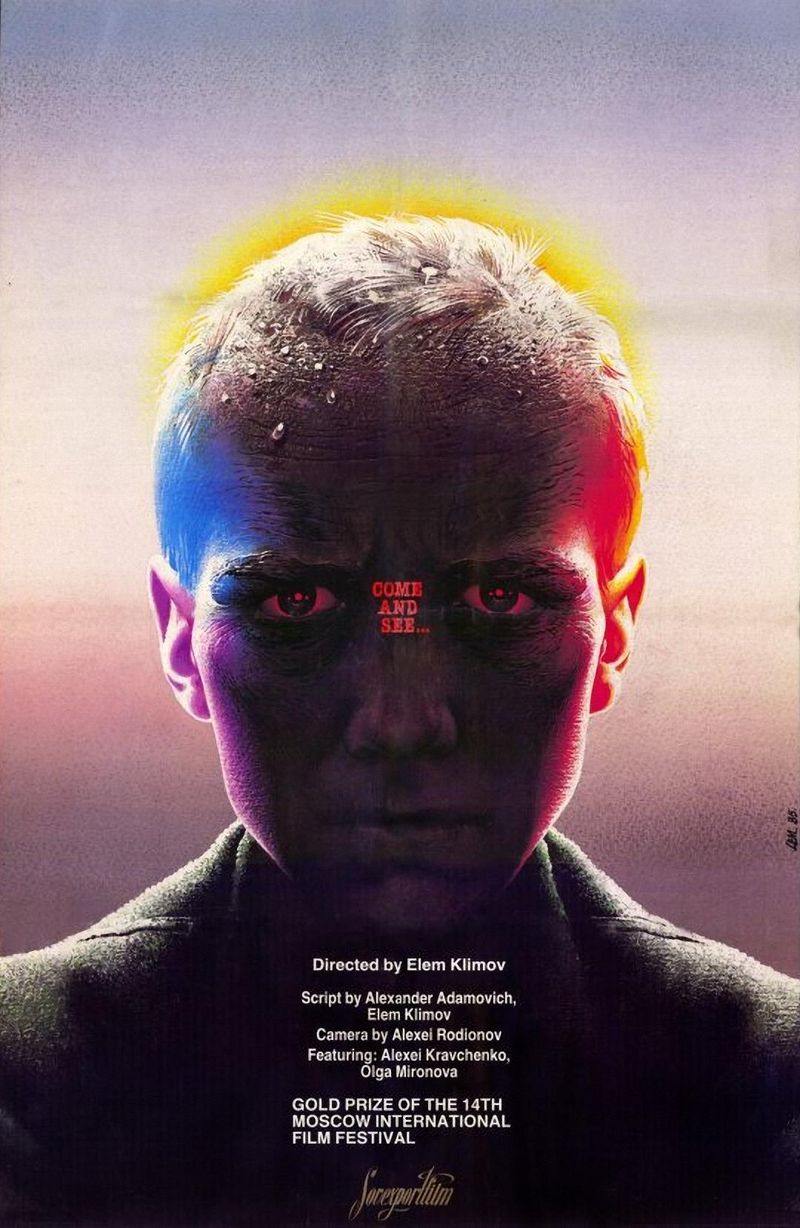
This Soviet anti-war film follows a teenage boy through the Nazi occupation of Belarus during World War II.
What begins as youthful excitement about joining partisans transforms into absolute horror as he witnesses unthinkable atrocities.
Director Elem Klimov used innovative sound design and handheld camera work to put viewers directly into the chaos.
The main actor’s face physically transforms throughout the film, aging years in just days of trauma.
Many critics consider this the most realistic and devastating war film ever made.
It’s incredibly difficult to watch but serves as a powerful reminder of war’s true cost on innocent people.
6. The Double Life of Véronique (1991)
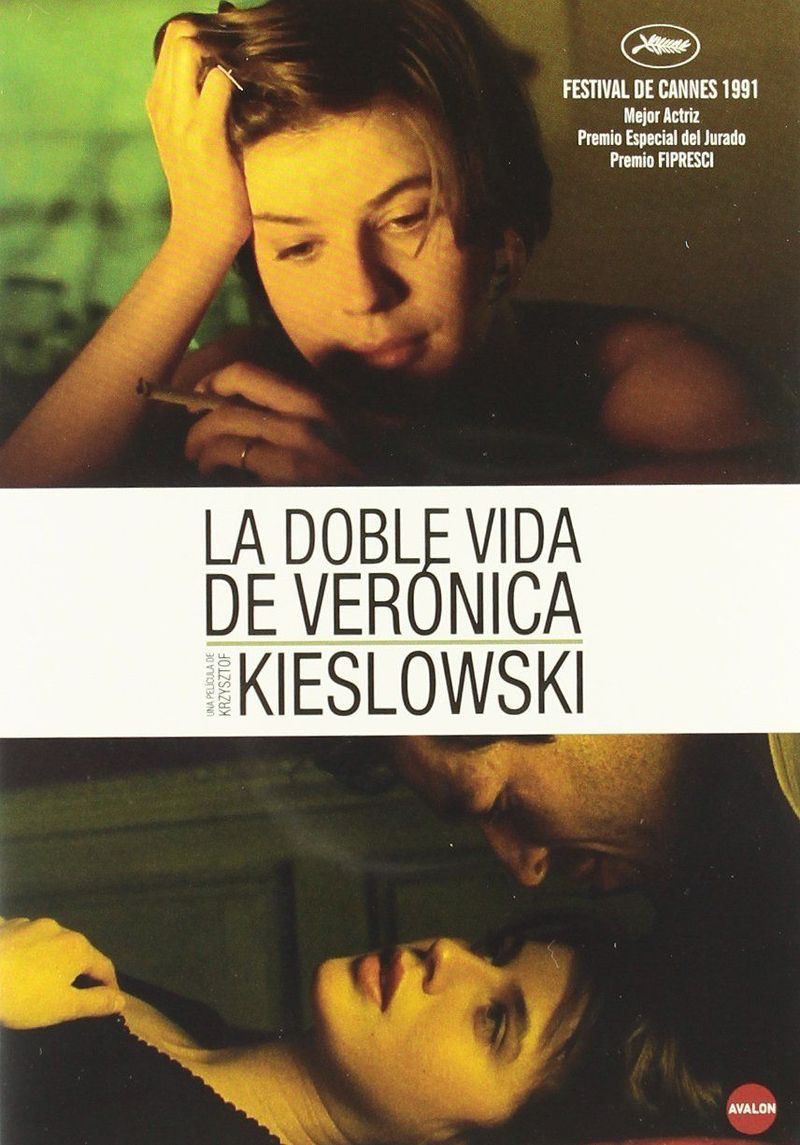
Polish director Krzysztof Kieślowski tells the story of two identical women living separate lives in different countries.
Weronika lives in Poland while Véronique lives in France, and they share a mysterious spiritual connection despite never meeting.
The film explores themes of identity, fate, and the feeling that someone else shares your existence.
Kieślowski uses warm, golden lighting and haunting music to create an atmosphere that feels like a beautiful dream.
Both characters are played brilliantly by Irène Jacob, who won Best Actress at Cannes.
The movie asks big questions about destiny without providing easy answers, leaving you thinking long after it ends.
7. Days of Heaven (1978)
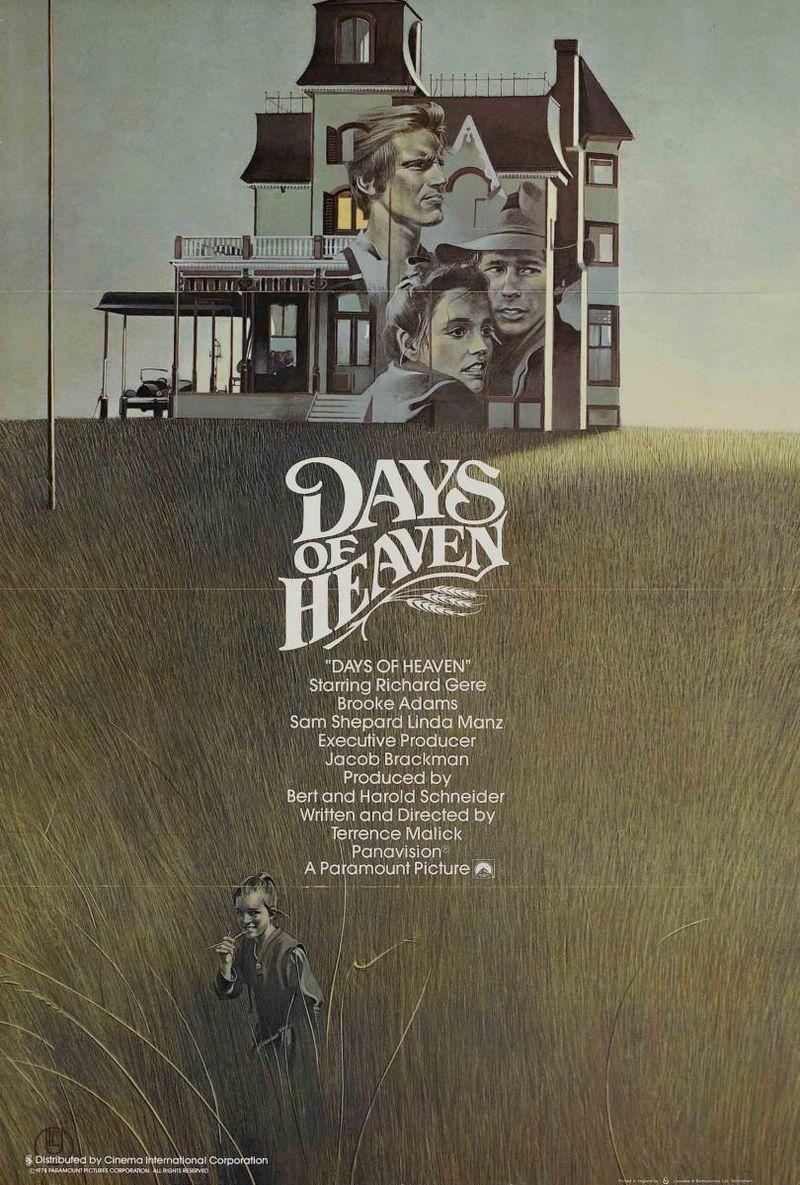
Set in the golden wheat fields of 1910s Texas, Terrence Malick’s second feature explores a simple love triangle between a young couple and a girl pretending to be their sibling on a prosperous farm.
What makes this special is the absolutely stunning cinematography by Nestor Almendros.
Nearly every shot was filmed during the magic hour just before sunset, creating images that look like moving paintings.
The story is narrated by the young girl in simple, poetic language.
With minimal dialogue and maximum visual beauty, the film captures both the harshness and wonder of rural American life a century ago.
8. Wings of Desire (1987)
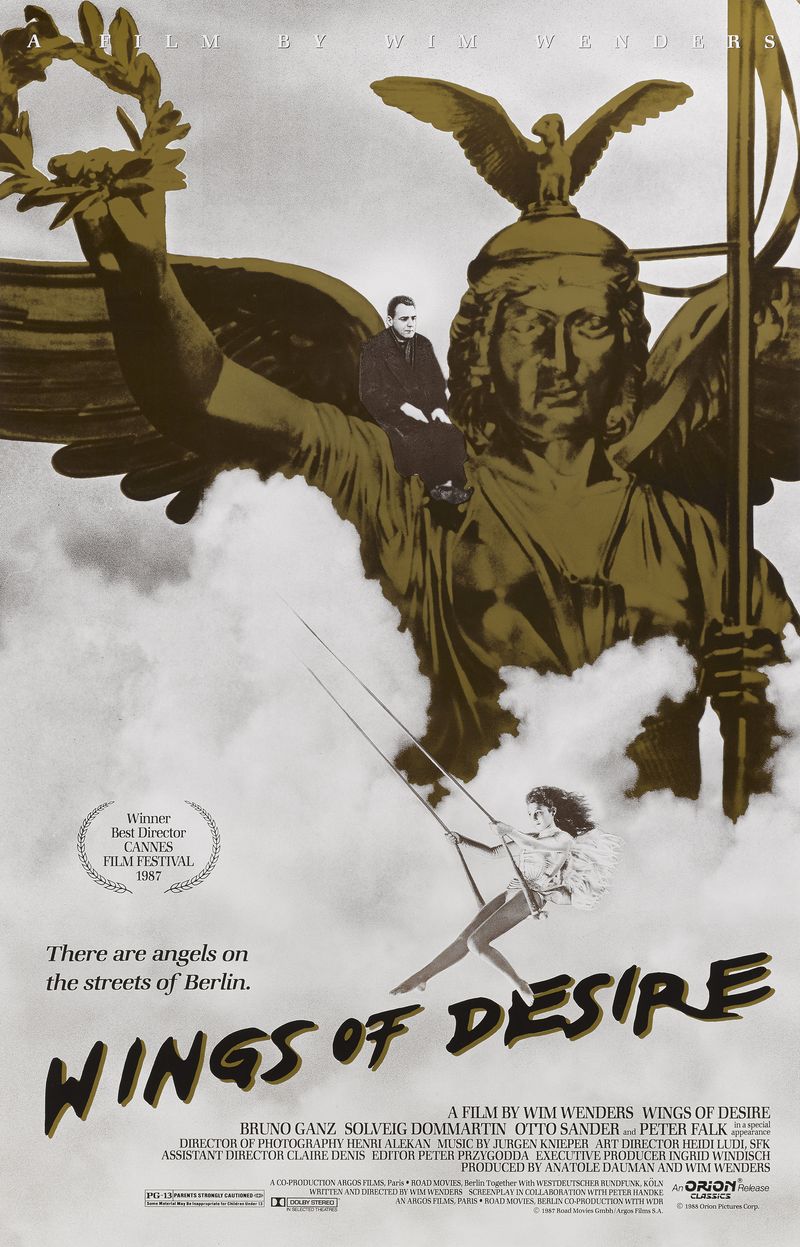
Angels walk invisibly through divided Berlin, listening to people’s thoughts and offering silent comfort.
Filmed in gorgeous black and white, this German fantasy shows the world through immortal eyes until one angel falls in love with a trapeze artist.
Director Wim Wenders created a unique visual language where angels see in monochrome while humans experience color.
The camera glides through libraries, streets, and apartments, eavesdropping on inner thoughts and private moments.
When the angel chooses mortality for love, the film bursts into color.
This poetic exploration of what makes life worth living inspired the Hollywood remake City of Angels, though the original remains far superior.
9. The Spirit of the Beehive (1973)
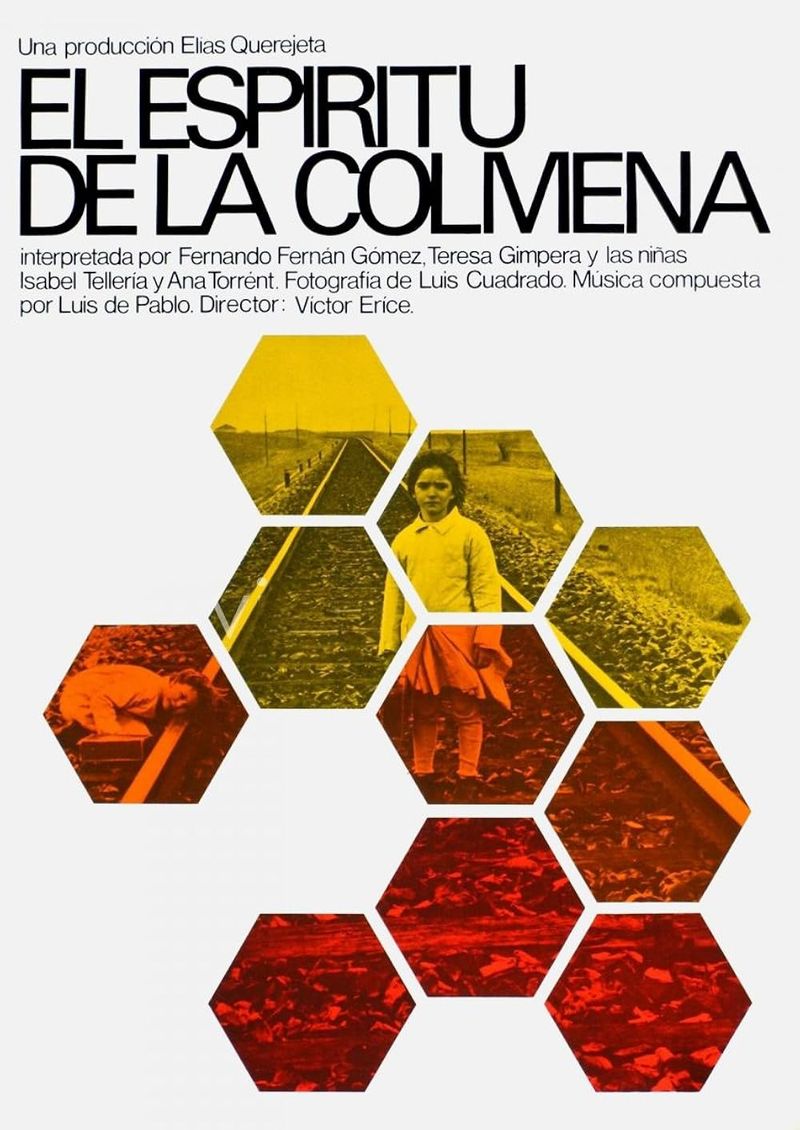
Set in rural Spain shortly after the Spanish Civil War, this film follows young Ana after she watches Frankenstein at a traveling cinema.
She becomes obsessed with the monster, wondering why he killed the little girl in the movie.
Director Víctor Erice creates a child’s-eye view of a world filled with mystery and adult secrets.
The slow pace and minimal dialogue let you experience Ana’s imagination and confusion as she tries to understand death and monsters.
The honeycomb imagery throughout represents the isolated cells where people hide their thoughts and feelings.
This meditation on innocence, imagination, and trauma works like a dream you can’t quite shake after waking.
10. The Man Who Fell to Earth (1976)
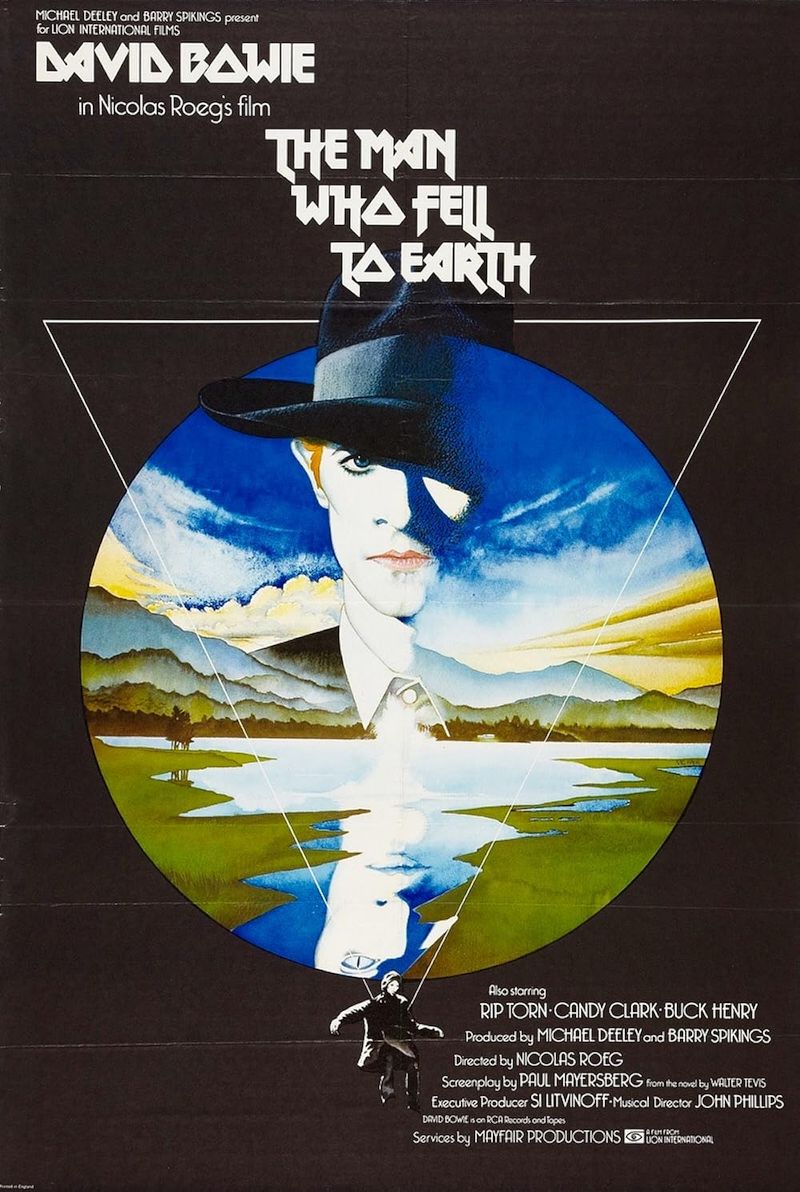
David Bowie plays an alien who comes to Earth seeking water for his dying planet.
He creates a technology company and becomes wealthy, but human vices like alcohol and television gradually corrupt and trap him.
Director Nicolas Roeg uses fragmented editing and strange camera angles to make everyday Earth seem alien and confusing.
Bowie’s naturally unusual appearance makes him perfect for playing someone who doesn’t quite belong in our world.
The film jumps through time without warning, mirroring how the immortal alien experiences decades differently than humans.
It’s a trippy, sometimes confusing meditation on isolation, addiction, and losing yourself in a foreign culture.
11. Persona (1966)
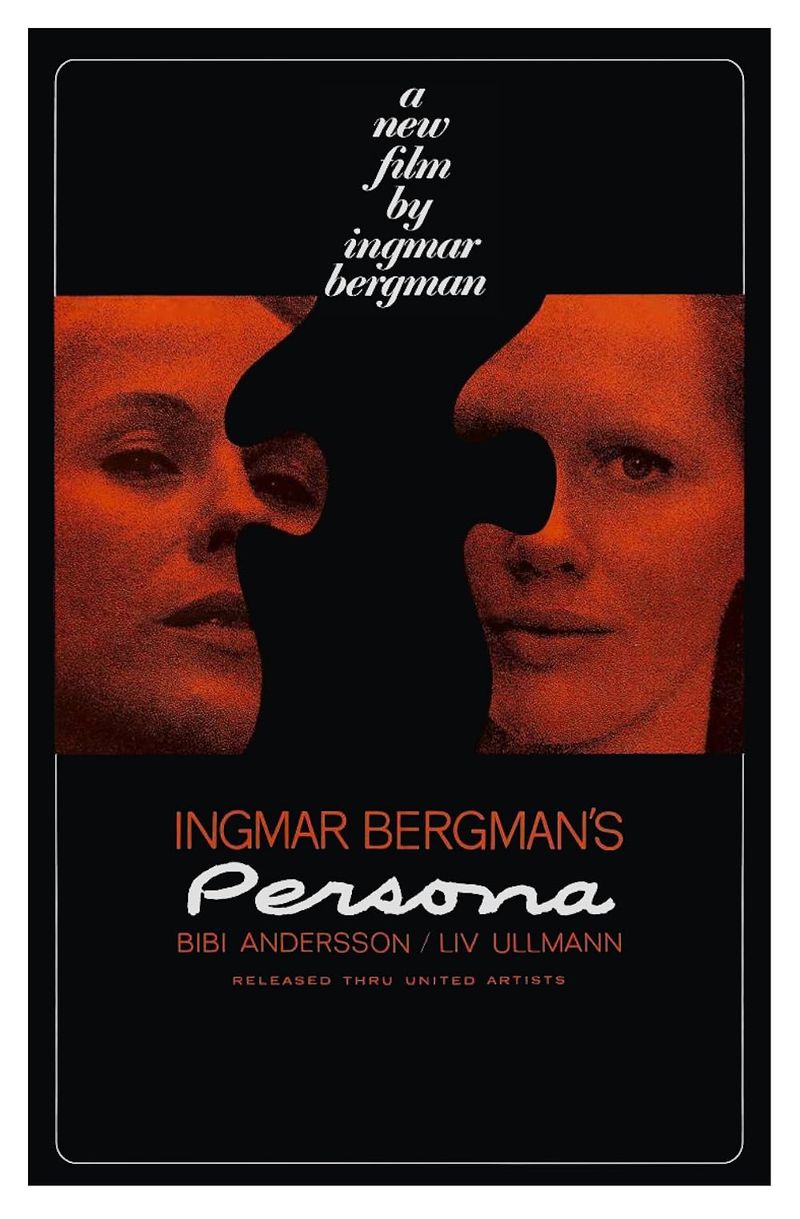
Swedish master Ingmar Bergman created this psychological puzzle about an actress who suddenly stops speaking and the nurse assigned to care for her.
As they isolate themselves in a beach house, their identities begin mysteriously blending together.
Shot in stunning black and white, the film uses experimental techniques like breaking the fourth wall and showing the film itself melting.
Bergman explores how we create our identities and what happens when the masks we wear start to crack.
The famous scene where the two women’s faces merge into one image has been referenced countless times.
At just 83 minutes, this intense character study packs more ideas than most three-hour epics.
12. The Color of Pomegranates (1969)
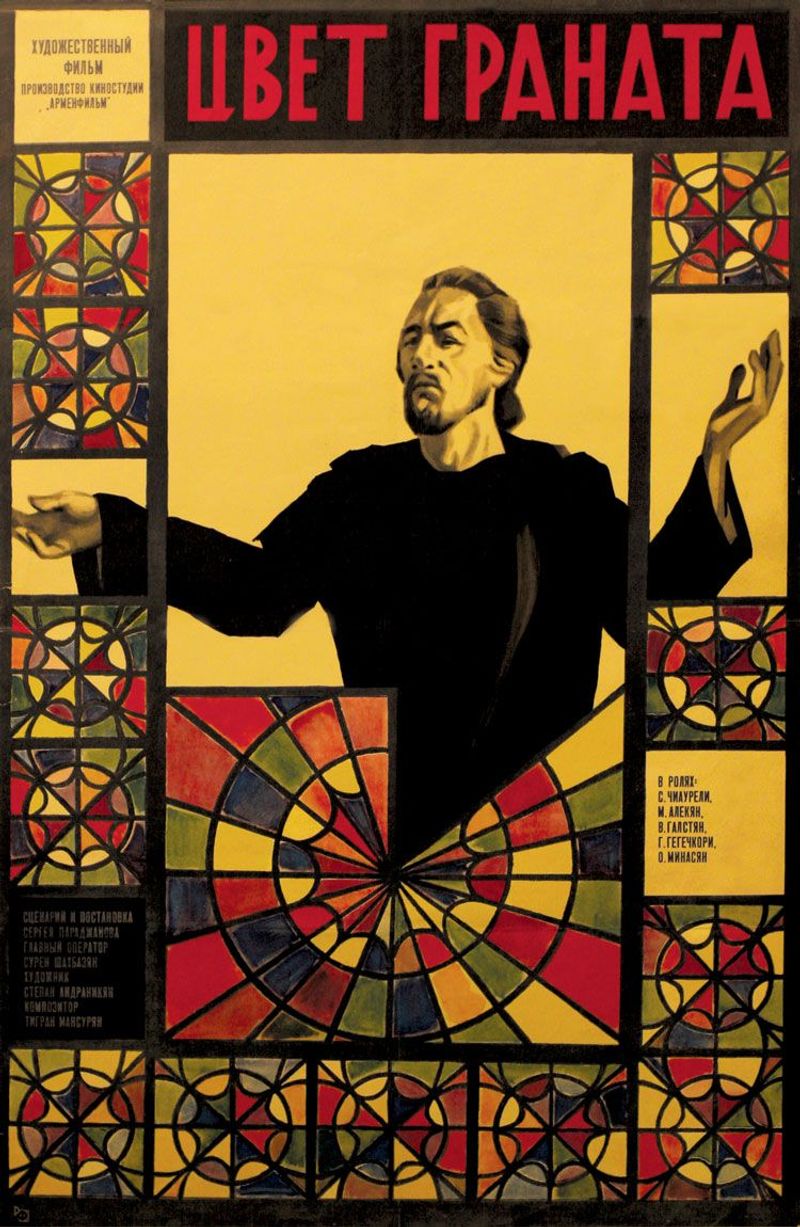
Through a series of mesmerizing visual tableaux, Armenian director Sergei Parajanov depicts the story of 18th-century poet Sayat-Nova.
The film abandons conventional storytelling, presenting each frame as a living painting full of symbolic imagery and rich design.
The film barely uses dialogue, instead communicating through pure imagery and symbolism drawn from Armenian culture.
Pomegranates, books, carpets, and religious icons fill the frame in carefully composed arrangements that feel both ancient and avant-garde.
Watching this is more like visiting a museum than seeing a typical movie.
Its unique approach to biography influenced countless experimental filmmakers and remains visually unlike anything else in cinema history.
13. Melancholia (2011)
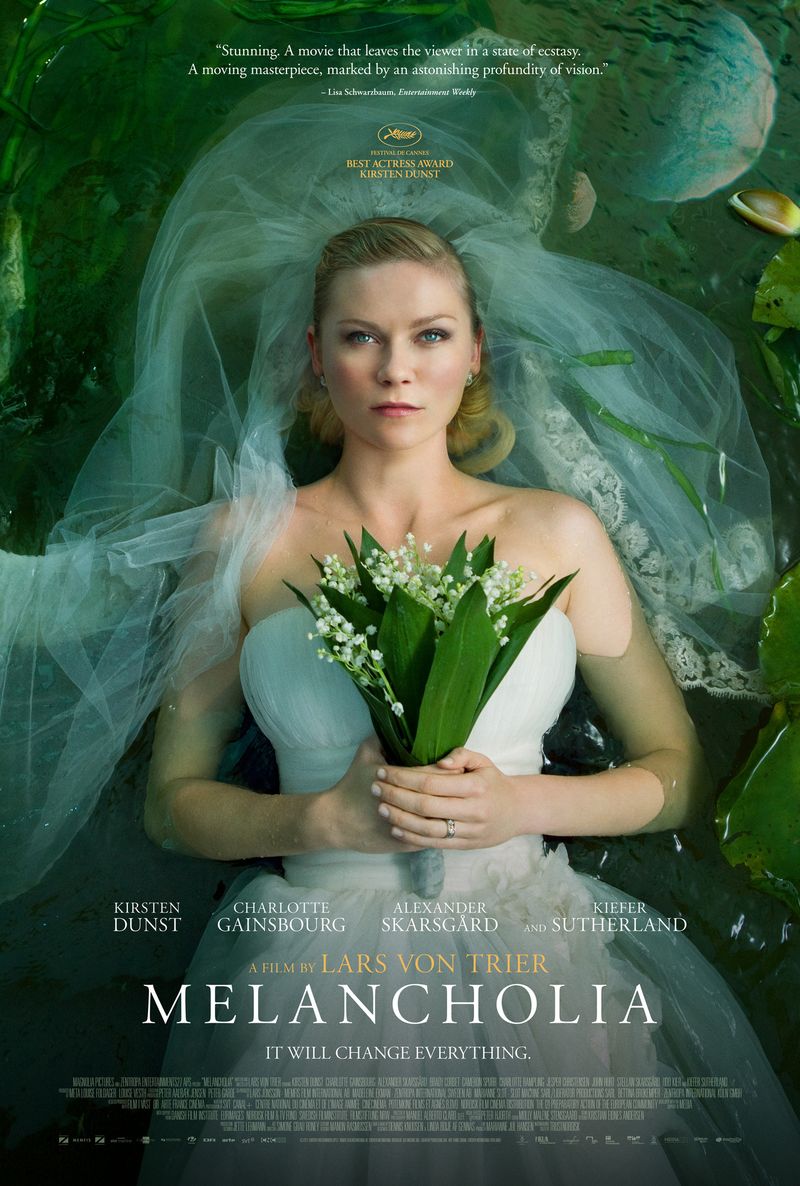
Lars von Trier’s apocalyptic masterpiece opens with slow-motion sequences showing Earth’s collision with a rogue planet called Melancholia.
Then the story jumps back to follow two sisters as this disaster approaches: one suffering severe depression, the other trying to maintain normalcy.
Kirsten Dunst gives a haunting performance as the depressed sister who finds strange calm as the world ends.
The film brilliantly captures how depression feels like carrying the weight of an ending world even during ordinary moments.
Wagner’s Tristan und Isolde plays throughout, adding operatic grandeur to humanity’s final days.
The gorgeous visuals and emotional honesty make this both beautiful and deeply unsettling.
14. Solaris (1972)
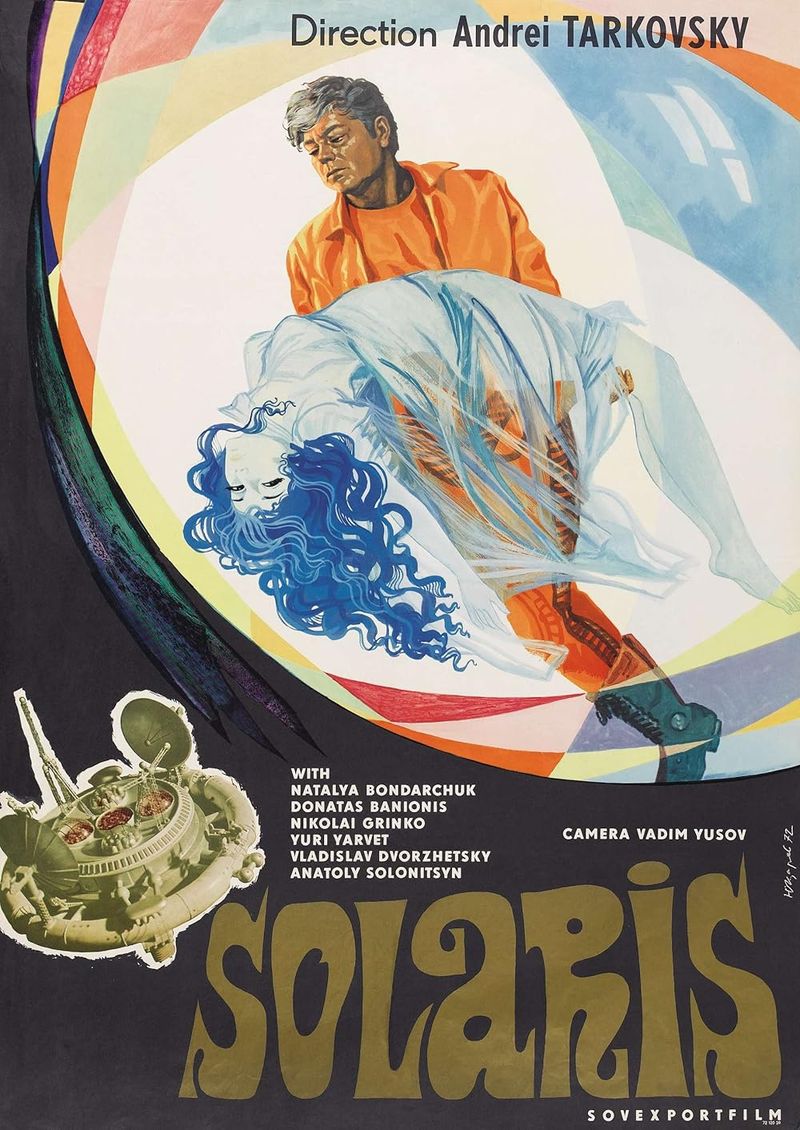
Andrei Tarkovsky’s response to 2001: A Space Odyssey focuses on a psychologist sent to investigate strange happenings on a space station.
The ocean planet below somehow reads the crew’s memories and creates physical manifestations of their deepest guilt and lost loves.
Rather than space adventure, you get a slow, philosophical exploration of grief, memory, and what makes us human.
The main character’s dead wife appears on the station, forcing him to confront painful past mistakes.
Tarkovsky includes long sequences on Earth before the space journey, grounding the story in real human experience.
This thoughtful approach to science fiction values ideas and emotions over special effects and action.
15. The Last Emperor (1987)
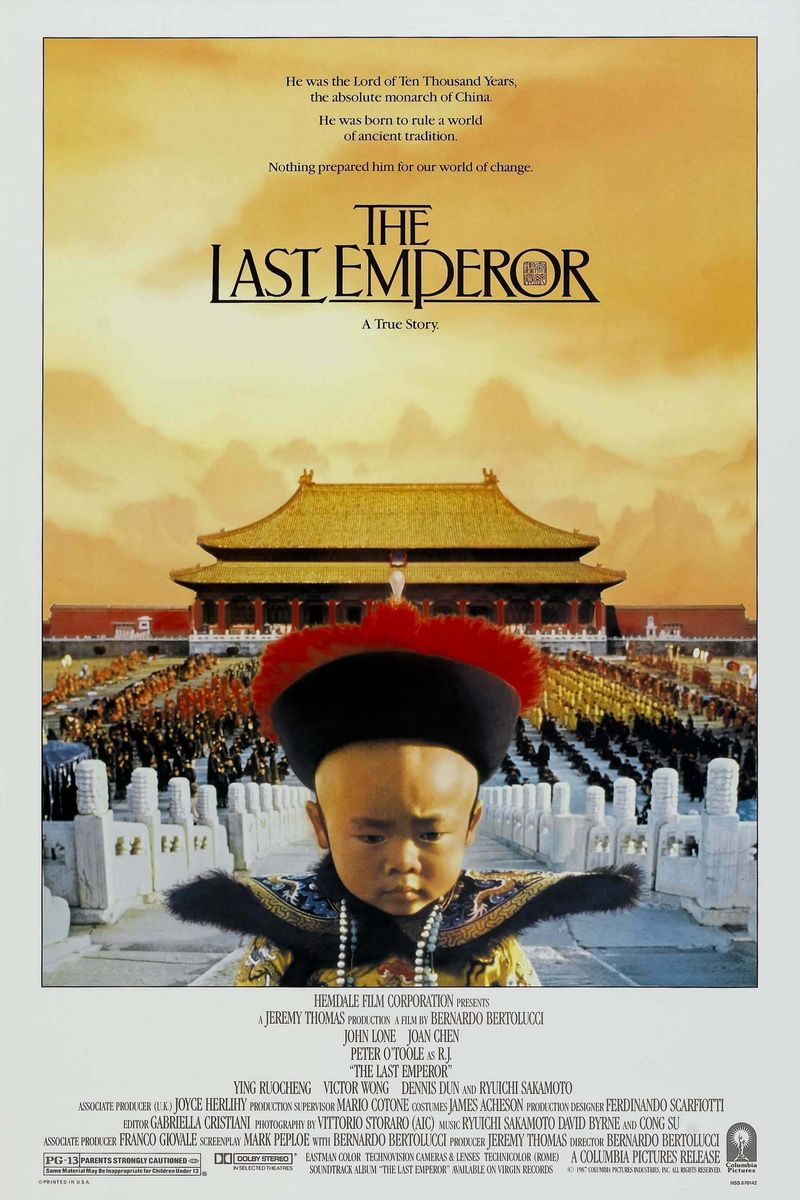
In this sweeping historical epic, Bernardo Bertolucci tells the story of Puyi, China’s child emperor who became ruler at three and lived to see his empire vanish.
The film follows his journey from imperial grandeur to life as an ordinary citizen under Communist governance.
This was the first Western production allowed to film inside Beijing’s actual Forbidden City.
The massive sets, thousands of extras, and stunning costumes create an immersive world of imperial splendor and eventual decay.
John Lone’s performance captures Puyi’s transformation across decades of Chinese history.
The film won nine Academy Awards including Best Picture, proving that historical epics can be both educational and deeply entertaining.
16. The Cook, the Thief, His Wife & Her Lover (1989)
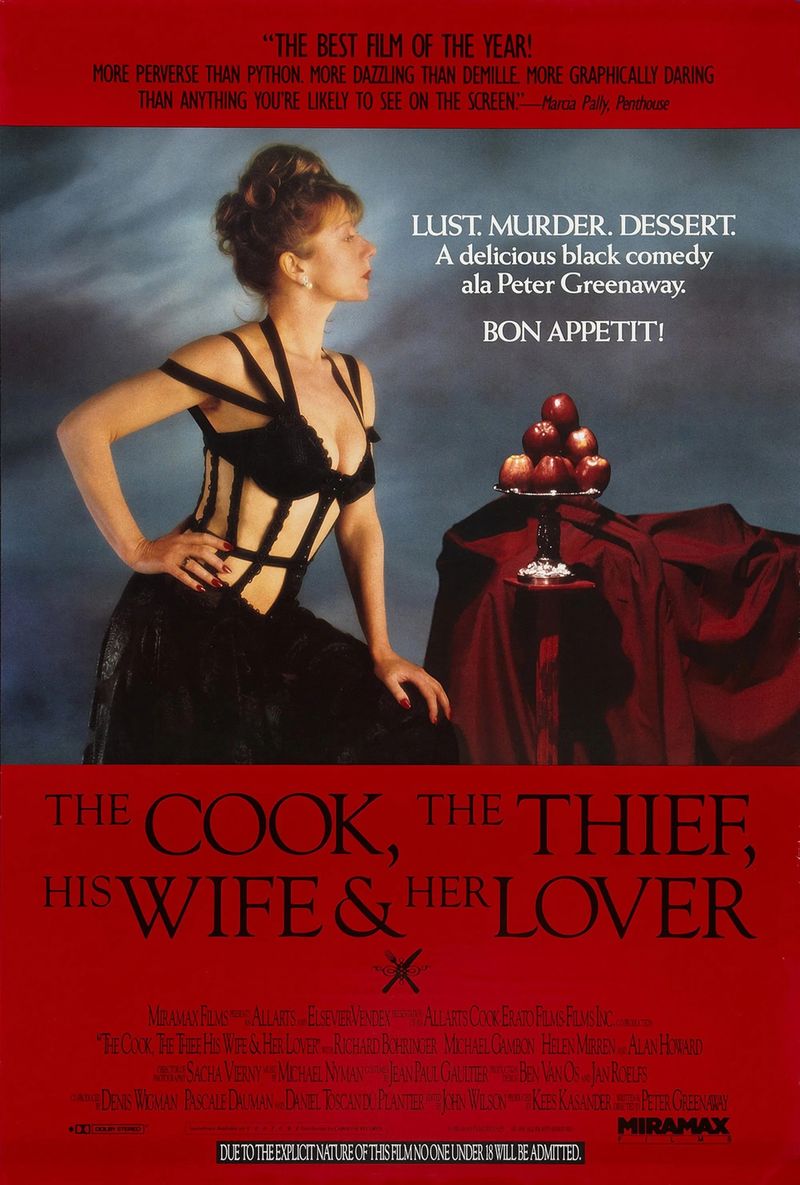
Peter Greenaway’s controversial masterpiece unfolds almost entirely in a high-class restaurant where a brutal gangster holds court nightly.
His abused wife begins a secret affair with a quiet bookish diner, leading to a shocking revenge finale.
Each room in the restaurant is painted a different color, and characters’ costumes magically change to match as they move between spaces.
This theatrical approach creates something between opera and nightmare.
Michael Nyman’s baroque musical score adds grandeur to the grotesque events.
The film works as a savage critique of Thatcher-era greed and excess while delivering unforgettable imagery that haunts viewers long after the credits roll.
Comments
Loading…