
 Chloe Peterson
16 Lead Singers Who Don’t Get the Credit They Deserve
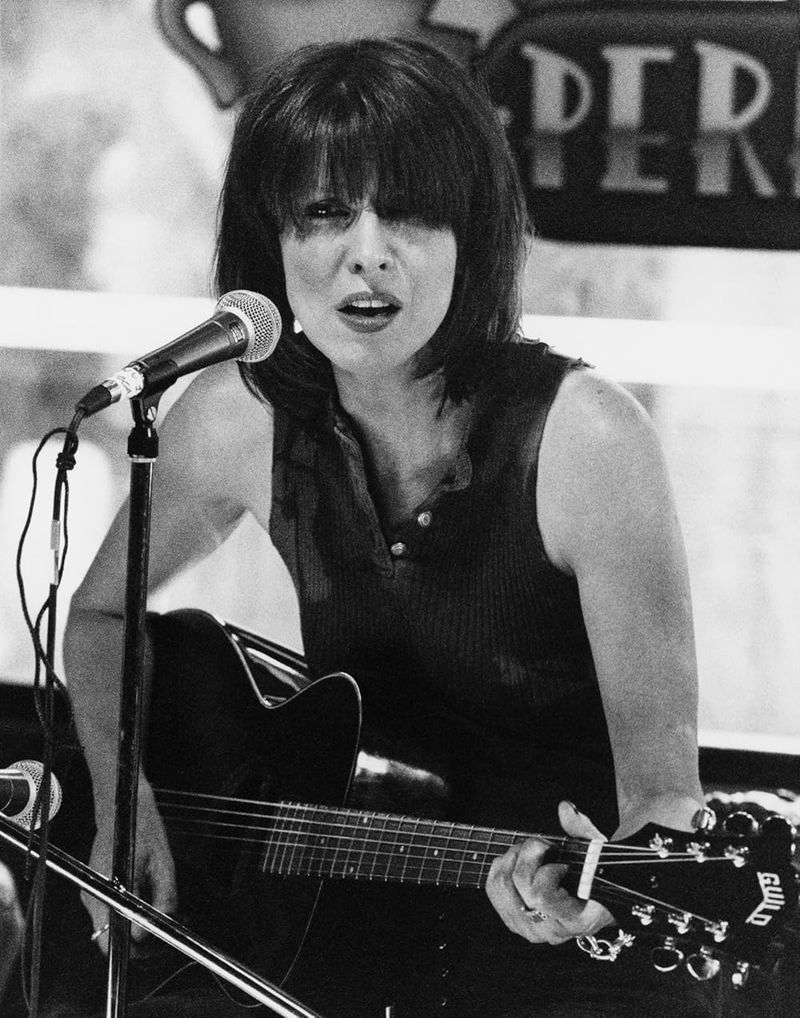
Rock and roll history is filled with legendary voices that shaped the sound of entire generations. While some frontmen and frontwomen become household names, others remain in the shadows despite delivering unforgettable performances and chart-topping hits.
This list celebrates those remarkable lead singers whose contributions deserve far more recognition than they typically receive.
1. Ric Ocasek — The Cars
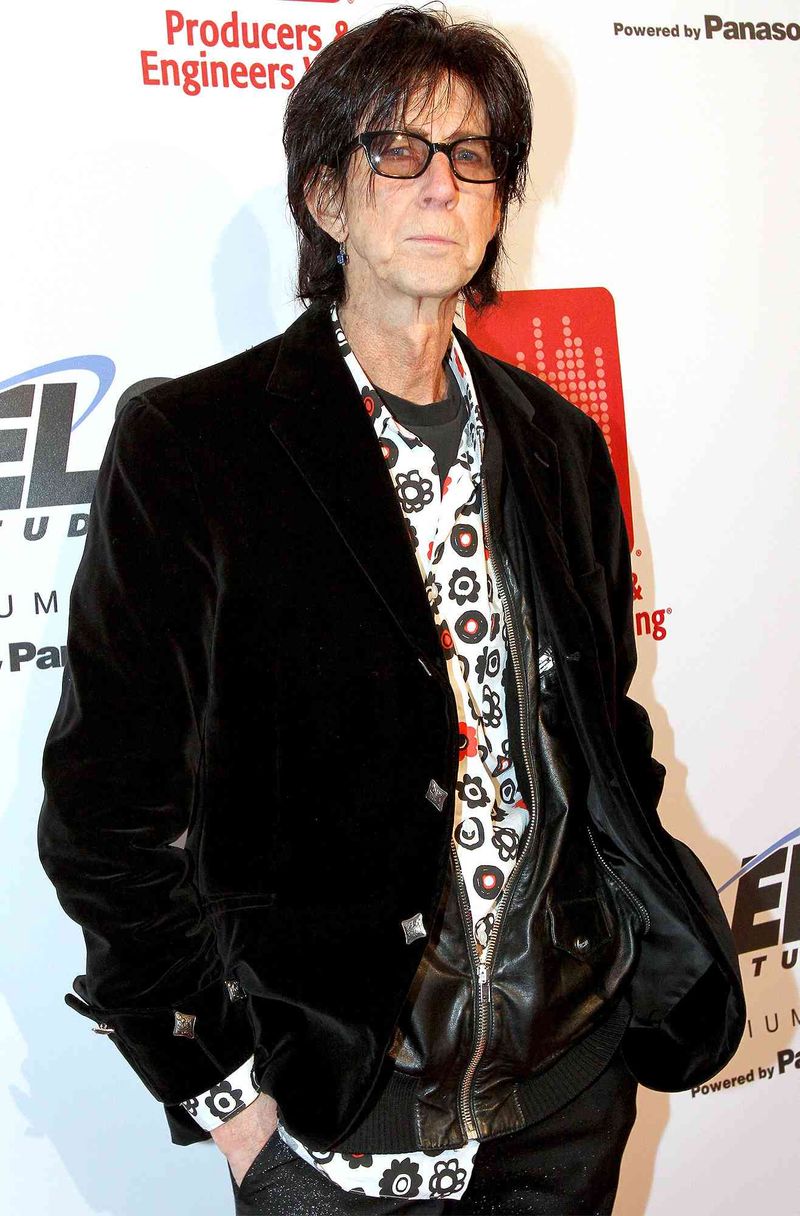
Behind those dark sunglasses and quirky new wave style stood a songwriter who practically invented the sound of the 1980s.
Ric Ocasek’s distinctive baritone voice helped The Cars blend punk energy with pop hooks in ways nobody had heard before.
Songs like “Just What I Needed” and “Drive” dominated radio waves for years.
His unusual vocal delivery made every Cars track instantly recognizable.
Most people remember the band’s catchy melodies, but they forget the unique voice delivering them.
Ocasek wrote nearly all the band’s material while also producing albums for other artists like Weezer and Bad Brains, showcasing his incredible musical range beyond just singing.
2. Dennis DeYoung — Styx
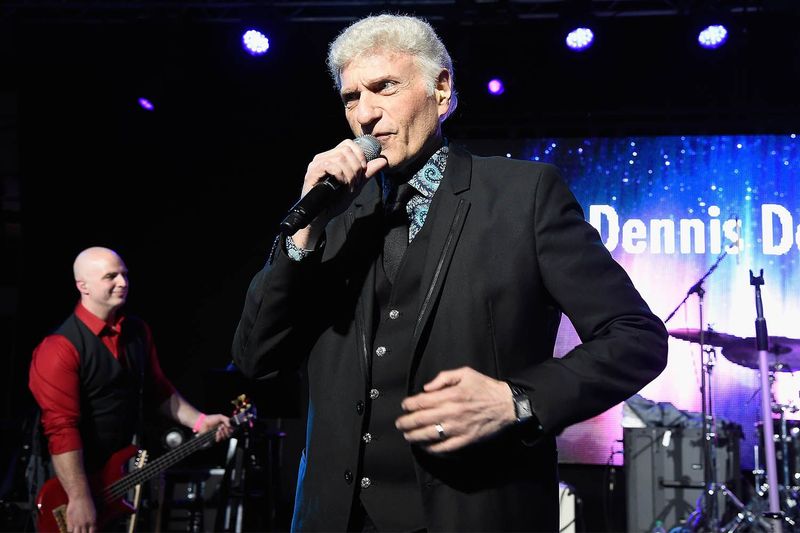
Few voices in rock could soar from tender piano ballads to theatrical rock operas quite like Dennis DeYoung’s.
His classically trained vocals gave Styx a dramatic edge that separated them from every other arena rock band of the 1970s and 80s.
“Come Sail Away” showcases his incredible range, starting soft and building to an explosive finale.
DeYoung wrote most of Styx’s biggest hits, including “Babe” and “Mr. Roboto.”
His keyboard skills combined with that powerful voice created a signature sound that sold millions of albums.
Many fans don’t realize he was the creative force behind the band’s most successful era, crafting concept albums that told complete stories.
3. Burton Cummings — The Guess Who
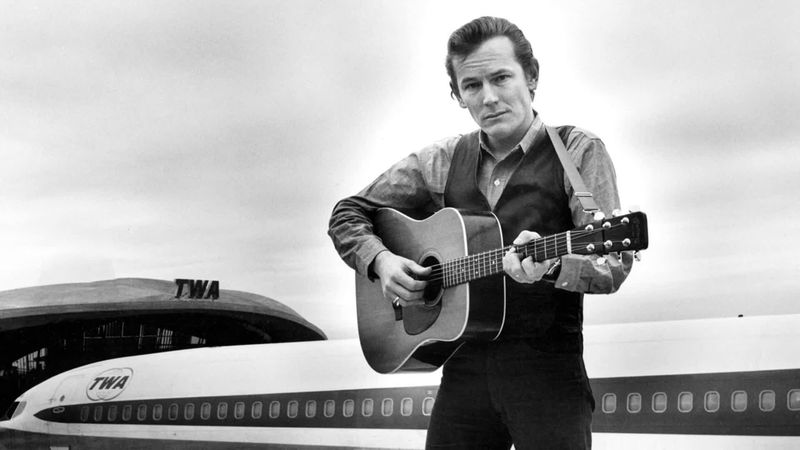
Canadian rock royalty doesn’t get much better than Burton Cummings, whose soulful voice powered The Guess Who through countless radio hits.
“American Woman” became an anthem, but it was Cummings’ raw vocal power that made the song unforgettable.
His ability to belt out rock anthems while also delivering emotional ballads showed remarkable versatility.
Beyond his vocal talents, Cummings played keyboards and wrote many of the band’s greatest songs.
Tracks like “These Eyes” demonstrated his softer side, proving he could make listeners cry just as easily as he could make them rock out.
His contributions to Canadian music history remain criminally underappreciated outside of Canada, despite achieving international success.
4. Lou Gramm — Foreigner
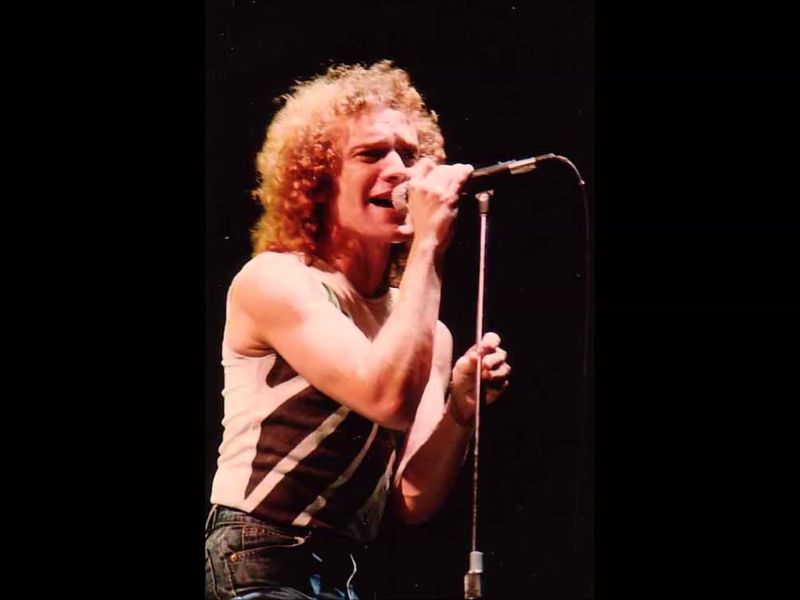
That voice behind “I Want to Know What Love Is” belongs to one of rock’s most powerful singers, yet many people couldn’t pick Lou Gramm out of a lineup.
His incredible vocal range turned Foreigner into one of the biggest-selling bands of all time, moving effortlessly between hard rock screams and tender ballads.
Gramm’s voice defined the arena rock sound of the late 1970s and 1980s.
Songs like “Cold as Ice” and “Juke Box Hero” showcased his ability to deliver both attitude and emotion.
His partnership with guitarist Mick Jones created hit after hit, but Gramm’s vocals were the secret ingredient.
Despite selling over 80 million records worldwide, he rarely gets mentioned among rock’s greatest voices.
5. Brad Delp — Boston
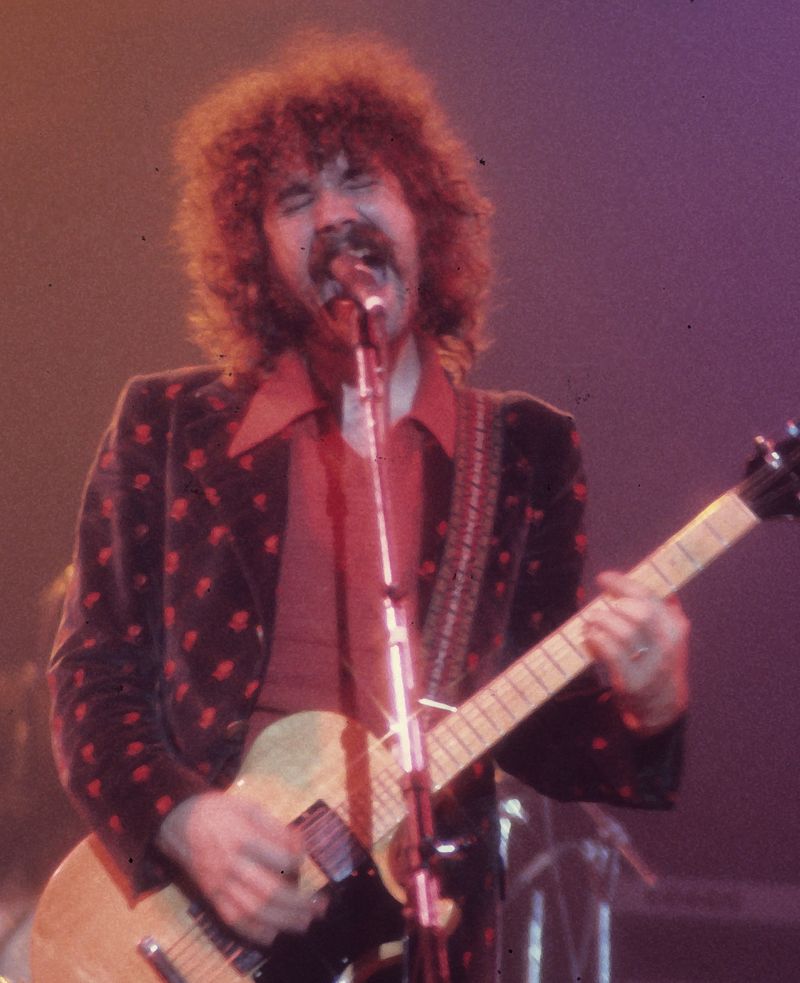
When “More Than a Feeling” comes on the radio, that soaring, angelic voice belongs to Brad Delp, one of rock’s most technically perfect singers.
His multi-octave range and flawless pitch made Boston’s debut album one of the best-selling records in history.
Delp could hit notes that most singers wouldn’t even attempt, making it sound completely effortless.
What made him truly special was his humility and kindness, which everyone who knew him remembered fondly.
He never sought the spotlight despite possessing one of rock’s greatest voices.
His harmonies layered throughout Boston’s songs created that signature wall of sound that still sounds fresh decades later, cementing his legacy as an irreplaceable talent.
6. Ann Wilson — Heart
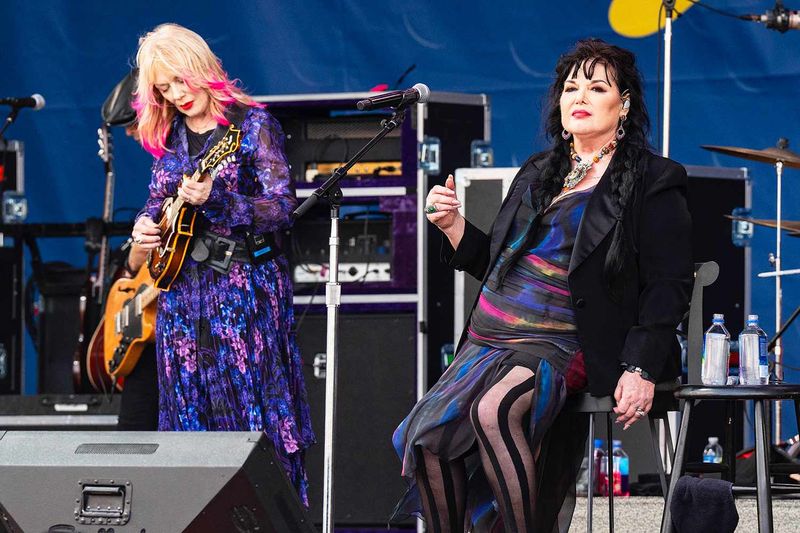
Rock and roll has produced few voices as commanding as Ann Wilson’s, whose powerful vocals shattered every stereotype about female singers in the 1970s.
“Barracuda” announced her as a force of nature, delivering rock aggression that matched any male frontman of the era.
Her four-octave range allowed her to tackle Led Zeppelin covers with the same intensity as the originals.
Wilson’s ability to convey raw emotion through songs like “Alone” proved she could dominate power ballads too.
She and her sister Nancy created Heart’s signature sound, but Ann’s voice was always the centerpiece.
Despite decades of incredible performances and millions of records sold, she’s often overlooked in conversations about rock’s greatest vocalists.
7. Chrissie Hynde — The Pretenders
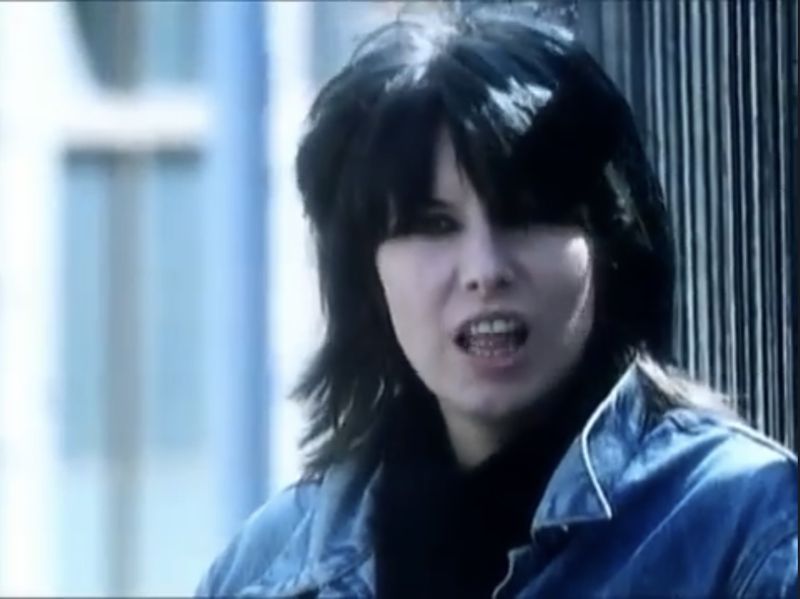
Attitude drips from every note Chrissie Hynde sings, making The Pretenders one of new wave’s most distinctive bands.
Her slightly raspy, confident voice on tracks like “Brass in Pocket” created a blueprint for countless female rockers who followed.
Hynde’s swagger and songwriting skills made her a pioneer in an industry dominated by men.
What sets her apart is the emotional depth beneath that tough exterior.
Songs like “Back on the Chain Gang” reveal vulnerability without sacrificing strength.
She’s been leading The Pretenders for over four decades, constantly evolving while maintaining that signature sound.
Her influence on rock music extends far beyond what most people recognize, inspiring generations of musicians across multiple genres.
8. Graham Nash — Crosby, Stills & Nash
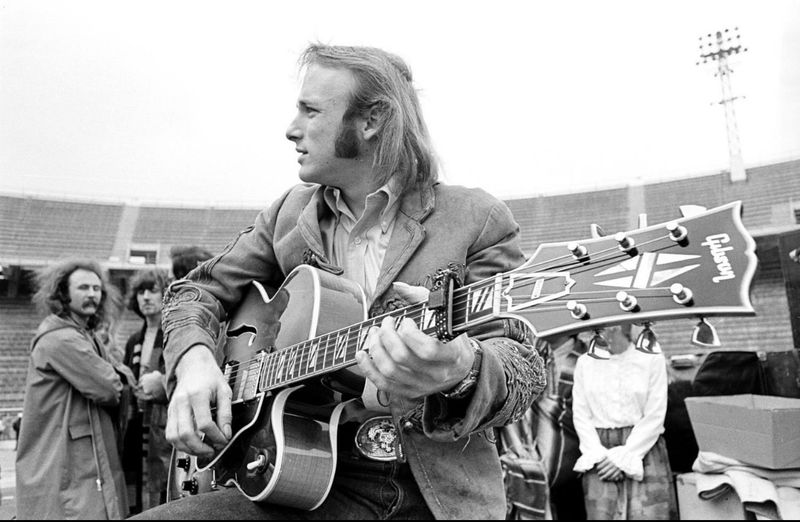
Those impossibly high harmonies floating above Crosby, Stills & Nash songs?
That’s Graham Nash, whose pure tenor voice helped define the folk-rock movement of the late 1960s.
His distinctive vocal tone blended perfectly with his bandmates, creating harmonies that still sound magical today.
Nash wrote some of the group’s most beloved songs, including “Teach Your Children” and “Our House.”
Before joining CSN, Nash was already a star with The Hollies in England, proving his songwriting chops early.
His photography and activism often overshadow his musical contributions, which is unfortunate given his enormous talent.
That sweet, clear voice has been enchanting audiences for over fifty years, yet he rarely gets solo recognition.
9. Steve Winwood — Traffic
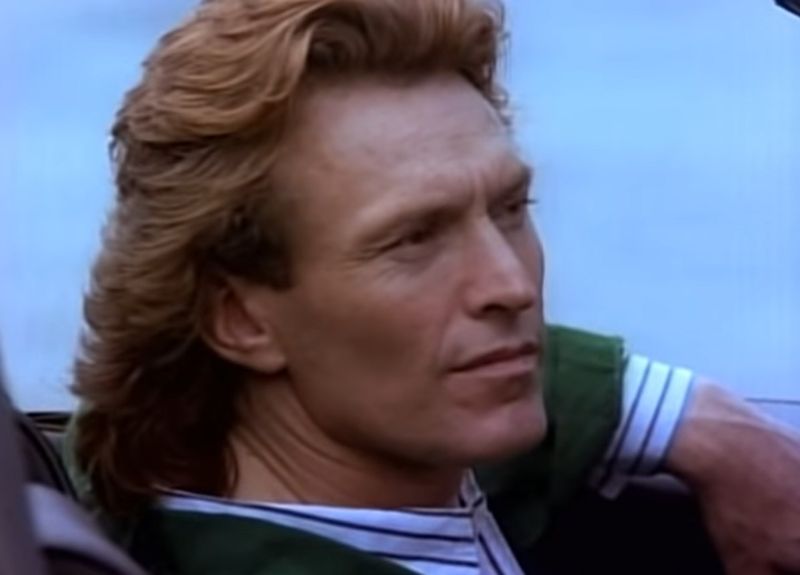
Imagine having a voice so soulful that people assumed you were much older than your teenage years.
Steve Winwood’s incredible vocal instrument powered Traffic through psychedelic rock, jazz fusion, and everything in between.
His raspy, emotional delivery on songs like “Dear Mr. Fantasy” showcased maturity beyond his years.
Winwood’s talents extended far beyond singing—he played keyboards, guitar, and wrote most of Traffic’s material.
His later solo career produced massive hits like “Higher Love,” proving his voice could adapt to any musical style.
Few artists have maintained such consistent quality across six decades of recording.
His blue-eyed soul vocals influenced countless singers, yet he remains surprisingly underrated in rock history discussions.
10. Ian Anderson — Jethro Tull
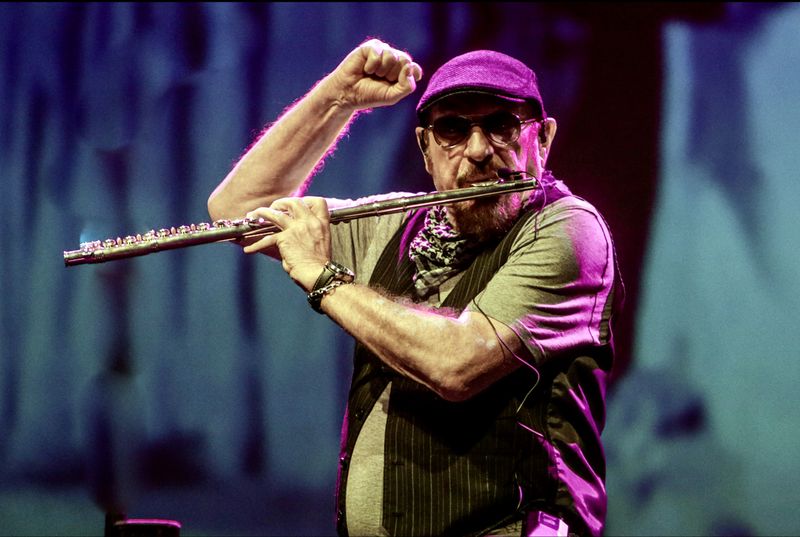
Standing on one leg while playing the flute and singing might sound like a circus act, but Ian Anderson made it rock and roll.
His distinctive voice—somewhere between singing and theatrical speaking—gave Jethro Tull a medieval, mystical quality unlike anything else in rock.
Songs like “Aqualung” featured his gritty, characterful vocals that told vivid stories.
Anderson’s flute playing often overshadows his vocal contributions, which is a shame because his voice is instantly recognizable.
He wrote complex, literary lyrics that required a special delivery, which he provided perfectly.
Jethro Tull sold over 60 million albums worldwide, yet Anderson rarely appears on lists of great rock vocalists despite his unique and influential style.
11. Don Henley — Eagles
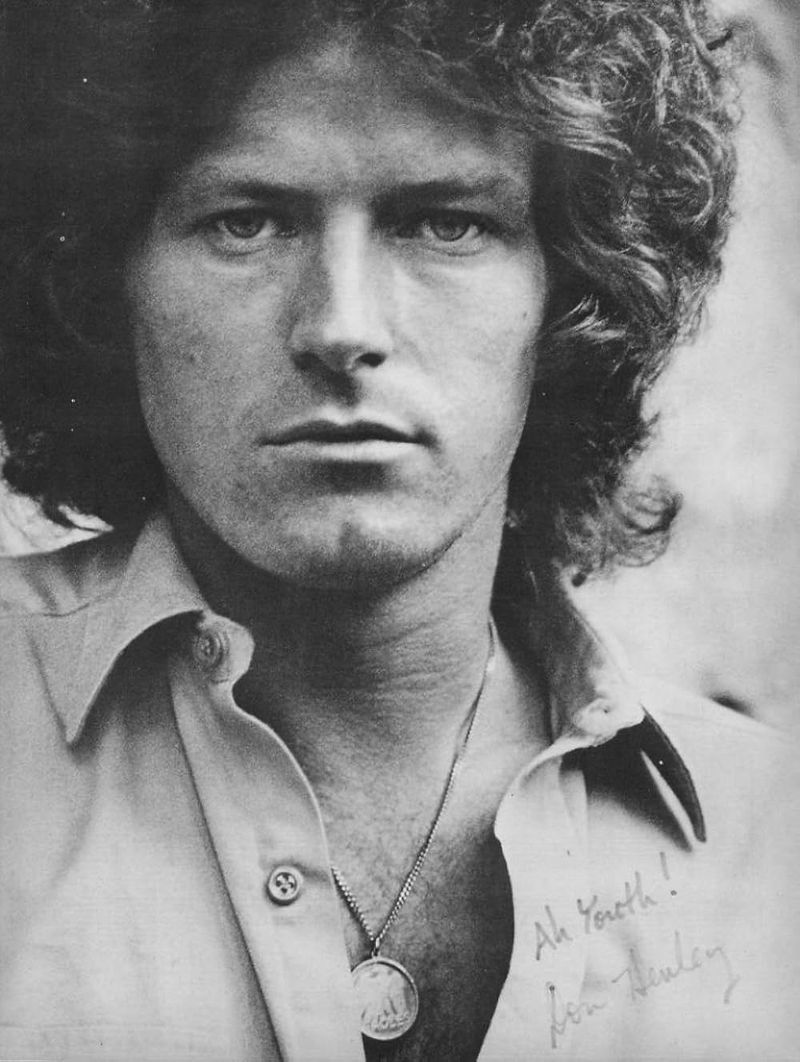
While Glenn Frey often got more attention as the Eagles’ frontman, Don Henley’s voice defined many of the band’s biggest hits.
His drumming skills are well-known, but his vocal performances on “Hotel California” and “Desperado” showcase remarkable emotional depth.
Henley’s slightly nasal tone gave the Eagles’ country-rock sound its distinctive edge.
His solo career produced classics like “The Boys of Summer,” proving he could carry songs without the band.
Henley’s songwriting tackles serious themes with intelligence and poetry, requiring vocals that can convey complex emotions.
He’s won multiple Grammys and sold millions of records, yet discussions about great rock voices often overlook him.
His contributions to American rock music deserve far more recognition than they typically receive.
12. Paul Rodgers — Free / Bad Company
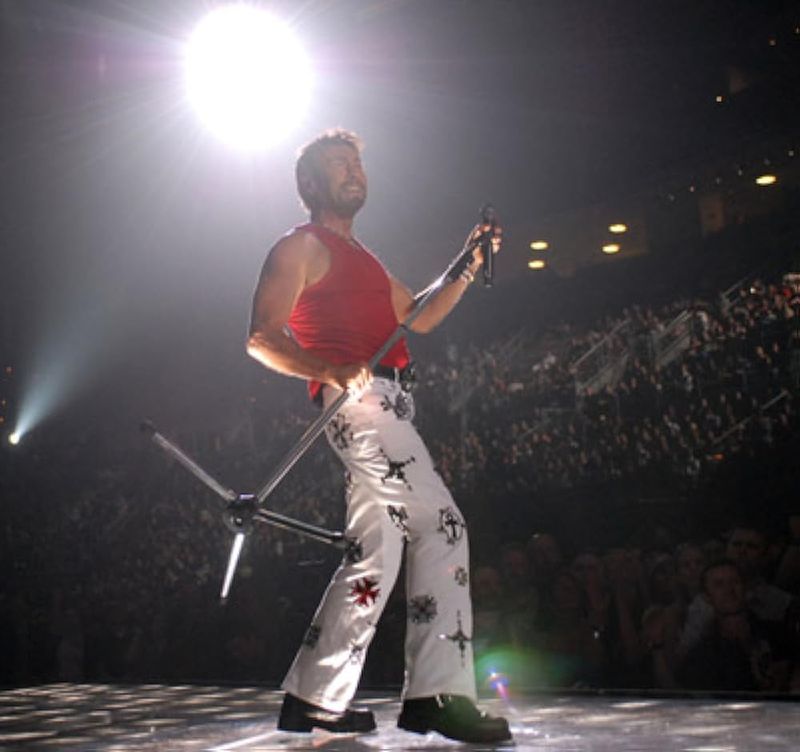
Critics and musicians consistently rank Paul Rodgers among rock’s greatest vocalists, yet mainstream audiences often don’t know his name.
His powerful, soulful voice drove Free’s “All Right Now” to legendary status, combining blues feeling with rock energy.
Rodgers’ vocal style influenced everyone from Aerosmith’s Steven Tyler to Led Zeppelin’s Robert Plant.
After Free disbanded, he formed Bad Company and continued churning out hits with that same incredible voice.
His ability to convey emotion through phrasing and tone makes every performance memorable.
Plant himself called Rodgers his favorite singer, which speaks volumes.
Despite filling in as Queen’s vocalist for several years, Rodgers remains criminally underappreciated by the general public, though musicians recognize his immense talent.
13. David Coverdale — Deep Purple / Whitesnake
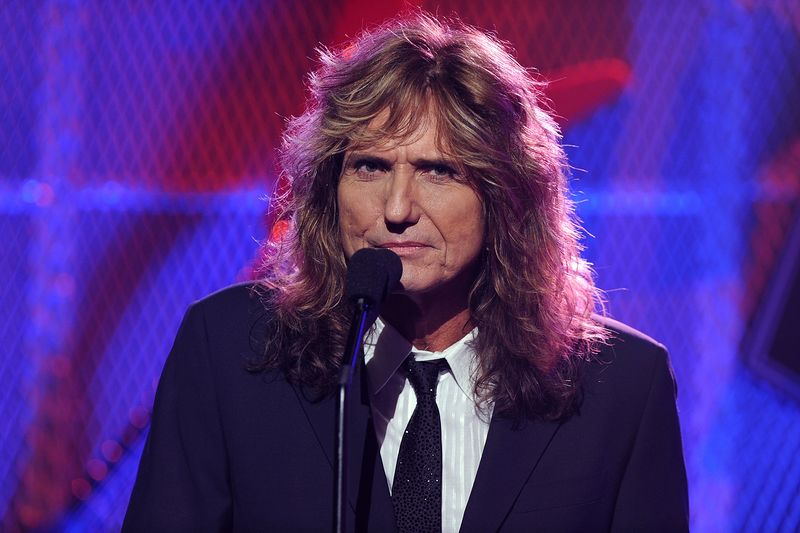
That smooth, bluesy voice that powered Deep Purple after Ian Gillan’s departure belonged to David Coverdale, who proved impossible shoes could be filled.
His soulful delivery on albums like “Burn” showed he could handle the band’s heavy sound while adding his own flavor.
Coverdale’s voice had warmth and grit that made him perfect for blues-based hard rock.
He later formed Whitesnake, where hits like “Here I Go Again” showcased his incredible vocal range and control.
His ability to sustain notes and add emotional vibrato made every song memorable.
Despite fronting two legendary bands and selling millions of albums, Coverdale rarely gets mentioned among hard rock’s greatest singers, which seems completely unfair given his obvious talent.
14. Mark Knopfler — Dire Straits
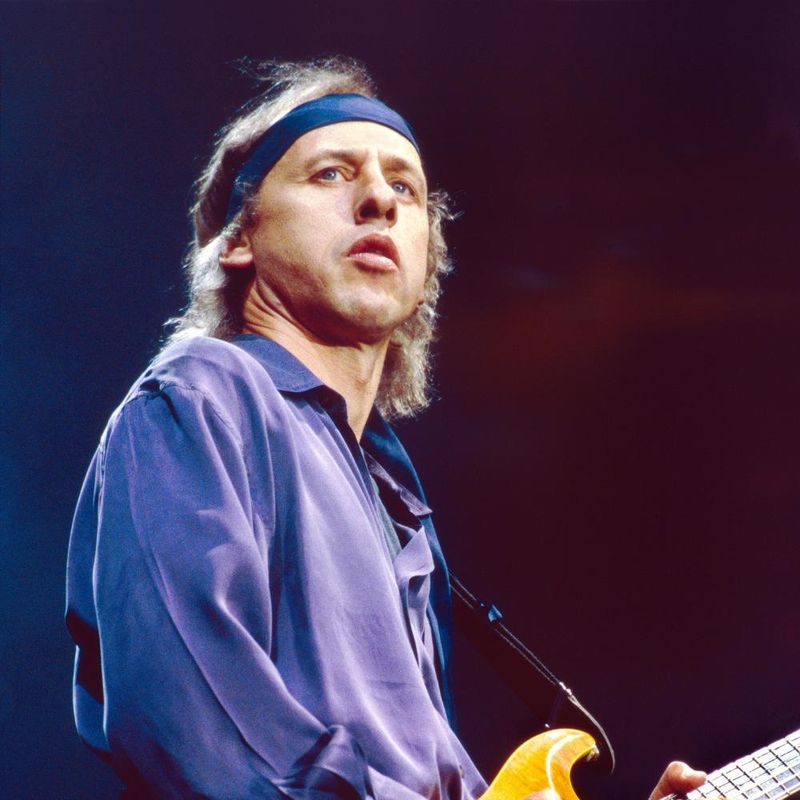
Most people focus on Mark Knopfler’s extraordinary guitar playing and forget about his distinctive voice, which is a huge oversight.
His laid-back, conversational singing style on “Sultans of Swing” created a template for understated rock vocals.
Knopfler’s slightly raspy, talk-singing approach made Dire Straits’ storytelling songs come alive with authenticity.
His voice perfectly complemented his intricate guitar work, never competing but always enhancing the music.
Songs like “Romeo and Juliet” showcase his ability to convey deep emotion through subtle vocal inflections rather than power or range.
Knopfler’s influence on singer-songwriters is enormous, yet his vocal contributions get overshadowed by his guitar virtuosity.
His unique delivery style deserves recognition as an important part of rock vocal history.
15. John Fogerty — Creedence Clearwater Revival
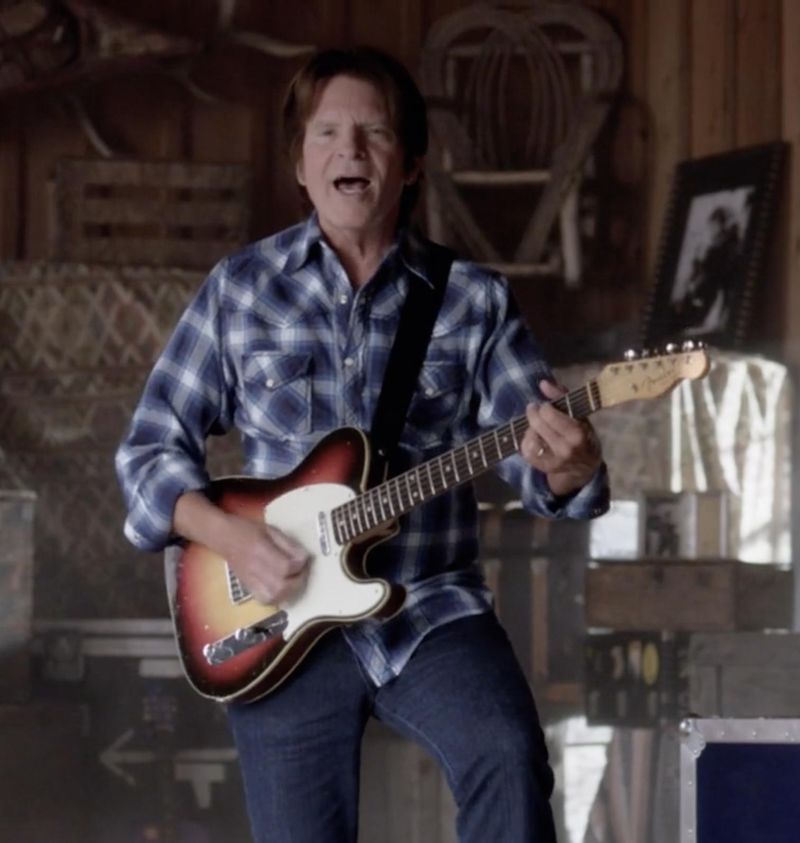
Swamp rock wouldn’t exist without John Fogerty’s gritty, powerful voice that made Creedence Clearwater Revival sound like they came straight from the Louisiana bayou (despite being from California).
His raspy delivery on classics like “Proud Mary” and “Fortunate Son” captured America’s working-class spirit during turbulent times.
Fogerty wrote, sang, and played guitar on nearly every CCR track.
His voice had an urgency and authenticity that made every song feel important and real.
The band dominated radio in the late 1960s and early 1970s, yet Fogerty’s vocal prowess often gets overlooked in favor of his songwriting.
His influence on rock, country, and Southern rock vocalists is massive.
That distinctive growl remains one of rock’s most recognizable sounds.
16. Robin Zander — Cheap Trick
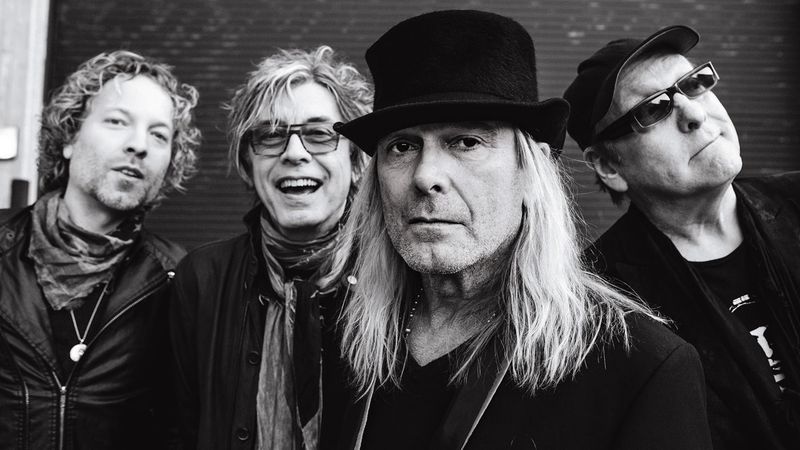
Power pop found its perfect voice in Robin Zander, whose incredible range and tone made Cheap Trick’s catchy songs soar.
His performance on “I Want You to Want Me” showcases vocal power that rivals any hard rock singer, yet he could also deliver tender ballads beautifully.
Zander’s good looks sometimes caused people to underestimate his serious vocal chops.
His voice blended the best elements of classic rock singers with new wave energy, creating something fresh and exciting.
Songs like “The Flame” proved he could handle any style the band threw at him.
Cheap Trick’s music has influenced countless power pop and alternative bands, but Zander’s vocal contributions rarely get the recognition they deserve.
His consistent excellence over four decades makes his underrated status even more puzzling.
Comments
Loading…