
 Chloe Peterson
16 Anime Adaptations That Failed to Live Up to the Hype
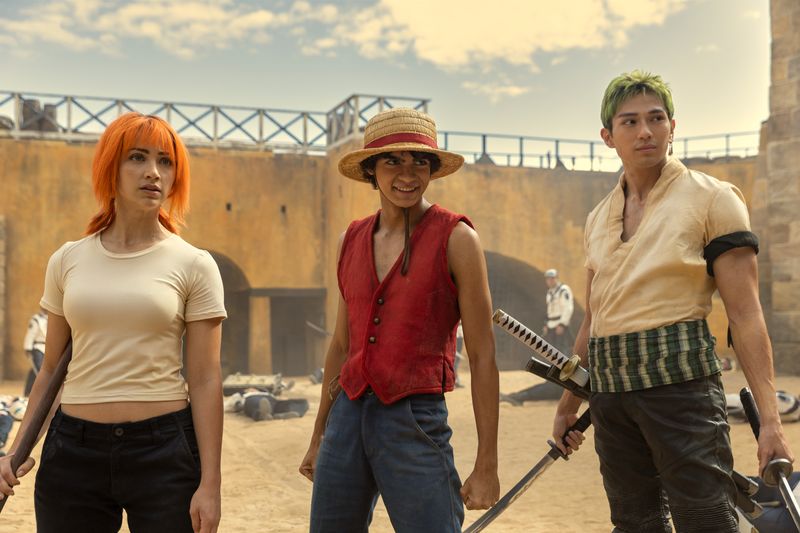
Anime fans know the thrill of seeing a beloved series brought to life in a live-action or big-screen adaptation. The anticipation of watching favorite characters step off the page or screen and into reality can feel like a dream finally coming true. Every trailer, teaser, and casting announcement fuels excitement and hope—but sometimes, that dream comes crashing down when the final product fails to capture the magic of the original.
Whether it’s rushed storytelling, questionable casting, or visuals that miss the mark, these adaptations can leave even the most loyal fans disappointed. Here are 16 anime adaptations that had fans buzzing with excitement, only to leave them seriously let down.
1. Dragonball Evolution (2009)
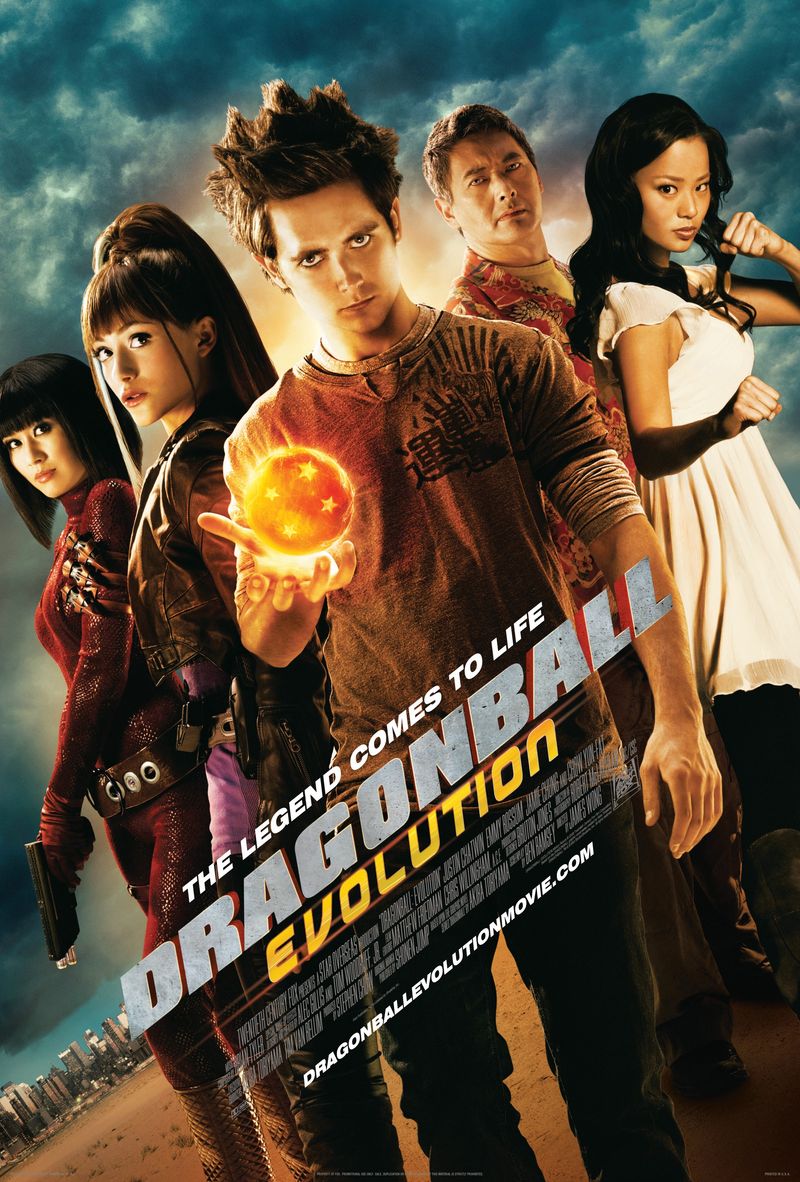
Ask any Dragon Ball fan about this movie and you might see their eye twitch.
Released in 2009, Dragonball Evolution took one of the most beloved anime franchises ever made and turned it into something almost unrecognizable.
Goku was reimagined as a high school student, and the iconic energy battles felt flat and unconvincing on screen.
The film bombed so badly that even the original creator, Akira Toriyama, publicly apologized to fans.
It currently holds a 15% rating on Rotten Tomatoes.
Sometimes a cautionary tale is more valuable than a good movie.
2. Death Note (2017)
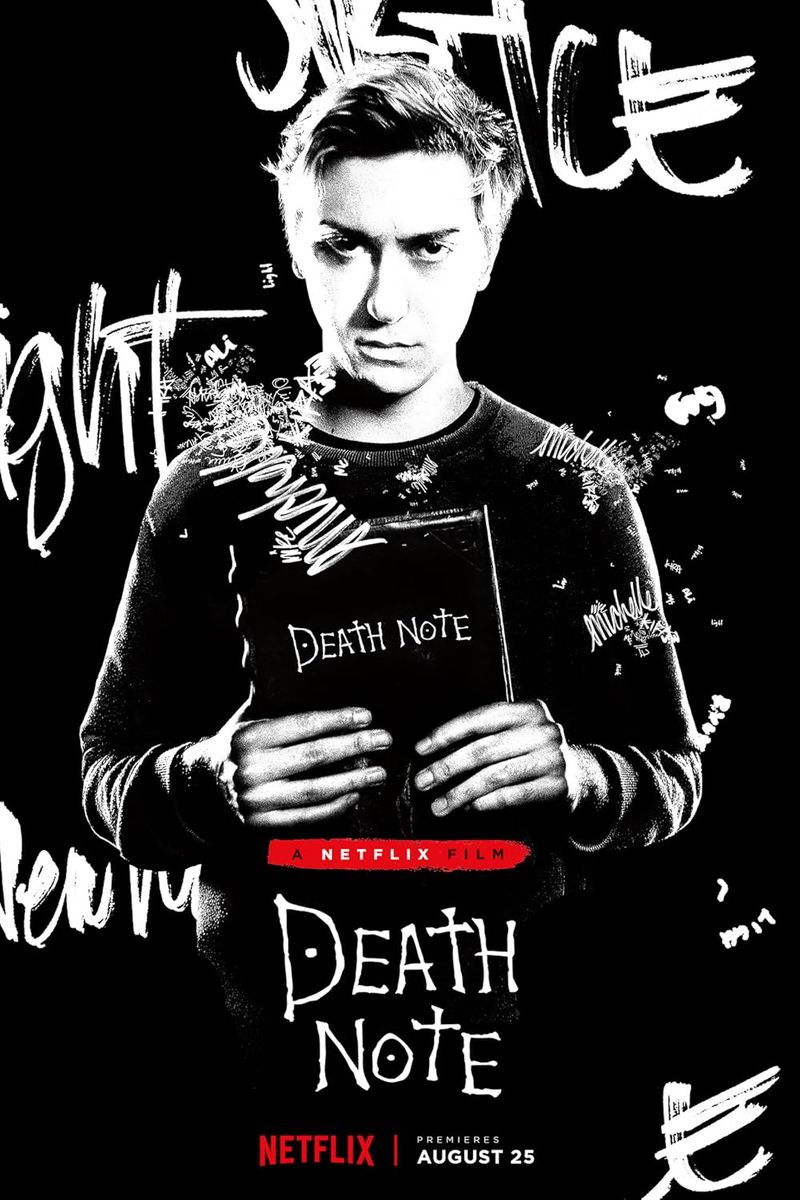
Few anime have the gripping psychological tension of Death Note, so when Netflix announced a live-action version, expectations were sky-high.
Sadly, the 2017 film compressed a complex, multi-layered story into just 100 minutes, stripping away most of what made the original so thrilling.
Light Turner felt like a completely different character from the calculating genius fans adored.
The casting choices also sparked major controversy online.
What the original anime built slowly and brilliantly over many episodes, this version rushed through carelessly.
Fans were left frustrated rather than satisfied by the rushed storytelling choices.
3. Gantz (2011)
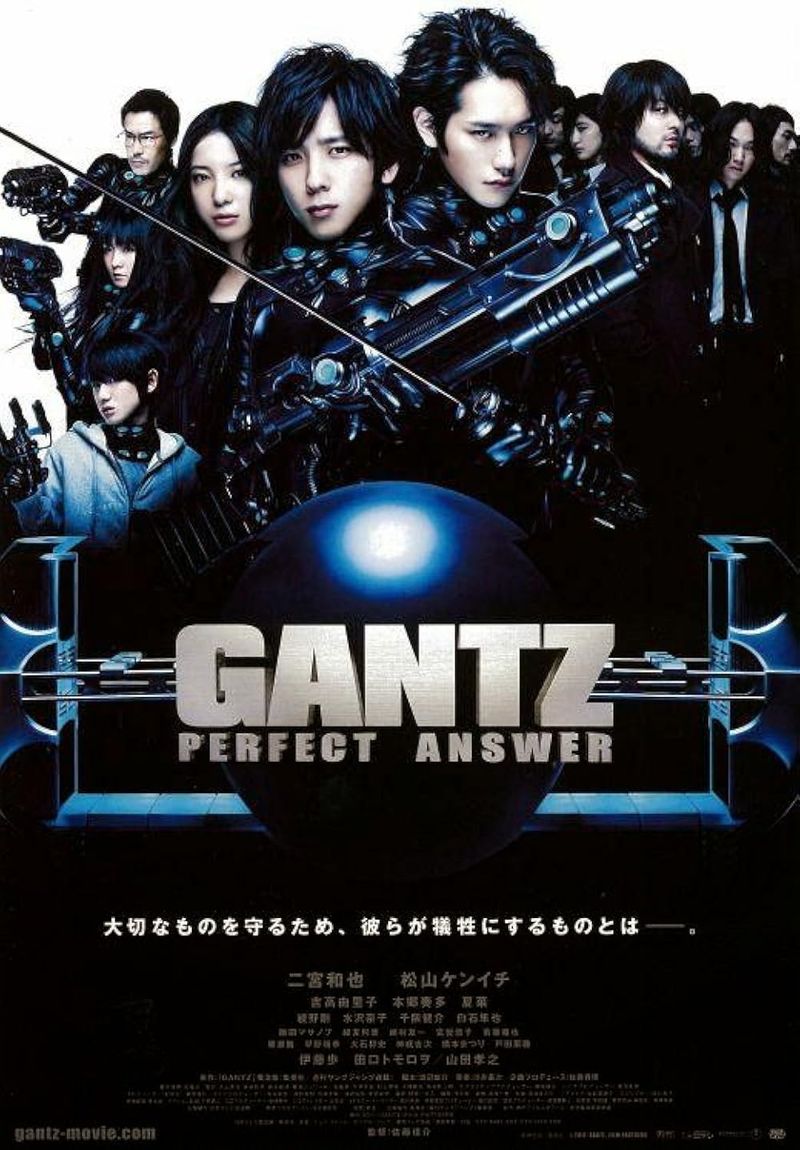
Gantz was always a brutal, bizarre manga and anime series packed with graphic violence and philosophical questions about life and death.
The 2011 Japanese live-action film attempted to condense this wild universe into a mainstream thriller, and the results were mixed at best.
Hardcore fans felt the story lost too much of its edge in the translation.
The special effects were decent for their time, and some action scenes worked reasonably well.
But the emotional depth and shocking unpredictability that defined the original were largely missing.
Casual viewers might enjoy it, but true fans walked away feeling shortchanged by the experience.
4. Attack on Titan (2015)
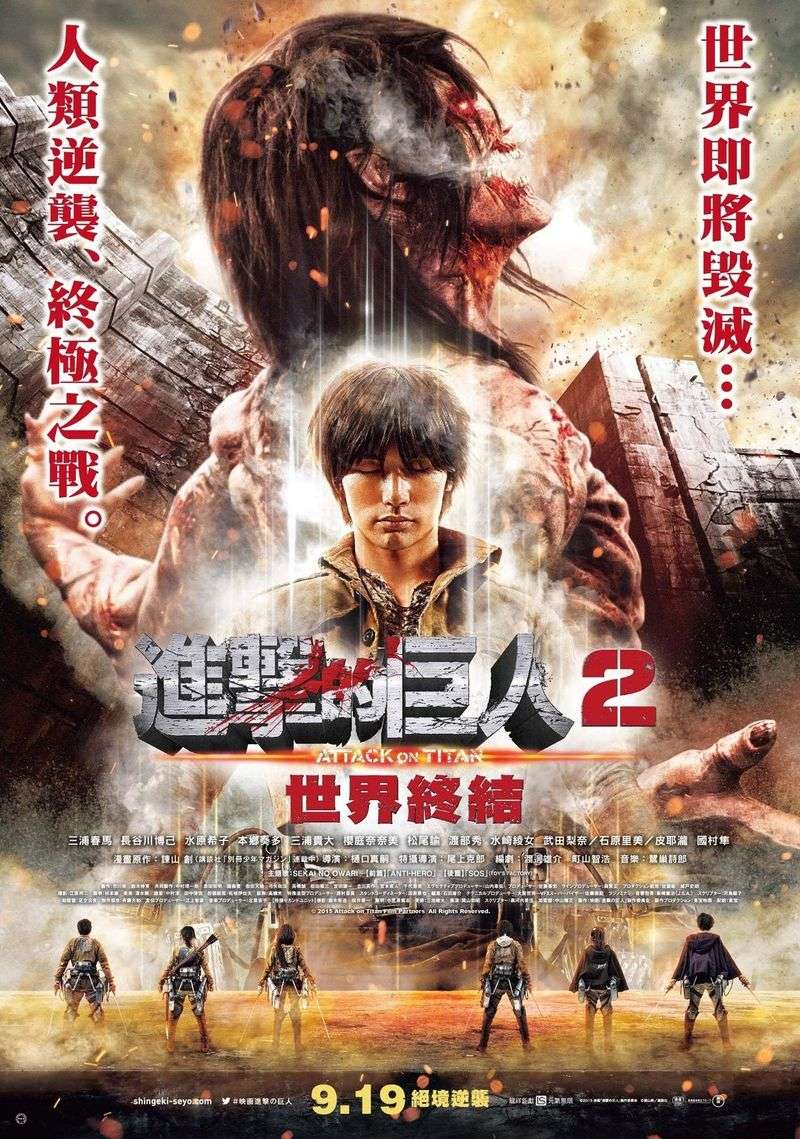
When a Japanese studio decided to tackle Attack on Titan as a live-action film, the hype was enormous.
The anime had become a global phenomenon, and fans were desperate to see the Titans realized on the big screen.
Unfortunately, the two-part film series disappointed on almost every level imaginable.
Characters were changed significantly, beloved plot points were dropped, and the Titans themselves looked more silly than terrifying in many scenes.
The film also cut fan-favorite character Levi entirely, which outraged the fandom almost instantly.
Watching something you love get handled so carelessly genuinely stings in a unique way.
5. Fullmetal Alchemist (2017)
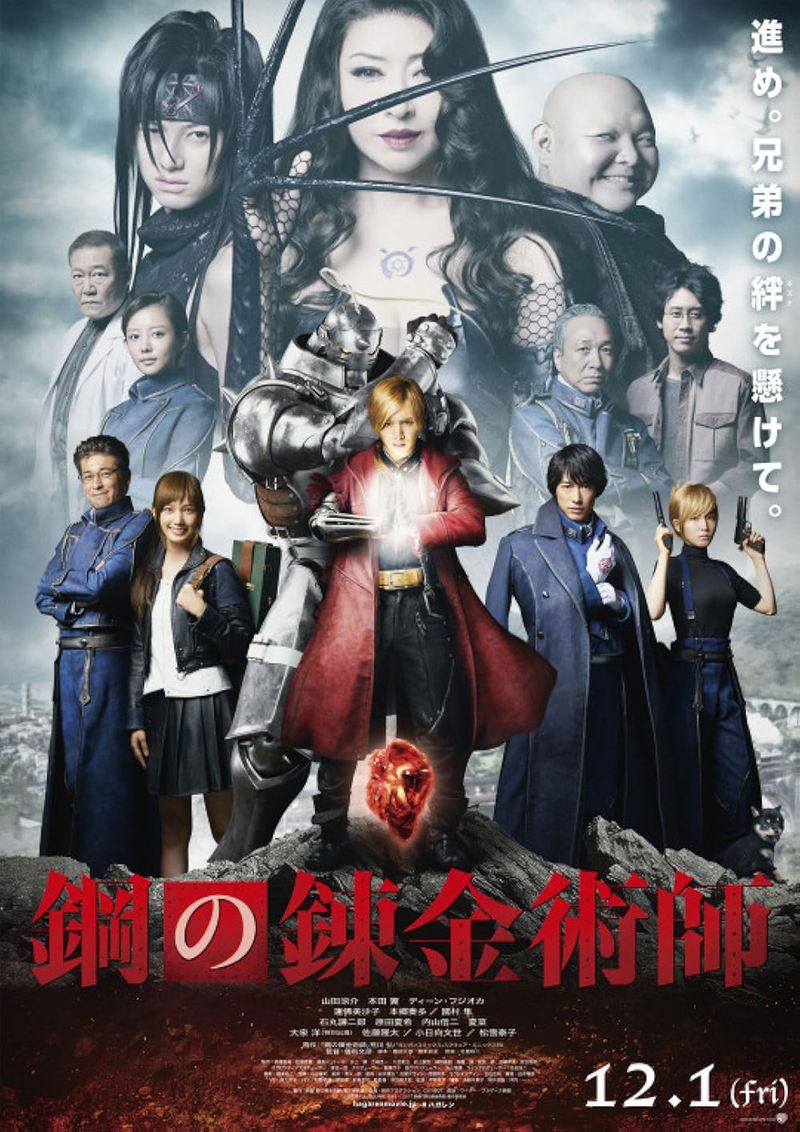
Fullmetal Alchemist is considered one of the greatest anime ever made, so the bar for a live-action version was impossibly high.
Netflix released this Japanese-produced adaptation in 2017, and while the costume design was genuinely impressive, the story felt rushed and emotionally hollow.
Cramming dozens of episodes into a single film never really works, and this was no exception.
The performances were decent, but the chemistry between Edward and Alphonse never quite landed the way it does in the anime.
Fans appreciated the effort but largely agreed the source material deserved much better treatment.
A sequel was later made, but enthusiasm had already faded significantly.
6. Bleach (2018)
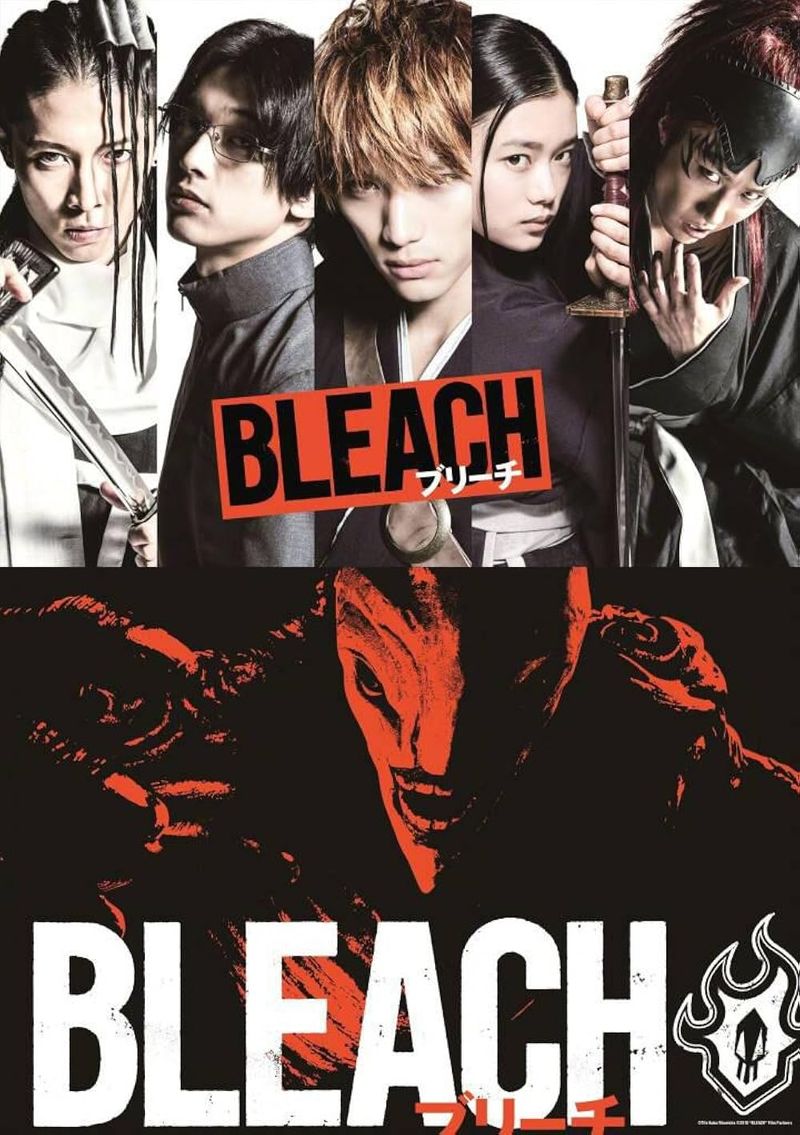
Bleach had one of the most passionate anime fanbases in history, so a live-action movie was always going to face enormous scrutiny.
The 2018 Japanese film covered the early Soul Society arc and honestly did a few things right, including solid fight choreography.
But the compressed timeline left character development feeling thin and unsatisfying.
Rukia’s backstory, which is central to the emotional weight of that arc, was significantly simplified.
Fans who were new to the story might have enjoyed it as a stylish action flick.
For longtime followers of Ichigo’s journey, though, something important was always missing from every scene.
7. Ghost in the Shell (2017)
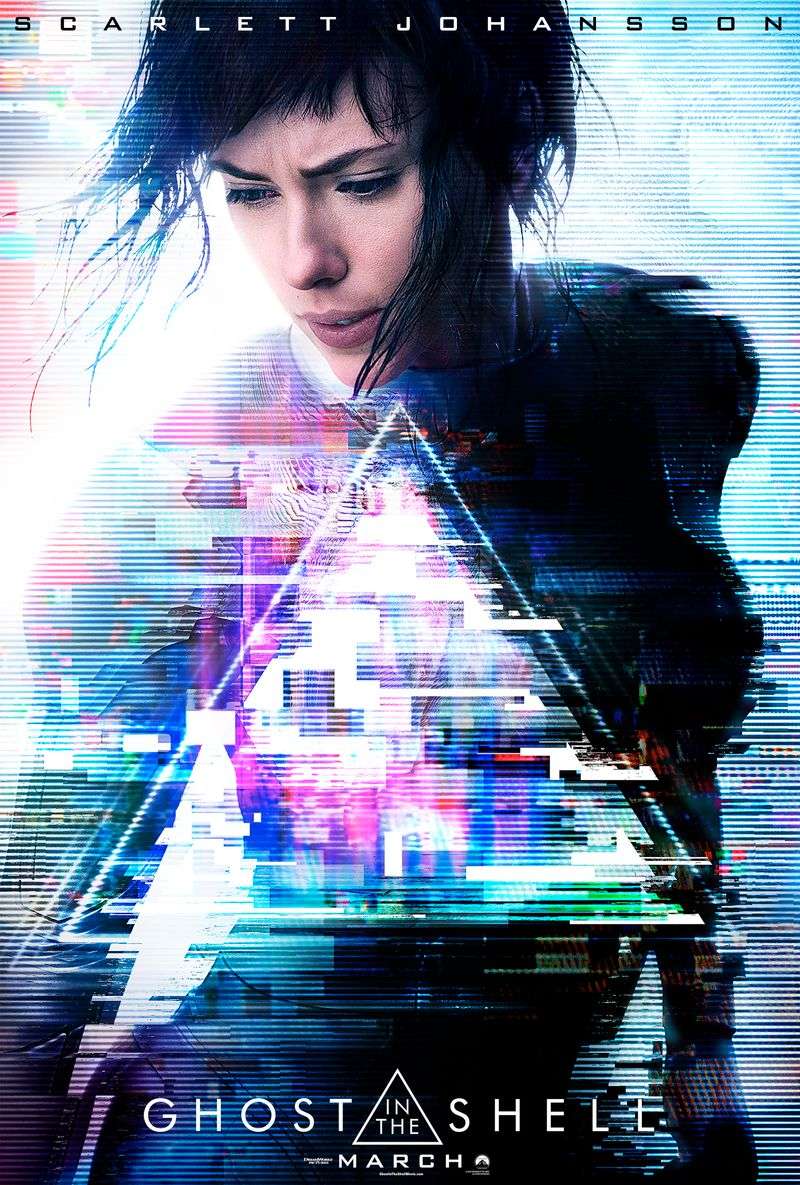
Ghost in the Shell is a landmark of science fiction anime, raising deep questions about identity, consciousness, and what it means to be human.
When Hollywood cast Scarlett Johansson in the lead role, controversy erupted immediately over whitewashing concerns.
The 2017 film looked stunning visually, with gorgeous cyberpunk cityscapes that genuinely captured the aesthetic of the original.
Beneath that beautiful surface, however, the philosophical depth that made the anime legendary was mostly absent.
The story was simplified to a basic revenge plot, leaving critics and fans underwhelmed.
Visually impressive but intellectually hollow is a tough combination for a film that promised so much more.
8. Speed Racer (2008)
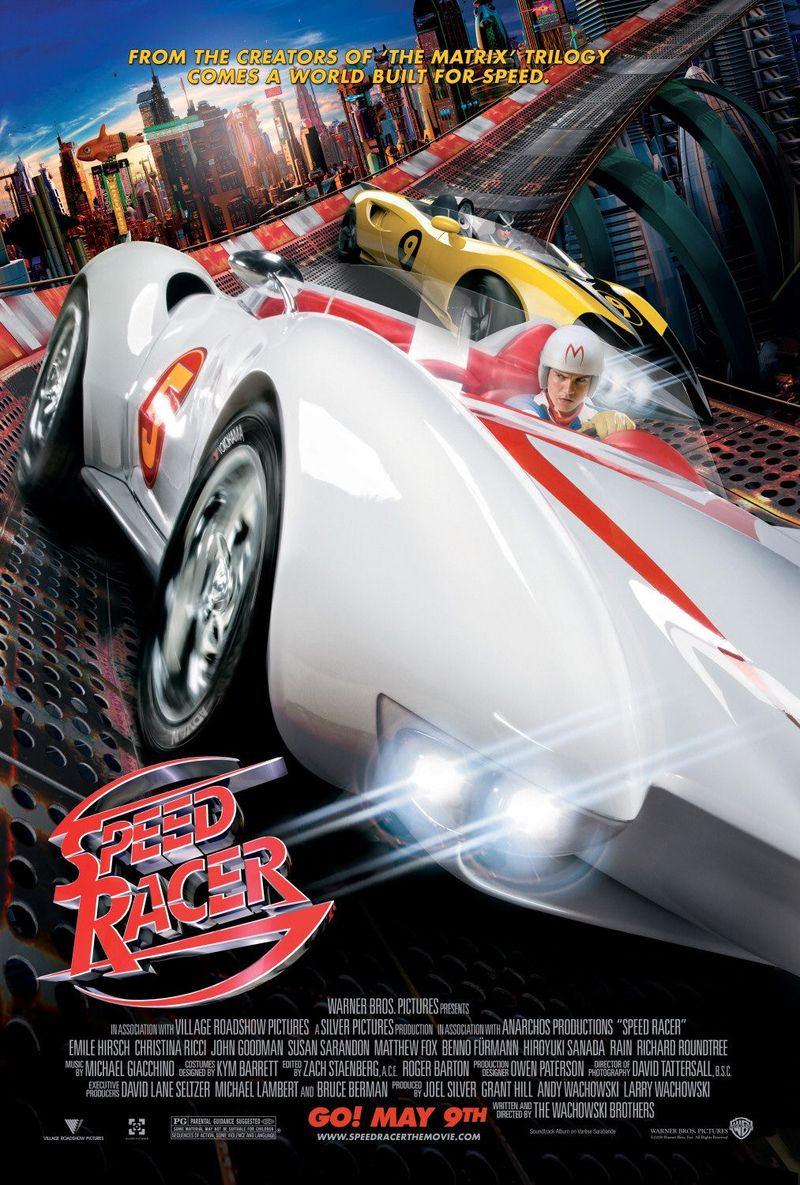
Speed Racer was one of the most visually audacious blockbusters ever made, a kaleidoscope of color and motion that truly committed to its anime-inspired roots.
The Wachowski siblings clearly loved the source material and poured enormous creativity into the racing sequences.
Yet audiences in 2008 were completely divided, and the film flopped hard at the box office.
Critics found it overwhelming and exhausting, while die-hard fans felt it captured the spirit better than expected.
Over the years, Speed Racer has gained a passionate cult following who believe it was ahead of its time.
Maybe the hype just set expectations in the wrong direction entirely.
9. Cowboy Bebop (2021)
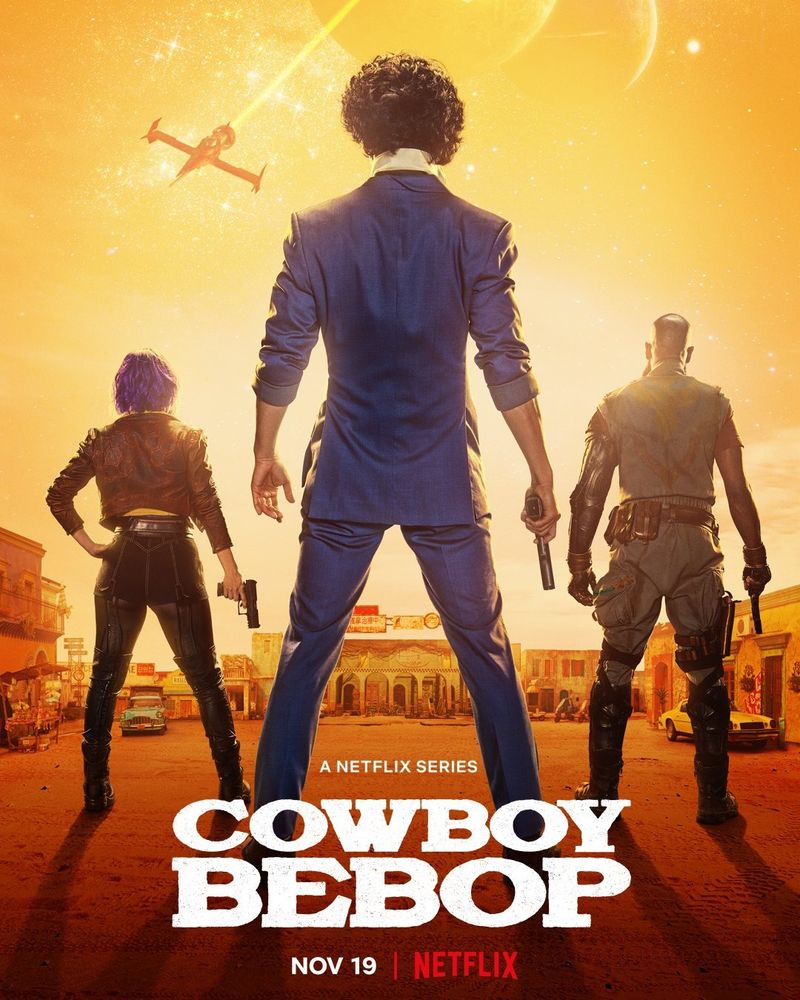
Cowboy Bebop is widely considered one of the greatest anime series of all time, a jazz-soaked space western with unforgettable characters and a legendary soundtrack.
Netflix spent enormous resources bringing it to life as a live-action series in 2021, and the casting of John Cho as Spike Spiegel was actually well-received.
The production design was colorful and clearly made with affection.
Still, something fundamental about the original’s cool, melancholy mood was lost in translation.
The tone swung between goofy and serious in ways that felt inconsistent and jarring.
Netflix canceled it after just one season, much to nobody’s real surprise at that point.
10. Death Note: Light Up the New World (2016)
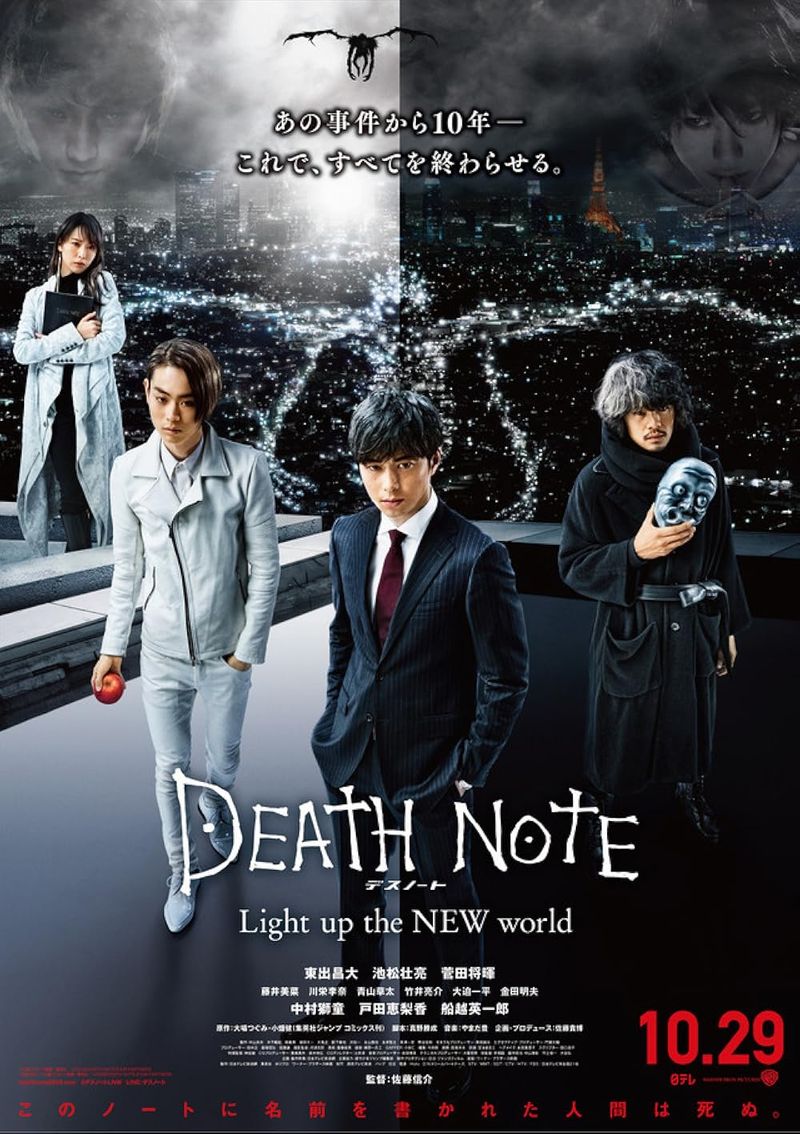
Rather than a straightforward remake, this 2016 Japanese sequel tried something bold by introducing new characters and a new Death Note storyline set ten years after the original events.
The ambition was admirable, and fans were genuinely curious about where the story might go.
Sadly, the new characters never captured the magnetic intensity of Light and L.
The plot leaned heavily on nostalgia while failing to build anything truly fresh or exciting.
Cameos from familiar faces felt more like desperate crowd-pleasing than organic storytelling.
For a franchise built on razor-sharp intellectual battles, this entry felt surprisingly ordinary and easy to forget after watching.
11. Rurouni Kenshin: The Legend Ends (2014)
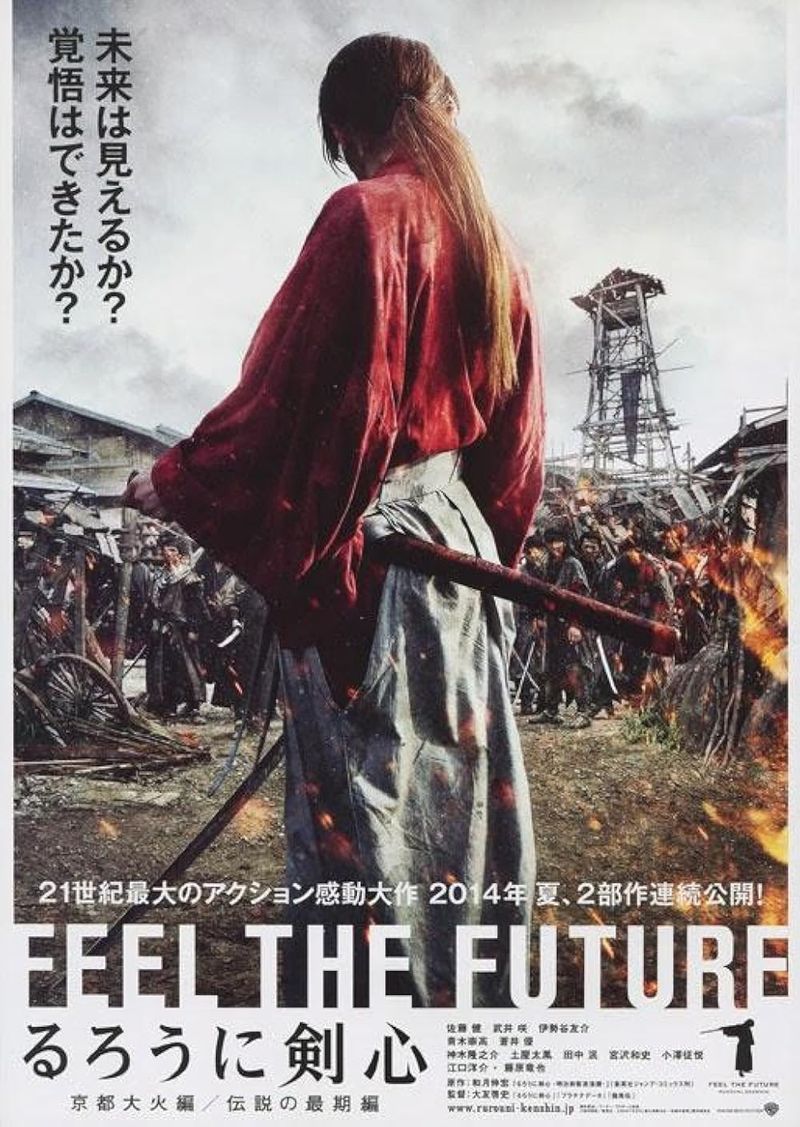
Here is a rare case where the third film in a live-action anime franchise actually disappointed fans after two strong predecessors.
The first two Rurouni Kenshin films were genuinely praised as some of the best live-action anime adaptations ever made.
The Legend Ends, however, felt rushed and emotionally deflated compared to what came before it.
The climactic battles lacked the emotional payoff fans had been building toward across multiple films.
Shishio, one of anime’s greatest villains, deserved a far more satisfying showdown than what was delivered here.
Fans were left wishing the trilogy had ended on the same high note it started with.
12. One Piece (2023)
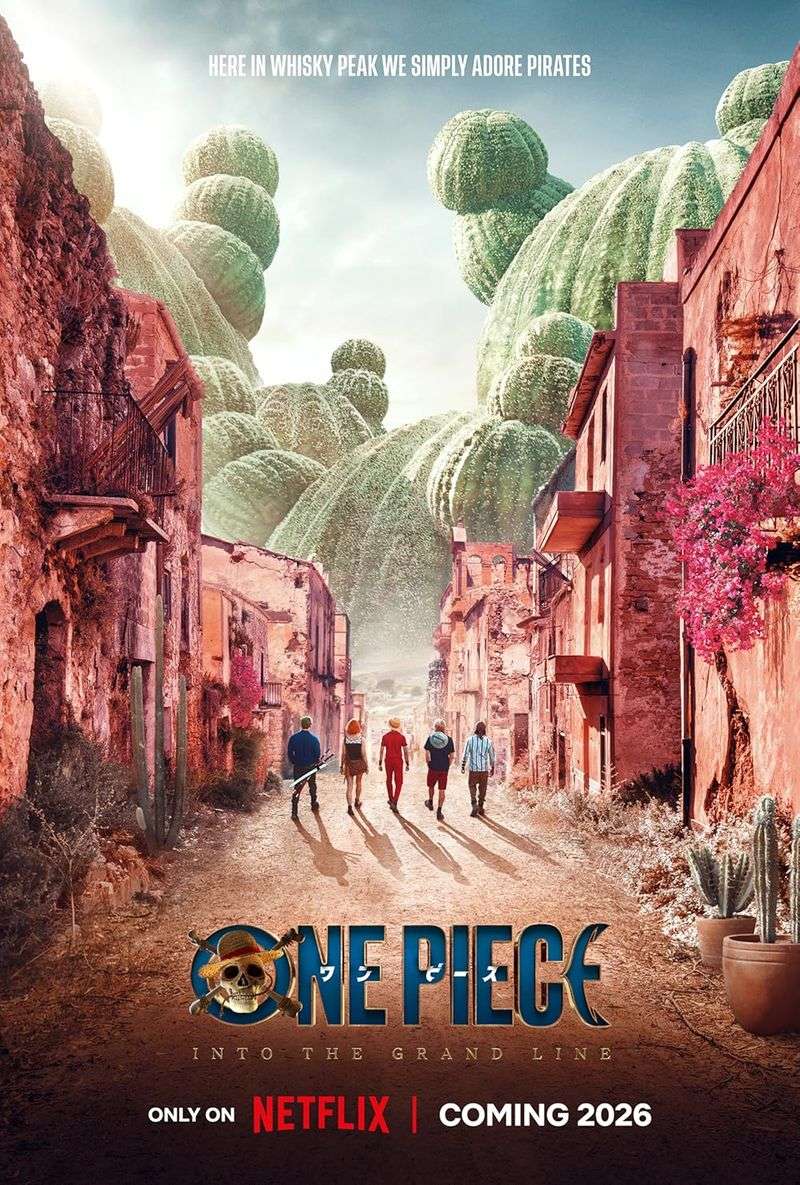
Surprisingly, One Piece made this list not because it was terrible but because the hype surrounding it was absolutely stratospheric.
Netflix marketed it aggressively, creator Eiichiro Oda was heavily involved, and early reviews were shockingly positive.
Fans who had watched hundreds of anime episodes, however, found the adaptation uneven in ways casual viewers simply did not notice.
Certain characters felt underdeveloped, and the pacing sacrificed important emotional beats for spectacle.
The series earned a second season renewal, proving it succeeded commercially.
Yet for devoted fans of the manga, the live-action version still feels like a simplified version of a much richer world.
13. JoJo’s Bizarre Adventure (2017)
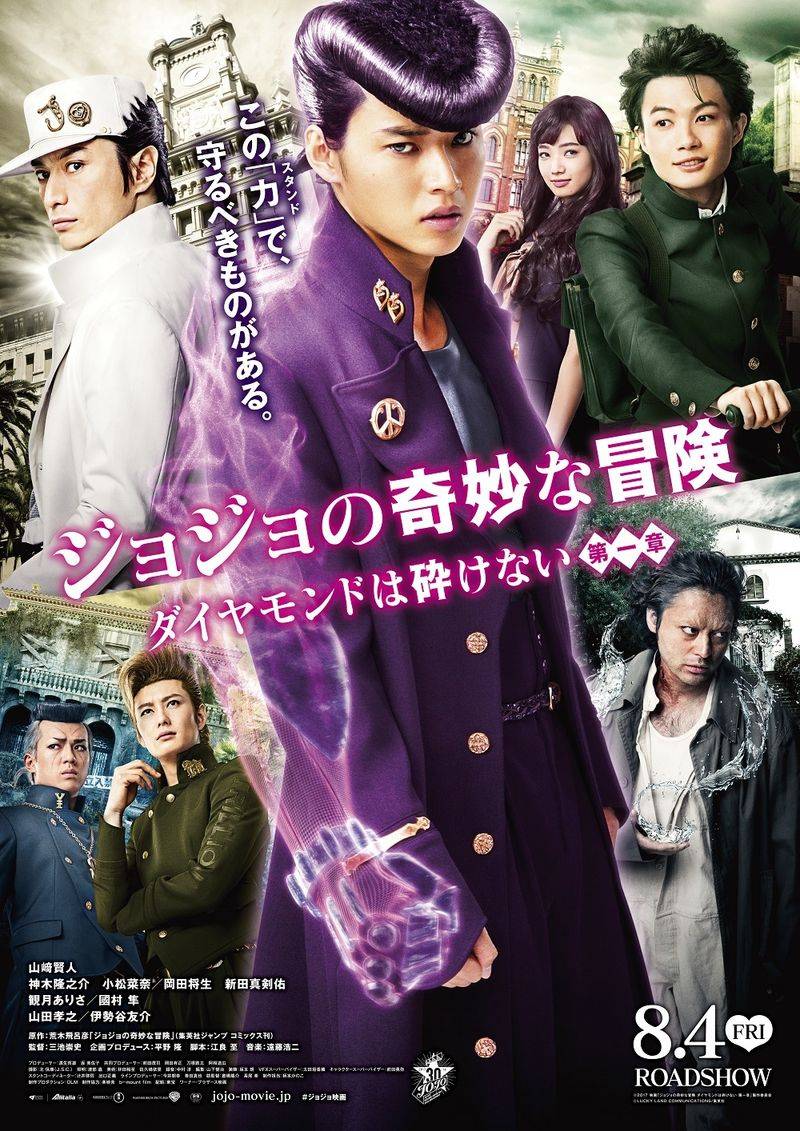
JoJo’s Bizarre Adventure is one of the most visually outrageous and wildly creative anime franchises in existence, so adapting it to live-action was always going to be a massive challenge.
The 2017 Japanese film tackled the Diamond is Unbreakable arc and made some genuinely interesting stylistic choices.
Unfortunately, the over-the-top nature of the source material felt awkward rather than thrilling in a live setting.
Stand battles, which are spectacular in animation, looked clunky with CGI effects that never quite convinced.
The film had heart but lacked the chaotic energy that makes JoJo so addictive.
Fans appreciated the attempt while mostly agreeing the anime version remains untouchable.
14. Dragon Ball: The Magic Begins (1991)
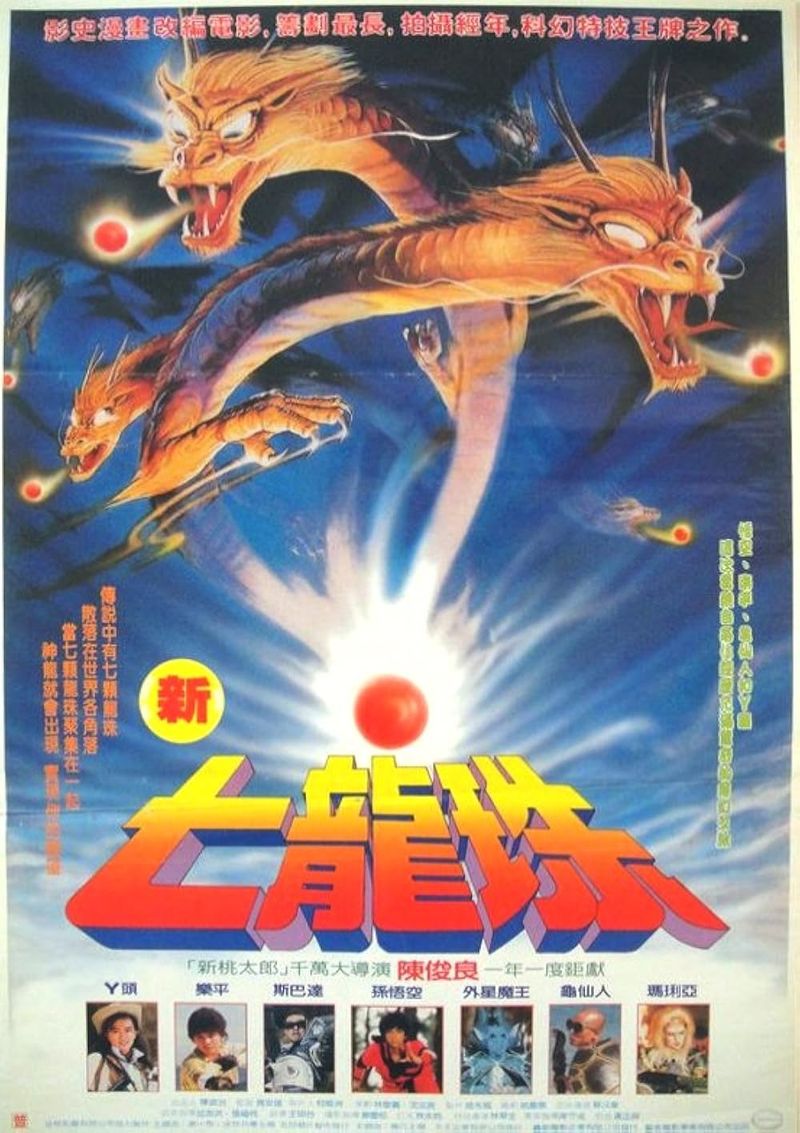
Long before Dragonball Evolution embarrassed itself, a low-budget Taiwanese film called Dragon Ball: The Magic Begins beat it to the punch back in 1991.
This unofficial adaptation borrowed characters and story elements from the original series and produced something that can only be described as gloriously chaotic.
The costumes were inventive in a craft-store kind of way, and the special effects were charmingly terrible.
Nobody pretended this was a serious production, which almost makes it more watchable than its big-budget successor.
It is the kind of movie best enjoyed as a comedy rather than a faithful adaptation.
Oddly enough, it has become a beloved curiosity among dedicated Dragon Ball fans worldwide.
15. Devilman (2004)
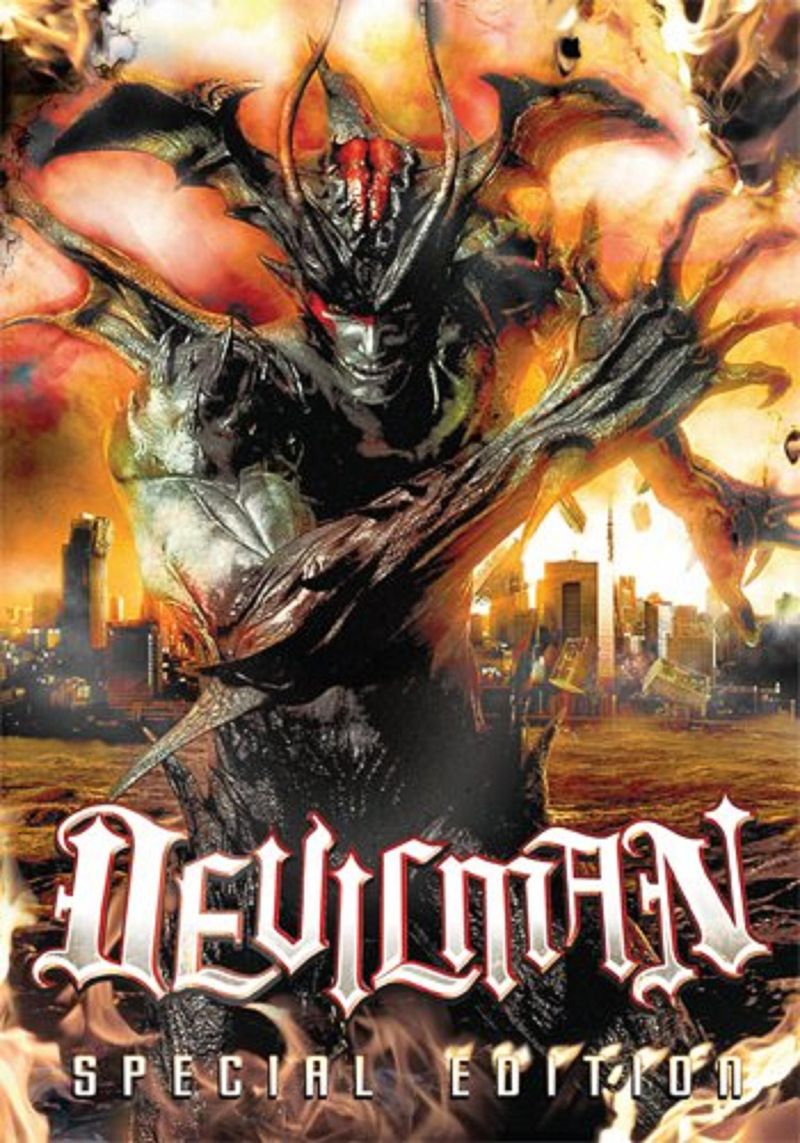
Go Nagai’s Devilman is a dark, violent, and emotionally devastating manga that helped define the demon-hero genre in Japanese comics.
When a live-action film arrived in 2004, fans hoped for something appropriately intense and faithful to the source material.
What they got instead was widely regarded as one of the worst Japanese films ever produced, full stop.
The CGI demons looked laughably bad even by 2004 standards, and the acting was stiff and unconvincing throughout.
The story stripped away the emotional tragedy that makes the original so powerful and unforgettable.
Devilman 2004 is now infamous, regularly appearing on worst-film lists across the internet with almost legendary consistency.
16. Tokyo Ghoul (2017)
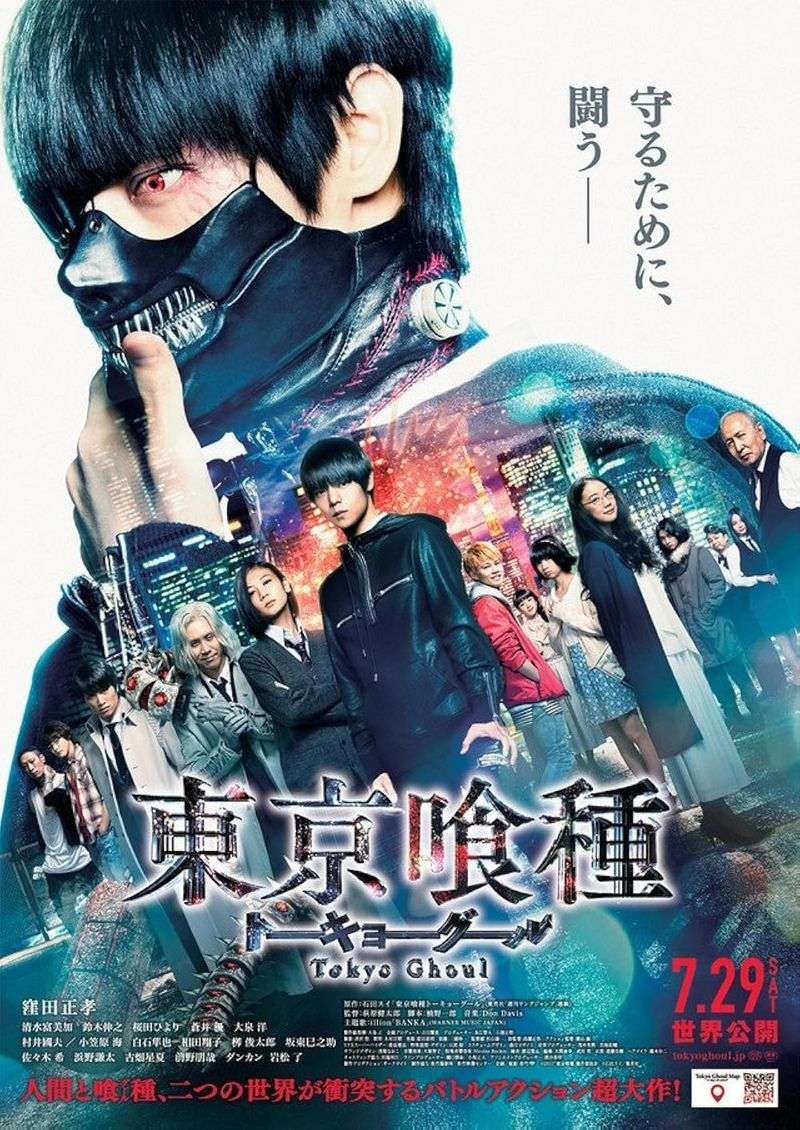
Tokyo Ghoul built a massive fanbase with its dark story about a college student who becomes half-ghoul after a terrifying encounter.
The 2017 live-action adaptation had stylish visuals and a committed lead performance, which gave fans cautious optimism going in.
Sadly, the film condensed an enormous amount of story into a runtime that simply could not do it justice.
Key relationships felt rushed, and the emotional complexity that made Kaneki such a compelling character was flattened considerably.
The ghoul effects were hit-or-miss, ranging from impressive to distractingly fake within the same scene.
Fans left theaters feeling like they had watched a highlight reel rather than a real story.
Comments
Loading…