
 Mary Murphy
16 American War Movies That Defined the Genre – How Many Have You Seen?
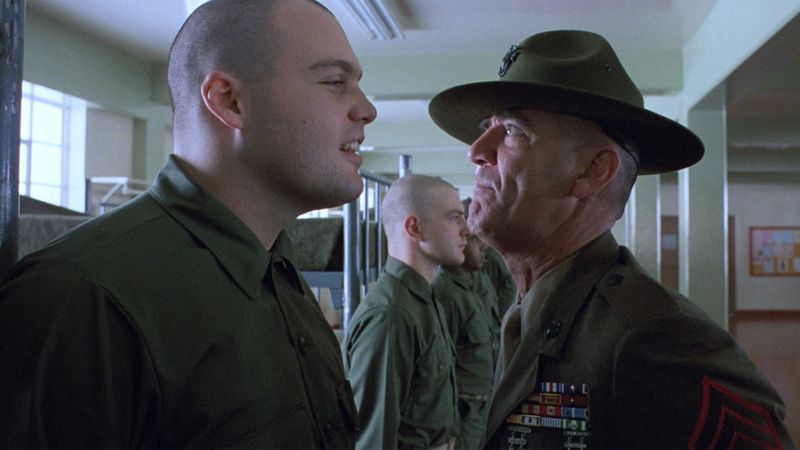
War movies have a special way of pulling us into history, making us feel the courage, fear, and sacrifice that real soldiers experienced. Some films go beyond entertainment and leave a lasting mark on how we understand war itself.
American cinema has produced some of the most powerful war films ever made, from World War II epics to heartbreaking stories of Vietnam. Check out these 16 legendary war movies and see how many you have already watched.
1. Apocalypse Now (1979)
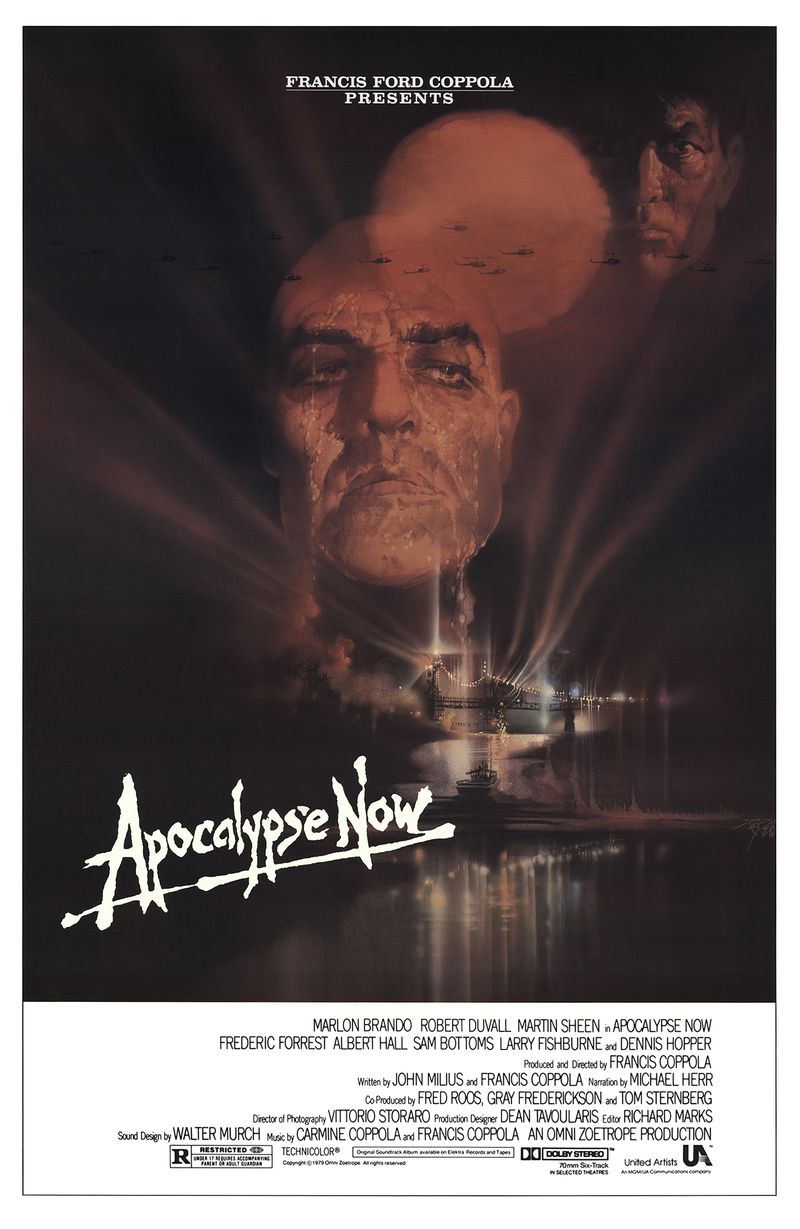
Few films have captured the madness of war quite like Francis Ford Coppola’s Apocalypse Now.
Set during the Vietnam War, the story follows Captain Willard as he travels deep into the jungle on a secret mission to find a rogue colonel named Kurtz.
The film blurs the line between heroism and insanity in ways that stay with you long after the credits roll.
Marlon Brando’s haunting performance as Colonel Kurtz became one of cinema’s most unforgettable moments.
Roger Ebert called it a masterpiece of American filmmaking.
Coppola based the story loosely on Joseph Conrad’s classic novel Heart of Darkness.
2. Saving Private Ryan (1998)
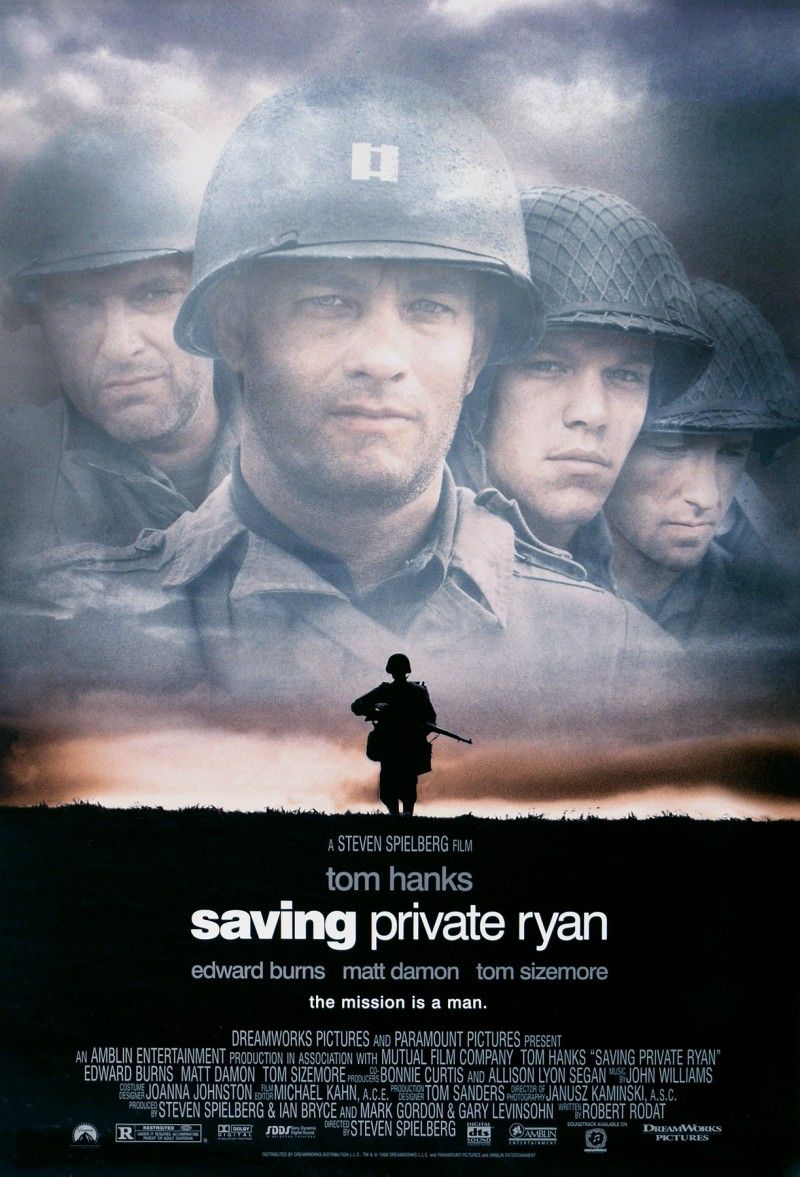
Steven Spielberg changed war movies forever with the opening 27 minutes of Saving Private Ryan.
The D-Day beach assault scene is so realistic that many World War II veterans reportedly left theaters in tears, overwhelmed by how accurately it captured what they had lived through.
Tom Hanks leads a squad of soldiers on a mission to find and bring home one surviving brother.
The film won five Academy Awards, including Best Director for Spielberg.
Beyond its technical brilliance, the movie asks a powerful question: how much is one life worth?
That question echoes throughout every scene.
3. Glory (1989)
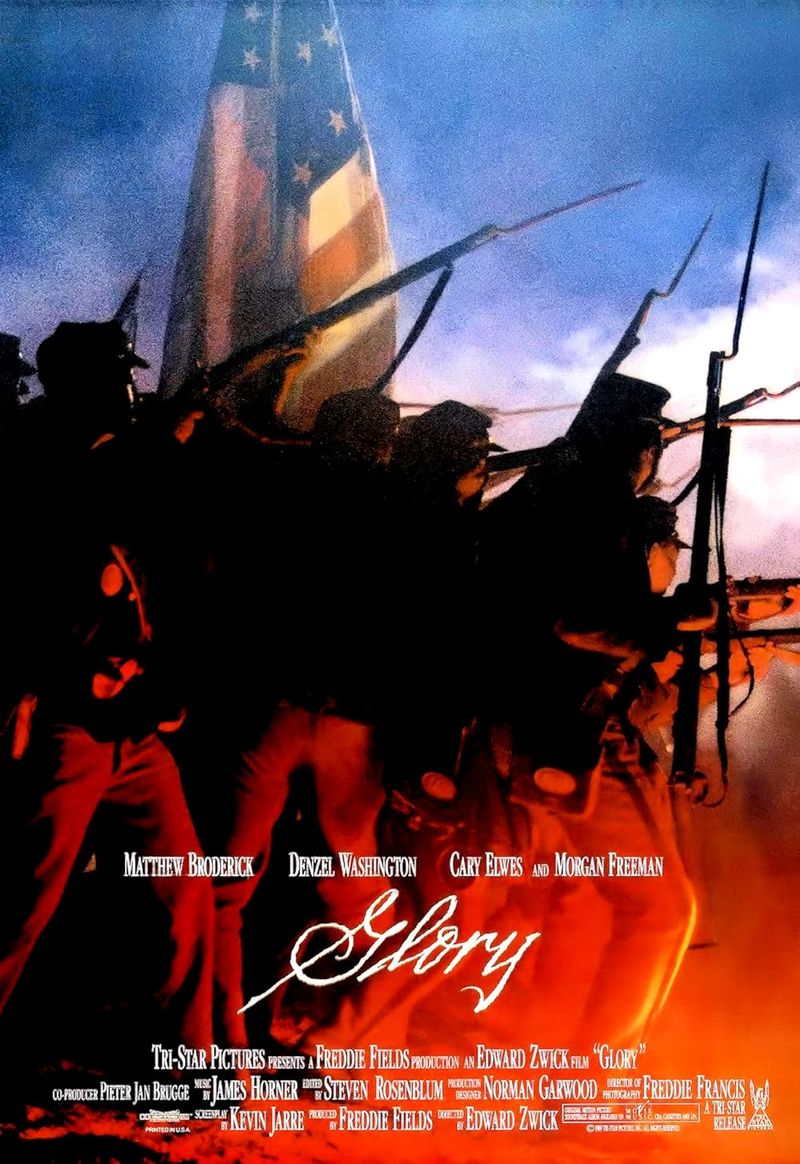
Glory tells the remarkable true story of the 54th Massachusetts Infantry, one of the first African American military units to fight in the Civil War.
Directed by Edward Zwick, the film stars Denzel Washington, Morgan Freeman, and Matthew Broderick.
Washington’s raw, emotional performance earned him an Academy Award for Best Supporting Actor.
What makes this film stand out is how it honors soldiers who were fighting for freedom on two fronts simultaneously — against the Confederate Army and against racism within their own ranks.
The final battle sequence at Fort Wagner is both breathtaking and heartbreaking.
History rarely gets told this powerfully on screen.
4. The Dirty Dozen (1967)
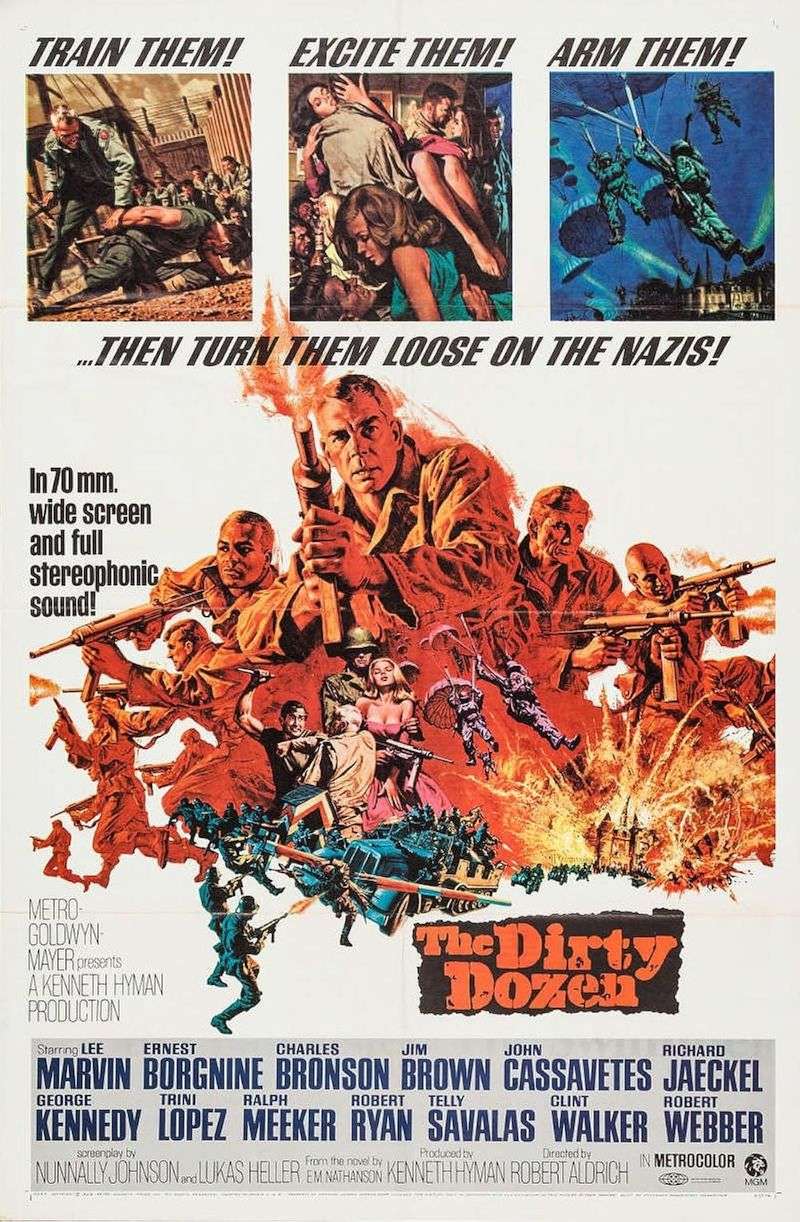
Twelve convicted military criminals get offered a chance at freedom in exchange for a near-impossible mission behind enemy lines.
That bold premise made The Dirty Dozen one of the most entertaining war films ever produced.
Director Robert Aldrich packed the movie with big-name stars including Lee Marvin, Ernest Borgnine, Charles Bronson, and a young John Cassavetes.
Released during a turbulent era in American history, the film tapped into a rebellious spirit that audiences loved.
It was a massive box office hit and helped shape the template for ensemble action movies that Hollywood still uses today.
Fun fact: it was nominated for four Academy Awards.
5. Full Metal Jacket (1987)
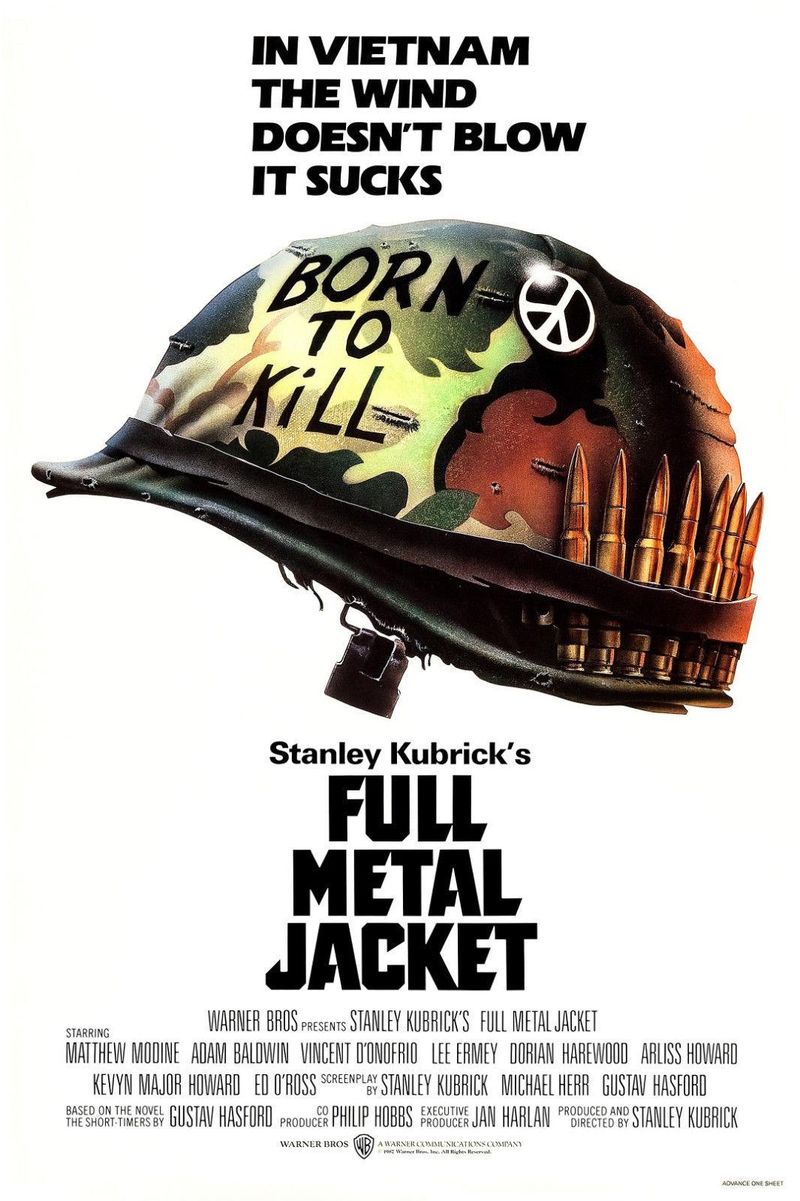
Stanley Kubrick’s Full Metal Jacket splits itself into two very different halves, and that unusual structure is exactly what makes it unforgettable.
The first half follows Marine recruits through a brutal boot camp under the terrifying Gunnery Sergeant Hartman.
The second half drops those same men into the chaos of the Vietnam War’s Tet Offensive.
R. Lee Ermey, who actually served as a Marine drill instructor before becoming an actor, delivered one of the most electrifying performances in film history.
Kubrick used locations in England to recreate Vietnam, which is a fascinating behind-the-scenes detail.
The film remains a chilling study of how war reshapes the human mind.
6. The Caine Mutiny (1954)
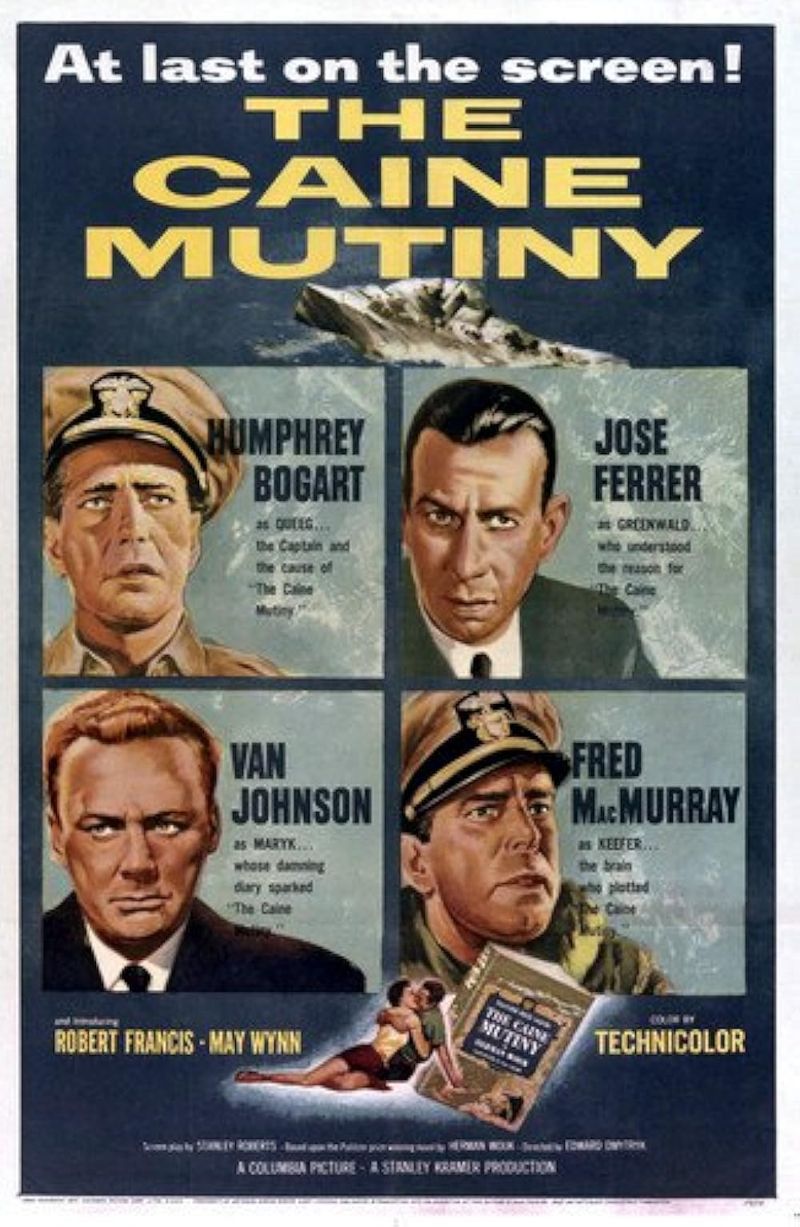
Humphrey Bogart delivers one of his greatest performances as the paranoid and unstable Captain Queeg in The Caine Mutiny.
When the captain loses his grip on reality during a dangerous typhoon, his officers make the agonizing decision to relieve him of command.
What follows is a gripping military courtroom drama that raises deep questions about duty, loyalty, and mental health.
Based on Herman Wouk’s Pulitzer Prize-winning novel, the film earned seven Academy Award nominations.
Bogart’s infamous scene where Queeg nervously rolls steel balls in his hand became a symbol of psychological breakdown.
It remains one of the most psychologically complex war films Hollywood has ever produced.
7. A Bridge Too Far (1977)
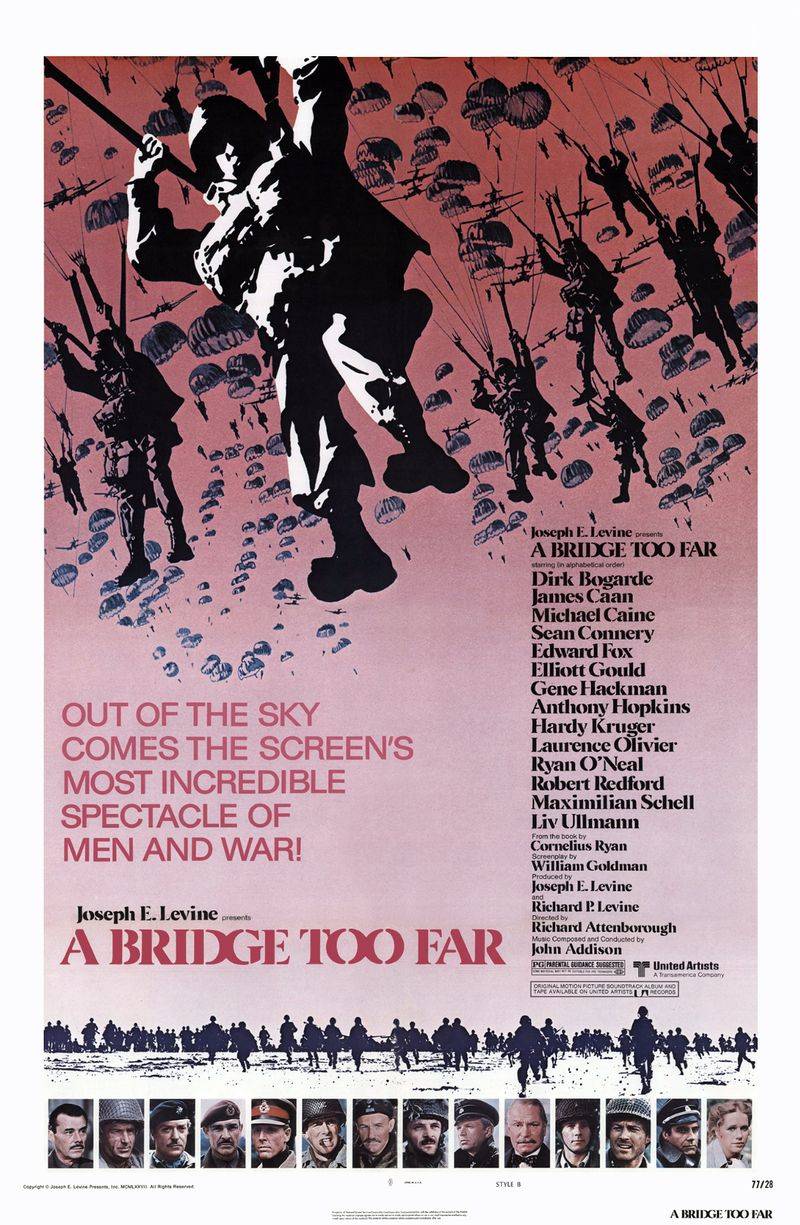
Operation Market Garden was one of the most ambitious and ultimately tragic Allied operations of World War II, and A Bridge Too Far brings it to life with stunning scale.
Director Richard Attenborough assembled an extraordinary all-star cast including Sean Connery, Michael Caine, Gene Hackman, Robert Redford, and Anthony Hopkins.
The operation aimed to seize key bridges in the Netherlands and end the war quickly.
Things did not go as planned, and the film does not shy away from showing that failure honestly.
Cornelius Ryan wrote the book the film was based on, drawing from hundreds of veteran interviews.
It is a rare war epic that treats defeat with respect and dignity.
8. Black Hawk Down (2001)
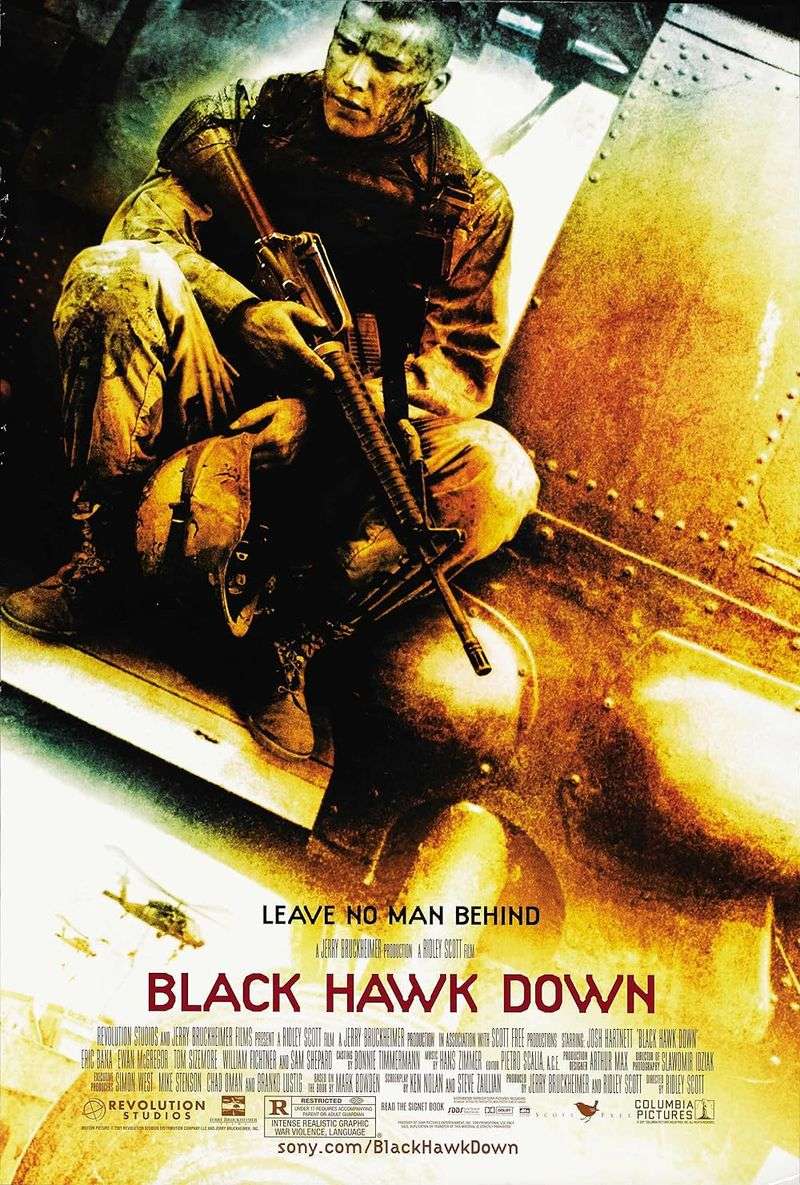
Ridley Scott’s Black Hawk Down places you directly inside one of the most intense urban battles in modern American military history.
Based on the true story of the 1993 Battle of Mogadishu in Somalia, the film follows Army Rangers and Delta Force soldiers after two Black Hawk helicopters are shot down.
The mission that was supposed to take an hour turned into an 18-hour nightmare.
Scott shot the film with a raw, handheld style that makes every moment feel urgent and terrifyingly real.
The ensemble cast includes Josh Hartnett, Ewan McGregor, and Tom Sizemore.
It won two Academy Awards and stands as one of the most technically accurate battle films ever made.
9. Patton (1970)
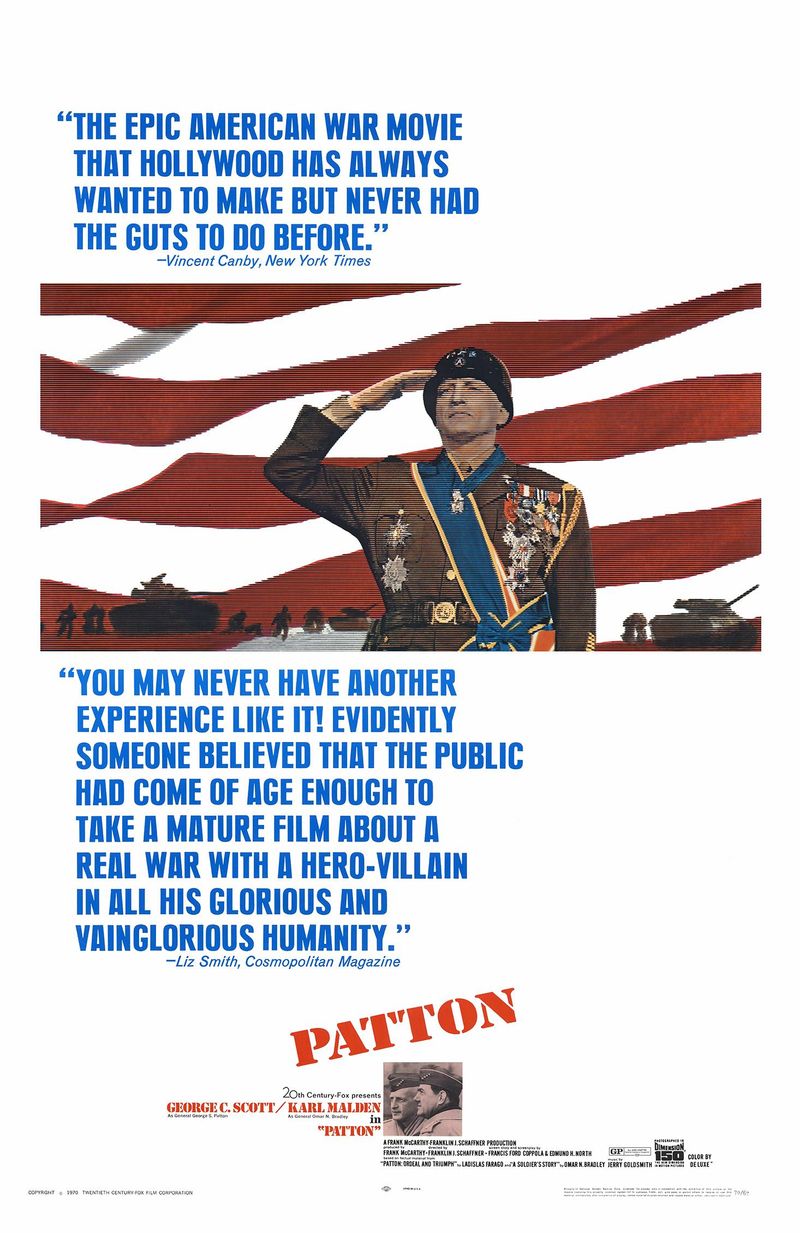
When George C. Scott declined the Oscar for Best Actor for this performance, it only strengthened the myth surrounding his portrayal of George S. Patton.
The movie kicks off with an iconic scene: Patton addressing his troops in front of a giant American flag.
It’s a thrilling start that sets the tone for the entire film.
Screenwriter Francis Ford Coppola, yes the same Coppola behind Apocalypse Now, co-wrote the script before his directing career took off.
The film won seven Academy Awards including Best Picture.
Patton remains the gold standard for biographical war epics about larger-than-life military commanders.
10. The Great Escape (1963)
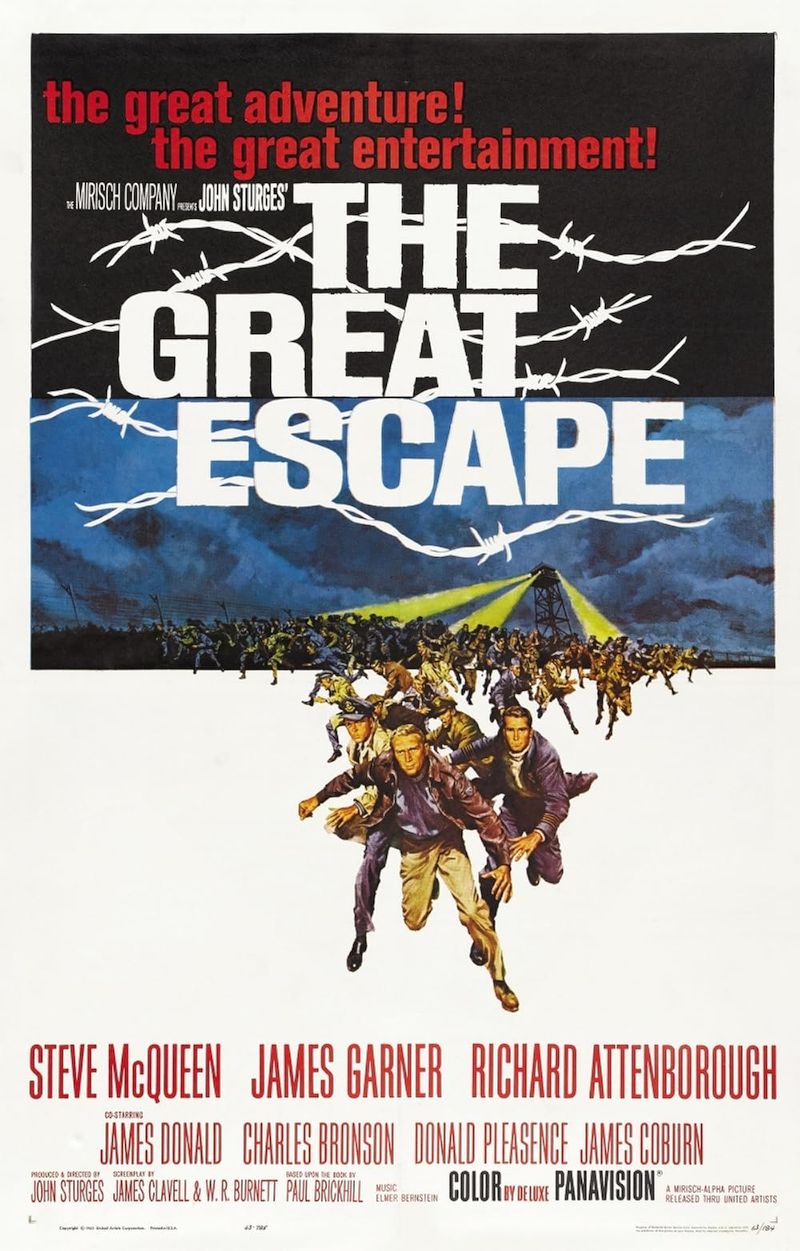
Based on the true story of a mass escape attempt by Allied prisoners from a German POW camp during World War II, The Great Escape is one of the most thrilling and endlessly rewatchable films ever made.
Steve McQueen’s motorcycle jump became one of the most iconic moments in cinema history, even though the character was fictional.
The planning and execution of the escape tunnel is shown in fascinating detail.
The film features an incredible ensemble including James Garner, Richard Attenborough, and Charles Bronson.
Elmer Bernstein’s unforgettable theme music is still instantly recognizable today.
Remarkably, 76 men actually escaped in real life before most were tragically recaptured.
11. Pork Chop Hill (1959)
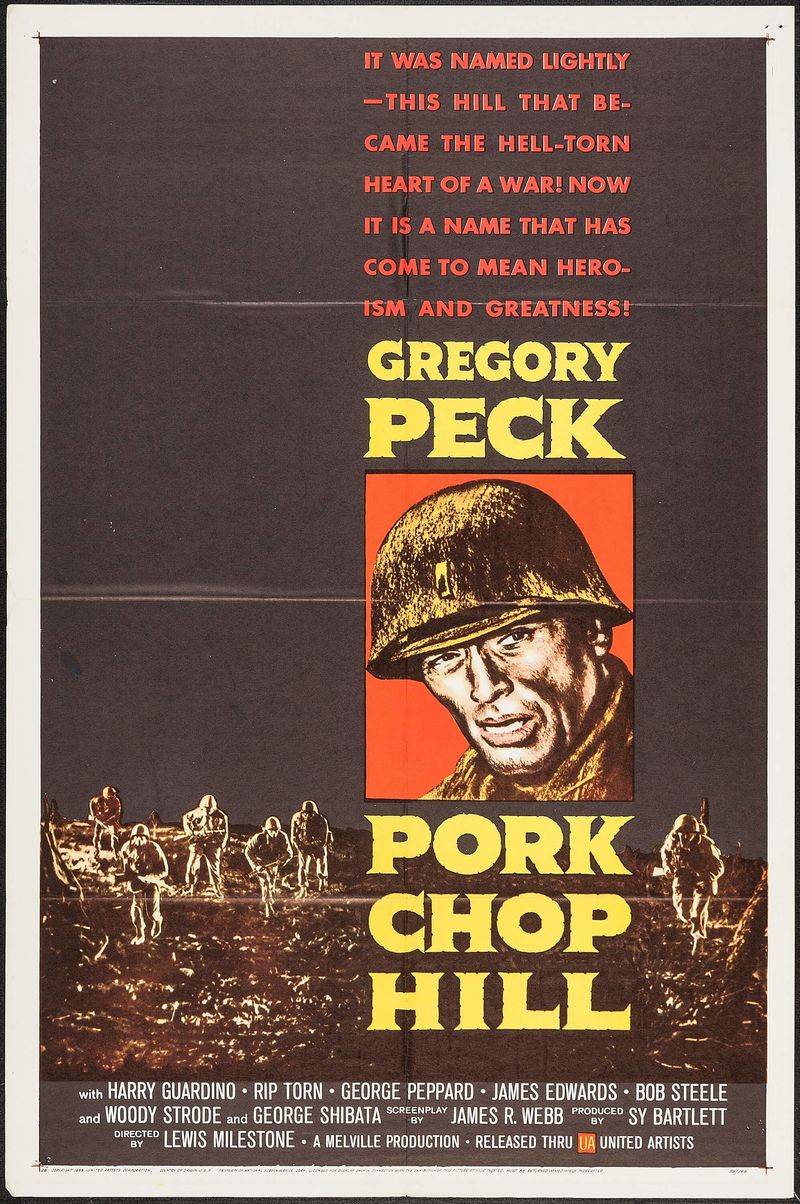
Often overlooked compared to bigger WWII epics, Pork Chop Hill is one of the most honest and sobering films ever made about the Korean War.
Gregory Peck stars as Lieutenant Joe Clemons, who is ordered to take and hold a strategically meaningless hill while peace negotiations are already happening nearby.
That bitter irony drives the emotional core of the entire film.
Director Lewis Milestone brought a documentary-like realism to the battle sequences that was ahead of its time.
The film asks a painful question that soldiers throughout history have faced: why are we fighting for this?
It deserves far more recognition than it typically receives in conversations about classic war cinema.
12. Flying Leathernecks (1951)
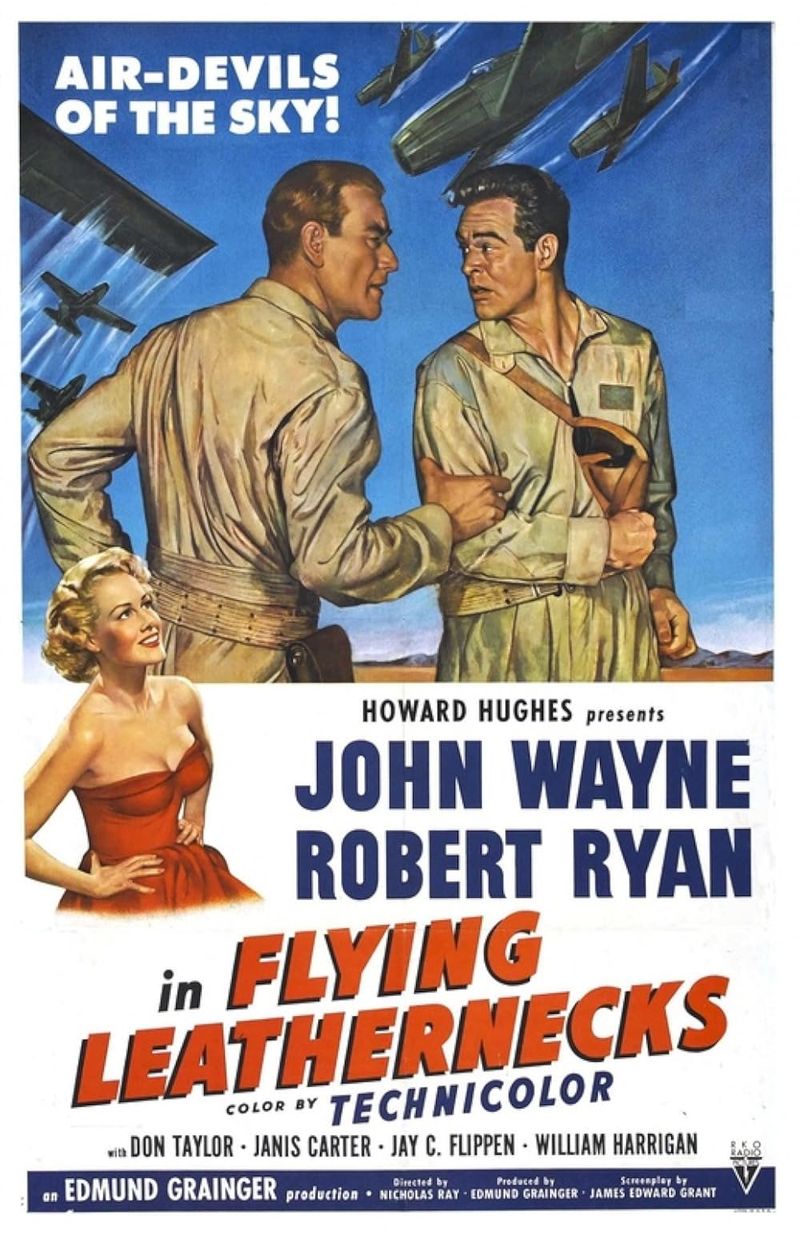
John Wayne at the controls of a fighter plane, leading Marine pilots through the brutal air battles of the Pacific — that is the straightforward and satisfying premise of Flying Leathernecks.
Wayne plays Major Dan Kirby, a tough commanding officer whose strict methods clash with his executive officer played by Robert Ryan.
The tension between the two men gives the film surprising emotional depth.
Director Nicholas Ray used real combat footage from World War II to enhance the aerial battle sequences, which gives the action an authentic punch.
Released just six years after the war ended, the film resonated deeply with audiences who had lived through those events.
It remains a solid and entertaining tribute to Marine aviation.
13. Twelve O’Clock High (1949)
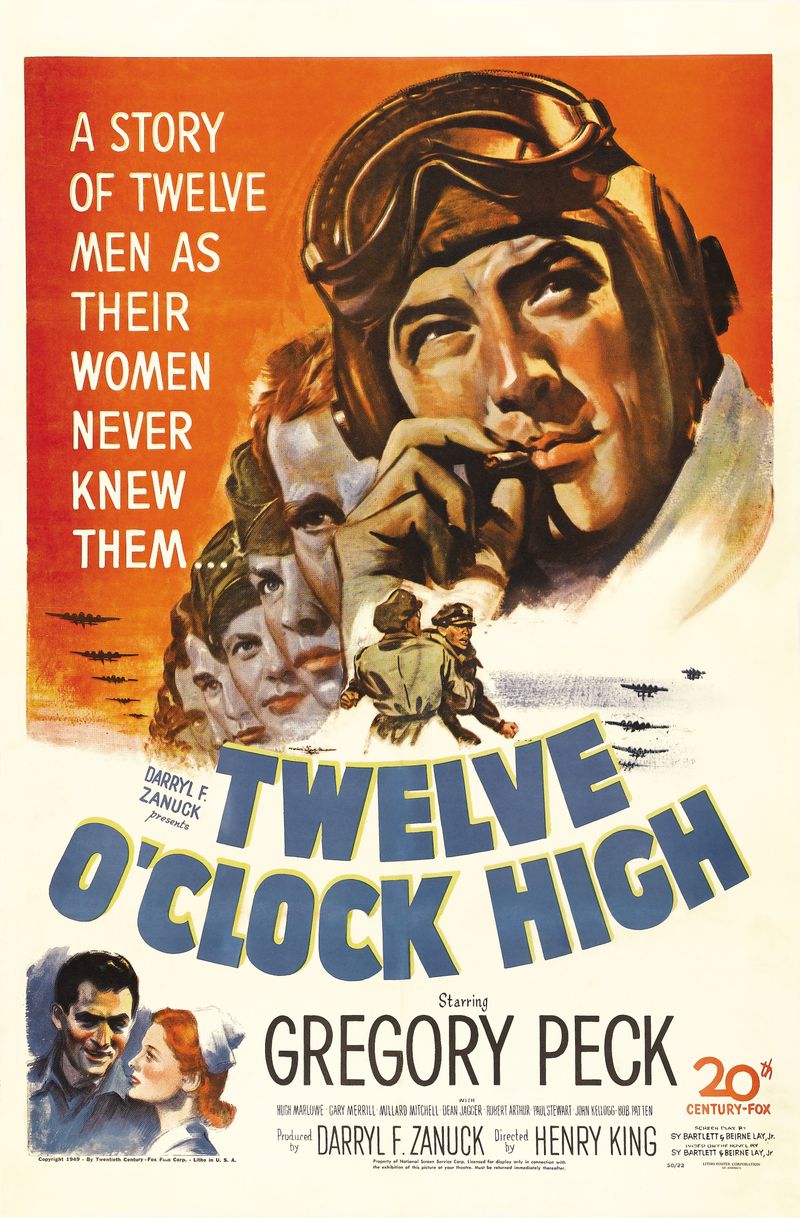
Gregory Peck appears again on this list, and for good reason — his performance as General Frank Savage in Twelve O’Clock High is considered one of the finest acting achievements in Hollywood history.
Savage takes command of a struggling bomber group in England and must push his exhausted men beyond their limits.
The psychological toll of leadership under impossible pressure is the film’s real subject.
The movie won two Academy Awards and is still used as a teaching tool at military academies and business schools for its lessons on leadership and morale.
Henry King directed with quiet precision.
It stands as proof that a war film does not need constant explosions to be deeply gripping.
14. Born on the Fourth of July (1989)
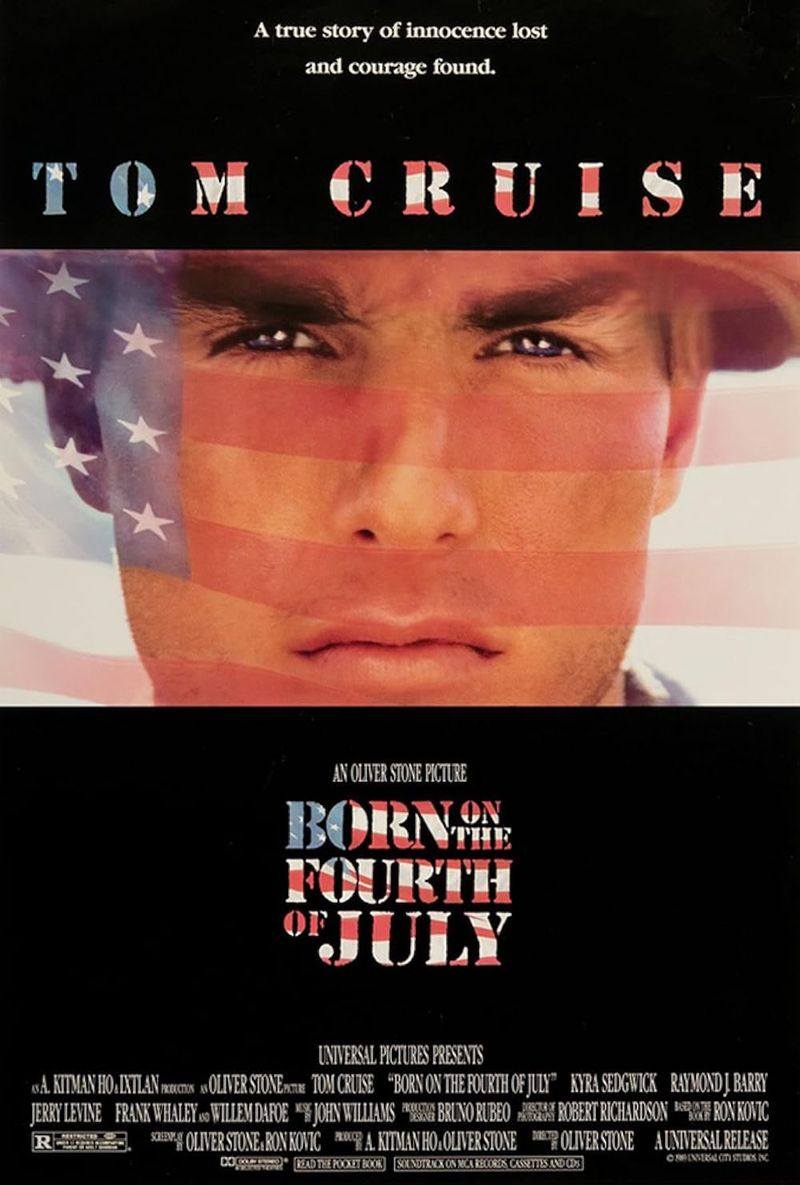
In one of his most acclaimed roles, Tom Cruise portrays Ron Kovic, a Marine who came home from Vietnam paralyzed and went on to become a powerful anti-war activist.
Director Oliver Stone brings his own wartime experience to the story, giving the film a brutally honest emotional edge.Released the same year as Glory, it proved 1989 was a landmark year for war cinema.
The film is based on Kovic’s own autobiography and traces his journey from patriotic young soldier to disillusioned veteran.
Cruise earned an Academy Award nomination for the role.
Born on the Fourth of July remains one of the most powerful examinations of what war does to the people who survive it.
15. We Were Soldiers (2002)
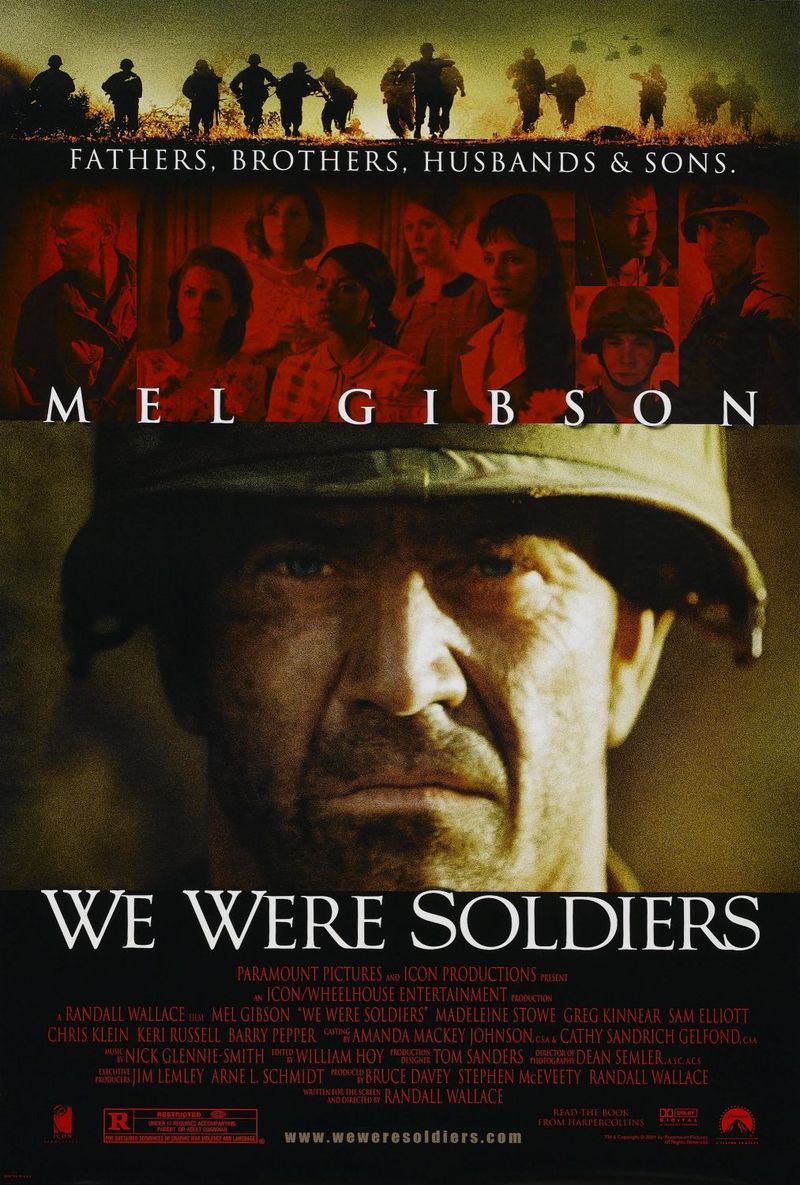
Mel Gibson stars as Lieutenant Colonel Hal Moore in this gripping account of the Battle of Ia Drang Valley in 1965, which was the first major engagement between American and North Vietnamese forces.
We Were Soldiers stands apart from other Vietnam films because it shows both sides of the battle with equal humanity.
Vietnamese soldiers are portrayed as real people with families and fears, not faceless enemies.
The film is based on Moore’s own book co-written with journalist Joe Galloway, who was also present during the battle.
Barry Pepper’s portrayal of Galloway is quietly powerful.
Few war films balance action and emotional depth as skillfully as this one does throughout its running time.
16. Hacksaw Ridge (2016)
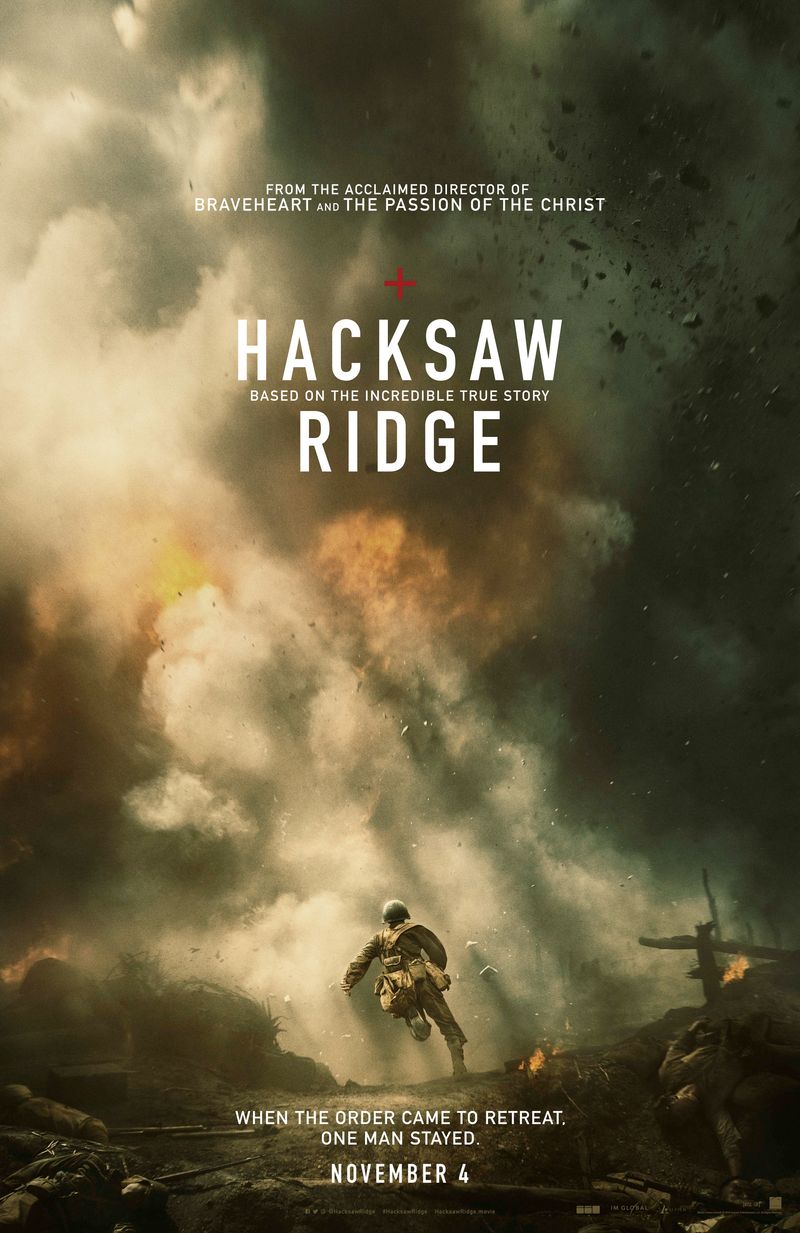
During World War II, Desmond Doss refused to carry a weapon but still earned the Medal of Honor, becoming the first conscientious objector to do so.
Director Mel Gibson brings the remarkable story to life with raw intensity, while Andrew Garfield delivers a moving and powerful portrayal.
The combat scenes at Hacksaw Ridge are among the most intense ever filmed.
What makes this story so remarkable is that Doss saved 75 wounded soldiers by lowering them down a cliff — alone, at night, while praying after each one.
The film won two Academy Awards.
It proves that extraordinary courage does not always require a weapon, only an unbreakable sense of purpose.
Comments
Loading…