
 Harper Hall
16 Actors Who Refuse to Bow to Cancel Culture
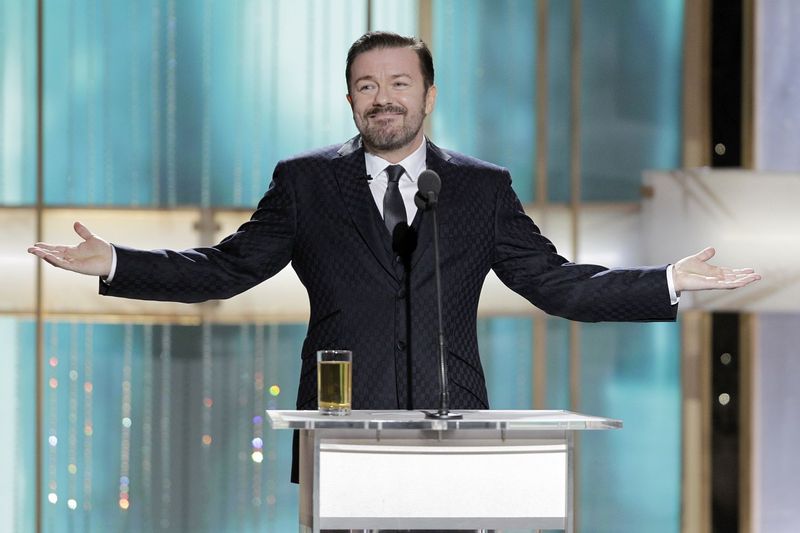
In the age of instant outrage and viral pile-ons, “cancel culture” has become one of the most debated ideas in entertainment.
Some people view it as accountability in action, while others argue it can turn complicated situations into public trials where nuance rarely survives.
A number of well-known actors and celebrities have spoken up about that tension, criticizing what they see as overcorrection, fear-driven silence, or a loss of forgiveness.
They don’t all mean the same thing when they use the phrase, and many of them still support consequences for truly harmful behavior, but they share a belief that permanent banishment isn’t always the answer.
Below are 16 public figures who have openly pushed back on cancel culture, along with the moments and messages that put them on the record.
1. Bryan Cranston
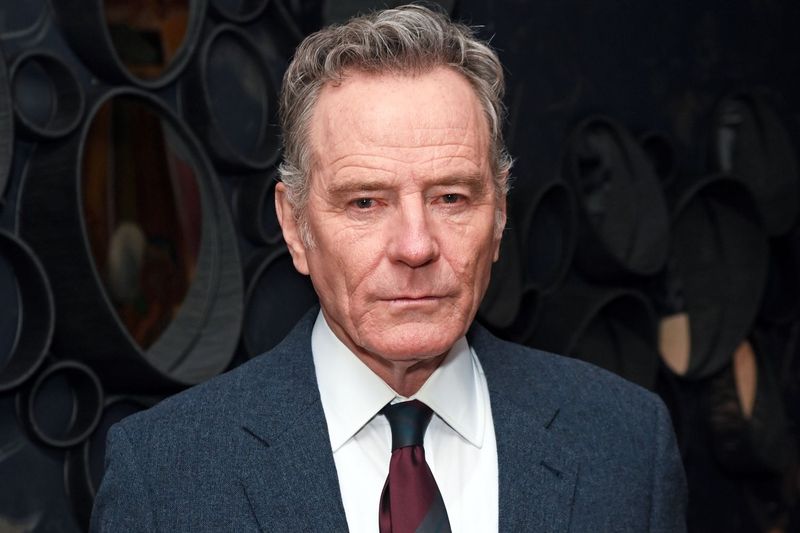
Best known for playing characters who live in moral gray areas, the acclaimed performer has argued that real life also deserves more nuance than an online verdict.
In conversations about culture and accountability, he has pushed back on the idea that people should be defined forever by one mistake, especially when growth and amends are possible.
He tends to frame the issue as a loss of dialogue, where the loudest voices win and everyone else becomes afraid to speak honestly.
Rather than dismissing consequences, his comments often point toward proportionality and the human capacity to learn over time.
That perspective resonates with viewers who believe society can hold people responsible while still leaving room for reinvention, empathy, and context that does not fit neatly into a trending headline.
2. Chris Rock
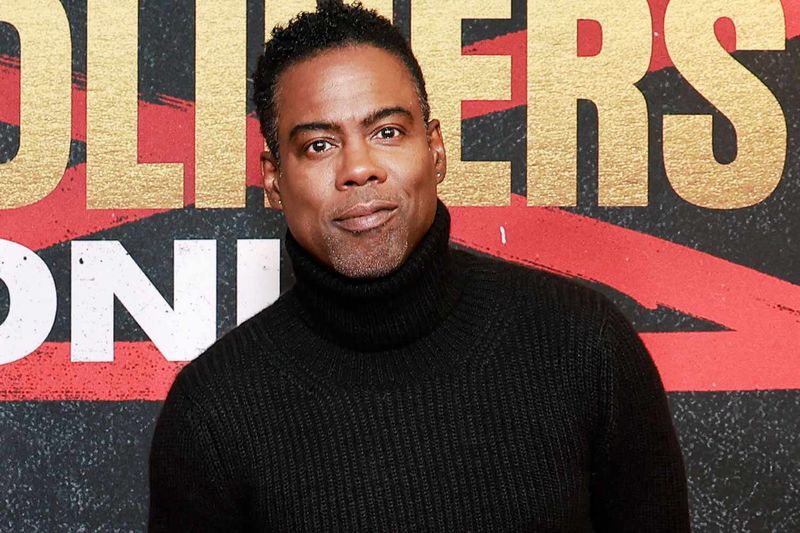
After decades of performing in front of unpredictable crowds, the stand-up legend has been blunt about what he thinks cancel culture does to comedy.
He has suggested it makes artists play it safe, because the cost of experimenting can become disproportionate to the intent of the material.
In his view, jokes often function as a messy way for society to test boundaries and talk about uncomfortable truths, even when the delivery is imperfect.
When the response becomes immediate career destruction rather than criticism or conversation, he argues that the result is a blander culture where fewer people take creative risks.
He has also spoken about how public outrage cycles move quickly, leaving little room for context, apology, or clarification.
His stance taps into a bigger fear among performers: that the internet has become the new gatekeeper of what can be said.
3. John Cleese
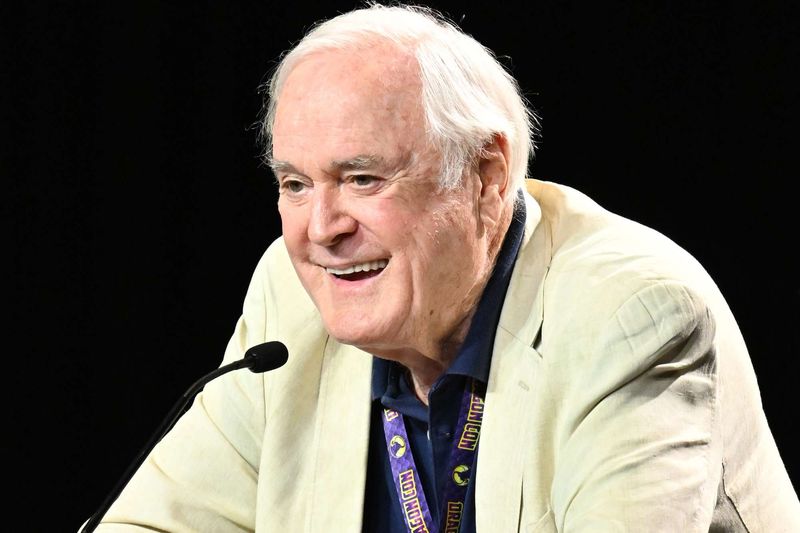
Long before “cancel culture” became a buzzword, the veteran actor and comedian was already critiquing what he saw as suffocating political correctness.
He has argued that comedy cannot thrive if everyone treats humor like a moral test rather than a creative art form, and he has expressed frustration with environments where people are discouraged from speaking freely.
His comments often connect modern outrage dynamics to a broader cultural shift toward intolerance of disagreement, even among people who see themselves as open-minded.
Although he can be polarizing, his position is consistent: he believes society should be able to argue without trying to erase one another.
He also tends to stress that being offended is not the same as being harmed, and that discomfort can be part of learning.
For many fans, his willingness to criticize prevailing norms feels like an old-school defense of irreverence.
4. Jon Lovitz
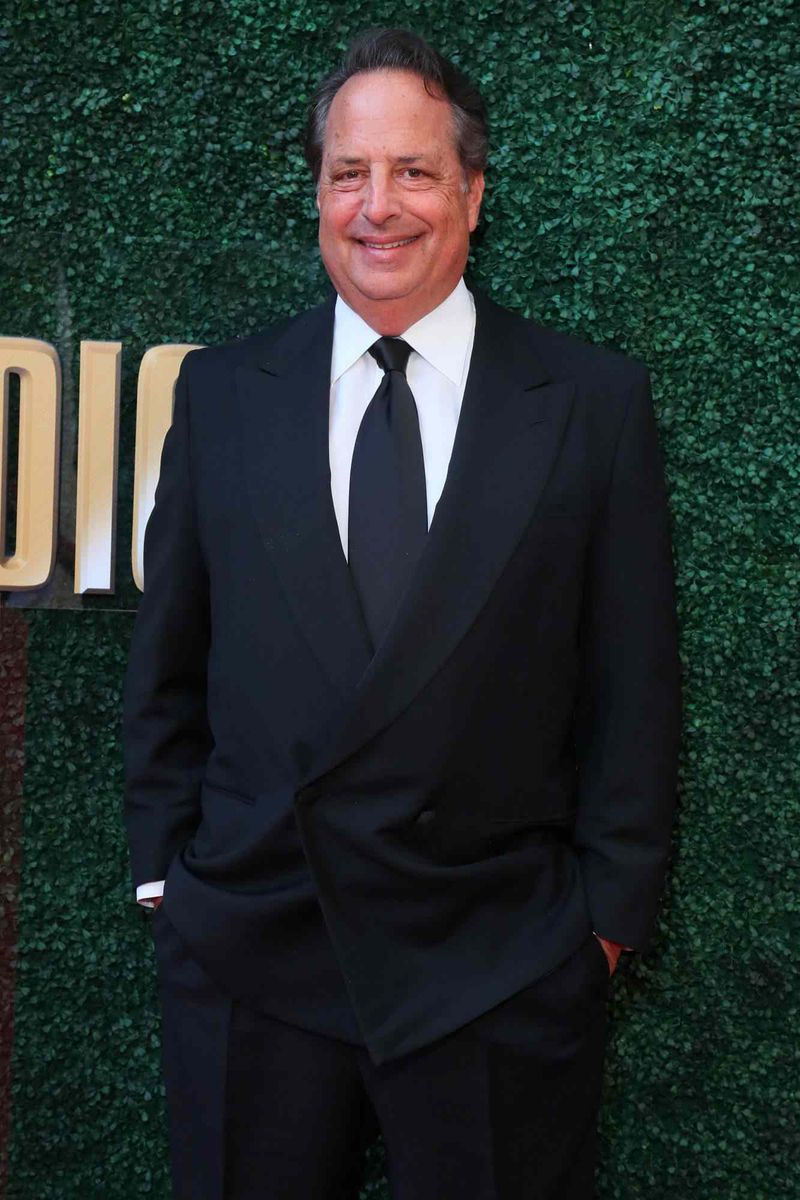
The longtime comedy actor has compared modern “canceling” instincts to earlier eras of public shaming, arguing that social punishment can spiral into something that resembles ideological policing.
He has spoken about how quickly a narrative can lock in online, even when the full story is unclear, and he has suggested that people sometimes confuse moral certainty with moral superiority.
His objections are often rooted in a concern about careers being damaged over moments that could have been handled with conversation, education, or proportionate criticism instead.
As someone who built his reputation in a space where risk and edgy humor were normal, he tends to see the current climate as hostile to experimentation and honest mistakes.
While not everyone agrees with his framing, his public comments reflect a common anxiety among entertainers: that once the internet decides you are “bad,” there may be no fair path back, no matter what you do next.
5. Kevin Hart
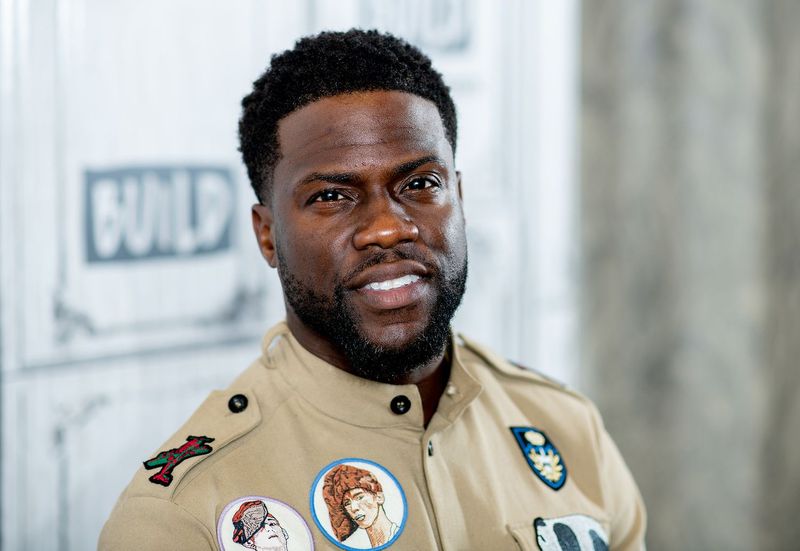
Years of success did not shield the comedian-actor from the reality that old controversies can resurface, and his experience became a case study in how cancel culture plays out.
He has spoken about the pressure to apologize repeatedly for past remarks, describing a cycle where growth can be ignored because the outrage machine prefers a simple villain.
Over time, he has leaned into the idea that people should be allowed to evolve, particularly when they acknowledge mistakes and try to do better.
His take is also practical: he has argued that fear of backlash can discourage honest conversation and make performers self-censor in ways that flatten their work.
Although critics say accountability still matters, his stance is that accountability should include the possibility of redemption.
The broader theme in his comments is not denial, but frustration with what he sees as an unforgiving culture that keeps revisiting the past to score points in the present.
6. Johnny Depp
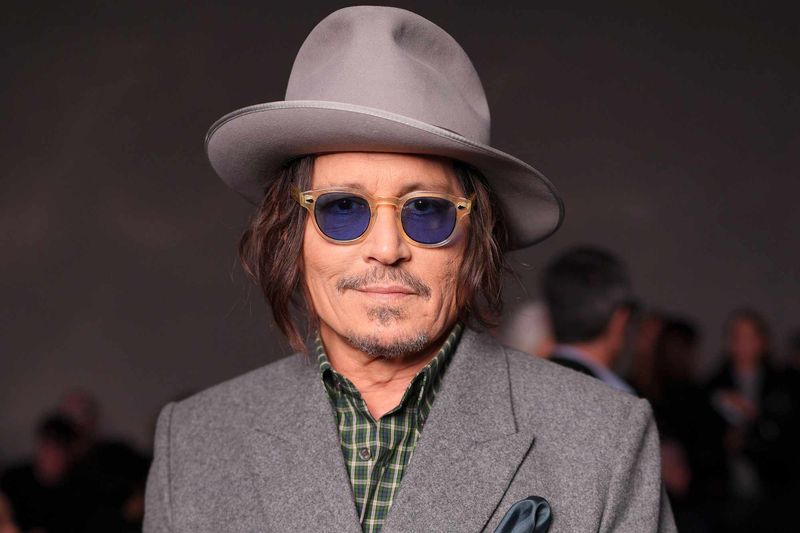
Few stars have felt the public consequences of controversy as intensely, and his comments about cancel culture often reflect that lived reality of reputational damage.
He has suggested that the modern climate can encourage quick judgments, where allegations or narratives harden before the public has access to complete facts.
In discussing the risks of being “canceled,” he has emphasized how fast a career can be disrupted when studios, brands, or audiences react to pressure rather than waiting for clarity.
His message typically circles back to the idea that anyone can become the next target, which he frames as an unsettling feature of internet-driven culture.
That perspective resonates with people who worry about fairness, especially when public opinion functions like a courtroom without rules.
At the same time, his remarks highlight a tension at the heart of the debate: audiences want accountability, but they also want truth, and those two goals do not always move at the same speed.
7. Ricky Gervais
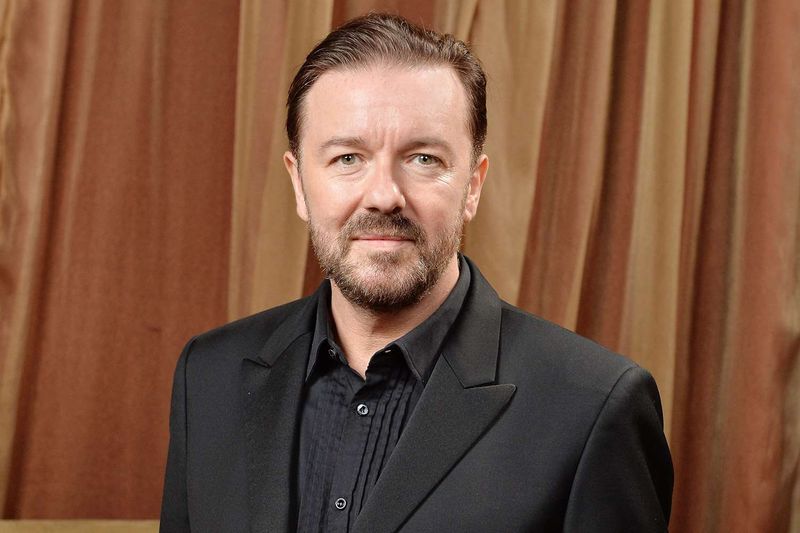
Comedy has always relied on discomfort, and the outspoken comedian-actor frequently argues that outrage culture misunderstands how jokes work.
He has criticized the expectation that entertainers should avoid any topic that might offend, suggesting it creates a risk-averse environment where creativity gets sanitized.
His point is not that audiences must like every joke, but that trying to “cancel” a performer for saying something provocative is often a shortcut that avoids debate and replaces it with punishment.
He also tends to emphasize personal choice, reminding people they can disengage from content without demanding it disappear for everyone else.
Whether you love his style or can’t stand it, his public stance has made him one of the most recognizable voices pushing back against cancel culture and defending free expression in entertainment.
8. Kim Kardashian
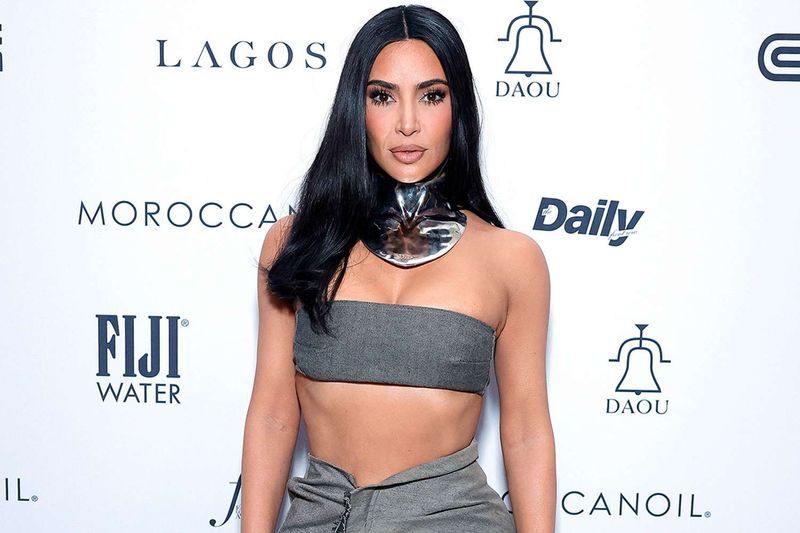
Public life has taught the reality star and entrepreneur that people can be reduced to a headline, and she has argued that cancel culture can be excessive when it leaves no room for learning.
Rather than defending harmful behavior, she has often framed her criticism around the idea of rehabilitation and growth, emphasizing that people should not be permanently defined by their worst moments.
She has spoken about how quickly online judgment can escalate, turning mistakes into lifelong labels that are hard to escape.
Her viewpoint also reflects her interest in criminal justice reform, where second chances and reform are central themes.
While critics sometimes question her credibility in cultural debates, her message is consistent with a broader “counsel over cancel” sentiment that many share.
In her framing, accountability should not automatically mean exile, especially if the person involved shows sincere effort to improve and make amends.
9. Sharon Stone
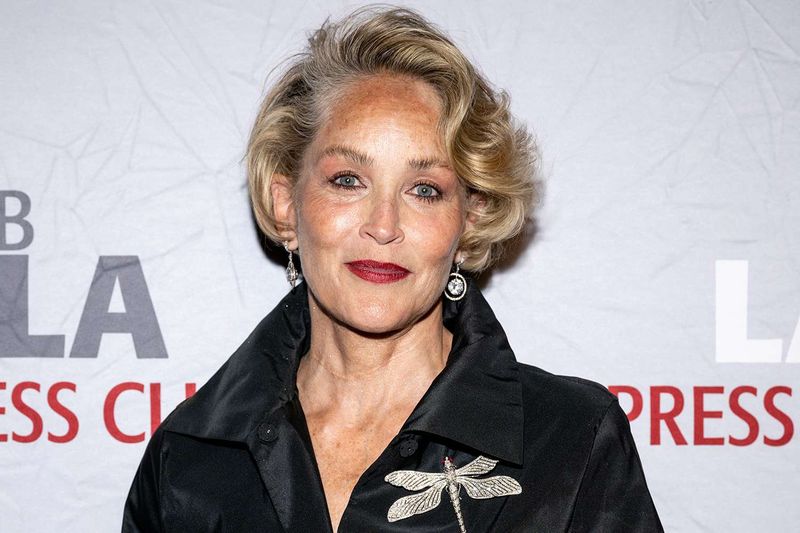
With a career spanning multiple decades, the veteran actress has been outspoken about what she sees as the absurdity of reflexive cancellation.
She has criticized the way social media can flatten complex situations into simplistic judgments, arguing that people increasingly confuse moral performance with meaningful progress.
Her commentary often emphasizes conversation over punishment, and she has suggested that the culture of immediate condemnation discourages curiosity and empathy.
In her view, disagreement should not be treated as proof of bad character, especially in a world where people come from wildly different backgrounds and experiences.
She also tends to criticize the entertainment industry’s tendency to follow public pressure without thinking through long-term consequences, which can create an environment where everyone is anxious and guarded.
Even if you do not agree with every phrasing, her stance reflects a desire for a cultural reset, where mistakes become openings for learning rather than permanent branding.
10. Dakota Johnson
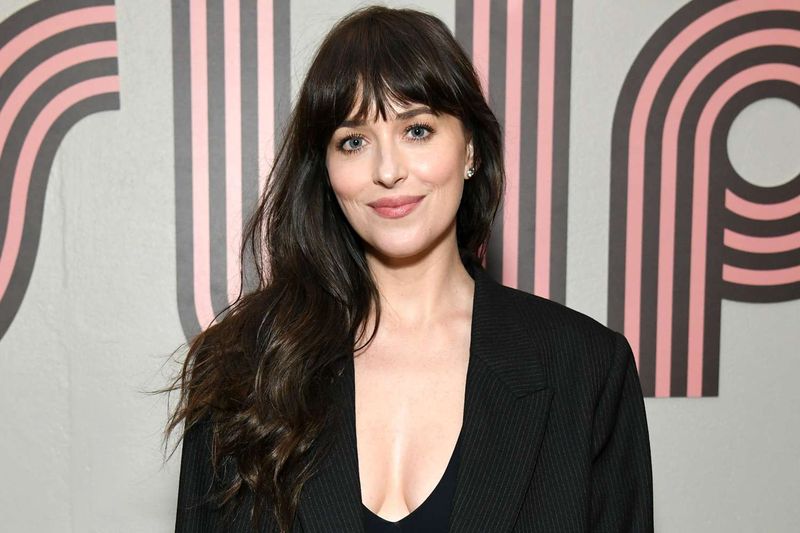
A quieter kind of pushback has come from the actress, who has described cancel culture as an overcorrection that can make the public sphere feel hostile and exhausting.
She has suggested that the constant search for something to punish creates a climate where people become more performative than compassionate, and where nuance gets traded for certainty.
Her comments often carry a generational frustration, pointing to the way online discourse can turn into a competition to be the most outraged, rather than the most thoughtful.
She has also hinted that this atmosphere can make both celebrities and everyday people anxious about speaking honestly, because missteps are treated like moral failures instead of human moments.
The heart of her critique is not that consequences should disappear, but that the social reward structure favors condemnation over understanding.
For readers who feel drained by perpetual outrage, her perspective can sound like a plea for more balance and less dogpiling.
11. Jameela Jamil
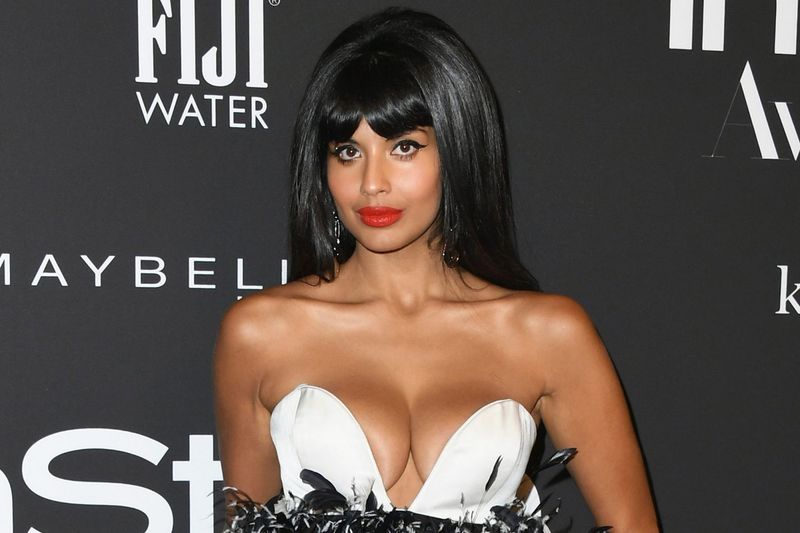
Online activism and celebrity culture collide constantly, and the actress and activist has been vocal about the way “cancel culture” is often used, misused, and weaponized.
She has argued that real accountability should focus on patterns of harm and systemic issues, not impulsive internet mobs or one-off misunderstandings.
At the same time, she has criticized performative pile-ons that punish people in ways that do not actually help the communities involved.
Her stance is nuanced because she supports calling out harmful behavior, but she also pushes back on the idea that shame and banishment are the best tools for change.
She has spoken about how social media can distort intent, remove context, and encourage people to treat each other like content rather than humans.
That perspective resonates with readers who want a world where consequences exist, but where justice is thoughtful, consistent, and not dependent on whoever has the loudest followers on a given day.
12. Kelly Osbourne
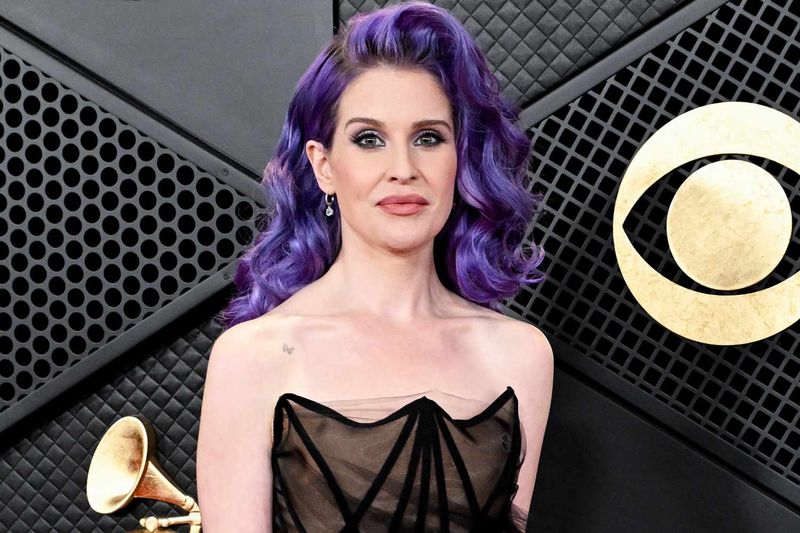
Public scrutiny has followed her for years, and she has argued that cancel culture often skips the most productive step: education.
In her comments, she has leaned into the idea of “counsel culture,” meaning people should be corrected, informed, and given a real chance to grow rather than being instantly written off.
She has spoken about how outrage can become addictive, turning mistakes into entertainment and turning empathy into a liability.
From her perspective, the goal should be changing behavior, not just punishing a person until the internet moves on to the next target.
She also tends to point out that many people who join pile-ons do not actually care about the issue at hand, which makes the entire process feel less like accountability and more like cruelty.
Her critique reflects a common desire for proportional responses, where people are held responsible without being treated as irredeemable.
13. Kelly Rowland
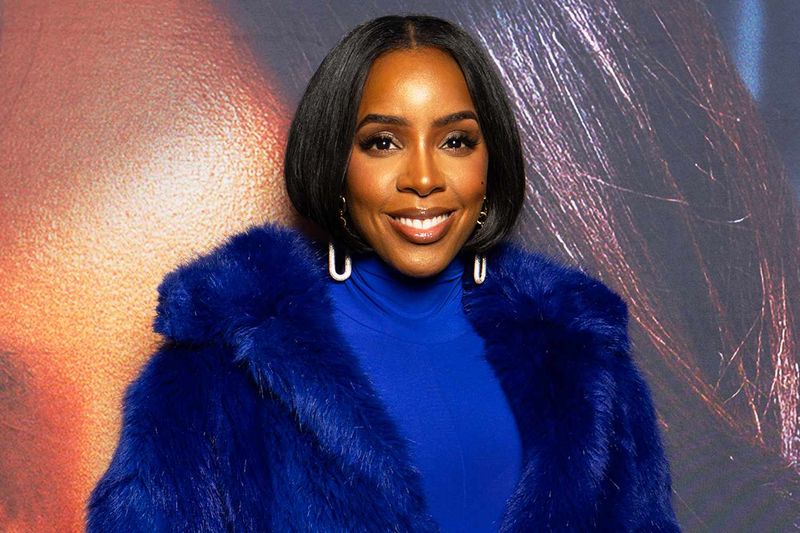
Fame teaches you how quickly people can judge, and the singer-actress has expressed discomfort with how harsh and unforgiving public reactions can become.
Her pushback centers on the idea that “canceling” someone often feels like moral grandstanding rather than genuine care, especially when the outrage offers no clear path for growth.
She has emphasized kindness and humanity, pointing out that everyone makes mistakes and that public shaming rarely leads to meaningful change.
In a culture that rewards dunking on people, her tone has been more reflective, suggesting that we should pause before turning someone into a villain for a single moment.
She also hints at how exhausting it is to exist in a world where the internet expects perfection, even though perfection is not realistic for anyone.
For readers who want accountability but dislike cruelty, her comments align with the belief that compassion and consequences can coexist, and that one does not have to erase the other.
14. Alec Baldwin
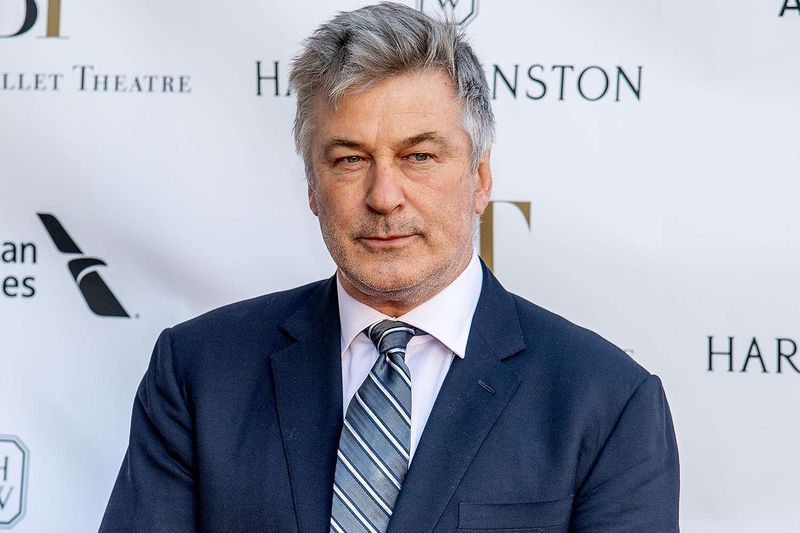
Few actors have been at the center of as many public controversies, and he has spoken about how cancel culture can feel like a system that prioritizes punishment over perspective.
He has criticized the speed at which public opinion can become fixed, arguing that online discourse often removes context and encourages people to treat complicated situations as simple morality plays.
His comments also reflect frustration with the entertainment industry’s tendency to react defensively, where reputations and partnerships can shift overnight based on public pressure.
At times, he has suggested that the cultural appetite for canceling is less about justice and more about the thrill of tearing someone down, which he views as corrosive.
Even people who disagree with him may recognize the broader point he raises: once a story goes viral, it can become nearly impossible to separate facts, emotions, and agendas.
His stance fits into the larger debate about whether modern accountability is improving culture or just changing the target of its anger.
15. Justin Bieber
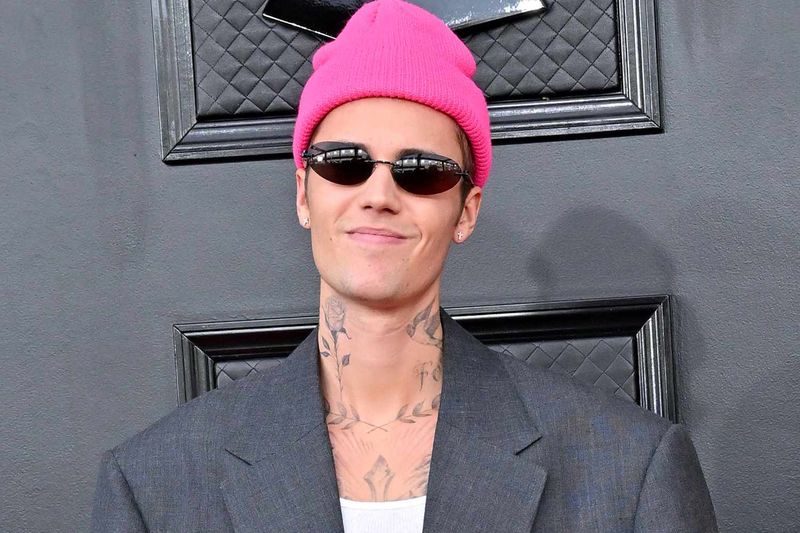
Growing up in the spotlight means your mistakes become public record, and the pop star has addressed the idea of cancel culture through reflections on growth and forgiveness.
He has talked about being judged for past behavior, suggesting that people often want to freeze someone in their worst era and ignore who they become later.
His message usually centers on personal change, emphasizing that remorse and maturity should matter, especially when someone is still developing in front of the world.
While he is not always positioned as a political commentator, his comments tap into a broad cultural frustration: the internet can demand accountability while also refusing to accept transformation.
He has also pointed to the mental toll of constant criticism, which connects to the wider conversation about what public shaming does to real humans behind famous names.
For many readers, his stance lands as a reminder that growth is supposed to be the point, and that a culture that never lets people move forward may be punishing the very thing it claims to want.
16. Denzel Washington
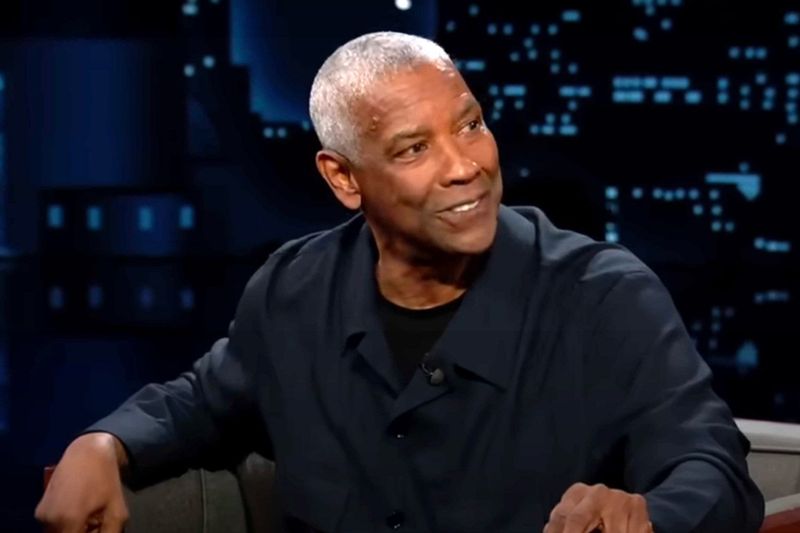
Few actors carry the same reputation for steady perspective, and he has shown little patience for the idea that public opinion should dictate a person’s worth.
He has dismissed the fear of being “canceled,” framing it as noise compared to living by your values and doing your work with integrity.
His comments often sound like a reminder that cultural storms come and go, but character lasts, and that chasing approval is a losing game for anyone, famous or not.
Instead of treating the internet as a moral authority, he suggests focusing on what you can control: your choices, your principles, and the people you answer to in real life.
That attitude resonates with audiences who feel exhausted by outrage cycles and who want to return to grounded priorities.
His stance is not necessarily an argument against accountability, but a refusal to let mob judgment replace personal responsibility, humility, and long-term perspective.
Comments
Loading…