
 Mila Ross
15 TV Shows We Loved in Season 1—That Fell Apart in Season 2
There’s nothing like the rush of discovering a new show in its first season, when the characters feel fresh, the premise is tight, and every cliffhanger actually earns its gasp.
Season one is where writers get to build the world, hook you with high-stakes momentum, and make you believe you’ve found your next obsession.
Then season two arrives, and the magic sometimes… slips.
The tone changes, the story sprawls, and the show starts chasing bigger twists instead of better ones.
Some series never recover from that sophomore slump, while others limp along on fan loyalty and the leftover glow of what once worked.
Here are 15 hit TV shows that captivated audiences early, only to stumble hard in their second season.
1. Heroes
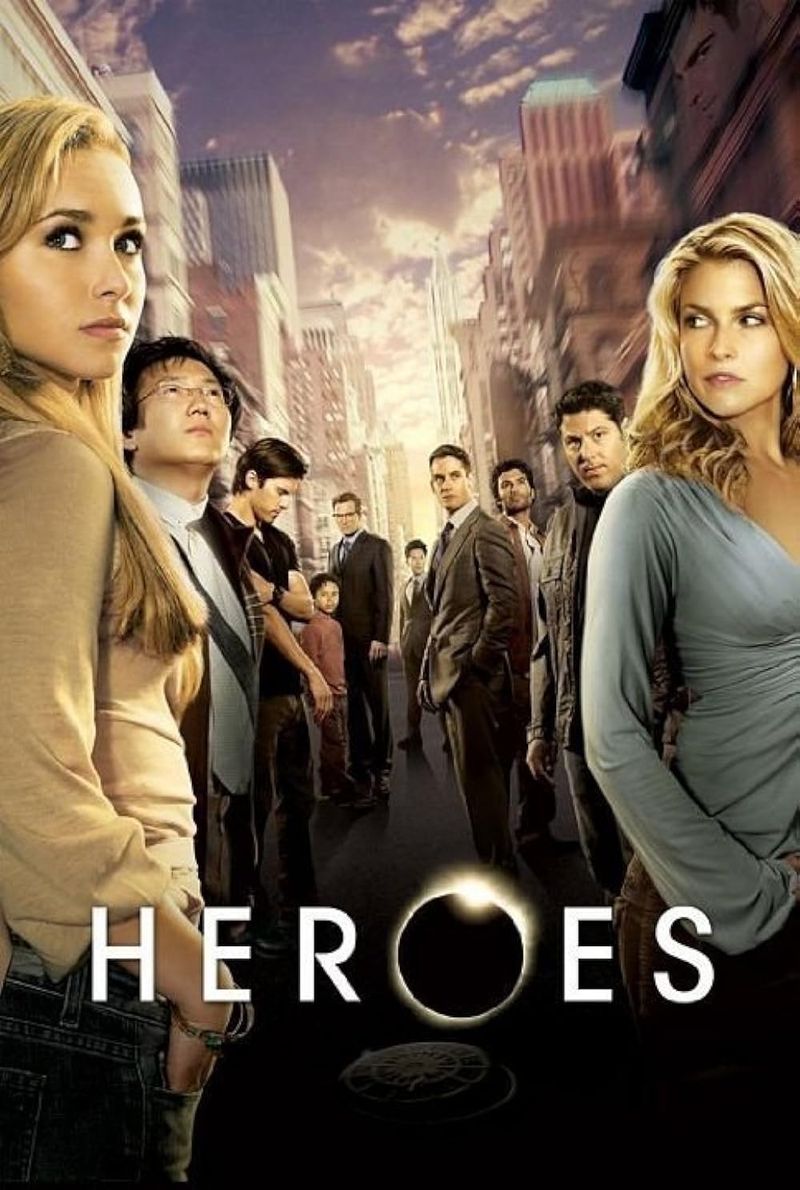
At the start, it felt like TV had finally cracked the code on a grounded superhero story that didn’t require comic-book homework.
Season one’s mix of ordinary people discovering extraordinary abilities was exciting, character-driven, and surprisingly emotional, with a clear goal that kept everything moving.
Season two, though, struggled to keep the momentum because the story became choppier and less focused, with new plotlines that didn’t land as cleanly.
The tonal balance slipped, and the show started to feel like it was constantly resetting itself instead of building toward something bigger.
Add in production disruption and uneven pacing, and viewers could sense the confidence wobbling.
Instead of feeling like the next chapter of a well-planned saga, it often played like a series of half-finished ideas.
2. True Detective
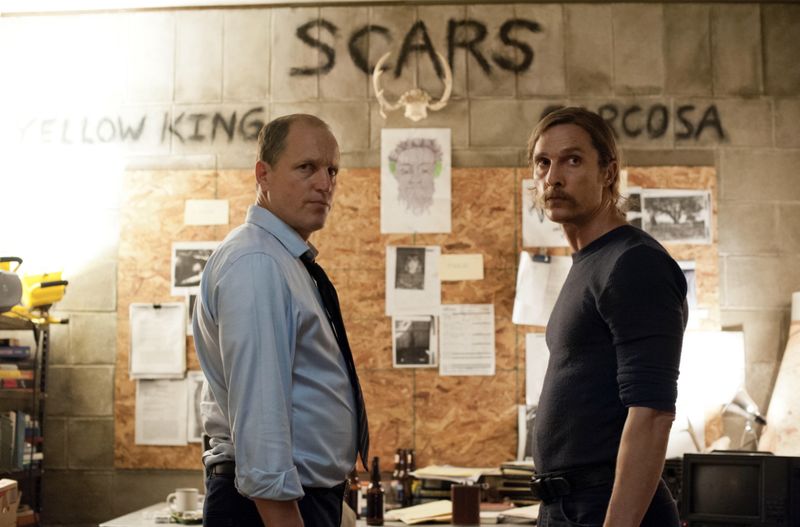
When an anthology begins with a near-perfect storm of casting, atmosphere, and writing, the follow-up season is basically set up to disappoint.
Season one delivered a hypnotic slow-burn mystery with unforgettable performances, and it made prestige TV feel like an event you discussed at work the next morning.
Season two shifted settings, expanded the cast, and leaned into a more sprawling crime network, but many viewers found it harder to follow and less emotionally gripping.
The dialogue and vibe became more self-serious, while the mystery didn’t create the same obsessive momentum.
Even people who appreciated what it tried to do admitted it felt like a different show wearing the same label.
As a result, the “must-watch” aura faded fast, and the series’ reputation took a noticeable hit.
3. The OC
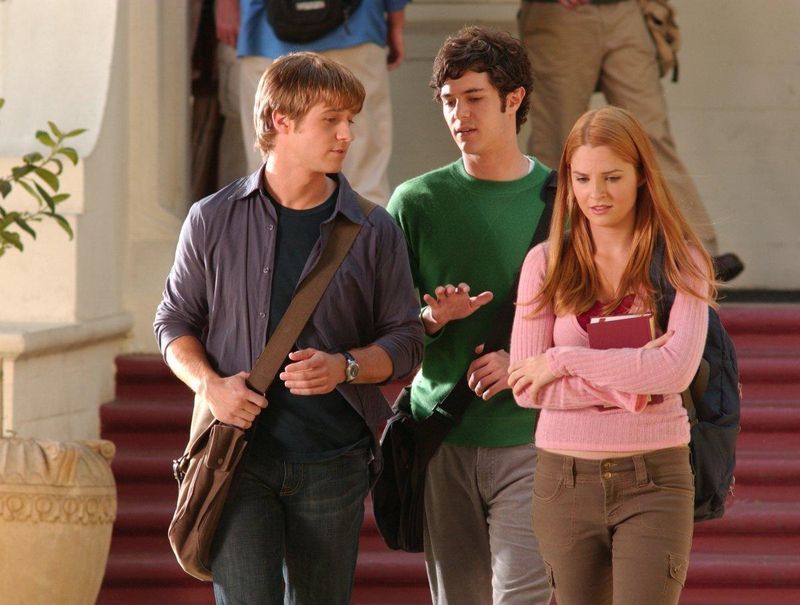
For a teen drama, the first season hit a sweet spot that felt both glossy and surprisingly heartfelt, mixing humor, romance, and family tension without tipping into pure soap.
The characters were messy but charming, and the show understood how to balance big moments with smaller emotional beats that made you care.
Season two, however, leaned harder into constant chaos, piling on twists and relationship turbulence until it started feeling exhausting rather than addictive.
Storylines became louder, and the tone drifted from witty escapism toward relentless melodrama.
When a show tries to top itself with bigger shocks instead of sharper writing, viewers notice the strain, and the emotional stakes stop feeling real.
The series still had loyal fans and pop-culture buzz, but many people point to season two as the moment the sparkle started dimming.
4. Glee
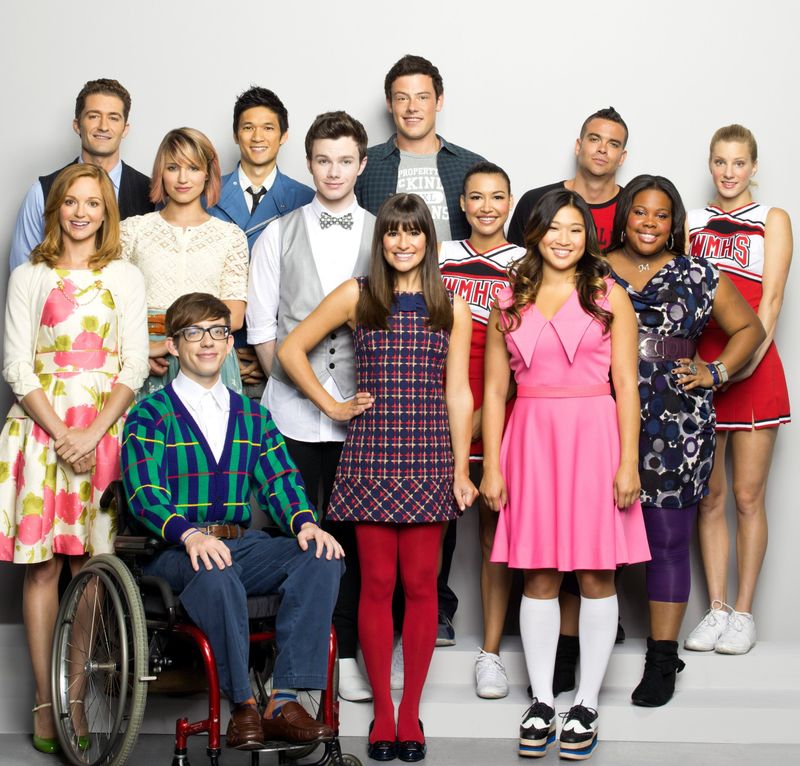
In the beginning, the show’s appeal came from its surprising mix of sincerity and satire, where big musical numbers still felt anchored in real underdog energy.
Season one knew how to make you laugh at the absurdity while also caring about the kids behind the performances, and that balance made the emotional payoffs work.
Season two expanded the universe, raised the stakes, and introduced more characters, but the tighter storytelling started to loosen.
Plotlines could feel rushed or repetitive, as if the show was juggling too many ideas at once, and the tone sometimes swung wildly between heartfelt and cartoonish.
Musical choices still created watercooler moments, yet the character development didn’t always keep up with the spectacle.
When a series becomes more about topping last week’s big number than building consistent arcs, even fans who stay devoted start admitting it isn’t quite the same.
5. Riverdale
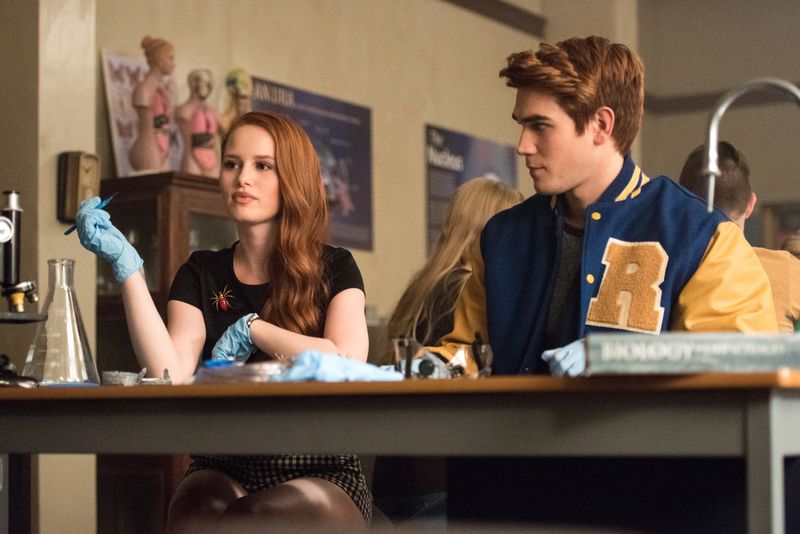
Early on, the series sold itself as a glossy, noir-ish teen mystery with a heightened world that still had rules you could follow.
Season one’s central whodunit gave the chaos a purpose, and the mood felt consistent enough that you could buy into the melodrama.
Season two took that wildness and turned the volume way up, adding darker twists and escalating threats that sometimes felt more like shock for shock’s sake than story.
The tone became more erratic, and the plot started moving like it was sprinting past logic, daring viewers to keep up.
For some fans, the ridiculousness was part of the fun, but plenty of people felt the show stopped being a clever remix and became a series of increasingly outlandish turns.
Once the emotional grounding slips, it’s harder to care who’s dating whom or who’s in danger, because it all starts to feel like a fever dream.
6. Prison Break
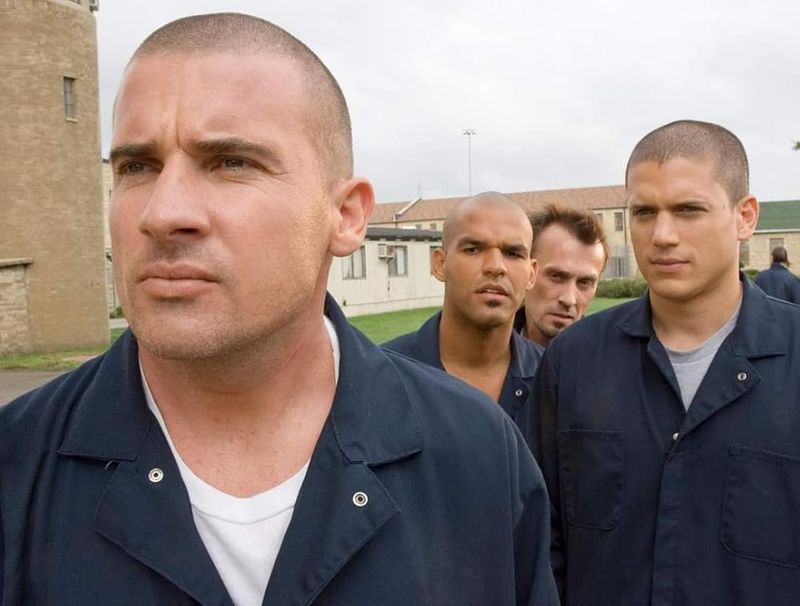
What made the first season so addictive was its simple, brilliant engine: a meticulous plan, a ticking clock, and tension that built with every close call.
Viewers tuned in because the premise practically guaranteed suspense, and the story rewarded attention with clever payoffs.
Season two had a problem that a lot of high-concept shows face once they deliver the headline idea: it needed a new hook that felt just as urgent.
After the escape, the series shifted into chase mode, and while that can be thrilling, it didn’t always deliver the same puzzle-box satisfaction.
The pacing could feel stretched, and some plot turns seemed designed to prolong the run rather than deepen the characters.
When a show’s identity is tied to a single, tightly constructed scenario, continuing it can feel like watching the aftermath instead of the main event.
The result was a season that still had fans, but less of that original white-knuckle magic.
7. Sleepy Hollow
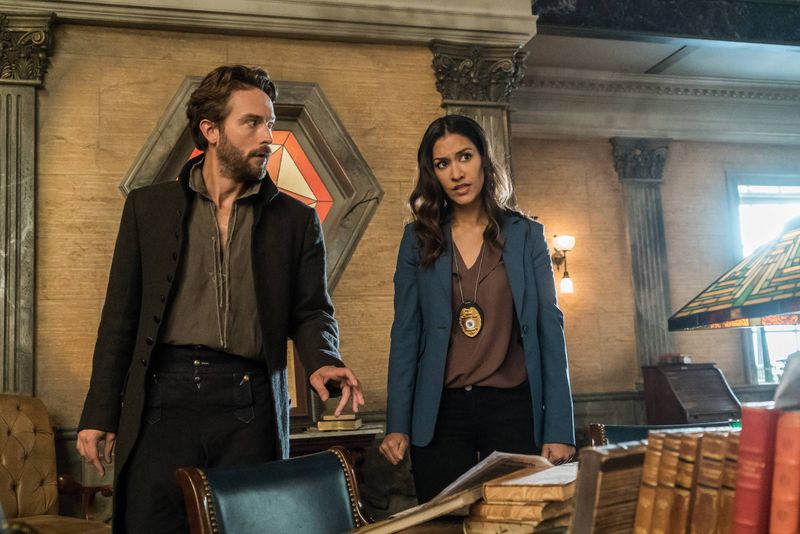
The first season surprised a lot of people by being far more fun than it had any right to be, blending spooky mythology with snappy banter and a buddy-cop dynamic that worked.
It moved quickly, kept the mystery intriguing, and made its oddball premise feel charming rather than ridiculous.
Season two expanded the mythology and introduced more moving parts, but the story started to sprawl in a way that diluted the show’s momentum.
Plotlines didn’t always connect smoothly, and the tone could wobble between serious lore-dumps and the lighter energy that originally made it so watchable.
When a series leans too hard into complicated mythology without giving viewers emotional clarity, it becomes harder to stay invested in the week-to-week stakes.
The chemistry still helped, but many fans felt season two was where the series began trading its tight, playful pacing for a more cluttered approach that didn’t land as well.
8. Revenge
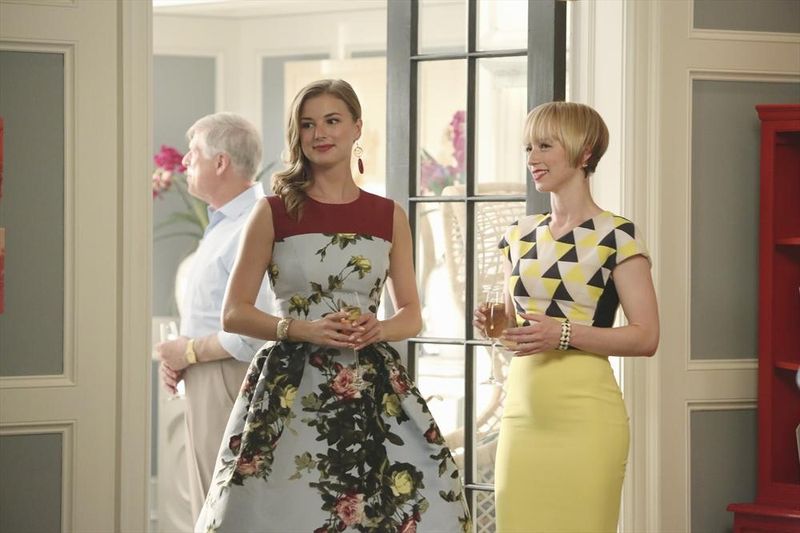
Few shows hooked audiences faster than this one, because season one offered a deliciously simple promise: a wronged woman, a carefully plotted plan, and a steady drip of payback that felt satisfying.
The twists were dramatic, but they usually served the central mission, so even the soapiness felt purposeful.
Season two complicated the formula with more tangled conspiracies, bigger reveals, and shifting motivations that sometimes felt like the show was zigzagging just to stay surprising.
When “another secret” becomes the default storytelling tool, the emotional weight of each revelation starts to shrink.
Characters who once felt sharply defined began making choices that seemed designed to keep the plot spinning rather than make sense for who they were.
The show still delivered plenty of drama, but the clean thrill of season one gave way to a messier, more exhausting experience.
For many viewers, season two was the first time the series felt like it was working harder to be shocking than to be satisfying.
9. The Walking Dead
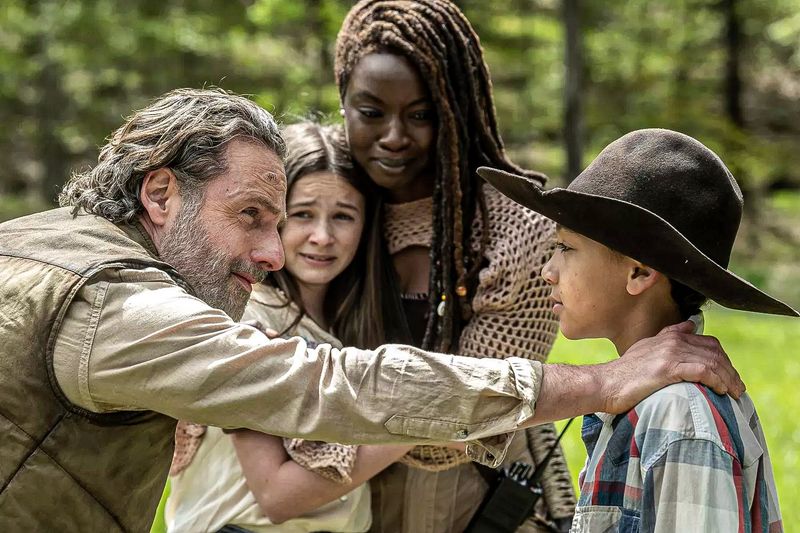
Nothing matched the early buzz of watching a zombie apocalypse drama that felt both terrifying and human, because the first season was lean, tense, and emotionally clear.
The stakes were immediate, the pacing stayed brisk, and each episode felt like it pushed the story forward with purpose.
Season two slowed down dramatically, focusing on drawn-out conflicts and long stretches where the narrative seemed to stall.
Even fans who appreciated the character work admitted that the momentum took a hit, because the show traded urgent survival tension for repetitive arguments and extended waiting around.
The shift created a split reaction: some viewers liked the deeper relationships, while others felt the story was spinning its wheels.
When a thriller loses its sense of forward motion, every episode starts to feel longer than it is, and suspense turns into frustration.
Season two wasn’t universally hated, but it’s often cited as the moment the series proved it could be uneven, even at the height of its popularity.
10. The Flash
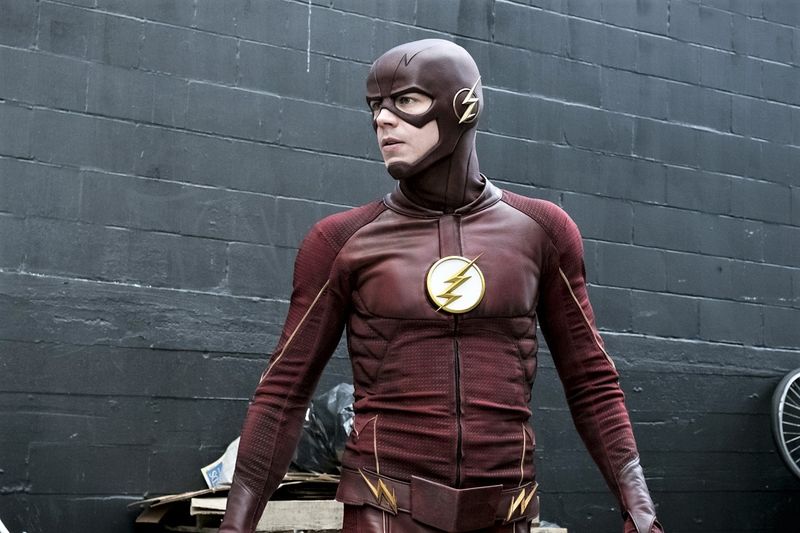
Season one worked because it combined bright, optimistic energy with a surprisingly tight central mystery, and the emotional beats felt earned rather than forced.
The villain arc delivered suspense, the supporting cast had real chemistry, and the show balanced fun superhero action with heartfelt storytelling.
Season two leaned into familiar patterns—another speedster threat, another cycle of secrets, another string of similar confrontations—and the freshness started fading.
Even when individual episodes entertained, the overarching structure felt more repetitive, as if the series was replaying a greatest-hits version of itself instead of evolving.
The expanding mythology also introduced complications that didn’t always add emotional payoff, and that can make viewers feel like the show is piling on lore rather than building character.
When a series becomes predictable in its rhythms, it loses that “I can’t wait for next week” thrill.
Fans still showed up, but many agree season two is where the cracks began to show.
11. Scream Queens
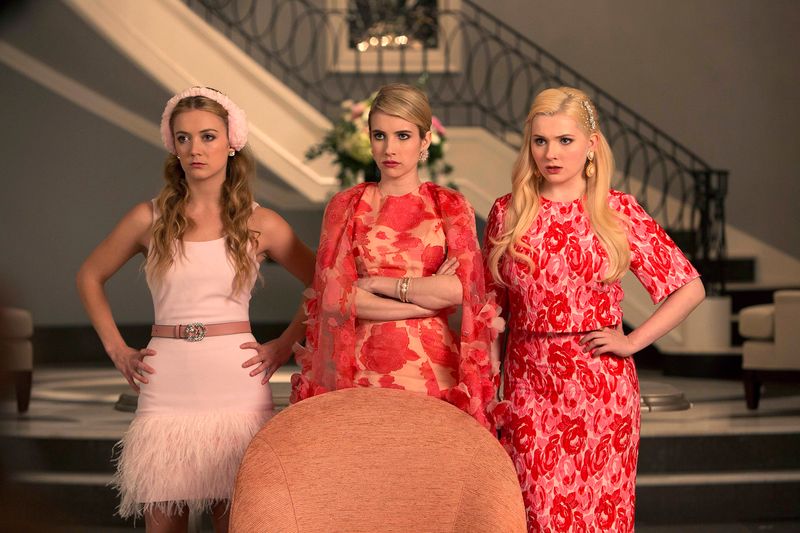
The first season felt like a chaotic sugar rush, mixing slasher tropes with sharp one-liners and a campy tone that made the ridiculousness part of the appeal.
It was intentionally over-the-top, and that commitment helped it feel like a specific kind of guilty pleasure rather than a confused mess.
Season two tried to keep the same energy while changing the setting and raising the absurdity, but the formula started to feel thinner.
The mystery didn’t hit as hard, some characters became more like caricatures of themselves, and the jokes didn’t always land with the same bite.
Camp is tricky, because it works best when it feels both exaggerated and confident, and season two sometimes felt like it was reaching for shock and silliness without the tight structure that made the first run work.
Once the novelty wears off, the writing has to carry the show, and a lot of viewers felt season two didn’t have enough new tricks.
It still had moments, but the sparkle was noticeably dimmer.
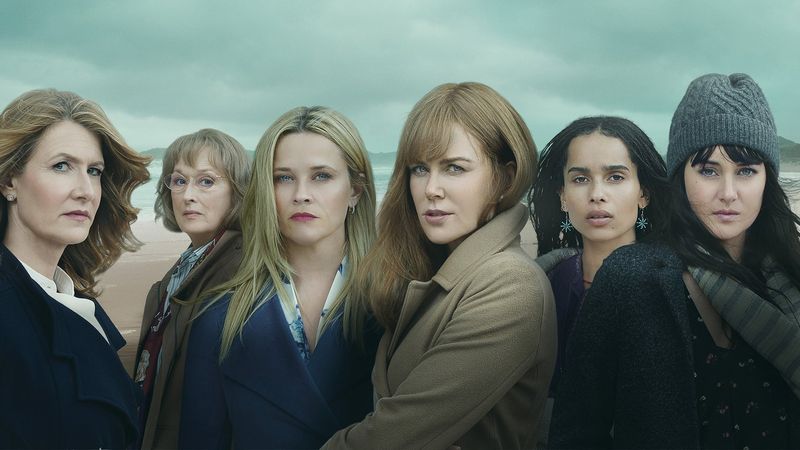
12. Big Little Lies
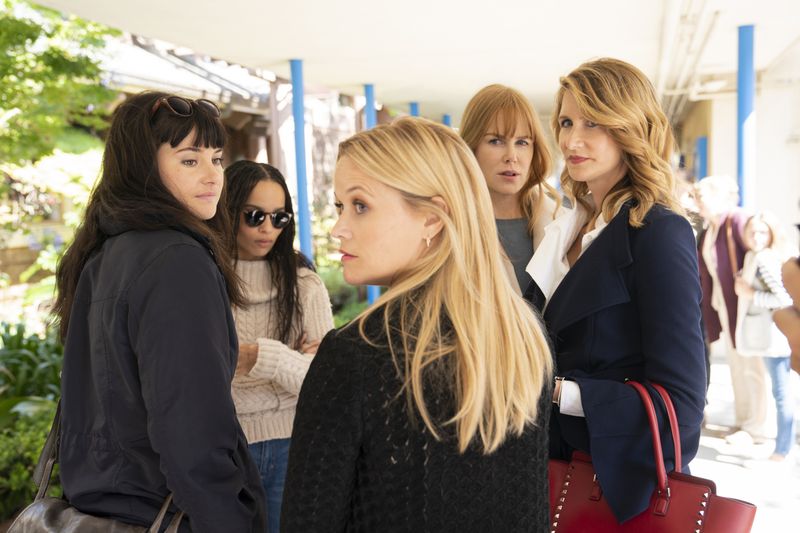
Season one felt like a complete story with a carefully built sense of dread, because every episode added a piece to the puzzle while deepening the characters’ complicated inner lives.
The ending delivered payoff without cheapening what came before, and many viewers walked away feeling satisfied in a rare way.
Season two continued the story, and while the cast remained stellar, the narrative had a harder job: it needed to justify existing beyond the original arc.
The pacing was slower, the mystery energy wasn’t as sharp, and some plotlines felt like they were circling rather than escalating.
When a show returns after what felt like a perfect conclusion, viewers naturally compare everything to that first season’s tight construction.
Even with powerful performances and moments of real tension, many people felt the second season diluted the impact of the original, turning something that felt like a masterpiece into something more like an extended epilogue.
13. The Morning Show
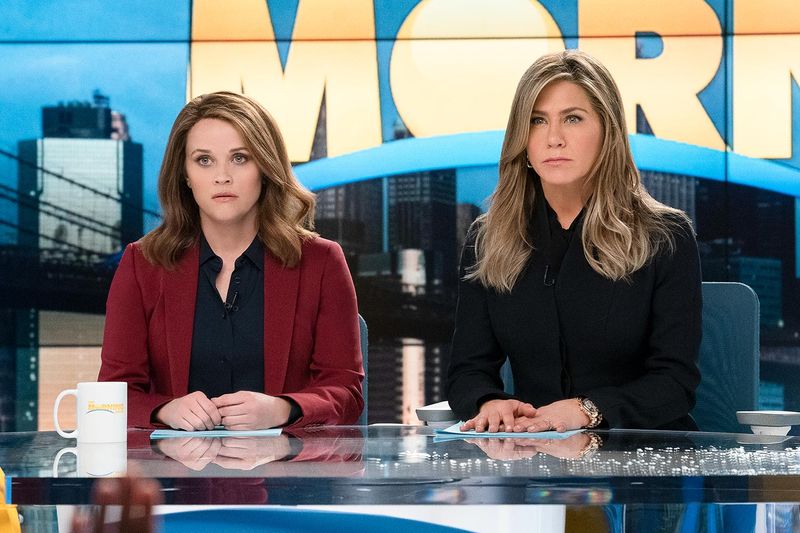
The first season grabbed attention with a timely premise, high-profile performances, and a sense that it wanted to say something messy and real about power, image, and workplace dynamics.
It moved with urgency, and the character conflicts felt sharp enough to keep viewers hooked even when the tone leaned glossy.
Season two had the challenge of following that momentum while responding to a changing real-world context, but it often felt more scattered in its focus.
The story expanded in directions that didn’t always connect smoothly, and the pacing sometimes made big developments feel oddly muted.
When a series tries to juggle too many “important” topics at once, the emotional throughline can get blurry, leaving viewers less sure what the season is actually building toward.
The acting still delivered, but the writing didn’t always match the intensity of the performances.
For many fans, season two was where the show started feeling like it was searching for its identity instead of confidently owning it.
14. Bloodline
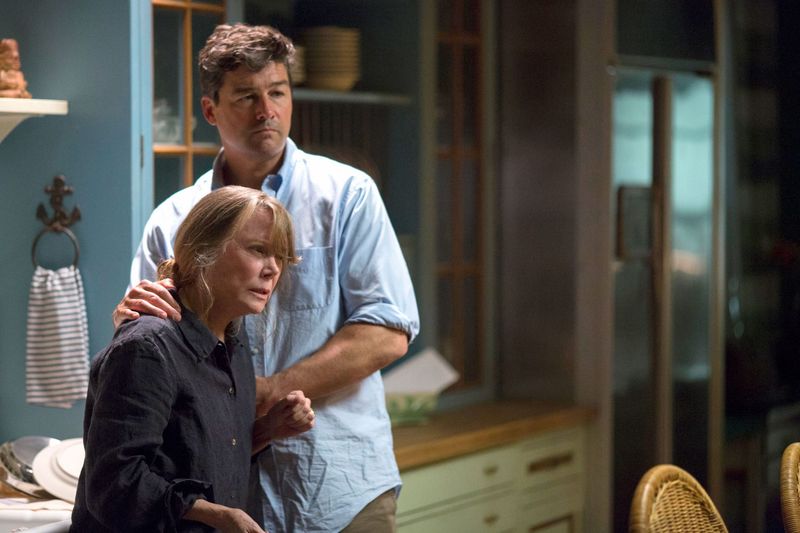
The first season thrived on dread, because it made family secrets feel like a slow poison spreading through every conversation and every glance.
The tension was patient but purposeful, and the show understood that what’s unsaid can be more suspenseful than a loud twist.
Season two leaned deeper into the fallout, but it struggled to maintain the same tight suspense, partly because the narrative started to stretch and repeat itself.
When a slow-burn series loses its sense of escalation, the atmosphere can turn from “intense” to “dragging,” and viewers start noticing how long it takes for anything to truly change.
Some story choices also felt less organic, as if the show needed characters to behave a certain way to keep the plot going.
The performances remained strong, but the season didn’t always reward patience the way the first one did.
It’s a classic example of a show that was built for one perfectly paced season, then had to keep simmering after the pot was already boiling.
15. Reacher

Season one hit big because it was straightforward in the best way, delivering a tough, competent hero, a satisfying mystery, and action that felt clean rather than cluttered.
The storytelling moved quickly, the stakes were easy to track, and the show knew when to keep things simple so the tension could land.
Season two expanded the scope with a bigger ensemble and broader connections to the main character’s past, but that shift made the story feel less lean.
When a show that thrives on momentum adds more moving parts, it risks losing the clarity that made it so bingeable in the first place.
Some viewers also felt the season leaned more into familiar action beats, which can make episodes blur together when the pacing isn’t as sharp.
The charm of the lead still carried plenty, but for many fans, the second season didn’t feel as tight or as instantly addictive as the first.
It wasn’t unwatchable, yet it did feel like the series swapped its punchy simplicity for a more crowded approach.
Comments
Loading…