
 Chloe Peterson
15 TV Shows That Were Doomed Before the First Episode Aired
Some TV shows never really had a fighting chance.
Whether the concept was too strange, the timing was off, or the public had already made up its mind, these series were heading for cancellation before the cameras even rolled.
From singing cops to talking cars, Hollywood has had some truly wild swings that missed by a mile.
Here are 15 TV shows that were practically cursed from the very beginning.
1. Cavemen (2007)
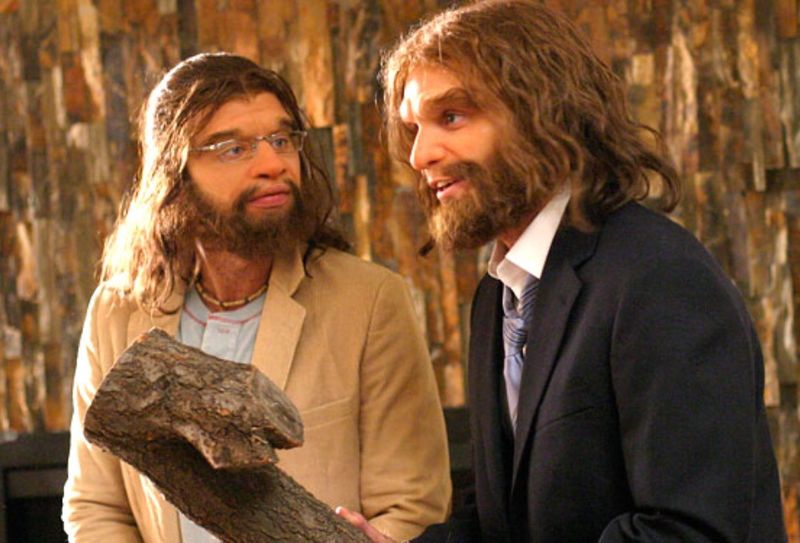
Turning a 30-second GEICO commercial into a full-length sitcom was always going to be a tough sell.
The cavemen in those ads were funny precisely because the joke was quick and punchy.
Stretching that concept over 22 minutes per episode drained every last drop of humor from the premise.
Critics raised red flags the moment the show was announced.
Audiences had already seen the joke and moved on.
When the series finally aired, it confirmed every fear — the concept simply had nowhere interesting to go, and ABC pulled the plug after just a few painful episodes.
2. Supertrain (1979)
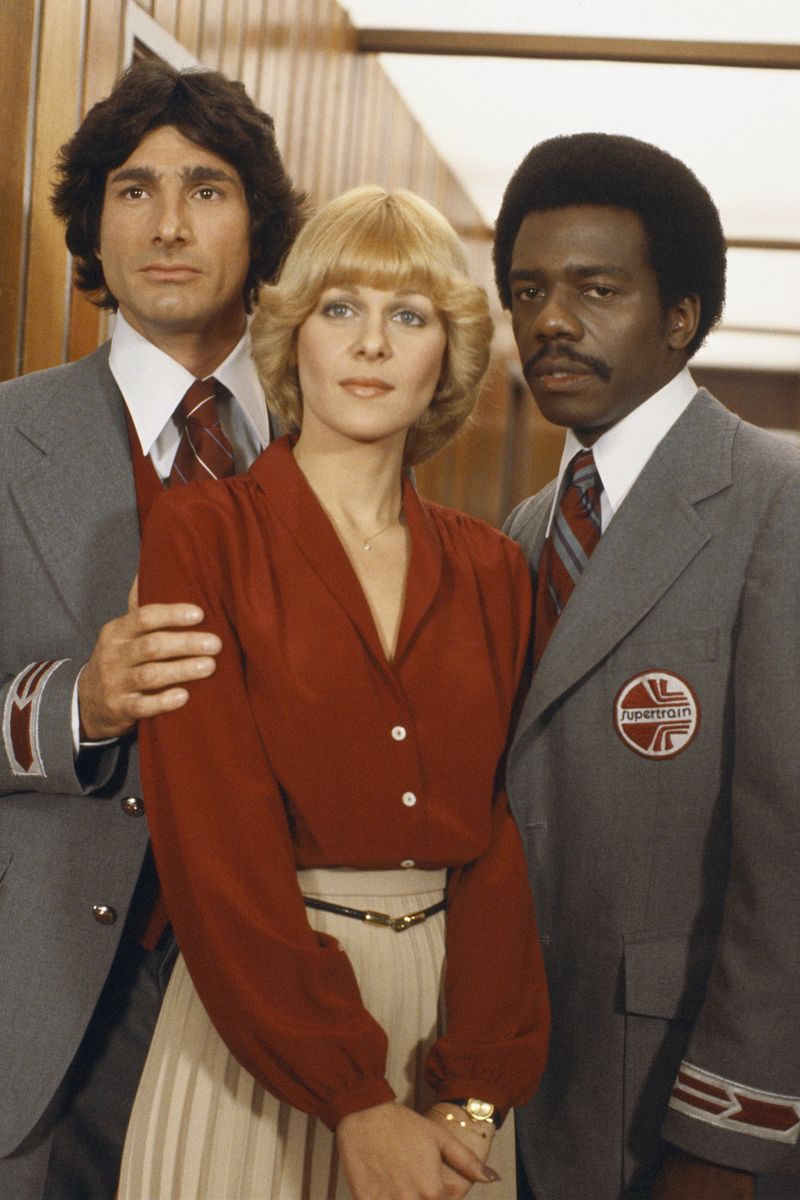
NBC poured an enormous amount of money into Supertrain, billing it as the most expensive television production of its era.
The premise centered on a massive nuclear-powered luxury train carrying passengers across the country.
Sounds glamorous, right?
The problem was that the budget spiraled out of control before a single episode was finished.
Industry insiders were already whispering about disaster during production.
The sets were lavish but the stories were thin.
Once audiences tuned in and saw the gap between the hype and the reality, ratings collapsed almost overnight, leaving NBC with one of its costliest failures ever.
3. Cop Rock (1990)
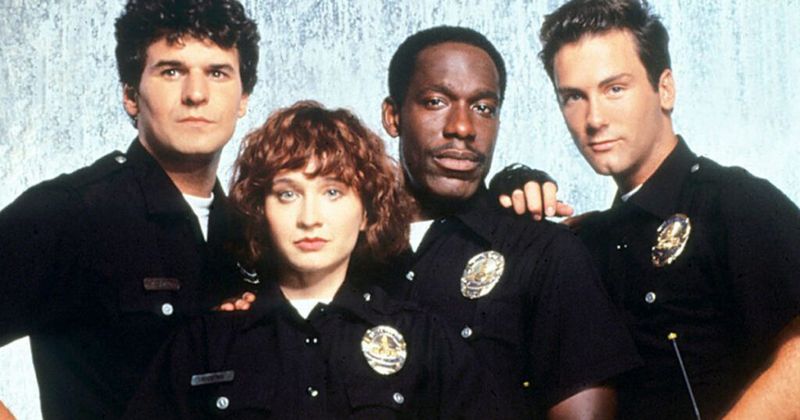
Steven Bochco was already a television legend when he pitched Cop Rock, a gritty police drama where officers randomly burst into song.
On paper, blending Hill Street Blues with a Broadway musical sounded daring.
In reality, audiences found it jarring and almost impossible to take seriously.
Before the show even aired, late-night comedians were already mocking the concept.
The first episode featured a jury literally singing its verdict, which left viewers baffled.
Cop Rock is now studied in film schools as a cautionary tale about what happens when creative ambition outpaces audience readiness.
Bold?
Yes.
Successful?
Absolutely not.
4. Viva Laughlin (2007)
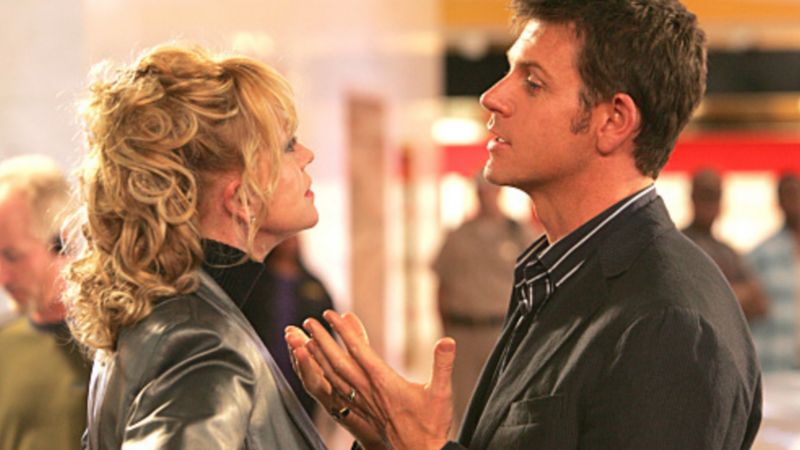
CBS took a chance on this American adaptation of the British musical drama Blackpool, setting it in a Nevada casino town.
Characters would unexpectedly break into song during otherwise dramatic scenes, a device that felt charming in the original but landed with a thud stateside.
Advance reviews were brutal, with critics struggling to find anything kind to say.
Viewers who tuned in for the premiere were equally baffled.
The ratings were so catastrophic that CBS pulled the show after just two episodes, making it one of the swiftest cancellations in network history.
Hugh Jackman’s involvement could not save it.
5. Work It (2012)
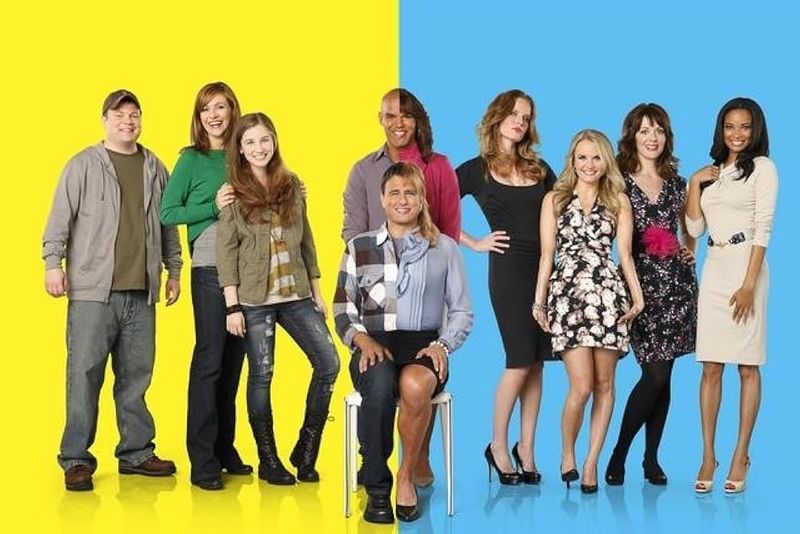
ABC’s Work It arrived at exactly the wrong cultural moment.
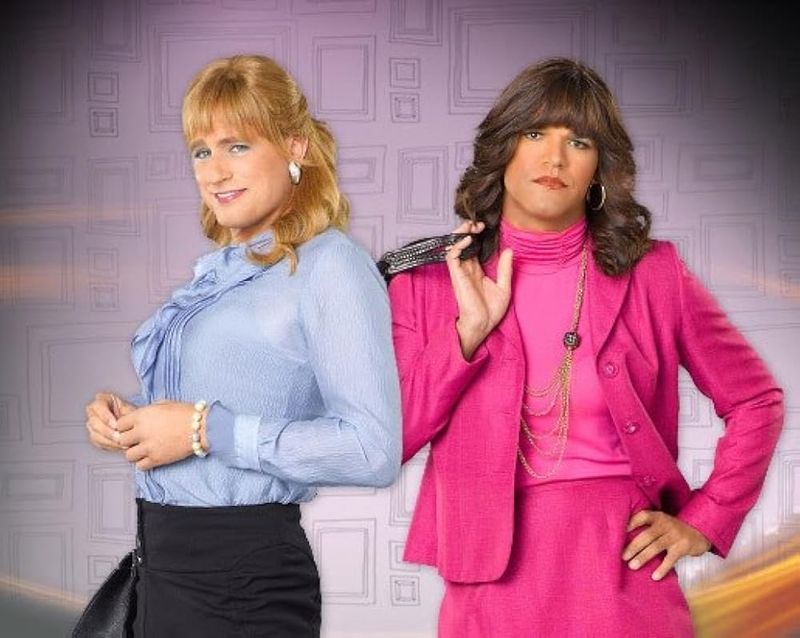
The sitcom followed two unemployed men who disguise themselves as women to land pharmaceutical sales jobs, a premise that felt like it belonged in a 1980s comedy rather than 2012.
Advocacy groups and media critics condemned the show before it even premiered, calling it offensive and outdated.
The backlash was loud enough that some wondered if ABC would even air it.
They did — and the first episode only made things worse.
Audiences stayed away in large numbers, and the network cancelled the series after just two episodes, ending the experiment quickly.
6. My Mother the Car (1965)
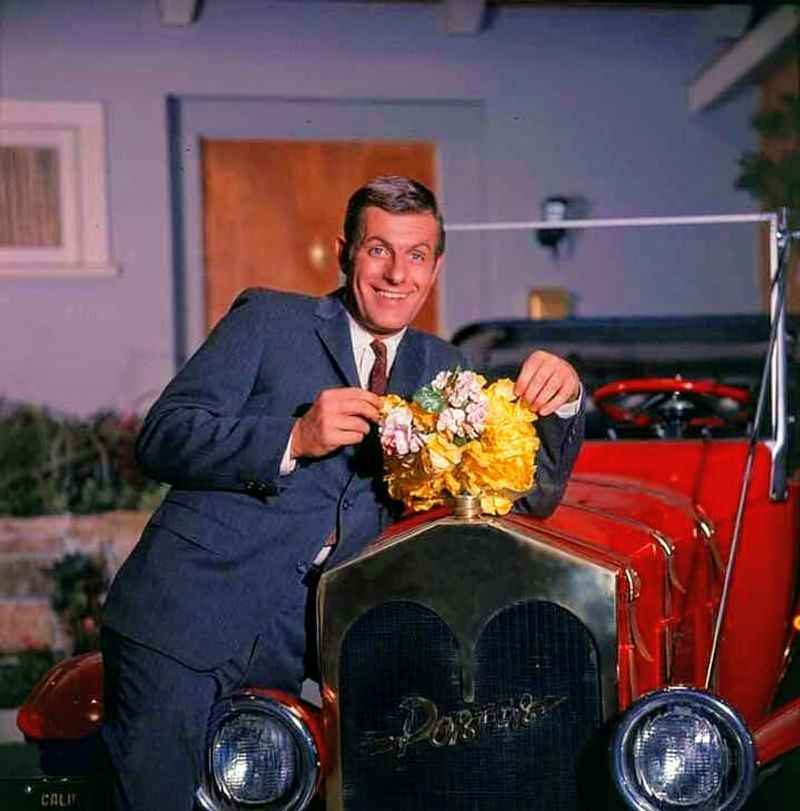
Few TV premises have aged as awkwardly as this one.
My Mother the Car starred Jerry Van Dyke as a man who discovers his deceased mother has been reincarnated as a vintage automobile that speaks to him through the radio.
Even by 1960s standards, the idea raised eyebrows immediately.
The show was routinely ranked among the worst television programs ever made, a reputation it earned almost instantly.
Audiences tuned in out of curiosity but rarely came back.
It ran a full season largely because networks had fewer options back then.
Today it remains a beloved punchline whenever bad TV history comes up.
7. The Secret Diary of Desmond Pfeiffer (1998)
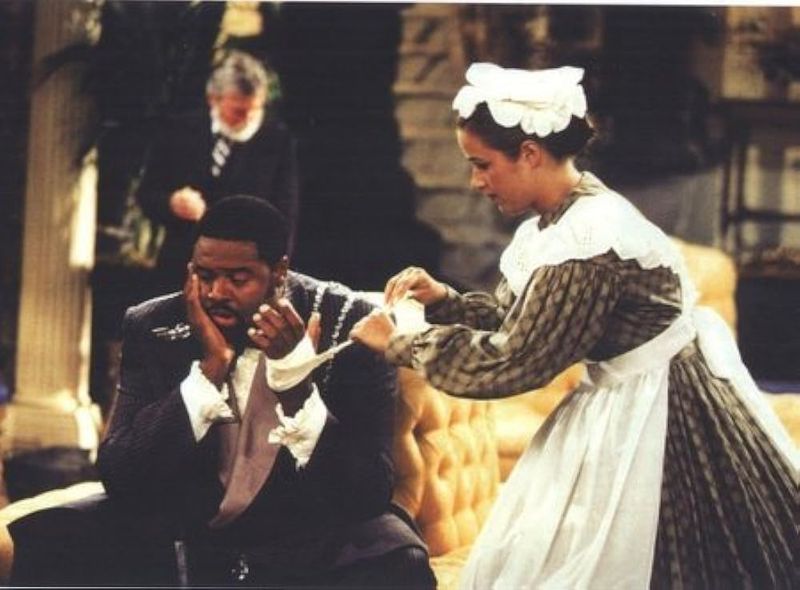
Before this UPN sitcom even reached television screens, it had already sparked organized protests outside network offices.
The show imagined a comedic take on a Black nobleman working as a servant for Abraham Lincoln during the Civil War era.
Critics and community leaders argued the premise trivialized slavery.
The controversy was so intense that UPN actually delayed the premiere and edited certain scenes.
None of that was enough to quiet the outrage or attract curious viewers.
What remained after the edits felt toothless and unfunny.
The show limped through a few episodes before quietly disappearing, remembered now mainly for the storm it created before airing.
8. Homeboys in Outer Space (1996)
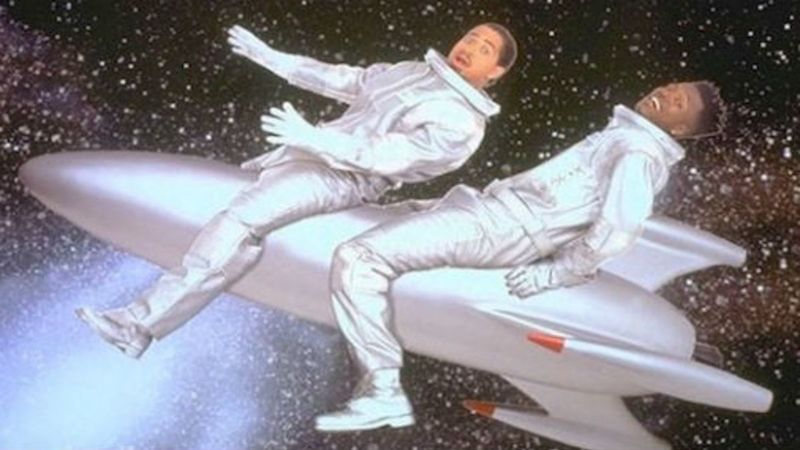
UPN was known for taking chances in the 1990s, but Homeboys in Outer Space tested the limits of even the most forgiving audiences.
The show combined a low-budget sci-fi setting with a buddy comedy format, following two men cruising the galaxy in a spaceship shaped like a woman’s body.
The visuals were cheap, the jokes were thin, and critics wasted no time pointing all of that out.
The title alone generated mockery before anyone had seen a single scene.
Somehow it survived a full season, which still surprises television historians today.
It stands as a fascinating example of a show that knew exactly what it was and delivered it anyway.
9. Emily’s Reasons Why Not (2006)

ABC promoted Emily’s Reasons Why Not heavily, positioning it as a fresh romantic comedy for the post-Sex and the City crowd.
Heather Graham starred as a self-help book editor navigating modern dating with a quirky list-making habit.
The trailers generated mild interest, though critics who saw early screeners were not impressed.
One episode was all ABC needed to make a decision.
The ratings were so disappointing that the network pulled the show the very next day, making it one of the fastest single-episode cancellations in broadcast history.
It is a rare case where the network itself seemed to sense the failure coming well before launch.
10. The Paul Reiser Show (2011)
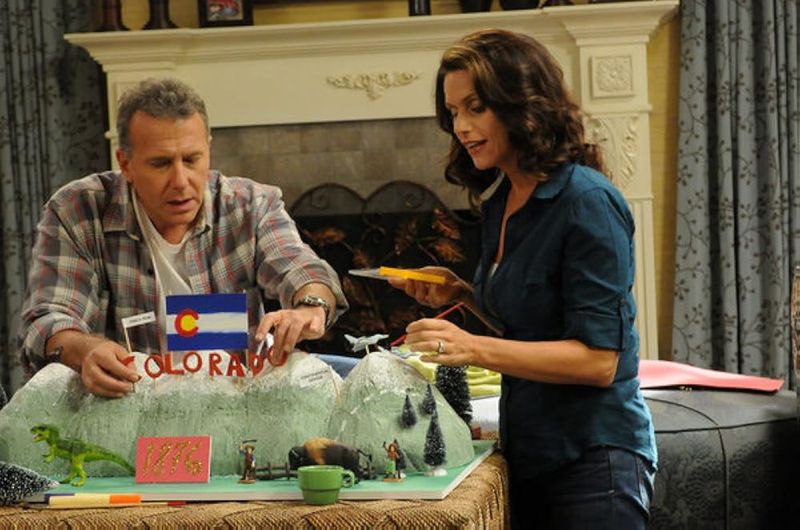
Paul Reiser had earned genuine goodwill from audiences through Mad About You, so his return to NBC with a semi-autobiographical sitcom should have carried some excitement.
Instead, the announcement was met largely with a collective shrug.
Critics wondered what fresh angle the show could possibly offer.
The answer, unfortunately, was not much.
Reviews described it as pleasant but pointless, a show with no real reason to exist.
Audiences agreed by simply not watching.
NBC cancelled it after two episodes, a quiet ending for a comedian who deserved a far better second act.
Sometimes nostalgia alone cannot carry a series across the finish line.
11. The Michael Richards Show (2000)
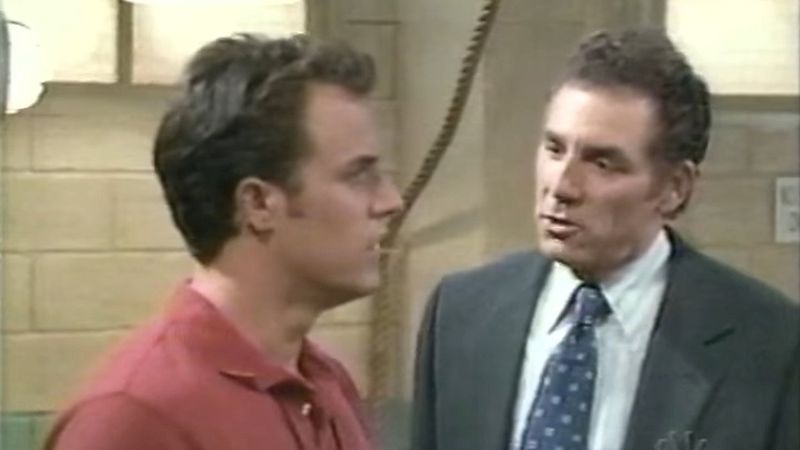
After nine years of playing Cosmo Kramer on Seinfeld, Michael Richards was one of the most recognizable comedic faces on television.
That recognition, however, turned out to be both a gift and a curse when his new sitcom launched in 2000.
Every scene invited unfair comparisons to his iconic role.
Early buzz was cautious at best.
Critics noted that Richards was enormously talented but that the material surrounding him felt thin and uninspired.
Viewers who tuned in expecting Kramer-level chaos found something far more ordinary.
The show was cancelled before the end of its first season, proving that riding a beloved character’s coattails only goes so far.
12. Do No Harm (2013)
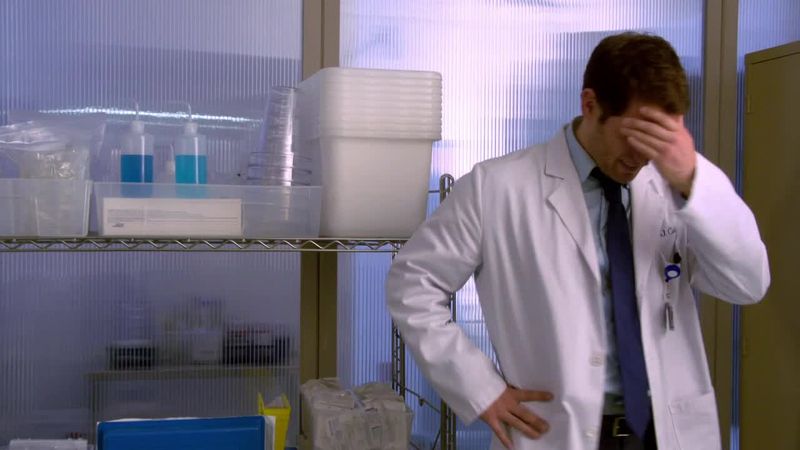
NBC positioned Do No Harm as a modern, edgy take on the Jekyll-and-Hyde story, transplanting the classic horror concept into a prestigious hospital drama.
The lead character was a brilliant neurosurgeon who transformed into a dangerous alter ego each night.
Sounds compelling enough on paper.
Early screenings left critics cold.
The tone lurched awkwardly between medical procedural and supernatural thriller without committing fully to either.
Viewers tuned out in massive numbers during the premiere, delivering some of the worst ratings NBC had seen in years.
The network cancelled the show after just two episodes, a swift and somewhat merciful ending to one of the decade’s more troubled launches.
13. Dracula (2013-2014)
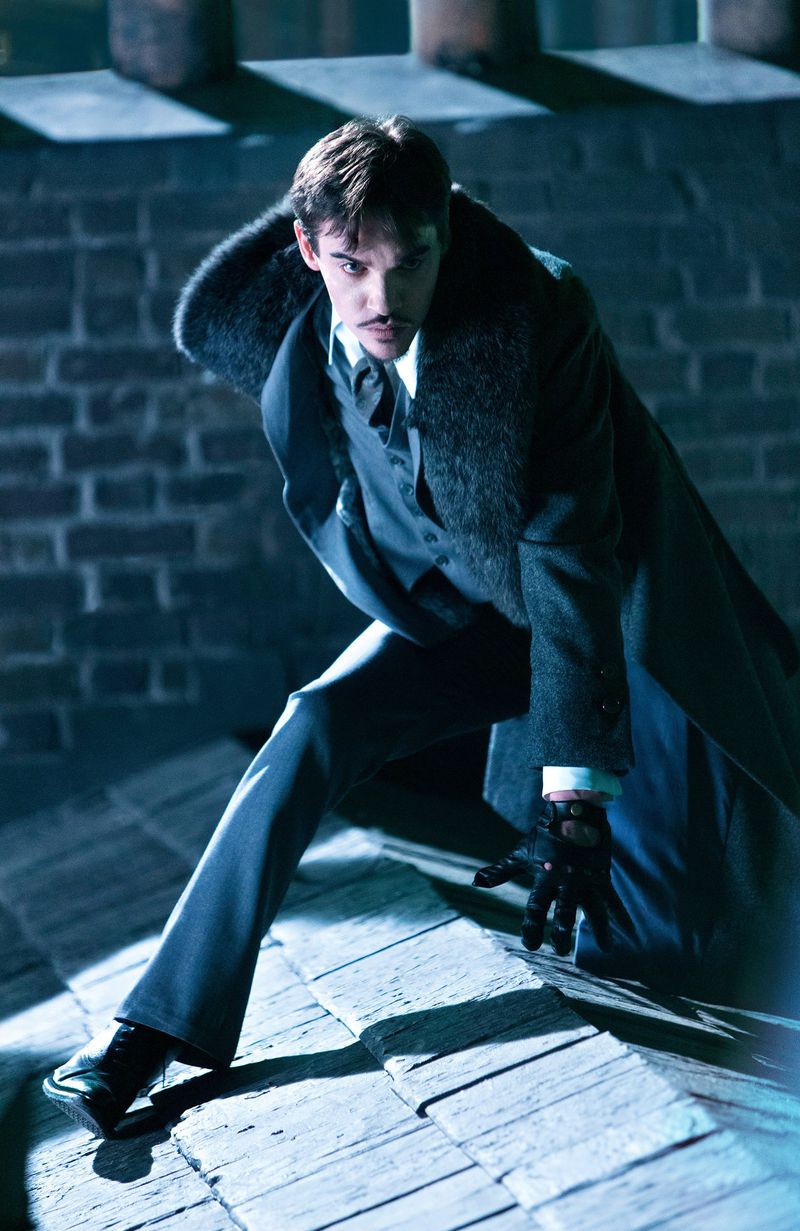
Jonathan Rhys Meyers brought considerable charisma to this NBC reimagining of the classic vampire story, set in Victorian London with an added twist involving American industrialism.
The visuals were gorgeous, and the costume design was genuinely impressive.
So why did it feel like the show was already in trouble?
Critics who previewed early episodes noted a confused identity — part gothic romance, part conspiracy thriller, part period drama, but never quite any of those things convincingly.
Audiences sampled it but drifted away quickly.
NBC renewed it briefly before quietly cancelling after one season.
It remains a visually striking but narratively hollow experiment that never found its footing.
14. Manimal (1983)
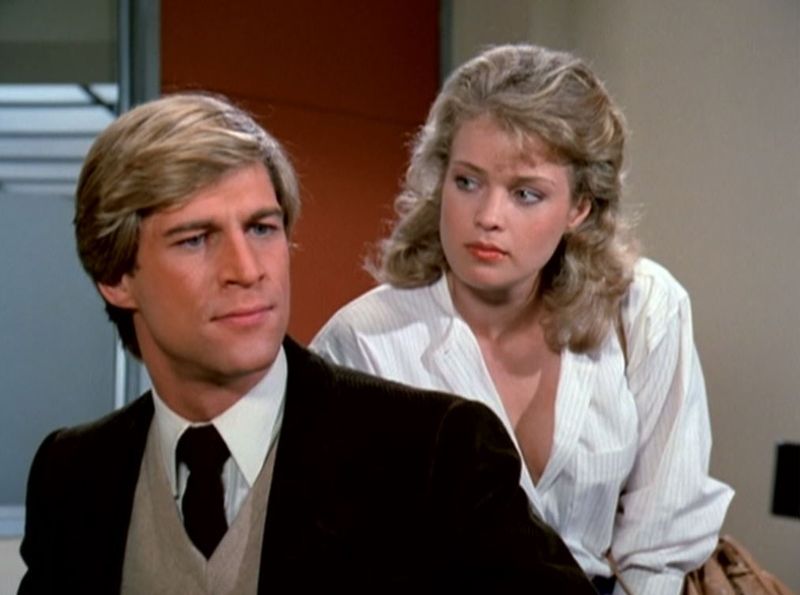
Few shows announce their own limitations quite as clearly as Manimal did.
The premise followed Dr. Jonathan Chase, a man with the mysterious ability to transform into any animal to assist law enforcement.
The transformation sequences were technically impressive for 1983, but they were also extremely expensive to produce.
Once audiences had seen a man turn into a hawk and a panther a couple of times, the novelty evaporated fast.
There were only so many animals and only so many plots that could revolve around the gimmick.
NBC cancelled it after eight episodes, though Manimal earned a strange immortality as one of television’s most memorably absurd concepts.
15. The Hasselhoffs (2010)
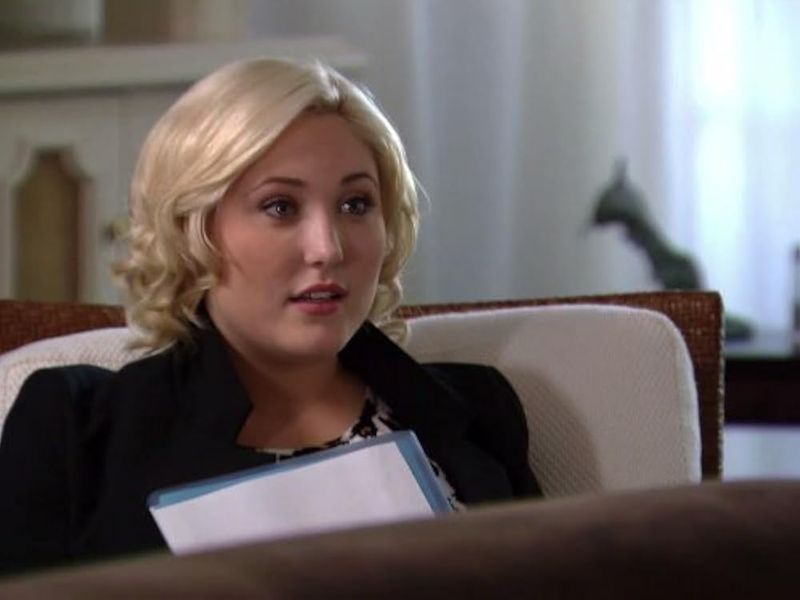
David Hasselhoff was a genuine pop culture phenomenon, beloved for Knight Rider, Baywatch, and his unlikely status as a music icon in Germany.
But by 2010, the shine had faded considerably.
A&E’s reality series following Hasselhoff and his daughters felt less like an exciting peek behind the curtain and more like a prolonged attempt to stay relevant.
Viewers were not particularly curious about the family’s daily life, and the show offered little drama or charm to change their minds.
Critics dismissed it as a vanity project with minimal entertainment value.
Ratings reflected that assessment almost immediately, and the series disappeared without making much of an impression on anyone.
Comments
Loading…