
 Jade Reed
15 TV Characters Who Were Better Written Than the Show They Were In

Sometimes a television show gives us a character so compelling, so richly developed, that they shine brighter than everything around them. These characters become the reason fans keep watching, even when storylines falter or episodes drag on.
Their depth, complexity, and memorable moments elevate mediocre scripts into something worth remembering. Here are fifteen unforgettable characters whose brilliance outshined the shows that created them.
1. Ben Linus — Lost
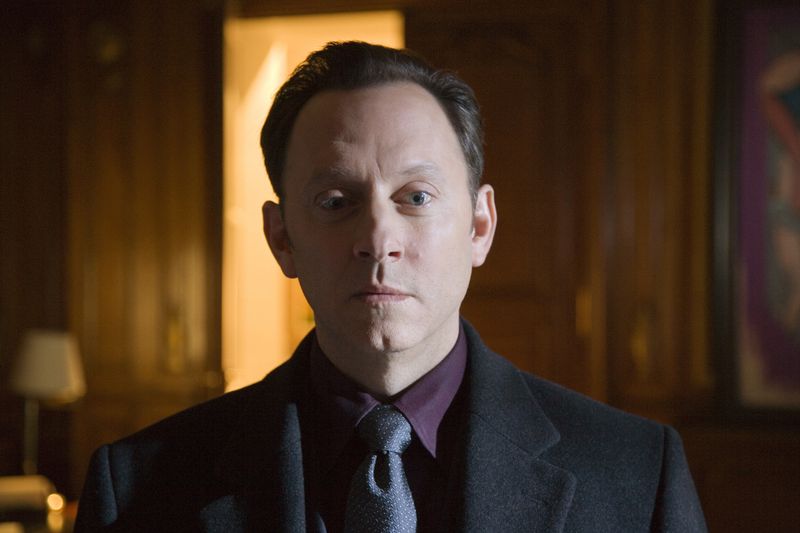
Michael Emerson brought Ben Linus to life with such chilling precision that viewers couldn’t look away.
Originally planned as a minor character for just three episodes, Ben’s manipulative genius and layered backstory made him essential viewing.
His moral ambiguity kept audiences guessing whether he was villain or victim.
While Lost became notorious for confusing plotlines and unanswered mysteries, Ben remained consistently fascinating.
Every scene he inhabited crackled with tension and unpredictability.
His transformation from mysterious Other to complex leader showcased writing that deserved better narrative support.
Emerson’s Emmy-winning performance elevated material that often wandered aimlessly.
Ben’s psychological warfare and tragic family history provided emotional anchors when the show lost direction.
He proved that exceptional character work can transcend storytelling chaos.
2. Lexa — The 100
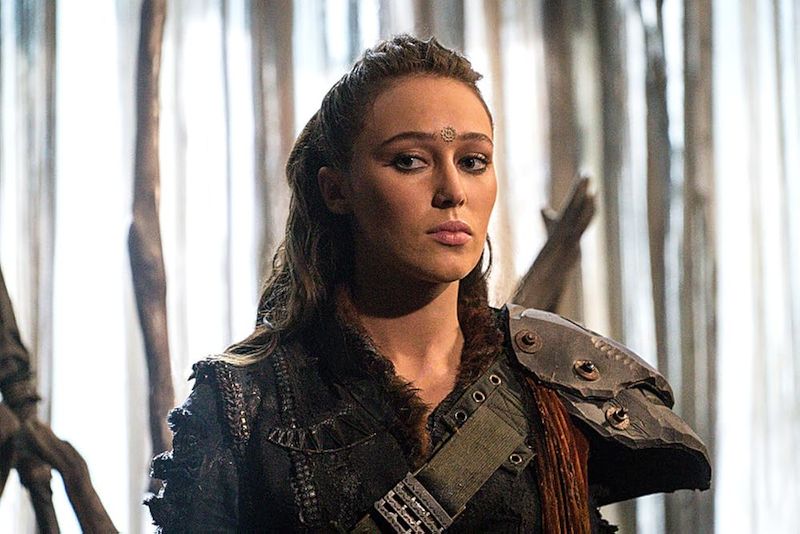
Through Alycia Debnam-Carey’s performance, Lexa evolved into an unforgettable, groundbreaking character.
As Commander, she skillfully balanced ruthless power with genuine vulnerability, and her love story with Clarke became one of TV’s most celebrated LGBTQ+ narratives, touching fans everywhere.
The 100 frequently stumbled with inconsistent tone and questionable plot choices.
Yet Lexa’s strategic brilliance and emotional complexity remained beautifully crafted throughout her arc.
Her iconic phrase “love is weakness” evolved into profound character growth that the show rarely matched elsewhere.
Her controversial death sparked massive fan outcry, proving how deeply audiences connected with her nuanced portrayal.
Lexa deserved better than the uneven storytelling surrounding her.
She remains a cultural touchstone despite limited screen time.
3. Cristina Yang — Grey’s Anatomy
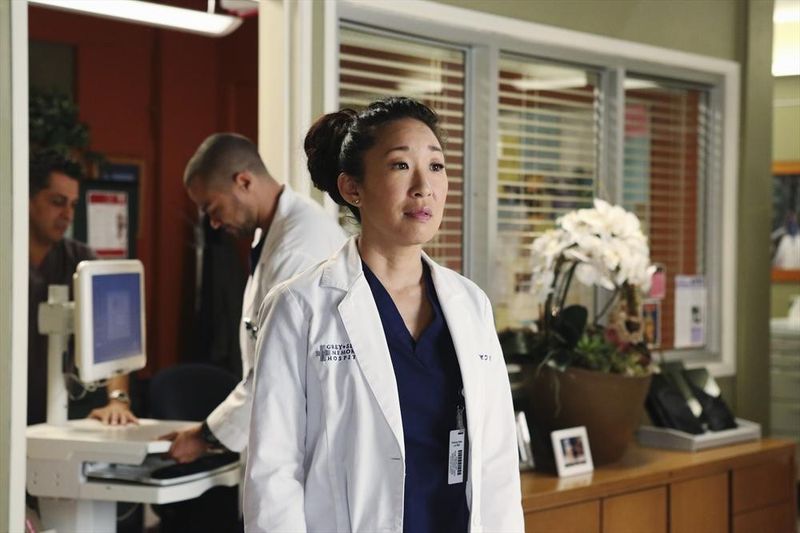
Sandra Oh’s portrayal of Cristina Yang gave Grey’s Anatomy its sharpest, most ambitious character.
Unapologetically career-focused and brilliantly talented, Cristina refused to soften her edges for anyone.
Her friendship with Meredith provided the show’s emotional core, often more compelling than any romantic storyline.
As Grey’s Anatomy stretched across decades, it recycled dramatic scenarios and lost much of its original spark.
Cristina’s consistent character development stood out against increasingly repetitive plots.
Her dedication to surgical excellence and refusal to compromise her dreams inspired countless viewers.
Oh brought intelligence and wit to every scene, making Cristina’s departure feel like losing the show’s heartbeat.
Her exit highlighted how exceptional her writing had been compared to later seasons.
Cristina Yang deserved a series as sharp as she was.
4. Chuck Bass — Gossip Girl
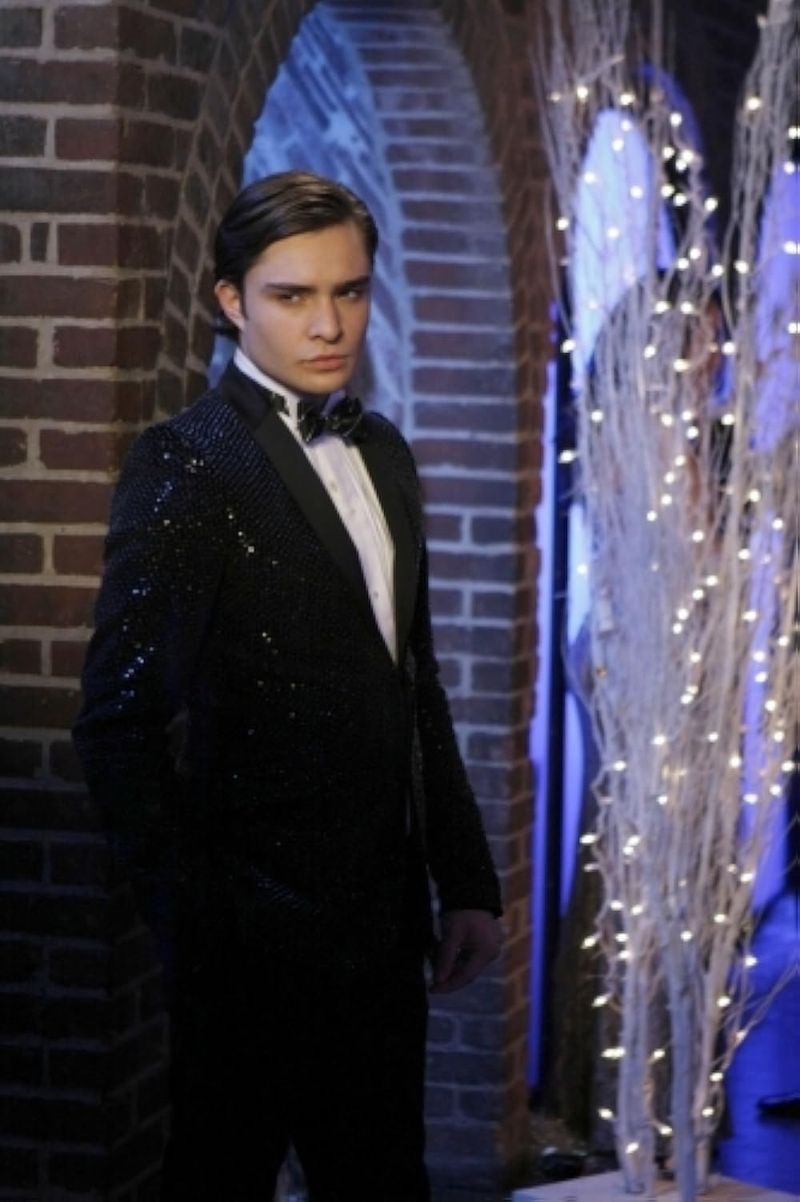
From privileged schemer to morally conflicted antihero, Chuck Bass’s journey on Gossip Girl showcased Ed Westwick’s range.
His turbulent relationship with his father and his all-consuming love for Blair brought surprising emotional depth.
Beneath the cunning plans and designer attire, Chuck was a young man longing for redemption.
Gossip Girl often prioritized style over substance, with shallow plots and repetitive relationship drama.
Chuck’s character arc, however, explored themes of identity, family trauma, and personal growth with surprising nuance.
His transformation felt earned despite the show’s frequently ridiculous storylines surrounding him.
The infamous “three words, eight letters” moment became iconic precisely because Chuck’s vulnerability contrasted sharply with the show’s typical superficiality.
His complexity made viewers invest emotionally even when plots became absurd.
Chuck deserved writing that matched his character’s potential throughout.
5. Villanelle — Killing Eve

Jodie Comer’s Villanelle burst onto screens as a psychopathic assassin with impeccable fashion sense and darkly comic charm.
Her obsessive cat-and-mouse dynamic with Eve created electric chemistry that defined the series.
Villanelle’s childlike enthusiasm for murder combined with genuine emotional vulnerability made her endlessly watchable.
Killing Eve’s first season showcased brilliant writing that gradually deteriorated in subsequent years.
The show lost narrative focus and momentum, yet Villanelle remained captivating through every meandering plot.
Comer’s performance brought depth to increasingly inconsistent characterization, salvaging scenes that otherwise fell flat.
Her flamboyant kills and designer wardrobe became cultural phenomena, overshadowing the show’s declining quality.
Villanelle’s complexity deserved the tight storytelling of season one throughout the entire series.
She remains television’s most fascinating assassin despite her show’s disappointing trajectory.
6. Klaus Mikaelson — The Vampire Diaries
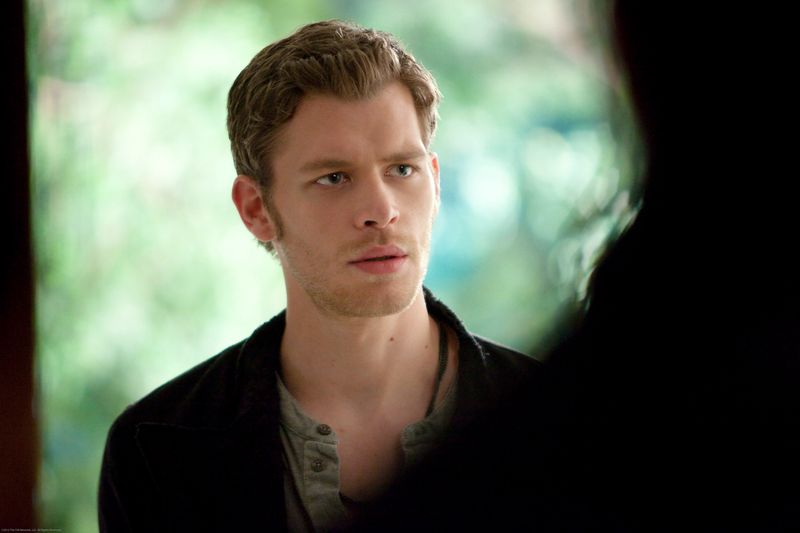
Centuries of anger and heartbreak seeped from every glance and growl of the Original hybrid, turning The Vampire Diaries into a darker, myth-laden world.
Beneath the layers of monstrous deeds, Klaus’s desperate love for his siblings and his craving for family made him hauntingly human.
The Vampire Diaries often recycled love triangles and repetitive villain-of-the-season arcs.
Klaus stood apart with his Shakespearean complexity and tragic backstory spanning a millennium.
His artistic nature and capacity for both cruelty and tenderness made him unpredictable and compelling.
Morgan’s nuanced performance earned Klaus his own spinoff, proving his superiority to the original show’s material.
His redemption journey explored themes of family and forgiveness with sophistication the parent series rarely achieved.
Klaus deserved better than being surrounded by teenage melodrama.
7. Daryl Dixon — The Walking Dead
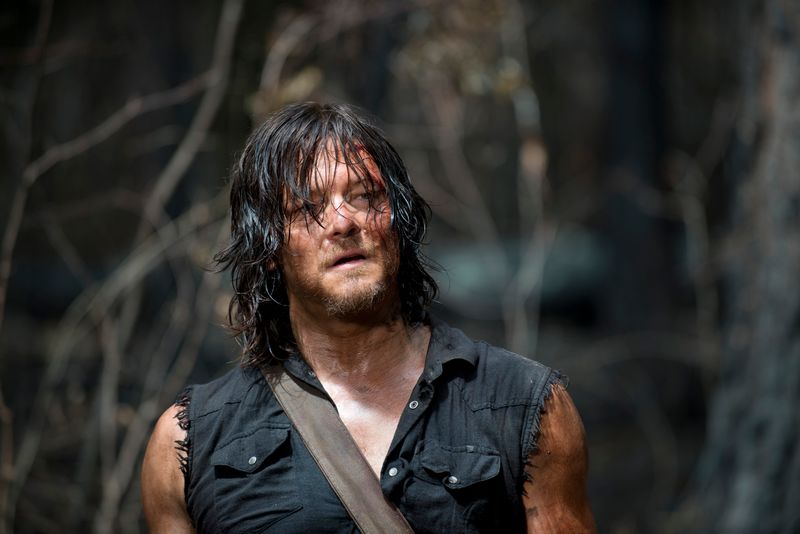
Norman Reedus created an icon with Daryl Dixon, a character who didn’t even exist in the original comic books.
Starting as a rough-edged redneck with anger issues, Daryl evolved into the group’s most reliable protector and moral compass.
His loyalty and survival skills made him indispensable, while his emotional growth provided surprising tenderness.
The Walking Dead dragged storylines endlessly and killed beloved characters for shock value rather than narrative purpose.
Daryl remained consistently well-developed throughout the show’s uneven quality.
His relationships, particularly with Carol and Rick, offered genuine emotional stakes when plots became repetitive.
Fans threatened to riot if Daryl ever died, recognizing his superiority to the increasingly stale zombie scenarios.
His character deserved tighter storytelling and less filler.
Daryl transcended his show to become a cultural phenomenon.
8. Betty Draper — Mad Men
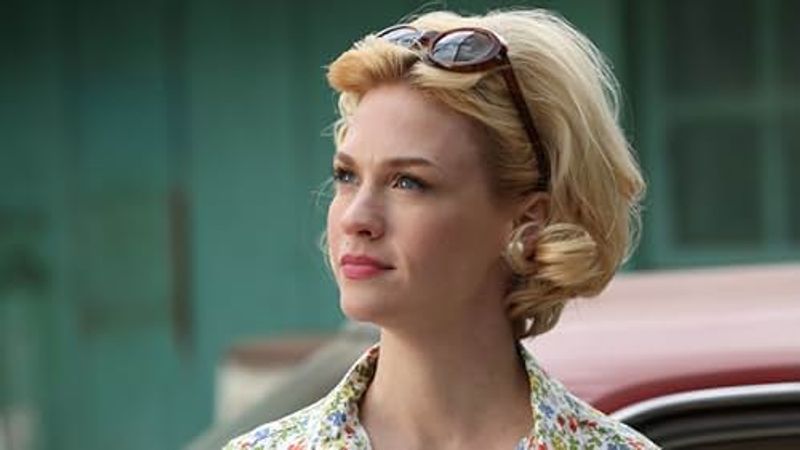
A picture of 1960s domestic perfection, Betty Draper wore her composure like armor, concealing a storm of dissatisfaction and resentment.
The pressures of her time shaped her fragility, while her moments of cruelty reminded viewers that her humanity was as messy as it was real.
Mad Men excelled at character work, but Betty’s writing stood out for its unflinching examination of feminine discontent.
While the show sometimes meandered through Don’s repetitive self-destruction, Betty’s journey from trophy wife to divorced woman finding independence felt consistently authentic.
Her complexity challenged viewers to understand rather than simply like her.
Jones brought vulnerability to Betty’s icy demeanor, revealing layers of disappointment and thwarted dreams.
Her tragic ending felt earned and devastating.
Betty deserved recognition as one of television’s most realistic portrayals of constrained womanhood.
9. Rue Bennett — Euphoria
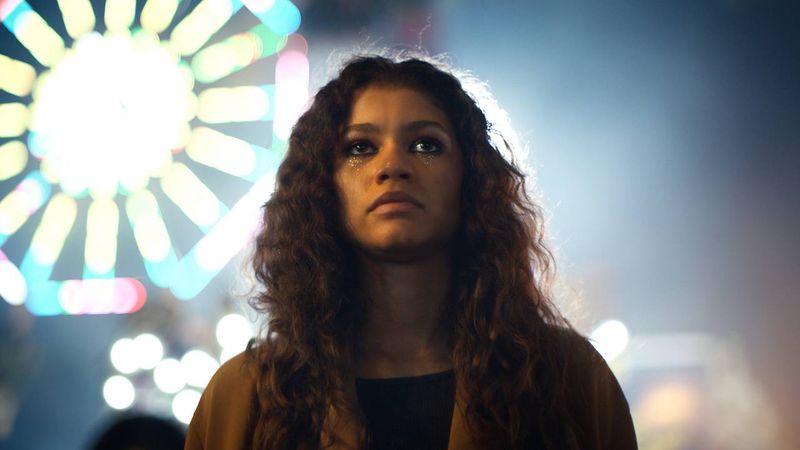
Zendaya’s Emmy-winning performance as Rue Bennett brought raw authenticity to addiction rarely seen on television.
Rue’s narration provided darkly humorous commentary while her struggles depicted the devastating reality of substance abuse.
Her relationship with Jules captured the intensity and codependency of young love intertwined with self-destruction.
Euphoria frequently prioritized shocking visuals and controversial content over coherent storytelling.
The show’s second season particularly lost narrative focus, yet Rue’s arc remained powerfully grounded.
Her intervention episode showcased acting and writing that transcended the series’ stylistic excess.
Zendaya brought vulnerability and desperation to every scene, making Rue’s pain palpable and her small victories meaningful.
Her character deserved more consistent storytelling rather than being surrounded by increasingly convoluted subplots.
Rue’s journey stands as Euphoria’s greatest achievement.
10. Ragnar Lothbrok — Vikings
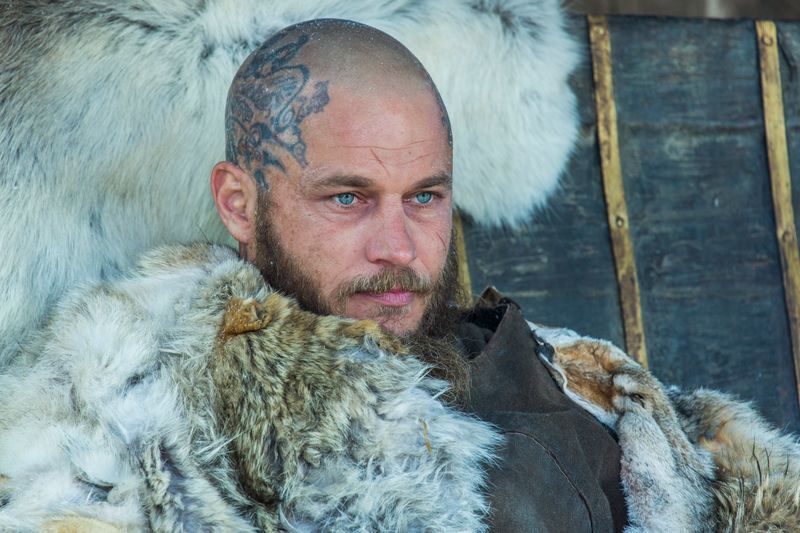
Under the armor and battle scars of a legendary Norse hero beat the heart of a thinker and adventurer.
Ragnar Lothbrok’s daring challenges to tradition, insatiable curiosity, and tactical brilliance made him far more than an action hero—he became television’s most compelling warrior.
Vikings delivered spectacular battle sequences but often struggled with pacing and historical accuracy.
Ragnar’s character remained consistently engaging through his ambition, complex family dynamics, and eventual disillusionment with fame.
His relationships with his wives and sons provided emotional depth the show sometimes lacked elsewhere.
Fimmel’s departure left a noticeable void, proving how essential Ragnar was to the series’ success.
His evolution from farmer to king to broken legend deserved tighter narrative structure.
Ragnar’s magnetic presence overshadowed Vikings’ occasional storytelling weaknesses.
11. Misty Quigley — Yellowjackets
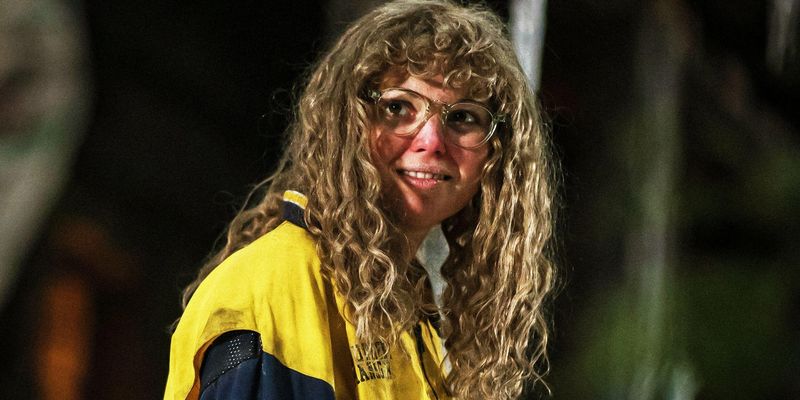
Christina Ricci and Samantha Hanratty portray Misty Quigley across timelines as a deeply unsettling character whose desperate need for belonging drives horrifying actions.
As the team’s equipment manager turned wilderness medic, Misty’s competence masks her dangerous obsession with being needed.
Her cheerful demeanor contrasts chillingly with her capacity for manipulation and violence.
Yellowjackets sometimes gets lost in its own mystery box storytelling and uneven pacing.
Misty remains consistently fascinating in both timelines, her character work sharp and psychologically complex.
Her adult self’s true crime podcast obsession and awkward social interactions make her simultaneously pathetic and terrifying.
Both actresses bring disturbing charm to a character who could easily become cartoonish.
Misty’s moral compass spins wildly, yet her motivations stay grounded in recognizable human needs.
She deserves more focused storytelling around her exceptional characterization.
12. Klaus Hargreeves — The Umbrella Academy
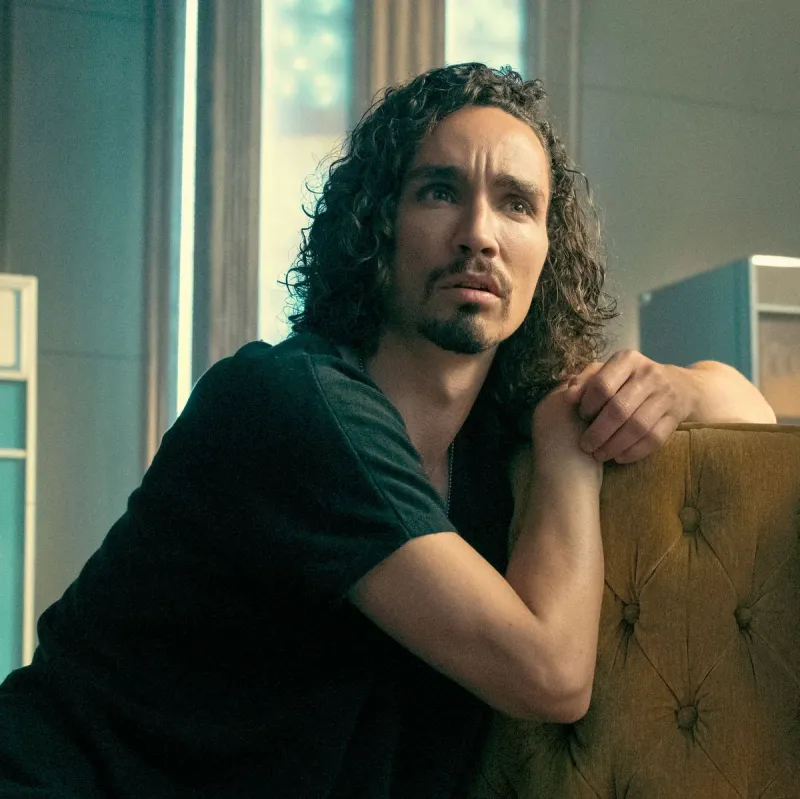
Every scene pulses with energy when Klaus Hargreeves appears, a medium whose humor and flamboyance conceal the weight of his trauma.
His path from self-sabotage to reluctant heroism mixes heartbreak, growth, and comedic brilliance in equal measure.
The Umbrella Academy struggles with tonal consistency and often cluttered plotlines involving timeline changes.
Klaus remains the show’s brightest spot, his character writing balancing comedy and tragedy with impressive skill.
His relationship with his deceased brother Ben and romance with Dave offer touching moments of vulnerability.
Sheehan brings charisma and depth to a character who could easily become one-note comic relief.
Klaus’s immortality subplot and evolving powers deserved more exploration than the show’s chaotic narrative allowed.
He outshines the superhero chaos surrounding him.
13. Kim Wexler — Better Call Saul
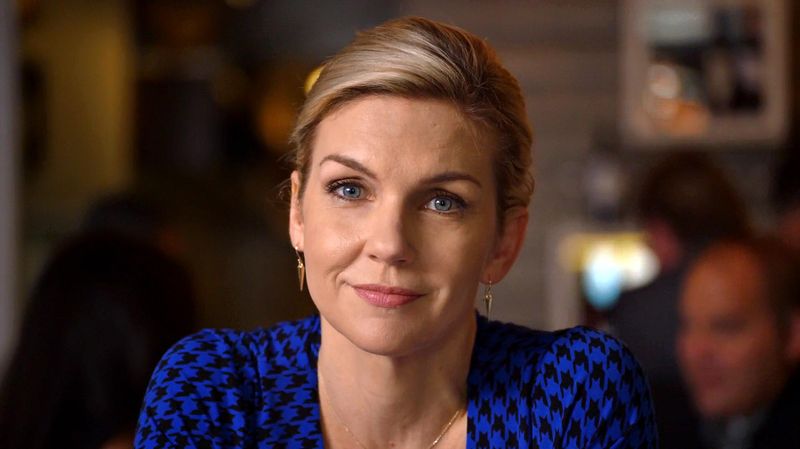
Rhea Seehorn created television’s most compelling moral descent with Kim Wexler, the ambitious lawyer whose love for Jimmy McGill leads her down an increasingly dark path.
Kim’s intelligence and ethical struggles made her endlessly fascinating.
Her transformation from straight-laced attorney to enthusiastic con artist felt both shocking and inevitable.
Better Call Saul was itself brilliantly written, yet Kim’s character work stood out even in that exceptional context.
Her agency and complexity surpassed typical girlfriend roles, making her Jimmy’s equal and eventual corruptor.
The show sometimes moved slowly, but Kim’s scenes crackled with tension and psychological depth.
Seehorn’s nuanced performance deserved Emmy recognition that criminally never came.
Kim’s final choices and their consequences provided the series’ most devastating moments.
She proved that even in excellent shows, one character can shine brightest.
14. Hiram Lodge — Riverdale
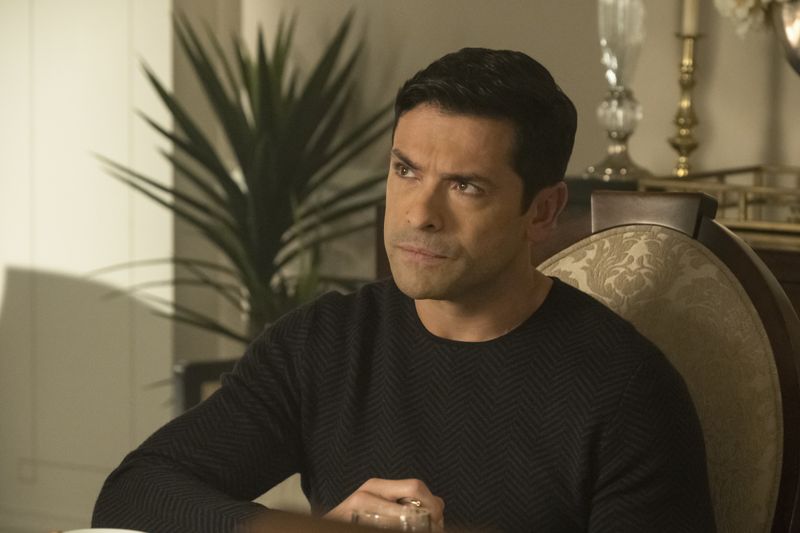
A shadow of charm and menace, Hiram Lodge loomed over Riverdale, his criminal empire and cunning schemes shaping the town’s every crisis.
Beneath his ruthless ambitions, a complicated bond with his daughter Veronica added layers of tension and unexpected vulnerability.
Riverdale became notorious for absurd plots involving cults, superpowers, and parallel universes that defied all logic.
Hiram remained grounded and threatening even when surrounded by complete narrative chaos.
His motivations stayed consistent when nothing else in the show made sense.
Consuelos played the character with seriousness that elevated ridiculous material.
Hiram’s presence commanded attention and provided stakes in a show that increasingly abandoned reality.
He deserved to manipulate and scheme in a series that respected basic storytelling principles.
His wasted potential remains Riverdale’s greatest tragedy.
15. Bree van de Kamp — Desperate Housewives
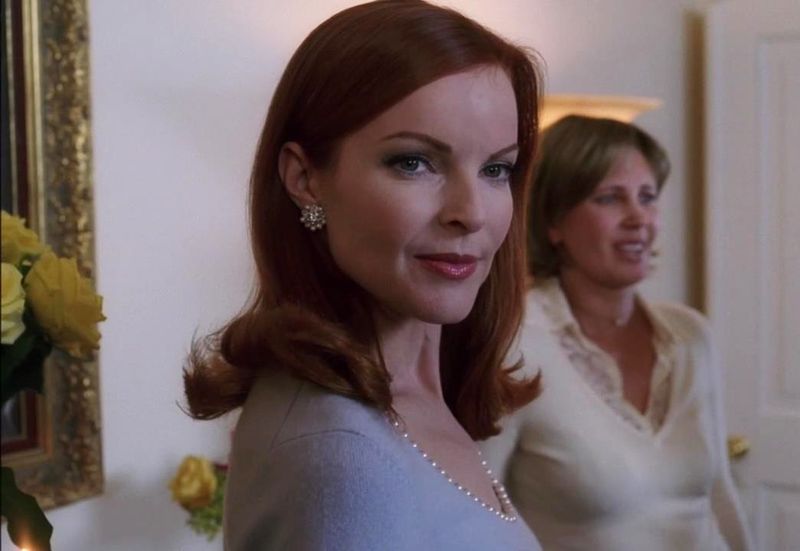
Marcia Cross portrayed Bree van de Kamp as the embodiment of suburban perfection hiding deep dysfunction beneath her impeccable surface.
Her obsessive need for control and propriety created both comedy and tragedy.
Bree’s journey through alcoholism, family crisis, and eventual self-acceptance provided rich character development.
Desperate Housewives relied heavily on melodrama and occasionally ridiculous mystery plots.
Bree’s storylines consistently offered more substance, exploring themes of identity and the cost of maintaining appearances.
Her Republican values and traditional femininity were examined with surprising nuance rather than simple mockery.
Cross brought vulnerability to Bree’s rigid exterior, making her sympathetic despite her flaws.
Her character’s complexity surpassed the show’s soapy tendencies.
Bree deserved writing as polished and carefully crafted as her perfectly decorated home throughout the entire series.
Comments
Loading…