
 Mary Murphy
15 Steven Spielberg Movies That Defined Blockbuster Entertainment
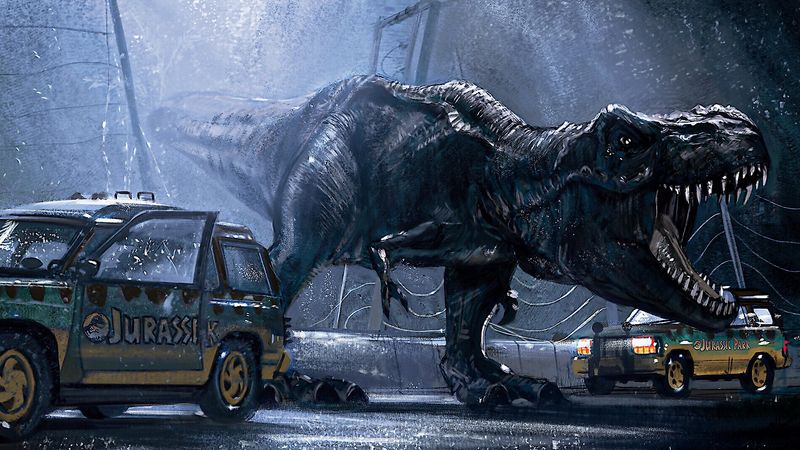
Few filmmakers have shaped the way we experience movies quite like Steven Spielberg.
From terrifying sharks to friendly aliens, his films have thrilled audiences for over five decades.
He has a rare talent for blending heart-pounding action with genuine emotion, making stories that stick with you long after the credits roll.
Whether you grew up watching his classics or are just discovering them now, these 15 films show exactly why Spielberg remains one of the greatest directors of all time.
1. Raiders of the Lost Ark (1981)
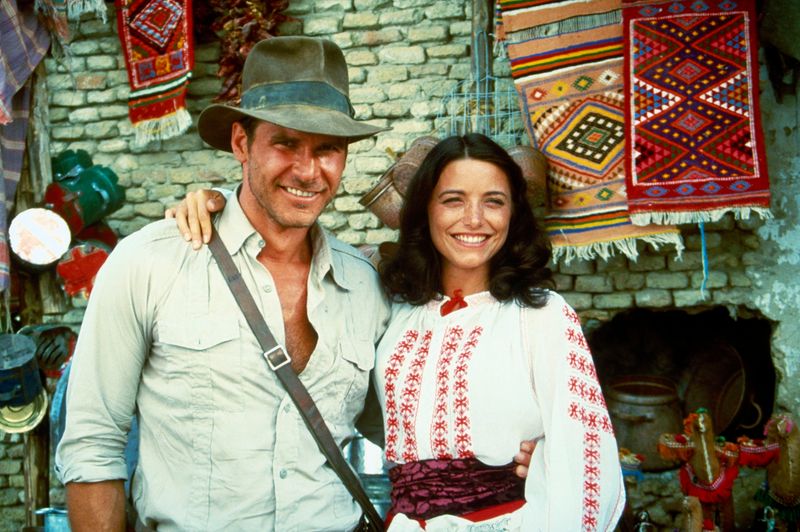
Before superhero movies took over multiplexes, Indiana Jones set the gold standard for action-adventure cinema.
Harrison Ford’s globe-trotting archaeologist brought charisma, wit, and toughness to every frame of this non-stop thrill ride.
From rolling boulders to snake-filled pits, the set pieces here feel fresh even today.
Sharp humor keeps the tension from becoming overwhelming, while the story moves at a pace that never lets you catch your breath.
Spielberg reportedly completed the film ahead of schedule and under budget, a remarkable feat for such an ambitious production.
Raiders proved that blockbuster entertainment could also be smart, stylish, and genuinely fun.
2. Jurassic Park (1993)
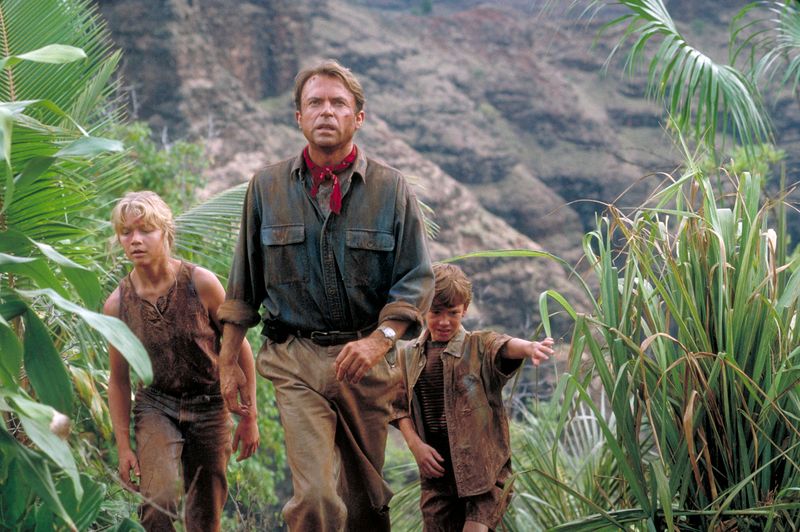
Imagine sitting in a dark theater in 1993 and watching a living, breathing dinosaur appear on screen for the very first time.
That collective gasp from audiences worldwide was the sound of cinema changing forever.
Spielberg combined groundbreaking visual effects with perfectly paced storytelling, making sure the wonder never overshadowed the danger.
Characters feel real, stakes feel genuine, and every dinosaur encounter lands with maximum impact.
The film still holds up remarkably well, proof that great direction and strong fundamentals outlast any technological era.
Jurassic Park is not just a special effects showcase but a masterfully constructed adventure movie.
3. Jaws (1975)
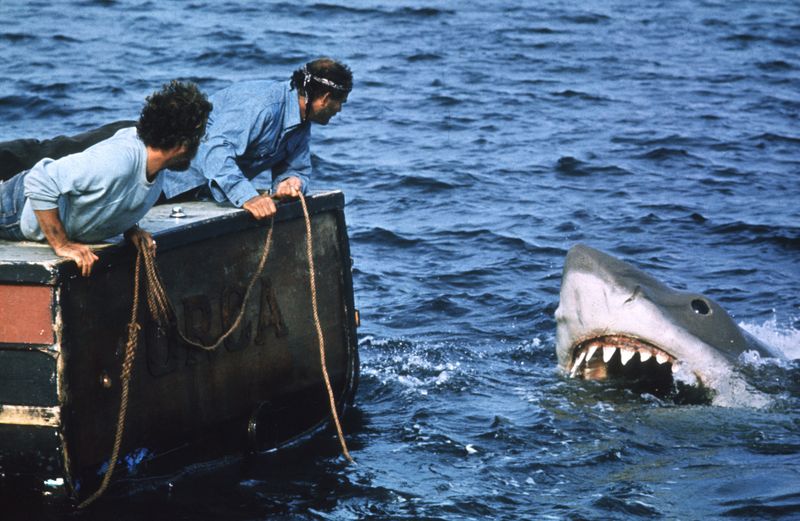
Before Jaws, nobody thought a movie about a shark could terrify millions of people and change the entire Hollywood business model.
Spielberg was only 28 years old when he turned a mechanical shark that barely worked into one of cinema’s greatest threats.
The genius here is restraint.
By hiding the shark for most of the film, Spielberg let audience imagination do the heavy lifting.
John Williams’s two-note theme remains one of the most recognizable pieces of music ever composed.
Jaws invented the summer blockbuster concept and proved that suspense, character, and atmosphere are far more powerful than simply showing the monster on screen.
4. E.T. the Extra-Terrestrial (1982)
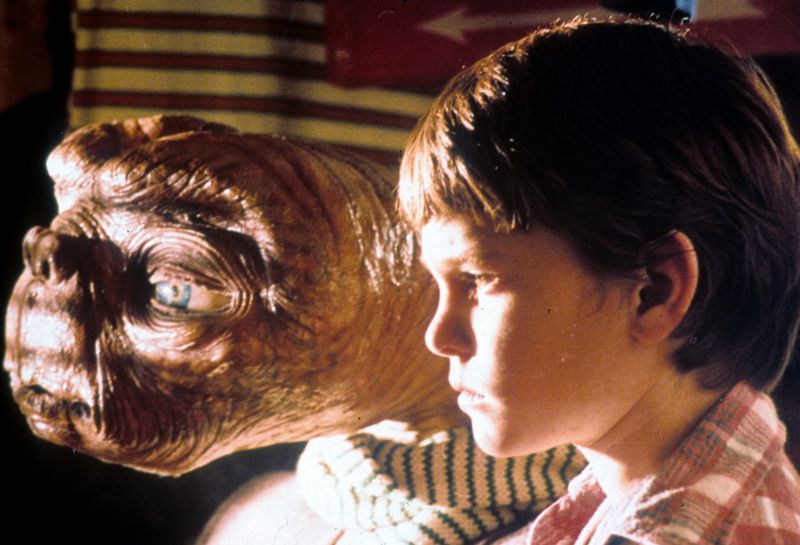
There is a reason grown adults still tear up watching a small alien say goodbye to his best friend.
E.T. taps into something universal about loneliness, belonging, and the friendships that define childhood.
Spielberg filmed much of the movie from a child’s eye level, a deliberate choice that puts audiences inside the experience rather than watching from a distance.
Every emotion feels earned, never manipulated.
The bicycle-across-the-moon image became one of cinema’s most iconic shots almost instantly.
E.T. remains a reminder that science fiction at its best is really about human connection, told through the eyes of those who still believe in magic.
5. Indiana Jones and the Last Crusade (1989)
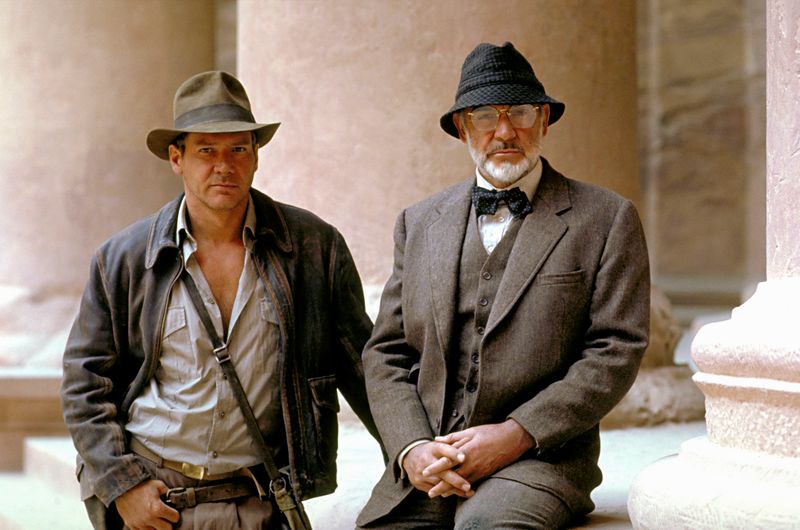
Casting Sean Connery as Indiana Jones’s father was a stroke of absolute genius.
The playful bickering between Connery and Harrison Ford gave this third installment a warmth and comedic energy that elevated it above a simple action sequel.
Clever puzzles, breathtaking escape sequences, and a villain-filled finale all deliver the adventure goods fans expected.
But the real heart of the film is a father-son relationship that sneaks up on you with genuine emotional weight.
Connery was only 12 years older than Ford in real life, making their chemistry even more impressive.
Last Crusade remains many fans’ favorite entry in the entire Indiana Jones series.
6. Minority Report (2002)
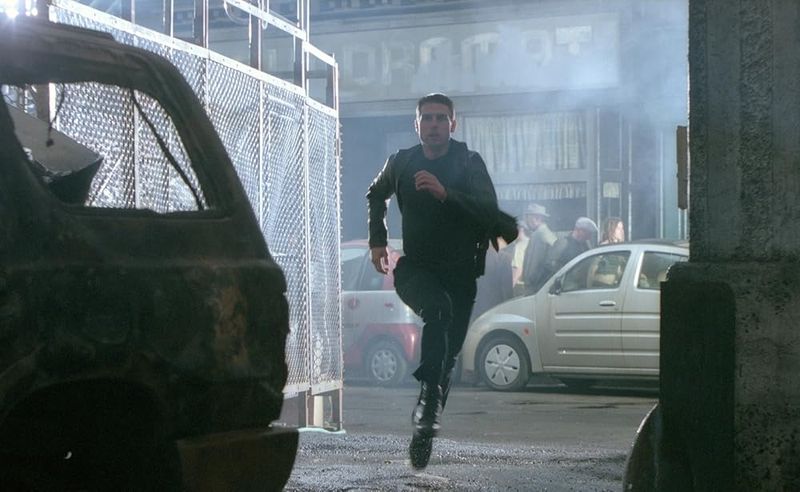
What if you could be arrested for a crime you have not committed yet?
That unsettling question powers Minority Report from its gripping opening scene straight through to its twisty conclusion.
Tom Cruise delivers one of his most committed performances as a Pre-Crime officer forced to question the very system he built his life around.
The futuristic world Spielberg creates feels eerily plausible, full of personalized advertisements and surveillance technology that looks less like science fiction every year.
Fast-paced action sequences sit alongside genuinely thought-provoking ideas about free will and justice.
Minority Report proves Spielberg can craft intelligent, high-concept thrillers just as effectively as crowd-pleasing adventures.
7. The Adventures of Tintin (2011)
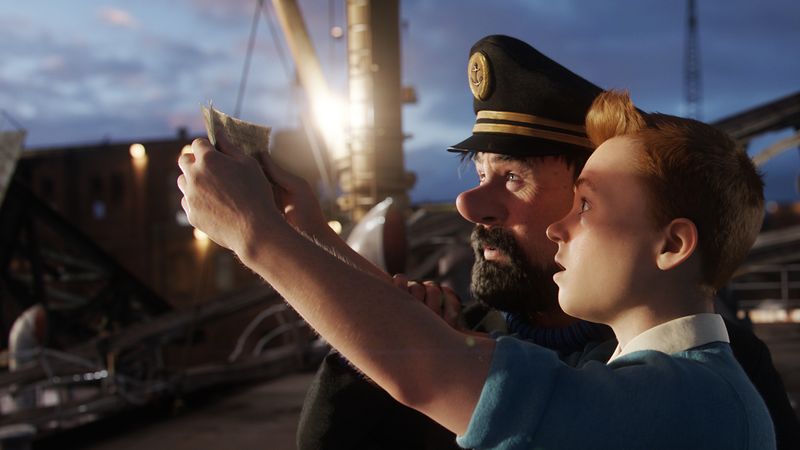
Motion-capture animation had never been used quite so boldly before Spielberg brought Tintin to life.
Every frame bursts with kinetic energy, as if the director was finally free from the constraints of live-action physics.
The film’s centerpiece sequence, a single unbroken chase through a Moroccan city, is a jaw-dropping piece of filmmaking that flows from motorcycles to tanks to a crashing plane without ever cutting away.
It is pure visual storytelling at its most inventive.
Younger audiences unfamiliar with the beloved Belgian comic books discovered a whip-smart treasure hunt packed with humor and heart.
Tintin shows that animation in Spielberg’s hands becomes something genuinely extraordinary.
8. Catch Me If You Can (2002)
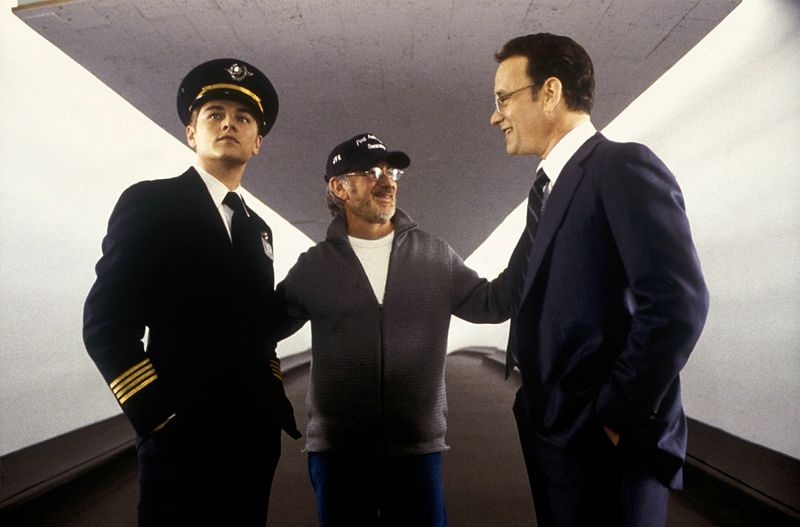
Leonardo DiCaprio plays real-life con artist Frank Abagnale Jr. with such magnetic charm that you find yourself rooting for someone who is technically breaking the law on every page of the script.
Tom Hanks matches him beat for beat as the FBI agent who becomes oddly fond of his elusive target.
Their cat-and-mouse dynamic gives the film an unexpected warmth beneath all the stylish deception.
Set against a swinging 1960s backdrop with a gorgeous John Williams jazz score, the movie glides along effortlessly.
Spielberg delivers a breezy, clever caper that proves not every great film needs explosions to keep audiences completely hooked.
9. The Lost World: Jurassic Park (1997)
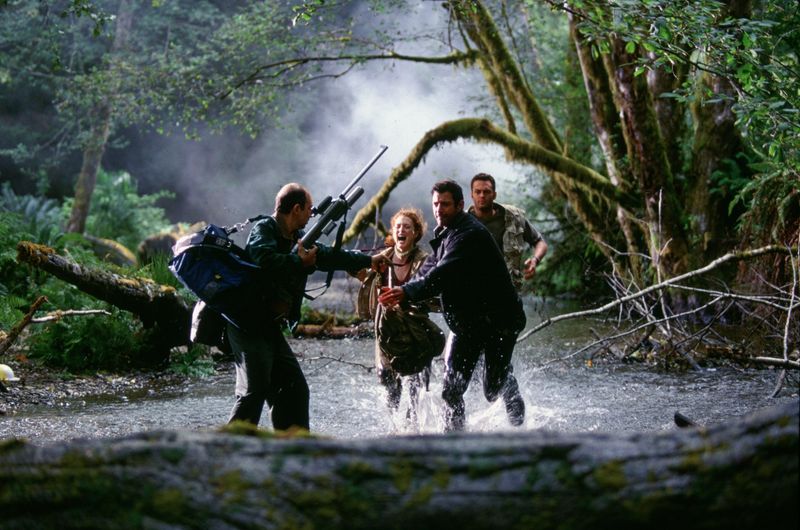
Bigger, louder, and considerably messier than its predecessor, The Lost World commits fully to delivering maximum dinosaur chaos.
Spielberg leans into spectacle here, and the results are genuinely thrilling for anyone who just wants to watch prehistoric creatures tear things apart.
Jeff Goldblum returns as the wisecracking Dr. Malcolm, providing the film with its comedic backbone amid all the carnage.
The San Diego sequence, where a T-Rex wanders through suburban streets, is gloriously absurd blockbuster filmmaking.
Critics were divided, but audiences worldwide embraced the sequel enthusiastically.
Sometimes a movie does not need to reinvent the wheel to deliver a thoroughly entertaining ride worth every popcorn-filled minute.
10. Indiana Jones and the Temple of Doom (1984)
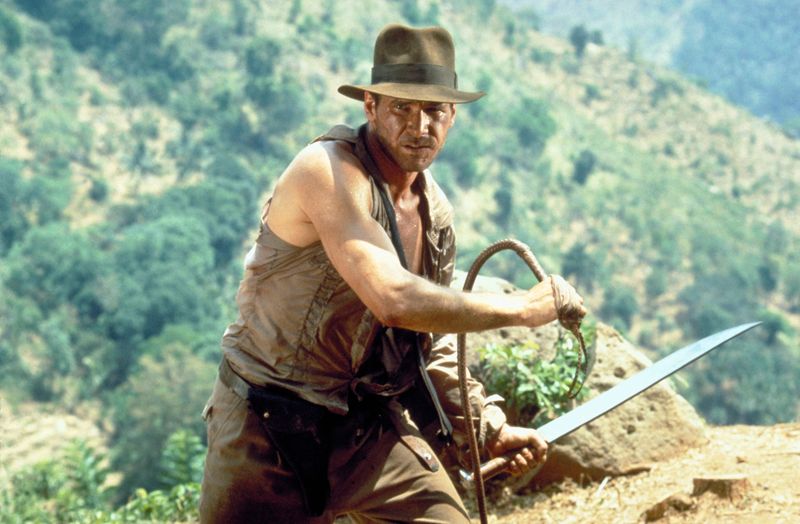
Darker, stranger, and more intense than Raiders, Temple of Doom took audiences somewhere genuinely uncomfortable and dared them to keep watching.
Released just one year after the comparatively cheerful Return of the Jedi, it caught many viewers completely off guard.
The film’s relentless pacing barely allows a breath between set pieces, from the opening nightclub sequence to the unforgettable mine cart chase.
Exotic locations and elaborate underground temple sets give the adventure a visually rich, almost nightmarish quality.
Temple of Doom was so intense it actually helped create the PG-13 rating in America.
That alone tells you everything about just how fearlessly Spielberg pushed blockbuster entertainment into darker territory.
11. Close Encounters of the Third Kind (1977)
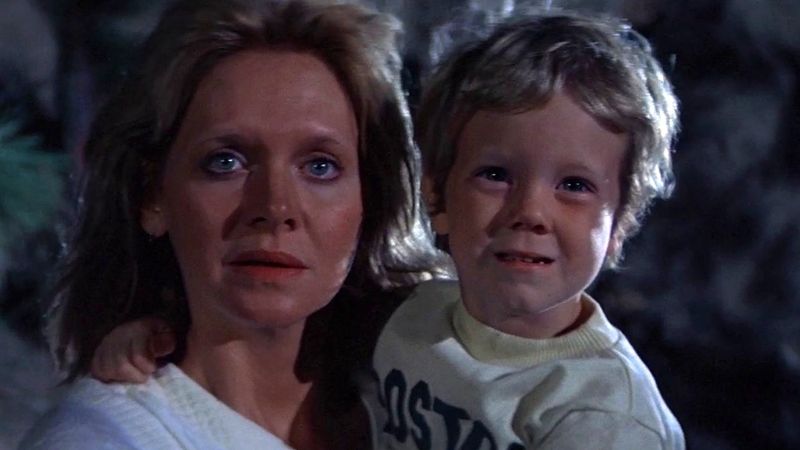
Long before alien invasions became standard Hollywood destruction spectacles, Spielberg imagined first contact as something genuinely awe-inspiring rather than terrifying.
Close Encounters treats the unknown with curiosity and wonder rather than fear.
Richard Dreyfuss plays an ordinary man obsessively drawn toward something he cannot explain, a relatable emotional anchor for one of cinema’s most ambitious ideas.
The five-note musical motif used to communicate with the aliens is both simple and profoundly moving.
The final sequence at Devils Tower remains one of cinema’s most breathtaking climaxes, a dazzling light show that feels earned after two hours of careful buildup.
Spielberg was only 30 when he made this masterpiece.
12. Saving Private Ryan (1998)
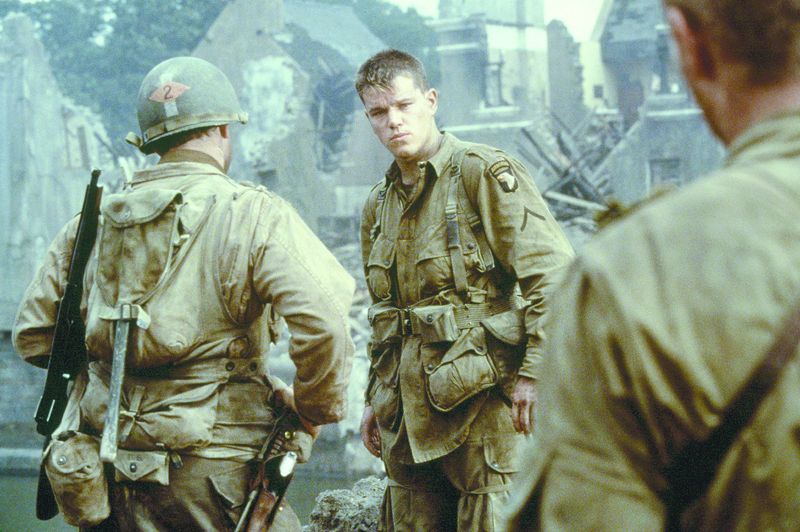
The first 27 minutes of Saving Private Ryan changed war movies permanently.
Spielberg’s unflinching recreation of the Normandy landings hit audiences with such visceral force that veterans reportedly wept in theaters, recognizing something true on screen for the first time.
Tom Hanks anchors the emotional journey with a restrained, deeply human performance as a captain struggling to hold his squad together.
Every soldier feels like a real person rather than a plot device.
Beyond its technical achievements, the film poses a genuine moral question: what is one life worth?
Saving Private Ryan earned Spielberg his second Academy Award and stands as one of cinema’s most important war films.
13. War of the Worlds (2005)
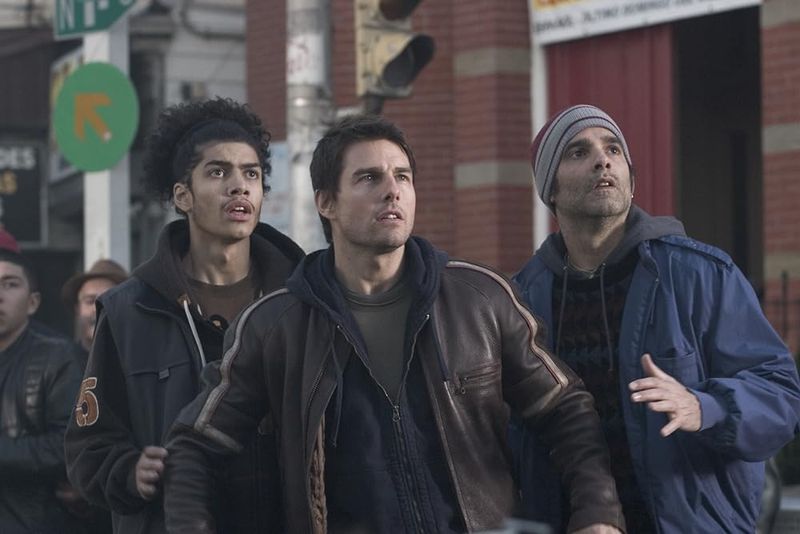
Released just four years after September 11, War of the Worlds hit differently than any previous alien invasion movie.
The imagery of ordinary people running from unstoppable destruction carried a weight that audiences felt in their bones.
Tom Cruise plays not a hero but a frightened, flawed father simply trying to keep his children alive.
That ground-level perspective transforms an enormous spectacle into something surprisingly intimate and genuinely unsettling.
Spielberg never lets the large-scale destruction overwhelm the human story at its center.
The film moves at a relentless pace, rarely pausing for explanation.
War of the Worlds is blockbuster filmmaking that trusts its audience to feel rather than just watch.
14. Lincoln (2012)
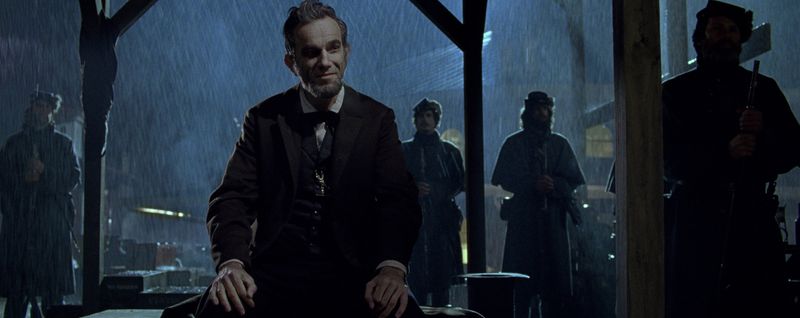
Political maneuvering rarely makes for gripping cinema, yet Spielberg somehow turned the behind-the-scenes passage of the 13th Amendment into a nail-biting drama.
The outcome is already known, yet the tension never lets up for a single scene.
Daniel Day-Lewis disappears so completely into Abraham Lincoln that watching the film feels less like watching an actor and more like observing history.
His quiet authority in every scene is simply extraordinary.
Tony Kushner’s sharp screenplay treats audiences as intelligent adults capable of following complex political strategy.
Lincoln demonstrates that Spielberg’s range extends far beyond adventure and spectacle, making this one of his most quietly powerful and underrated achievements.
15. Munich (2005)
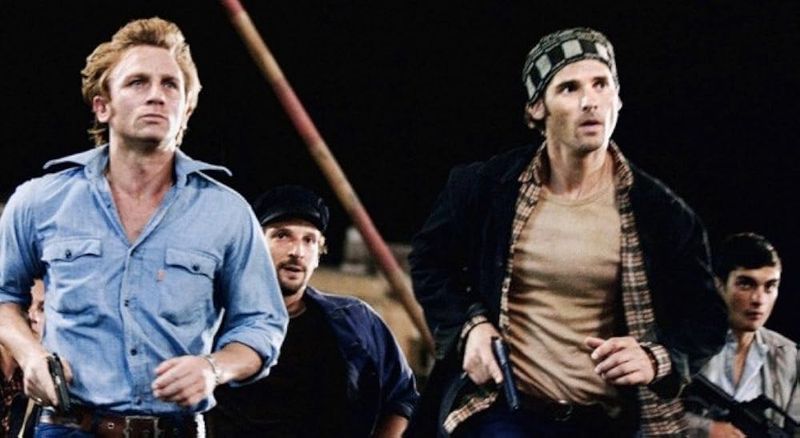
Munich is the kind of film that stays with you long after it ends, raising questions that have no comfortable answers.
Based on the true story of Israel’s response to the 1972 Olympic massacre, it explores the moral cost of vengeance with unflinching honesty.
Eric Bana delivers a career-best performance as a Mossad agent who begins his mission with certainty and ends it haunted by doubt.
Spielberg refuses to offer easy resolutions, letting the moral ambiguity sit uncomfortably with viewers.
Tightly constructed suspense sequences keep the film gripping throughout its two-and-a-half-hour runtime.
Munich proves Spielberg at his most mature, trading crowd-pleasing spectacle for something far more challenging and ultimately more meaningful.
Comments
Loading…