
 Jade Reed
15 Slice-of-Life Anime With Writing That Hits Different
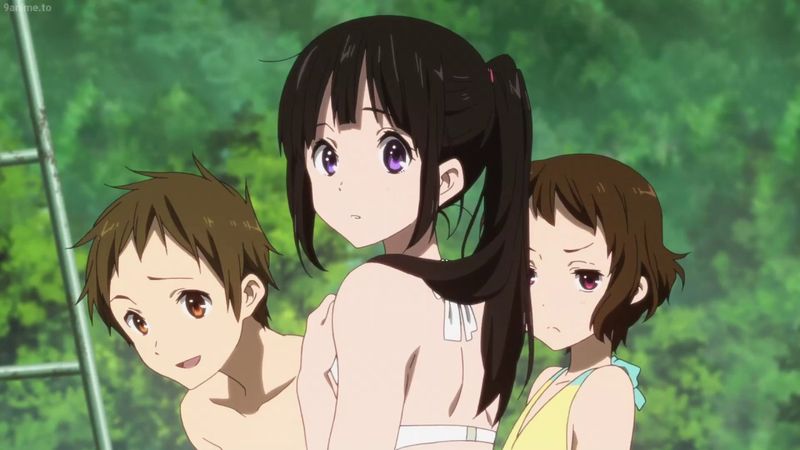
Some anime don’t need epic battles or supernatural powers to leave a mark on you — they just need honest, human storytelling. Slice-of-life anime has a quiet superpower: it takes ordinary moments and makes them feel deeply meaningful.
The shows on this list go beyond pretty animation and catchy openings; their writing is so good it can make you laugh, cry, and rethink your own life all in one episode. If you’ve ever wanted anime that feels real, this list is exactly where to start.
1. Clannad: After Story
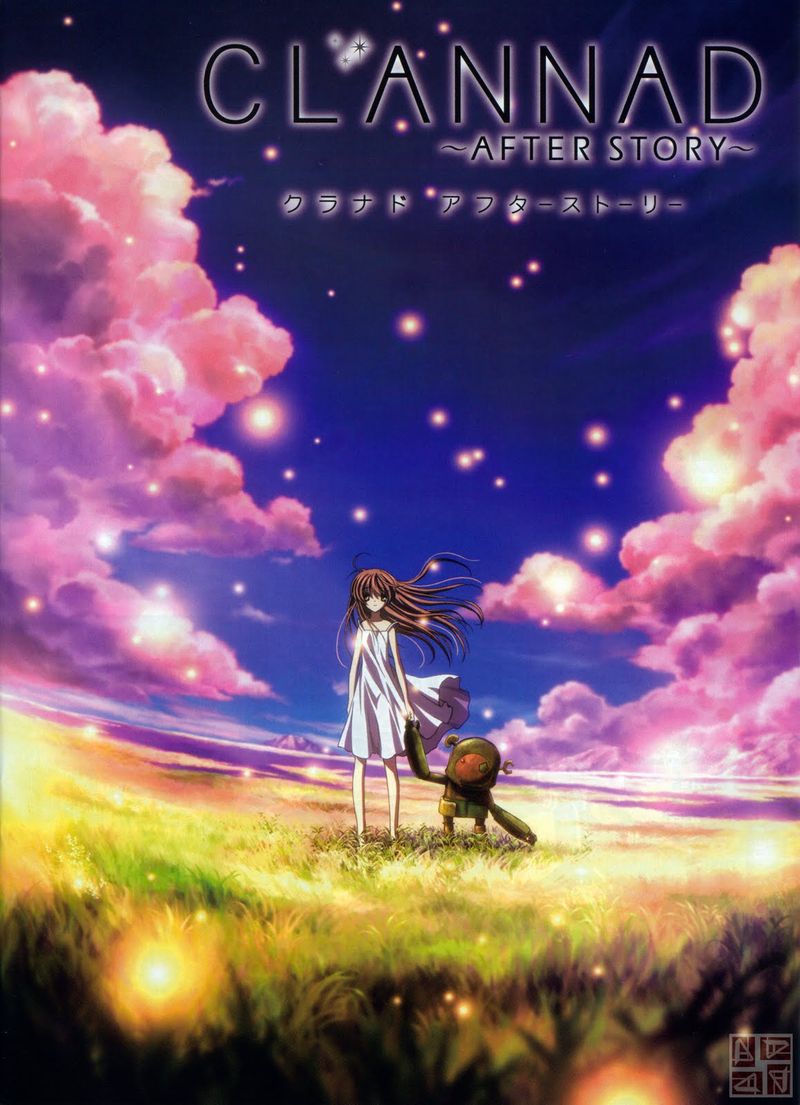
Few anime have made grown adults ugly-cry the way Clannad: After Story has.
This sequel to Clannad follows Tomoya Okazaki as he steps out of high school and into the messy, beautiful chaos of adult life — marriage, fatherhood, loss, and everything in between.
The writing doesn’t sugarcoat anything.
It lets characters fail, grieve, and slowly find their way back to hope.
Every emotional punch feels earned because the show takes its time building real relationships.
Clannad: After Story is one of those rare experiences where fiction genuinely teaches you something about what it means to be alive.
2. March Comes in Like a Lion
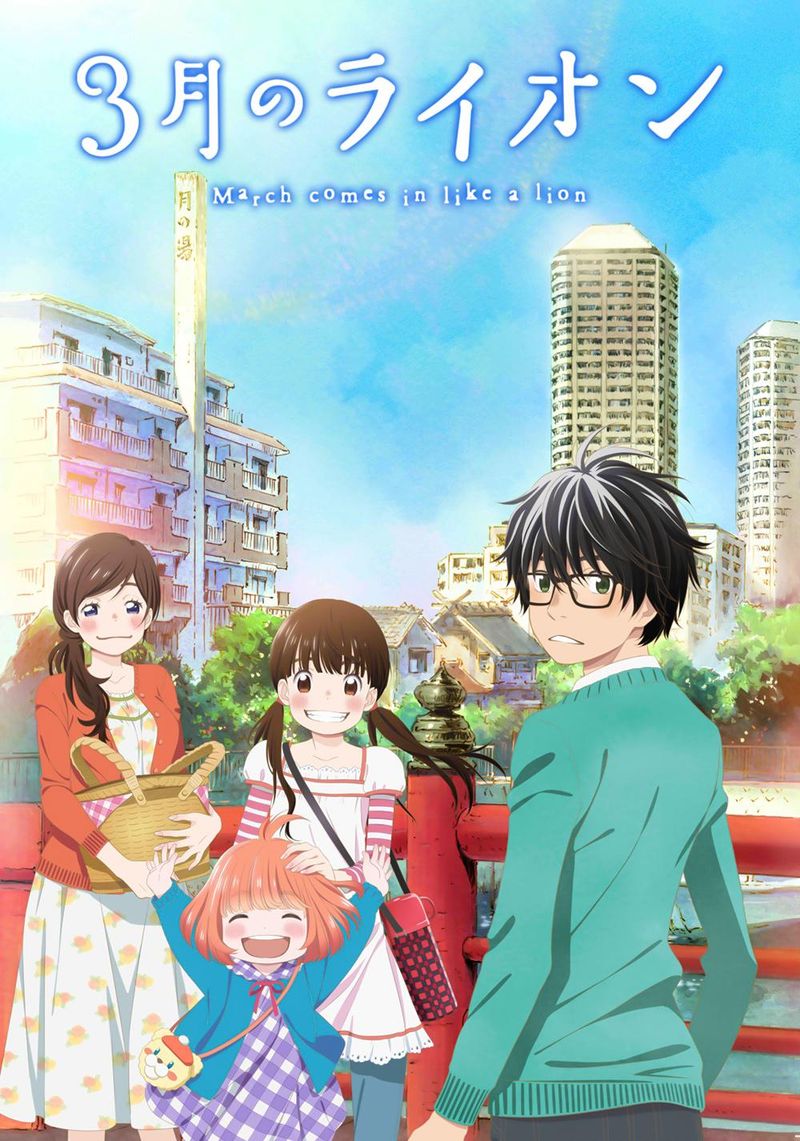
Loneliness has never been illustrated so beautifully on screen.
March Comes in Like a Lion follows Rei Kiriyama, a teenage professional shogi player who lives by himself and struggles with deep depression and isolation.
What makes the writing extraordinary is how it balances crushing sadness with unexpected warmth — mostly through the Kawamoto sisters, a quirky family who slowly pull Rei back into the world.
The metaphors used to describe Rei’s mental state are poetic without being pretentious.
Studio Shaft’s visual storytelling pairs perfectly with the script, making this one of the most emotionally intelligent anime ever produced.
3. Anohana: The Flower We Saw That Day
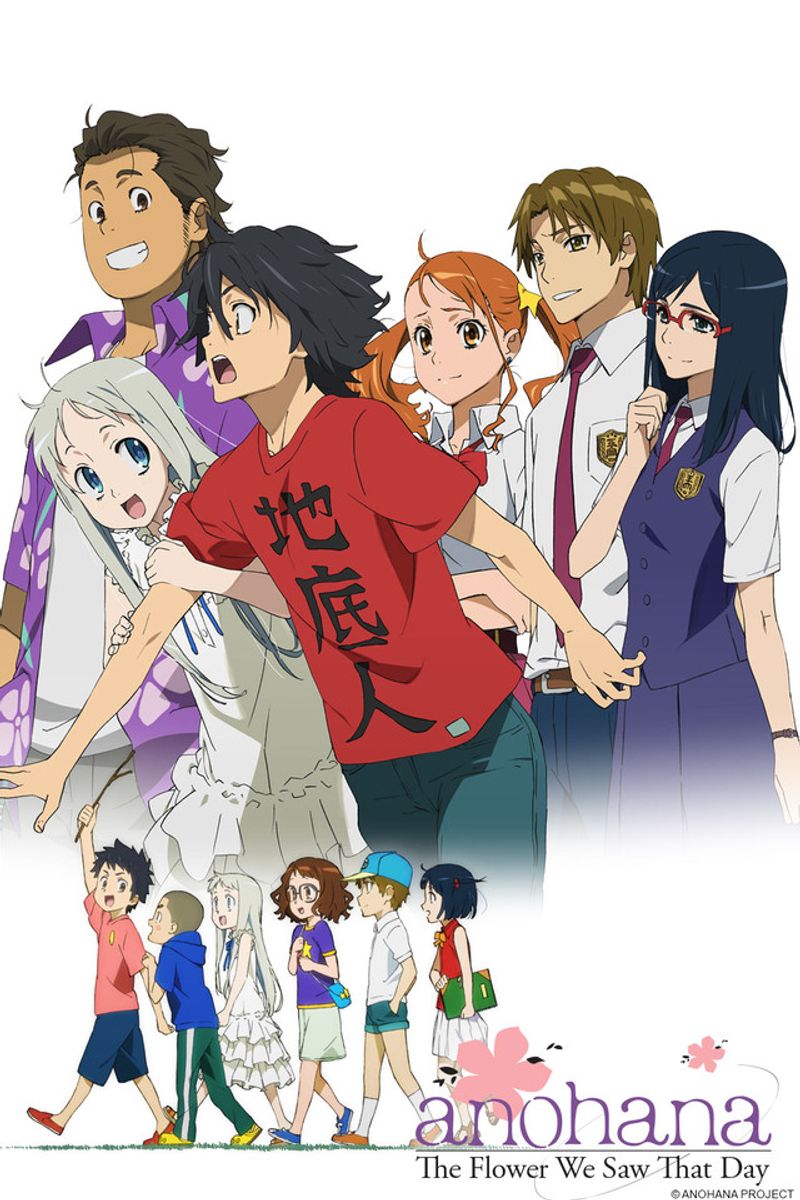
Childhood friendships that fall apart after tragedy — that’s the emotional core of Anohana.
The story begins when Jinta, a reclusive teenager, suddenly sees the ghost of his childhood friend Menma, who died years ago.
What the writing does brilliantly is show how grief affects everyone differently.
Each character in the old friend group has carried guilt and sadness in completely unique ways, and watching those walls come down is both painful and cathartic.
Anohana packs an enormous emotional journey into just eleven episodes.
By the finale, you’ll probably need a box of tissues and a few minutes of silence.
4. Your Lie in April
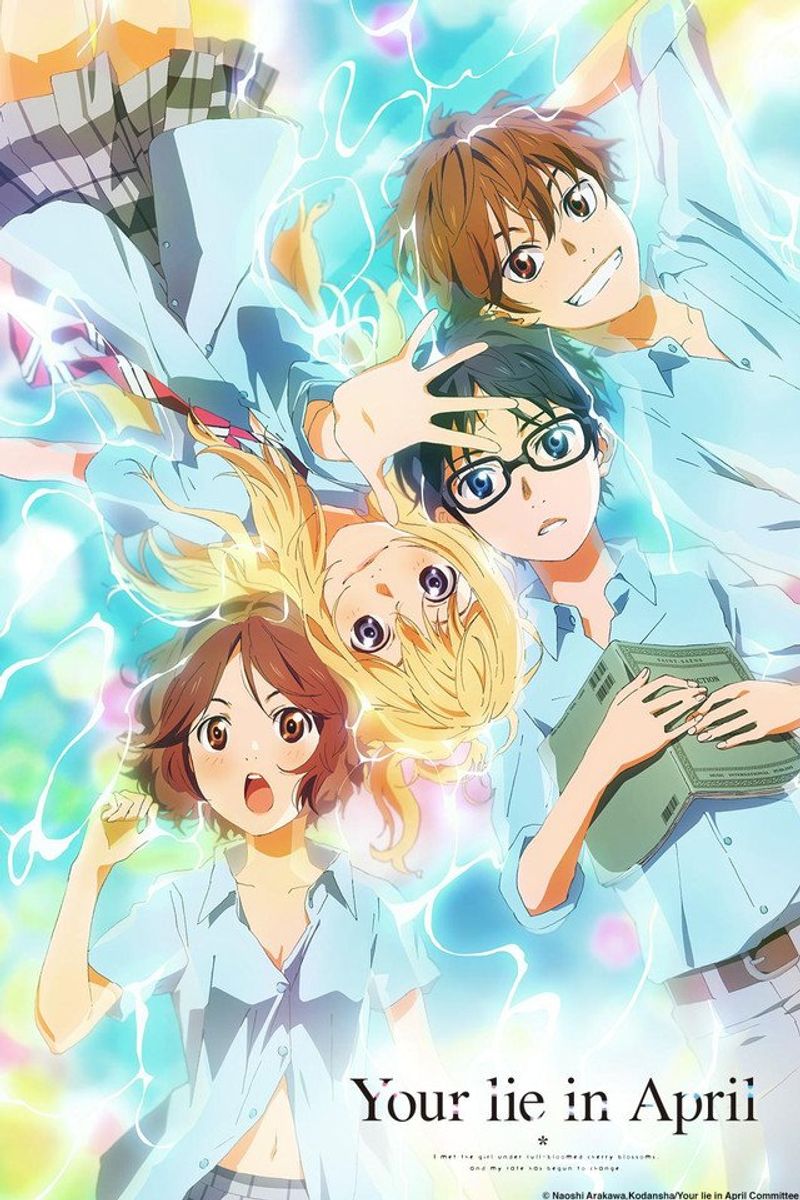
Music and heartbreak go hand in hand in Your Lie in April.
Kousei Arima was a piano prodigy who stopped hearing his own playing after his mother’s death — until a free-spirited violinist named Kaori crashes into his gray world.
The writing is lush and poetic, using classical music as a language for emotions the characters can’t say out loud.
Every performance scene feels like a conversation between two souls.
Fair warning: the ending will absolutely wreck you.
But that’s exactly what great storytelling does — it makes you feel something so big that you can’t just walk away unchanged.
5. Barakamon
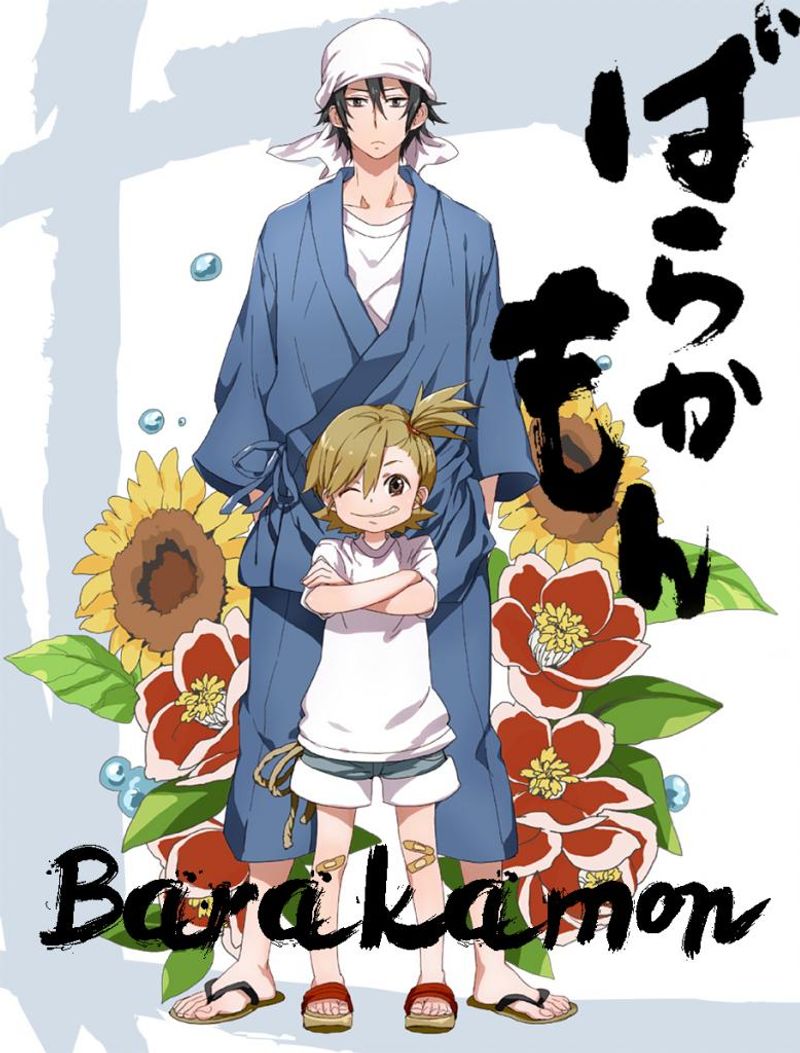
Sometimes the best thing that can happen to a stuck, frustrated artist is getting sent to live on a tiny island with zero Wi-Fi and a bunch of chaos-loving kids.
That’s basically the premise of Barakamon, and it works beautifully.
Seishuu Handa is a calligrapher who punches a gallery director and gets exiled to a rural island to cool off.
The locals — especially the irresistibly wild little girl Naru — slowly teach him how to loosen up and rediscover his creative voice.
The comedy is genuine, the character growth feels organic, and the island setting gives the whole show a warm, sun-soaked charm.
6. Silver Spoon
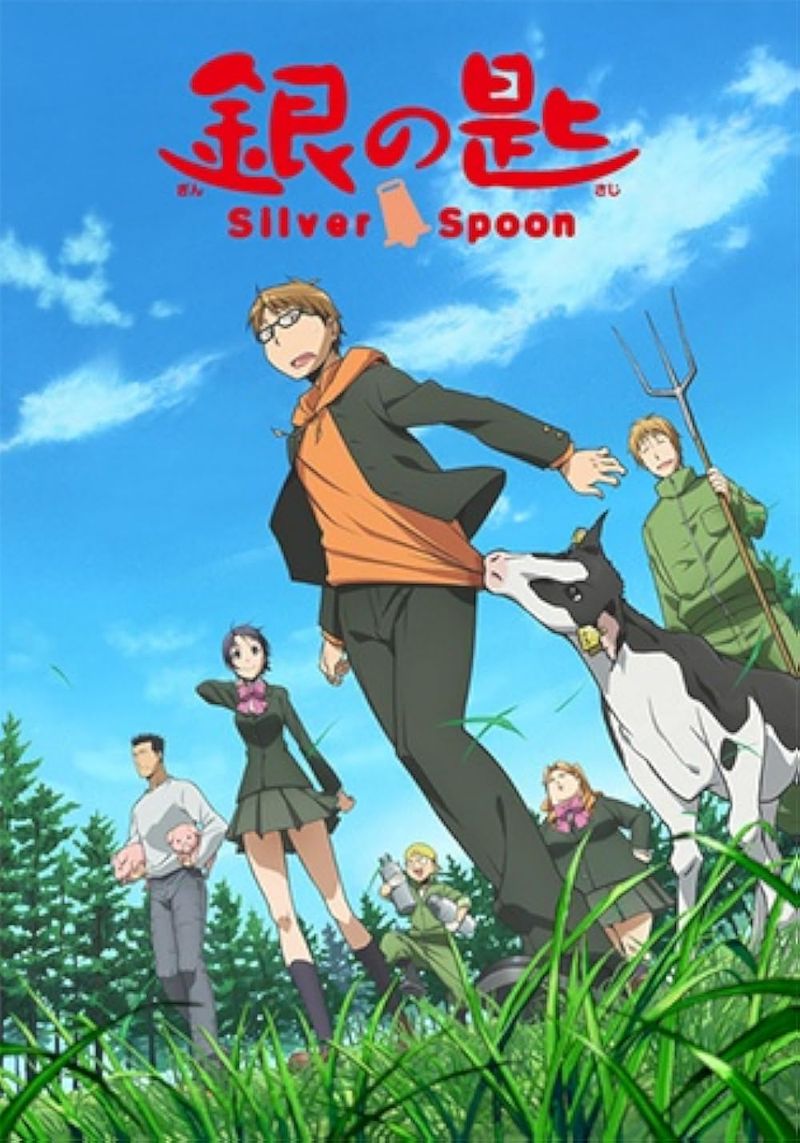
City kid goes to agricultural school and learns that food doesn’t come from a grocery store — sounds simple, but Silver Spoon turns that premise into something genuinely thoughtful.
Yuugo Hachiken enrolls in a farming high school just to escape pressure at home, and ends up confronting questions about purpose, hard work, and what he actually wants from life.
The writing handles the realities of farm life — including animal slaughter and economic hardship — with honesty and respect.
It never talks down to its audience.
Created by the same author as Fullmetal Alchemist, Silver Spoon carries that same talent for weaving big ideas into everyday moments.
7. Shouwa Genroku Rakugo Shinjuu
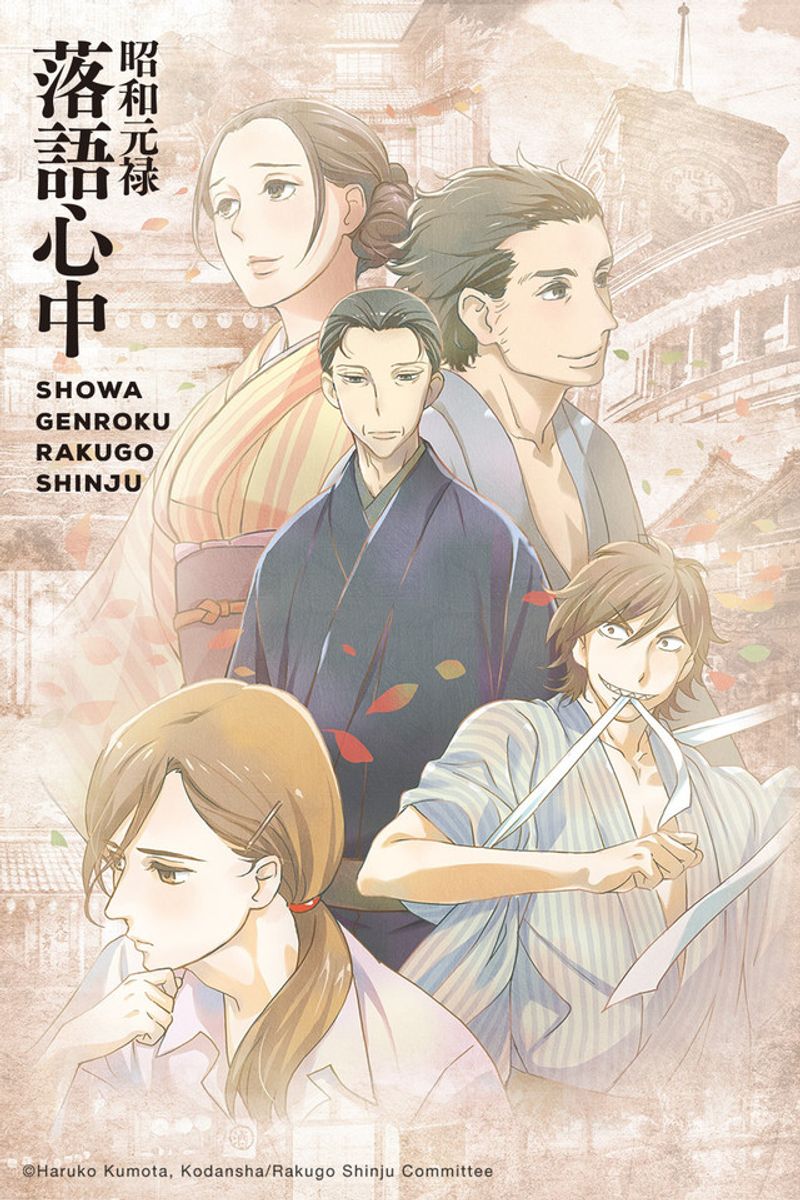
This one is for anyone who thinks anime can’t be genuinely sophisticated storytelling.
Shouwa Genroku Rakugo Shinjuu follows the lives of rakugo performers — traditional Japanese comedic storytellers — across several decades, exploring themes of art, jealousy, identity, and legacy.
The second episode is a 45-minute solo performance that has been called one of the greatest single episodes in anime history.
The writing understands that art and the human ego are deeply tangled, and it never flinches from that complexity.
Watching this show feels like reading a great novel.
It rewards patience and attention in ways that few anime even attempt.
8. Nana
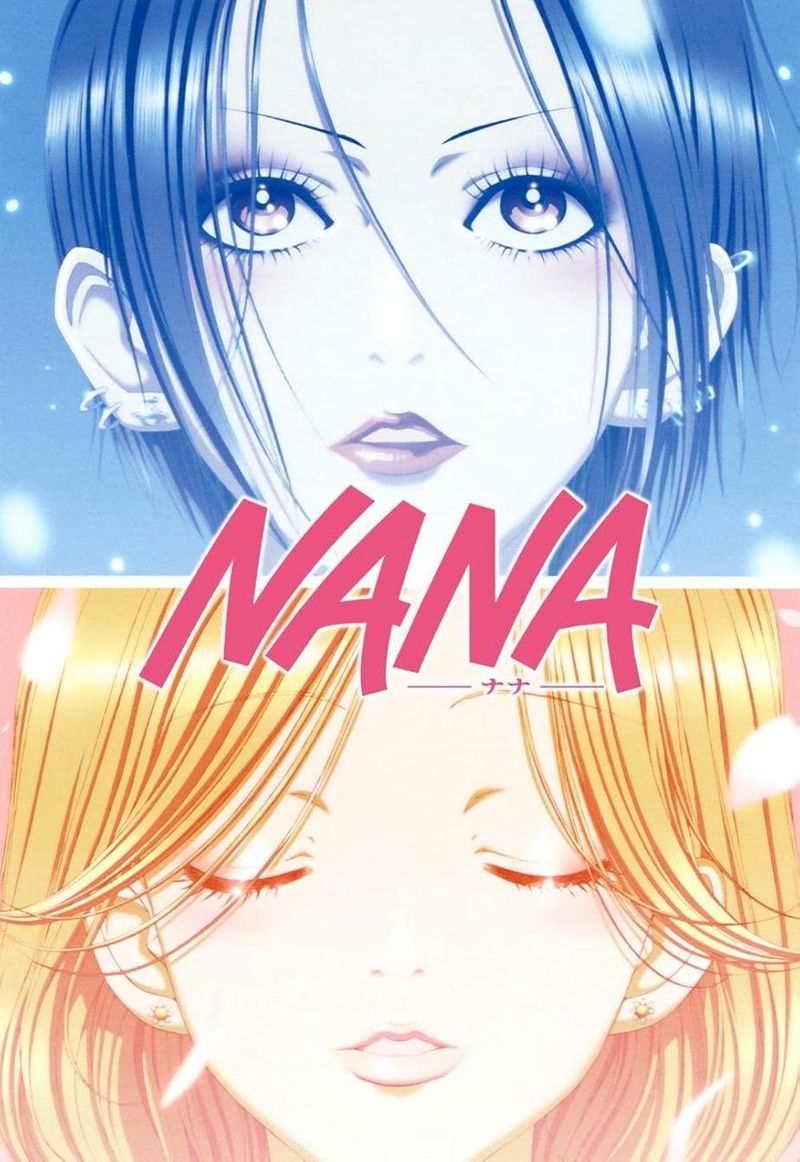
Two girls with the same name, completely opposite personalities, end up as roommates in Tokyo and become each other’s most important person.
Nana is one of the most honest portrayals of young adult life ever put to screen.
The writing captures the messy reality of chasing dreams, falling for the wrong people, and figuring out who you are when no one’s watching.
Relationships in this show feel uncomfortably real — the kind where you root for characters even when they’re making terrible decisions.
Nana was ahead of its time in 2006 and still hits hard today.
It’s proof that slice-of-life can carry the emotional weight of any drama.
9. Toradora!
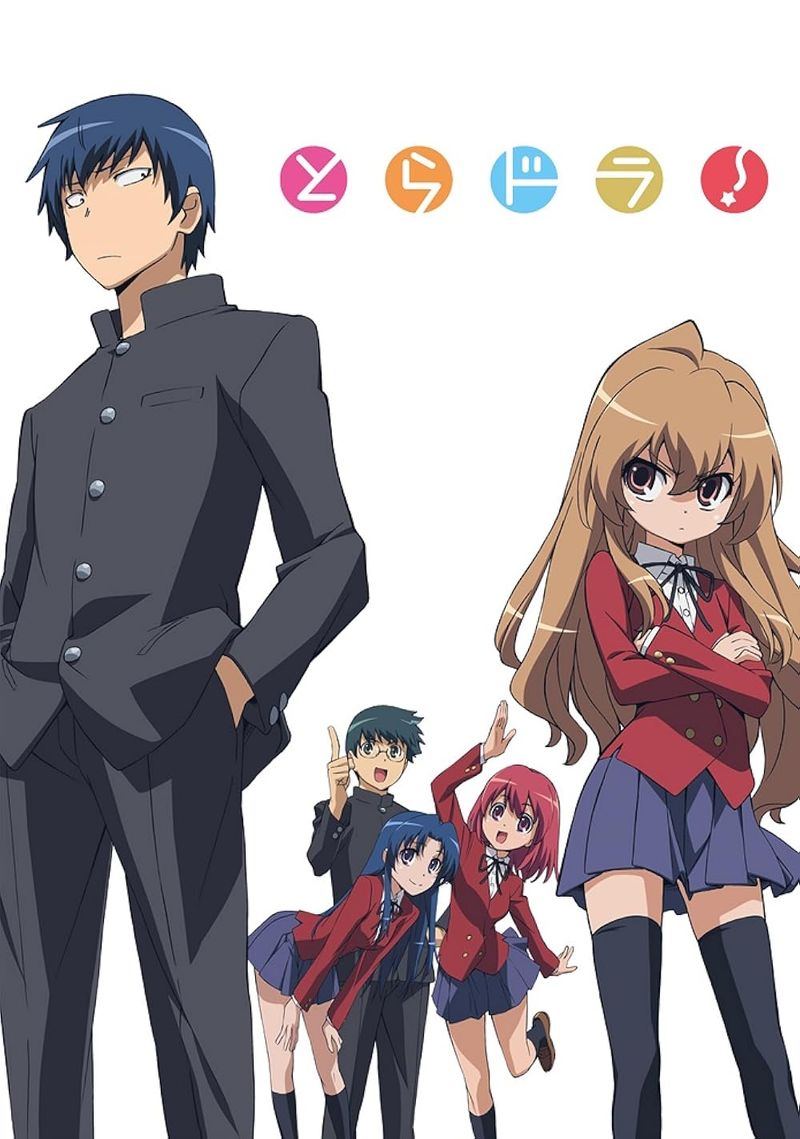
Don’t let the rom-com packaging fool you — Toradora! has some of the sharpest character writing in the genre.
Ryuuji and Taiga start out helping each other chase their respective crushes, but the story that unfolds is really about two lonely, misunderstood kids learning to see themselves clearly through each other’s eyes.
Taiga’s character arc is particularly impressive.
She starts as an aggressive, prickly girl and gradually reveals layers of vulnerability that make her one of anime’s most memorable protagonists.
The holiday episodes and the school festival arc hit emotional highs that rival any serious drama.
Toradora! earns every feeling it asks you to have.
10. A Silent Voice
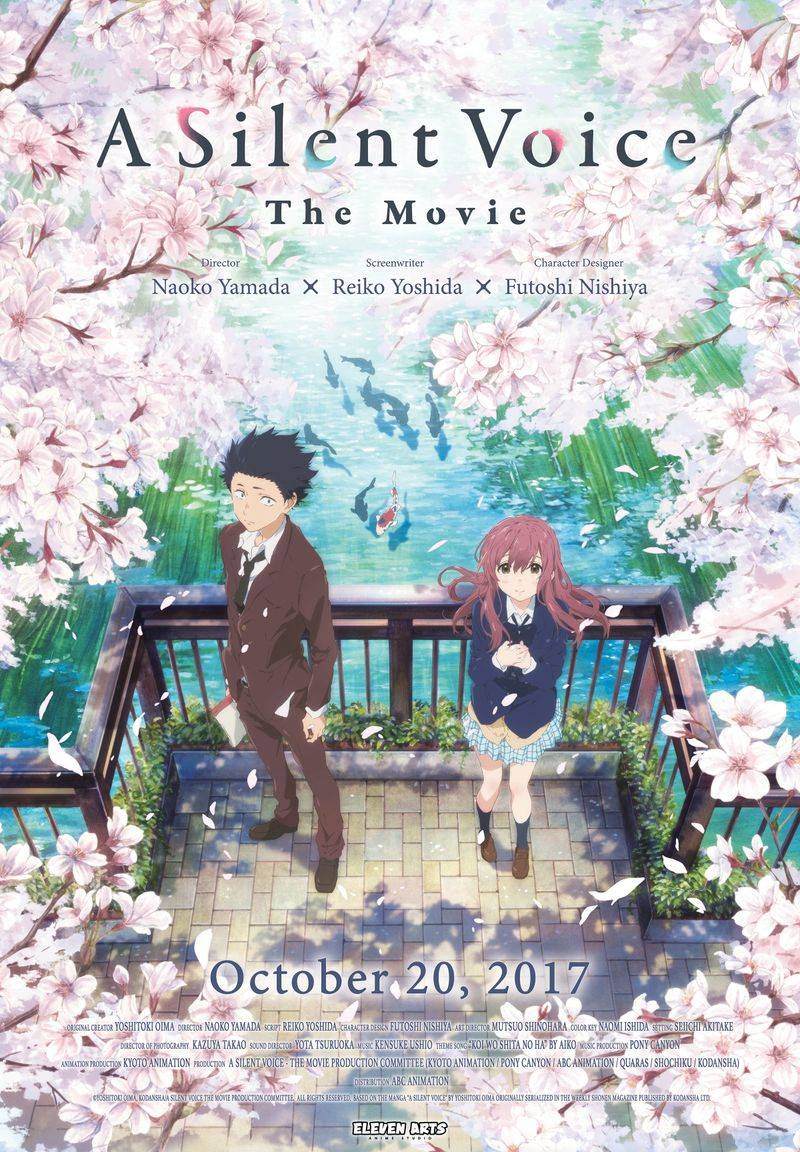
Redemption stories don’t get more complicated or more honest than A Silent Voice.
The film follows Shoya Ishida, a former bully who tormented a deaf classmate named Shoko Nishimiya in elementary school, as he tries to make amends years later.
The writing doesn’t let Shoya off the hook easily, and it doesn’t simplify Shoko into a victim.
Both characters carry real psychological weight, and the film explores how bullying scars everyone involved — including bystanders.
Kyoto Animation brought this story to life with stunning visual storytelling.
A Silent Voice is the kind of film that changes how you think about empathy and accountability.
11. Usagi Drop
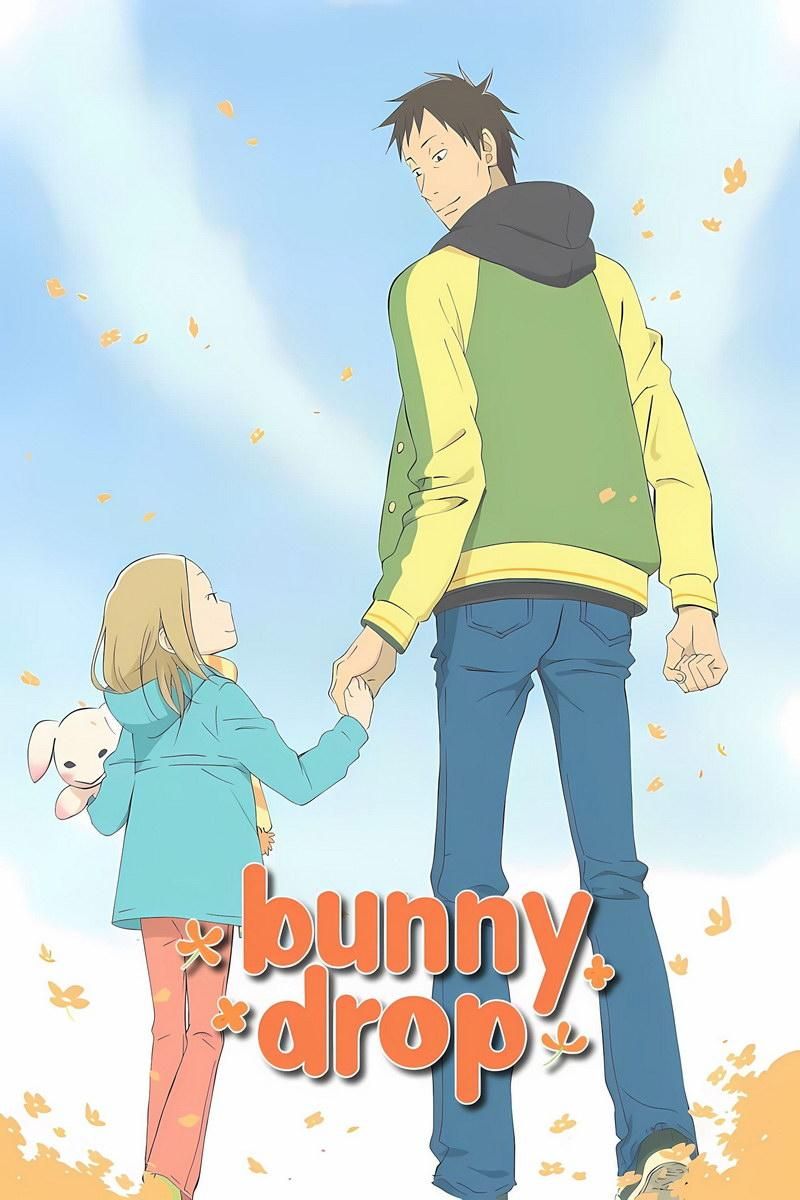
Picking up an unexpected responsibility and discovering it transforms you — that’s the quiet magic of Usagi Drop.
Daikichi is a 30-year-old bachelor who attends his grandfather’s funeral and learns that the old man had an illegitimate six-year-old daughter named Rin.
When no one else steps up, Daikichi takes her home.
The writing is tender without being saccharine.
It shows the real logistical challenges of sudden parenthood — daycare searches, work schedule changes, learning to cook — alongside the emotional joy of watching a child bloom.
Rin is one of the most authentically written child characters in anime, curious and quietly heartbreaking in equal measure.
12. Hyouka
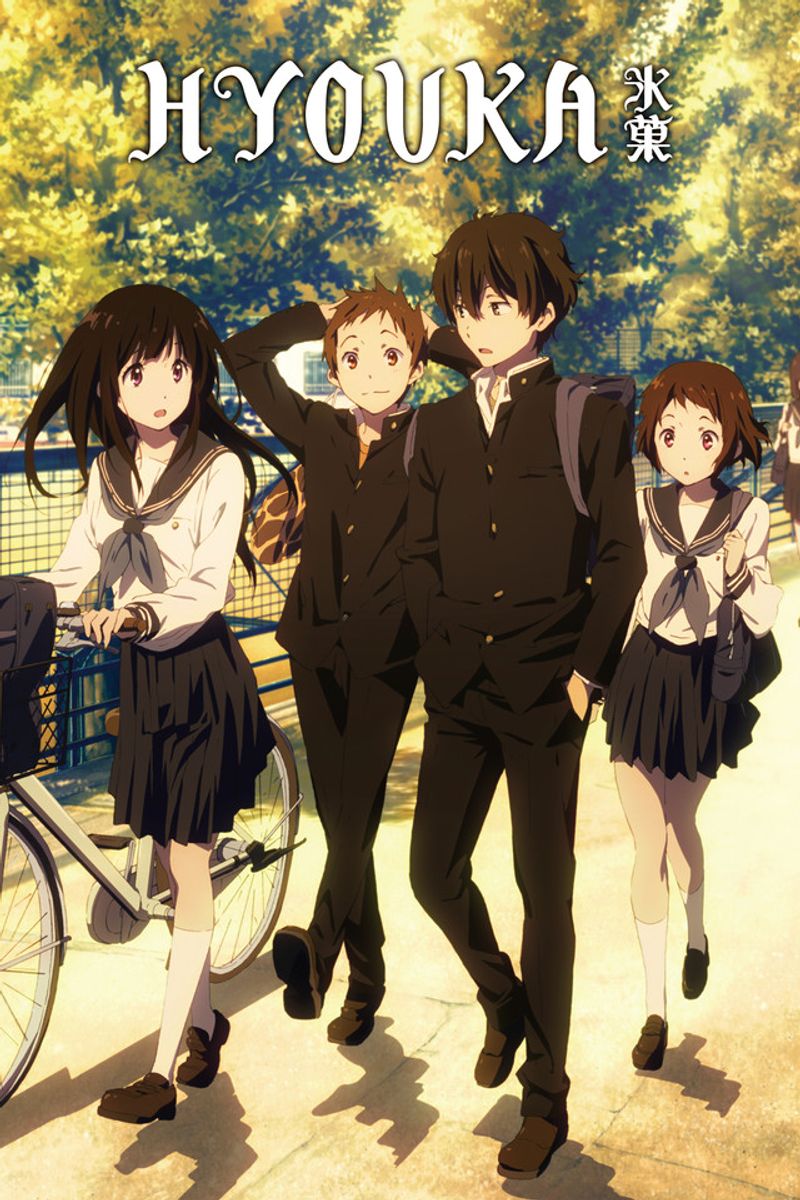
Hyouka is the rare show that makes intellectual curiosity feel genuinely exciting.
Houtarou Oreki is a self-declared energy-conserving high schooler who gets dragged into the Classic Literature Club by his cheerful, endlessly inquisitive classmate Eru Chitanda.
Together they solve small mysteries hidden in everyday school life.
The writing is layered with subtext.
Oreki’s gradual emotional awakening — learning to care about things and people — is told mostly through atmosphere and implication rather than big dramatic speeches.
That restraint is what makes it so effective.
Kyoto Animation’s lush visuals and the show’s unhurried pacing make Hyouka feel like a warm afternoon you never want to end.
13. Non Non Biyori
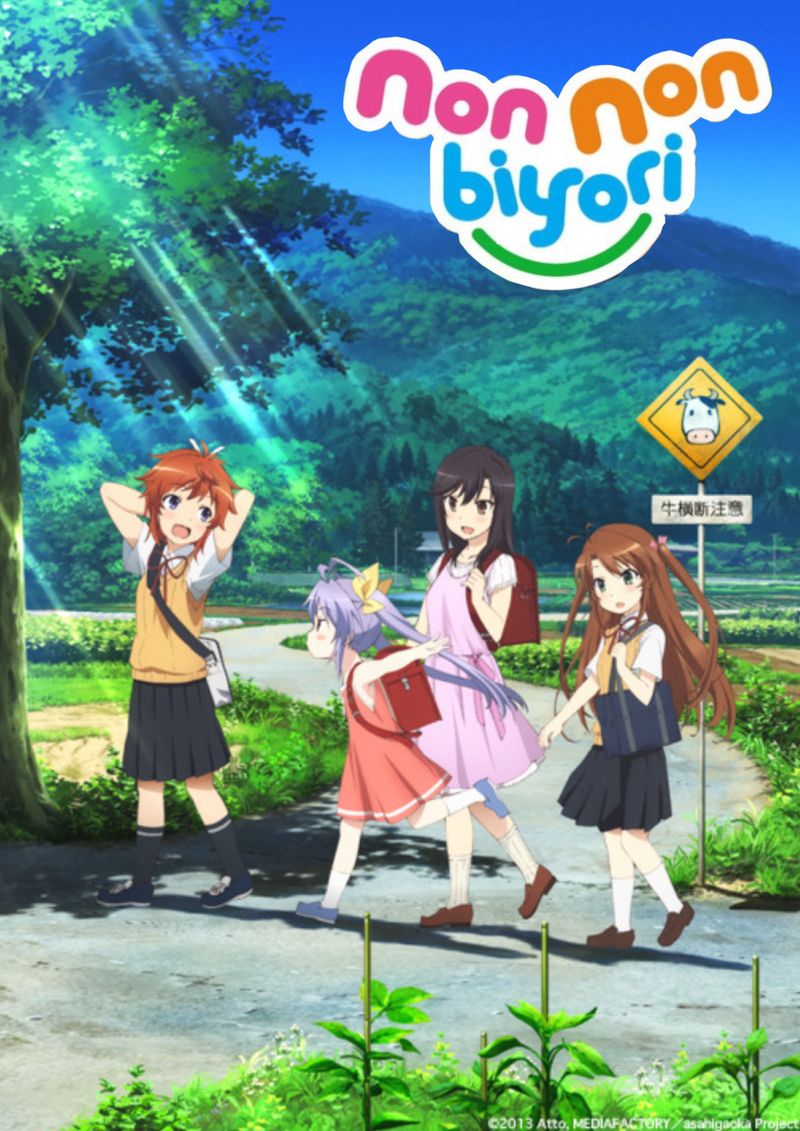
Rural life rarely gets this much love and attention.
Non Non Biyori is set in a tiny countryside village where five kids — spanning elementary to middle school — navigate the long, slow rhythms of seasons, friendship, and growing up with almost nothing to do but notice the world around them.
The writing is deceptively simple.
There’s no dramatic conflict or big plot, just carefully observed moments that accumulate into something genuinely moving.
A young city girl adjusting to country life provides just enough outside perspective to highlight how special the ordinary can be.
Non Non Biyori is the anime equivalent of a long, quiet walk somewhere beautiful.
14. The Tatami Galaxy
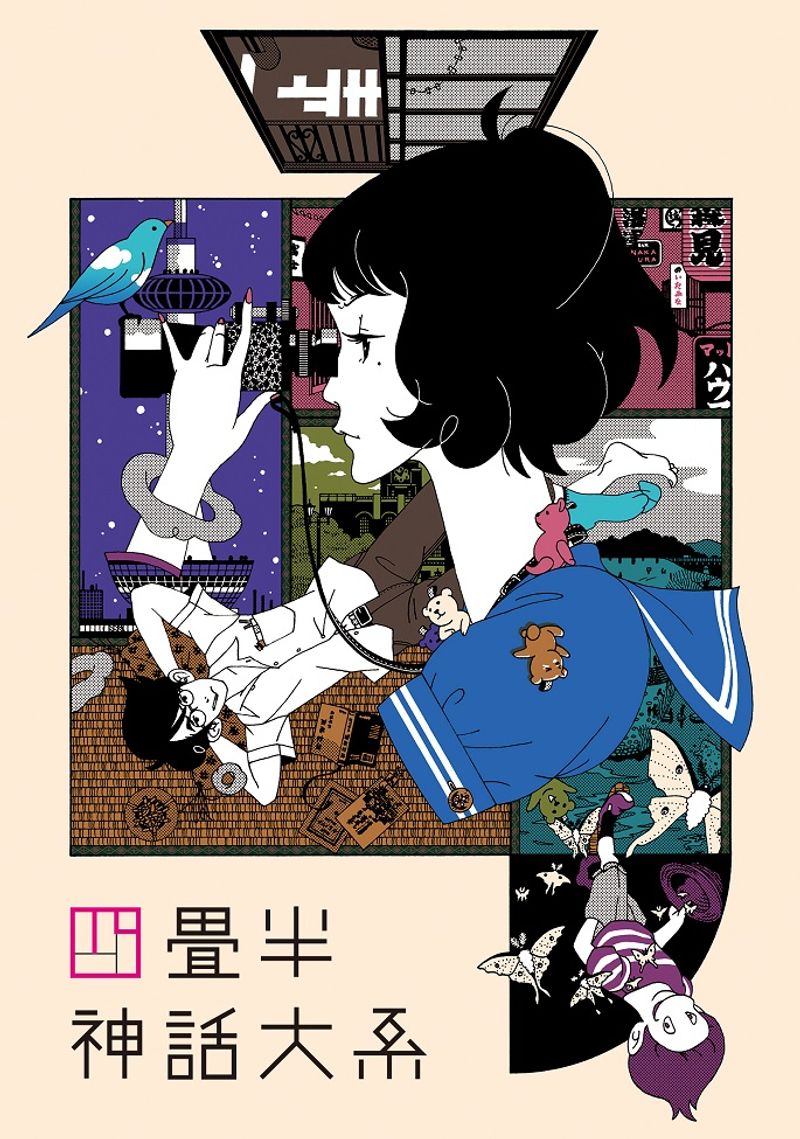
What if you could relive your entire college experience and pick a different path every time?
The Tatami Galaxy plays with that idea in the most inventive, chaotic, and deeply funny way possible.
An unnamed third-year student keeps reliving his freshman year, always choosing a different club, always ending up in the same mess.
The writing is rapid-fire and philosophical at the same time.
Narrated in a breathless monologue style, the show builds to an ending that reframes everything you watched and delivers a genuine punch of wisdom.
Director Masaaki Yuasa’s wild visual style perfectly matches the story’s restless, searching energy.
This one genuinely rewards repeat viewing.
15. Fruits Basket
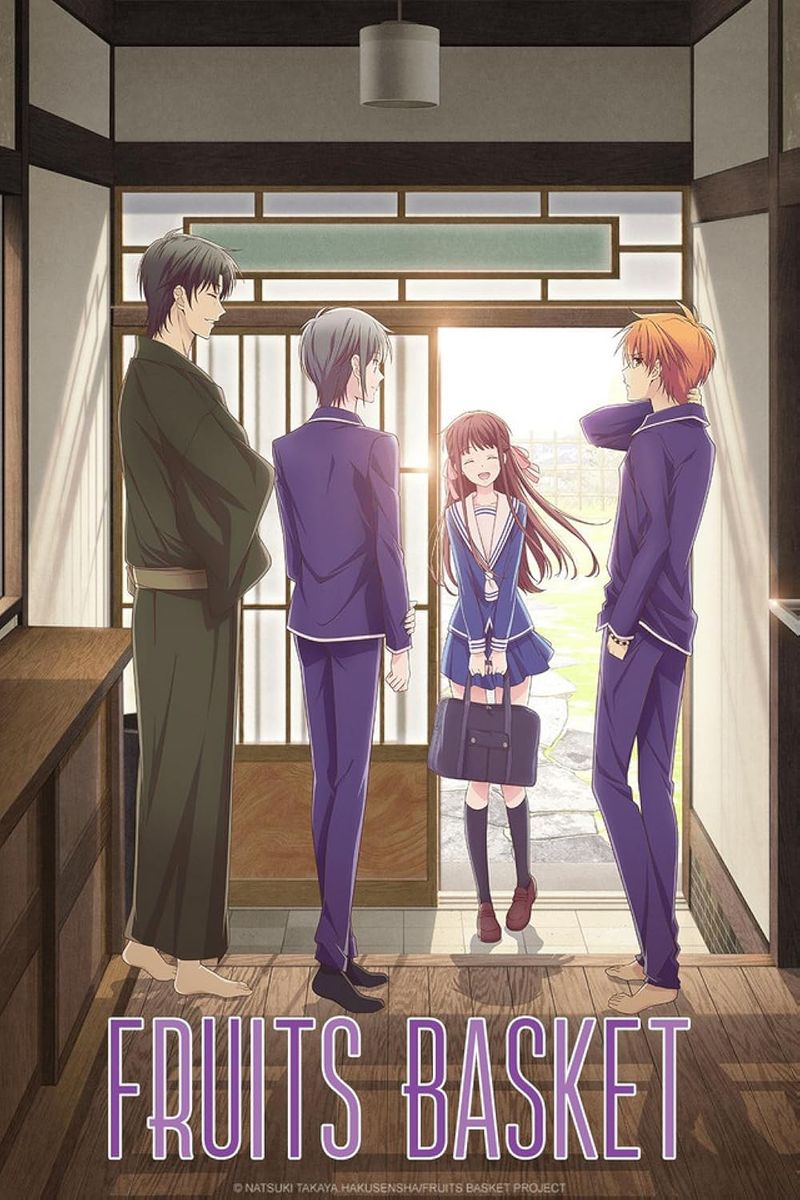
Trauma, found family, and the slow work of healing — Fruits Basket (the 2019 remake) handles all three with extraordinary care.
Tohru Honda is an orphaned high school girl who ends up living with the Sohma family, eventually discovering their secret: certain family members transform into animals from the Chinese zodiac when hugged by the opposite sex.
That quirky premise is actually a vehicle for exploring emotional abuse, generational trauma, and what it means to truly accept yourself.
The writing never uses the fantasy element as an escape hatch from real emotional honesty.
Tohru’s compassion isn’t written as naive — it’s written as a deliberate, hard-won choice that slowly changes everyone around her.
Comments
Loading…