
 Harper Hall
15 Shows That Turn Dialogue Into an Art Form
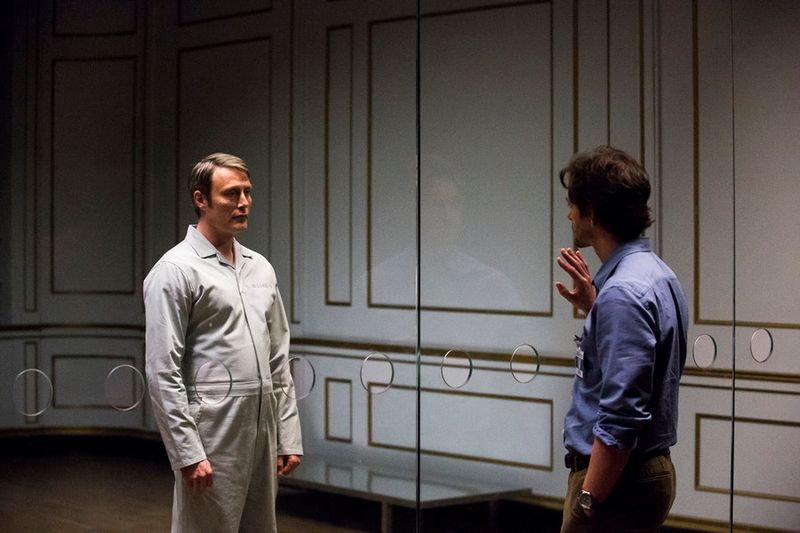
Words can build worlds, destroy relationships, and reveal hidden truths. Some television shows don’t just use dialogue to move the plot forward—they transform it into poetry, philosophy, and pure entertainment.
The best writers craft conversations that feel so real, so sharp, or so beautifully constructed that you find yourself rewinding just to hear them again. These 15 shows prove that when dialogue is done right, it becomes unforgettable.
1. Mad Men
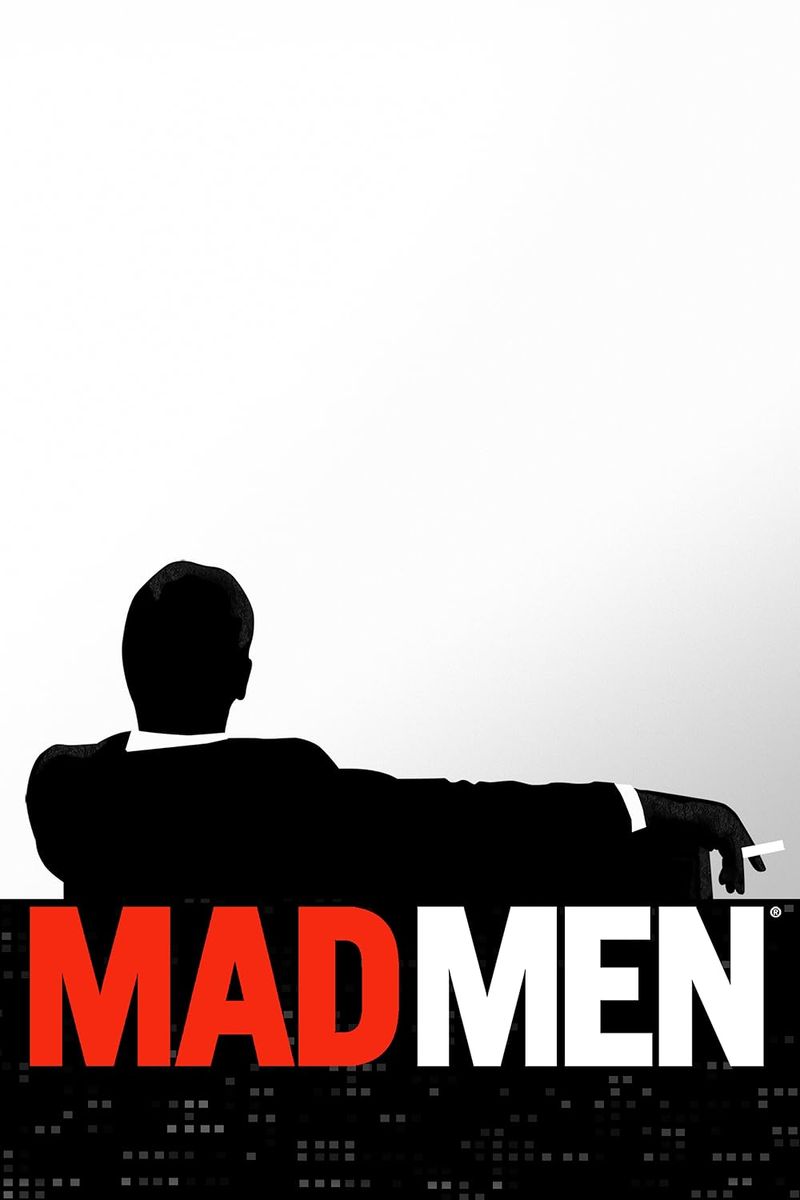
Advertising in the 1960s wasn’t just about selling products—it was about selling dreams.
Don Draper and his colleagues at Sterling Cooper speak in perfectly crafted pitches that blur the line between manipulation and art.
Every conversation feels like a chess match where words are the pieces.
Characters rarely say exactly what they mean.
Instead, they hint, suggest, and imply, forcing viewers to read between the lines.
The show’s creator, Matthew Weiner, fills scripts with subtext so rich that a simple discussion about a campaign can reveal everything about a character’s fears and desires.
What makes the dialogue truly special is how it captures an era’s voice while remaining timeless.
The witty banter, philosophical musings, and devastating put-downs all feel authentic to the period yet speak to universal human experiences that resonate decades later.
2. The Sopranos
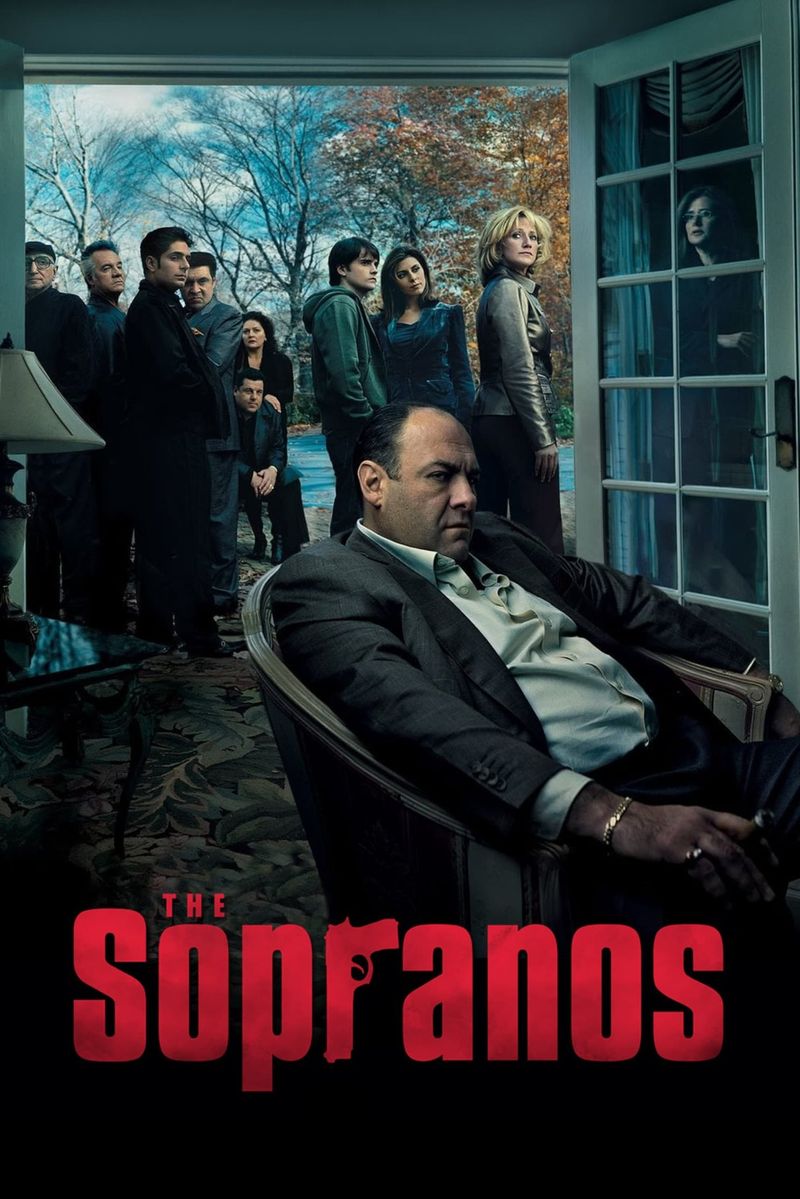
Therapy sessions become the heart of this groundbreaking series.
Tony Soprano, a New Jersey mob boss, spills his thoughts to Dr. Melfi in conversations that mix violence with vulnerability.
These scenes proved that gangsters could be complex, contradictory, and completely human.
Creator David Chase uses dialogue to explore masculinity, family, and the American dream.
Characters speak in a distinctive New Jersey dialect peppered with Italian phrases and mob slang.
Yet beneath the colorful language lies profound philosophical questioning about morality, identity, and what it means to live a good life.
The show’s writers never talk down to their audience.
References to literature, film, and psychology flow naturally through conversations.
Even throwaway lines in background scenes carry weight, rewarding attentive viewers who catch the layered meanings woven throughout each episode’s carefully constructed script.
3. Better Call Saul
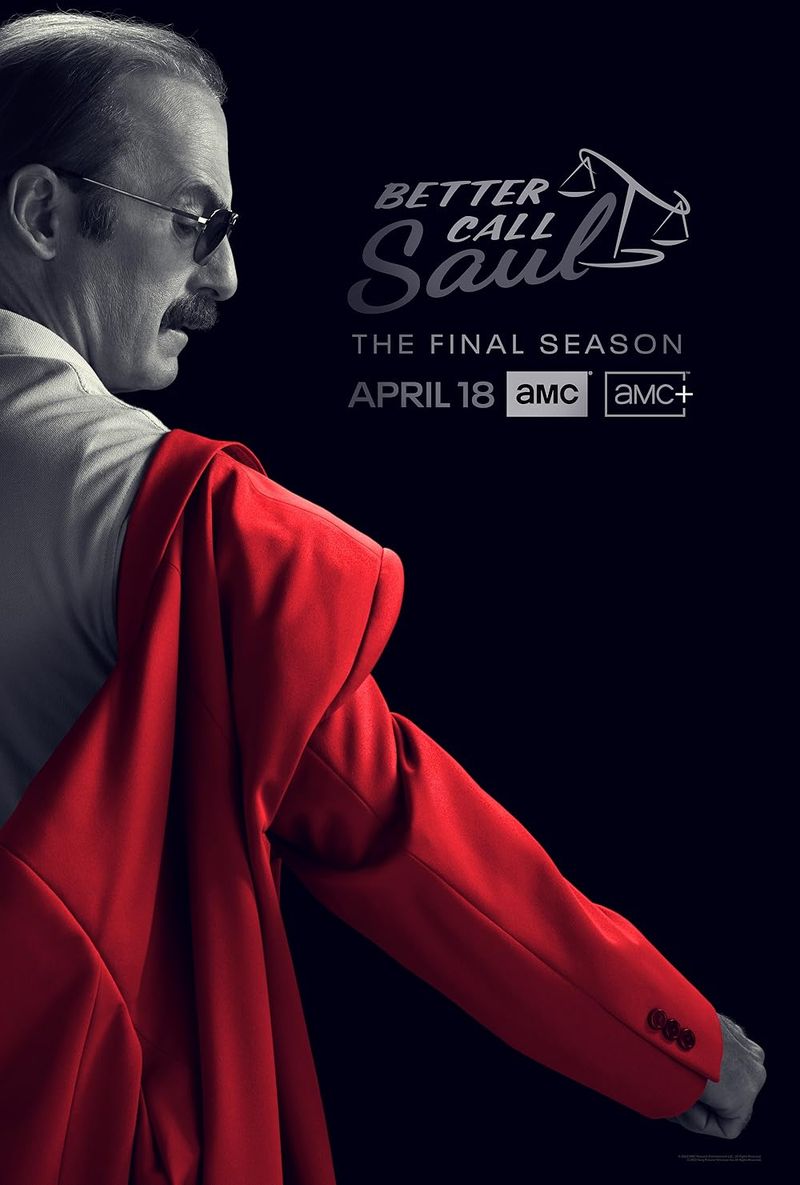
Before he became Saul Goodman, Jimmy McGill was a struggling lawyer with a silver tongue.
His journey showcases some of television’s most clever, fast-talking dialogue.
Whether he’s conning someone or delivering a heartfelt speech, every word serves a purpose.
The show’s writers, led by Vince Gilligan and Peter Gould, craft conversations that reveal character through rhythm and word choice.
Jimmy speaks differently depending on who he’s trying to impress or manipulate.
His brother Chuck uses precise, formal language that reflects his rigid worldview, while Mike Ehrmantraut says more with silence than most characters do with monologues.
Legal arguments become verbal battles where stakes feel life-or-death.
The courtroom scenes crackle with tension as lawyers spar using procedure and precedent as weapons.
Even casual conversations between characters carry undercurrents of resentment, ambition, and love that make every scene compelling to watch unfold.
4. Fleabag
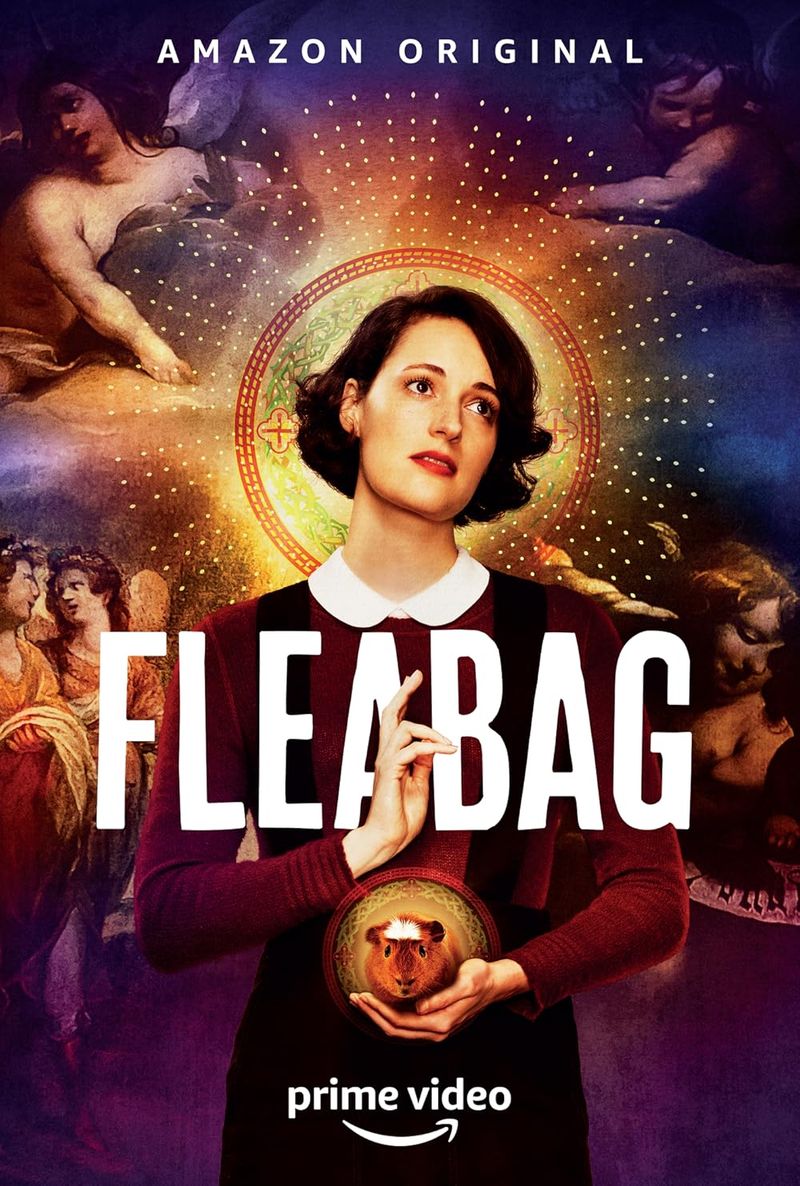
Breaking the fourth wall isn’t new, but Fleabag does it with devastating precision.
The unnamed protagonist shares her darkest thoughts directly with viewers, creating an intimacy that feels almost uncomfortable.
Her asides turn ordinary conversations into layered experiences where we hear both what she says and what she’s really thinking.
Phoebe Waller-Bridge writes dialogue that captures how people actually talk—with interruptions, half-finished thoughts, and awkward silences.
Characters speak over each other, misunderstand, and fail to communicate.
Yet somehow, these messy conversations reveal profound truths about grief, family, and desire.
The show’s second season introduces a priest who matches Fleabag’s wit word for word.
Their verbal sparring creates some of television’s most romantic, funny, and heartbreaking exchanges.
Every conversation feels like a revelation, proving that great dialogue doesn’t need elaborate settings—just honest, fearless writing.
5. Game of Thrones
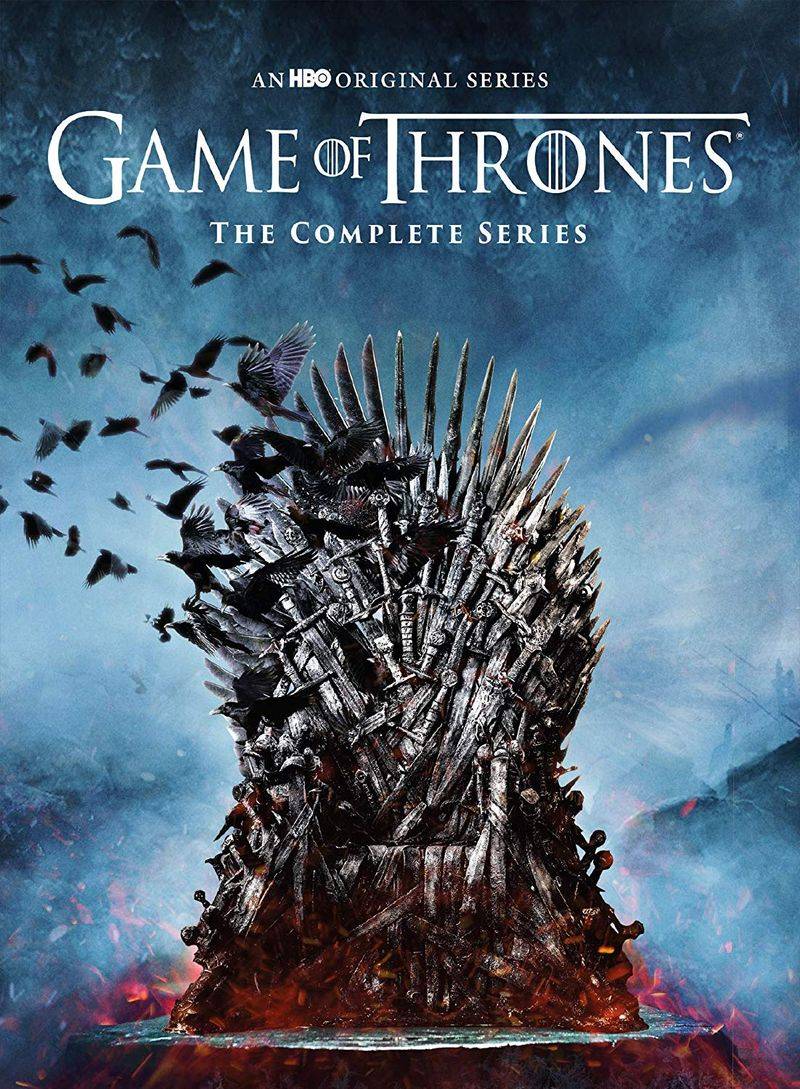
Political intrigue drives this fantasy epic, and words prove as deadly as swords.
Characters scheme, threaten, and negotiate in conversations that determine the fate of kingdoms.
Tyrion Lannister’s wit, Varys’s riddles, and Littlefinger’s manipulations show that intelligence can be the ultimate weapon.
George R.R. Martin’s novels provided the foundation, but showrunners David Benioff and D.B.
Weiss adapted the dense source material into sharp, quotable dialogue. “A Lannister always pays his debts” and “Winter is coming” became cultural touchstones.
The show proved fantasy could feature sophisticated political discourse alongside dragons and battles.
Early seasons especially shine with verbal confrontations that crackle with tension.
Tyrion’s trial speech, Cersei’s threats, and the small council meetings all demonstrate how power dynamics play out through carefully chosen words.
Each conversation advances multiple agendas simultaneously, rewarding viewers who pay close attention to every subtle exchange.
6. Breaking Bad
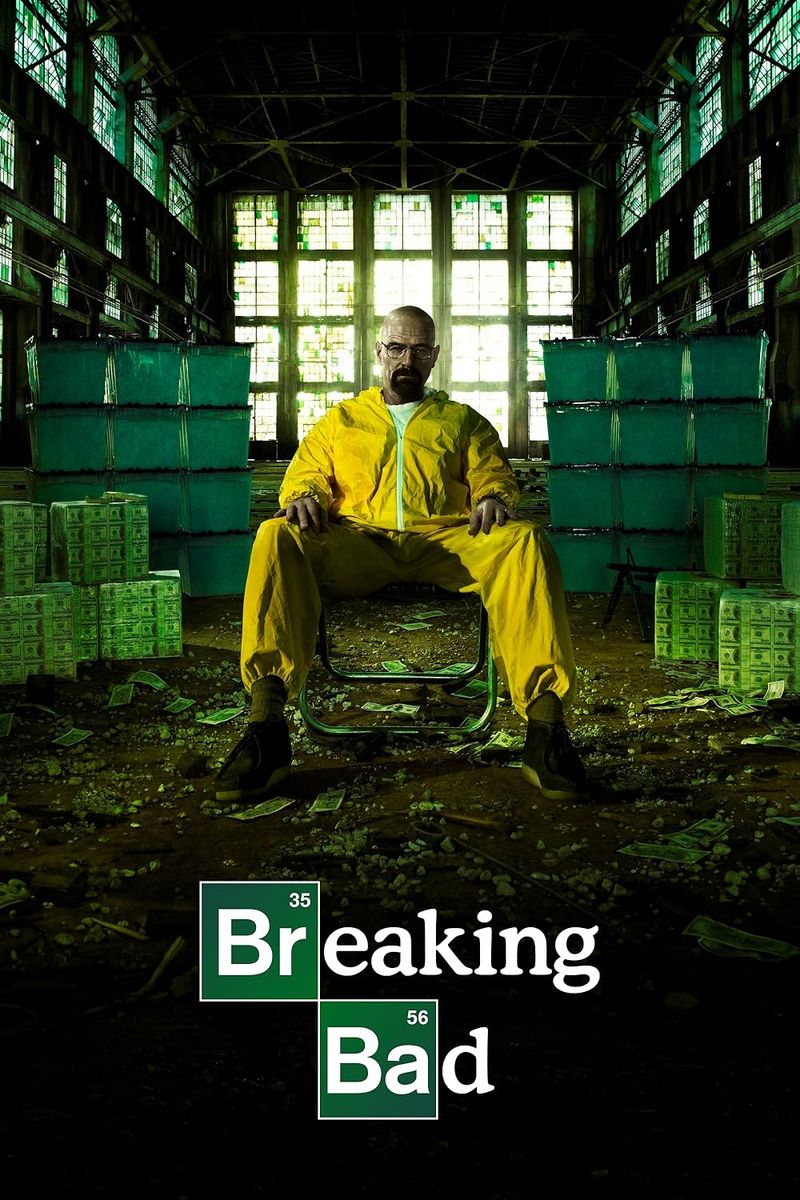
As Walter White trades his classroom for the criminal underworld, his language transforms with him.
Hesitant and unsure at first, he eventually commands attention with icy, deliberate threats that reveal his full moral unraveling.
Vince Gilligan’s writing team uses dialogue to build unbearable tension.
Characters talk around dangerous topics, using euphemisms and code words.
When violence erupts, it’s often preceded by deceptively calm conversations.
The contrast between what’s said and what’s meant creates a constant sense of unease.
Jesse Pinkman’s “Yeah, science!” and Walter’s “I am the one who knocks” entered pop culture because they perfectly capture character moments.
The show also features long stretches of silence, proving that knowing when not to use dialogue is just as important as crafting perfect lines.
Every word counts.
7. True Detective (Season 1)
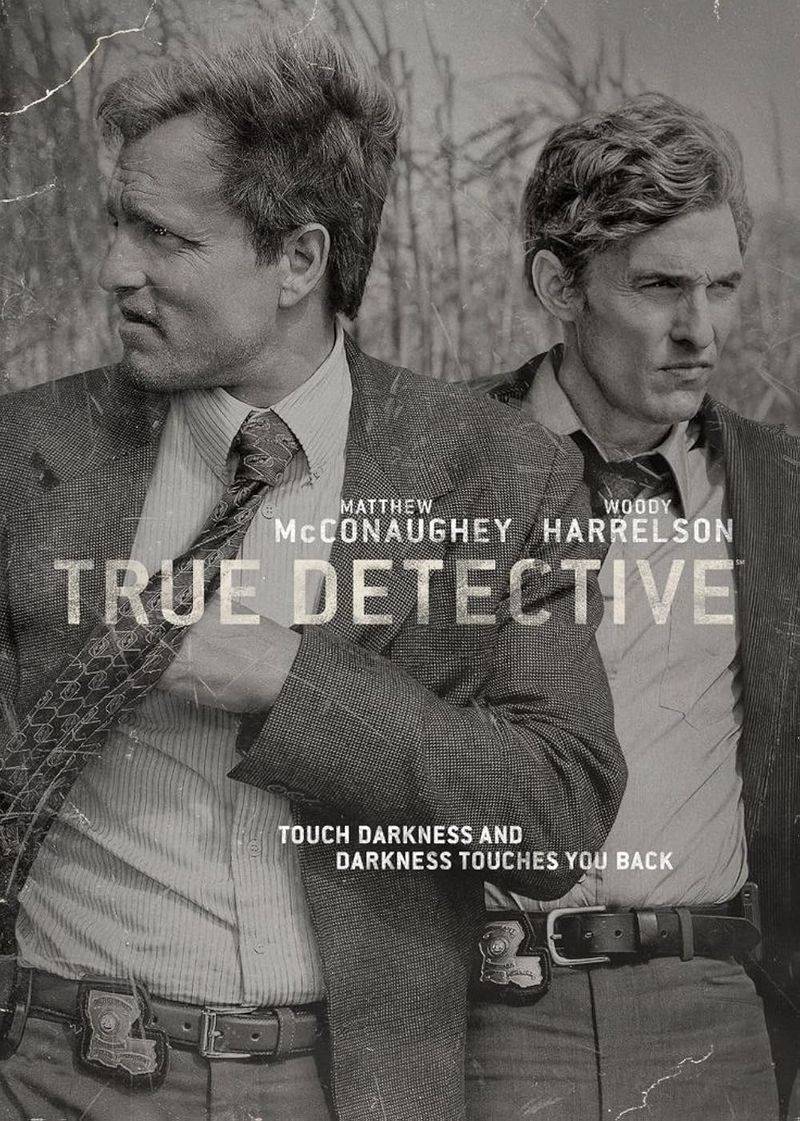
Rust Cohle’s monologues sound like philosophy lectures delivered by a haunted detective.
His partner Marty Hart tries to ground their conversations in reality, but Rust keeps pulling them toward existential questions.
Writer Nic Pizzolatto fills their road trip conversations with dense, literary dialogue that challenges viewers.
The show doesn’t shy away from big ideas.
Rust discusses time as a flat circle, the nature of consciousness, and humanity’s place in an indifferent universe.
These aren’t just pretentious rants—they’re integral to understanding his character and the show’s themes.
Matthew McConaughey and Woody Harrelson deliver these complex lines with complete conviction.
Interrogation scenes showcase another level of verbal mastery.
Watching Rust manipulate suspects through carefully constructed narratives demonstrates how language can be used as a tool for control.
The contrast between his poetic nihilism and the gritty crime investigation creates a unique tone that elevated the entire series beyond typical detective stories.
8. Hannibal
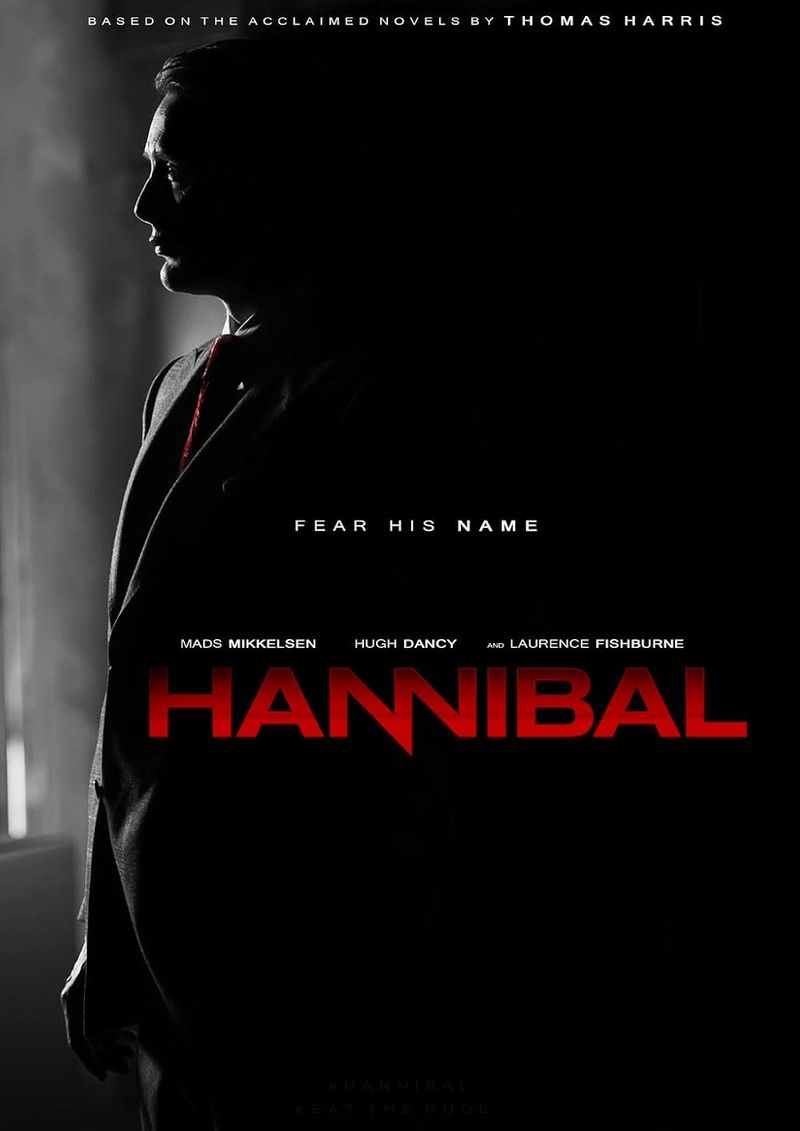
Psychiatrist and cannibal Hannibal Lecter speaks in elaborate metaphors and literary references.
His conversations with FBI profiler Will Graham feel like verbal duels where every word carries multiple meanings.
Bryan Fuller’s adaptation turns Thomas Harris’s novels into a darkly beautiful meditation on morality, art, and consumption.
The dialogue operates on multiple levels simultaneously.
Surface meanings hide darker implications, and innocent-sounding phrases take on sinister undertones when you know Hannibal’s secrets.
Characters discuss cooking, friendship, and beauty while actually talking about murder, manipulation, and madness.
This layered approach rewards careful listening.
What sets Hannibal apart is its refusal to dumb down complex psychological concepts.
Characters discuss the nature of empathy, the construction of identity, and the thin line between civilization and savagery.
These philosophical conversations never feel forced because they emerge naturally from the characters’ professions and obsessions.
The result is simultaneously disturbing and mesmerizing.
9. Nine Perfect Strangers
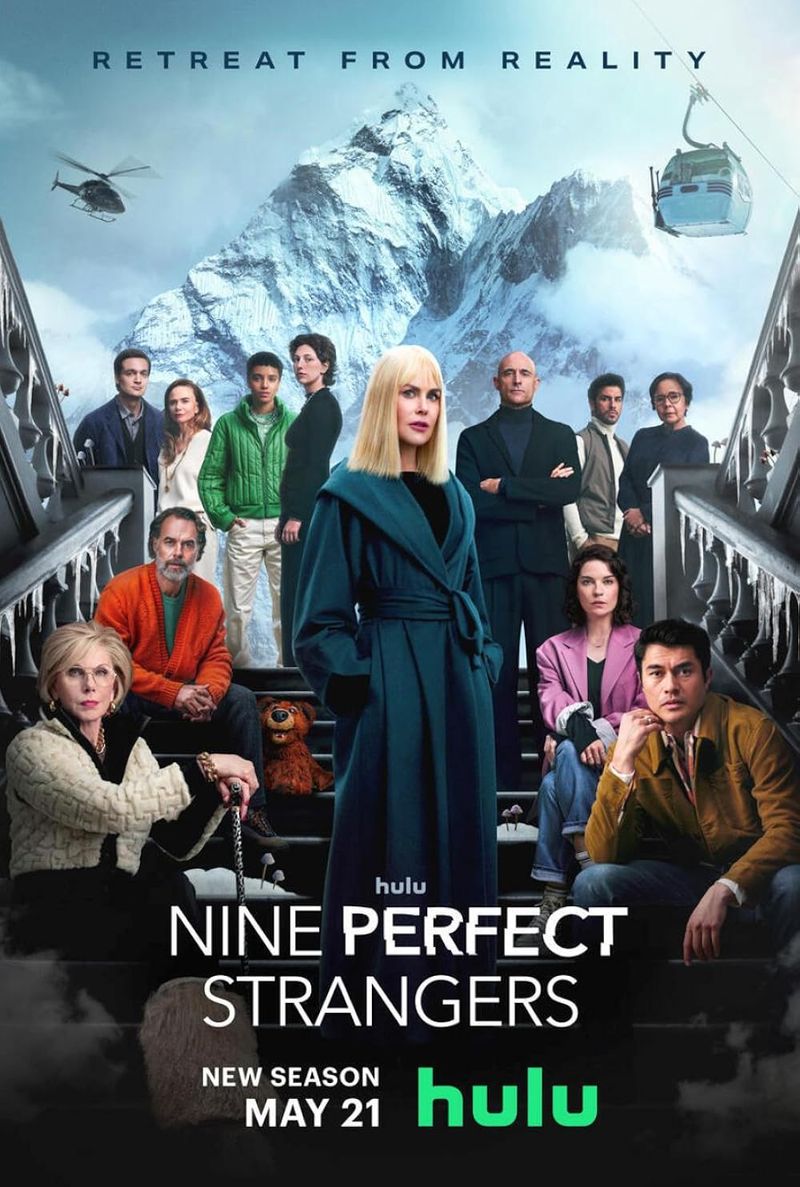
Group therapy at a mysterious wellness resort becomes the setting for raw, uncomfortable conversations.
Strangers reveal their deepest traumas, secrets, and fears under the guidance of Masha, a guru with her own hidden agenda.
David E.
Kelley adapts Liane Moriarty’s novel into a series where dialogue drives the psychological tension.
Each character arrives with carefully constructed walls, and watching those barriers crumble through conversation creates the show’s emotional core.
The dialogue shifts between sharp comedy and devastating honesty.
Characters interrupt, deflect, and attack each other, making the group sessions feel authentically messy rather than neatly scripted.
What makes these conversations compelling is how they reveal universal struggles through specific stories.
A grieving family, a burned-out writer, a bitter divorcée—each person’s pain feels distinct yet relatable.
The show explores how we use language to hide from truth and how, sometimes, the right words can finally set us free from our past.
10. House MD
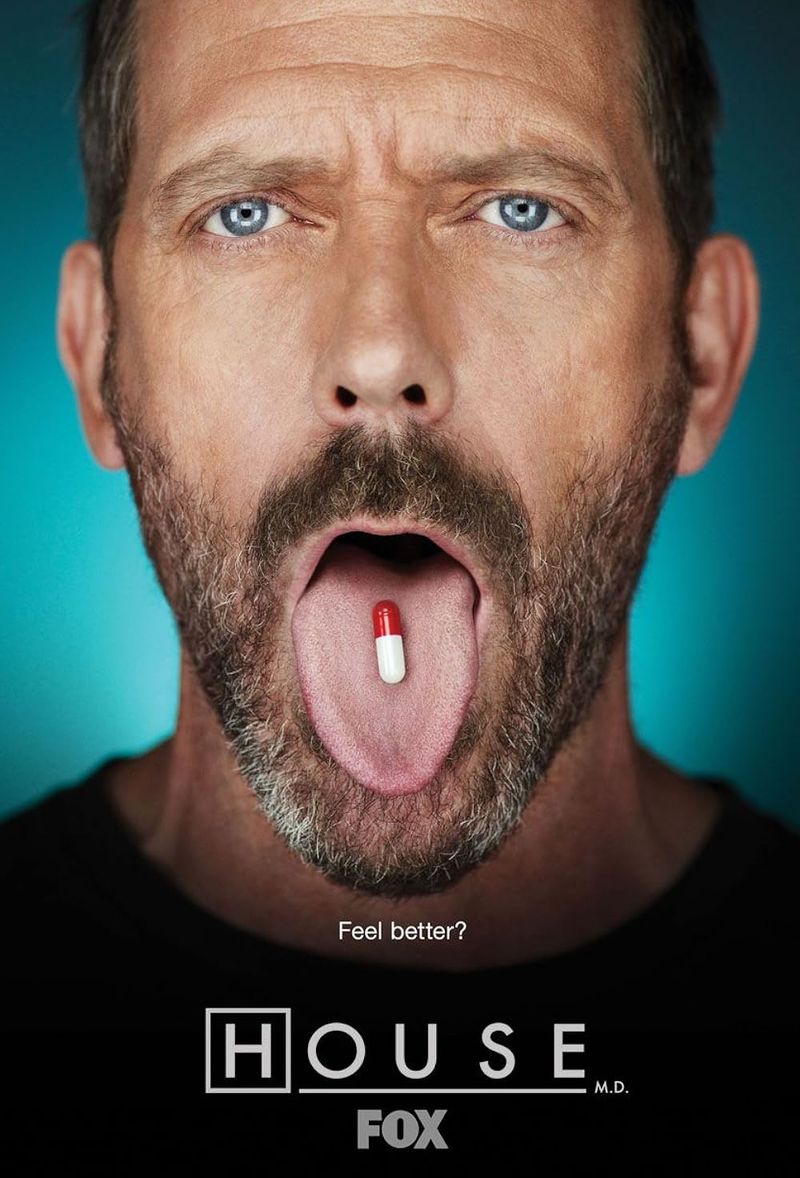
Sarcasm becomes an art form in the hands of Dr. Gregory House.
His brutal honesty and cutting wit turn medical diagnoses into verbal combat.
Every episode features rapid-fire exchanges where House demolishes colleagues’ theories, insults patients, and occasionally reveals unexpected compassion beneath his cruel exterior.
Creator David Shore writes dialogue that makes complex medical concepts accessible without simplifying them.
The diagnostic team debates symptoms and treatments using technical language that feels authentic.
These scenes work because the writers trust the audience to follow along, even when characters discuss rare diseases and obscure medical procedures.
The show’s real genius lies in how it uses medical mysteries as metaphors for human nature.
House’s conversations with his best friend Wilson explore friendship, addiction, and mortality.
Patient interactions force him to confront his own demons.
The snappy one-liners and clever comebacks serve a deeper purpose—revealing a damaged man who uses words as weapons and shields.
11. Sherlock
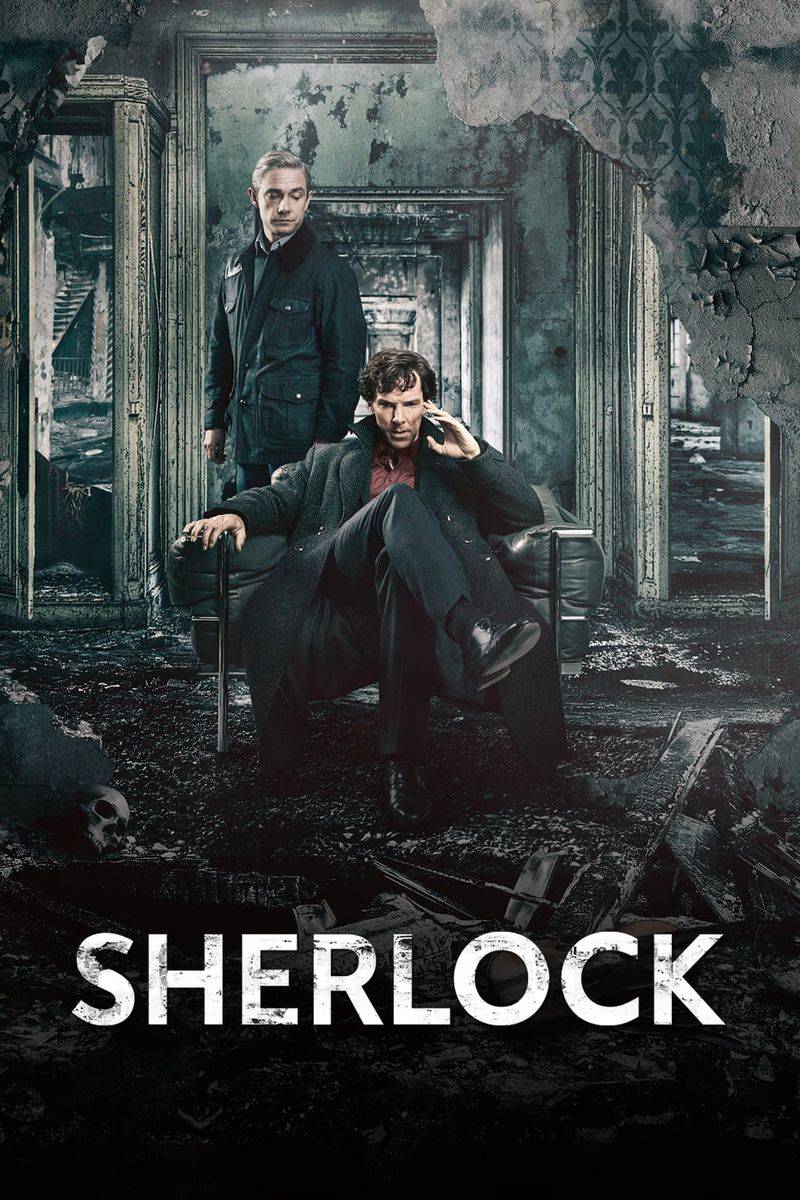
Updating Sherlock Holmes for the 21st century required dialogue that moves at the speed of thought.
Benedict Cumberbatch’s detective speaks in rapid-fire deductions, explaining his reasoning so quickly that viewers struggle to keep up.
Steven Moffat and Mark Gatiss write conversations that crackle with energy and intelligence.
The show visualizes Sherlock’s thought process through text appearing on screen, but the dialogue itself carries the weight.
His verbal sparring with Watson, Mycroft, and Moriarty showcases different types of intelligence clashing.
Each character has a distinct speech pattern that reflects their personality and background.
What elevates the writing is how it balances mystery-solving with character development.
Sherlock’s inability to express emotions leads to awkward, funny conversations that humanize him.
His friendship with John Watson develops through small moments of connection hidden within cases.
The dialogue manages to be both intellectually stimulating and emotionally resonant, proving you don’t have to sacrifice one for the other.
12. Peaky Blinders
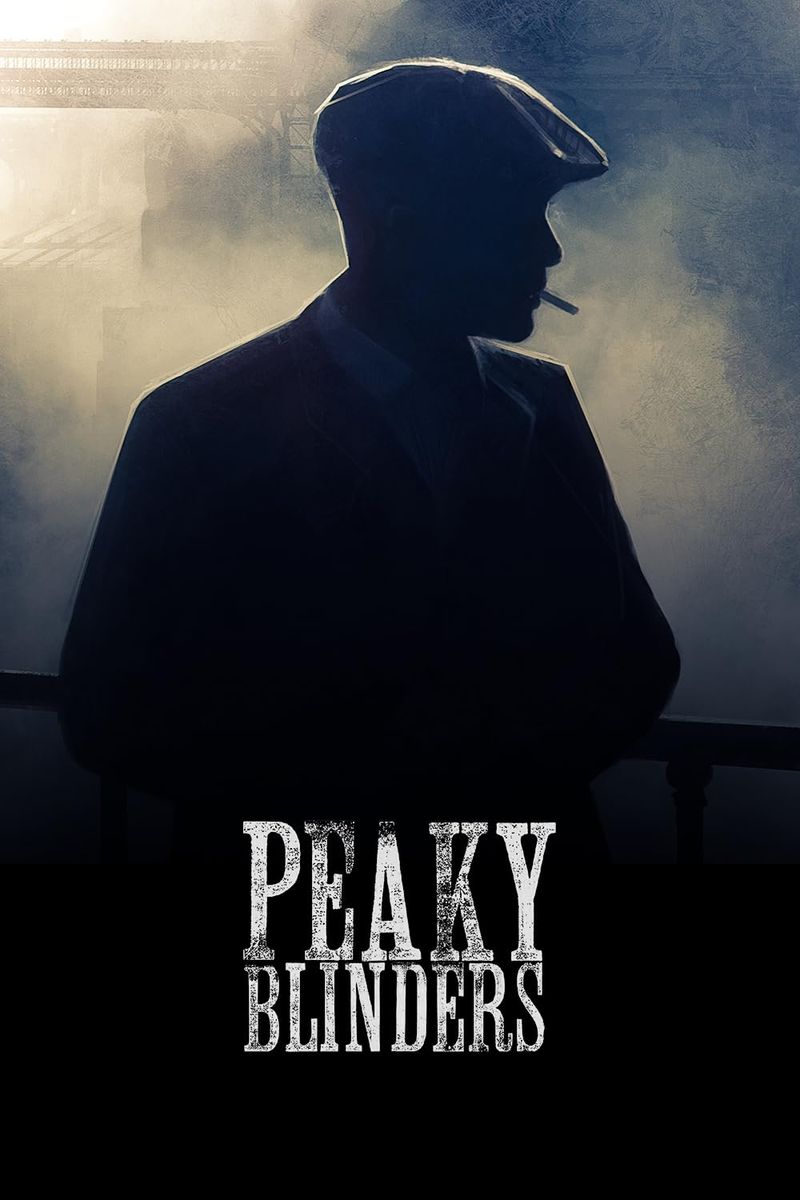
Post-World War I Birmingham comes alive through the distinctive cadence of Peaky Blinders’ dialogue.
Tommy Shelby speaks in measured, poetic phrases that sound almost Shakespearean.
Creator Steven Knight writes conversations that feel both period-authentic and timeless, mixing working-class slang with philosophical musings.
The show’s characters use language as a tool for survival.
Tommy negotiates with politicians, gangsters, and businessmen, adjusting his speech to match each situation.
His aunt Polly delivers prophecies and warnings in cryptic phrases.
The dialogue reflects the characters’ intelligence and cunning—these aren’t simple thugs but strategic thinkers playing a dangerous game.
Monologues become dramatic set pieces.
Tommy’s speeches to his family, his threats to enemies, and his moments of vulnerability all feature carefully constructed language that demands attention.
The Birmingham accent adds musicality to the words, making even violent threats sound almost beautiful.
This stylized approach creates a unique viewing experience that’s instantly recognizable.
13. The Queen’s Gambit
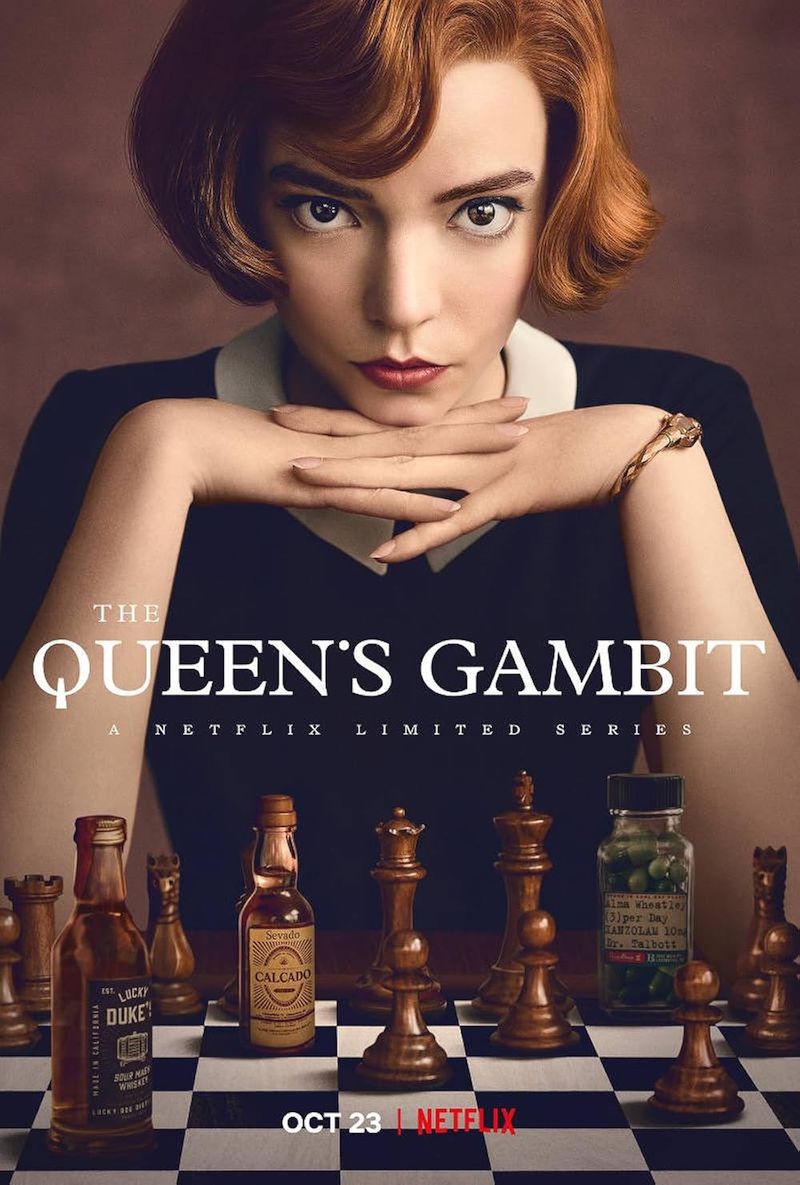
Chess may be a silent game, but The Queen’s Gambit fills its scenes with sharp, intelligent dialogue.
Beth Harmon’s journey from orphan to grandmaster unfolds through conversations about strategy, addiction, and ambition.
Scott Frank’s adaptation of Walter Tevis’s novel proves that talking about chess can be as thrilling as watching it.
Characters discuss openings, endgames, and famous matches with genuine passion.
These technical conversations never feel boring because they’re really about competition, respect, and connection.
Beth’s exchanges with her adoptive mother, her rivals, and her friends reveal different facets of her personality.
She speaks differently to each person, showing how she’s learned to navigate various social situations.
The show also explores the loneliness of genius through dialogue.
Beth struggles to explain her gift to people who don’t understand it.
Her most meaningful connections happen with fellow chess players who speak her language.
These conversations about the game become a way of discussing life, love, and what it means to be exceptional at something.
14. Anne With an E
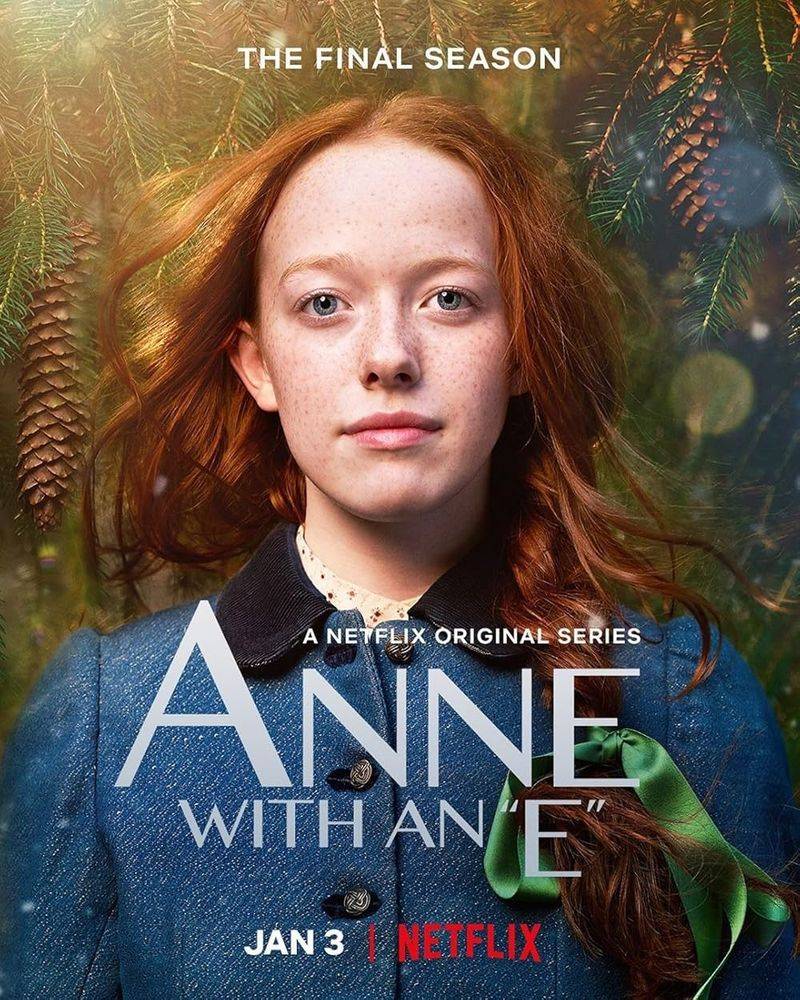
Orphan Anne Shirley talks in elaborate, romantic sentences that pour out in unstoppable torrents.
Her verbose, imaginative way of speaking initially annoys the practical people of Avonbridge but eventually wins them over.
Moira Walley-Beckett’s adaptation of L.M. Montgomery’s novels celebrates the power of words and imagination.
Anne’s dialogue reflects her intelligence and her need to reshape a harsh world through language.
She renames places, invents stories, and uses big words she doesn’t quite understand yet.
Her conversations with her adoptive parents, her best friend Diana, and her rival-turned-friend Gilbert show her growing up while maintaining her unique voice.
The show tackles serious issues like discrimination, trauma, and identity through Anne’s perspective.
Her speeches about women’s rights, indigenous peoples’ treatment, and personal freedom feel natural coming from a character who’s always questioned injustice.
The dialogue proves that period dramas can address contemporary concerns without feeling anachronistic when rooted in authentic character development.
15. Mr. Robot

Elliot Alderson’s internal monologue addresses viewers directly, creating an intimate yet unreliable narrative.
His social anxiety makes normal conversations painful to watch, but his thoughts flow freely.
Creator Sam Esmail uses this contrast to explore mental illness, paranoia, and the gap between how we present ourselves and who we really are.
Technical jargon flows naturally through conversations between hackers.
The show doesn’t dumb down computer science concepts but trusts viewers to follow along or accept that some details will go over their heads.
This authenticity makes the hacking scenes feel real rather than like Hollywood fantasy.
Where the dialogue truly shines is in its exploration of revolution, capitalism, and identity.
Characters debate whether changing the system is possible or desirable.
Elliot’s conversations with his imaginary friend, his sister, and his colleagues all reveal different aspects of his fractured psyche.
The show uses dialogue to construct an unreliable reality that keeps viewers constantly questioning what’s true.
Comments
Loading…