
 Jade Reed
15 Shows That Redefined Television as We Know It
Television has come a long way from simple sitcoms and variety shows. Some series have changed everything about how we watch, what we expect, and how stories get told on screen. These groundbreaking programs pushed boundaries, introduced fresh ideas, and made audiences rethink what TV could accomplish.
1. The Sopranos
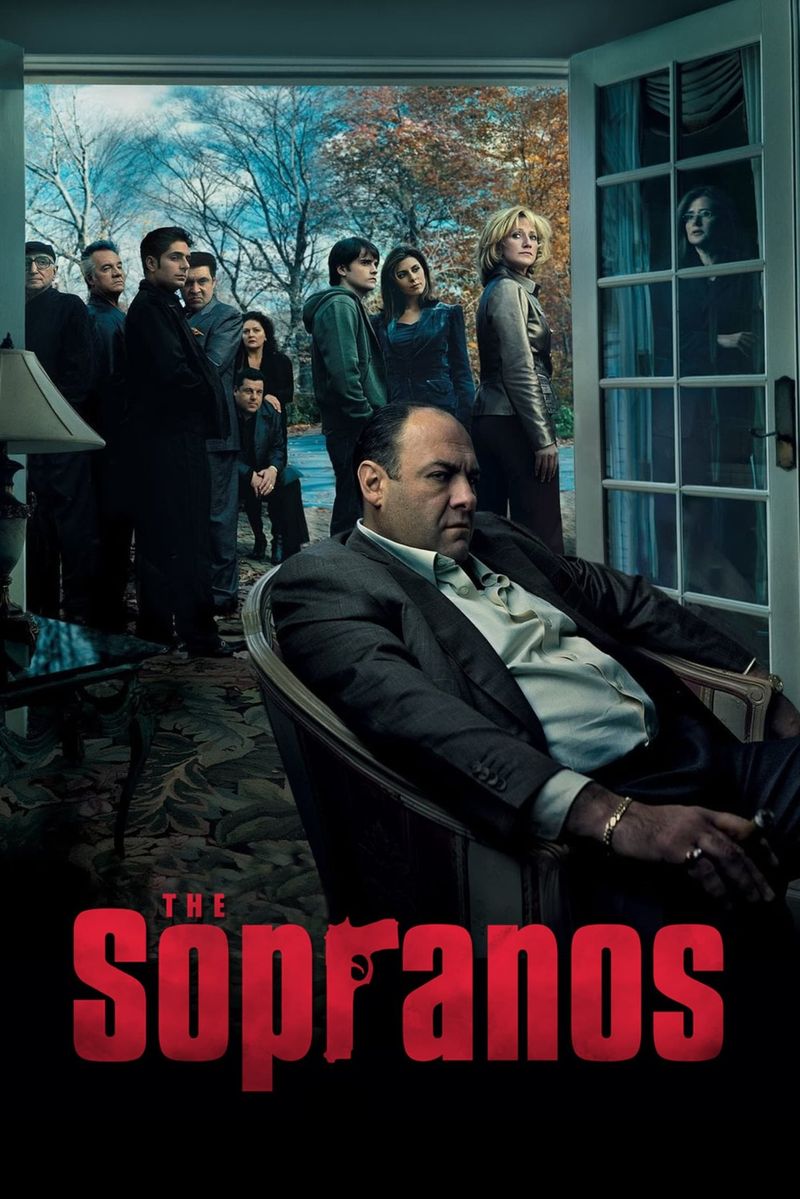
When this HBO drama premiered in 1999, nobody had seen anything quite like it on television.
Tony Soprano brought complexity to the small screen that movies had owned for decades.
Audiences watched a mob boss struggle with panic attacks while running his criminal empire.
The show proved that television could handle morally gray characters without easy answers.
Therapy sessions became as gripping as violent confrontations.
Creator David Chase crafted a family drama wrapped in organized crime, making viewers root for someone they probably should not like.
Premium cable suddenly became the place for sophisticated storytelling that challenged everything network TV had established.
2. Breaking Bad
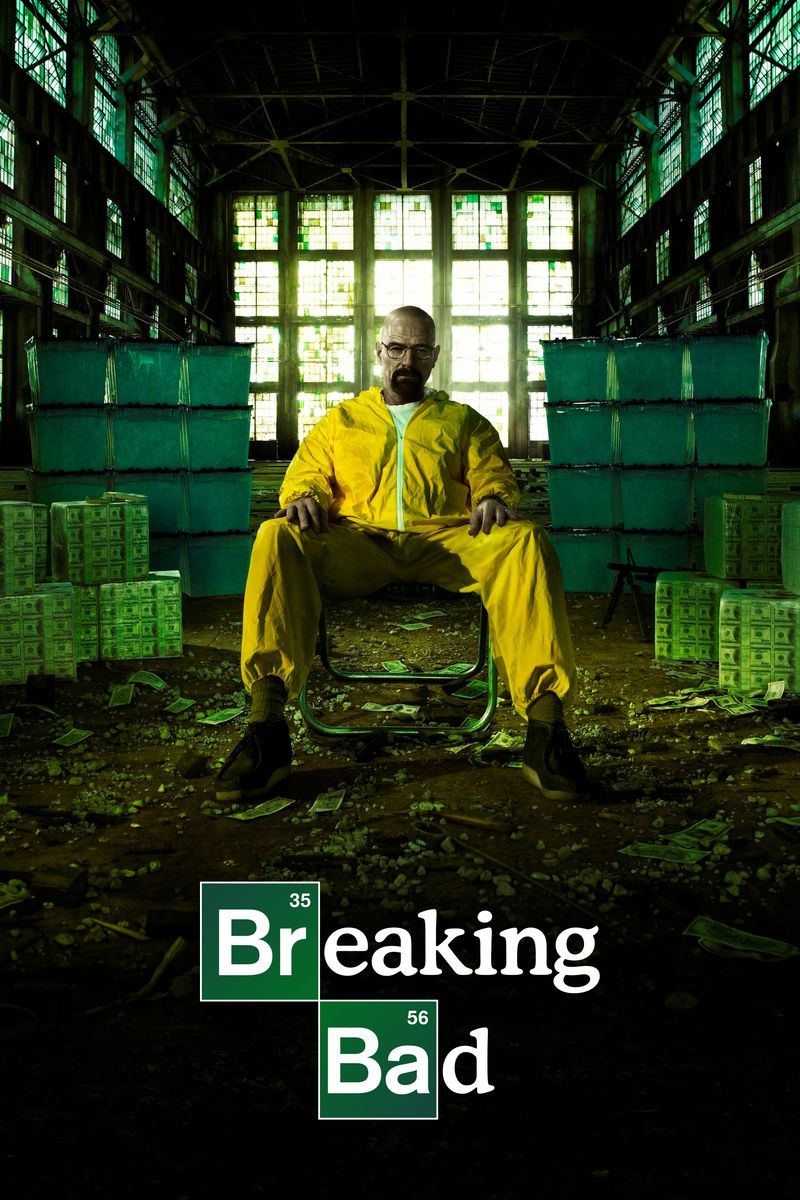
A high school chemistry teacher gets cancer and starts cooking methamphetamine to pay his medical bills.
That premise sounds almost ridiculous until you watch Walter White transform from mild-mannered educator into ruthless drug lord.
Vince Gilligan created a character study that explored how good people make terrible choices.
Each episode built tension like a tightening wire, with consequences that actually mattered.
No reset button existed here.
The cinematography brought movie-quality visuals to weekly television.
Breaking Bad demonstrated that serialized storytelling could maintain intensity across five seasons while respecting audience intelligence and never backing down from difficult moral questions.
3. The Wire
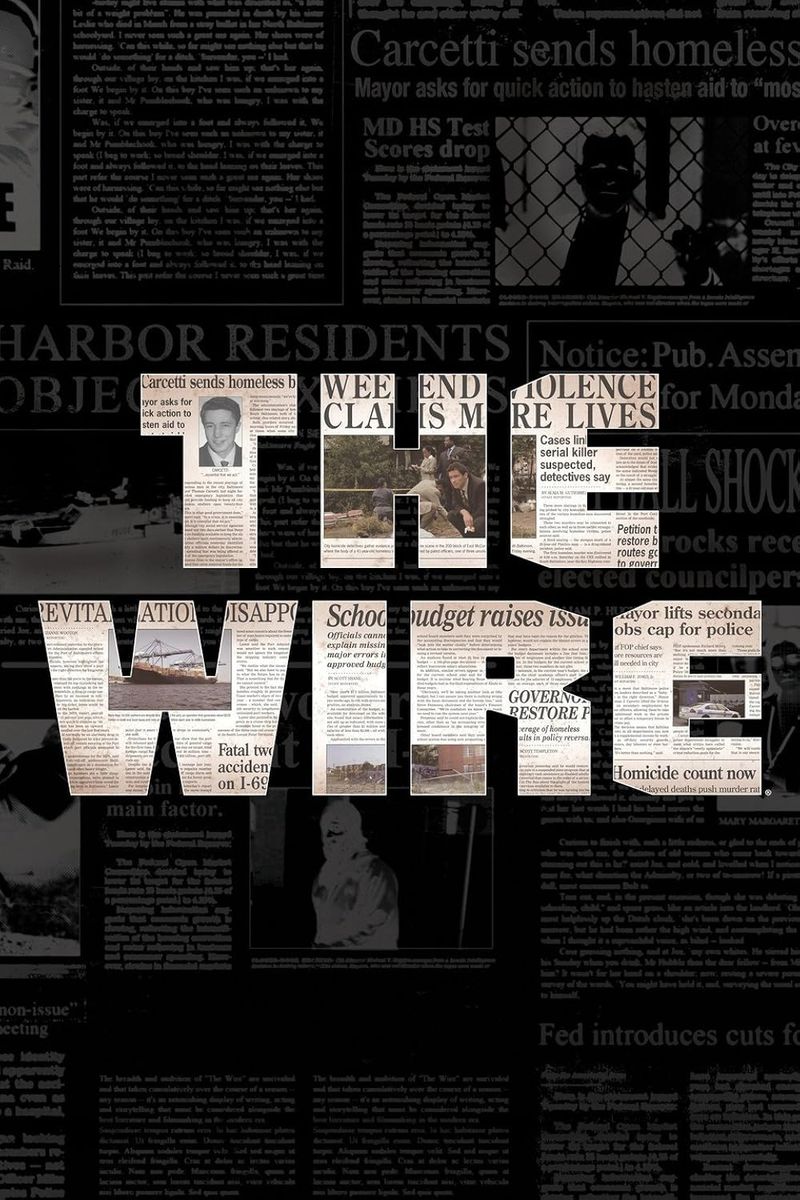
Baltimore became a character itself in this sprawling examination of American institutions.
David Simon created something closer to a visual novel than traditional police procedural.
The show explored how drug trade, education, politics, and media interconnect in ways that trap everyone involved.
No easy villains existed here, just people caught in broken systems.
Seasons shifted focus between different institutions while maintaining dozens of character arcs.
Critics called it the greatest television show ever made, though ratings never reflected that acclaim.
The Wire demanded patience and attention, rewarding viewers with authentic portrayals that felt ripped from real investigative journalism rather than Hollywood imagination.
4. Friends
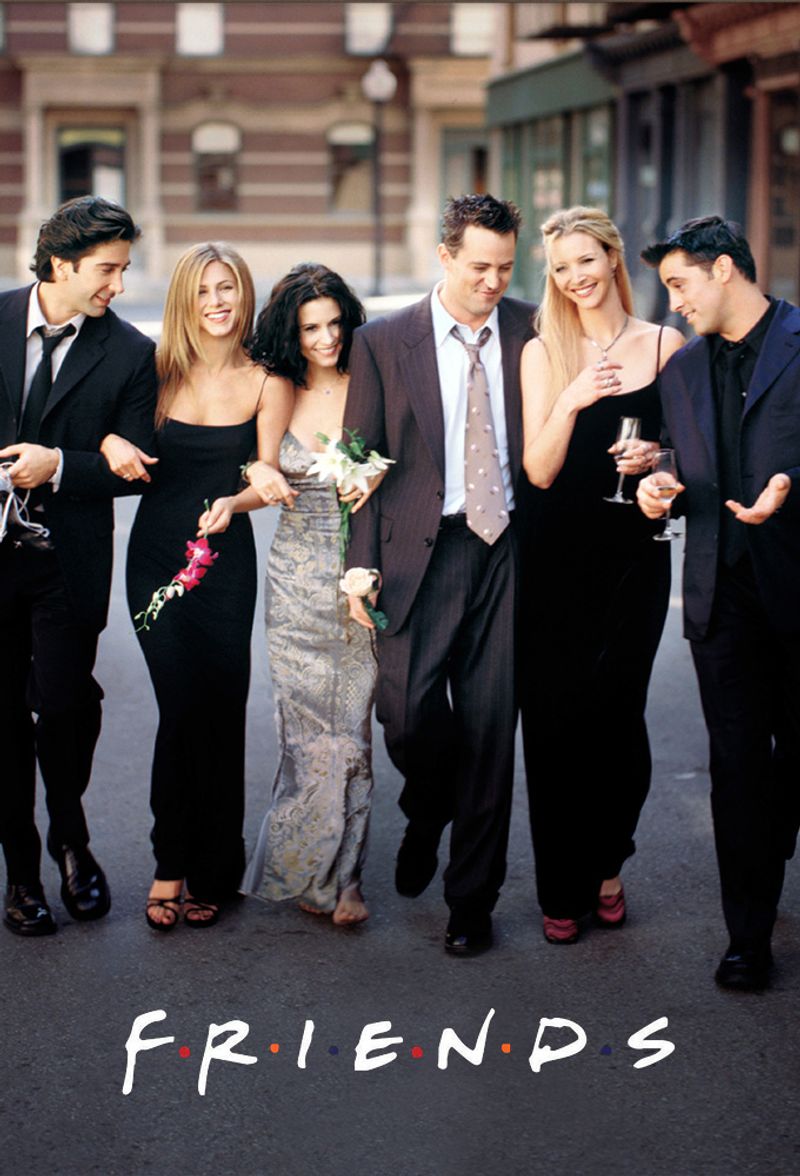
Six twenty-somethings hanging out in a coffee shop does not sound revolutionary, yet this sitcom changed everything.
Friends made appointment television matter again in the 1990s when everyone gathered to watch together.
The chemistry between cast members created magic that turned catchphrases into cultural touchstones.
Ross and Rachel became the relationship everyone debated at work the next day.
The show balanced ensemble comedy perfectly, giving each character distinct personality and growth.
Its influence stretched beyond entertainment into fashion, hairstyles, and how young adults viewed urban living.
Streaming services still pay massive amounts for rights because new generations keep discovering these characters decades later.
5. Game of Thrones
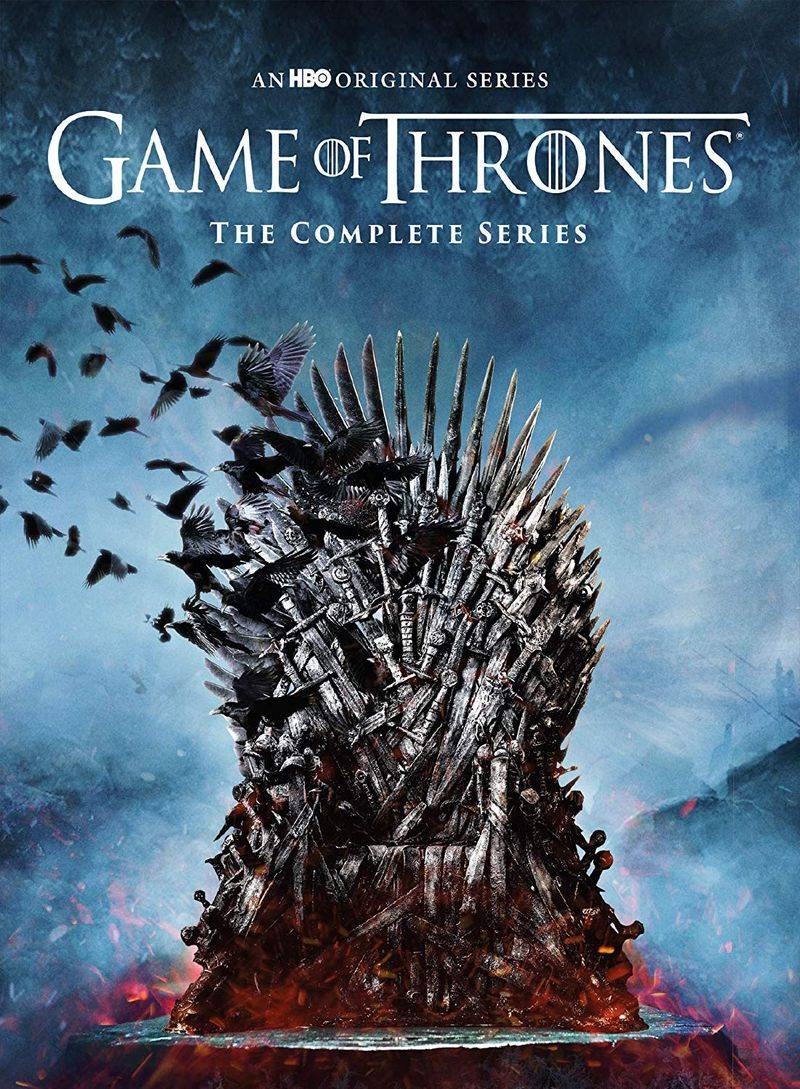
Fantasy had always struggled on television due to budget constraints and cheesy effects.
HBO threw resources at George R.R. Martin’s complex novels and created something that felt genuinely epic.
Dragons, dire wolves, and White Walkers looked believable for the first time on the small screen.
The willingness to kill major characters shocked audiences accustomed to plot armor protecting heroes.
Political intrigue mattered as much as sword fights.
Watercooler conversations returned to television in the streaming age because everyone needed to discuss the latest shocking twist.
Game of Thrones proved that genre television could attract mainstream audiences and become genuine cultural phenomena reaching far beyond typical fan bases.
6. The Simpsons
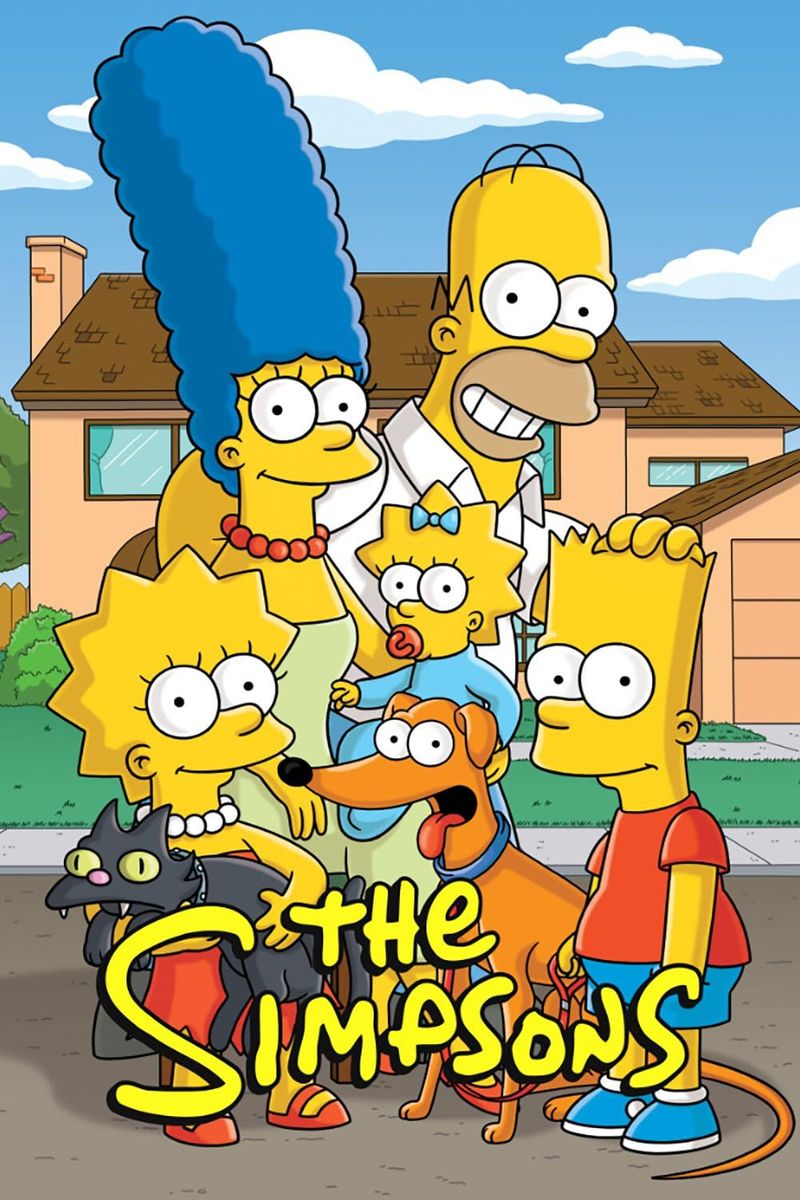
An animated family sitcom that started as shorts on The Tracy Ullman Show became television’s longest-running scripted series.
Matt Groening created a dysfunctional family that somehow felt more real than live-action counterparts.
Homer, Marge, Bart, Lisa, and Maggie reflected American family life through satirical lens.
The show proved animation was not just for children anymore.
Sharp social commentary and celebrity guest stars made it appointment viewing for adults.
Springfield became as familiar as real hometowns, with supporting characters that could carry entire episodes.
The Simpsons influenced countless shows that followed, establishing adult animation as legitimate television genre and demonstrating that cartoons could offer sophisticated humor.
7. Twin Peaks
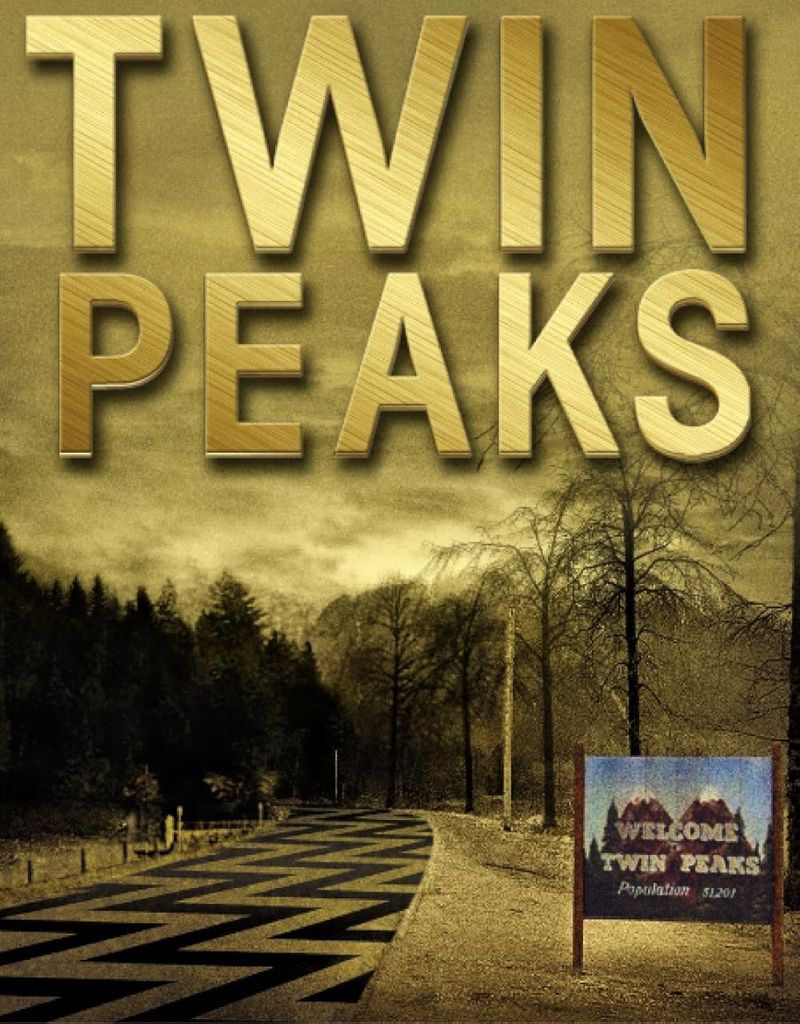
David Lynch brought his surrealist film style to network television in 1990, creating something beautifully bizarre.
Who killed Laura Palmer became the question everyone asked, but the answer mattered less than the strange journey.
Dreams, doppelgangers, and a dancing dwarf made prime-time television weird in ways audiences had never experienced.
The show mixed soap opera melodrama with genuine horror and quirky humor.
Log ladies and damn fine coffee entered pop culture vocabulary.
Though it only lasted two seasons initially, Twin Peaks influenced decades of television that followed.
Its legacy lives in every show that dares to be unconventional, proving networks could take creative risks even if mainstream success remained elusive.
8. Mad Men
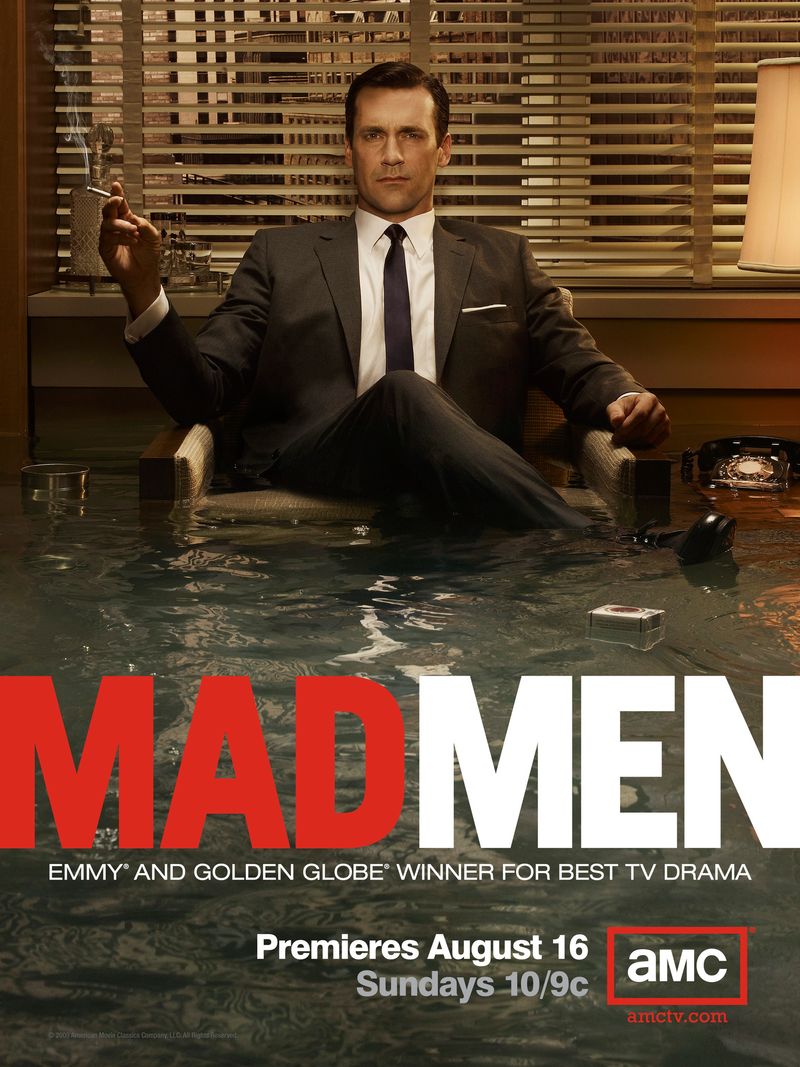
Cigarettes, cocktails, and casual sexism filled this portrait of 1960s advertising executives.
Matthew Weiner crafted a period drama that felt like time travel, with meticulous attention to historical detail.
Don Draper became the mysterious antihero whose past haunted his present.
The show explored how America changed during tumultuous decade through the lens of Madison Avenue.
Fashion and set design became characters themselves.
Slow-burn storytelling rewarded patient viewers with character development that unfolded across seven seasons.
Mad Men demonstrated that prestige television could examine recent history with nuance, making audiences reconsider the supposed good old days while delivering stunning visual storytelling that elevated television to art form status.
9. Stranger Things
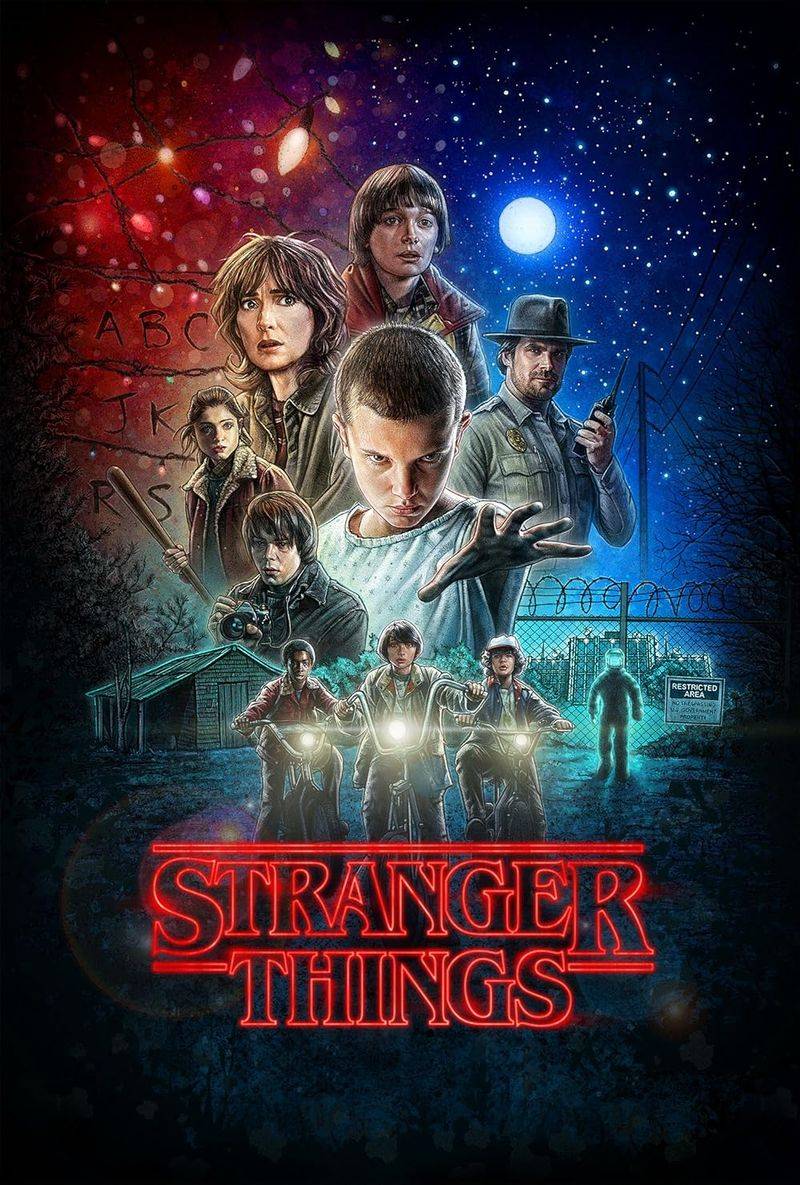
Nostalgia for 1980s pop culture collided with genuine horror in this Netflix phenomenon.
The Duffer Brothers created a love letter to Spielberg films, Stephen King novels, and classic arcade games.
Kids on bikes investigating supernatural mysteries felt both fresh and comfortingly familiar.
Eleven became an instant icon with her telekinetic powers and love of Eggo waffles.
The Upside Down brought legitimate scares to family-friendly adventure.
Stranger Things proved that streaming platforms could launch global phenomena overnight.
Binge-watching culture meant everyone experienced the story at their own pace, yet somehow collective excitement still built.
The show demonstrated how genre-mixing could attract diverse audiences across generations.
10. Seinfeld
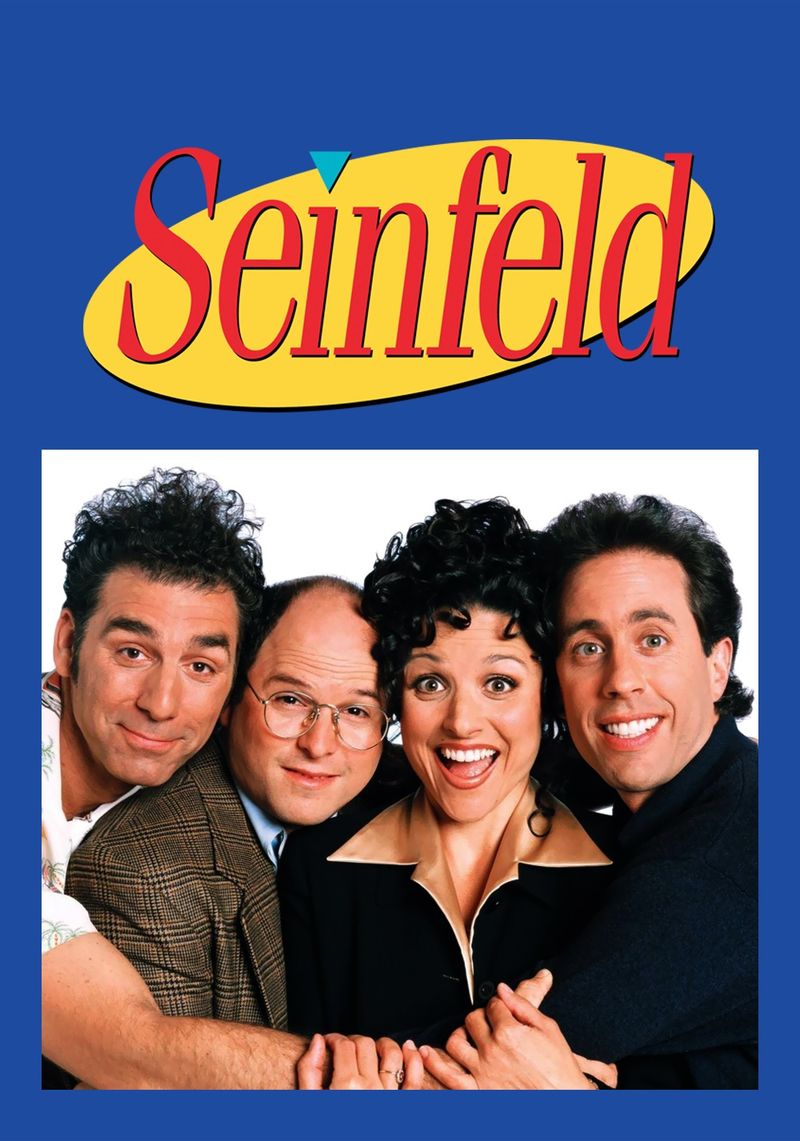
Larry David and Jerry Seinfeld created a show about nothing that somehow became everything.
Four self-absorbed New Yorkers navigated daily absurdities without learning lessons or growing as people.
Traditional sitcom structure got thrown out completely.
No hugging, no learning became the mantra that freed comedy from forced sentimentality.
Storylines about puffy shirts and marble rye became legendary.
The show’s observational humor influenced comedy writing for decades.
Characters like Kramer, Elaine, and George felt like people you actually knew, just slightly exaggerated.
Seinfeld made it acceptable for sitcom characters to be genuinely unlikeable while still hilarious, changing expectations for what comedy could accomplish without heartwarming moments.
11. Lost

A plane crash strands survivors on a mysterious island where polar bears and smoke monsters roam.
J.J. Abrams and Damon Lindelof created a puzzle box that had millions theorizing online every week.
Flashbacks revealed character backstories while island mysteries deepened.
The show pioneered social media discussion around television, with fans dissecting every detail.
Numbers, hatches, and the Dharma Initiative became obsessions.
Lost proved that network television could still create water-cooler moments in the digital age.
Its ambitious mythology sometimes frustrated viewers, but the character-driven storytelling kept people invested through six seasons of increasingly wild revelations about fate, free will, and human connection.
12. Buffy the Vampire Slayer
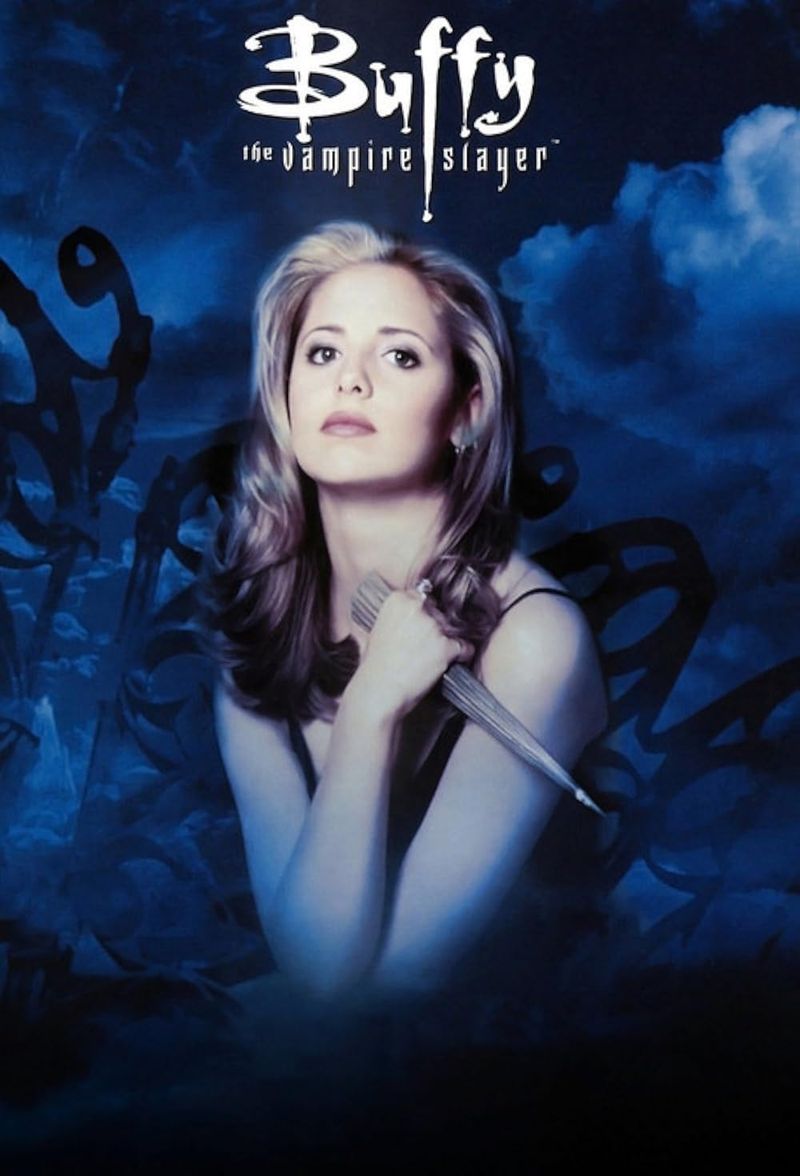
Joss Whedon took a failed movie concept and transformed it into a cultural phenomenon about female empowerment.
Buffy Summers juggled homework, dating, and saving the world from apocalypses on a weekly basis.
The show used supernatural threats as metaphors for real teenage struggles.
Witty dialogue and emotional depth elevated what could have been campy genre fare.
A musical episode became one of television’s most celebrated hours.
The series created devoted fandom that still thrives decades later.
Buffy proved that teen-oriented programming could tackle serious themes like death, addiction, and identity while maintaining sharp humor and kick-ass action sequences that influenced everything from storytelling to representation.
13. The Twilight Zone
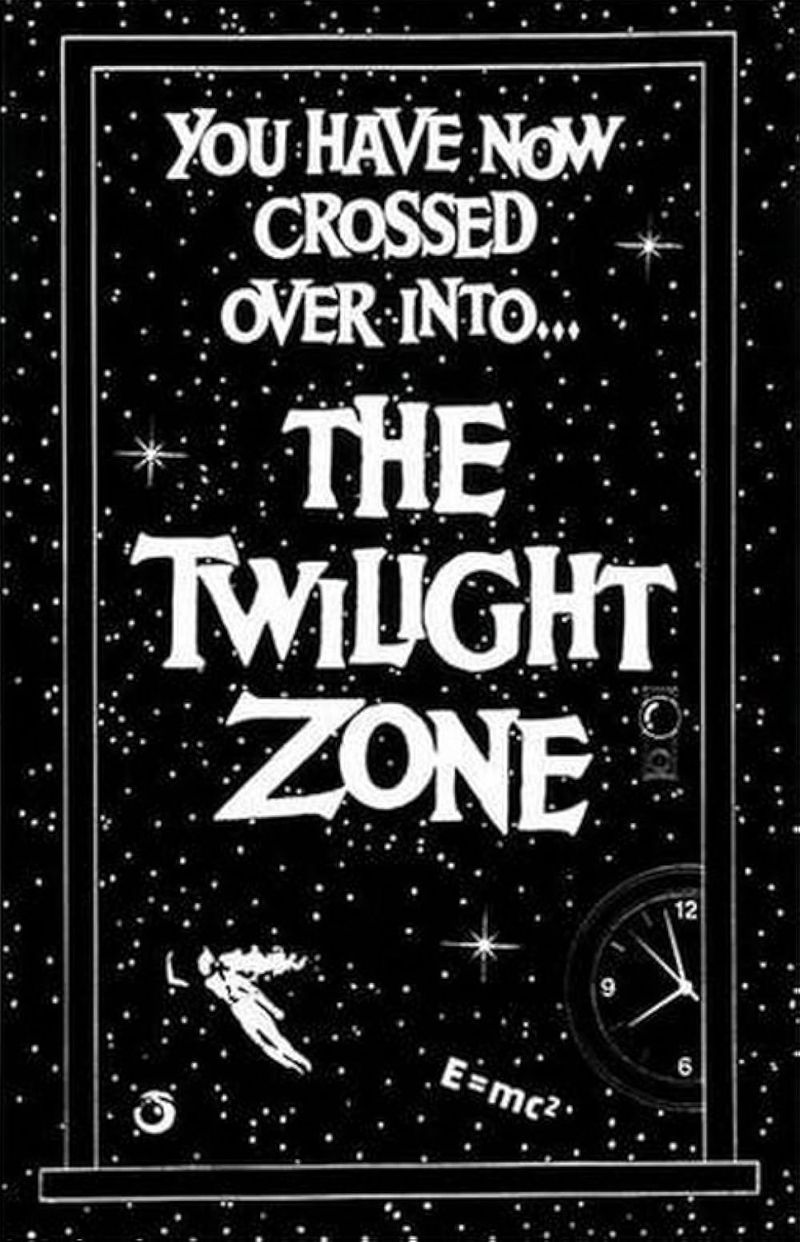
With Rod Serling at the helm, doors swung open to a dimension where nothing was quite what it seemed.
Each episode told a complete story exploring science fiction, horror, and social commentary wrapped in twist endings.
The anthology format meant anything could happen to anyone.
Serling used speculative fiction to address racism, war, and conformity when networks avoided controversial topics.
Monsters often turned out to be human.
The show’s influence echoes through every anthology series and twist-ending story that followed.
Black Mirror owes its existence to The Twilight Zone.
Its opening narration became iconic, warning viewers they were entering a dimension of imagination that challenged assumptions about reality and humanity’s darkest impulses.
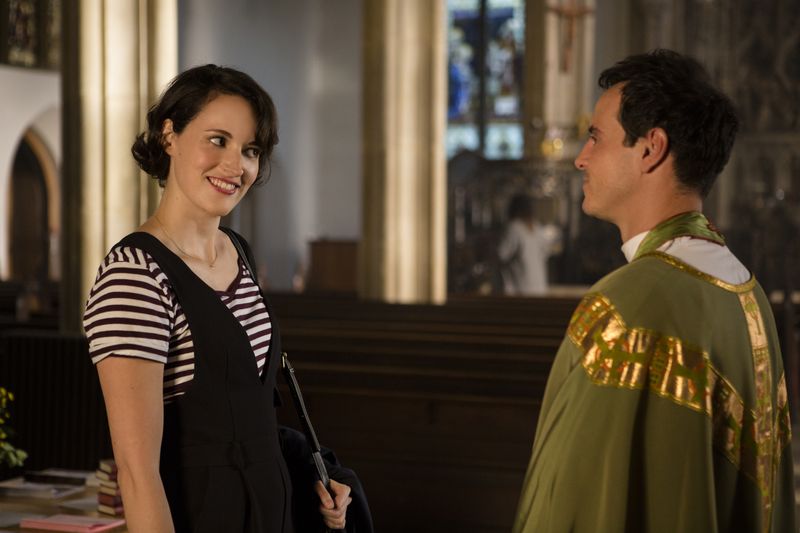
14. Fleabag
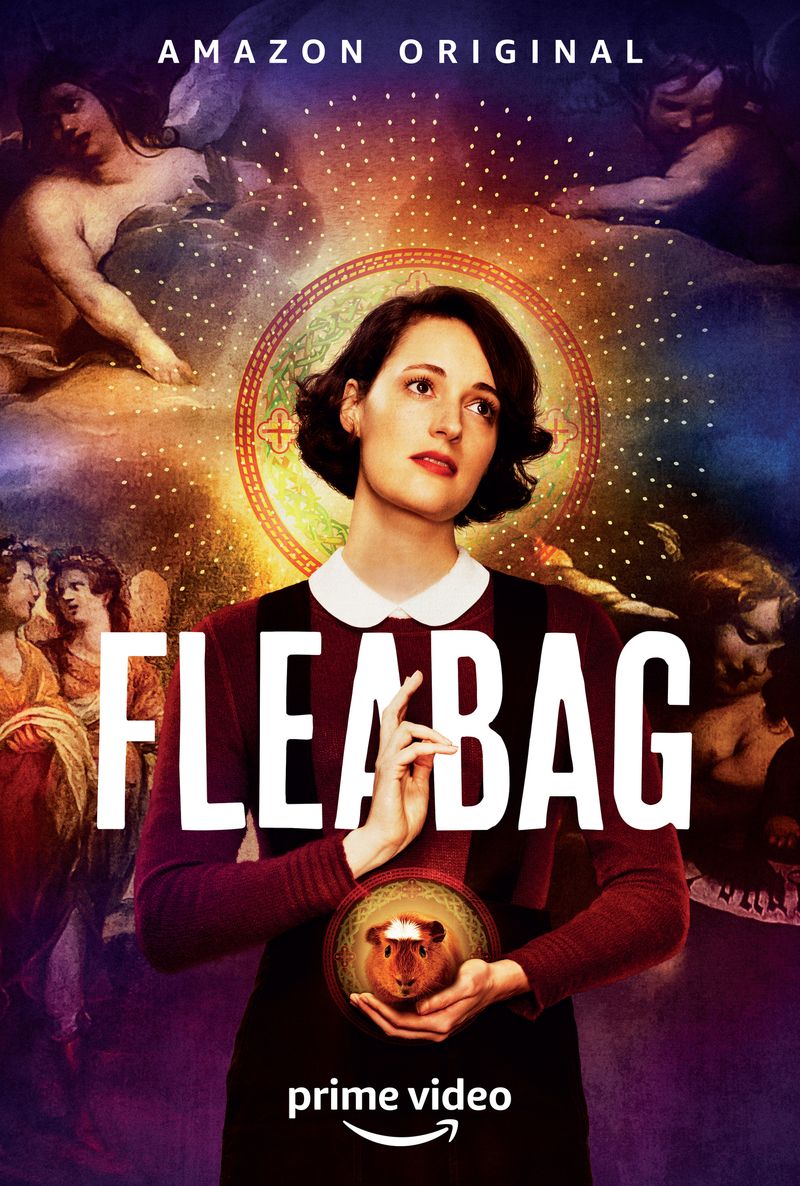
Phoebe Waller-Bridge broke the fourth wall and our hearts in this brutally honest comedy.
A messy woman in London navigated grief, family dysfunction, and terrible romantic choices while speaking directly to the audience.
The intimacy created felt like sharing secrets with your funniest, most damaged friend.
Season two introduced a Hot Priest who made viewers understand forbidden attraction perfectly.
The will-they-won’t-they tension hurt beautifully.
Just twelve episodes total proved that limited series could tell complete stories without overstaying welcome.
Fleabag demonstrated how female-driven comedy could be raw and devastating while maintaining laugh-out-loud humor that felt genuinely revolutionary in its emotional honesty and unconventional storytelling approach.
15. The Office (US)
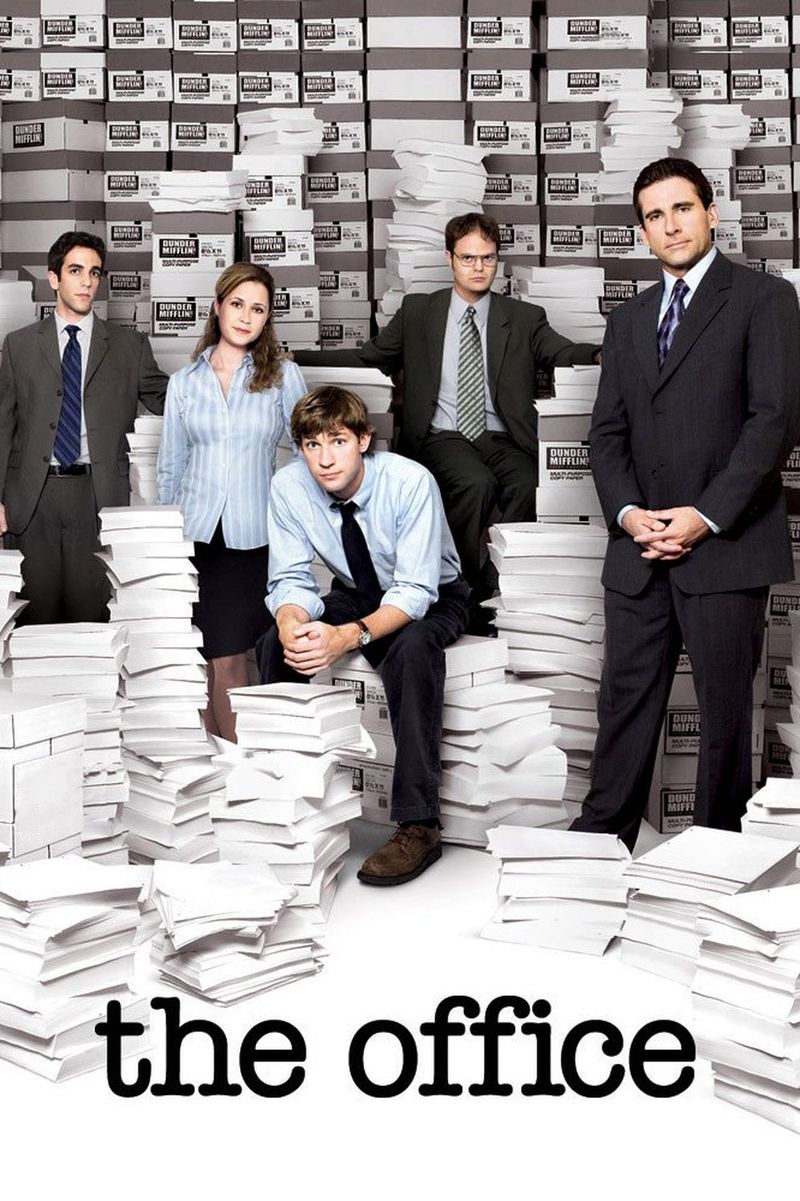
A documentary crew filming a paper company in Scranton sounds incredibly boring until you meet Michael Scott.
The mockumentary format brought uncomfortable realism to workplace comedy.
Characters looked at the camera, acknowledging the absurdity of their situations.
Steve Carell created a boss who was cringeworthy yet somehow lovable despite constant inappropriate behavior.
Jim and Pam became the relationship that made everyone believe in office romance.
The show balanced humor with genuine emotion, making viewers care deeply about salespeople and accountants.
Its influence on comedy and meme culture remains massive years after the finale, with reaction GIFs still dominating social media and proving workplace comedy could have real heart.
Comments
Loading…