
 Jade Reed
15 Shows Boomers Obsessed Over (and We’re Not Sure Why)
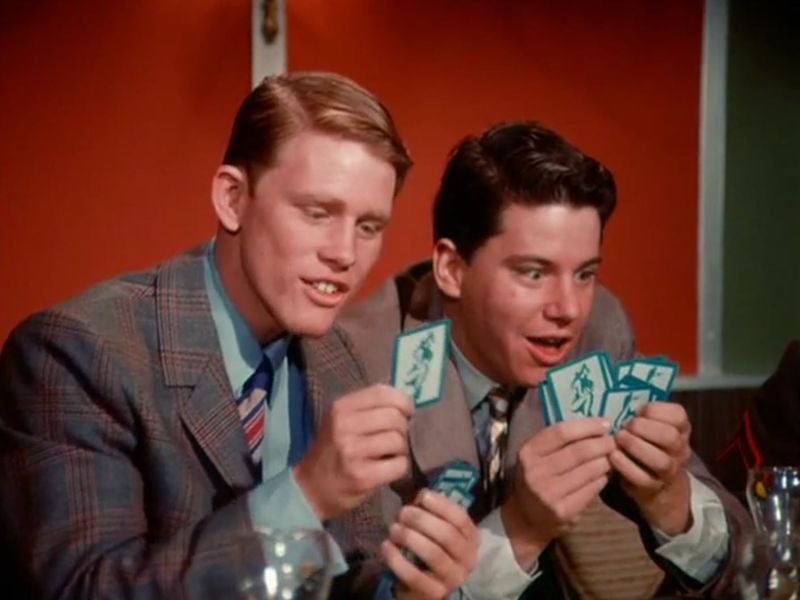
Baby Boomers grew up watching television shows that became cultural phenomena, gathering families around the TV set every week. Many of these programs dominated ratings for years and created passionate fan bases that still exist today.
Looking back at these beloved series through a modern lens, younger generations sometimes scratch their heads wondering what all the fuss was about.
1. Dallas
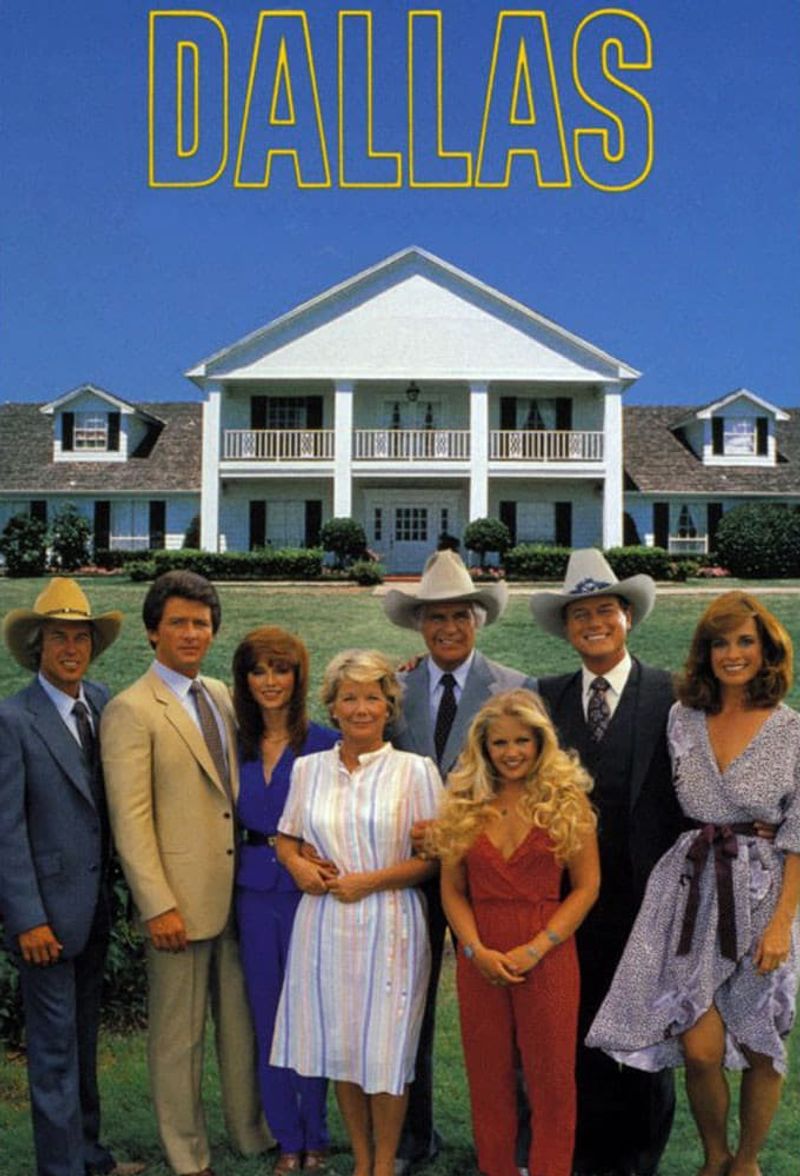
Oil barons, family feuds, and backstabbing business deals made Dallas the ultimate guilty pleasure for an entire generation.
The Ewing family drama kept millions glued to their screens every Friday night, obsessing over who shot J.R. in one of television’s most talked-about cliffhangers.
Watching wealthy Texans scheme against each other for an hour might seem silly now, but back then it was appointment viewing.
The show ran for fourteen seasons, proving that Boomers couldn’t get enough of the soap opera shenanigans.
Modern viewers often wonder why anyone cared so deeply about fictional oil tycoons and their ridiculous problems, yet the show remains a cultural touchstone of the era.
2. Dynasty
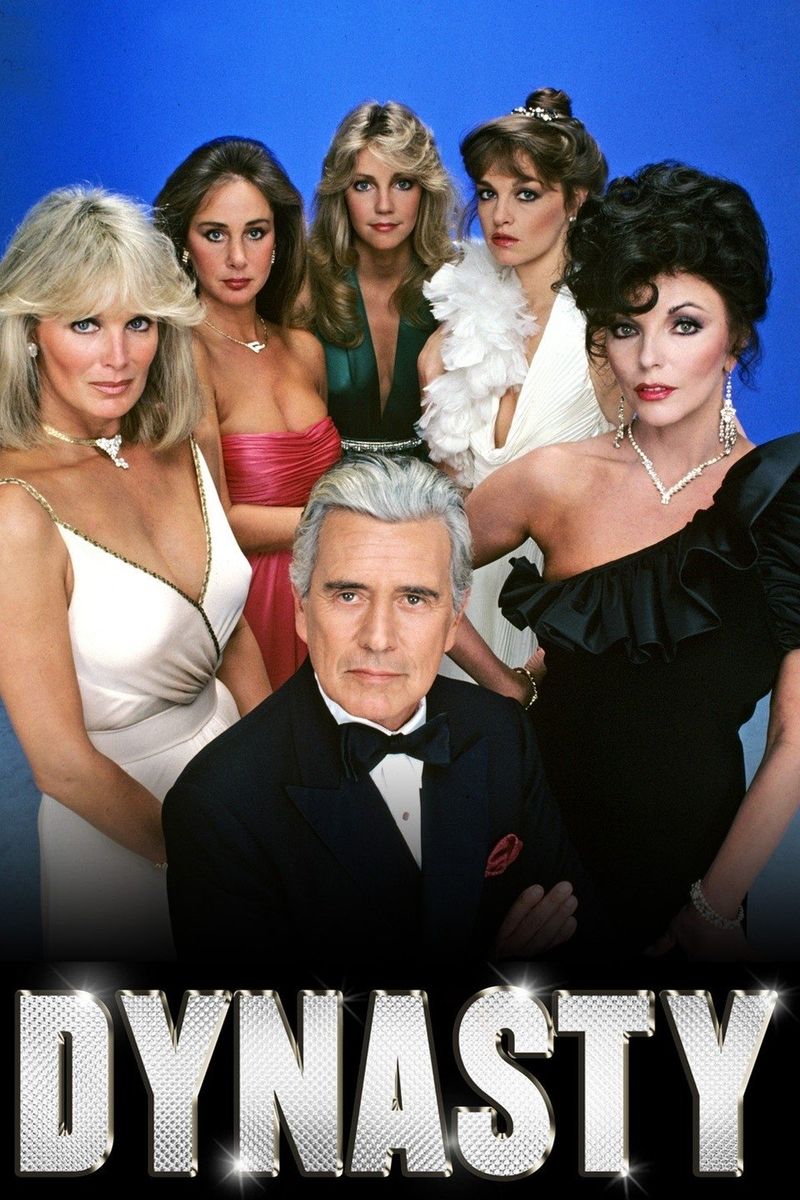
Big hair, bigger shoulder pads, and the most dramatic catfights on television defined this prime-time soap opera sensation.
Dynasty followed the ultra-wealthy Carrington family through scandals, marriages, and business battles that seemed more outrageous with each passing episode.
Joan Collins and Linda Evans became household names as they battled for power, money, and love in the most over-the-top ways imaginable.
The fashion alone was enough to make modern viewers cringe, yet Boomers ate up every glamorous moment.
Crystal chandeliers, mansion settings, and characters who changed spouses like they changed clothes somehow captivated an entire generation for nine seasons of pure melodrama.
3. The Brady Bunch
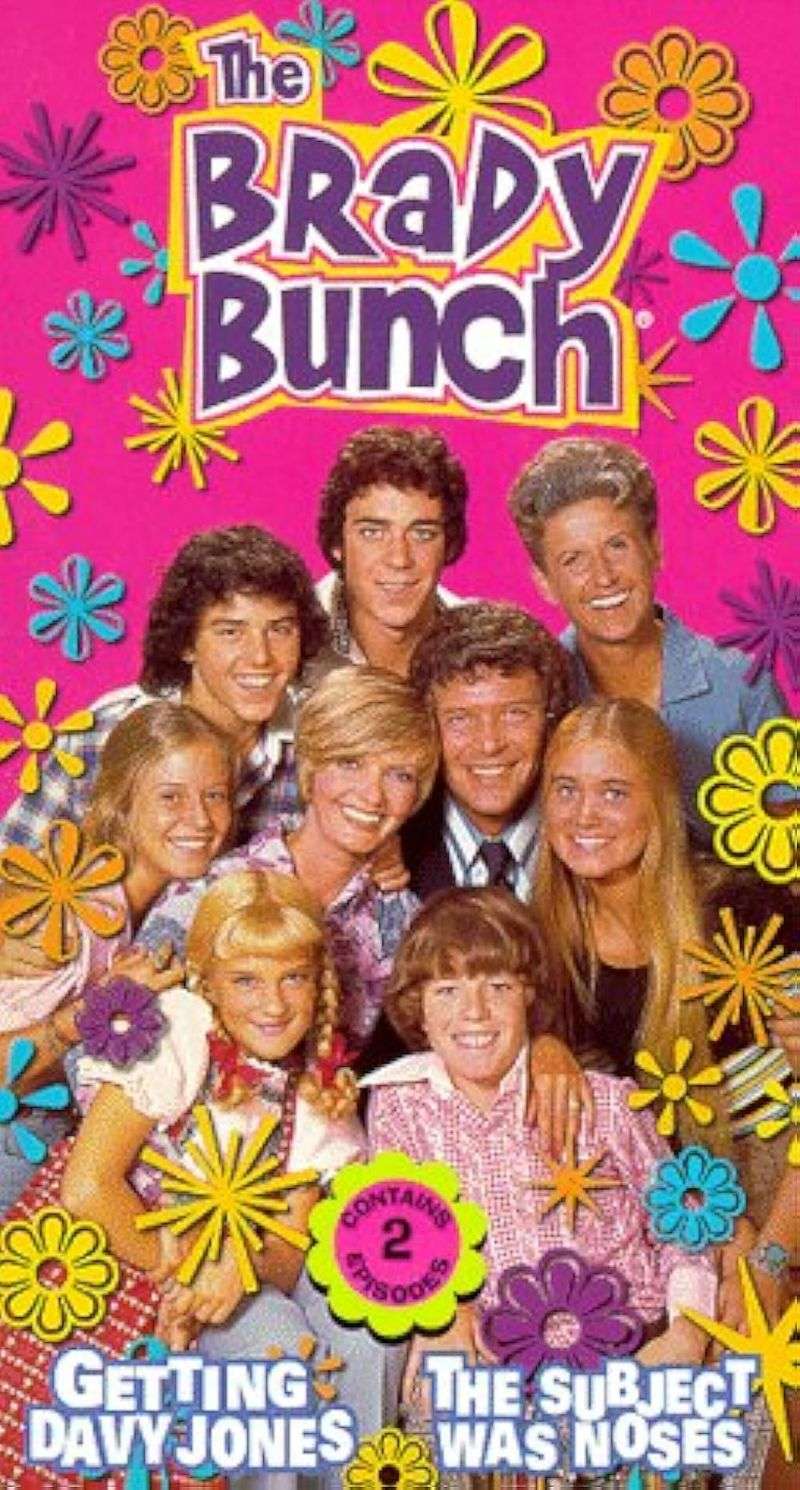
Six kids, two parents, and one housekeeper living in perfect harmony sounds unrealistic because it absolutely was.
The Brady family dealt with problems that got solved in thirty minutes, teaching life lessons that rarely applied to real family situations.
Mike and Carol Brady blended their families without any of the actual struggles that come with stepfamilies, creating an impossibly cheerful household.
Arguments never lasted long, and everyone learned valuable lessons before the credits rolled.
Despite its squeaky-clean image and unrealistic portrayal of family life, Boomers adored this show and watched it religiously.
The catchy theme song and wholesome values made it comfort viewing, even if real life never worked out quite so neatly.
4. M*A*S*H
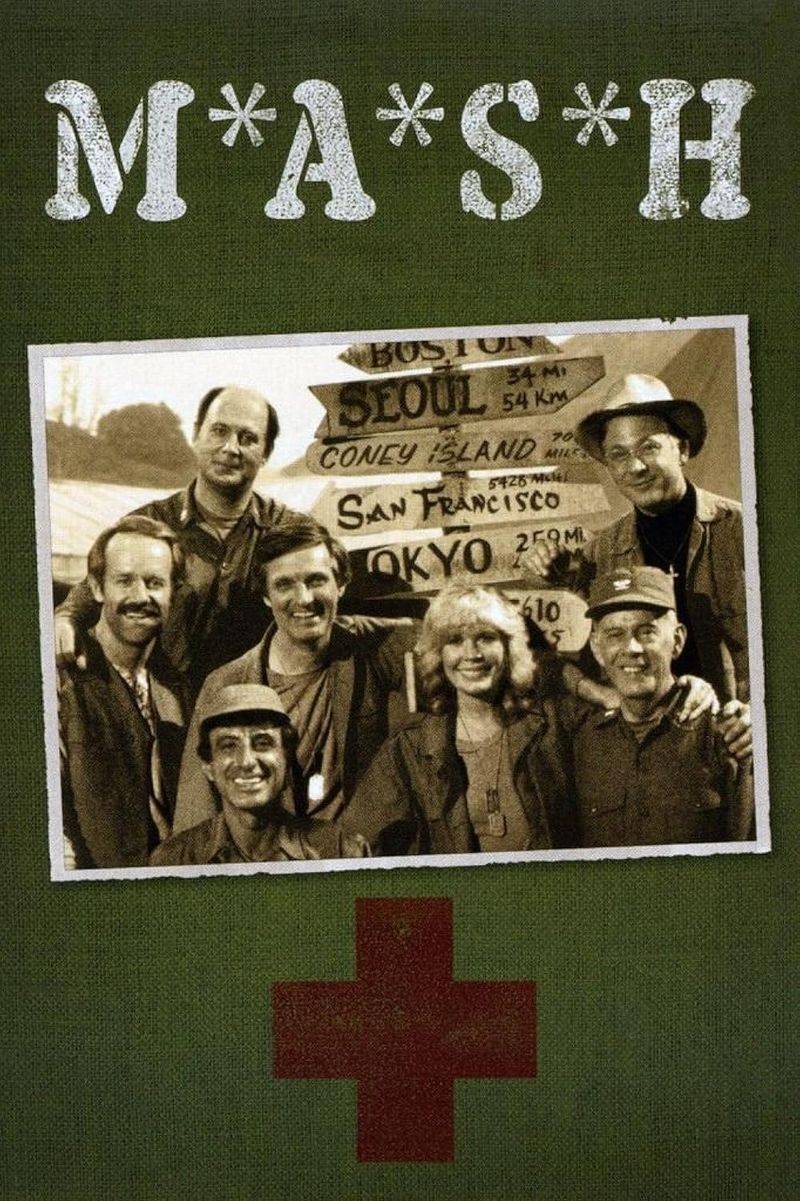
Army doctors cracking jokes while performing surgery during wartime created television’s most unusual comedy-drama hybrid.
Set during the Korean War, this show somehow made audiences laugh and cry within the same episode, balancing humor with serious themes about war and humanity.
Alan Alda’s character Hawkeye Pierce became an icon for his wisecracks and anti-war sentiments that resonated during the Vietnam era.
The show ran for eleven years, outlasting the actual Korean War by eight years, which tells you something about Boomer dedication.
Modern audiences sometimes struggle with the preachy moments and dated humor, but back then, twenty million people tuned in weekly to watch army surgeons drink martinis and perform operations in between philosophical discussions.
5. Happy Days
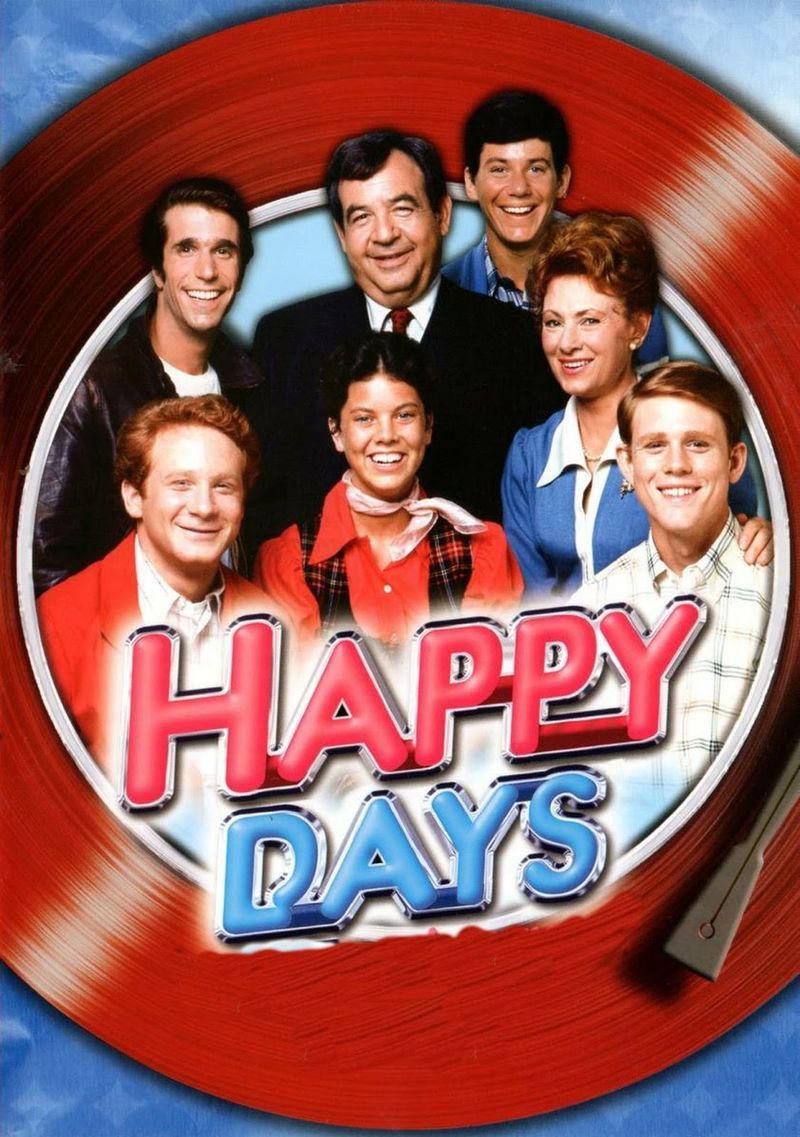
Nostalgia for the 1950s reached peak levels when this show about Milwaukee teenagers became a cultural phenomenon in the 1970s.
The Cunningham family and their cool friend Fonzie represented an idealized version of post-war America that never really existed.
Henry Winkler’s Fonzie started as a minor character but became so popular that his leather jacket ended up in the Smithsonian.
Jumping over a shark on water skis literally created a phrase for when shows go downhill, yet Boomers kept watching for eleven seasons.
The wholesome adventures of Richie, Potsie, and Ralph Malph at Arnold’s Drive-In seem incredibly tame today, but audiences couldn’t get enough of the simpler times the show portrayed, even if those times were mostly fictional.
6. All in the Family
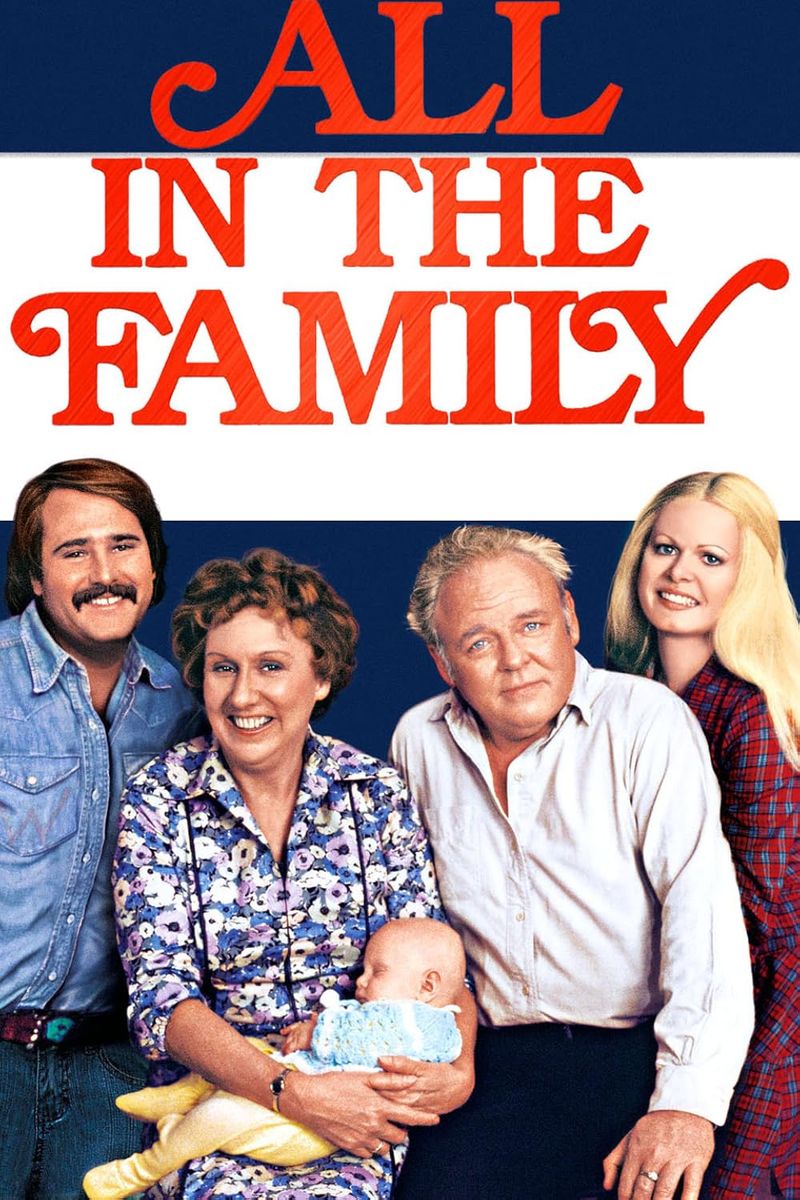
Archie Bunker’s bigoted rants somehow became must-see television, sparking dinner table debates across America every week.
This groundbreaking sitcom tackled racism, sexism, and political divisions with a bluntness that shocked audiences used to sanitized family comedies.
Carroll O’Connor played the lovable bigot so convincingly that some viewers missed the point entirely, actually agreeing with Archie’s outdated views.
The show pushed boundaries by discussing topics like homosexuality, women’s rights, and the Vietnam War when other sitcoms stuck to safe subjects.
Despite making many people uncomfortable, it topped ratings for five consecutive years because Boomers appreciated seeing their real-world conflicts reflected on screen, even through the lens of a stubborn, close-minded loading dock worker.
7. The Waltons
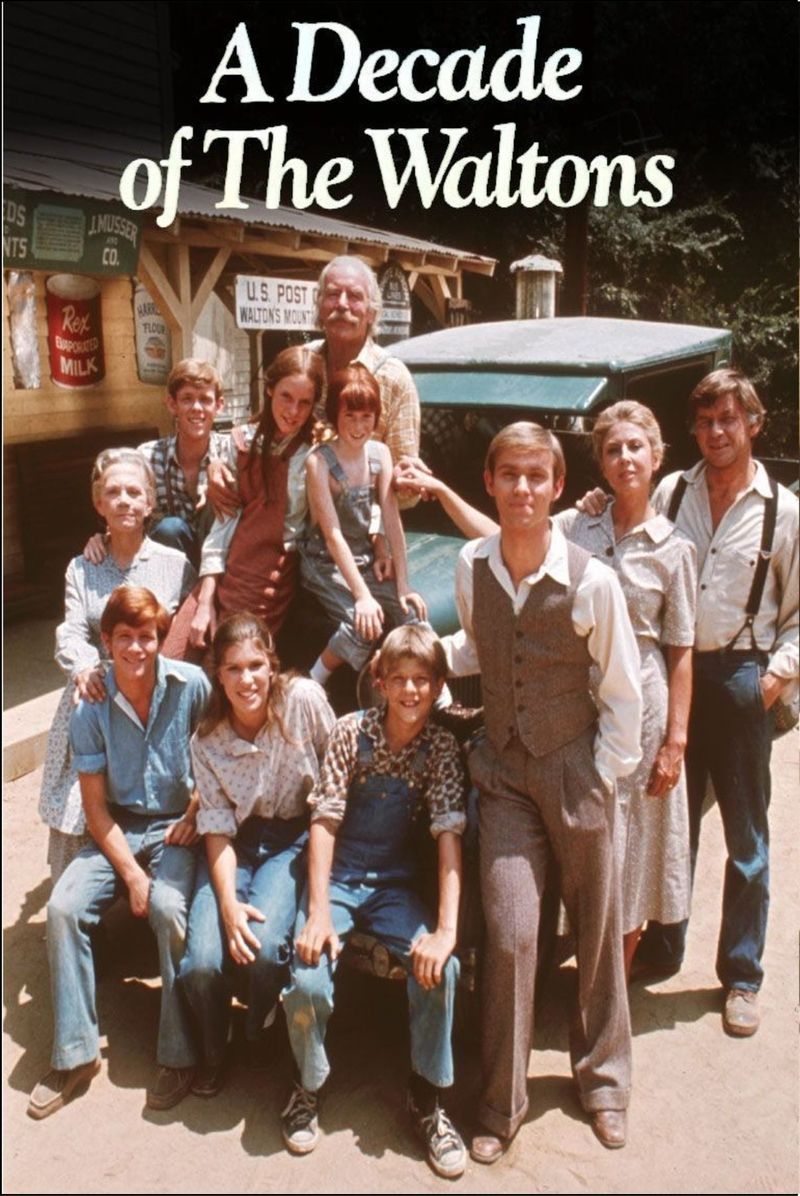
Depression-era poverty never looked so heartwarming as it did on Walton’s Mountain, where a large family faced hardships with endless optimism.
John-Boy’s dreams of becoming a writer and his siblings’ various adventures painted rural Virginia life as idyllic despite economic struggles.
Every episode ended with family members saying goodnight to each other from their bedrooms, a ritual that became iconic but seems incredibly corny now.
The show ran for nine seasons, proving that Boomers loved watching a wholesome family overcome obstacles through love and determination.
Critics today point out how the show romanticized poverty and glossed over serious issues, but audiences in the 1970s found comfort in the Walton family’s unwavering values and close-knit relationships during uncertain times.
8. Little House on the Prairie
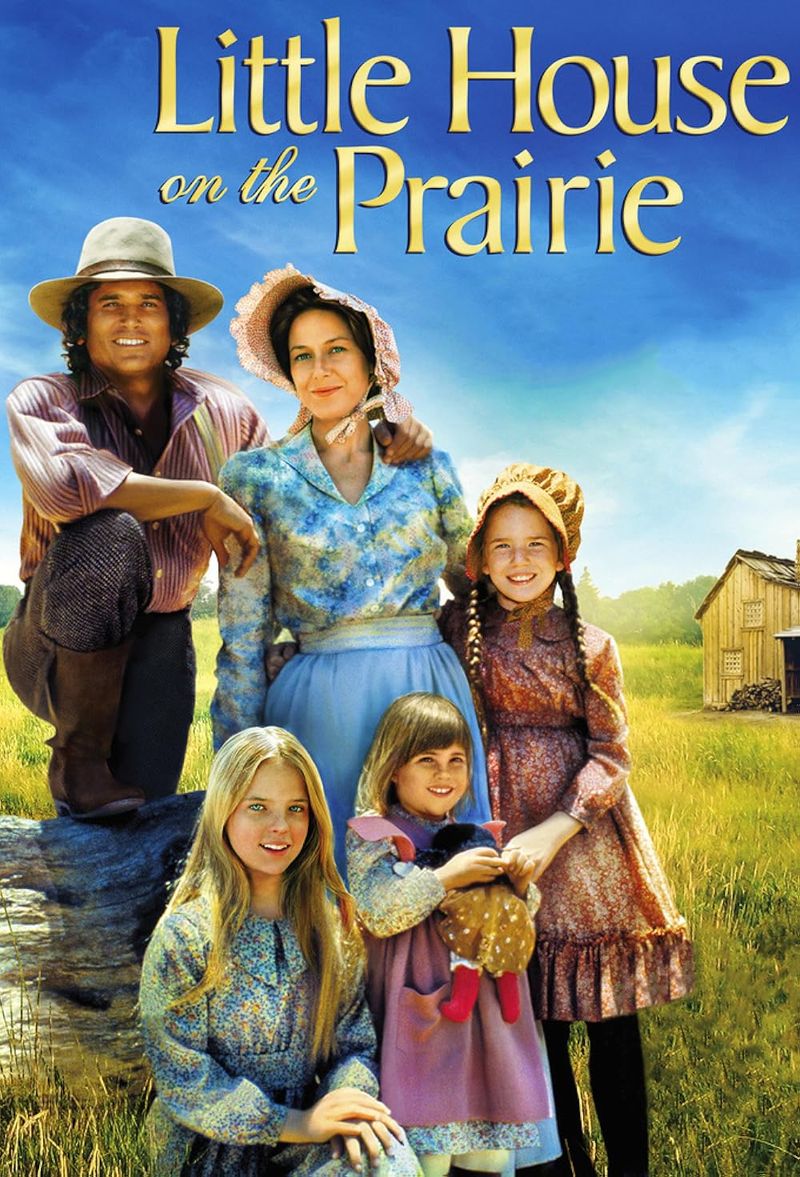
Pioneer life on the Kansas prairie looked surprisingly clean and manageable when the Ingalls family did it on television.
Based loosely on Laura Ingalls Wilder’s books, the show turned frontier hardships into weekly moral lessons wrapped in wholesome family entertainment.
Michael Landon’s Charles Ingalls solved every problem with wisdom, hard work, and perfectly timed life lessons that wrapped up neatly before each episode ended.
The family faced blindness, crop failures, and various tragedies but always persevered with their faith intact.
Modern viewers often find the show overly sentimental and preachy, questioning why anyone would romanticize such difficult living conditions, but Boomers embraced the simple values and family bonds portrayed across nine seasons of prairie adventures.
9. Columbo
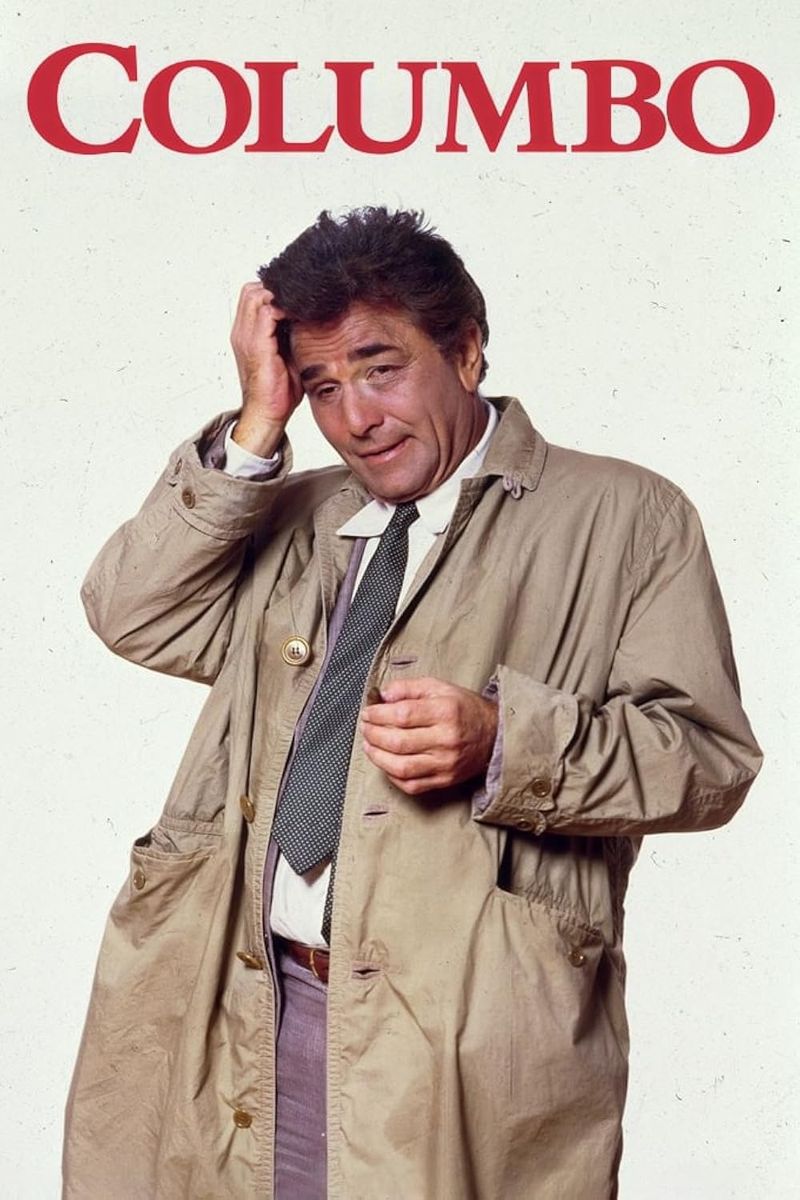
A disheveled detective in a wrinkled raincoat somehow outsmarted brilliant criminals every single episode, and Boomers couldn’t look away.
Peter Falk’s Lieutenant Columbo appeared bumbling and confused, using his seemingly absent-minded questions to trap murderers who underestimated him.
The show revealed the killer at the beginning, making it less about whodunit and more about watching Columbo methodically build his case.
His famous “just one more thing” catchphrase became legendary as he’d turn back to ask the question that would crack the case wide open.
The format seems repetitive by today’s standards, with each episode following the same pattern, yet the show ran successfully for decades because audiences loved watching the underdog detective triumph over arrogant criminals who thought they’d committed the perfect crime.
10. The Rockford Files
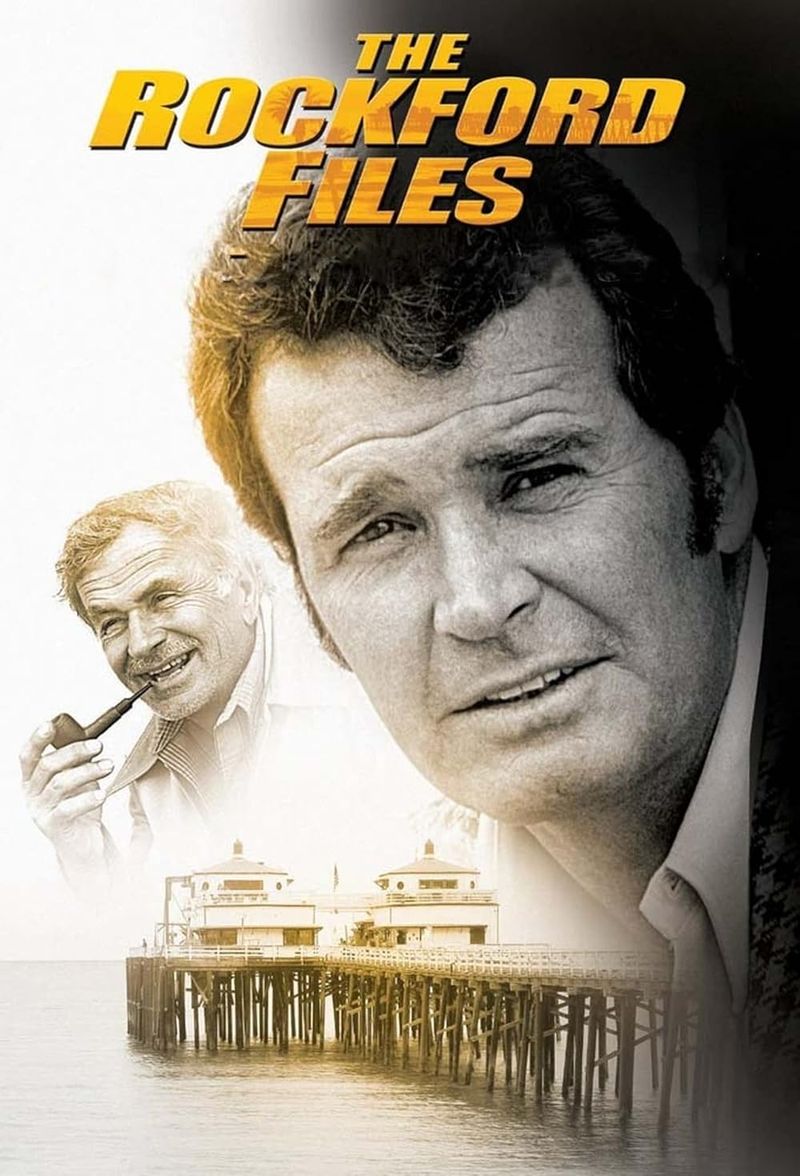
Jim Rockford lived in a beachside trailer and charged two hundred dollars a day plus expenses, making him television’s most relatable private detective.
James Garner brought charm and humor to a character who got beat up regularly, had money troubles, and avoided danger whenever possible.
Unlike other TV detectives, Rockford wasn’t a tough guy or a brilliant genius, just a regular person trying to solve cases and pay his bills.
His answering machine messages at the start of each episode became a beloved running gag.
The show’s realistic approach to detective work, complete with failures and frustrations, somehow captivated audiences for six seasons.
Younger viewers might wonder what made a struggling detective living in a mobile home so appealing, but Boomers appreciated the everyman quality.
11. Charlie’s Angels
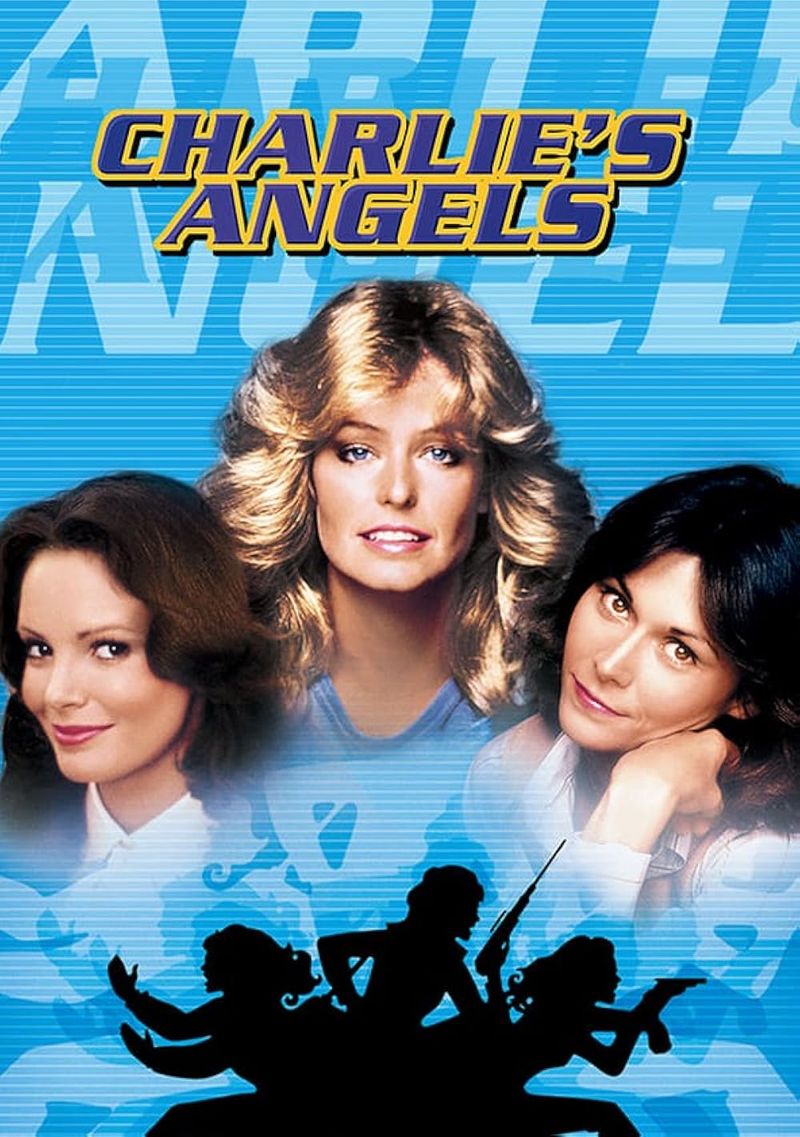
Three beautiful women solving crimes while wearing the latest fashions became a phenomenon that launched countless posters and lunchboxes.
The Angels worked for the mysterious Charlie, whose voice they heard through a speakerphone but whose face viewers never saw.
Farrah Fawcett’s feathered hairstyle became more famous than the actual show, inspiring millions of women to copy her look.
The series faced criticism for emphasizing the stars’ looks over their detective skills, with action scenes often featuring the Angels in bikinis or evening gowns.
Despite the obvious eye candy approach, or perhaps because of it, Boomers made the show a massive hit for five seasons.
Looking back, the thin plots and questionable feminism make people wonder about the appeal, but the glamorous crime-fighting trio captured imaginations.
12. Starsky & Hutch
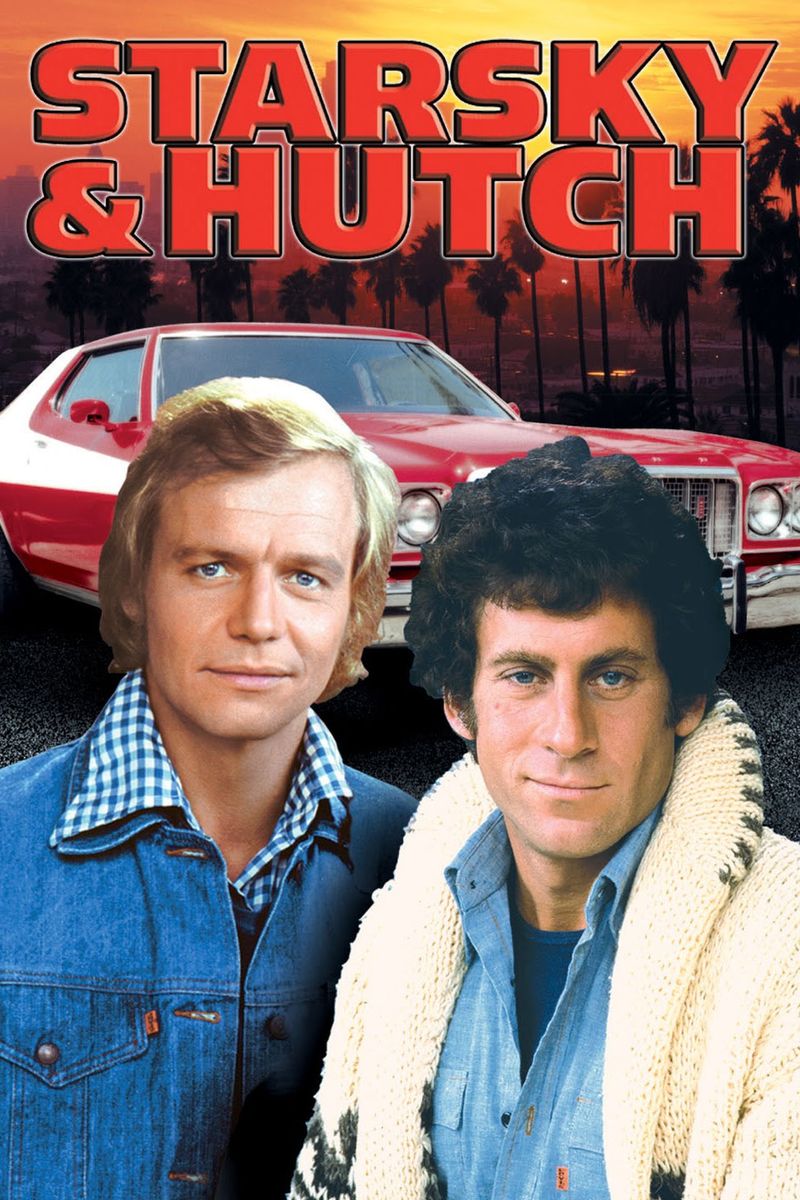
Two street-smart detectives and their iconic red-and-white striped Ford Torino fought crime with style and plenty of car chases.
David Starsky and Ken Hutchinson were best friends who relied on street informant Huggy Bear to help them solve cases in the rough parts of town.
The show featured constant action, with foot chases, shootouts, and dramatic music filling every episode.
Their friendship and banter made them likable, even when the plots got ridiculous or the villains seemed cartoonish.
The buddy cop formula worked so well that it influenced countless shows and movies that followed.
Modern audiences might find the machismo and dated attitudes off-putting, but Boomers loved the excitement and the cool factor of watching two hip detectives slide across car hoods while chasing bad guys through the streets.
13. Bonanza
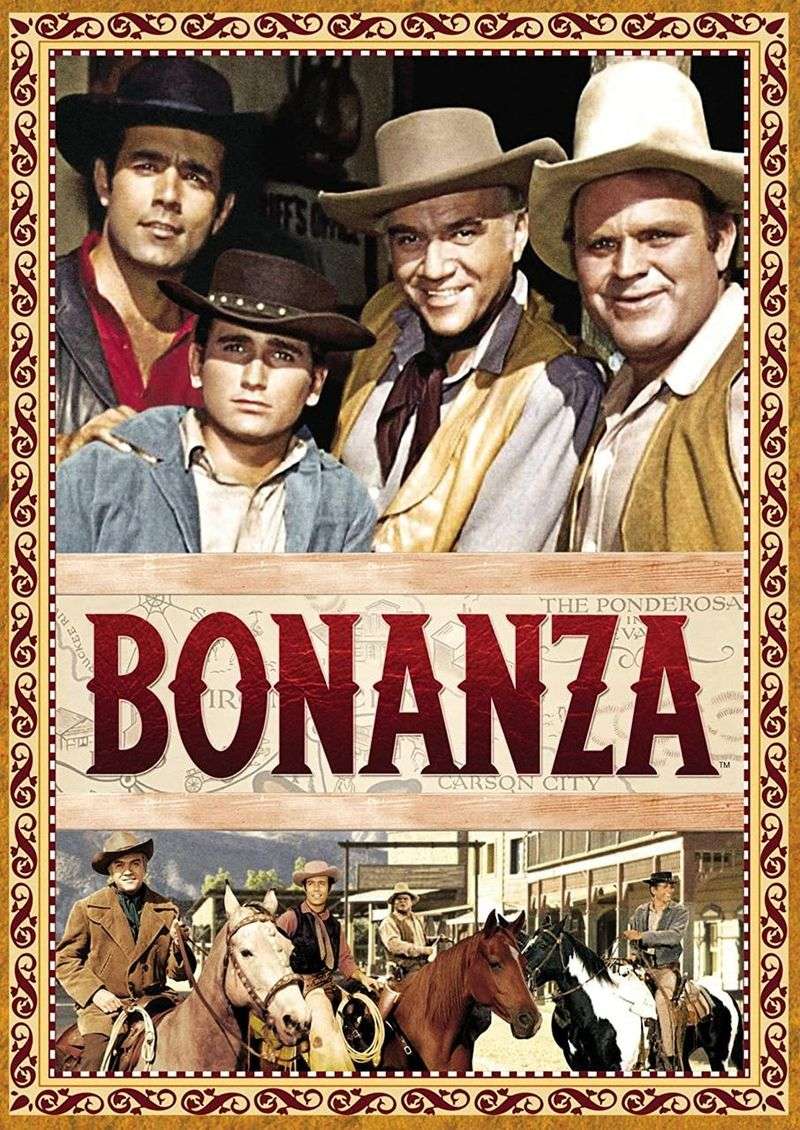
The Cartwright family ran the Ponderosa Ranch for fourteen seasons, making it one of the longest-running westerns in television history.
Ben Cartwright and his three sons from different mothers somehow all lived together harmoniously while dealing with various frontier problems each week.
Every episode featured a moral lesson delivered through conflicts with outlaws, land disputes, or personal dilemmas that got resolved by the end.
The show aired on Sunday nights, becoming a family ritual for millions of households across America.
Its popularity seems puzzling now, given how repetitive the storylines became and how little actually changed despite years of episodes.
Boomers grew up watching the Cartwrights solve problems with frontier justice and family values, making the show comfortable viewing even when the plots became predictable and formulaic.
14. The Love Boat
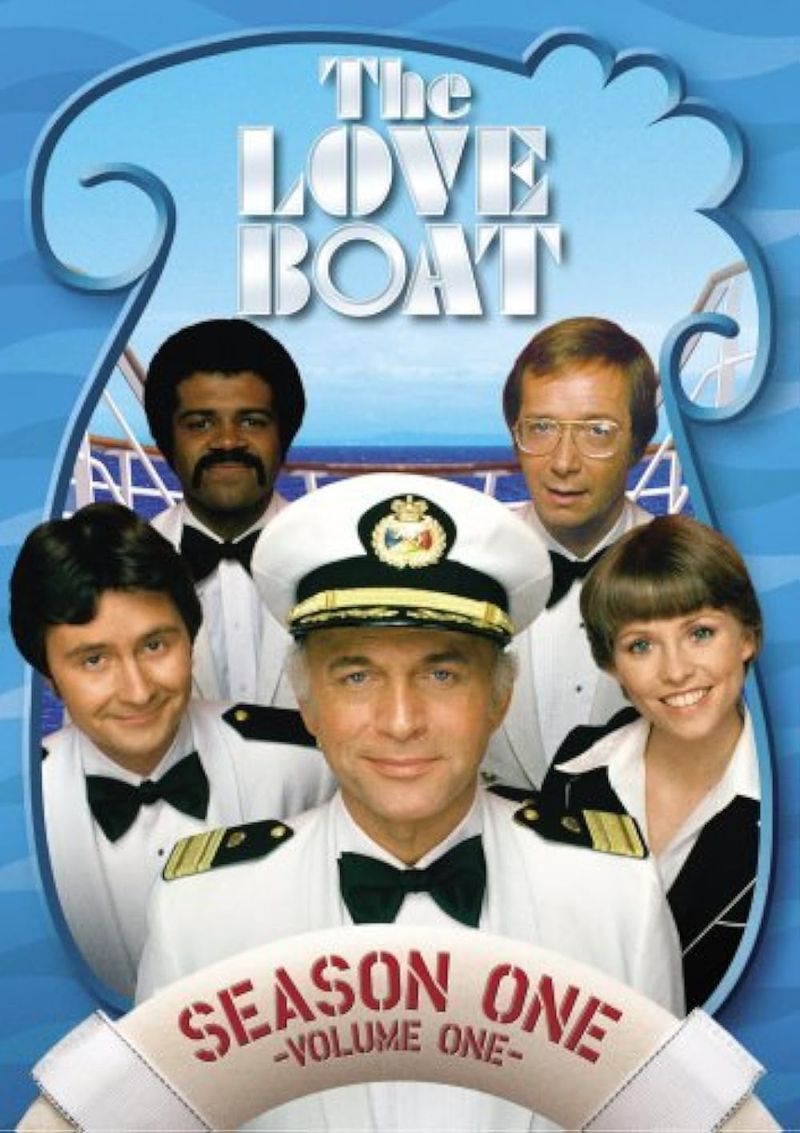
Romance blossomed weekly aboard the Pacific Princess cruise ship, where guest stars found love during their vacation adventures.
Captain Stubing and his crew, including the cheerful cruise director Julie and bartender Isaac, helped passengers solve their problems while sailing to exotic locations.
Each episode featured multiple storylines with different guest stars, usually involving romantic misunderstandings that got cleared up before the ship returned to port.
The predictable formula and cheesy dialogue made it comfort food television that required zero brain power.
Celebrity appearances were the main draw, with everyone from celebrities to athletes showing up for their moment on the Love Boat.
The show’s popularity for nine seasons baffles younger viewers who see it as impossibly corny, but Boomers found the lighthearted escapism perfect for Saturday night viewing.
15. Knight Rider
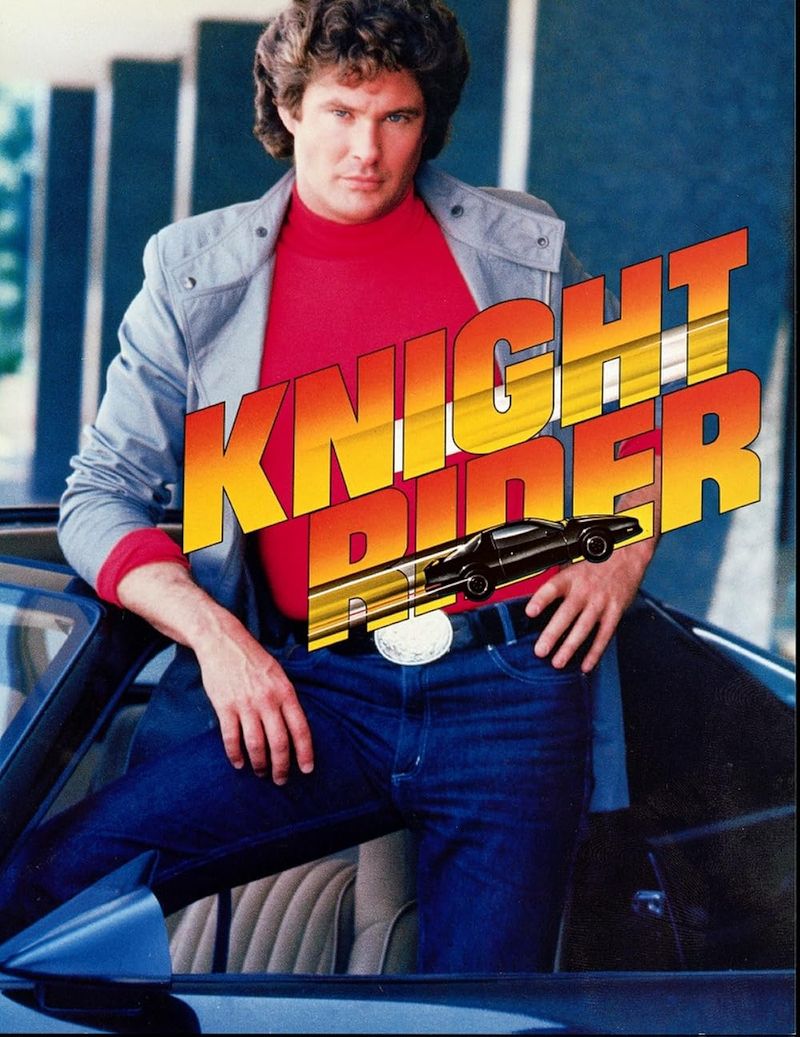
David Hasselhoff fought crime with help from his talking car, and somehow this became a massive hit that defined 1980s television.
KITT, the artificially intelligent Trans Am, had a sarcastic personality and could drive itself, jump over obstacles, and outsmart criminals with its advanced technology.
Michael Knight and his high-tech vehicle worked for a secret organization fighting injustice, with each episode following a similar pattern of investigation, danger, and KITT saving the day.
The special effects look laughably cheap now, and the plots were paper-thin excuses for car stunts and explosions.
Yet Boomers and their kids tuned in religiously for four seasons, making the show’s theme song instantly recognizable decades later.
The appeal of a man and his talking car solving crimes seems baffling today, but the action-packed adventures captured audiences’ imaginations.
Comments
Loading…