
 Chloe Peterson
15 Prog Rock Albums That Defined the Genre
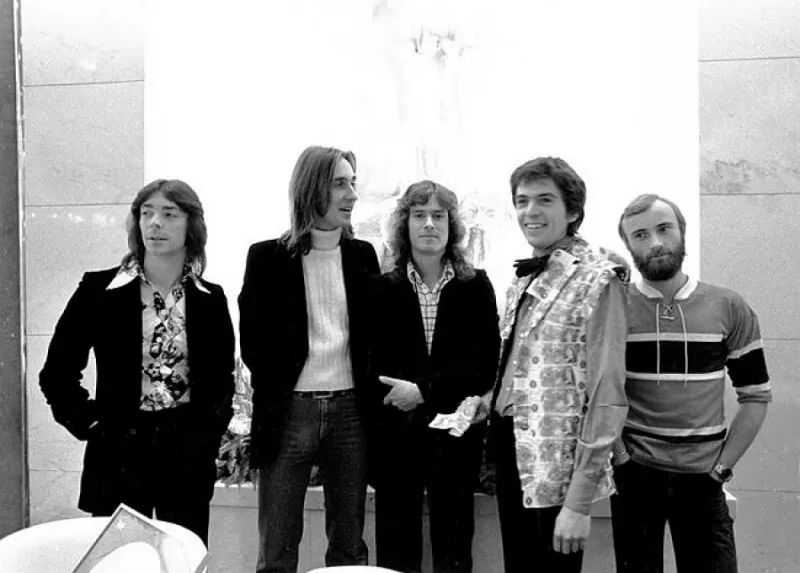
Progressive rock pushed musical boundaries like no other genre, constantly challenging what listeners expected from rock music. With intricate time signatures, sprawling compositions, and daringly experimental sounds, these albums redefined the possibilities of musical expression.
From the late 1960s through the 2000s, certain records emerged as landmark works—albums that not only influenced countless musicians but also became essential touchstones for prog fans, remembered and revered for their innovation, ambition, and sheer sonic scope.
1. In the Court of the Crimson King – King Crimson (1969)
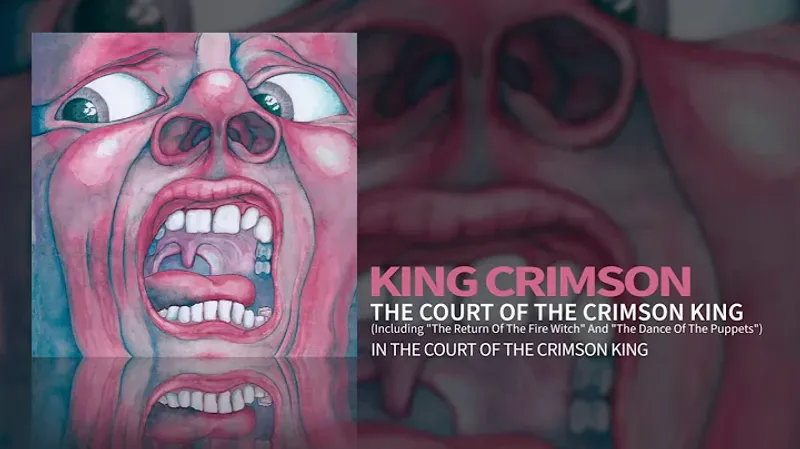
King Crimson burst onto the scene with an album that felt like opening a door to another dimension.
Robert Fripp’s guitar work twisted and turned through landscapes that sounded both medieval and futuristic at once.
The opening track hits you like a hurricane, with mellotron strings that practically scream drama.
Each song takes you somewhere unexpected, from gentle flute passages to explosive rock sections.
This record essentially invented progressive rock as we know it today.
Musicians still study this album decades later, trying to understand how five guys created something so ahead of its time.
The production quality was remarkable for 1969, capturing every detail.
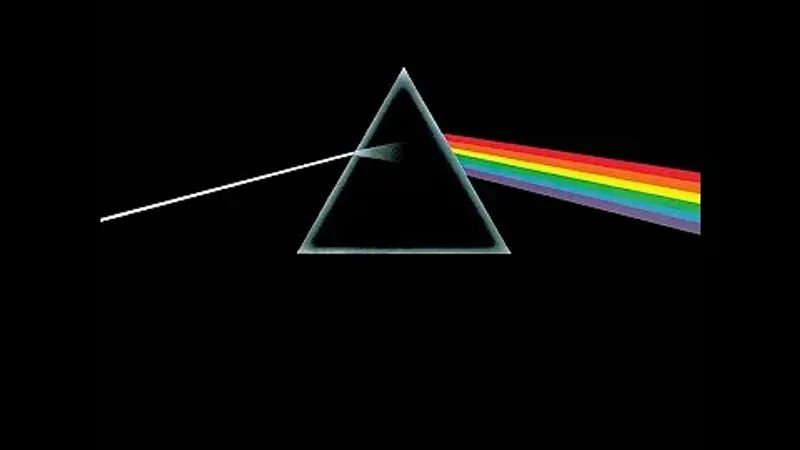
2. The Dark Side of the Moon – Pink Floyd (1973)
Pink Floyd created a sonic masterpiece that explores human experience through sound and philosophy.
Every element, from the cash register sounds to the heartbeat rhythms, serves a purpose in telling stories about time, money, and mortality.
David Gilmour’s guitar solos practically sing words without lyrics, while Roger Waters’ bass lines anchor everything perfectly.
The album flows like one continuous piece, with each track bleeding seamlessly into the next.
Recording technology was pushed to its absolute limits.
This record spent an insane 937 weeks on the Billboard charts.
The prism artwork became one of music’s most recognizable images worldwide.
3. Blackwater Park – Opeth (2001)
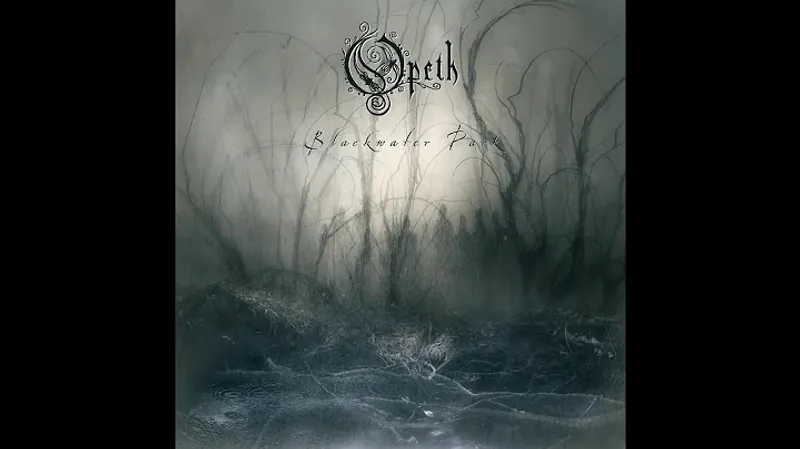
When death metal meets prog rock in the hands of a visionary, Mikael Åkerfeldt shows just how far music can stretch.
Acoustic guitars weave effortlessly with distorted riffs, creating a tension and contrast that keeps listeners guessing what comes next.
The Swedish band crafted songs that shift between beautiful melodies and crushing heaviness within seconds.
Steven Wilson from Porcupine Tree produced this album, adding his signature atmospheric touch.
Each track unfolds like a dark fairy tale with unexpected chapters.
Modern progressive metal owes everything to this groundbreaking record. Åkerfeldt’s vocals switch between clean singing and growling with incredible skill, showing emotional range that metal rarely displayed before this moment.
4. Leftoverture – Kansas (1976)
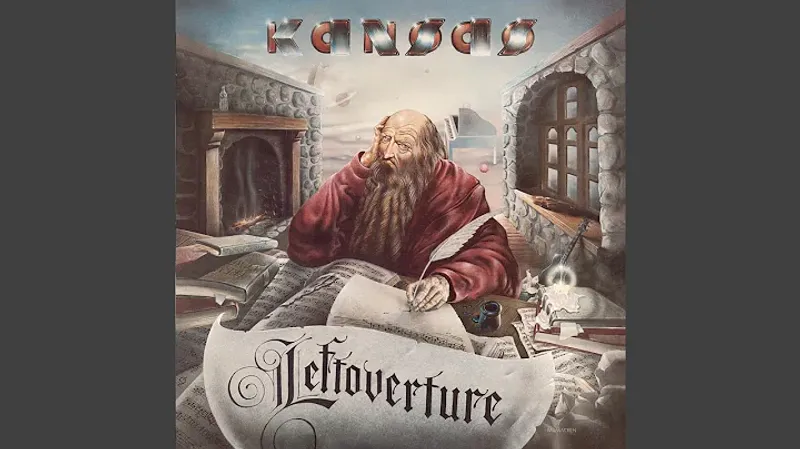
Kansas proved that American bands could compete with British prog giants.
Violin soared alongside electric guitars, creating a sound that was both classical and rock at the same time.
“Carry On Wayward Son” became a radio staple, but the deeper album cuts reveal the band’s true adventurous spirit.
Kerry Livgren’s songwriting mixed philosophical lyrics with intricate musical arrangements.
The production captured the band’s live energy while maintaining studio precision.
Midwest rock had never sounded this ambitious before.
The album’s success opened doors for other American progressive bands to find mainstream audiences, proving that complex music could still sell records.
5. Brain Salad Surgery – Emerson, Lake & Palmer (1973)
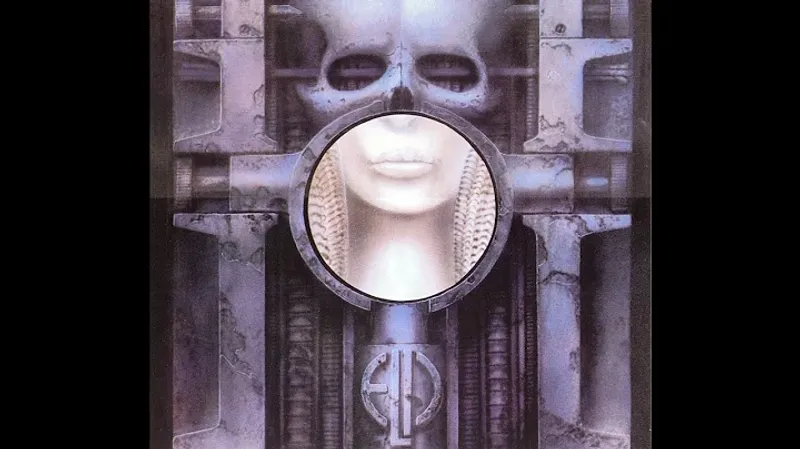
On this daring sonic journey, Keith Emerson’s keyboard skills reached their full glory.
The Moog synthesizer sang like no instrument before it, producing tones that seemed almost extraterrestrial.
H.R. Giger designed the album cover, which became iconic in both music and art worlds.
Greg Lake’s vocals provided warmth against the electronic experimentation happening all around him.
Carl Palmer’s drumming was technical enough to make other drummers weep with envy.
The band adapted classical pieces and made them rock, showing that prog could bridge centuries of musical tradition.
This record demonstrated that synthesizers belonged in rock music just as much as guitars.
6. Revolver – Beatles (1966)
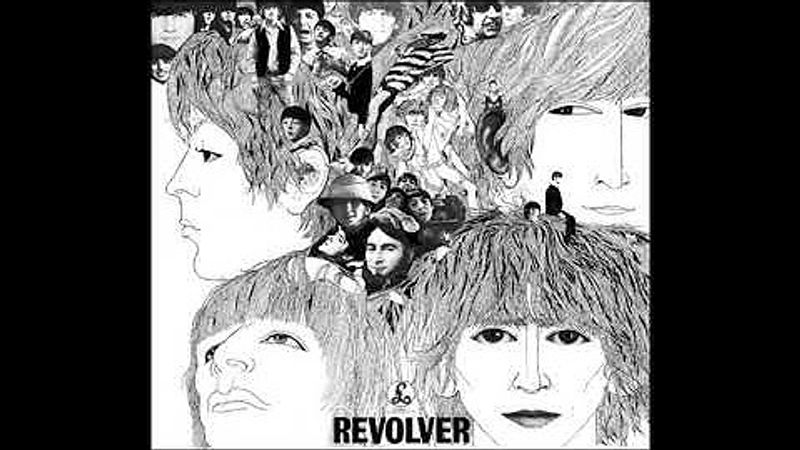
The Fab Four stopped touring and started experimenting in ways that blew everyone’s minds.
George Martin’s production techniques turned the studio itself into an instrument, with backward tapes and sound effects creating psychedelic atmospheres.
“Tomorrow Never Knows” sounds like it came from another planet, with its droning bass and swirling effects.
George Harrison brought Indian influences through his sitar playing, expanding rock music’s cultural horizons.
Each song explored different sonic territories.
While not purely progressive rock, this album planted seeds that would grow into the entire genre.
The Beatles showed that pop music could be experimental and artistic without losing its soul.
7. Fear of a Blank Planet – Porcupine Tree (2007)

Steven Wilson tackled modern teenage alienation with haunting musical landscapes that feel both beautiful and disturbing.
The album tells stories about kids numbed by medication, video games, and endless digital distractions.
Gavin Harrison’s drumming is mathematical precision meets emotional expression.
Guitar tones range from ambient shimmer to crushing distortion, painting pictures with sound.
Wilson’s lyrics cut deep, addressing issues that most rock bands avoided completely.
Robert Fripp made a guest appearance, connecting prog rock’s past with its future.
This record proved that progressive music could still say something meaningful about contemporary life while maintaining musical complexity and adventurous spirit.
8. The Lamb Lies Down On Broadway – Genesis (1974)
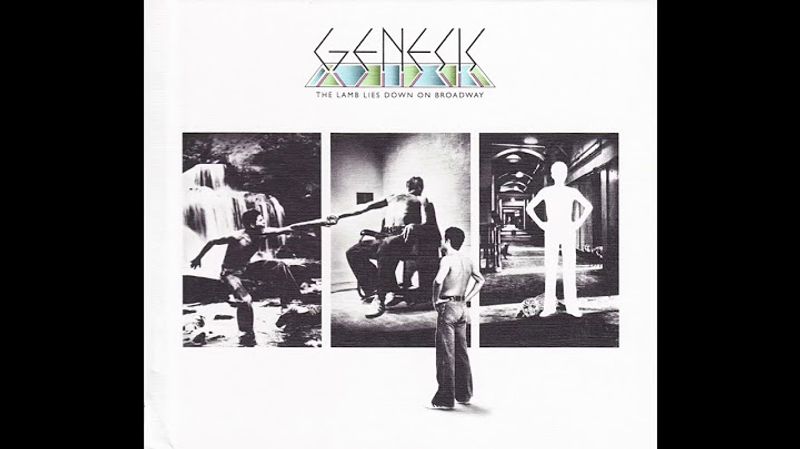
Peter Gabriel created a surreal story about a Puerto Rican kid named Rael wandering through bizarre dreamscapes.
This double album was Genesis at their most theatrical and ambitious, with costumes and elaborate stage shows bringing the music to life.
Tony Banks’ keyboard work provided atmospheric foundations while Steve Hackett’s guitar added sharp, emotional punctuation.
The narrative gets wonderfully weird, involving supernatural creatures and symbolic transformations.
Recording took months, with the band obsessing over every detail.
Gabriel left Genesis after this tour, making this album both a triumph and an ending.
The music ranges from aggressive rock to delicate acoustic moments, showcasing the band’s incredible range.
9. Leviathan – Mastodon (2004)
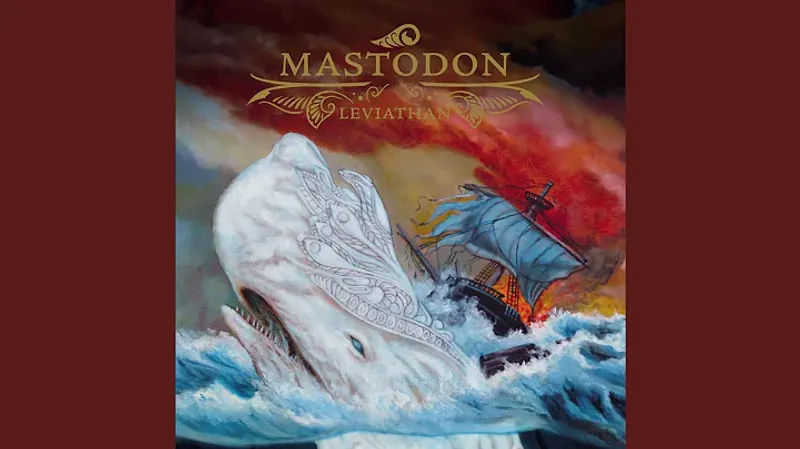
Based on Moby Dick, this album tells Ahab’s obsessive whale hunt through crushing metal riffs and complex song structures.
Mastodon brought prog rock’s ambition into modern metal, creating something that was both brutal and sophisticated.
Three different vocalists trade lines, creating a conversational feel between characters in the story.
The musicianship is absolutely stunning, with tempo changes that would confuse most bands.
Each song represents a different chapter from Herman Melville’s classic novel.
Critics and metalheads united in praising this record’s intelligence and power.
Mastodon proved that heavy music could be literary, thoughtful, and technically impressive all at once, earning respect from prog fans worldwide.
10. Fragile – Yes (1971)
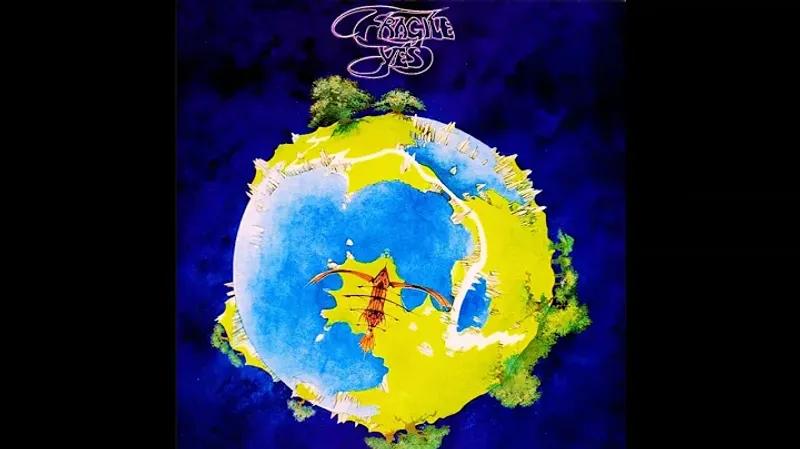
Each member got their own showcase, resulting in an album that highlighted both personal brilliance and collective genius.
Rick Wakeman, newly on keyboards, added classical training and dazzling technique that lifted every track to another level.
“Roundabout” became a classic rock radio staple, but songs like “Heart of the Sunrise” revealed the band’s true progressive vision.
Roger Dean’s fantasy artwork set the visual standard for prog rock forever.
Chris Squire’s bass playing was melodic and powerful, often leading rather than following.
Jon Anderson’s high vocals soared over intricate instrumental passages.
This album balanced accessibility with complexity better than almost any other prog record from this golden era.
11. Eldorado – Electric Light Orchestra (1974)
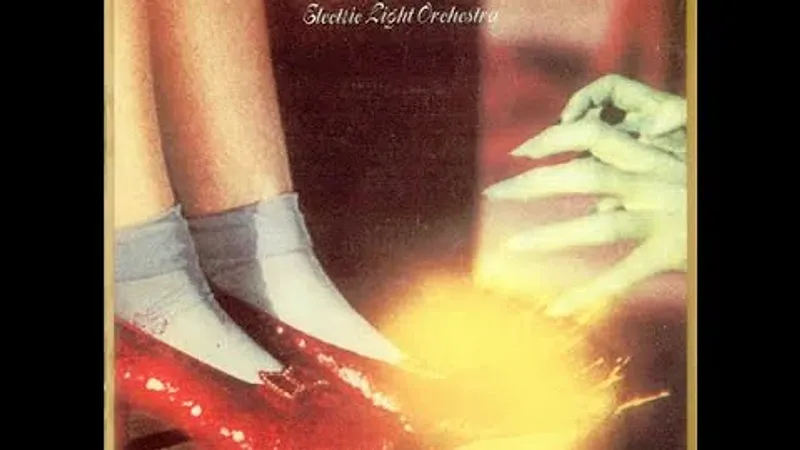
Jeff Lynne crafted a symphonic rock opera about a man escaping reality through daydreams.
Orchestral strings weren’t just decoration—they were essential to every song’s structure and emotional impact.
ELO blended Beatles-style pop sensibility with classical arrangements and progressive ambition.
The narrative flows beautifully, taking listeners through different fantasy worlds.
Production was lush and detailed, with layers upon layers of instruments creating wall-of-sound effects.
This album showed that prog rock could be warm and accessible rather than cold and technical.
Lynne’s melodies stuck in your head while the arrangements impressed your brain, achieving a perfect balance that many prog bands never found.
12. Red – King Crimson (1974)
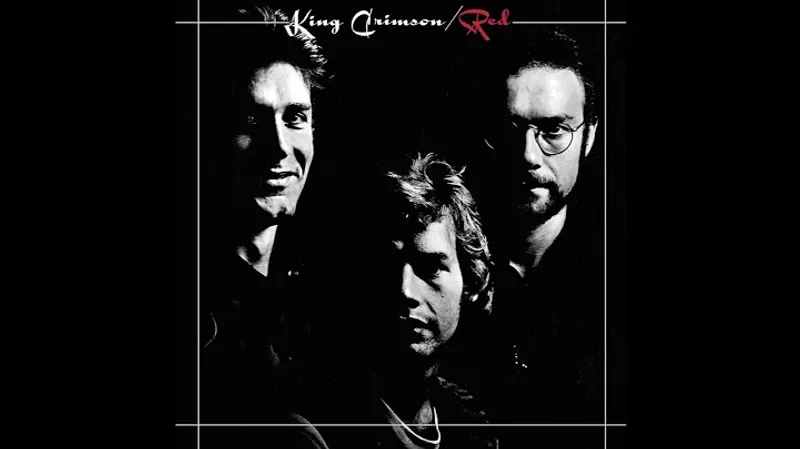
Darker and heavier than their earlier work, this album stripped King Crimson down to raw power.
Robert Fripp’s guitar tone became more aggressive, creating walls of distortion that influenced punk and metal bands later.
Bill Bruford’s drumming was jazz-influenced but rock-solid, pushing and pulling against the music’s natural rhythm.
Only three members remained, but they sounded bigger than ever.
The title track builds tension like a horror movie, with repeating patterns that grow increasingly intense.
This was Crimson’s last album for seven years, making it feel like a powerful final statement.
The influence on heavy music cannot be overstated—this record pointed toward metal’s future.
13. Thick As A Brick – Jethro Tull (1972)
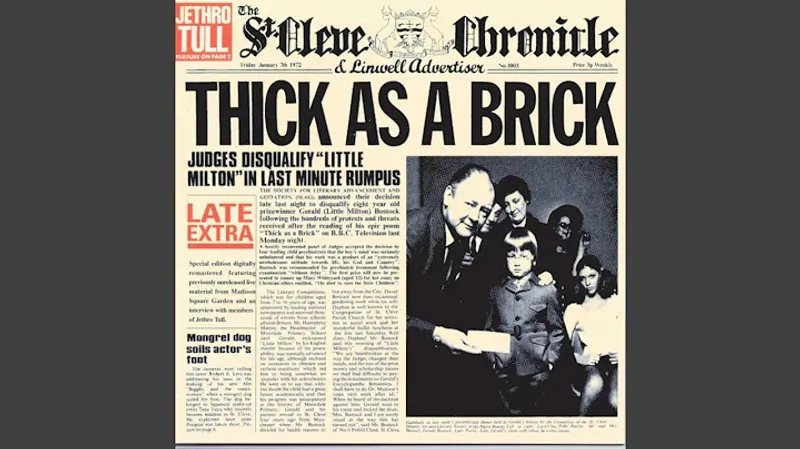
Ian Anderson created one continuous song spanning both sides of the vinyl, making the ultimate statement about album-oriented rock.
The music shifts through dozens of sections, each with its own character and mood.
Presented as a spoof of prog rock’s pretensions, the album came with a fake newspaper full of absurd stories.
Anderson’s flute playing became the lead instrument, proving that rock bands didn’t need guitars to rock hard.
The lyrics told a satirical story about a child poet.
Recording this complex piece required incredible precision and planning.
Despite being partly a joke, the musicianship and composition were absolutely serious and genuinely brilliant throughout.
14. Selling England by the Pound – Genesis (1973)
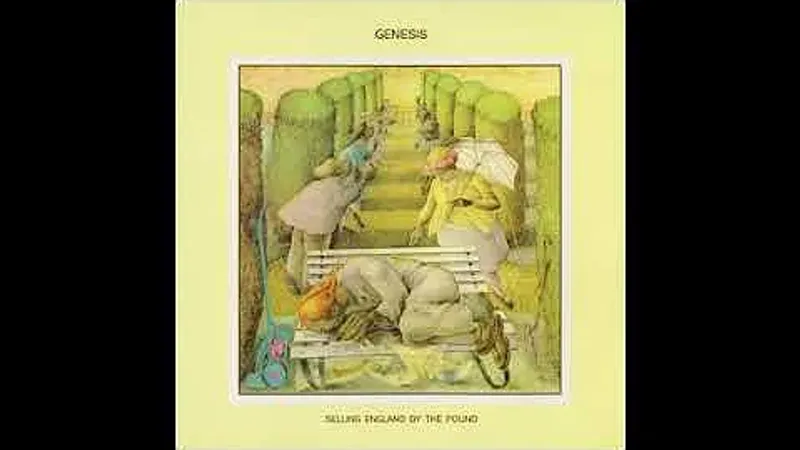
Genesis captured English culture and mythology through musical storytelling that felt both ancient and modern.
Peter Gabriel’s theatrical vocals brought characters to life, while the band created intricate musical backdrops for each tale.
“Firth of Fifth” features one of prog rock’s most beautiful piano introductions, followed by Steve Hackett’s emotional guitar solo.
The album balances humor and seriousness, whimsy and technical skill.
Tony Banks’ keyboard work was particularly inspired, creating textures that ranged from church organ to futuristic synthesizer.
Many fans consider this Genesis’s finest hour, showcasing everything that made them special.
The songwriting was stronger than ever, with memorable melodies supporting the complex arrangements perfectly.
15. Wish You Were Here – Pink Floyd (1975)
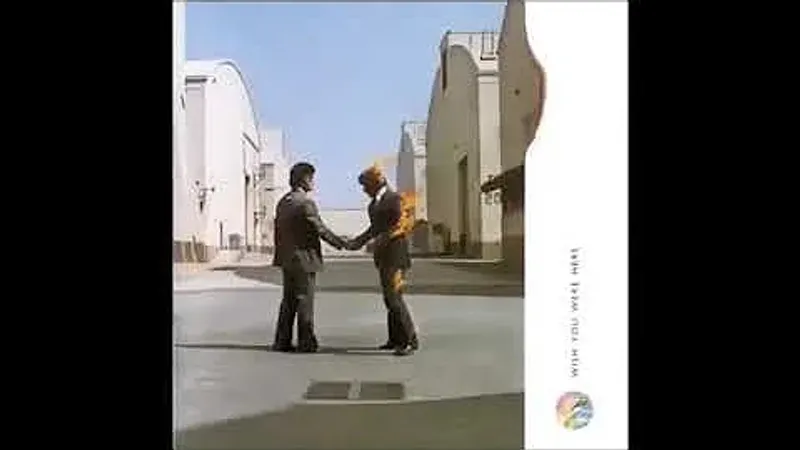
The album serves as a meditation on loss and the music industry’s draining nature.
Interwoven is the story of Syd Barrett, whose mental health difficulties had pushed him out of the group years before.
“Shine On You Crazy Diamond” bookends the record with nearly twenty-five minutes of atmospheric, emotional music.
David Gilmour’s guitar work reached new heights of expressiveness.
The title track became one of rock’s most beloved songs, with its simple acoustic guitar and heartfelt lyrics.
Recording took place while the band dealt with grief and industry pressures.
The result was deeply personal yet universally relatable, showing that prog could touch hearts as well as minds.
Comments
Loading…