
 Chloe Peterson
15 Movies With Legendary Cinematography
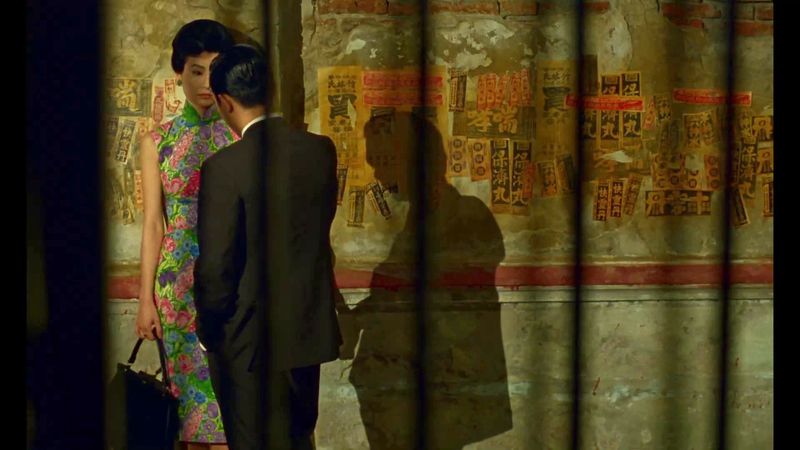
Some movies do more than tell a story — they paint it. The way a film is lit, framed, and captured can turn a simple scene into something you never forget, where a single beam of light, a carefully composed frame, or a lingering wide shot can say more than pages of dialogue ever could.
Great cinematography makes you feel like you are inside the world on screen — not just watching it, but living in it — shaping emotion, controlling perspective, and guiding your eyes without you even realizing it. These 15 films didn’t just impress audiences visually; they redefined what movies could look and feel like, changing the way we experience cinema and, in some ways, the way we see the world itself forever.
1. Lawrence of Arabia (1962)
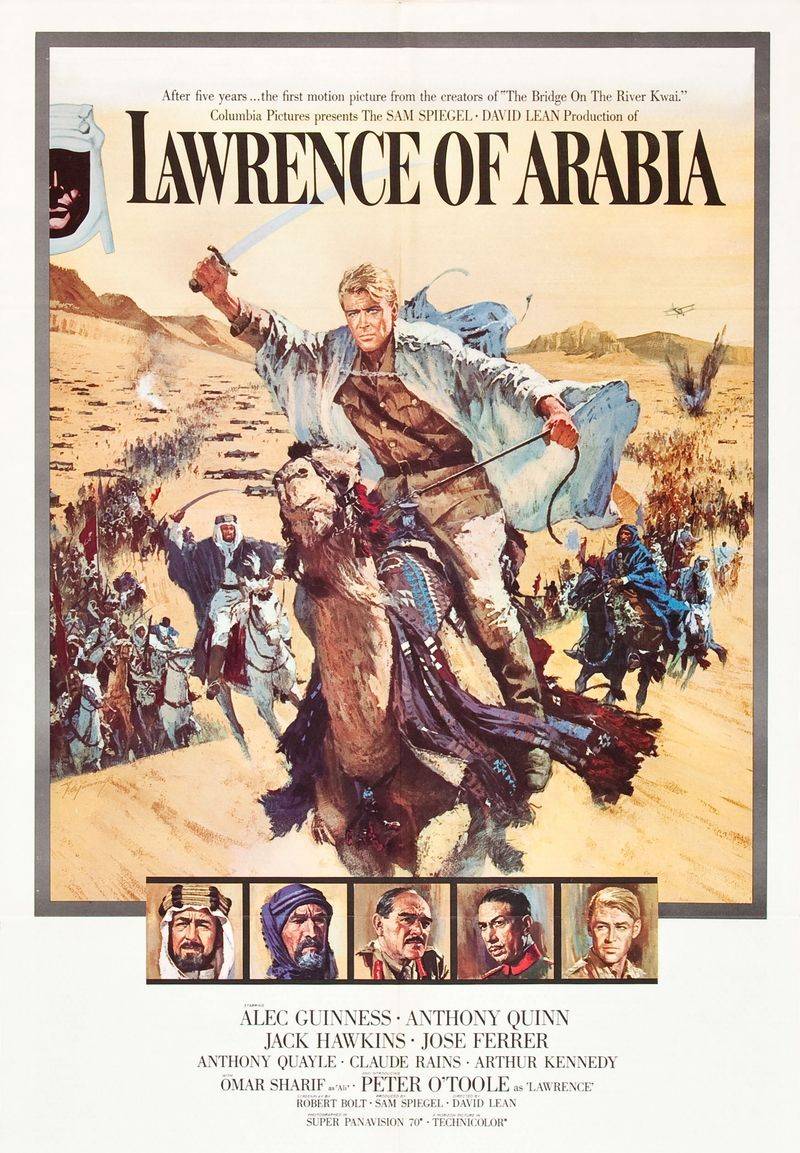
Imagine standing in a sea of sand so vast it swallows the horizon — that is exactly what director David Lean and cinematographer Freddie Young delivered in Lawrence of Arabia.
Shot on 70mm film across the real Jordanian and Moroccan deserts, every frame feels like a painting come to life.
The famous “mirage” shot, where a tiny figure slowly emerges from shimmering heat waves, took weeks to plan.
Young won the Academy Award for Best Cinematography for this film.
Even today, film students study its use of natural light and breathtaking wide-angle compositions as a masterclass in visual storytelling.
2. Blade Runner (1982)
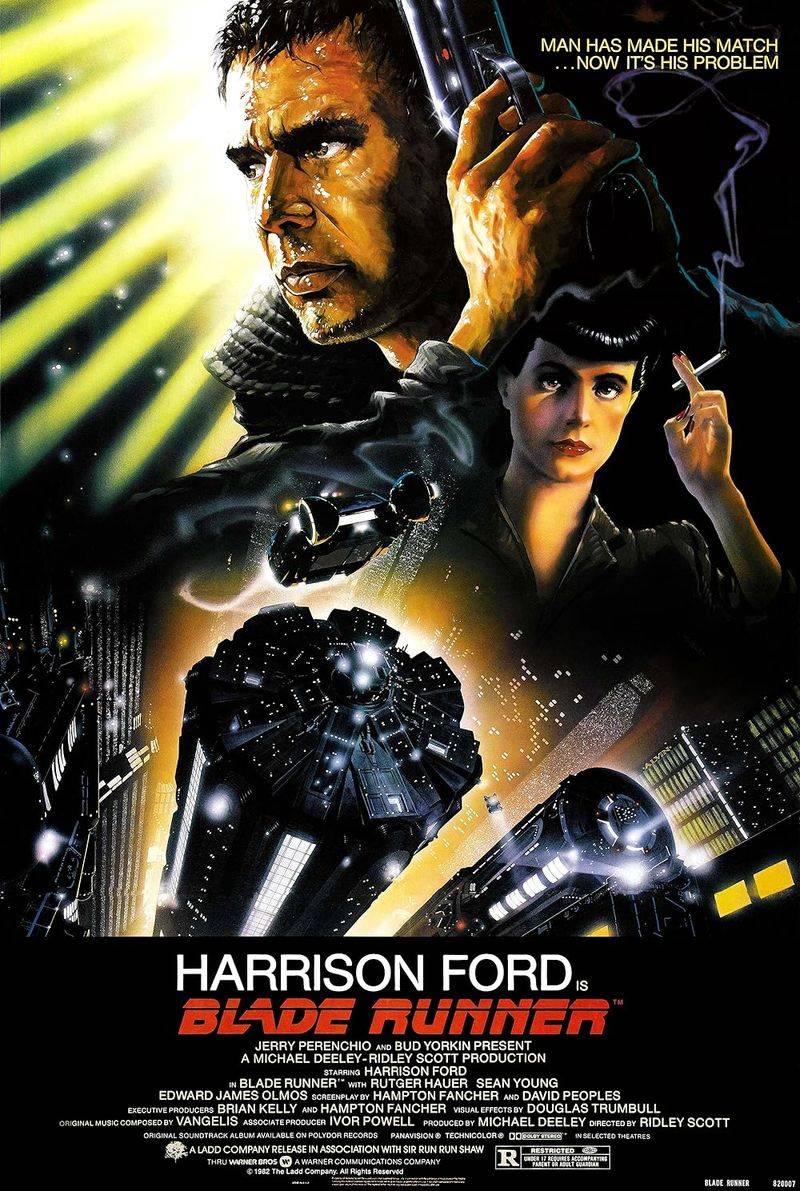
Rain, neon, and shadows — Ridley Scott and cinematographer Jordan Cronenweth built a future that felt dirty, beautiful, and terrifyingly real.
Blade Runner’s visual style was so ahead of its time that it basically invented what we now call “neo-noir” science fiction.
Cronenweth used backlit smoke, shafts of colored light, and deep shadows to create a city that breathed and brooded.
Fun fact: many of the iconic street scenes were shot on the same backlot used for classic Hollywood films.
The look was inspired by Edward Hopper paintings and German Expressionist cinema, blending art history with pure imagination.
3. The Godfather (1972)
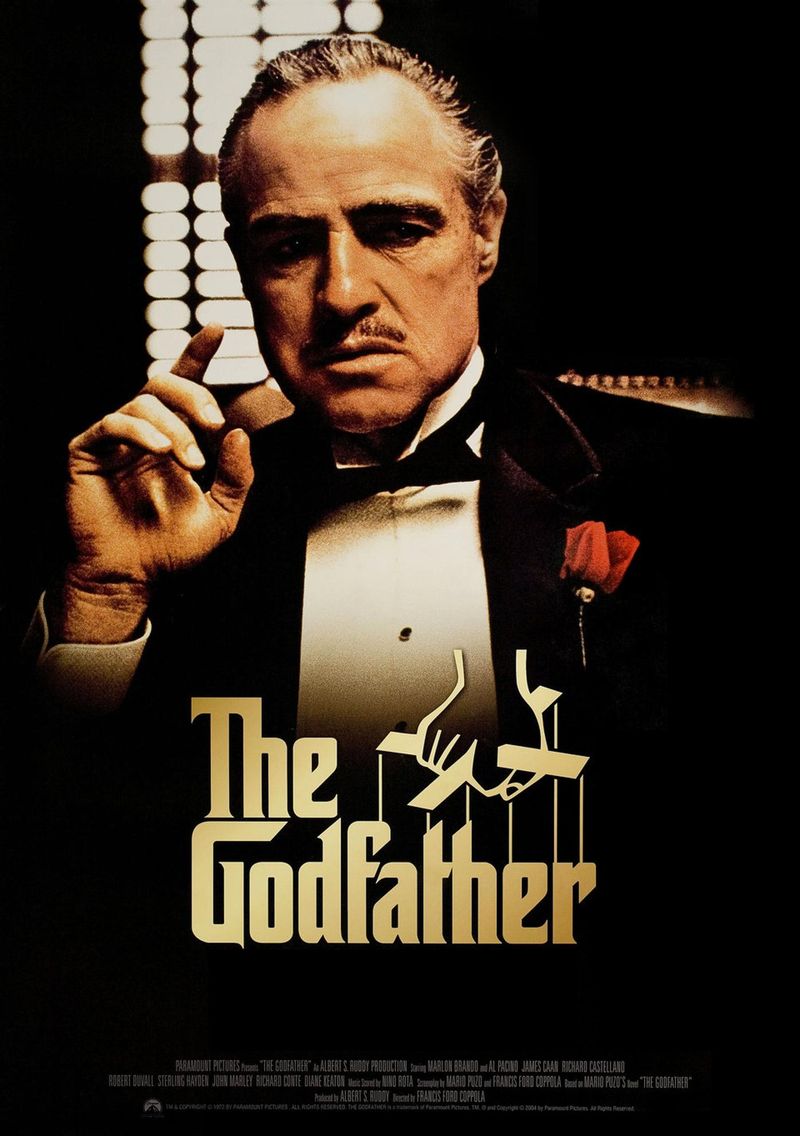
Gordon Willis earned the nickname “The Prince of Darkness” for his bold choice to keep Marlon Brando’s eyes hidden in shadow during the opening scene of The Godfather.
At the time, Hollywood rules said actors’ eyes had to be lit — Willis broke that rule and created one of cinema’s most iconic images.
Francis Ford Coppola trusted Willis completely, and the result was a film soaked in amber tones and Rembrandt-style lighting.
Every frame whispers power and secrecy.
The low-key lighting style transformed crime films forever, proving that darkness itself can be a storytelling tool just as powerful as dialogue.
4. 2001: A Space Odyssey (1968)
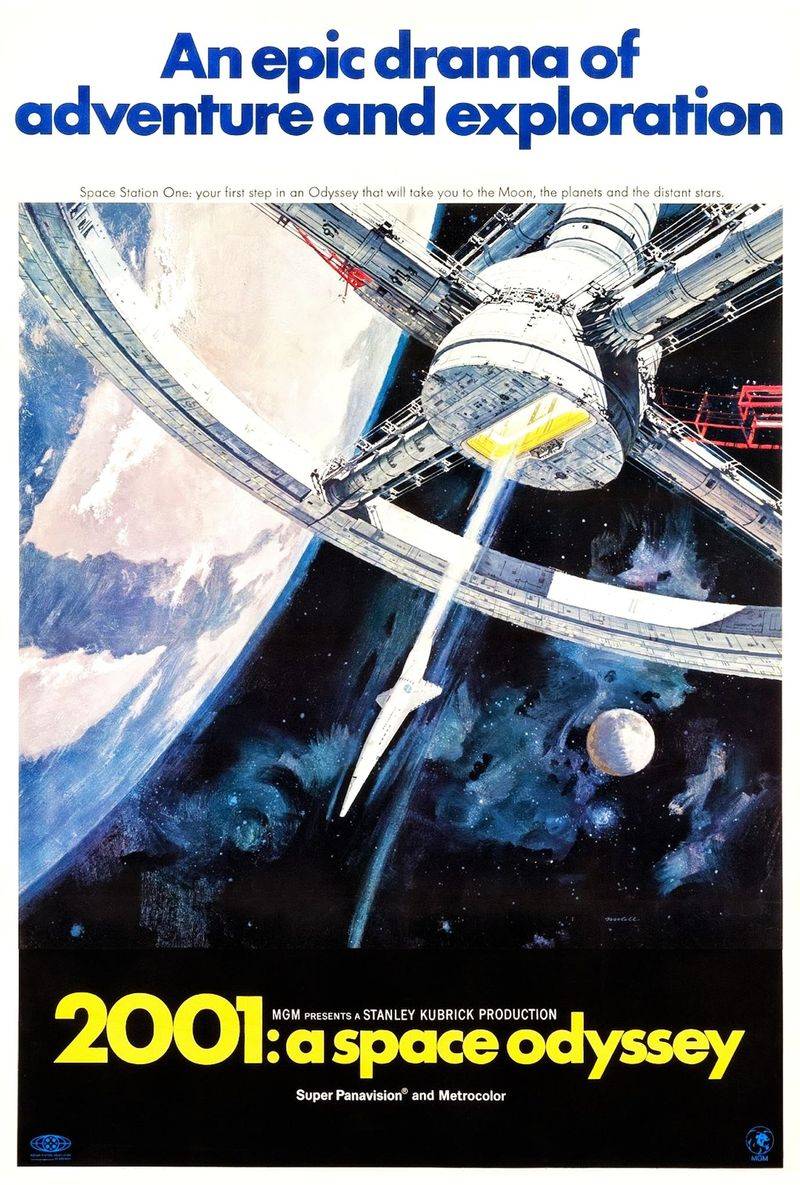
Perfection wasn’t a goal for Stanley Kubrick — it was an obsession — and 2001: A Space Odyssey proves what happens when that mindset meets pure genius.
With Geoffrey Unsworth behind the camera, the film presented space with such realism that NASA allegedly looked to it as a visual benchmark.
The famous “Star Gate” sequence at the end was created using slit-scan photography — a technique that had never been used in film before.
Kubrick insisted on building massive, rotating sets to simulate zero gravity authentically.
The result was a visual experience so ahead of its time that audiences in 1968 genuinely did not know what they were watching.
5. Citizen Kane (1941)
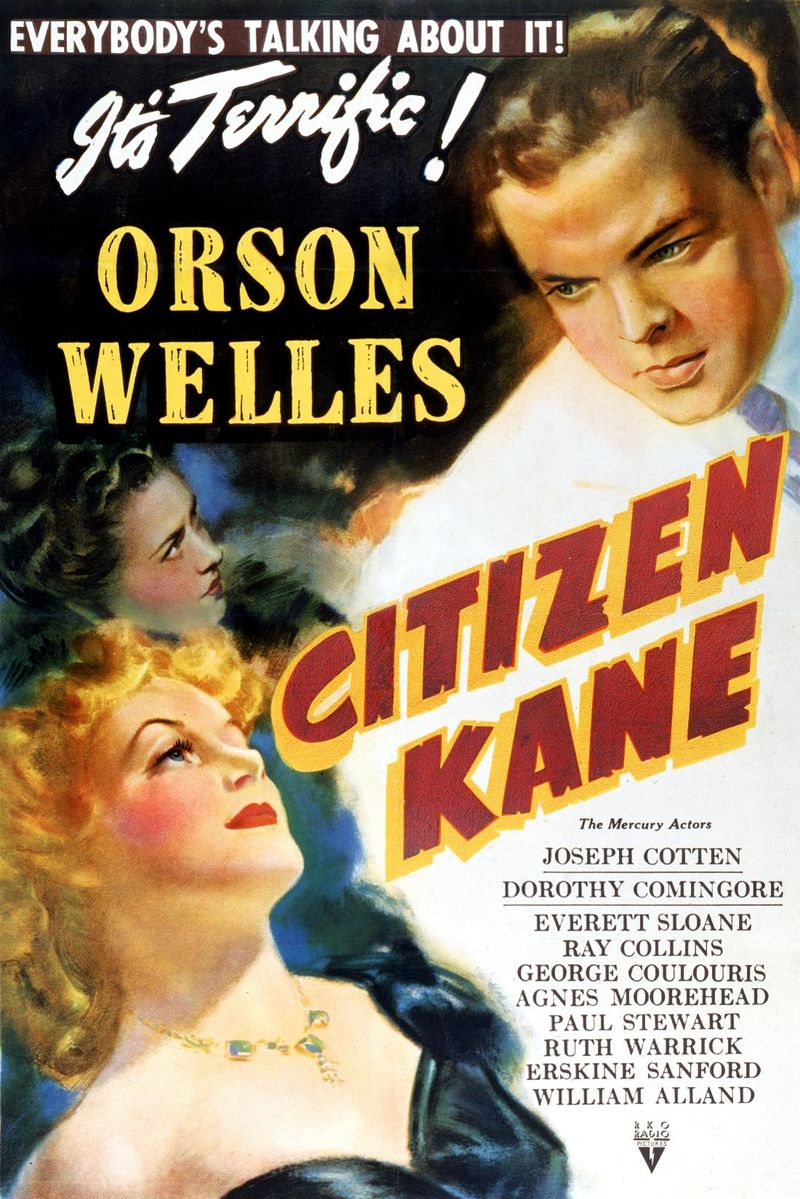
Orson Welles was only 25 years old when he made Citizen Kane, and somehow he and cinematographer Gregg Toland managed to reinvent the entire grammar of filmmaking in one go.
Toland pioneered the use of deep focus photography, keeping objects in the foreground and background sharp at the same time.
Before this, cameras simply could not do that without sacrificing image quality.
Welles also used extreme low-angle shots, placing the camera on the floor and cutting holes in ceilings to capture dramatic perspectives.
The result feels alive and restless.
Citizen Kane remains the most studied film in cinema history for good reason.
6. The Tree of Life (2011)
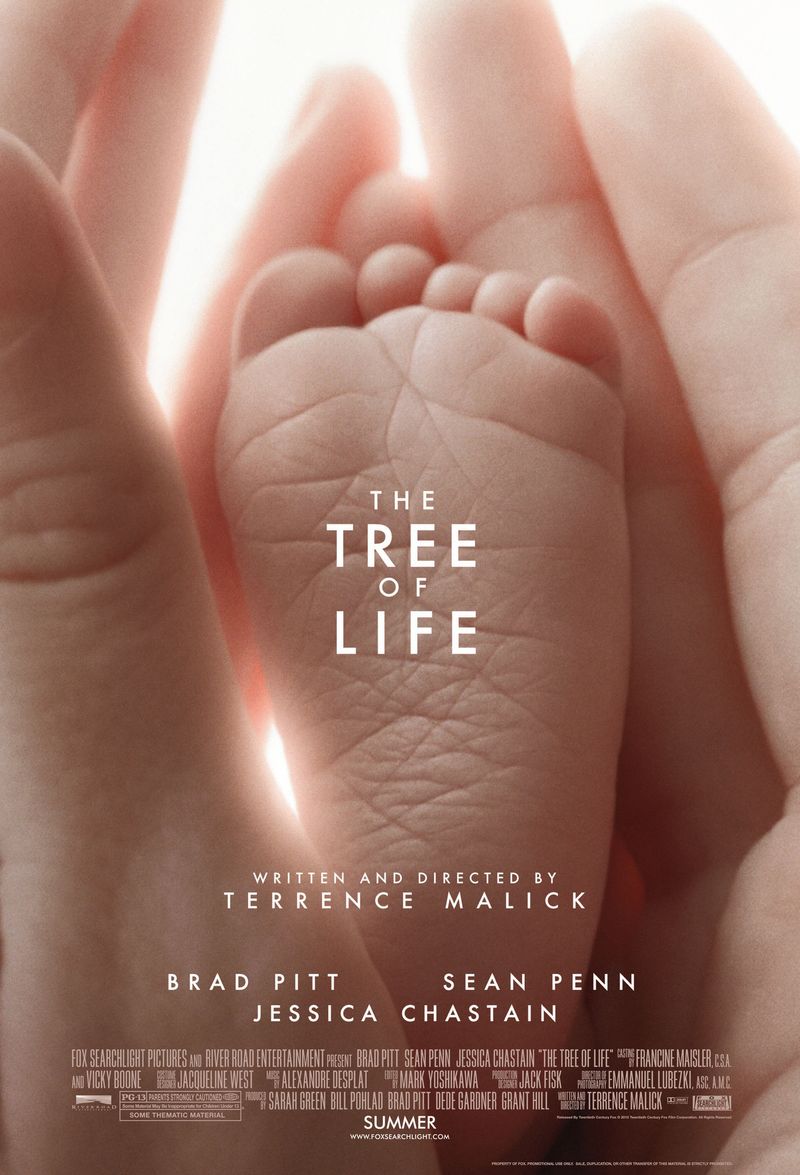
Emmanuel Lubezki — nicknamed “Chivo” — brought something almost spiritual to Terrence Malick’s The Tree of Life.
Rather than placing cameras on tripods, Lubezki moved through scenes with a handheld camera as if the lens itself was a curious, wandering soul searching for beauty.
Natural light was used almost exclusively, giving the film a warm, memory-like glow that feels more like a dream than a movie.
Lubezki won the Academy Award for Best Cinematography for this film, the first of three consecutive wins — a record no cinematographer has ever matched.
The Tree of Life feels less like watching a film and more like remembering your own childhood.
7. In the Mood for Love (2000)
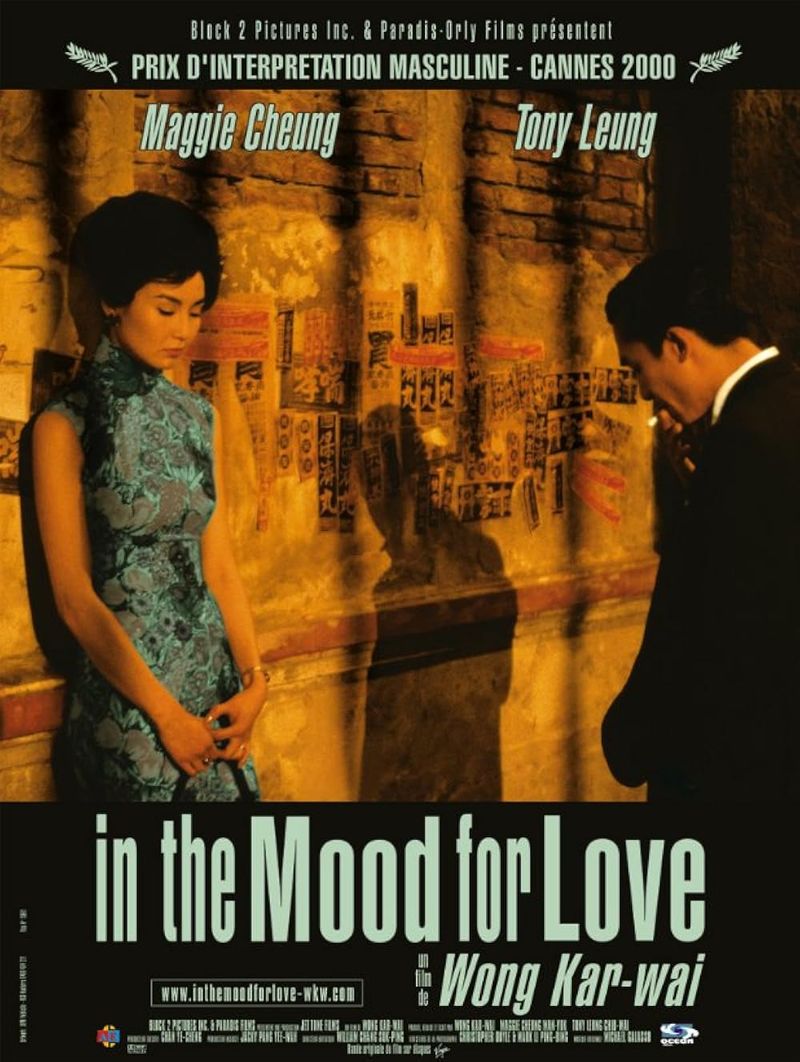
Wong Kar-wai and cinematographer Christopher Doyle created something that feels like longing itself has been turned into a film.
In the Mood for Love uses slow motion, tight framing, and lush color to express emotions that the characters can barely speak aloud.
Every frame is composed like a fashion photograph — the costumes, the shadows, the cramped Hong Kong apartment hallways all press the characters together while keeping them apart.
Doyle shot the film over fifteen months with no complete script, improvising visually as the story evolved.
That spontaneous approach gives the film its aching, restless energy.
It is one of the most visually romantic films ever made.
8. Apocalypse Now (1979)
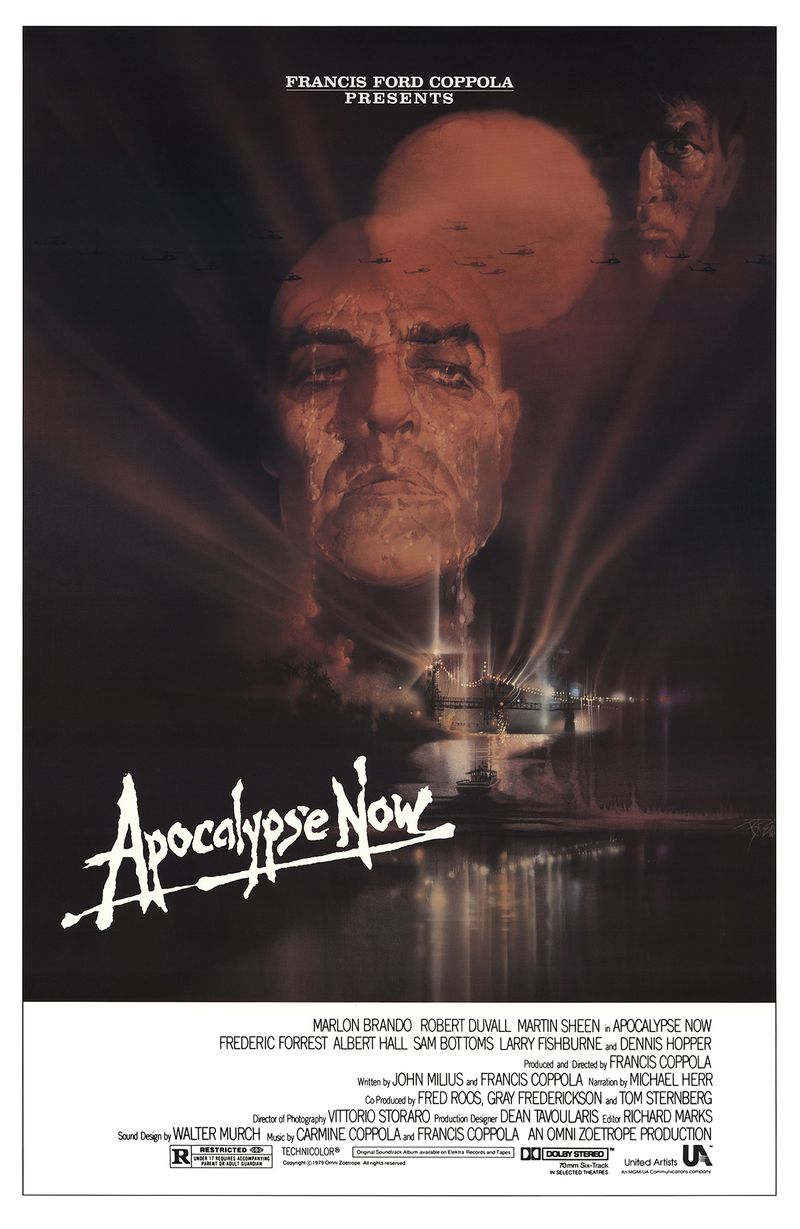
It’s no surprise that Vittorio Storaro won the Academy Award for his work on Apocalypse Now.
Through flames, smoke-filled air, and the last light of day, the film transforms the Vietnam conflict into a vision that feels at once mythic and deeply nightmarish.
The famous Napalm attack scene, bathed in orange dawn light, is one of the most visually striking sequences in film history.
Storaro described his approach as using light and darkness as symbols of civilization and chaos.
Shooting in the Philippines under Francis Ford Coppola’s notoriously chaotic production added real tension to every frame.
The camera caught madness because madness was genuinely happening around it.
9. The Grand Budapest Hotel (2014)
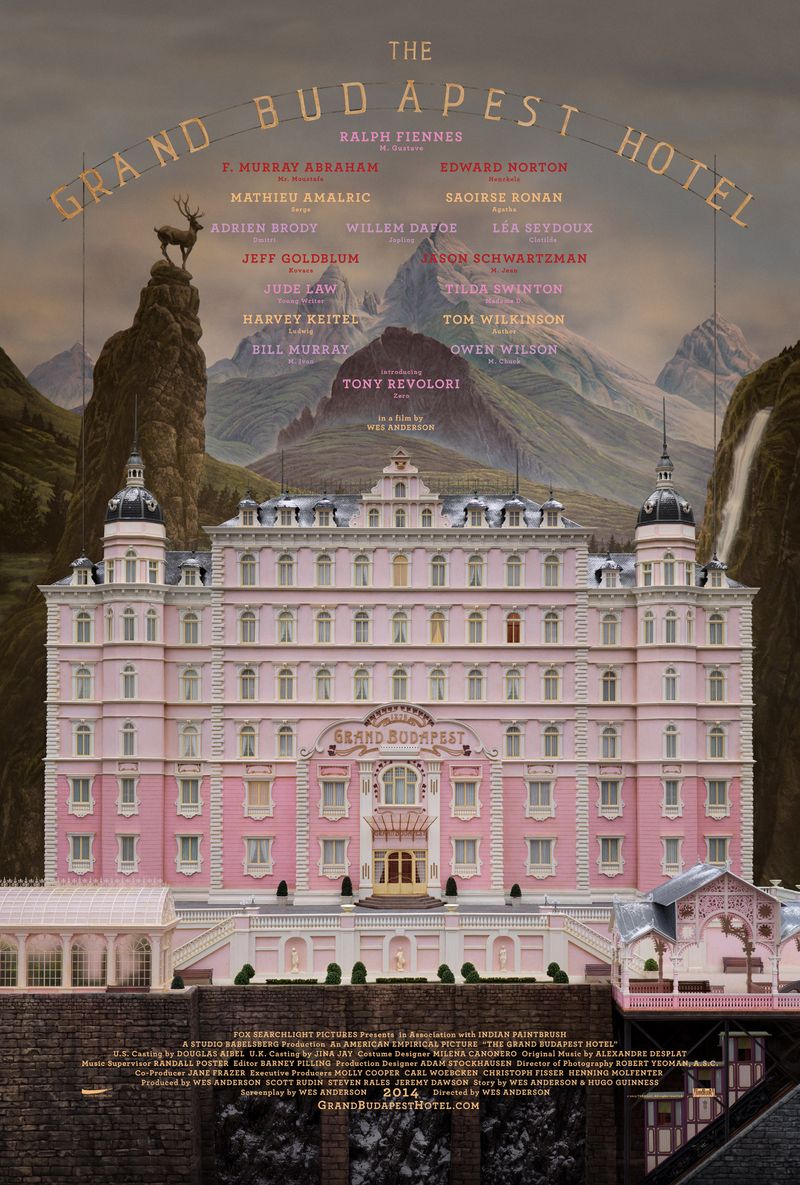
Wes Anderson is famous for his perfectly symmetrical, candy-colored frames, and The Grand Budapest Hotel is his most visually playful film yet.
Cinematographer Robert Yeoman shot different time periods in different aspect ratios, meaning the shape of the screen itself changed to signal when you were in the past or present.
Every shot looks like it was placed with tweezers — miniature sets, hand-painted backdrops, and pastel palettes create a world that is completely fictional yet somehow feels nostalgic and familiar.
Fun fact: Anderson planned each shot meticulously with hand-drawn storyboards before filming began.
The result is cinema that feels like opening a beautifully wrapped gift.
10. Roma (2018)
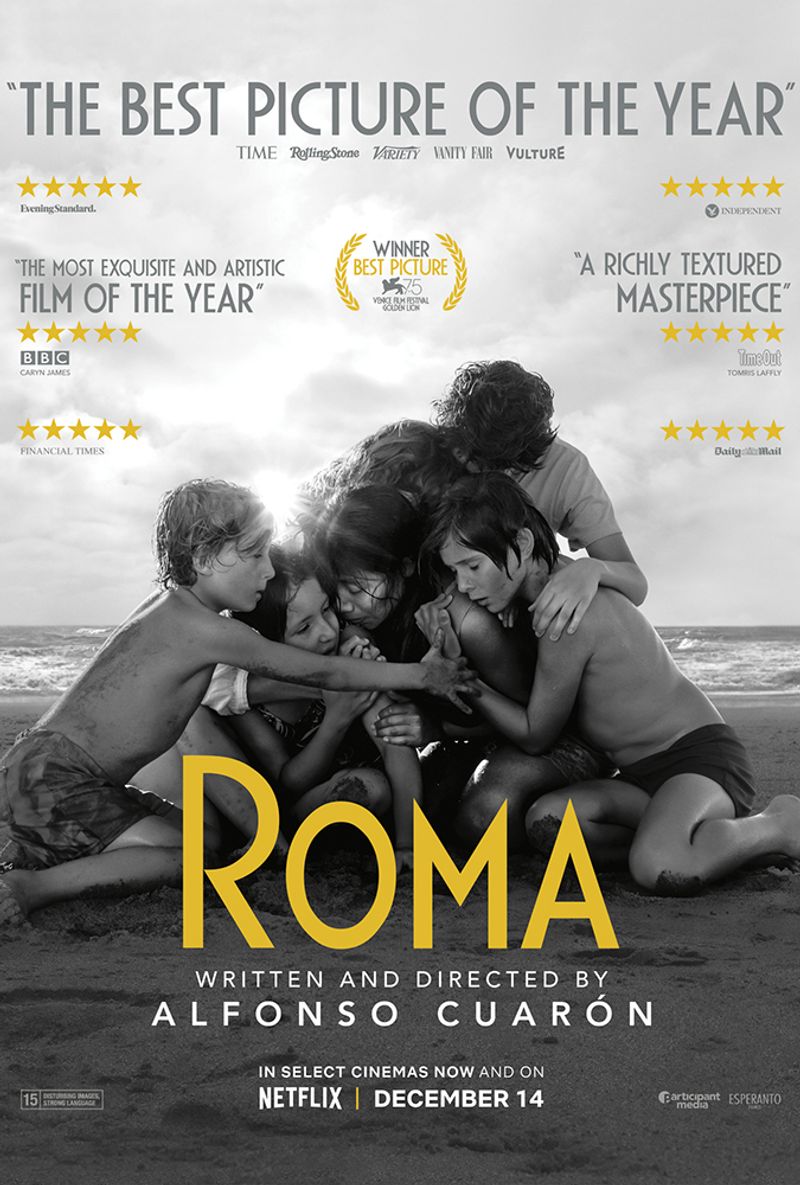
In an almost unprecedented move, Alfonso Cuarón handled both direction and cinematography for Roma, shooting every frame himself in evocative black and white.
The story of a domestic worker in 1970s Mexico City unfolds through gentle, panning shots, giving the impression of a quietly watchful eye.
Shot on a 65mm digital sensor, Roma captures textures and shadow with extraordinary detail.
The beach scene near the film’s end, with waves crashing and characters struggling in the surf, was captured in a single, unbroken take.
Roma won three Academy Awards including Best Cinematography, proving that one person can carry an entire visual world.
11. Days of Heaven (1978)
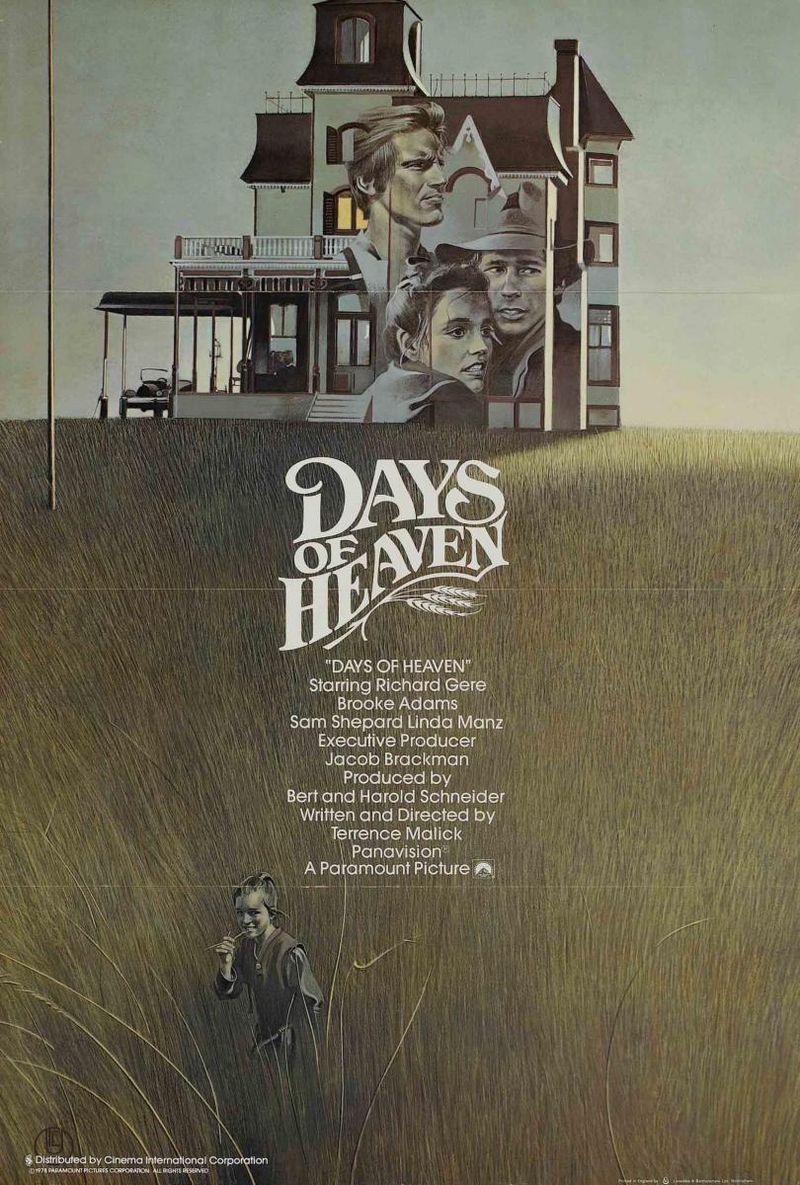
Nestor Almendros and Haskell Wexler shot Days of Heaven almost entirely during what filmmakers call the “magic hour” — the twenty minutes of soft, golden light just after the sun sets.
Terrence Malick was so committed to this look that the cast and crew would wait all day, shoot for twenty minutes, then pack up and do it all again the next day.
The result is a film that glows like an oil painting in motion.
Almendros won the Academy Award for Best Cinematography despite spending much of the shoot recovering from an eye injury.
Days of Heaven remains the gold standard for natural light filmmaking, beautiful in a way that feels almost accidental.
12. Mad Max: Fury Road (2015)
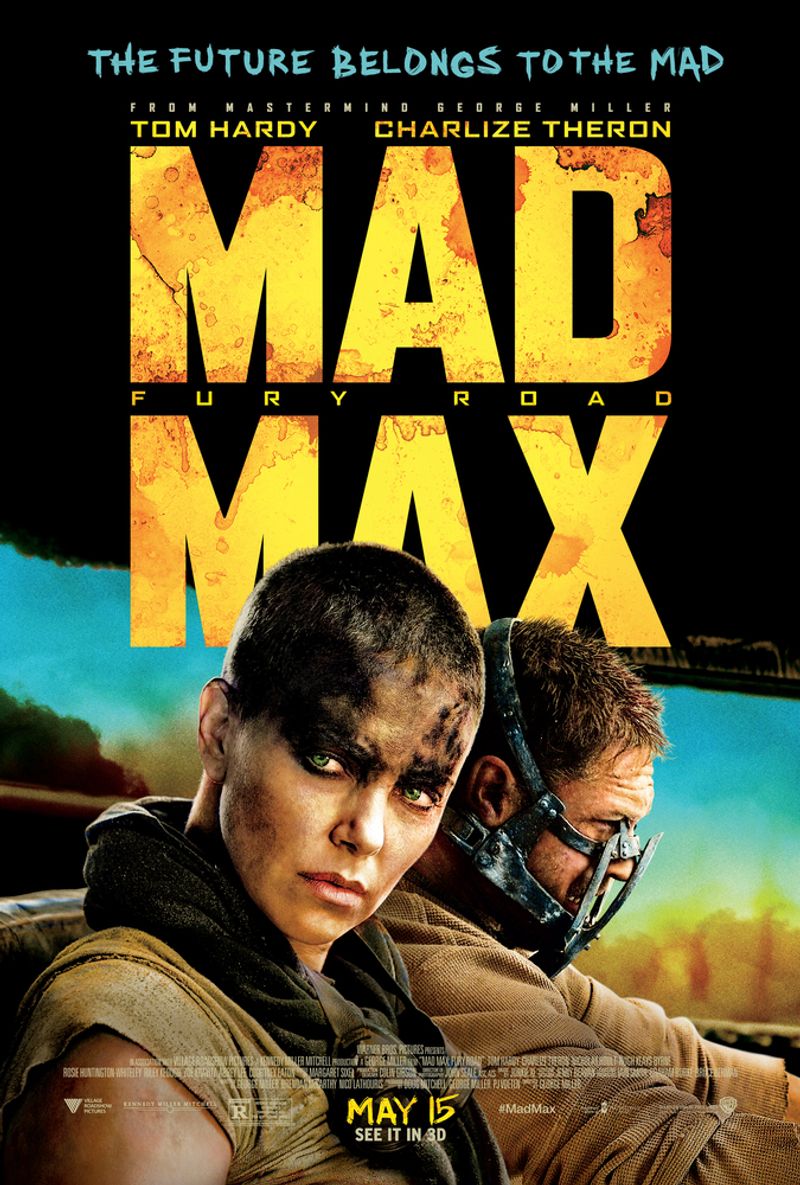
After over a decade of planning, George Miller brought Mad Max: Fury Road to life with cinematographer John Seale, who returned from retirement for the project.
The film delivers relentless action while remaining visually stunning from start to finish.
Seale and Miller made a bold choice to tilt the camera slightly in every action scene, creating a visual energy that keeps your eye moving constantly.
The famous orange-and-teal color grading — warm desert days against cool blue nights — was pushed to extreme levels to make the world feel alien and dangerous.
Fury Road proves that action cinema can be genuine art.
13. The Revenant (2015)
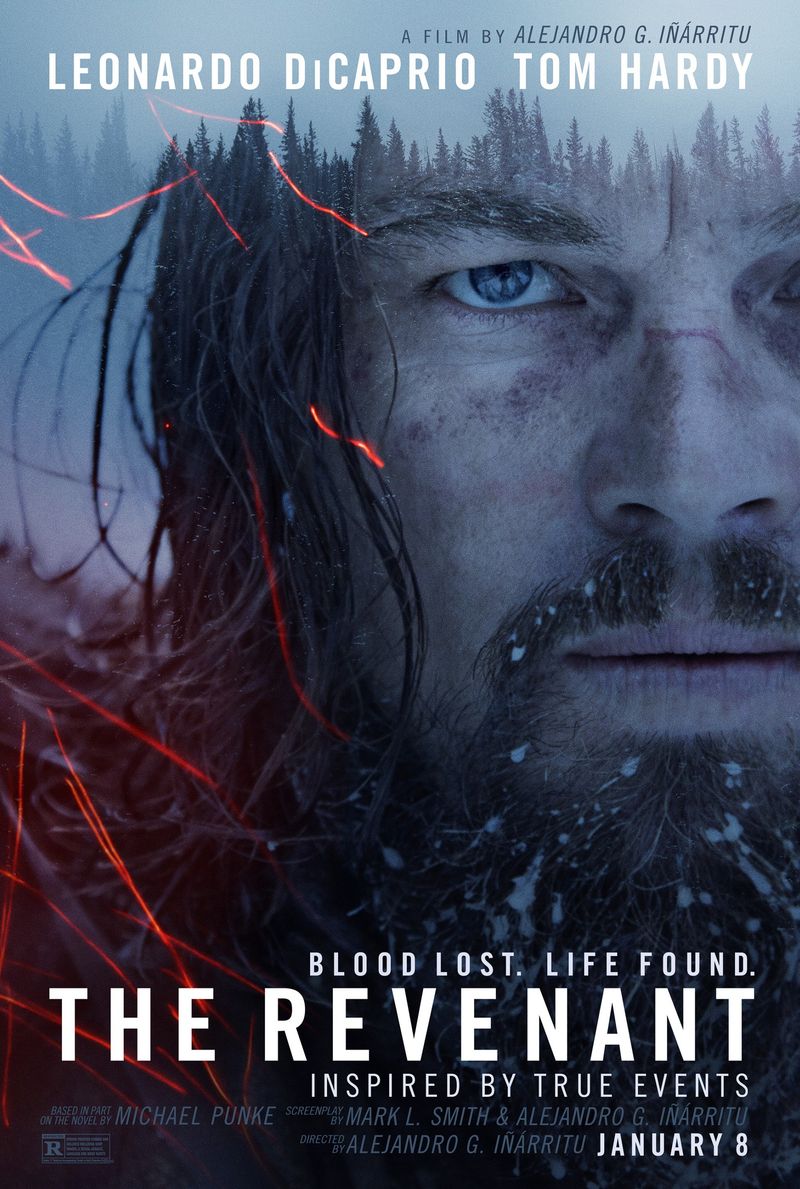
Emmanuel Lubezki reunited with director Alejandro Gonzalez Inarritu for The Revenant, and together they made one of the most physically demanding films ever captured on camera.
The entire movie was shot using only natural light — no artificial lighting at all — in the freezing wilderness of Canada and Argentina.
Lubezki used ultra-wide lenses that put the camera almost inside the actors’ faces, making the audience feel every breath of cold air and every moment of desperation.
The famous bear attack scene was shot in a single continuous sequence using innovative camera movement.
Lubezki won his third consecutive Oscar for this film, cementing his place as the greatest cinematographer of his generation.
14. Barry Lyndon (1975)
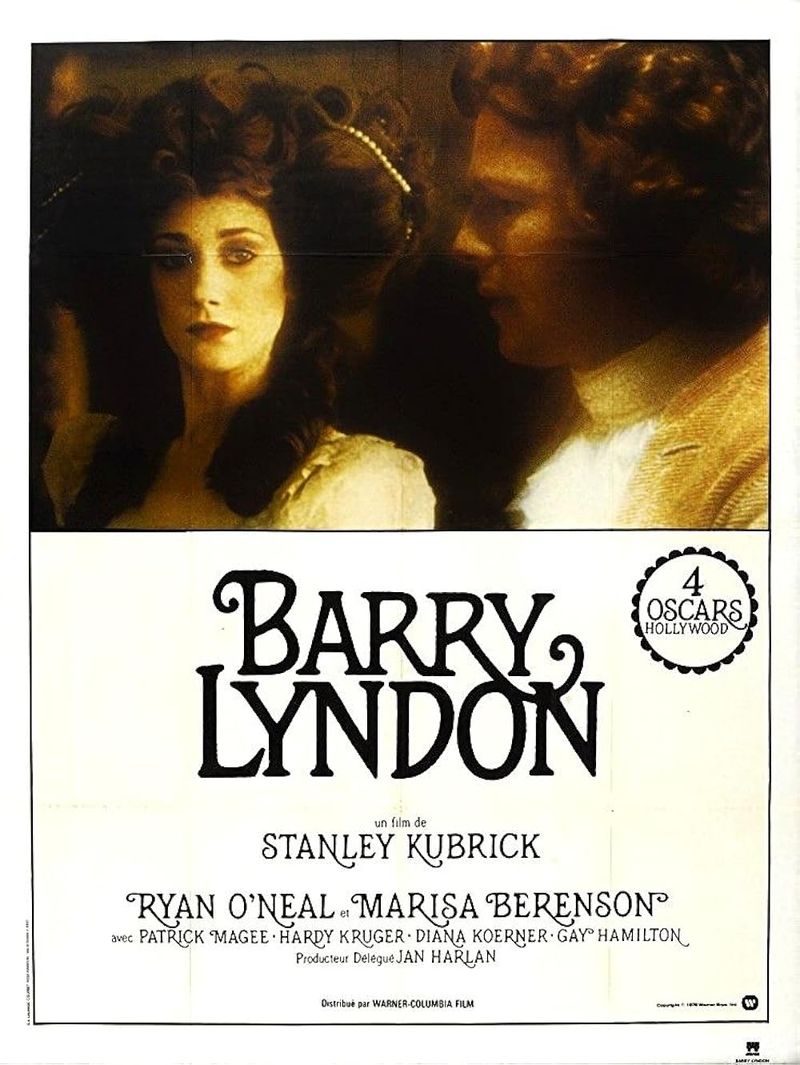
What seemed physically impossible became reality when Stanley Kubrick shot scenes using only candlelight.
Partnering with John Alcott and utilizing NASA-modified lenses, the team captured images in near-total darkness with astonishing clarity.
The result is a film that looks exactly like an 18th-century oil painting brought to life, with every candle flame and window casting soft, natural pools of light.
Barry Lyndon won the Academy Award for Best Cinematography, and even today, no film has matched its candlelit sequences.
It stands as proof that the right lens can completely change what cinema is capable of.
15. Hero (2002)
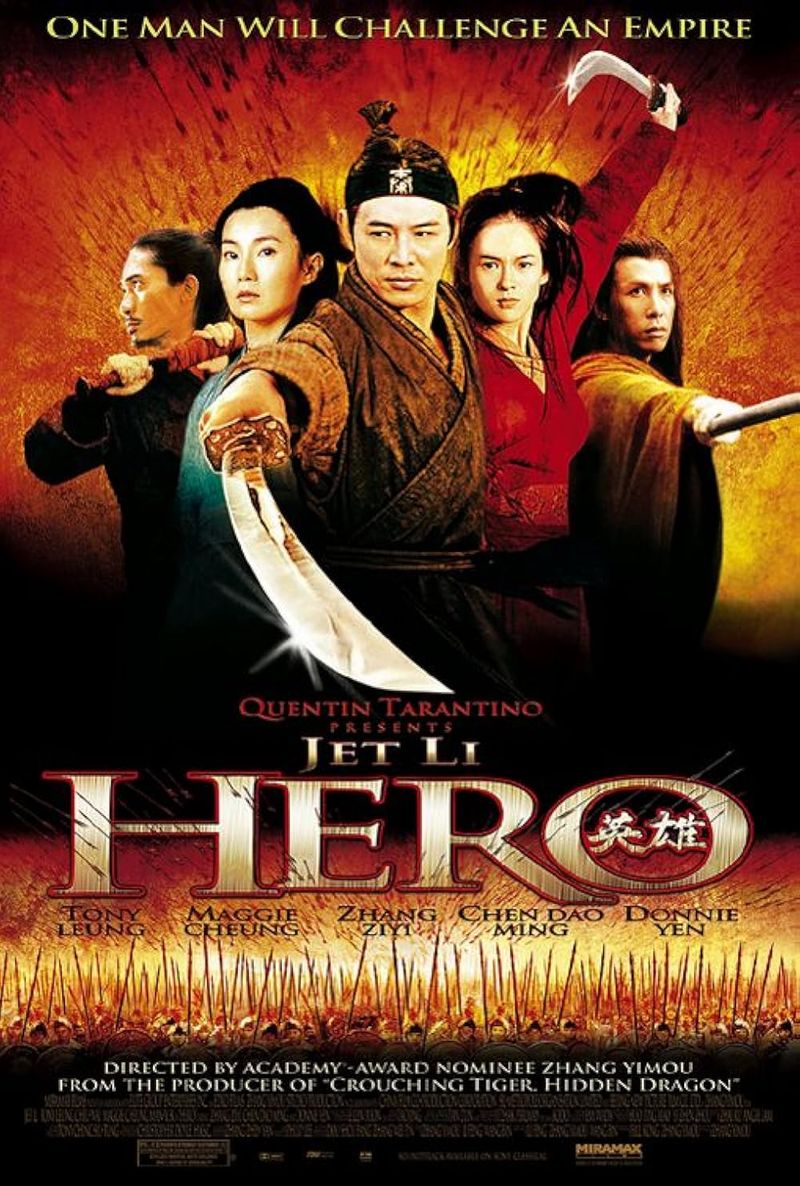
Zhang Yimou and cinematographer Christopher Doyle used color itself as a language in Hero — each chapter of the story is told in a completely different dominant color, from blood red to snowy white to deep blue.
The visual choices were not just decorative; they actually told you whose version of the truth you were watching.
Filmed on stunning natural locations across China, including the Gobi Desert and ancient palaces, Hero made wuxia action films look like moving museum exhibitions.
Every battle scene was choreographed to be visually perfect as well as thrilling.
Hero proved to Western audiences that Chinese cinema could be as visually ambitious as anything Hollywood had ever produced.
Comments
Loading…