
 Harper Hall
15 Movies That Were Ruined by a Happy Ending
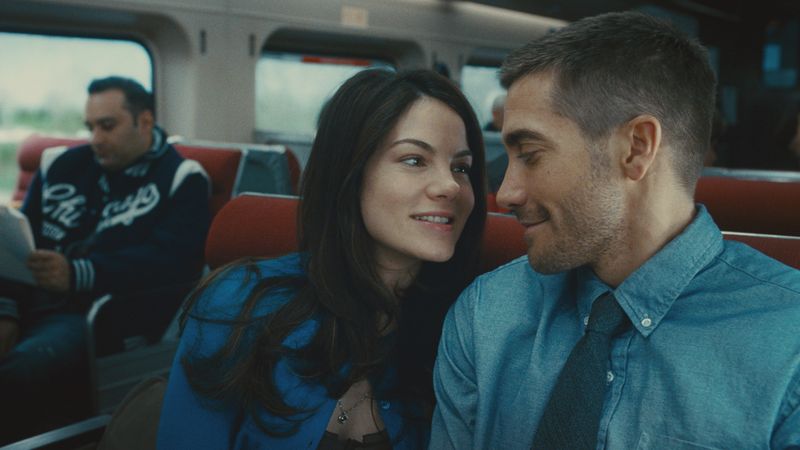
Sometimes a movie builds up so much tension, drama, and emotional weight that you just know it has to end on a dark or bittersweet note. But then, out of nowhere, the credits roll on a cheerful, feel-good resolution that completely undercuts everything that came before it.
Hollywood has a long history of tacking on happy endings that feel forced, unearned, or just plain wrong for the story being told. These 15 movies had the potential to be masterpieces, but their endings left audiences scratching their heads instead of wiping away meaningful tears.
1. Law Abiding Citizen (2009)
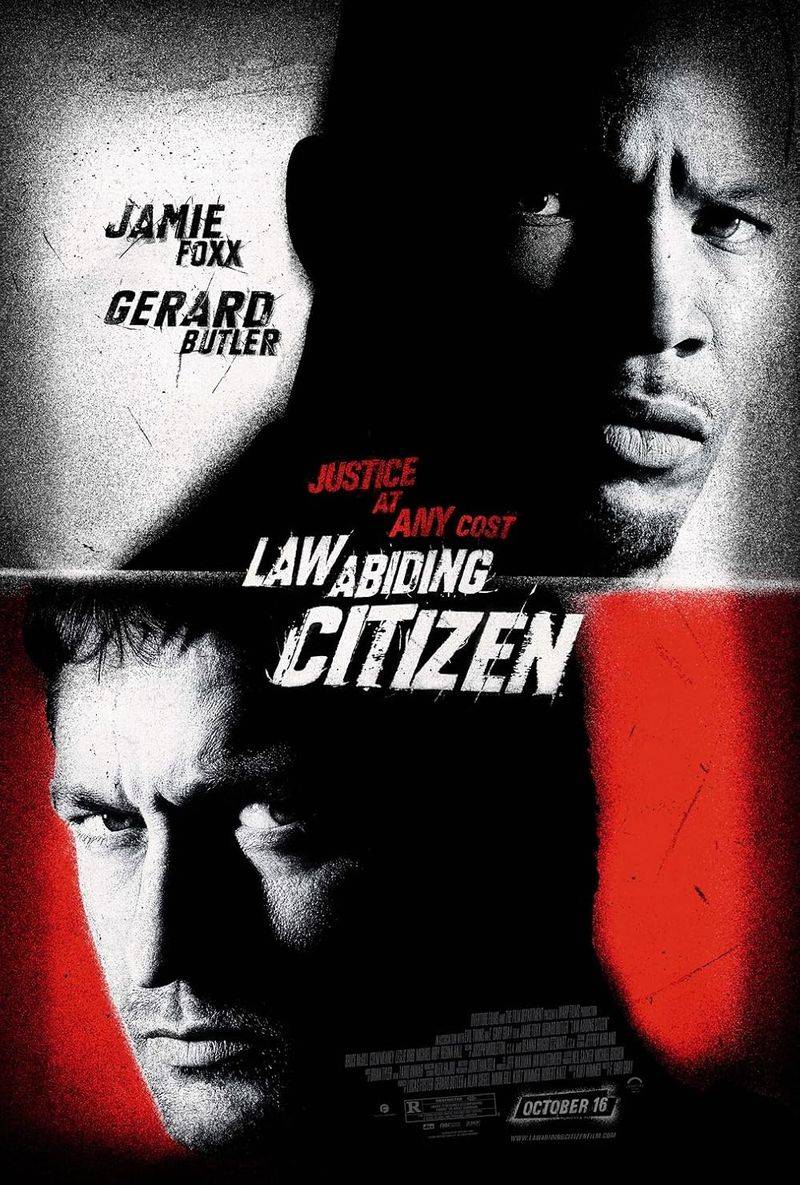
Few thrillers set up a premise as gripping as this one.
Gerard Butler plays a grieving father who outsmarts the entire legal system from inside a prison cell, and for most of the film, you genuinely cannot figure out how to stop him.
That is exactly what makes it so thrilling.
The movie practically begs for a dark, ambiguous conclusion where justice and the system both lose.
Instead, the villain is defused and defeated in a tidy, predictable way that feels like a betrayal of everything the film built.
A morally complex story deserved a morally complex ending.
2. Hancock (2008)
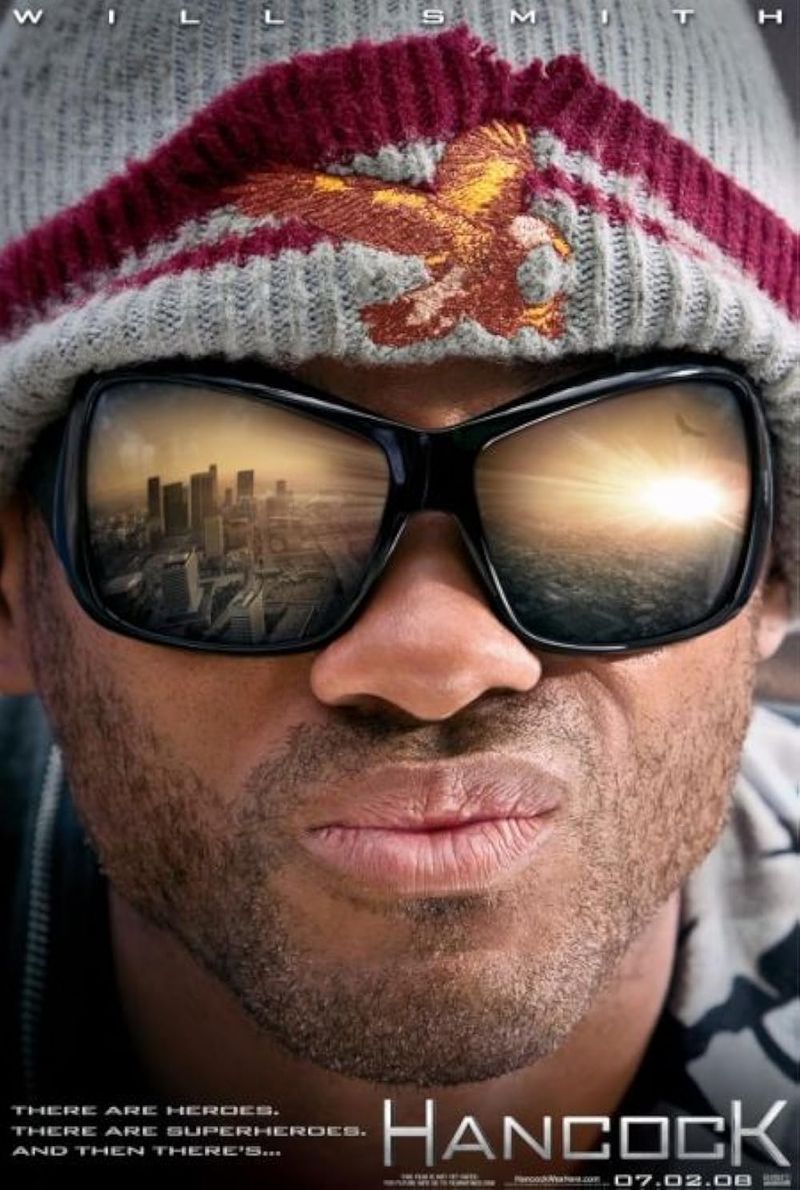
Hancock started as something genuinely fresh and exciting.
Will Smith played a drunk, unlikable, destructive superhero who had no idea who he really was, and audiences were hooked by how different it felt from every other comic book film at the time.
Midway through, the movie pulls back the curtain on a fascinating mythology about immortal beings.
Then it just stops exploring it.
The finale wraps everything up with a warm, heroic bow, completely abandoning the darker, stranger story it had been building.
Watching Hancock choose to be a traditional hero felt like watching a unique film give up on itself.
3. The Lord of the Rings: The Return of the King (2003)
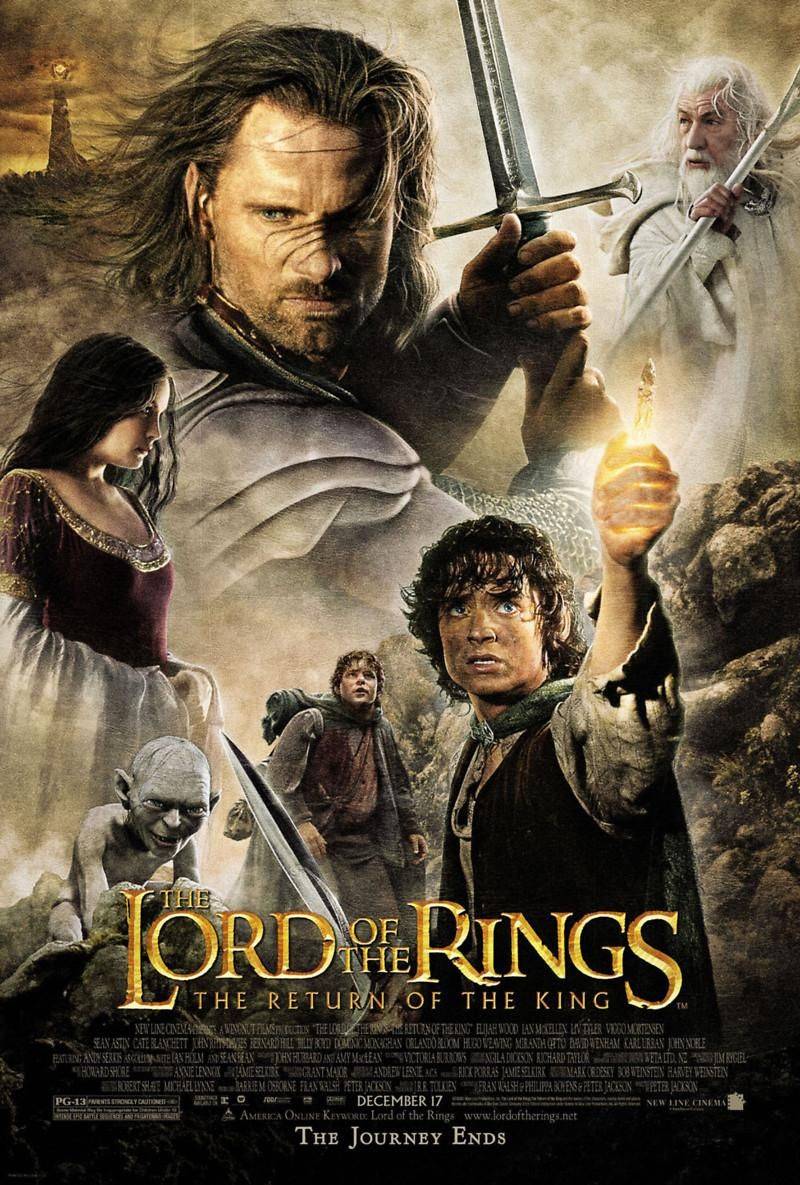
Before anyone grabs their pitchforks, this film is undeniably a masterpiece.
But even the most devoted fans will quietly admit that the ending goes on just a little too long, cycling through multiple emotional farewells that each feel like the final scene.
Peter Jackson earned every emotional beat, but the film ends four or five times before it actually stops.
Each fake-out conclusion slightly dulls the emotional impact of the one before it.
A single, perfectly crafted goodbye would have hit harder than the parade of them we got.
Sometimes restraint is the most powerful storytelling tool of all.
4. Jurassic World: Fallen Kingdom (2018)
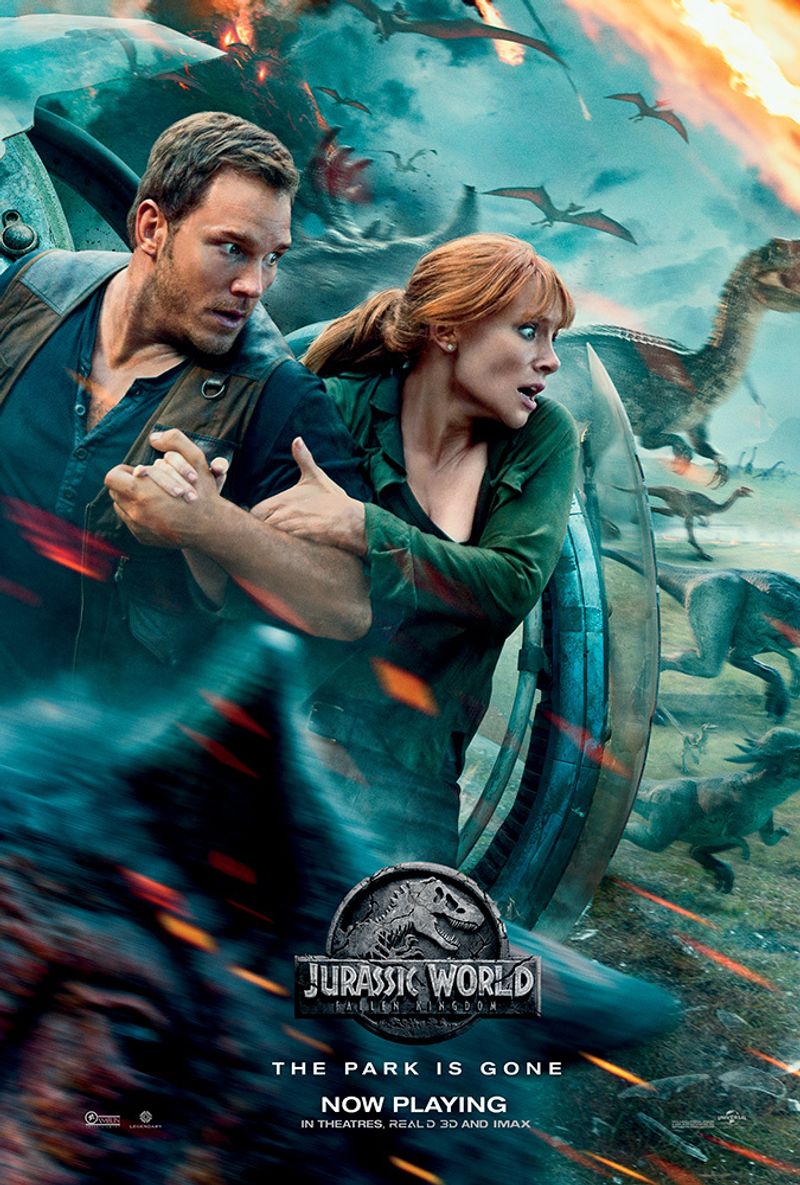
Halfway through this movie, something genuinely bold happens.
The filmmakers seem to be setting up a story where dinosaurs are finally released into the real world, living alongside humanity in chaotic, unpredictable ways.
That concept is thrilling and long overdue for this franchise.
So when Maisie opens the gates and lets the dinosaurs free, it should feel like a game-changing moment.
Instead, the film ends almost immediately after, treating this massive shift like a cliffhanger rather than exploring its consequences.
Audiences were left hanging on a radical premise that the sequel then largely ignored.
What a waste of a bold idea.
5. The Dark Knight Rises (2012)
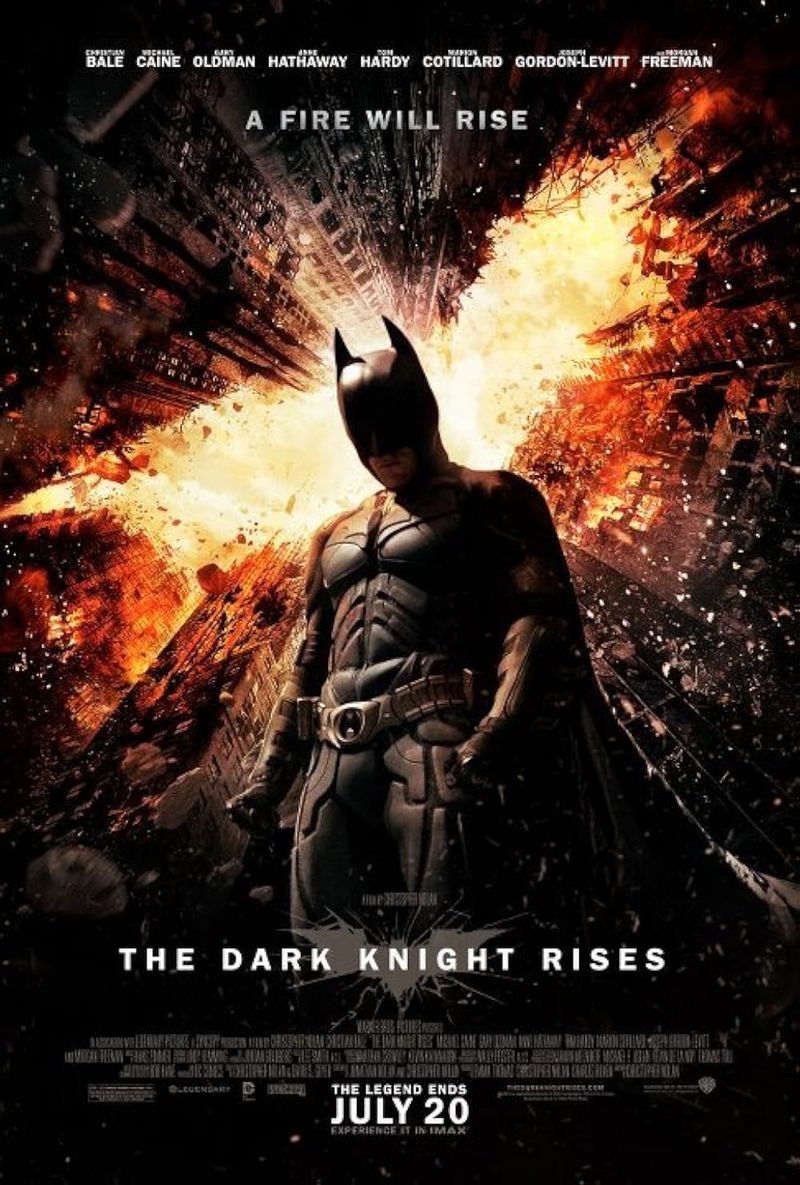
Christopher Nolan spent three films building Bruce Wayne as a broken, haunted man who sacrificed everything for Gotham.
The idea that he would finally find peace felt earned, but the way it was delivered left many fans cold.
Faking his death and then casually sipping coffee in a Florence cafe with Selina Kyle felt almost too neat for a trilogy defined by pain and sacrifice.
Alfred spotting him alive wraps everything in a warm, tidy bow that contradicts the gritty realism the series prided itself on.
A more ambiguous conclusion would have respected both the character and the audience far more effectively.
6. Memoirs of a Geisha (2005)

Based on a beloved novel, this film is visually stunning and emotionally rich for most of its runtime.
The story follows Chiyo through heartbreak, sacrifice, and survival in a world that constantly strips away her choices.
Her resilience is genuinely moving to watch.
The novel ends on a reflective, bittersweet note that honors the weight of everything she endured.
The film, however, closes with a romantic reunion that feels rushed and too cheerful.
Chiyo deserved an ending that sat with the reader in quiet contemplation, not one that tied her story to a man.
The book understood that; the film forgot it.
7. War of the Worlds (2005)
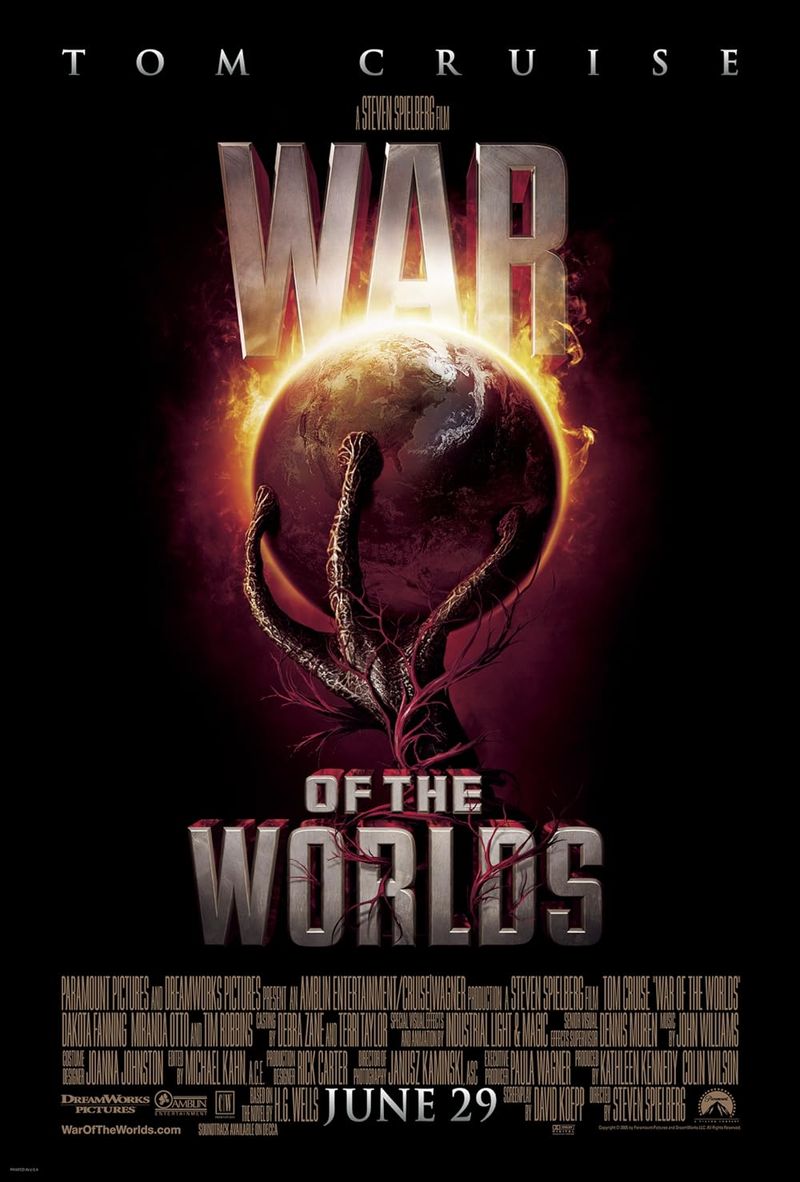
Steven Spielberg built nearly two hours of pure, relentless dread in this film.
Tom Cruise’s Ray Ferrier is not a hero.
He is a flawed, terrified father doing whatever it takes to survive, and that raw vulnerability makes the film genuinely unsettling and compelling throughout.
Then the aliens die from bacteria, which is true to H.G.
Wells, but the film adds a final scene where Ray reunites with his estranged son and ex-wife in a warm, golden-lit Boston neighborhood.
The family drama is suddenly resolved with a hug.
After all that horror and chaos, the tidy emotional resolution felt oddly unearned and almost comedically cheerful.
8. Sleepy Hollow (1999)
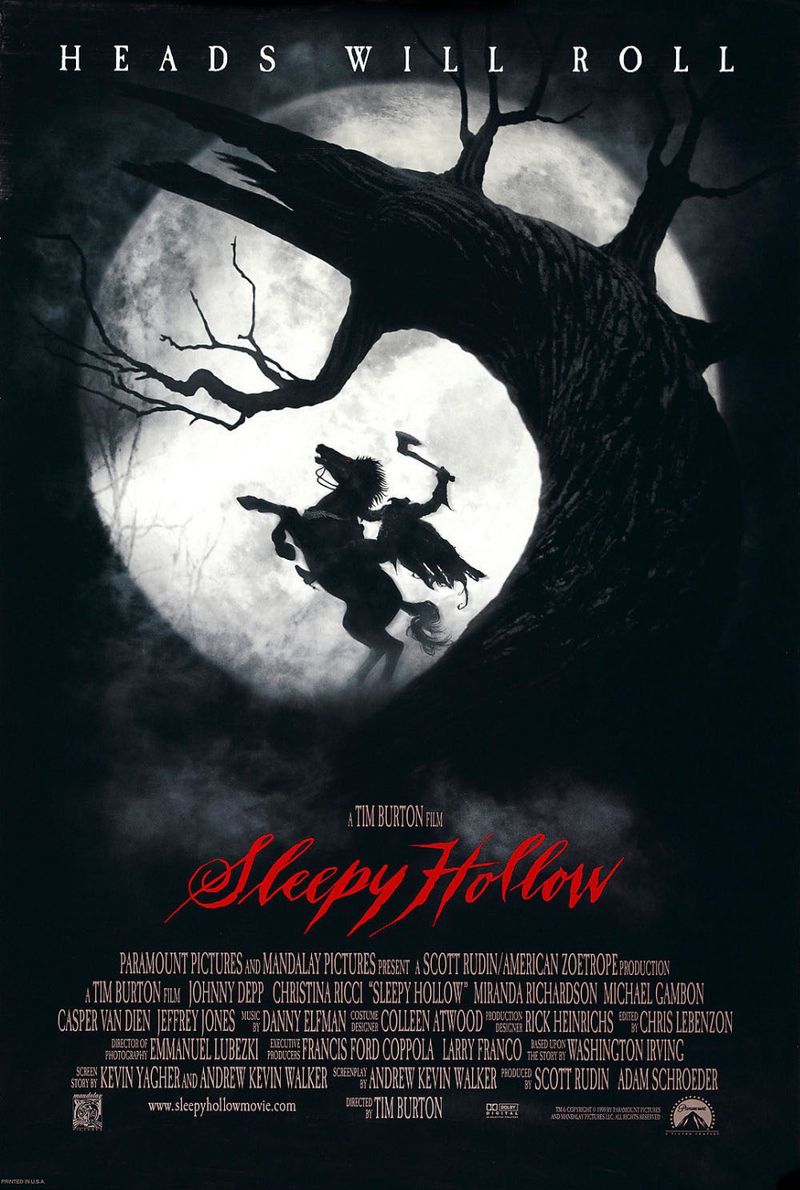
Tim Burton at his darkest and most stylish is a genuinely wonderful thing, and for most of Sleepy Hollow, that is exactly what audiences got.
The film drips with gothic atmosphere, gruesome beheadings, and a wonderfully strange performance from Johnny Depp as the neurotic Ichabod Crane.
The mystery unravels in satisfying, creepy fashion, but then the film pivots to a warm, sunlit ending where Ichabod and Katrina ride off toward a bright, optimistic future.
It is jarring.
The tonal whiplash from dark horror to cheerful romance undercuts the mood Burton spent the entire film carefully crafting.
Darkness suited this story far better than sunshine ever could.
9. Crazy, Stupid, Love (2011)
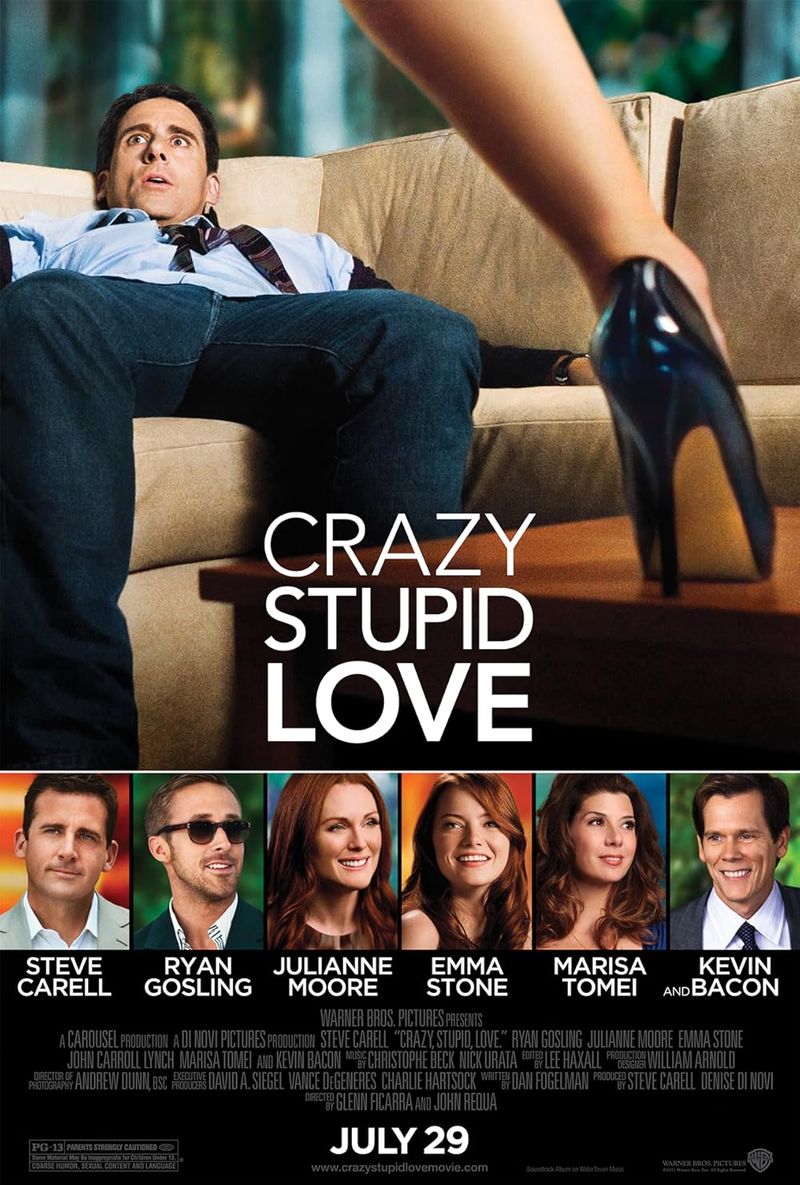
For a romantic comedy, this film is surprisingly smart and self-aware.
Ryan Gosling and Steve Carell are both excellent, and the film does a great job of showing how messy and complicated love actually is.
The twist involving their shared connection is clever and genuinely funny.
But the final act retreats into full rom-com cliche territory, complete with a grand speech, tearful forgiveness, and a tidy reconciliation that erases all the real emotional complexity the film worked hard to establish.
Watching two nuanced characters suddenly behave like standard movie archetypes was disappointing.
The film was smarter than its ending, and audiences could feel that gap clearly.
10. Source Code (2011)
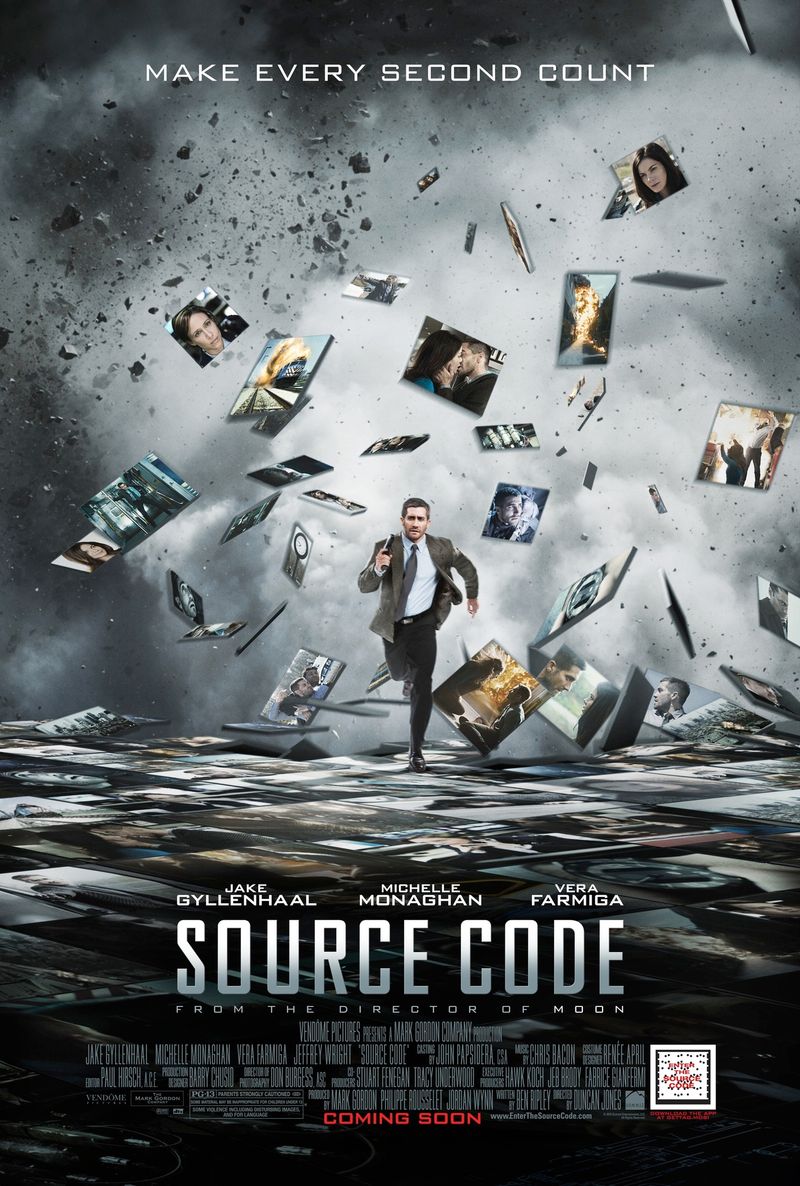
Source Code is one of the smartest sci-fi films of its decade.
Jake Gyllenhaal plays a soldier reliving the last eight minutes of another man’s life on a doomed train, trying to prevent a terrorist attack.
The premise is clever, the pacing is tight, and the emotional stakes feel real.
The film sets up a poignant, self-sacrificial ending that would have been hauntingly beautiful.
Instead, it pivots to a feel-good alternate reality where everyone lives and the hero gets the girl.
Scientifically, it breaks the film’s own established rules.
Emotionally, it robs the story of its most powerful and resonant conclusion.
The original ending would have been unforgettable.
11. Frozen II (2019)
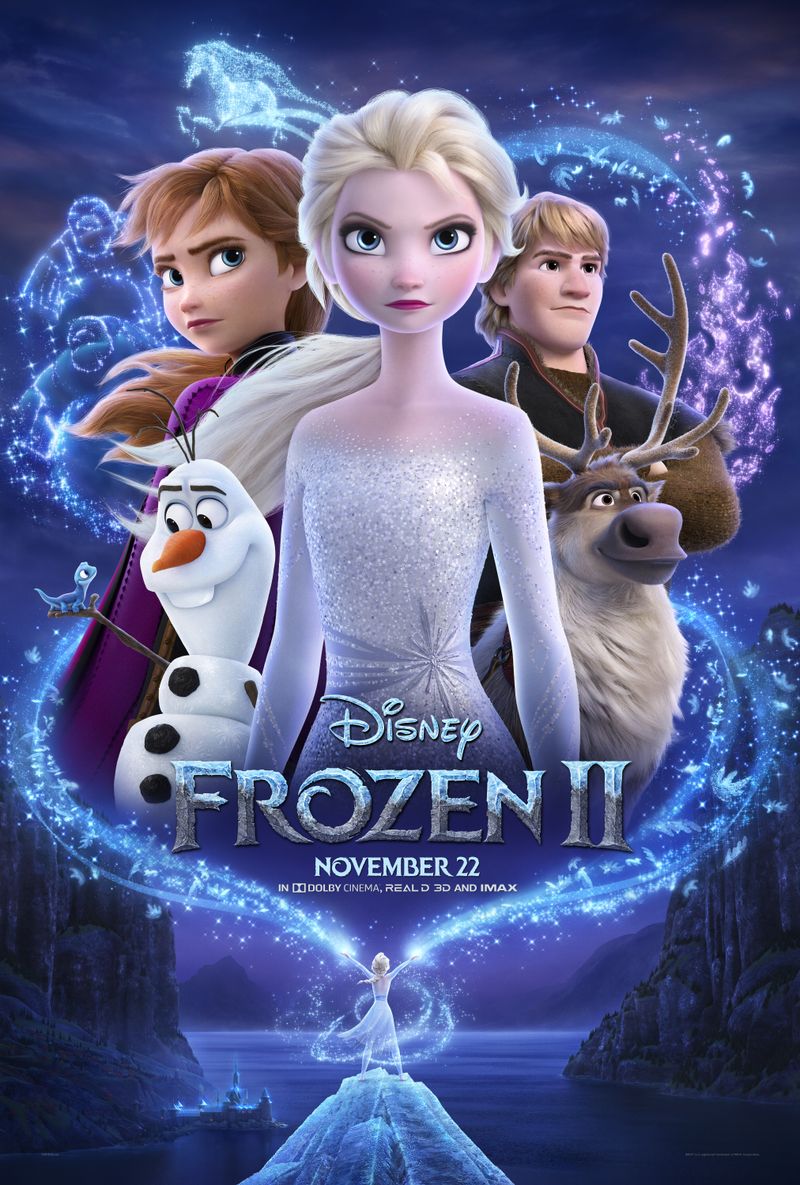
Frozen II deserves credit for trying something more ambitious than its predecessor.
Elsa journeys into the unknown, searching for the source of her powers, and the film flirts with a genuinely brave conclusion where she stays in the enchanted forest alone, separated from Anna forever.
That ending would have been emotionally gutting and beautifully thematic.
Instead, the film engineers a compromise where everyone gets what they want with minimal sacrifice.
Elsa stays in the forest but visits regularly, which removes all the emotional stakes.
Bold storytelling requires real loss sometimes, and Frozen II blinked at the crucial moment.
Kids can handle sadness; the studio just did not trust them to.
12. Edge of Tomorrow (2014)
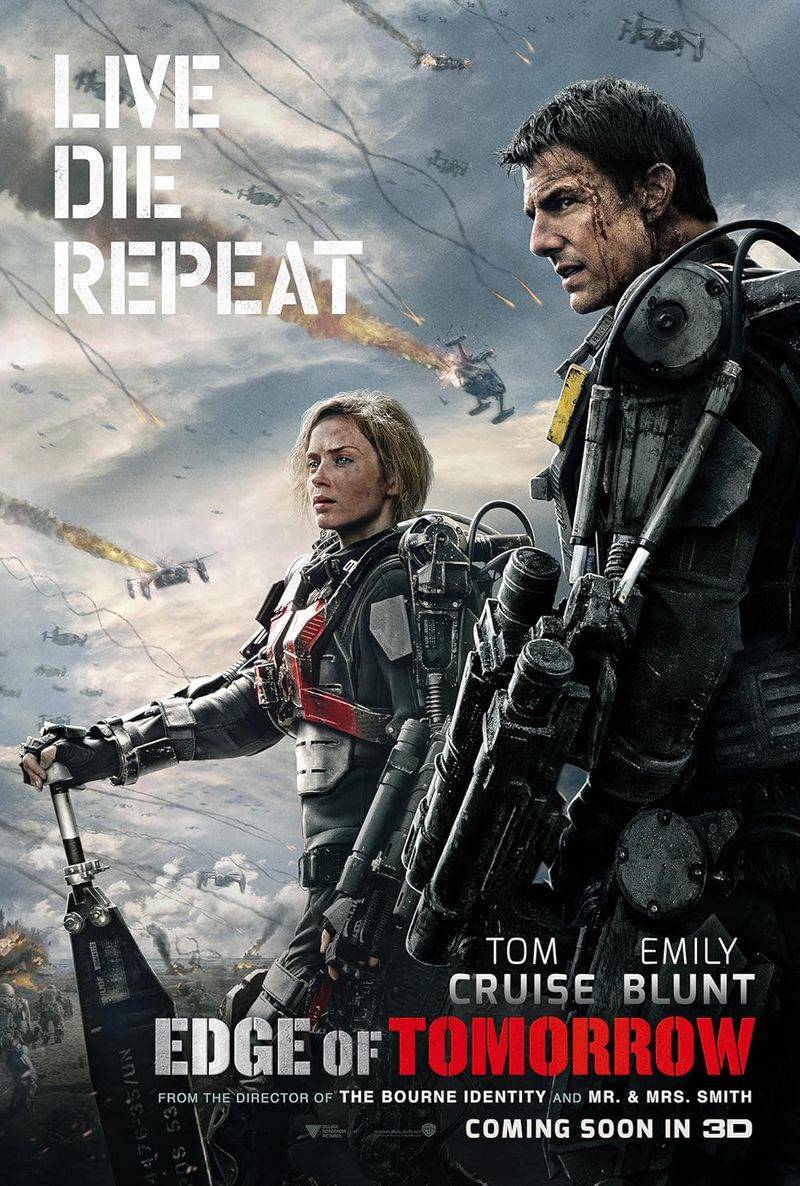
Edge of Tomorrow is one of the best action films of the 2010s, and almost nobody saw it in theaters.
Tom Cruise and Emily Blunt are fantastic, the time-loop mechanics are brilliantly handled, and the film earns its emotional beats through repetition and sacrifice in a way few movies manage.
Then the final scene arrives.
Cage wakes up after apparently dying, but this time everyone is alive and the war is won.
He has his memories but faces no consequences.
It is a deus ex machina that the film’s own logic cannot support.
After all that earned pain and growth, a free happy ending felt like cheating the audience completely.
13. Passengers (2016)
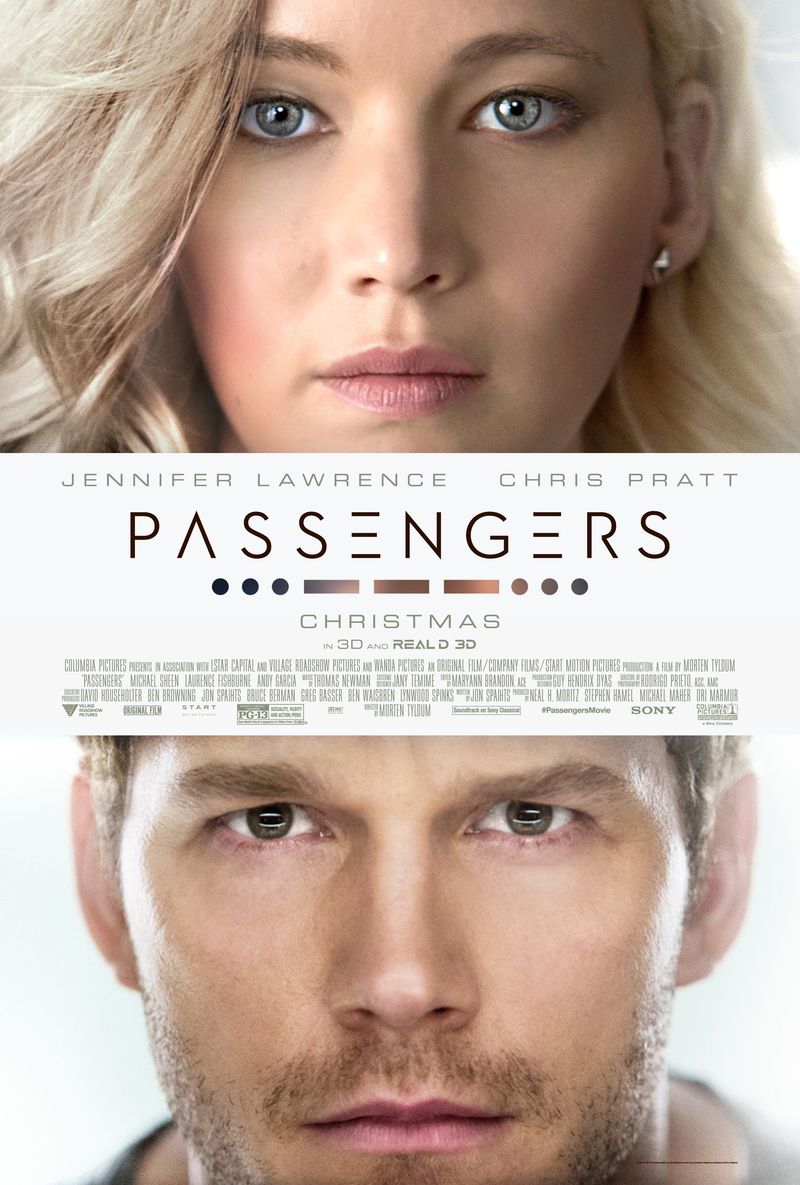
Here is a film that had the bones of a genuinely disturbing psychological thriller hiding inside a glossy sci-fi romance.
Chris Pratt’s character wakes a fellow passenger from hibernation, essentially condemning her to a life she never chose.
That is a morally dark act with serious implications.
The film briefly acknowledges this darkness, then promptly forgives it through adventure, romance, and sacrifice.
By the final scene, Aurora has fully accepted her fate and the two grow old together happily on the ship.
Real consequences were traded for comfort.
A darker, more honest ending would have made Passengers one of the most provocative sci-fi films in years.
14. Rampage (2018)
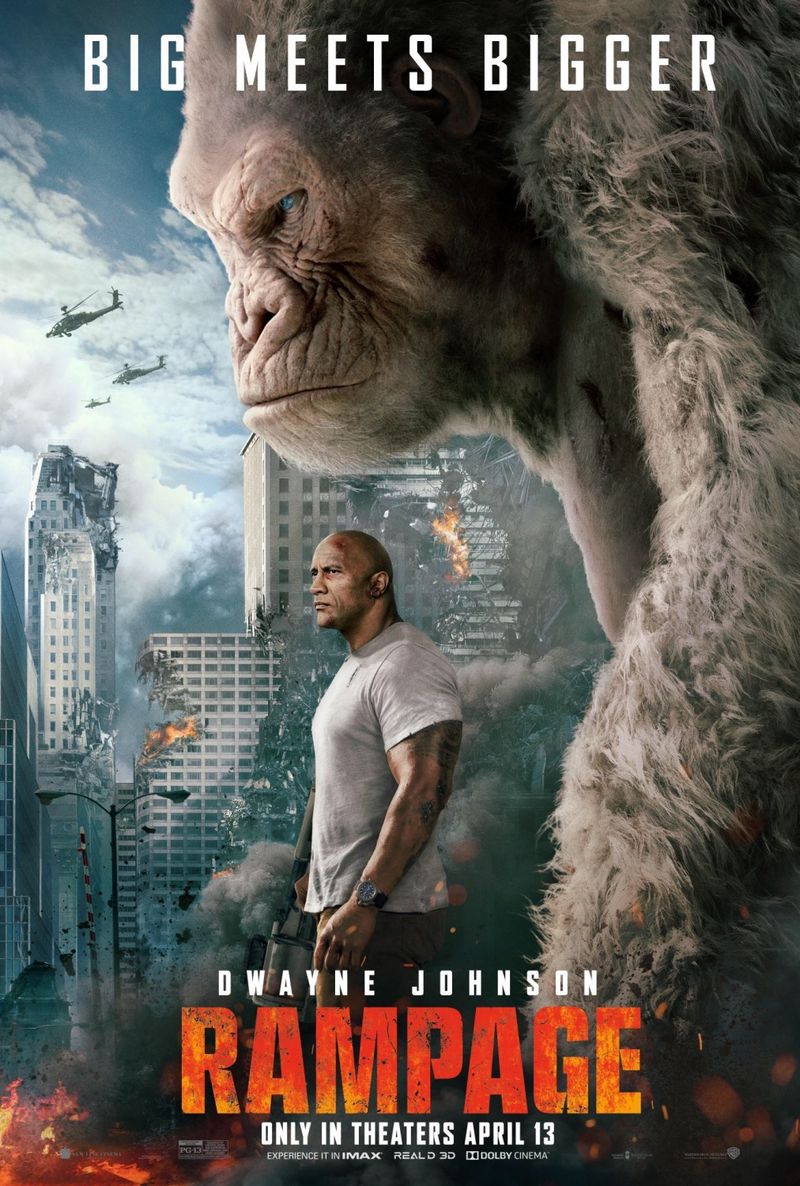
Nobody walked into Rampage expecting Shakespeare, and the film largely delivers on its promise of giant monsters destroying Chicago.
Dwayne Johnson is reliably charismatic, and the sheer scale of the destruction is genuinely entertaining.
George the gorilla is surprisingly endearing for a creature the size of a building.
But after all the chaos, explosions, and apparent death of his beloved George, the film reveals the gorilla survived after all.
George even cracks a joke.
It is played for laughs, which clashes awkwardly with the emotional buildup around his supposed death.
Letting George die would have given the film an unexpectedly emotional punch.
Instead, it chickened out for a laugh.
15. Grease (1978)
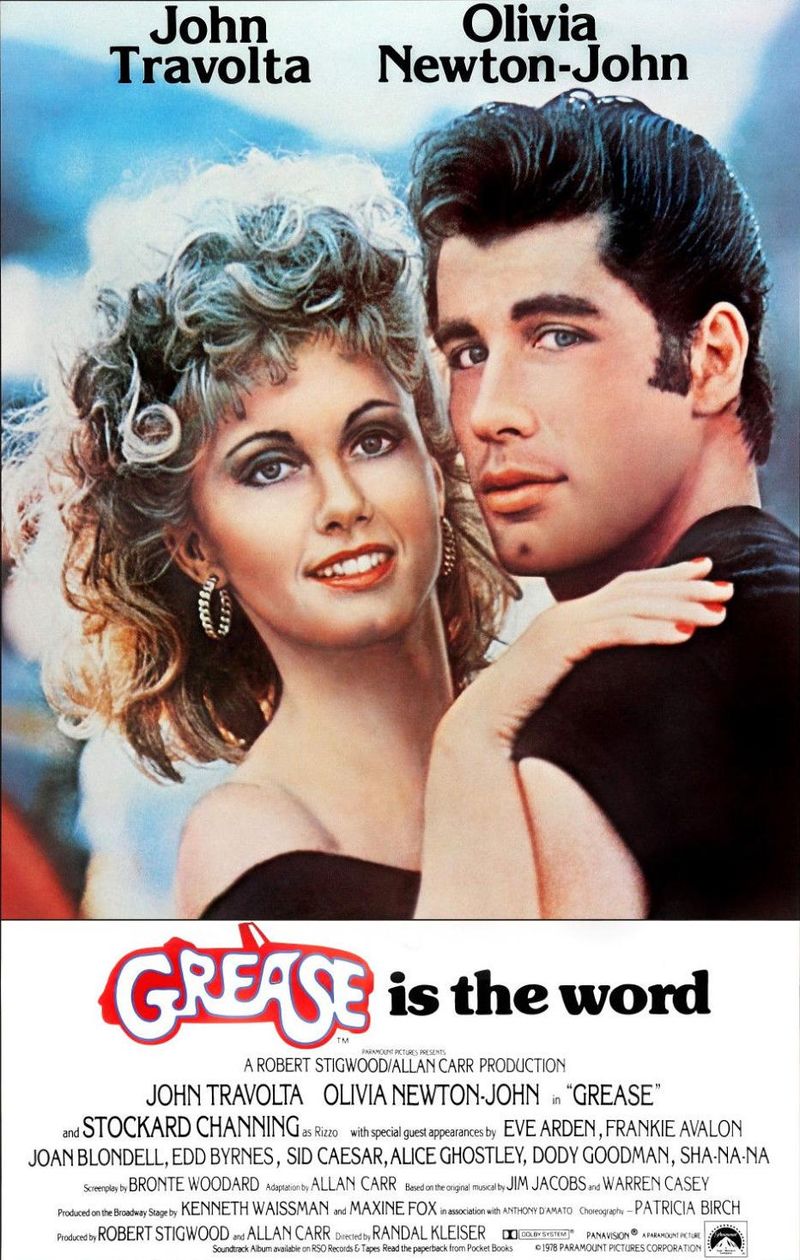
Grease is an absolute classic, and its soundtrack is genuinely iconic.
But underneath all the catchy songs and leather jackets, the film sends a message that has bothered people for decades.
Sandy changes her entire personality, style, and values to win over a boy who barely made any effort to meet her halfway.
Danny does take up sports briefly, sure, but Sandy’s transformation is far more dramatic and permanent.
A braver ending would have shown both characters genuinely growing and compromising.
Instead, Sandy squeezes into tight pants and suddenly everything is perfect.
For a film so beloved, that ending quietly tells young viewers the wrong person always needs to change.
Comments
Loading…