
 Hailey Watson
15 Movies That Still Don’t Make Sense No Matter How Many Times You Rewatch

Some movies are confusing in the best way, like a puzzle you can’t stop turning over in your mind, while others feel like they forgot to include the instructions entirely.
These are the films that make you pause, rewind, and then pause again, only to realize you’re still not sure who’s lying, what’s real, or why that scene happened in the first place.
Sometimes the problem is a deliberately scrambled timeline, sometimes it’s dream logic pretending to be a plot, and sometimes it’s a movie that makes bold rules and then breaks them whenever it feels like it.
If you’ve ever finished a film and immediately Googled “ending explained,” this list will feel painfully familiar.
1. Tenet (2020)
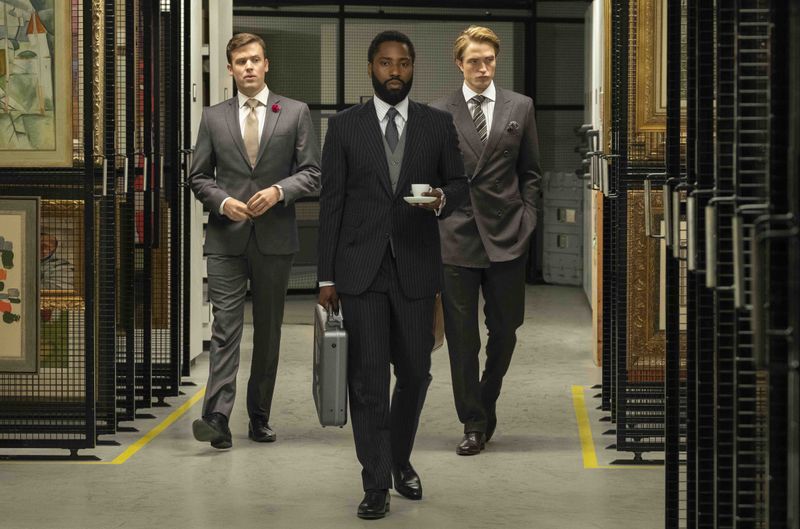
Time isn’t just a straight line here; it behaves like a weapon, a puzzle, and a prank played on the audience all at once.
The story follows a CIA agent known only as the Protagonist as he’s pulled into a mission involving “inversion,” a process that makes people and objects move backward through time.
He teams up with Neil while trying to stop a powerful Russian oligarch, Sator, whose plan could trigger global annihilation through a doomsday algorithm.
The movie loves explaining its rules in theory, then immediately showing action scenes that make those rules feel slippery and inconsistent.
Between muffled dialogue, rapid exposition, and characters moving in opposite temporal directions, you can understand every scene individually and still feel lost overall.
2. Donnie Darko (2001)
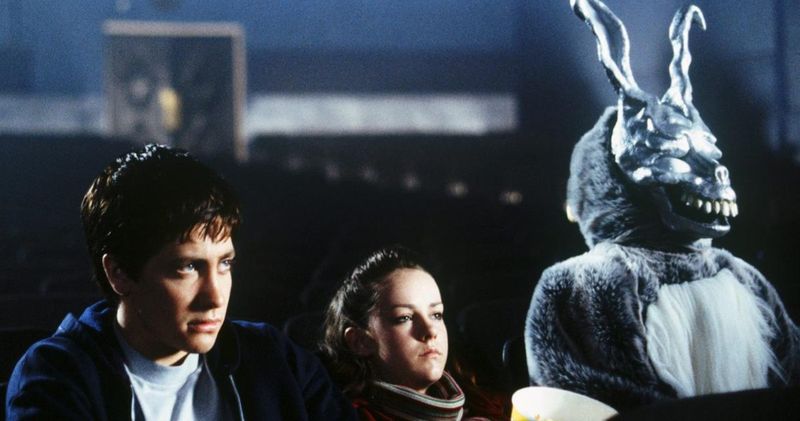
Reality starts wobbling the moment a troubled teen sleepwalks out of his house after being warned by a creepy figure in a rabbit suit.
Donnie is a high school student dealing with medication, therapy, and a growing sense that the universe is about to end, while Frank appears to him with a countdown clock and cryptic instructions.
A jet engine crashes into Donnie’s bedroom, and instead of solving anything, that event opens the door to time travel theories, “tangent universes,” and loops that feel both intentional and impossible.
The film layers in school drama, family tension, and eerie comedy, but it never stops to clarify what’s literal and what’s symbolic.
By the end, you’re left wondering whether Donnie saved the world, rewrote reality, or simply hallucinated everything.
3. Mulholland Drive (2001)
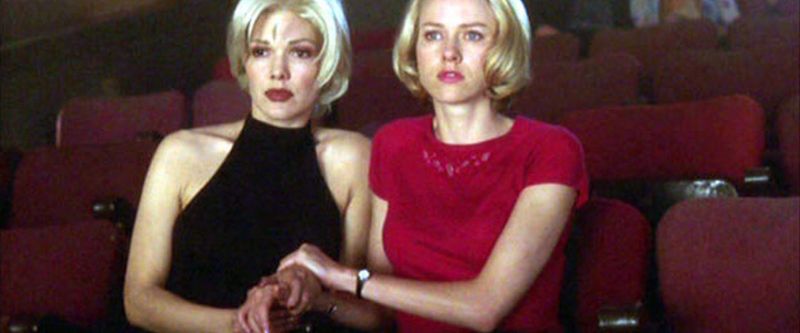
Hollywood becomes a maze when a woman survives a car crash on Mulholland Drive and loses her memory, leaving her to piece together her identity with almost no reliable clues.
She meets Betty, an aspiring actress who seems sunny and hopeful, and together they try to uncover who “Rita” really is, using a mysterious blue key and scattered hints that feel like they belong to someone else’s life.
Meanwhile, unrelated characters drift through scenes that don’t connect in any normal way, including a director bullied by shadowy forces and a horrifying encounter behind a diner.
As the story shifts, names change, relationships flip, and the movie’s tone transforms from noir mystery to dreamlike breakdown.
It’s fascinating, but it also feels like the film keeps moving the map every time you think you’ve found the exit.
4. Inland Empire (2006)
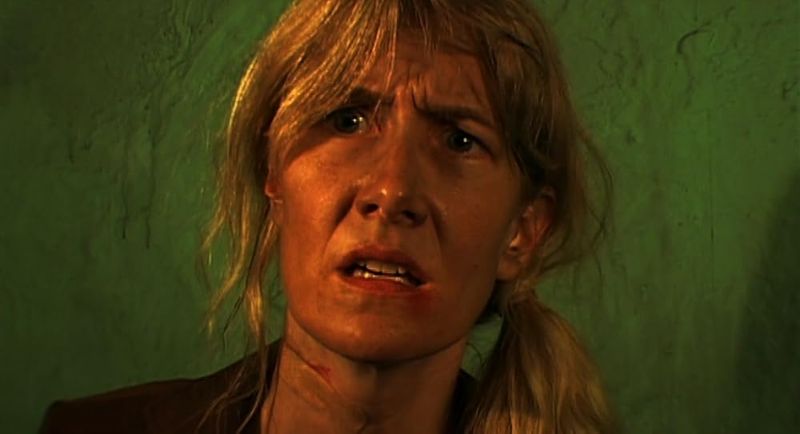
Meaning slips away early, and the movie seems to enjoy watching you chase it.
A Hollywood actress, Nikki Grace, lands a role in a film that may be cursed, and as rehearsals begin, her life starts blending with the character she plays in ways that refuse to follow logic.
Scenes jump between fractured realities, cryptic conversations, unsettling imagery, and moments that feel like half-remembered nightmares, including repeated appearances of human-sized rabbits living out eerie sitcom-style routines.
The narrative keeps splintering so aggressively that you can’t be sure whether Nikki is losing her mind, trapped in a story, or living multiple versions of herself at once.
Even when the movie offers clues, it delivers them like riddles instead of answers.
By the time it ends, you might admire the ambition while still having no idea what you just watched.
5. The Tree of Life (2011)
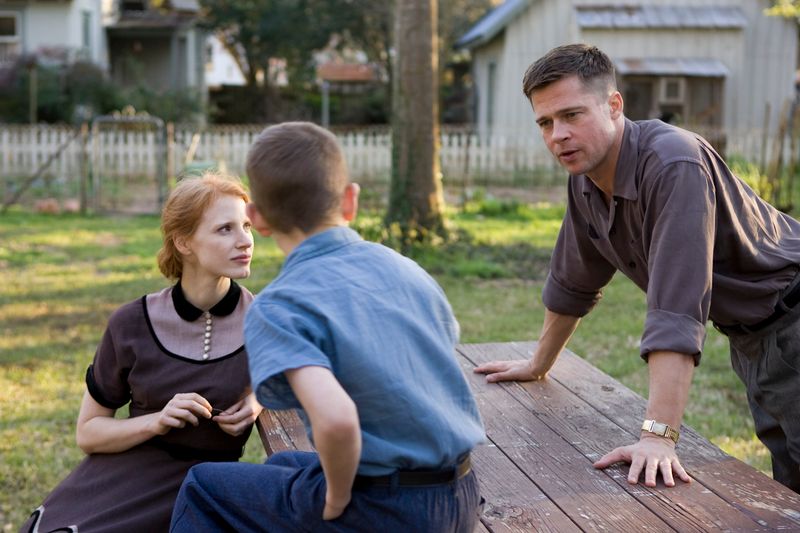
Instead of giving you a traditional beginning, middle, and end, the film drifts between a family’s quiet pain and the birth of the universe like those two things are part of the same conversation.
Much of the story centers on a boy named Jack growing up in 1950s Texas with strict, demanding parents, especially a father whose love often arrives wrapped in disappointment.
Then, without warning, the movie expands into sweeping sequences of cosmic creation, oceans, volcanoes, and even dinosaurs, as if it’s searching for spiritual meaning through imagery rather than plot.
The emotional core is recognizable—grief, guilt, childhood confusion—but the structure is more like memories colliding than scenes progressing.
It’s beautiful and often moving, yet it can also feel like you’re watching someone else’s private dream, trying to guess what you’re supposed to take from it.
6. Cloud Atlas (2012)
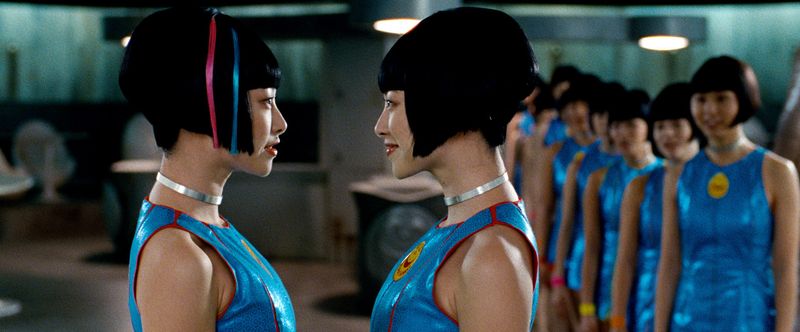
Six stories unfold across different centuries, and the film insists they are connected even when your brain is begging for a pause button.
You’ll bounce from a 19th-century voyage involving slavery and moral awakening, to a 1970s conspiracy thriller, to a modern-day publishing fiasco that turns into an escape story, and onward to futuristic dystopias.
Characters appear in different eras played by the same actors in heavy makeup, which is meant to suggest reincarnation or soul echoes, but it often makes it harder to track who you’re watching in the moment.
The movie’s message about human connection is clear enough, yet the constant switching can make each timeline feel like it’s being interrupted right when it gets interesting.
By the time it reaches its far-future storyline, you might remember the emotional theme but forget the actual details that were supposed to tie everything together.
7. The Fountain (2006)
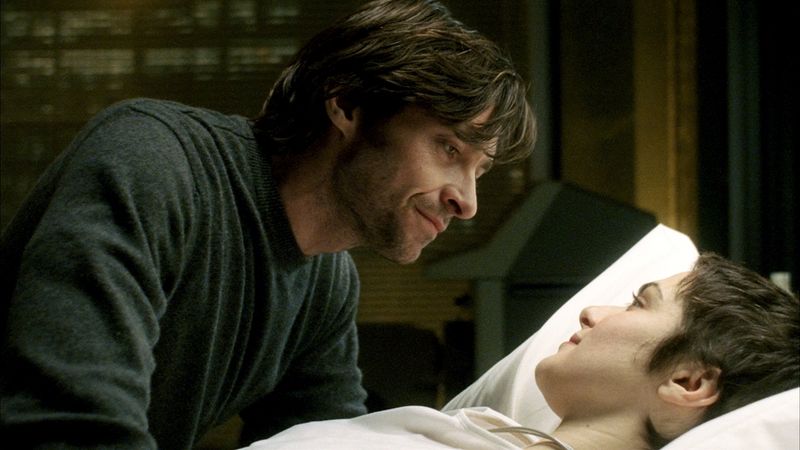
Love, death, and immortality swirl together in a story that operates more like poetry than a straightforward narrative.
One timeline follows a scientist, Tom, desperately trying to cure his wife Izzi’s cancer, believing that saving her will fix everything that feels broken in his life.
Another storyline involves conquistadors seeking the Tree of Life, while a third follows a lone figure traveling through space inside a bubble-like vessel, drifting toward a star called Xibalba.
The film pushes the idea that these threads are spiritually connected, but it rarely stops to define how literal that connection is supposed to be.
Symbols repeat, dialogue circles around big ideas, and the emotional intensity stays high even when the plot feels abstract.
It’s the kind of movie that makes you feel something strongly while still leaving you uncertain about what actually happened.
8. The Lobster (2015)
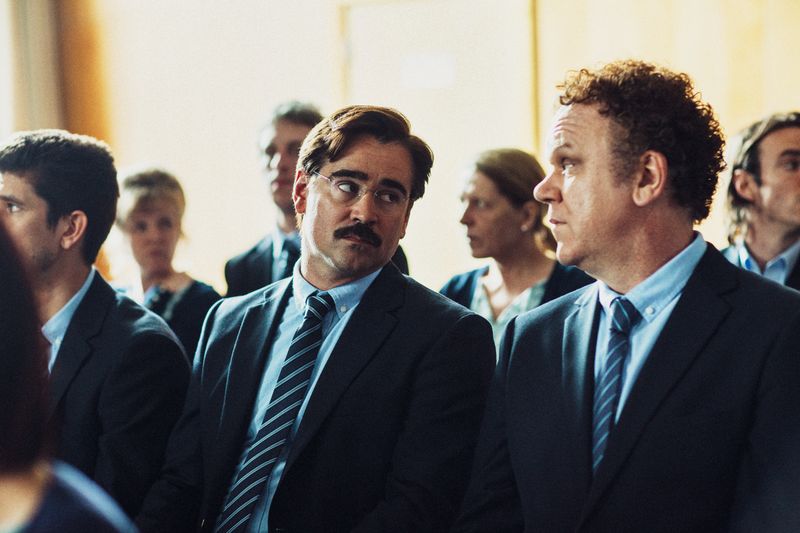
The world-building is so specific and bizarre that you keep expecting an explanation that never really arrives.
In this universe, single people are sent to a hotel where they must find a romantic partner within a set number of days, or they’ll be transformed into an animal of their choice.
David arrives freshly dumped and chooses a lobster as his potential animal fate, then tries to navigate absurd dating rules that reward shallow compatibility, like matching on a limp or a shared emotional defect.
The hotel staff enforces romance through punishments that feel both ridiculous and chilling, while a group of “loners” living in the woods enforces the opposite ideology with equal harshness.
The tone stays deadpan even during shocking moments, which makes the story feel simultaneously clear and completely irrational.
By the end, you may understand the rules but still wonder what point the movie was making besides “humans are weird.”
9. Mother! (2017)
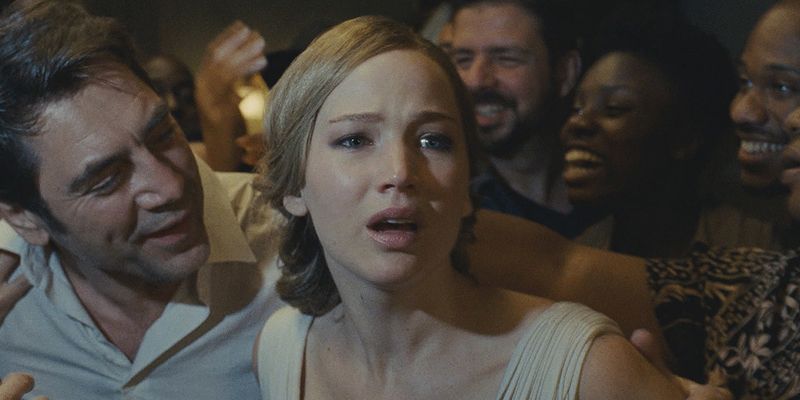
Chaos creeps in politely at first, then explodes so wildly that it feels like the film is daring you to keep up.
A young woman tries to rebuild a quiet life with her poet husband in a secluded house, but strangers begin arriving uninvited, acting entitled, and refusing to leave.
The visitors multiply, boundaries vanish, and ordinary conflicts turn into surreal violence, destruction, and bizarre ceremony, all while the husband seems to thrive on the attention.
The movie works as an allegory, with many viewers interpreting the characters as symbolic stand-ins for bigger ideas, but it never settles into a single clear meaning on-screen.
The house becomes a pressure cooker of anxiety, and the protagonist’s desperation is painfully real even when the events feel impossible.
It’s gripping, but it also leaves you thinking, “Did I watch a story, or did I watch a metaphor attack me for two hours?”
10. Southland Tales (2006)
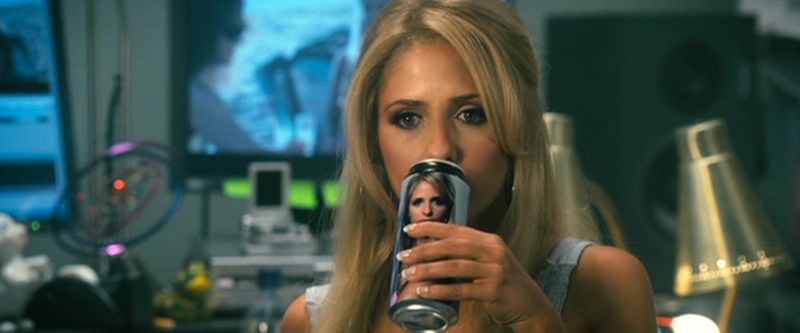
Nothing says “What is happening?” like a film that throws you into a near-future America full of political paranoia, celebrity obsession, and plot threads that refuse to behave.
The story involves a mysterious amnesiac actor, a porn star developing a reality show, a cop caught in tangled schemes, and a swirling conspiracy connected to energy technology and government surveillance.
Scenes jump between satire, action, musical numbers, and bizarre philosophical monologues, and the cast is stacked enough to make you think the movie must be building toward something coherent.
Instead, it feels like multiple films fighting for control of the same screen time, each one convinced it’s the main storyline.
Even when you catch the big themes—fear, media, power—the details feel like a scrambled puzzle box with missing pieces.
It’s the rare movie where you can watch it twice and still feel like you missed the part that explains everything.
11. Primer (2004)
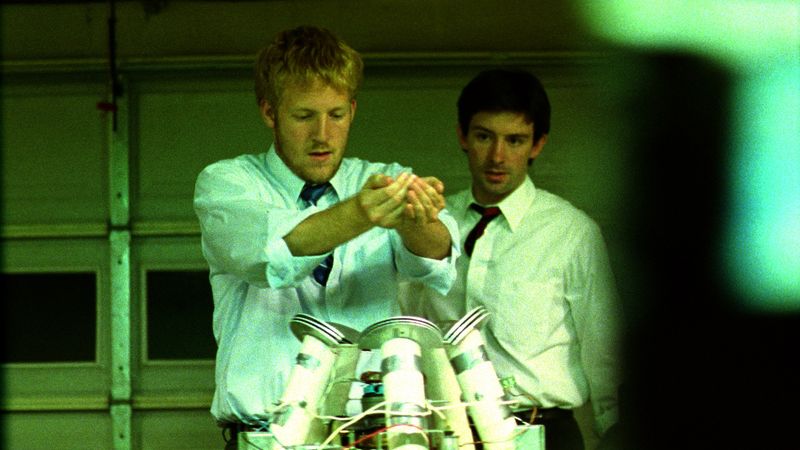
The moment two engineers accidentally create a device that bends time, the film becomes less of a story and more of a logic test.
Aaron and Abe start with a garage-level invention that allows time travel through a box-like machine, and they quickly realize the implications are far bigger than they can control.
The movie is famously technical, with dialogue that sounds like real engineers talking to each other, which makes it authentic but also difficult to follow at normal viewer speed.
As they begin using the machine repeatedly, overlapping timelines pile up, multiple versions of the same person exist simultaneously, and the characters start making choices that are hard to track even when you’re paying attention.
The tension comes from secrecy and paranoia, yet the confusion comes from how casually the film introduces complex shifts without explaining them.
By the end, you’re not just wondering who did what, but which version of them did it.
12. I’m Thinking of Ending Things (2020)
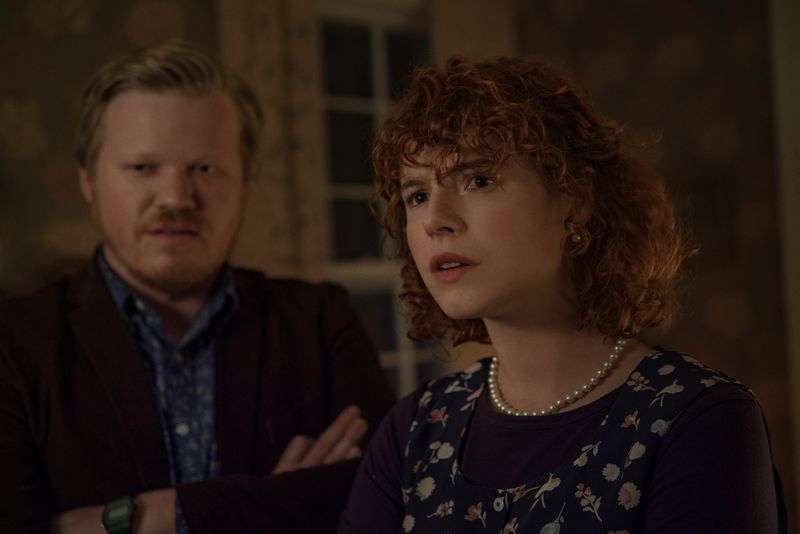
Unease builds slowly as a young woman travels with her boyfriend to meet his parents, and the entire trip feels like it’s taking place inside someone’s shifting memory.
The conversations are long, intellectual, and strangely circular, with characters discussing art, poetry, and regret in a way that feels both intimate and unsettling.
When they arrive at the parents’ farmhouse, time starts behaving unpredictably as the parents change ages, moods, and even personalities from scene to scene, as if decades are being shuffled like a deck of cards.
The girlfriend’s identity also begins to blur, with details about her name, career, and background changing in ways that challenge whether she’s a real person or an idea.
The film keeps introducing moments that feel meaningful—like a high school janitor appearing in parallel—without giving you a clean explanation.
It’s haunting, but it’s also the kind of haunting that leaves you confused on purpose.
13. The Prestige (2006)
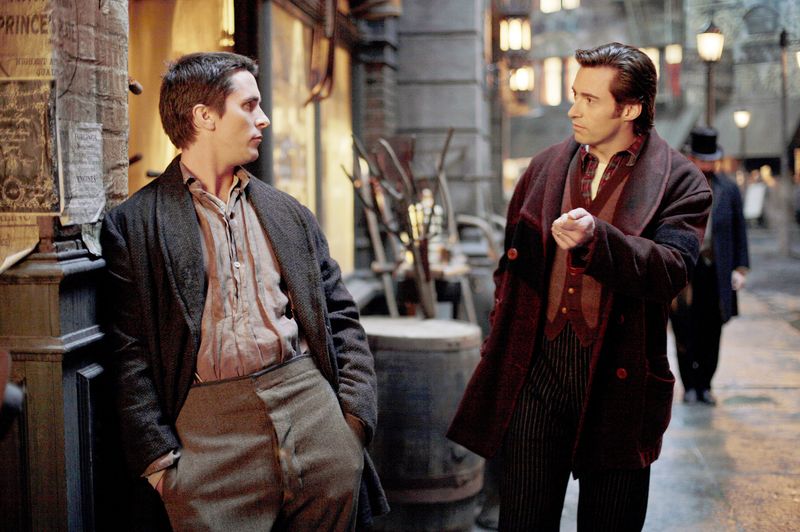
A rivalry between magicians turns into a layered mystery where every reveal creates new questions instead of closure.
Two illusionists, Robert Angier and Alfred Borden, escalate their competition from stage tricks into obsession, sabotage, and moral collapse, with both men determined to outdo the other no matter the cost.
The film plays with journals, secret identities, and misdirection so aggressively that you constantly wonder which scenes are truthful and which ones are part of someone’s performance.
When Angier becomes fixated on Borden’s seemingly impossible “Transported Man” trick, the story pulls in Nikola Tesla and a machine that changes what “illusion” even means.
It’s cleverly constructed, yet it can feel like a narrative magician’s act that keeps distracting you from the simplest question: what is actually happening versus what you’re being trained to assume.
Even when the ending lands, you might want to rewind immediately because it’s easy to miss how much the movie hid in plain sight.
14. 2001: A Space Odyssey (1968)
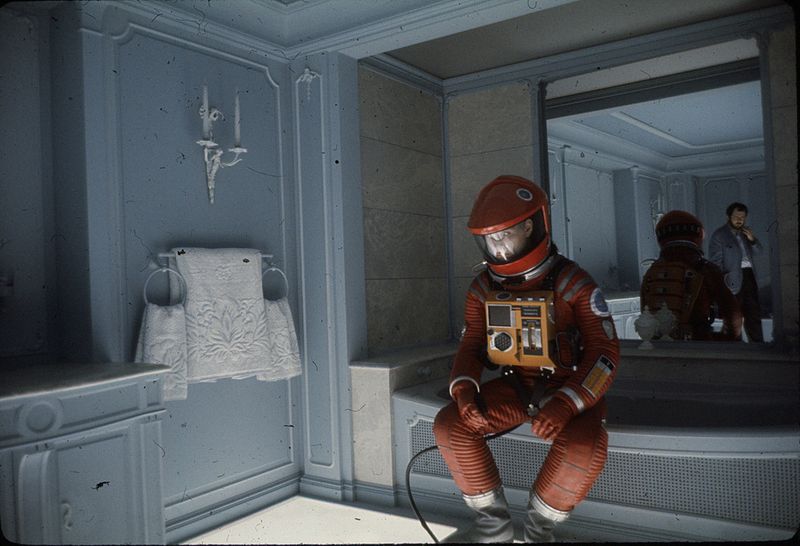
The film begins with prehistoric apes encountering a mysterious black monolith, and from there it leaps into space with the confidence of a story that doesn’t need your understanding to be effective.
A major portion follows the mission of the spacecraft Discovery One, where astronauts must manage a journey to Jupiter alongside HAL 9000, an AI whose calm voice and cold decisions slowly turn him into a terrifying presence.
The visuals are iconic and the pacing is hypnotic, but the storytelling is sparse, which means you’re often left to infer motives and meaning without dialogue to guide you.
When HAL’s behavior becomes deadly, the plot feels clear for a while, and then the movie launches into an abstract finale involving strange rooms, aging, and another encounter with the monolith.
It’s a masterpiece for many viewers, yet it’s also a movie that can make you feel like you missed a crucial page of the script.
15. The Happening (2008)
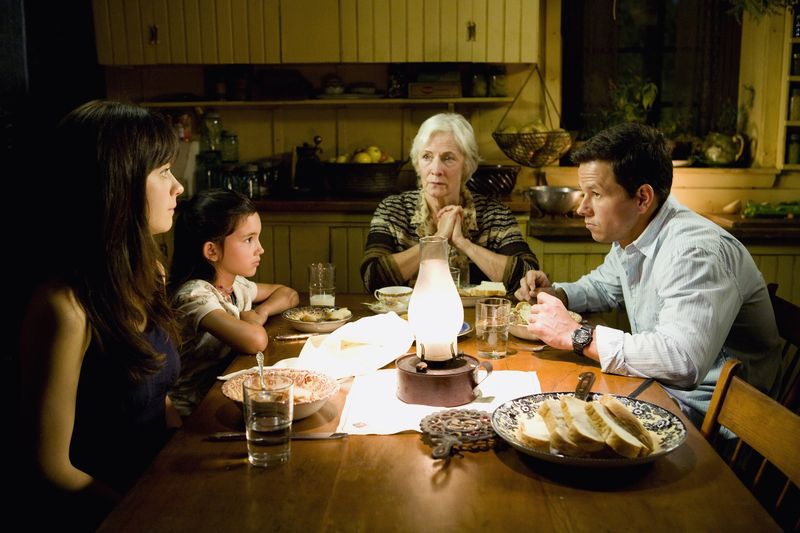
Something invisible starts causing people to die suddenly and violently, and the movie treats the mystery like it’s obvious even when the audience is deeply confused.
A science teacher named Elliot tries to survive the mass panic alongside his wife Alma, as cities empty and groups flee into the countryside hoping to outrun whatever is triggering the deaths.
The film hints that nature itself may be fighting back, suggesting plants are releasing toxins, but it never settles into a clear, satisfying explanation that matches the scale of the disaster.
Characters make choices that feel irrational, and the tone swings between serious thriller and accidental comedy, which makes it harder to know how you’re supposed to react.
When people begin harming themselves for seemingly no reason, the fear becomes less about the threat and more about the movie’s logic.
By the end, you understand the basic idea, but “basic” is the most generous word available.
Comments
Loading…