
 Harper Hall
15 Movies That Show Real Terror Doesn’t Require Monsters
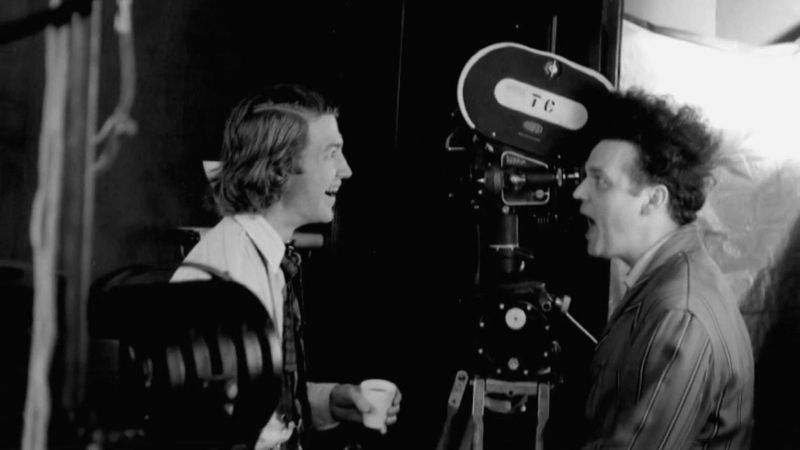
Horror doesn’t always come from creatures lurking in the shadows or supernatural beings haunting old houses. Sometimes the scariest stories are the ones that could actually happen to us, featuring real human fears like loneliness, madness, or being trapped.
These films prove that the most terrifying monsters are often the ones we can’t see—the darkness inside people’s minds or the cruelty that exists in everyday life. Get ready to explore movies that will chill you to the bone without a single monster in sight.
1. Repulsion (1965)
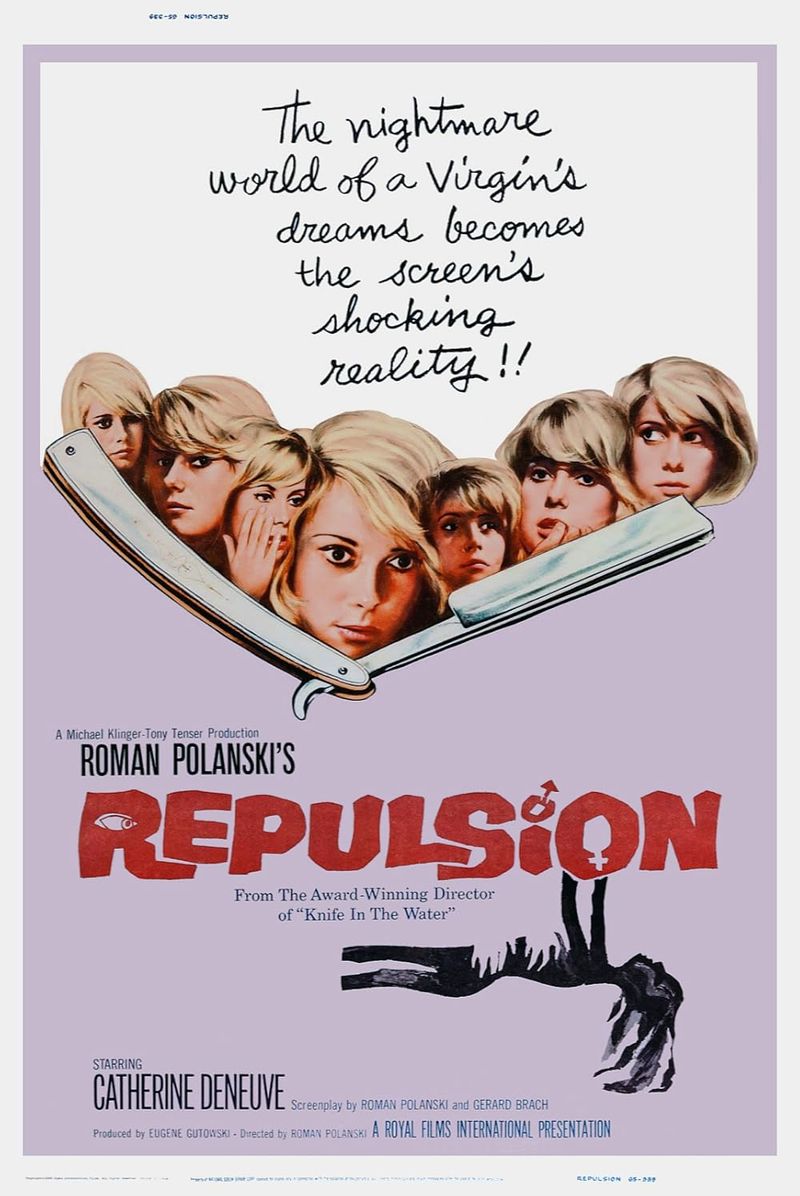
Roman Polanski’s masterpiece follows a young woman named Carol who slowly loses her grip on reality while alone in her apartment.
Her isolation becomes a prison as hallucinations and paranoia take over, making everyday objects feel threatening.
The walls literally seem to close in on her as her mental state crumbles.
What makes this film so unsettling is how it puts you inside Carol’s disturbed mind.
You experience her confusion and fear firsthand, never quite sure what’s real and what’s imagined.
The black-and-white cinematography adds to the claustrophobic nightmare atmosphere.
This movie reminds us that sometimes our own thoughts can be our worst enemy.
Being alone with a troubled mind creates more terror than any external threat could.
2. Primal Fear (1996)
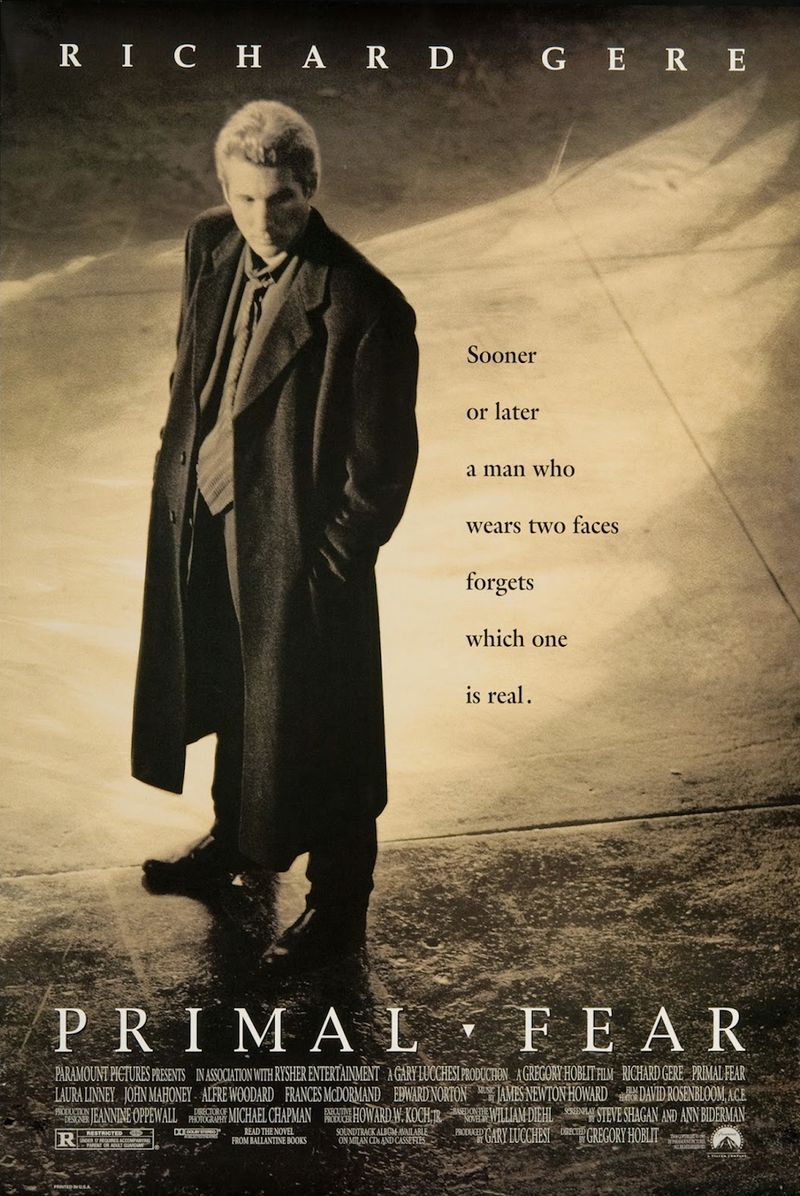
In this intense legal thriller, Edward Norton portrays a reserved altar boy accused of murdering a priest.
Richard Gere steps in as his lawyer, who suspects the boy is both innocent and grappling with a split personality disorder.
The courtroom becomes a tense battlefield where lies and reality are constantly at odds.
The real horror here isn’t violence—it’s manipulation and the realization that evil can hide behind an innocent face.
Norton’s character keeps everyone guessing until the very last moment.
The twist ending will leave you questioning everything you just watched.
This film teaches us that predators don’t always look scary or act threatening.
Sometimes the most dangerous people are the ones who seem harmless and vulnerable.
3. Donnie Darko (2001)
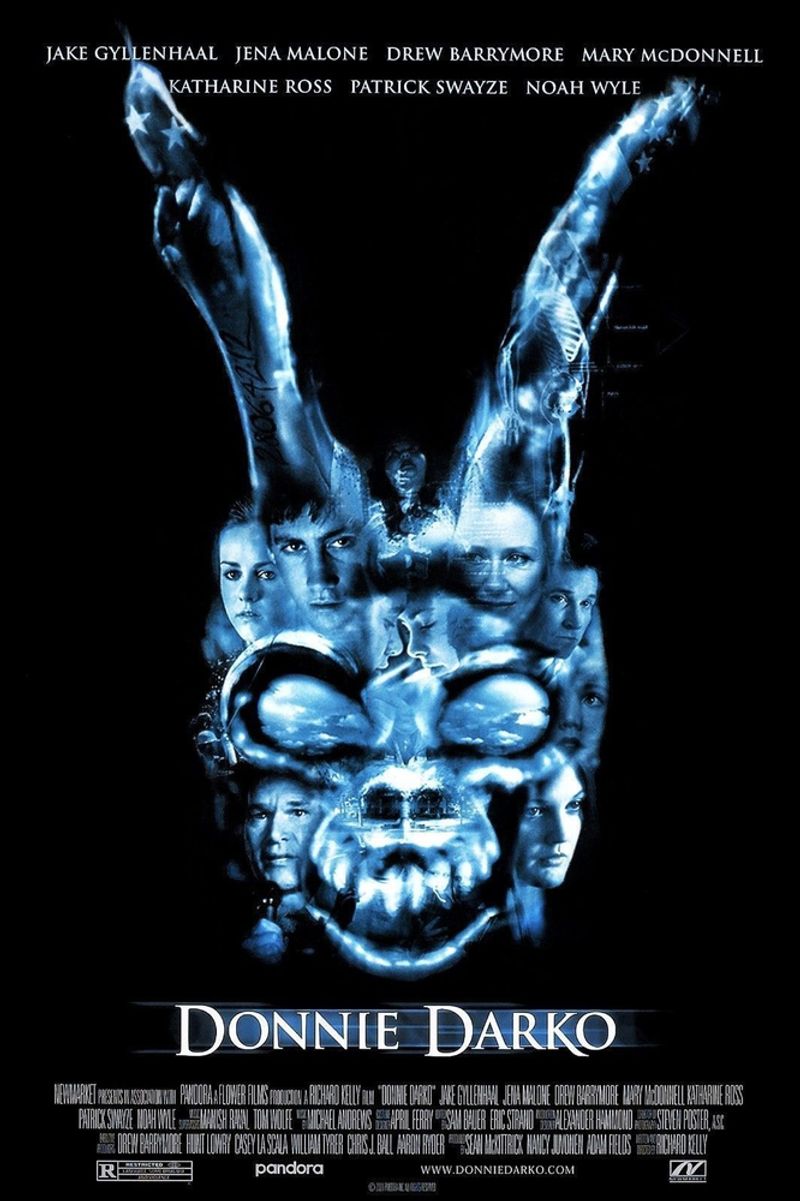
A troubled teenager starts seeing a mysterious figure in a rabbit costume who tells him the world will end in 28 days.
Donnie struggles with mental illness, time travel concepts, and existential dread in suburban America.
His journey blurs the line between psychological breakdown and supernatural prophecy.
The film creates unease through its dream-like atmosphere and questions about fate versus free will.
You’re never quite certain if Donnie is experiencing something real or suffering from delusions.
The creepy rabbit figure, Frank, becomes a symbol of death and destiny.
This cult classic explores how frightening it can be when you can’t trust your own perception of reality.
The true terror comes from feeling lost in a world that doesn’t make sense anymore.
4. Zodiac (2007)
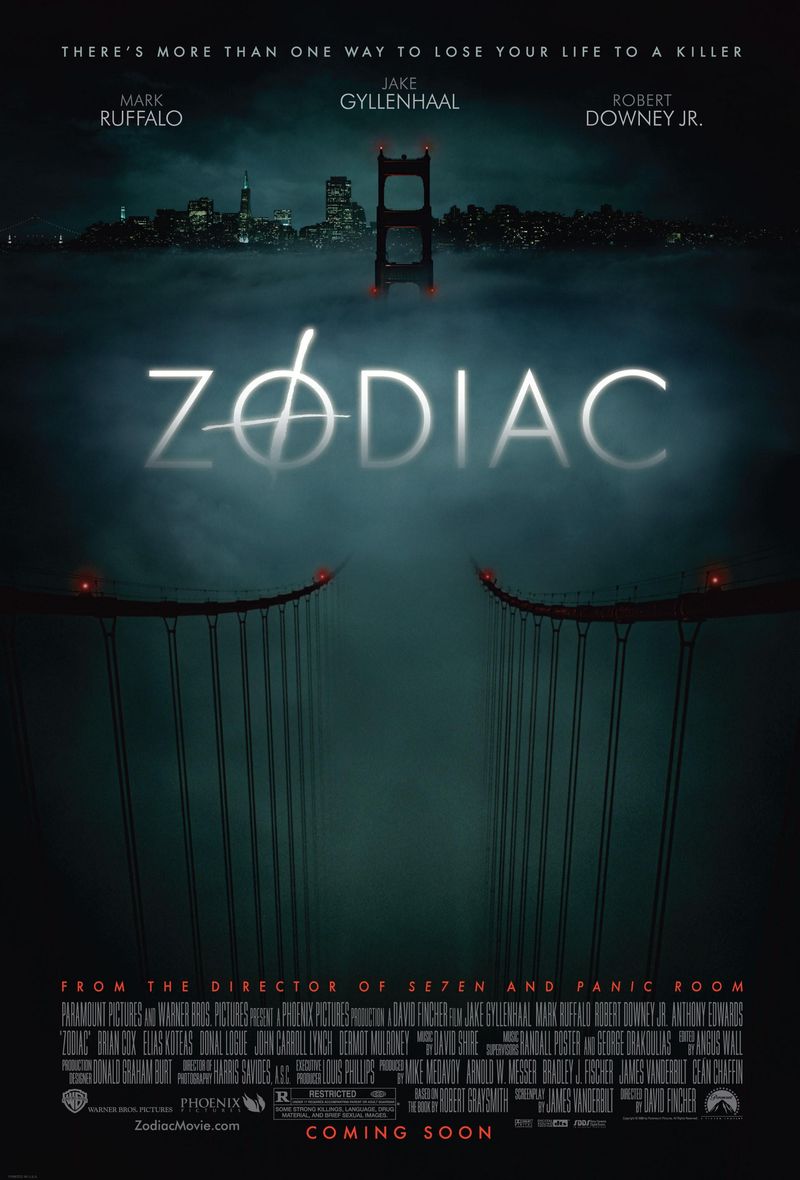
David Fincher recreates the true story of the Zodiac Killer who terrorized San Francisco in the late 1960s and was never caught.
The film follows journalists and detectives who become obsessed with solving the case, watching their lives fall apart in the process.
The killer taunts police with cryptic messages and remains frustratingly out of reach.
What’s genuinely terrifying is knowing this actually happened and the murderer was never identified.
The movie shows how the unsolved mystery consumed people for decades, destroying careers and relationships.
There’s no satisfying ending because real life doesn’t always provide closure.
This film proves that reality can be scarier than fiction.
The horror of an unpunished killer walking free is more chilling than any made-up monster story.
5. The Sixth Sense (1999)
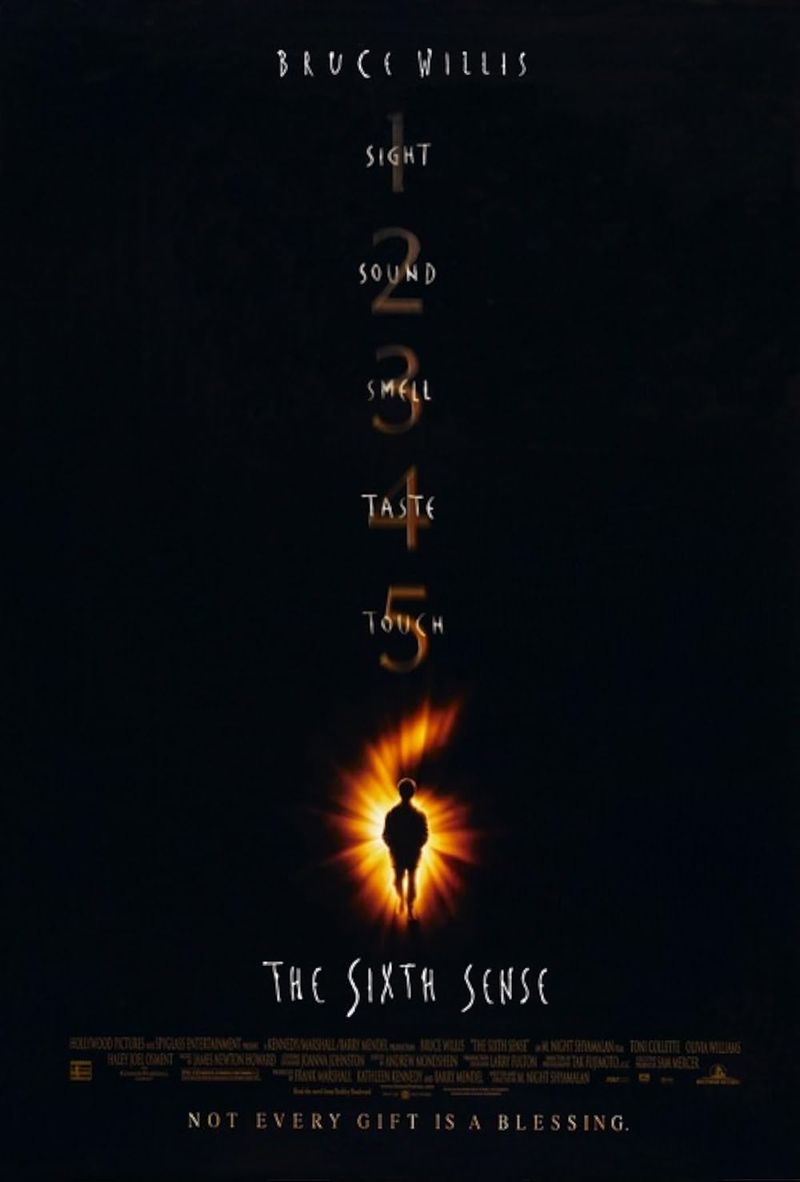
Cole carries a secret that terrifies him: he can see and speak with dead people who don’t realize they’re dead.
His psychologist strives to help him manage this unsettling gift, which makes him an outsider.
The spirits show up without warning, some benign, others violent, and some deeply disturbing.
M.
Night Shyamalan creates dread through quiet moments and the fear of what might suddenly appear.
Cole’s famous line “I see dead people” became iconic because it captures the isolation of carrying such a burden.
The film’s twist ending changes everything you thought you understood.
Beyond the supernatural elements, this movie explores the very human fear of being different and not being believed.
The emotional connection between Cole and his doctor provides the heart beneath the scares.
6. Stalker (1979)
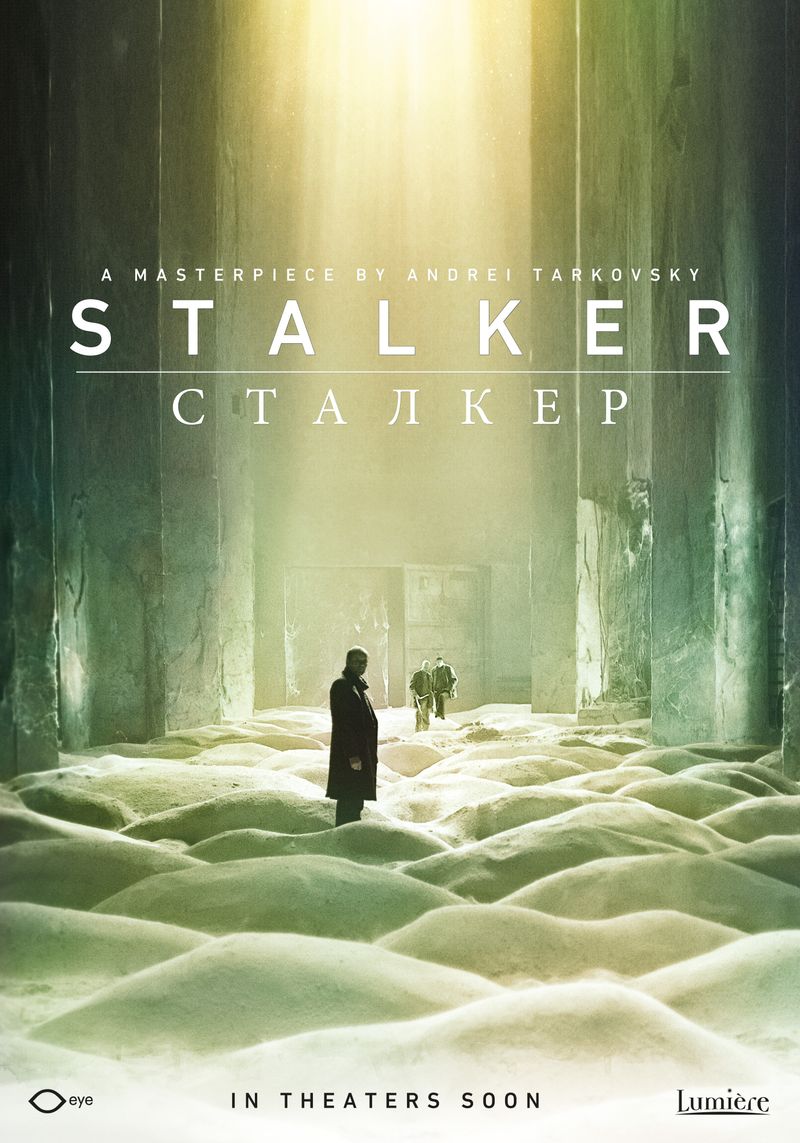
Andrei Tarkovsky’s Soviet masterpiece takes place in a mysterious forbidden zone where reality doesn’t follow normal rules.
A guide called the Stalker leads two men through this dangerous area toward a room that supposedly grants wishes.
The journey becomes a philosophical exploration of desire, faith, and human nature.
The horror here is subtle and existential—the fear that getting what you truly want might destroy you.
The Zone itself feels alive and unpredictable, creating constant tension without obvious threats.
Long, meditative shots build an atmosphere of unease that grows throughout the film.
This slow-burn experience challenges viewers to confront their own fears about meaning and purpose.
The real terror comes from looking inward rather than facing external dangers.
7. Eraserhead (1977)
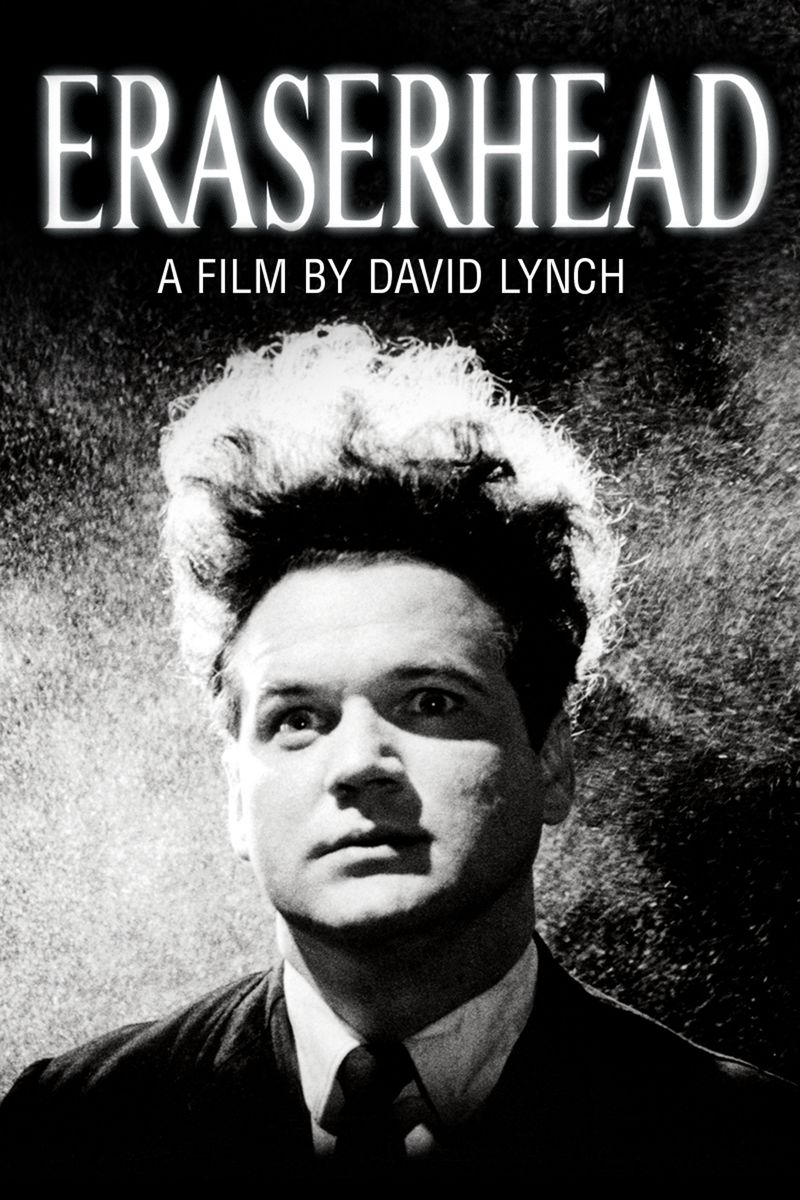
A nightmarish journey through industrial and domestic horror marks David Lynch’s debut.
Henry finds himself the father of a strange, reptilian child that cries without pause and barely survives.
Inside his bleak apartment, the line between reality and nightmare dissolves completely.
The black-and-white visuals and disturbing sound design create an atmosphere of constant anxiety.
Every scene feels like a fever dream where familiar things become grotesque and threatening.
The “baby” itself is one of cinema’s most unsettling creations without being a traditional monster.
This experimental film taps into fears about parenthood, responsibility, and losing control of your life.
Lynch proves that abstract, symbolic horror can be more disturbing than straightforward scares because it bypasses rational thought and hits you emotionally.
8. Black Swan (2010)
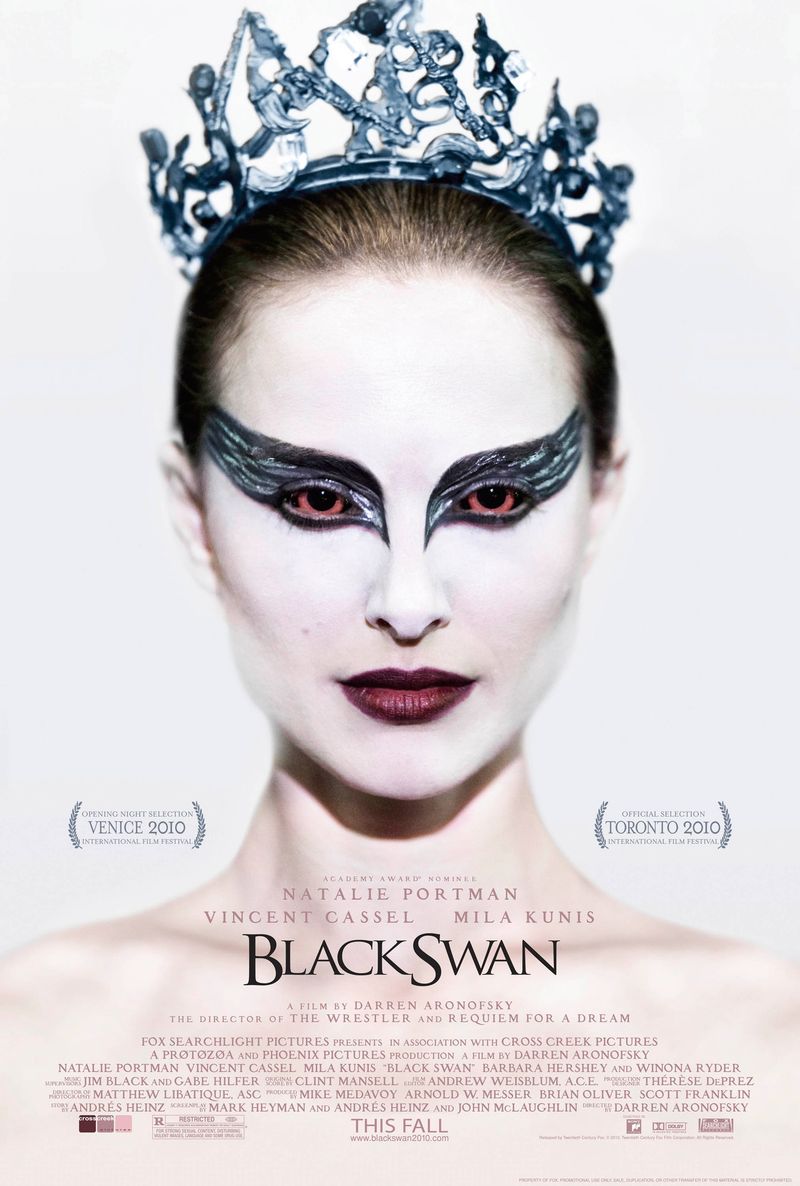
Natalie Portman plays Nina, a ballet dancer competing for the lead role in Swan Lake who begins losing her sanity under pressure.
Her quest for perfection transforms into a psychological breakdown as she tries to embody both the innocent White Swan and seductive Black Swan.
Reality and hallucination merge as opening night approaches.
Darren Aronofsky captures the physical and mental toll of pursuing artistic excellence at any cost.
Nina’s body literally breaks down while her mind fractures, creating body horror without supernatural elements.
The mirror becomes her enemy, reflecting a version of herself she can’t control.
This film explores how ambition and the need for approval can become self-destructive forces.
The scariest moments come from watching someone talented destroy themselves trying to achieve impossible standards.
9. Psycho (1960)
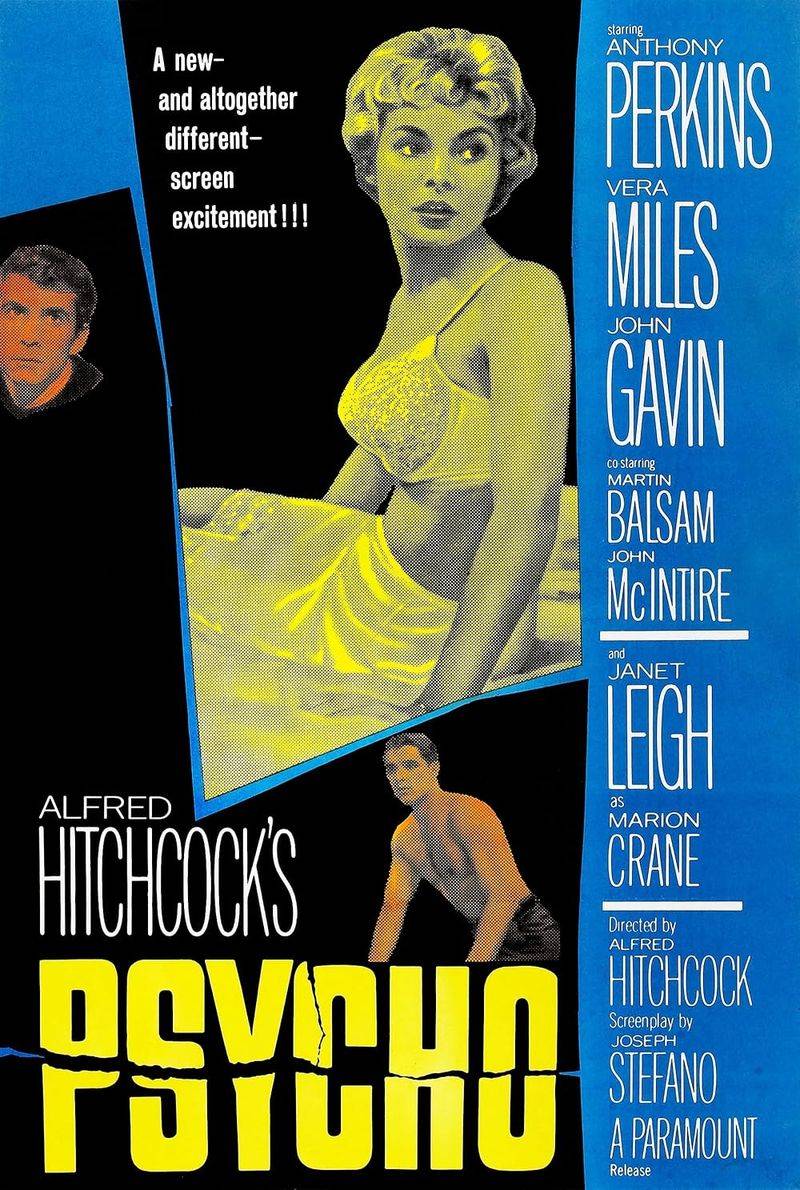
In this groundbreaking film, Alfred Hitchcock tells the story of Marion Crane, who stops at the isolated Bates Motel and meets the uneasy manager, Norman, and his overbearing mother.
The iconic shower scene shows how suspense can terrify without showing everything.
Norman’s relationship with his mother exposes deeply unsettling psychological layers.
What makes Psycho endure is how it explores the damage caused by unhealthy family relationships and repressed identity.
Norman seems harmless at first, which makes the revelation of his true nature more shocking.
The Gothic house looming over the motel becomes a symbol of secrets and madness.
This groundbreaking thriller showed that ordinary-looking people in everyday settings can be more frightening than any supernatural creature.
10. Audition (1999)
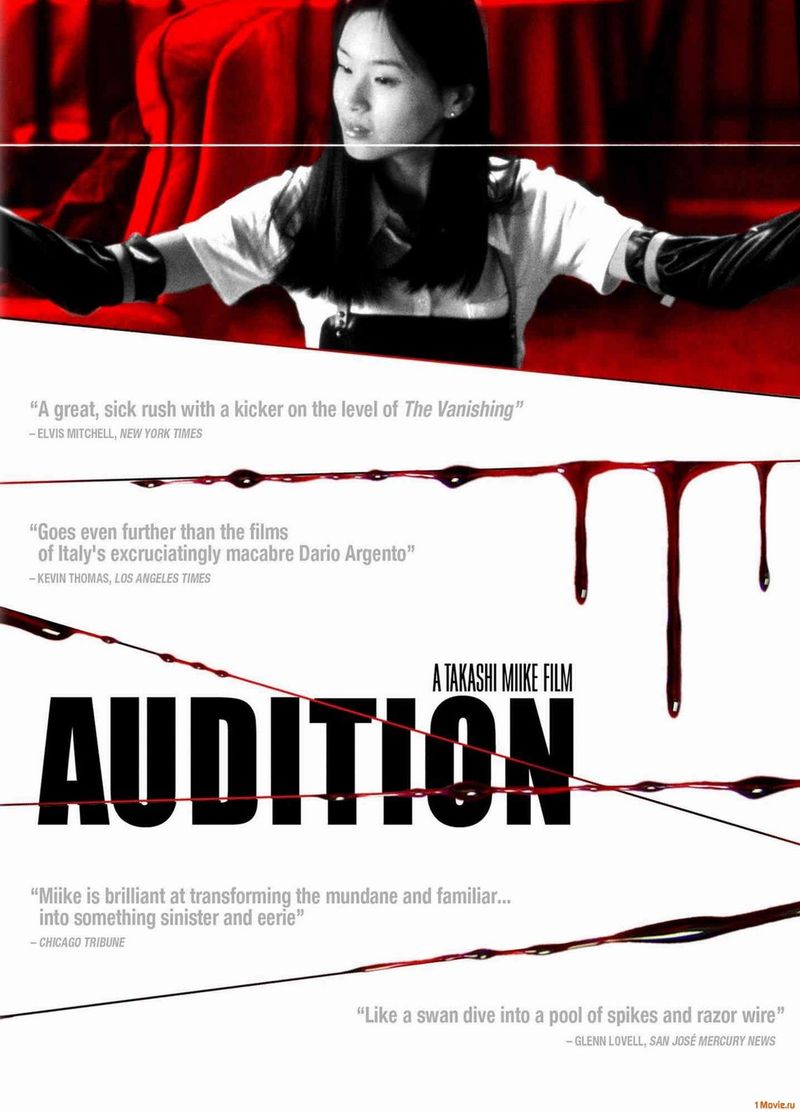
Takashi Miike’s Japanese film starts as a gentle romance before transforming into something far more sinister.
A widower holds fake auditions to find a new wife and becomes attracted to a quiet, mysterious young woman named Asami.
Her shy demeanor hides something deeply wrong that emerges in the film’s brutal final act.
The slow build makes the horror more effective—you spend an hour getting comfortable before everything goes horribly wrong.
Asami’s backstory reveals trauma that twisted her into someone capable of shocking cruelty.
The torture scenes are difficult to watch but serve the story’s exploration of manipulation and revenge.
This film demonstrates how vulnerability can be weaponized and how we never truly know another person.
The real-world possibility of such deception makes it more disturbing than fantasy horror.
11. Shutter Island (2010)
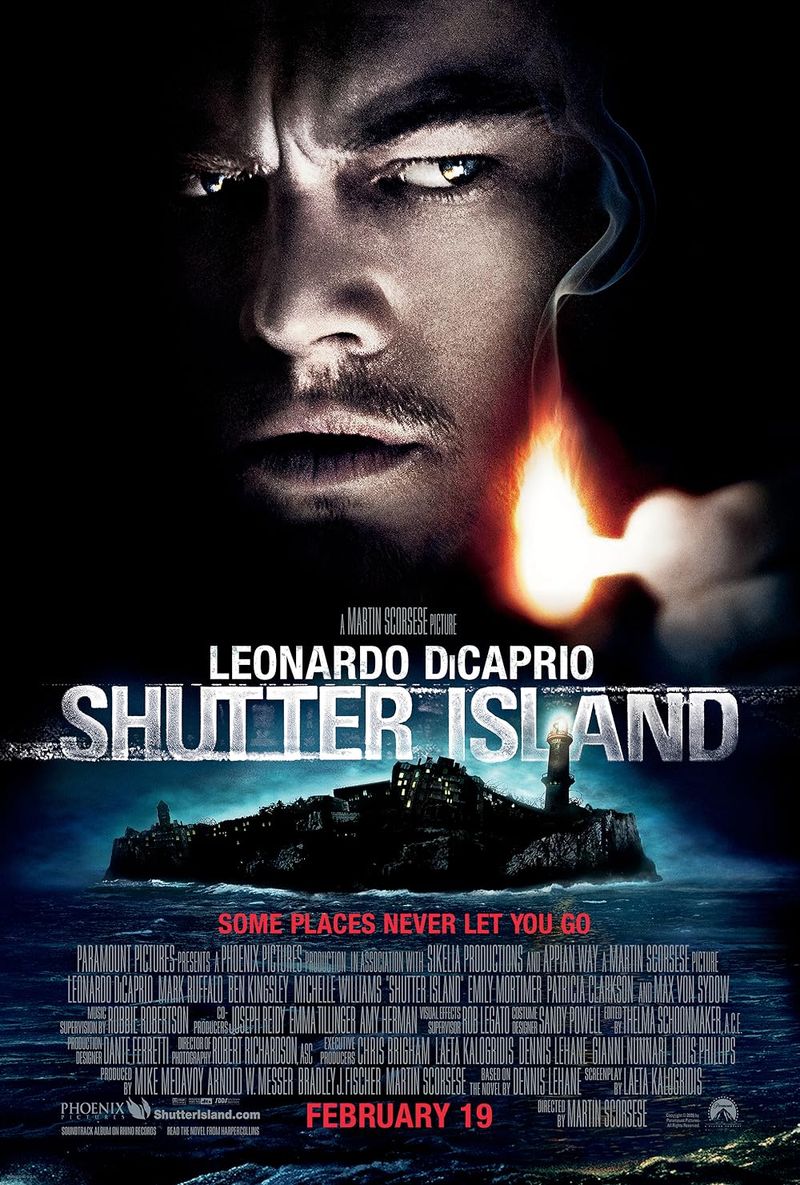
A U.S. Marshal, played by Leonardo DiCaprio, is dispatched to a remote mental hospital to investigate a patient’s disappearance.
Unexplainable events and uncooperative staff leave him questioning the truth, while his own past traumas and migraines blur the line between the case and his mental stability.
Martin Scorsese builds paranoia through Gothic atmosphere and unreliable narration that keeps viewers guessing.
The island itself feels like a trap where truth becomes impossible to determine.
When the final twist arrives, it recontextualizes everything in a heartbreaking way.
This psychological thriller explores how the mind protects itself from unbearable trauma through elaborate deception.
The scariest realization is that we might not be able to trust our own memories and perceptions.
12. The Silence of the Lambs (1991)
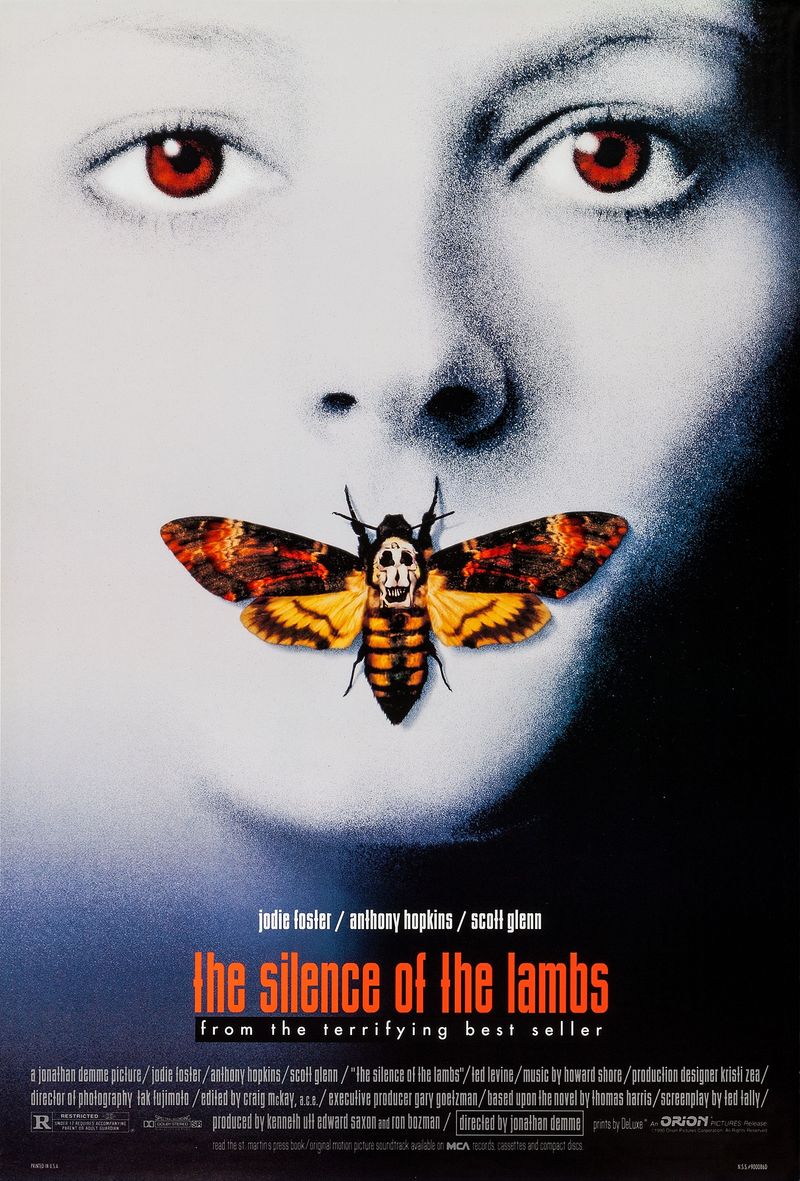
FBI trainee Clarice Starling must interview imprisoned cannibal psychiatrist Hannibal Lecter to catch another serial killer nicknamed Buffalo Bill.
The psychological games between Clarice and Lecter are as terrifying as the murders being investigated.
Lecter’s intelligence makes him more dangerous than physical strength ever could.
Jonathan Demme creates tension through intimate close-ups and the power dynamics between characters.
Anthony Hopkins makes Lecter sophisticated and charming, which somehow makes his cannibalism more disturbing.
The film respects its audience’s intelligence while delivering genuine scares.
This thriller proves that evil doesn’t always announce itself loudly—sometimes it speaks softly and knows exactly what you’re thinking.
The human capacity for violence and manipulation provides all the horror needed without supernatural elements.
13. Misery (1990)
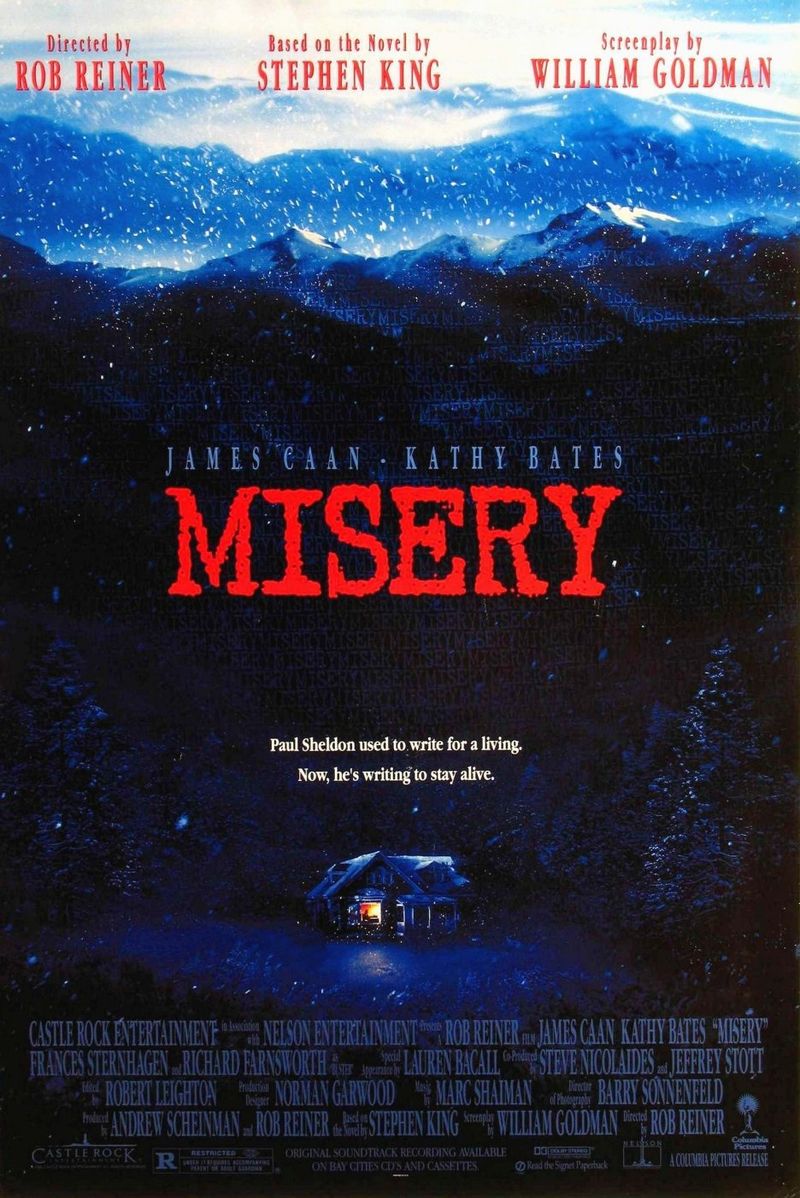
After a snowstorm car crash, famous author Paul Sheldon is taken in by Annie Wilkes, a woman who professes to adore his work.
But what begins as a rescue quickly becomes a nightmare, as Paul realizes he’s trapped.
Annie’s love for his novels becomes violently unhinged when she learns her favorite character has died.
Kathy Bates won an Oscar for her portrayal of Annie, making her both pathetic and absolutely terrifying.
The isolated setting means no one can hear Paul’s cries for help.
The infamous hobbling scene remains one of cinema’s most wince-inducing moments.
Stephen King’s story explores the dark side of fan culture and celebrity worship.
The horror comes from being completely helpless in the hands of someone unstable and unpredictable.
14. Melancholia (2011)
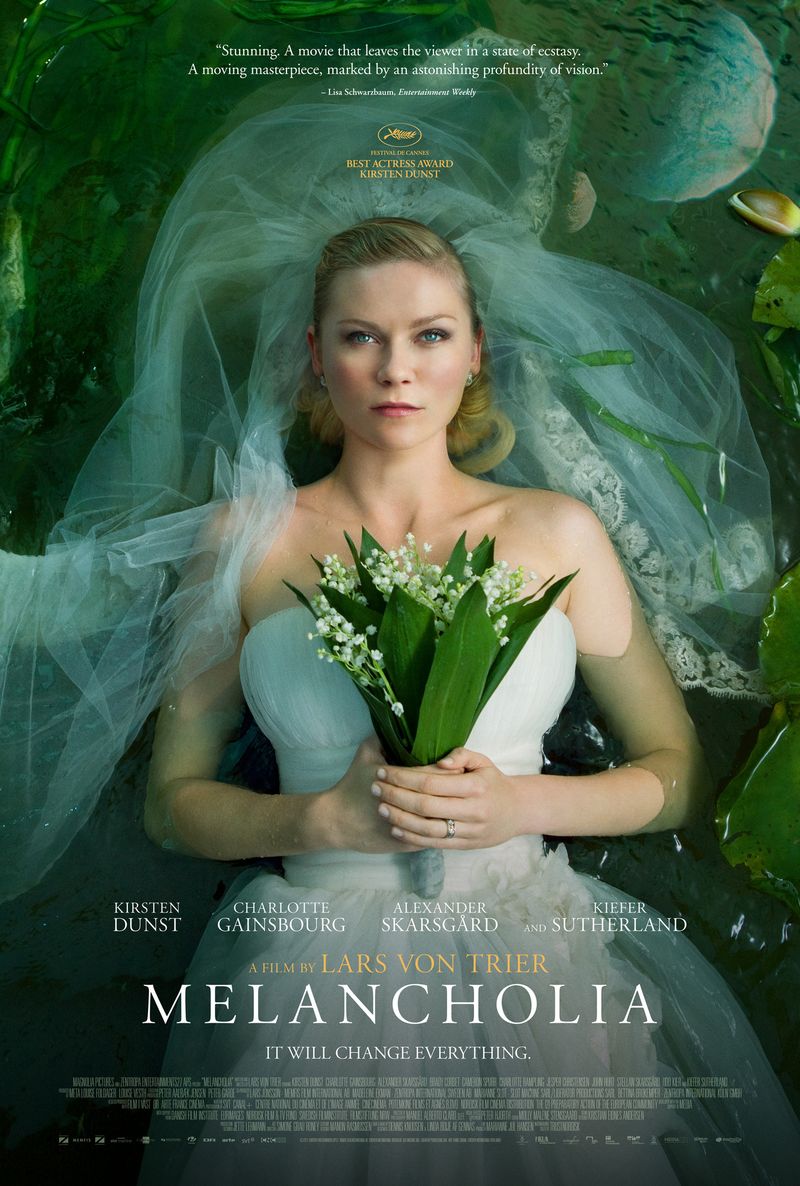
Lars von Trier’s apocalyptic drama follows two sisters dealing with depression as a rogue planet called Melancholia approaches Earth on a collision course.
Justine’s severe depression seems almost prophetic as she accepts the coming destruction while her sister Claire panics.
The film’s first half shows a disastrous wedding, while the second builds toward inevitable doom.
The horror here is existential—knowing that everything will end and being powerless to stop it.
Von Trier visualizes depression as a physical force destroying the world.
The beautiful cinematography contrasts with the subject matter, making the dread more profound.
This art film confronts our deepest fear: that nothing we do ultimately matters.
The slow approach of the planet creates unbearable tension without action or violence.
15. Requiem for a Dream (2000)
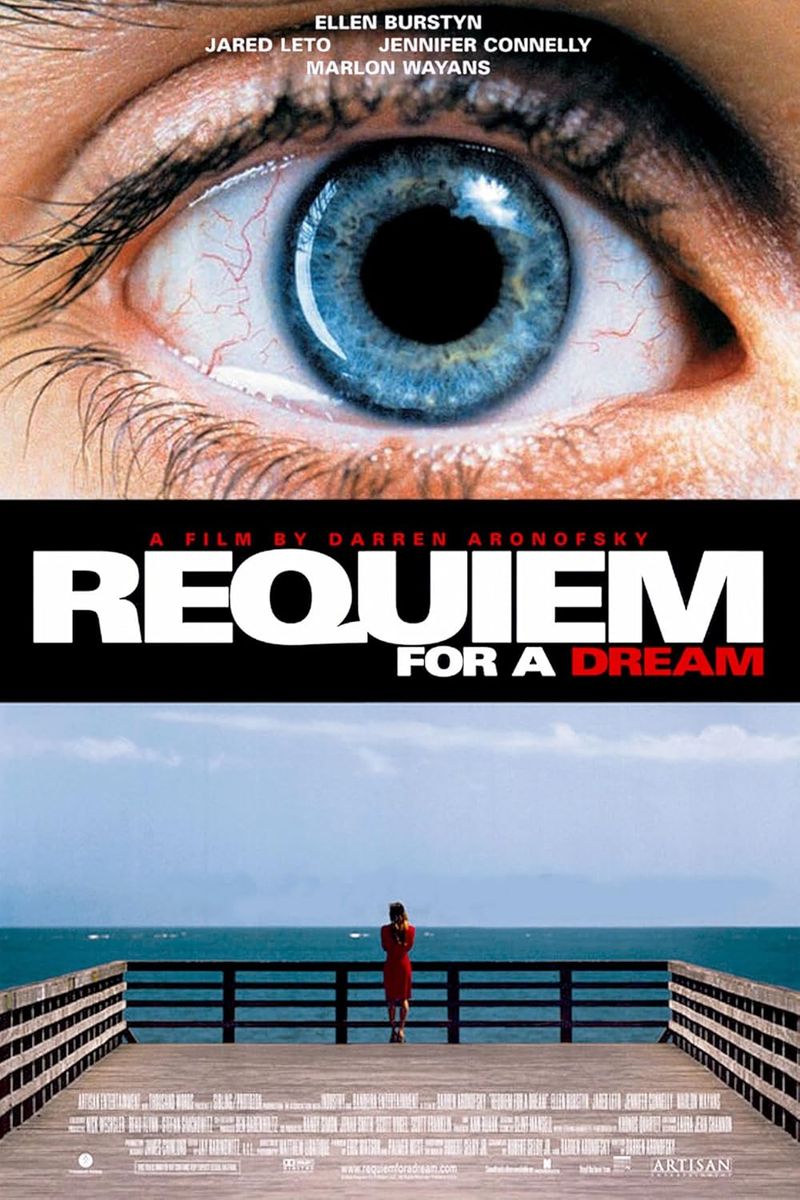
This unflinching Darren Aronofsky film portrays four lives shattered by drug abuse.
A mother becomes addicted to diet pills, and her son and his friends pursue heroin, descending into increasingly horrifying consequences.
With rapid editing and stark, disturbing imagery, the film captures the disorienting and destructive nature of addiction.
What makes this so terrifying is how realistically it portrays addiction’s progression from hope to complete destruction.
These aren’t bad people—they’re ordinary individuals who make choices that trap them.
The final act is genuinely difficult to watch as all four characters reach their lowest points.
This movie serves as a horror story about how addiction can steal everything from anyone.
No monsters needed when real-life demons are this powerful and destructive.
Comments
Loading…