
 Jade Reed
15 Movies That Looked Bad Before You Even Pressed Play
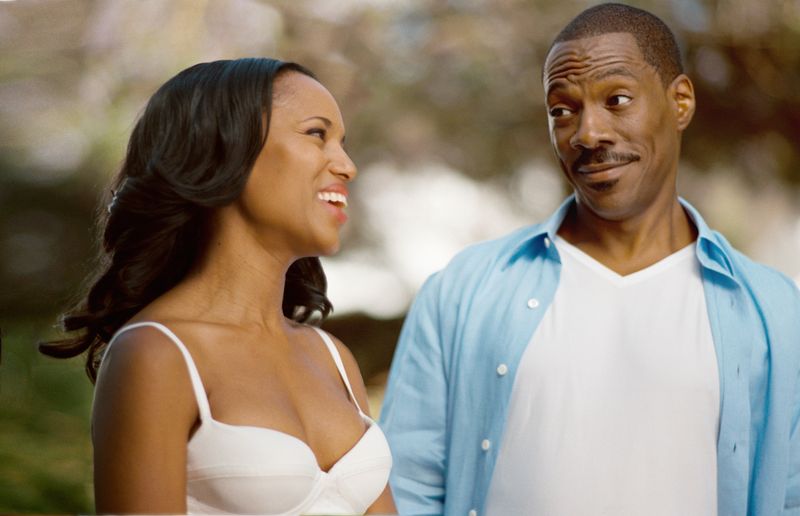
Ever see a movie trailer and just know it’s going to be terrible?
Sometimes films announce themselves as disasters long before they hit screens.
From bizarre casting choices to plots that make zero sense, certain movies wave red flags so big you can spot them from space.
Here are fifteen films that practically begged audiences to skip them from the very first glimpse.
1. Super Mario Bros. (1993)
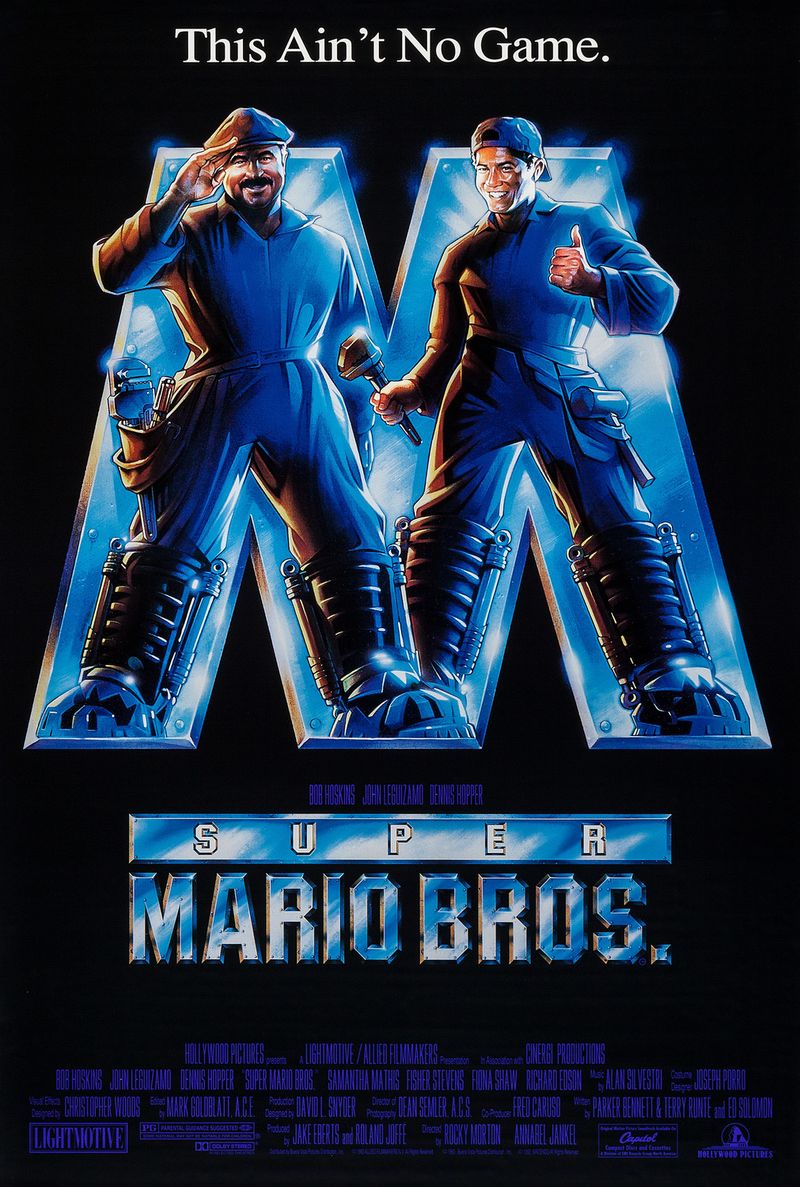
Taking a beloved video game about a cheerful plumber jumping on mushrooms and turning it into a dark, gritty cyberpunk nightmare was nobody’s idea of a good time.
The colorful Mushroom Kingdom became a dingy underground city that looked like it belonged in a different movie entirely.
Bob Hoskins and John Leguizamo tried their best, but even talented actors can’t save a script that forgot what made the source material fun.
Fans expected bright worlds and recognizable characters but got confusing dystopian landscapes instead.
The Goombas became weird lizard creatures rather than the cute walking mushrooms everyone knew.
When your adaptation shares almost nothing with the thing it’s adapting, you’ve already lost the battle before the opening credits roll.
2. Cats (2019)
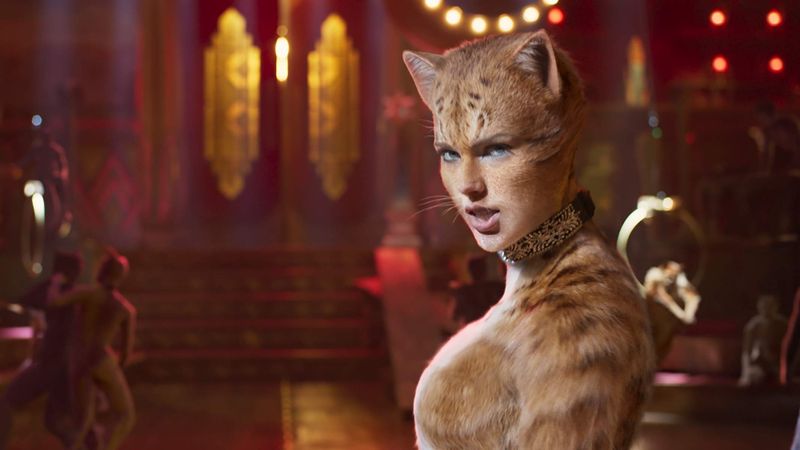
The moment those first trailers dropped, the internet collectively recoiled in horror at the nightmare fuel of human-cat hybrids prancing across the screen.
Digital fur technology created something that fell squarely into the uncanny valley, making viewers deeply uncomfortable rather than enchanted.
Even die-hard musical theater fans struggled to defend the creepy visual choices that haunted everyone’s dreams.
A star-studded cast couldn’t distract from the bizarre decision to give celebrities disturbingly realistic cat features while keeping human proportions.
The scale felt off, the movements looked wrong, and nobody could explain why these cats wore fur coats over their fur.
Sometimes technology isn’t the answer, and practical costumes from the stage show would’ve been infinitely less disturbing than whatever this experiment produced.
3. Disaster Movie (2008)
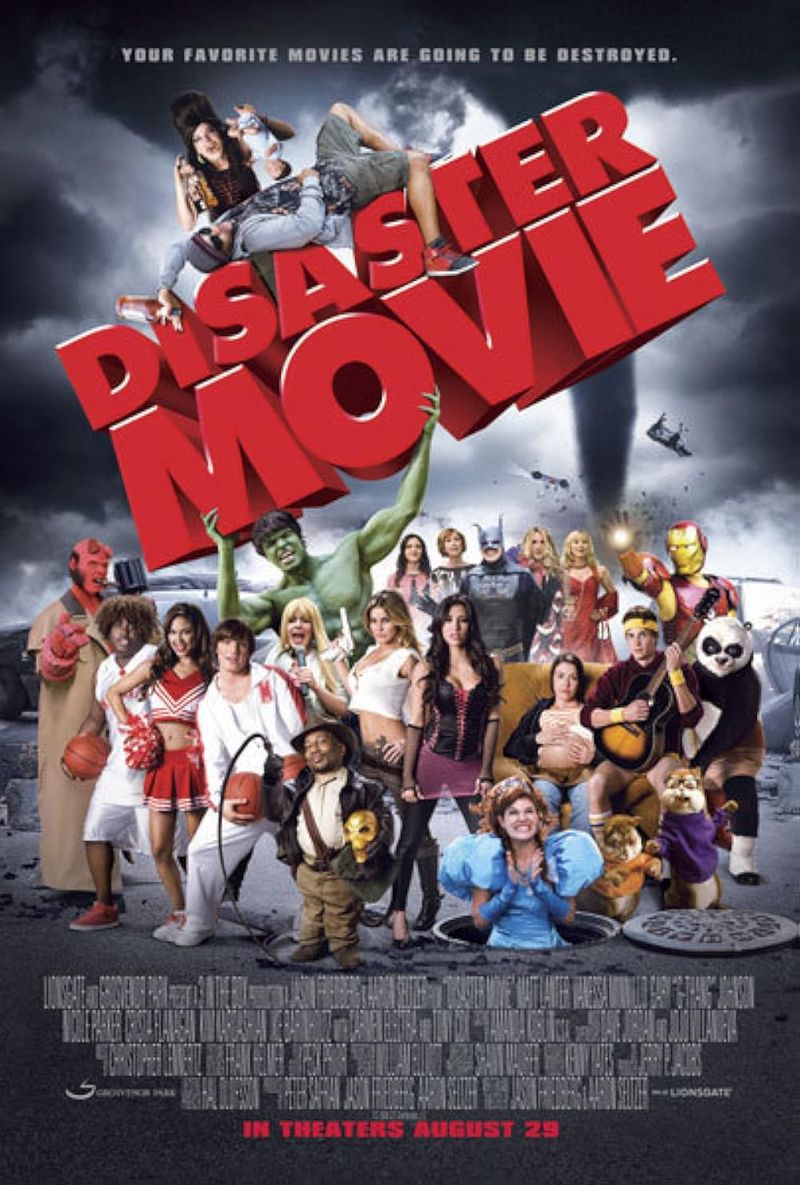
Jason Friedberg and Aaron Seltzer had already established themselves as the kings of lazy parody films, so expectations were underground-level low before this one arrived.
Their formula of throwing random pop culture references at the wall without actual jokes had worn thin several movies earlier.
Critics and audiences alike groaned when trailers revealed more of the same tired approach that mistook recognition for humor.
With a staggering 1% rating on Rotten Tomatoes, the film managed to be even worse than its reputation suggested.
Racial stereotypes replaced clever writing, and flatulence gags substituted for actual comedy throughout the mercifully short runtime.
When your entire business model depends on mocking other movies but you can’t write a single funny scene yourself, maybe it’s time to find a new career path entirely.
4. The Emoji Movie (2017)
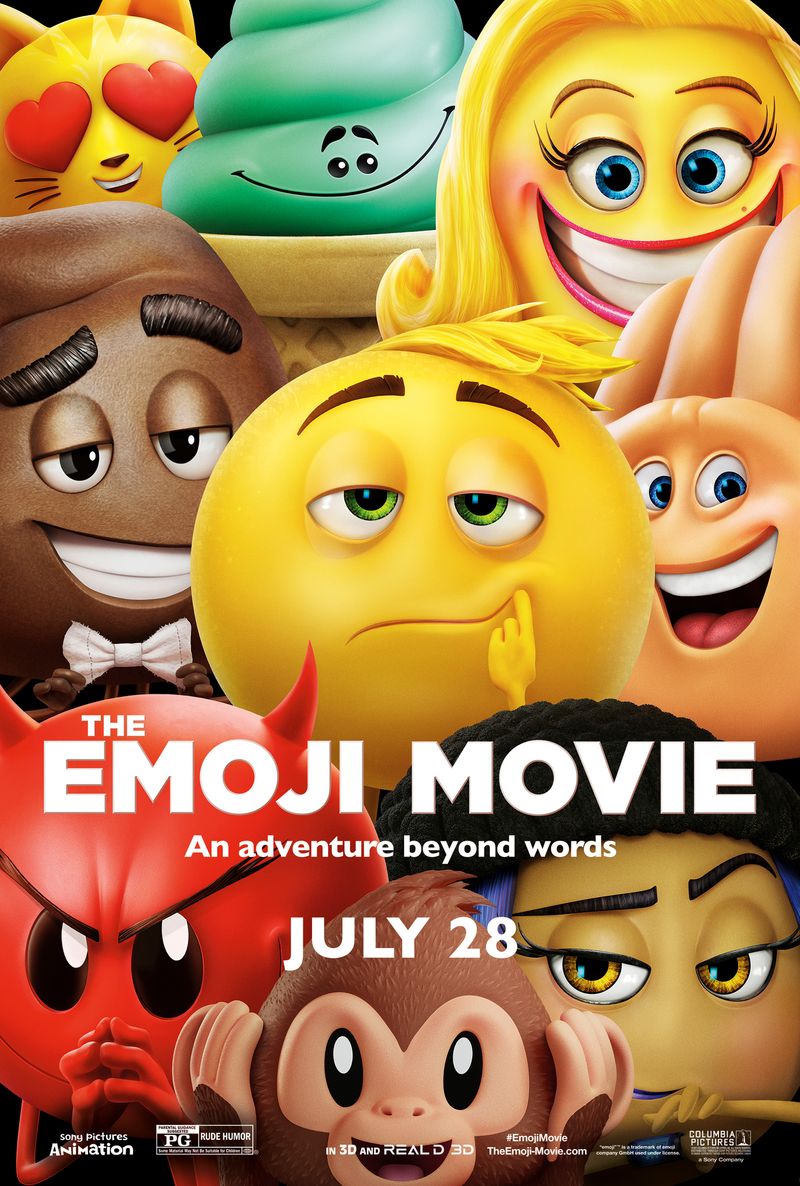
Corporate cynicism reached new heights with a feature-length advertisement disguised as children’s entertainment about smartphone icons.
The premise itself felt like a joke someone pitched as satire, yet somehow it got greenlit with an actual budget.
Before a single frame was shown publicly, the concept alone telegraphed a soulless cash grab designed to sell merchandise rather than tell a meaningful story.
Pixar and other animation studios had spent decades proving that kids’ movies could have depth, heart, and intelligence.
Then this film arrived to remind everyone that some executives still think children will watch literally anything colorful and loud.
The shameless product placement for various apps turned the whole experience into a commercial break that never ended, making audiences feel like they’d paid money to watch ads.
5. Gigli (2003)
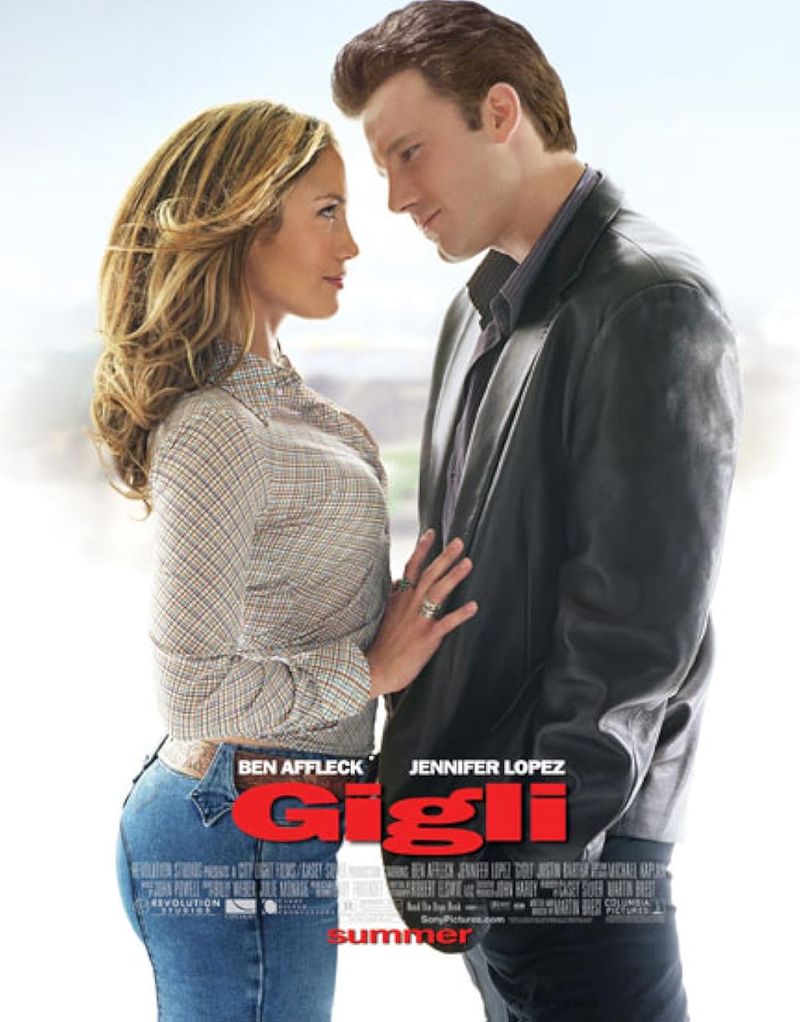
Ben Affleck and Jennifer Lopez’s real-life romance generated so much tabloid coverage that their on-screen pairing felt like watching celebrity gossip rather than actual characters.
The overexposure killed any curiosity about their chemistry before theaters even opened their doors.
Marketing couldn’t decide whether to sell the movie or the relationship, ultimately failing at both and creating audience fatigue before release day.
Early buzz from test screenings was absolutely brutal, with reports of extensive reshoots and panic from the studio leaking to entertainment news.
When a romantic comedy gets described as painfully unfunny and the leads have zero spark despite dating in real life, something went catastrophically wrong.
The title itself confused audiences who had no idea how to pronounce it, adding another barrier to an already doomed project.
6. Movie 43 (2013)
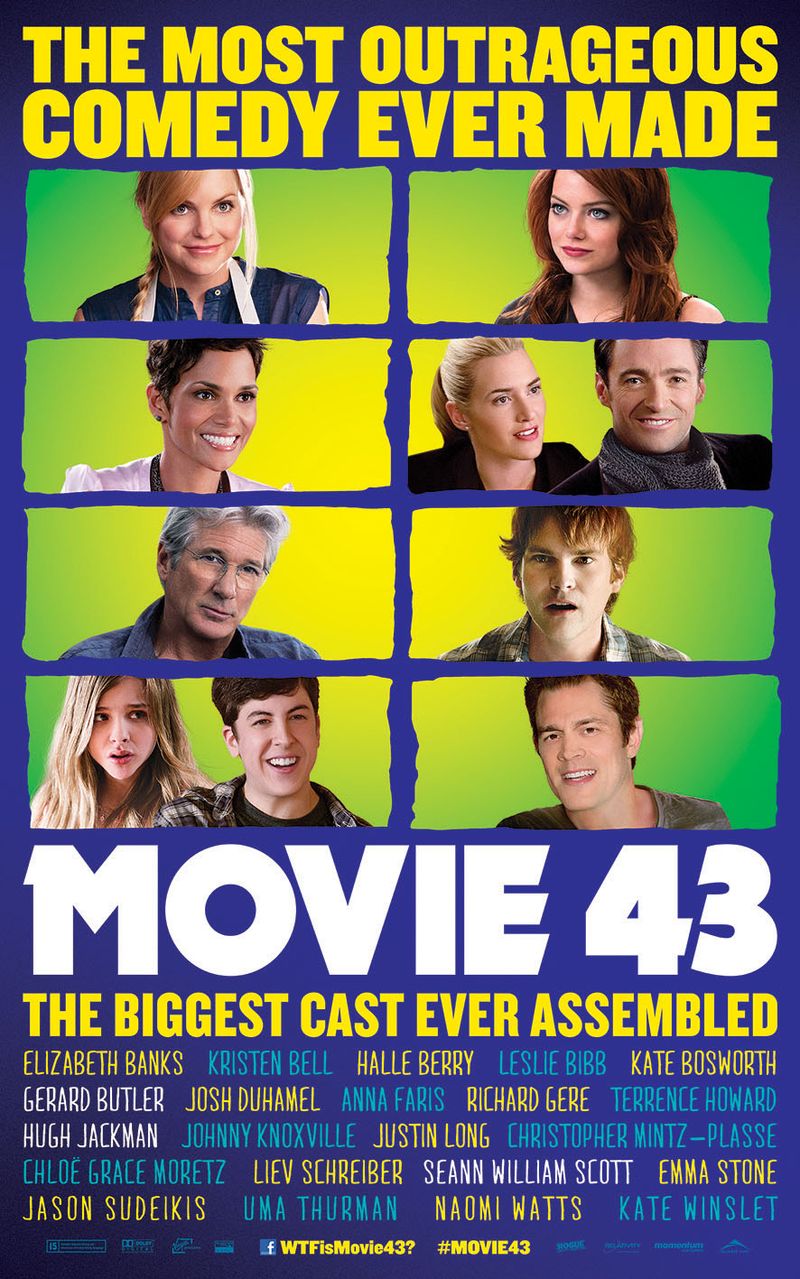
How do you convince dozens of A-list actors to participate in the cinematic equivalent of a train wreck?
That question haunted everyone who saw the trailer’s collection of gross-out sketches that weren’t remotely funny.
The anthology format promised multiple stories, but previews suggested each segment would be equally unwatchable.
Hugh Jackman’s quirky prosthetic appearance quickly became a moment people still remember today.
Critics who saw advance screenings practically begged audiences to stay away, using words like “reprehensible” and “career-ending” in their reviews.
The film felt like a series of dares between drunk filmmakers rather than actual comedy with structure or purpose.
Even curiosity about how something this bad got made couldn’t justify sitting through the aggressively unfunny material that assaulted viewers for ninety painful minutes.
7. Battlefield Earth (2000)
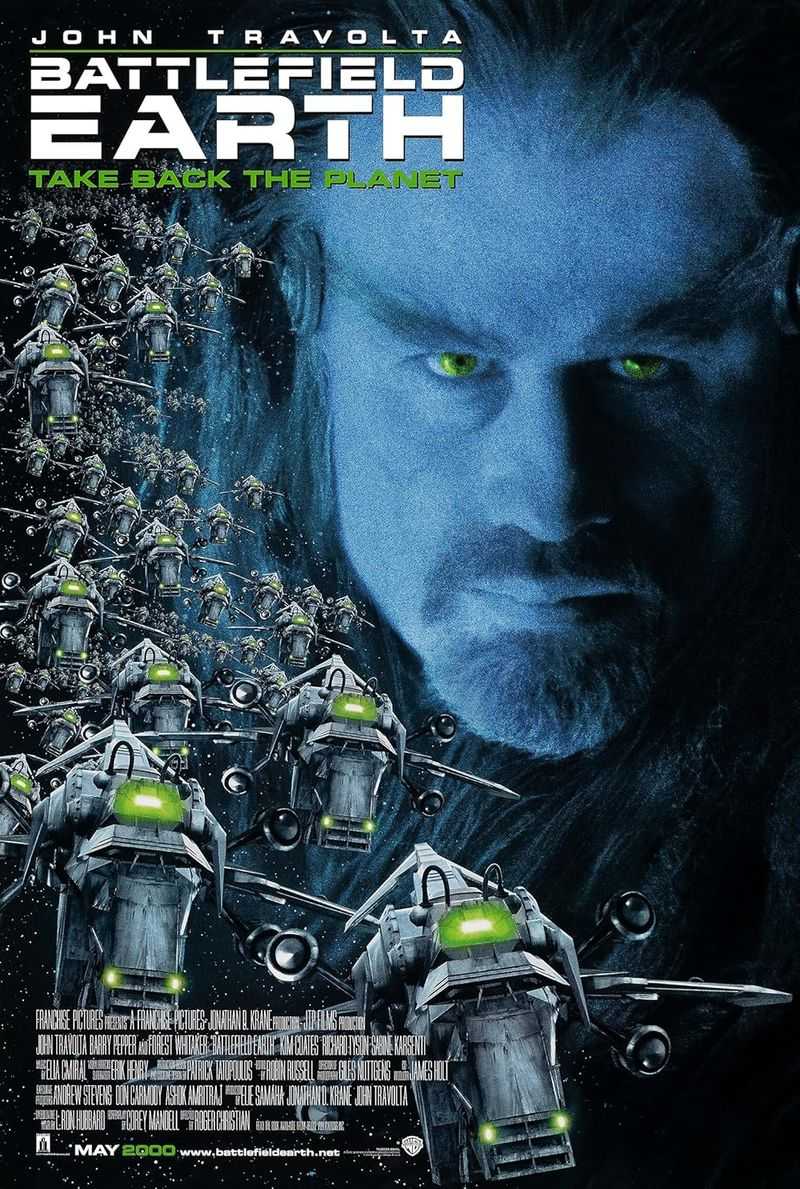
John Travolta’s passion project based on L. Ron Hubbard’s novel arrived with more baggage than an airport carousel.
The Scientology connection immediately made people suspicious, while the author’s reputation for questionable science fiction didn’t inspire confidence.
Promotional materials showed Travolta in ridiculous dreadlocks and alien makeup that looked like a Halloween costume from a discount store rather than a big-budget production.
Dutch angles dominated every shot in the trailer, making viewers seasick before they even bought tickets.
The dialogue sounded like it was written by someone who had never heard actual humans speak to each other.
When your science fiction epic looks cheaper than television shows from the same era and the acting appears community-theater-level, audiences correctly predicted they should spend their money elsewhere on literally anything else available.
8. The Last Airbender (2010)
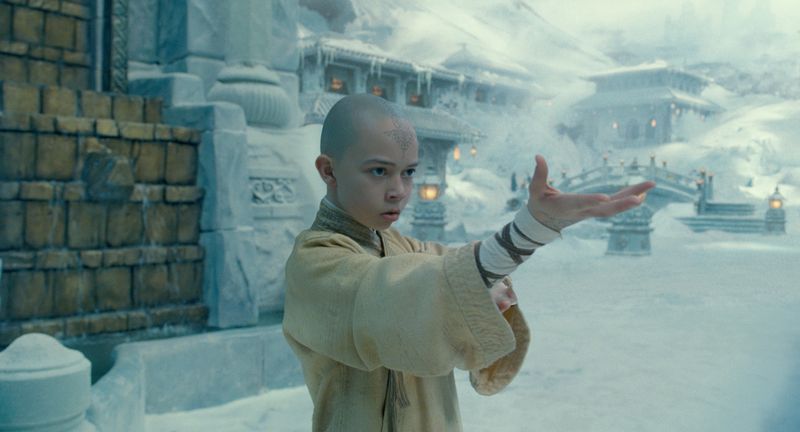
M. Night Shyamalan taking on a beloved animated series immediately worried fans who remembered his recent string of critical disasters.
Casting choices sparked massive controversy when a show celebrating Asian and Indigenous cultures hired predominantly white actors for the heroes.
The whitewashing backlash dominated conversations before anyone saw a single scene, poisoning the well for the film’s reception among its target audience.
Trailers revealed stiff acting, awkward martial arts sequences, and special effects that looked unfinished despite the massive budget.
The source material’s humor and heart seemed completely absent, replaced by grim seriousness that missed the show’s appeal entirely.
Fans of the original cartoon spotted problems immediately, from mispronounced character names to missing beloved elements, signaling that this adaptation understood nothing about what made the series special.
9. Jack and Jill (2011)
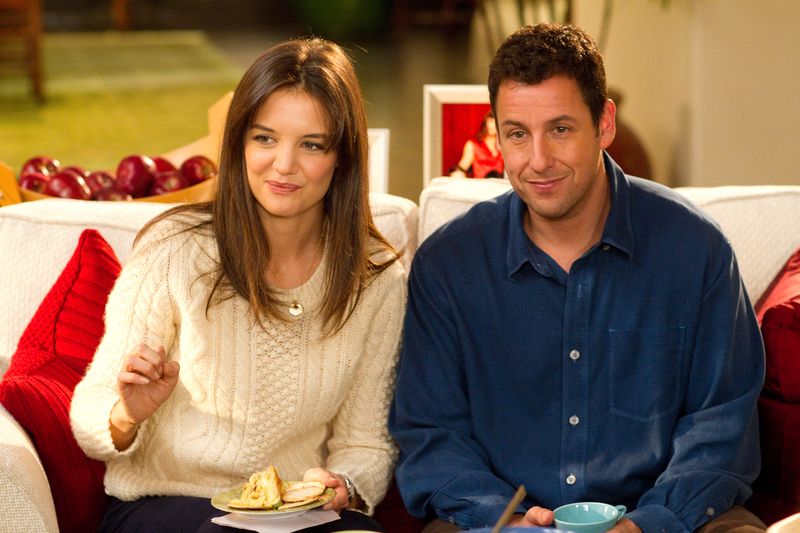
Adam Sandler playing both a man and his twin sister in drag promised exactly the kind of lazy comedy that had started wearing thin with audiences.
The one-joke premise offered nothing beyond watching Sandler in a wig make annoying voices for ninety minutes.
Trailers showcased humor aimed at the lowest common denominator, with bodily function jokes and stereotypes replacing any attempt at clever writing or genuine laughs.
Critics saw advance screenings and emerged looking traumatized, warning that the film somehow managed to be worse than the terrible premise suggested.
Product placement reached absurd levels, with an entire subplot dedicated to Dunkin’ Donuts commercials within the movie itself.
When your comedy relies entirely on one actor in bad makeup being irritating on purpose, you’ve created something audiences will actively avoid rather than pay money to endure.
10. Dragonball Evolution (2009)
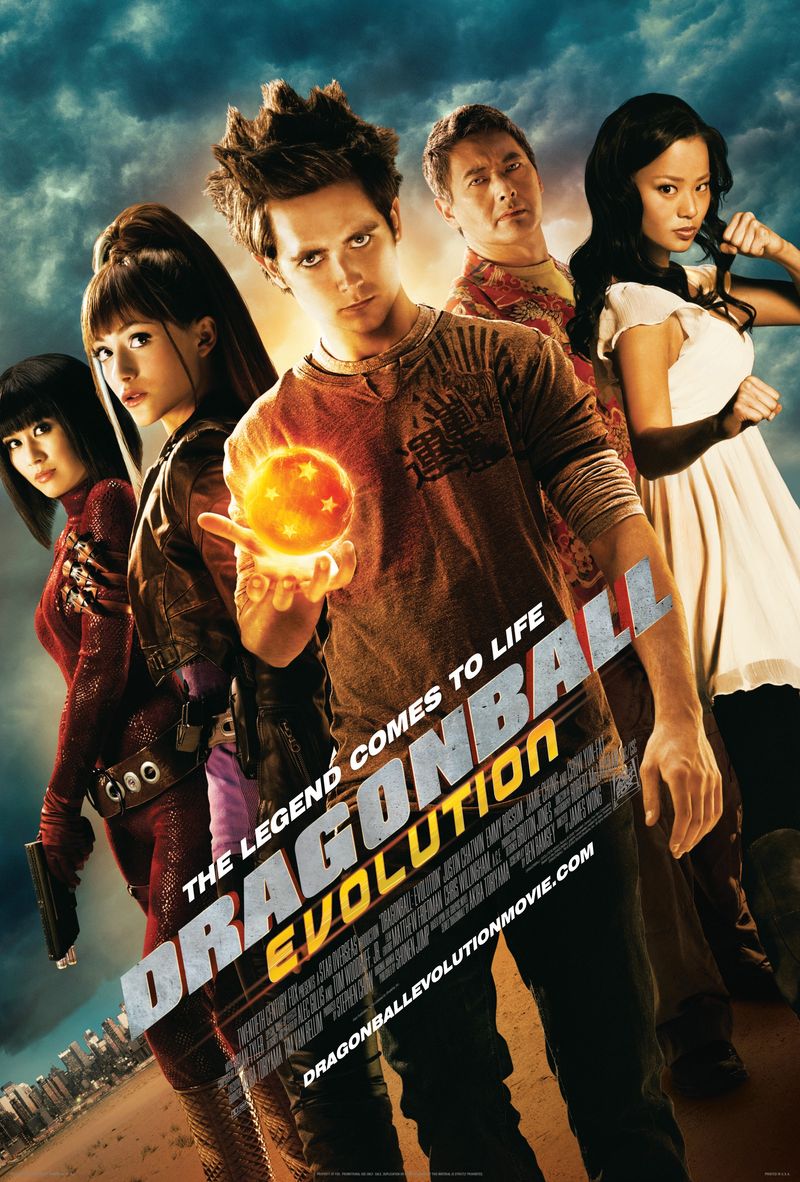
Adapting a wildly popular anime into a live-action American film had already proven disastrous multiple times, yet Hollywood tried again with predictably awful results.
The casting of Justin Chatwin as Goku immediately signaled that filmmakers had zero understanding of or respect for the source material.
Trailers showed a generic teen action movie that happened to borrow character names from Dragon Ball without capturing any of the spirit or style fans loved.
Visual effects looked cheap and unconvincing, making the fantastical elements seem silly rather than exciting or epic.
The martial arts choreography appeared clumsy and slow compared to the lightning-fast battles from the anime.
Creator Akira Toriyama’s reaction to the finished film spoke volumes about how badly the adaptation missed the mark, disappointing millions of fans worldwide who correctly predicted disaster from the earliest promotional materials.
11. Fifty Shades of Grey (2015)
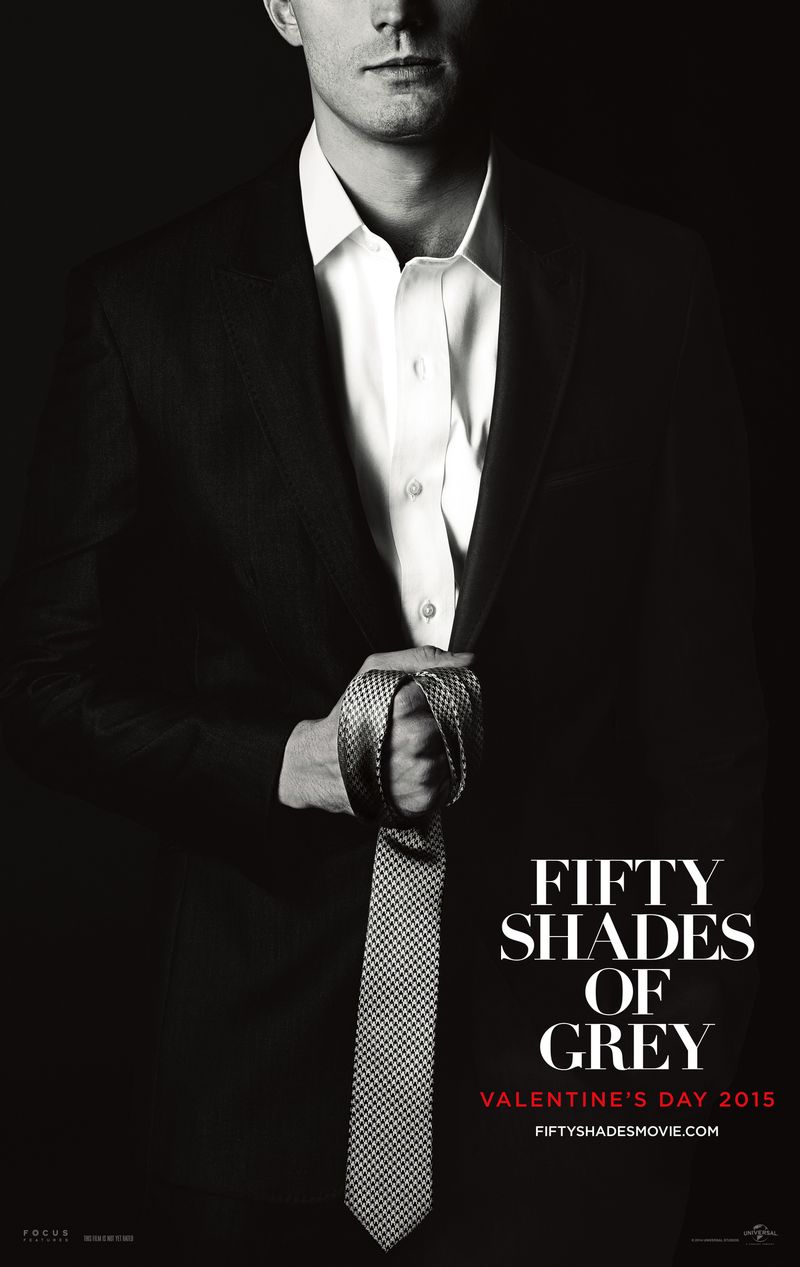
Adapting a controversial novel that started as Twilight fanfiction created skepticism from both fans of the book and critics of its problematic content.
The casting of Jamie Dornan and Dakota Johnson generated lukewarm reactions, with their chemistry in promotional interviews seeming nonexistent.
Trailers promised a steamy romance but delivered awkward dialogue and uncomfortable power dynamics that made viewers squirm for the wrong reasons.
The source material’s reputation for terrible writing meant expectations were already scraping the floor before filming even began.
Marketing struggled to balance the erotic elements with mainstream appeal, satisfying neither audience fully.
Behind-the-scenes drama between the director and author leaked to the press, suggesting creative chaos that rarely produces quality results.
When everyone involved seems miserable making the movie, that misery usually transfers directly to the screen and the audience experience.
12. The Happening (2008)
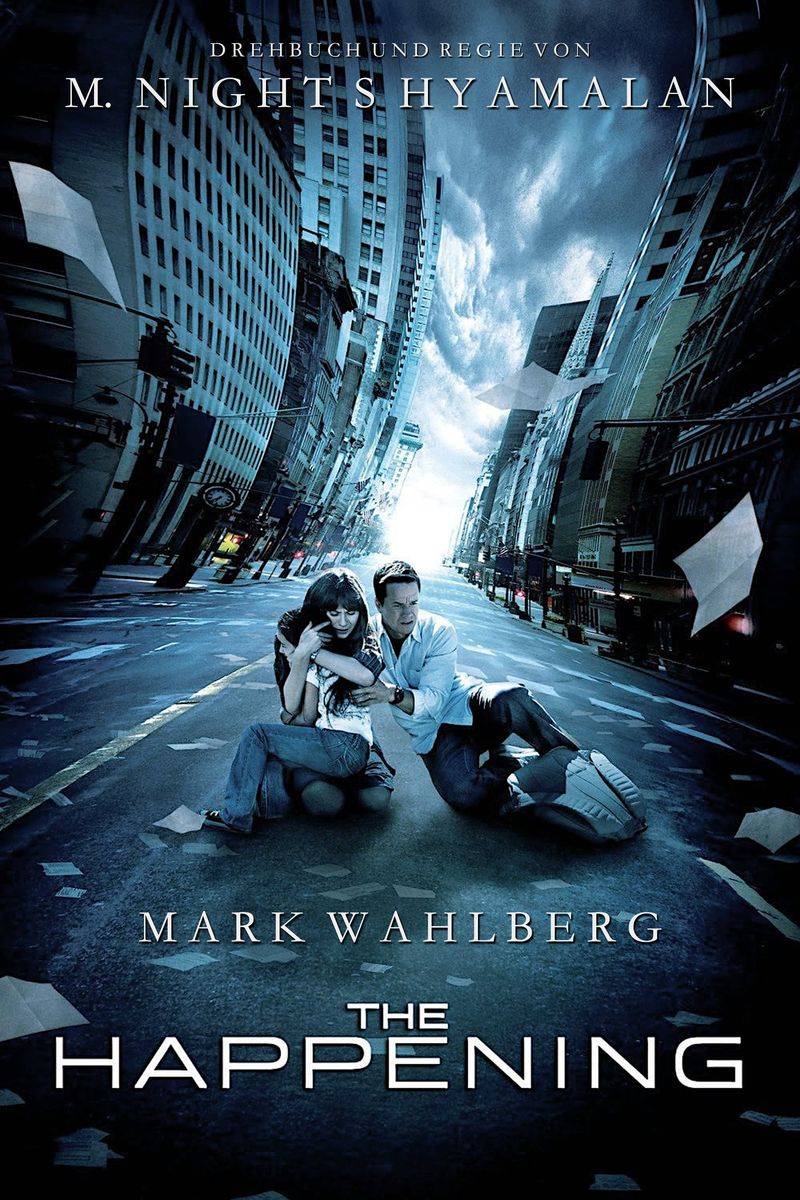
M. Night Shyamalan’s track record had already started declining when trailers revealed a thriller about people running away from wind.
Yes, wind.
The premise sounded like a parody of bad horror movies rather than an actual theatrical release from a once-promising director.
Mark Wahlberg’s confused expressions in promotional clips suggested even he didn’t understand what was happening in The Happening, which became unintentionally hilarious rather than scary.
Early footage showed laughably bad dialogue delivery and situations that seemed ridiculous rather than tense or frightening.
The environmental threat never felt credible or menacing, just silly and poorly conceived from the ground up.
When your horror movie’s big villain is an invisible breeze and characters respond by looking mildly concerned while jogging slowly, you’ve created comedy gold for all the wrong reasons that audiences could spot miles away.
13. Holmes & Watson (2018)
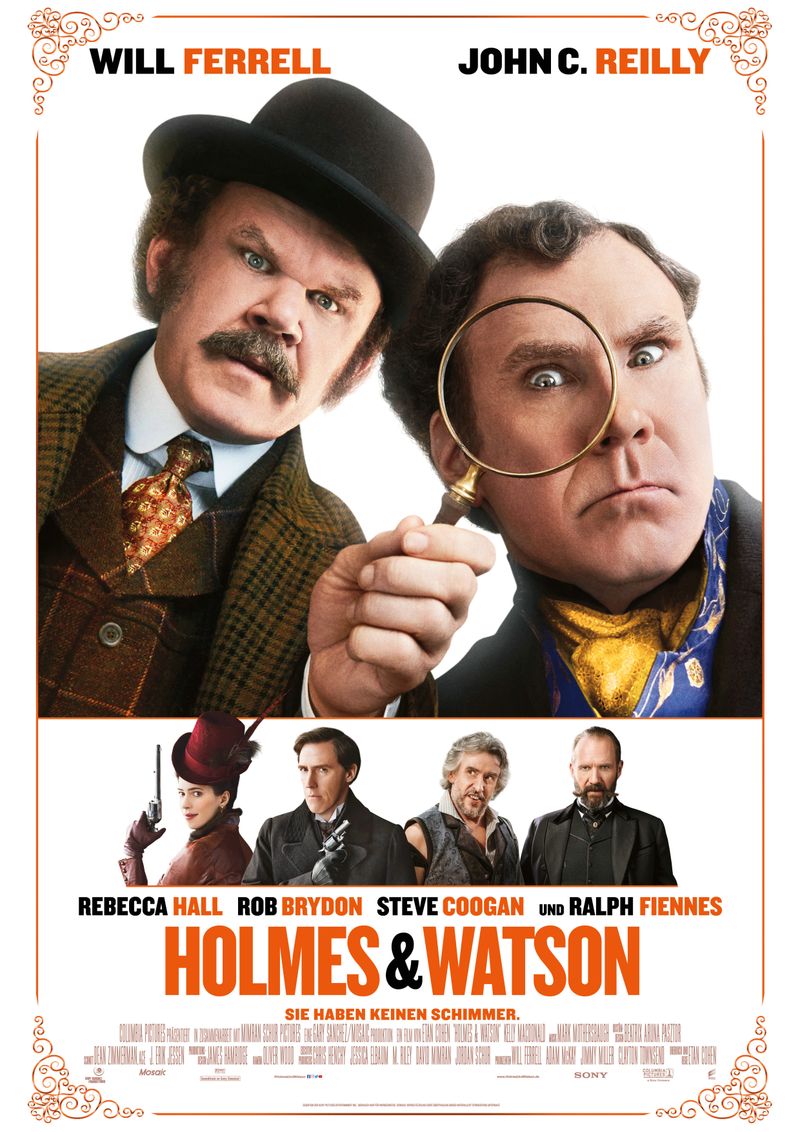
Will Ferrell and John C. Reilly had created comedy magic together before, making their reunion seem promising until the first trailer dropped like a lead balloon.
The jokes felt stale and lazy, relying on the actors’ previous chemistry rather than actual funny material or clever writing.
Reviews from early screenings were so catastrophically bad that Sony considered releasing it straight to streaming instead of theaters, which tells you everything about their confidence level.
The film attempted to parody Sherlock Holmes stories but forgot to include actual parody or satire, just loud silliness without purpose.
Anachronistic humor had worked in other period comedies, but here it felt forced and desperate rather than naturally funny.
When a studio loses faith in a comedy starring two proven comedic actors before it even opens, audiences should absolutely trust that instinct and keep their money safely in their wallets.
14. A Thousand Words (2012)
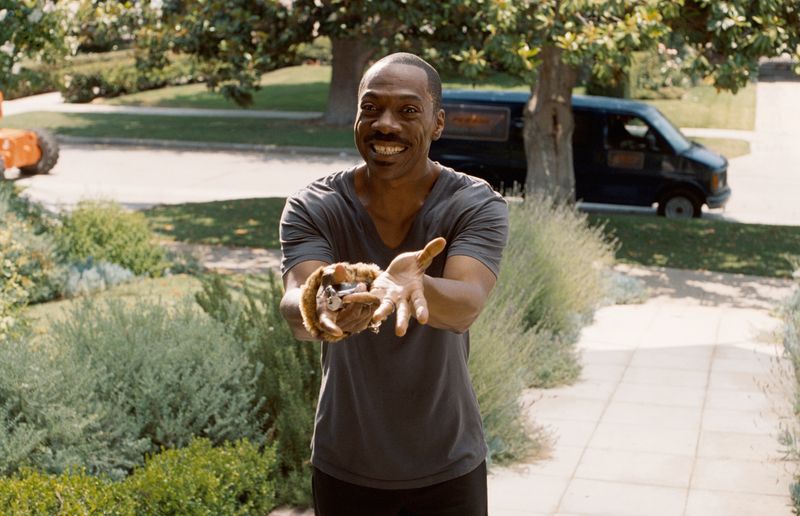
Eddie Murphy starring in a high-concept comedy about a man who can only speak a thousand more words before dying sounded tired before filming even started.
The movie sat on a shelf for years after completion, which is never a good sign for quality or studio confidence.
When a film gets delayed repeatedly and quietly dumped into theaters with minimal marketing, audiences correctly assume something went terribly wrong during production or editing.
The premise forced Murphy to do mostly physical comedy, removing his greatest strength as a performer: his voice and rapid-fire delivery.
Trailers showed predictable gags and schmaltzy life lessons rather than genuine laughs or original ideas.
Critics who eventually saw it confirmed everyone’s worst fears, calling it a waste of Murphy’s talents and a movie that should’ve stayed locked in the vault forever instead of inflicting itself on unsuspecting moviegoers.
15. The Room (2003)
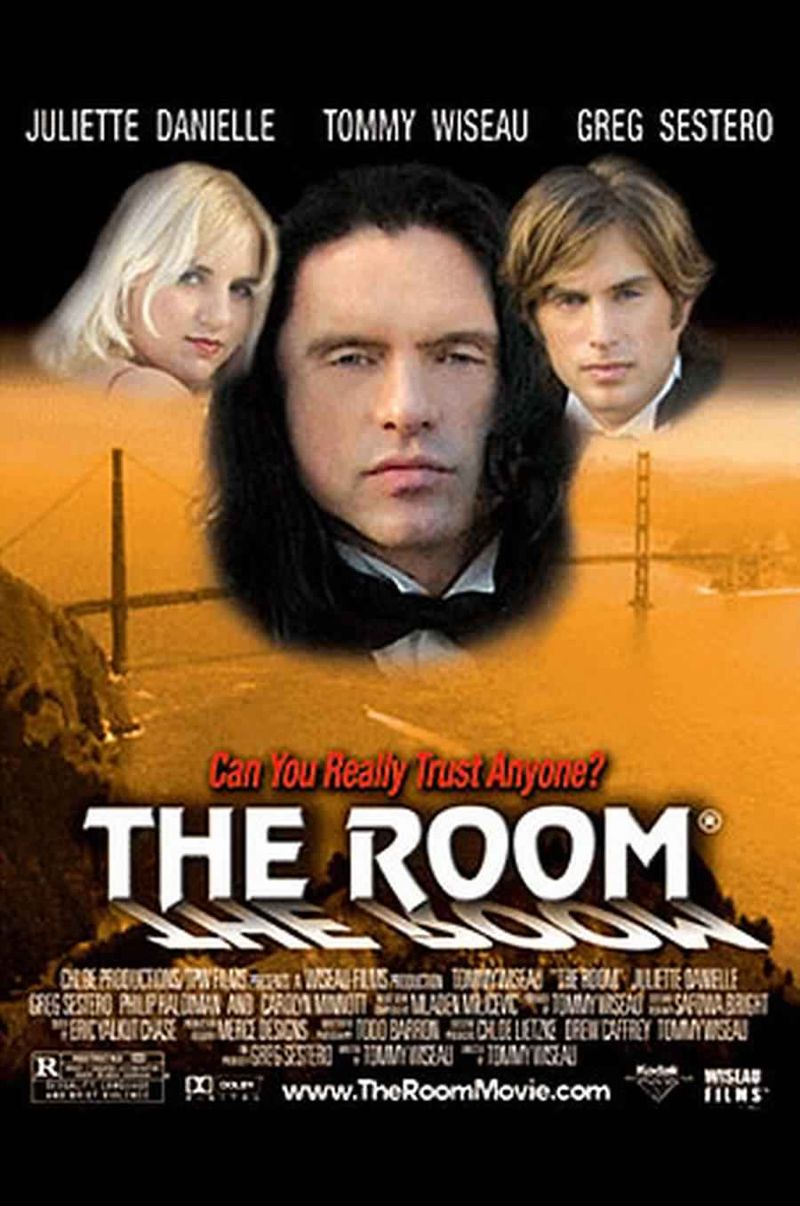
Tommy Wiseau’s vanity project became legendary for being so incompetently made that it circles back to entertaining, but that didn’t make it intentionally good.
Everything about the production screamed amateur hour, from the bizarre line delivery to the inexplicable plot decisions that made zero logical sense.
The promotional materials promised a serious drama but delivered unintentional comedy through sheer incompetence that has to be seen to be believed.
Wiseau’s mysterious funding sources and refusal to explain his accent or background added an unsettling quality to the whole enterprise.
The green-screen work looked worse than student films, and the script contained dialogue that no human would actually speak in real life.
While it found cult success as a “so bad it’s good” phenomenon, the initial release saw audiences walking out in confusion, correctly identifying it as a disaster from the opening scenes of Tommy’s awkward performance.
Comments
Loading…