
 Chloe Peterson
15 Movies That Get Even Better Once You Know the Plot Twist
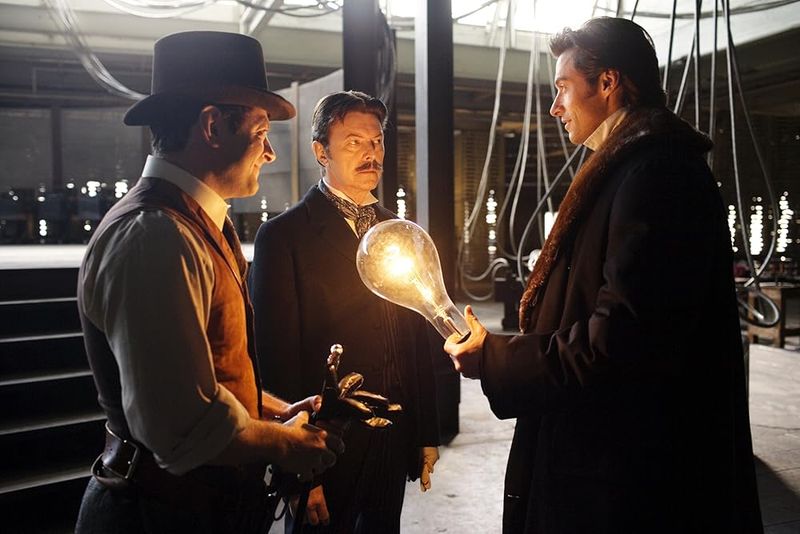
Some movies are great the first time you watch them, but become absolutely incredible once you know how they end.
Plot twists have a magical way of changing everything, making you see every scene in a brand new light.
When you go back and rewatch these films, you notice clues hiding in plain sight that you completely missed before.
These are the movies that reward you for paying close attention.
1. Fight Club (1999)
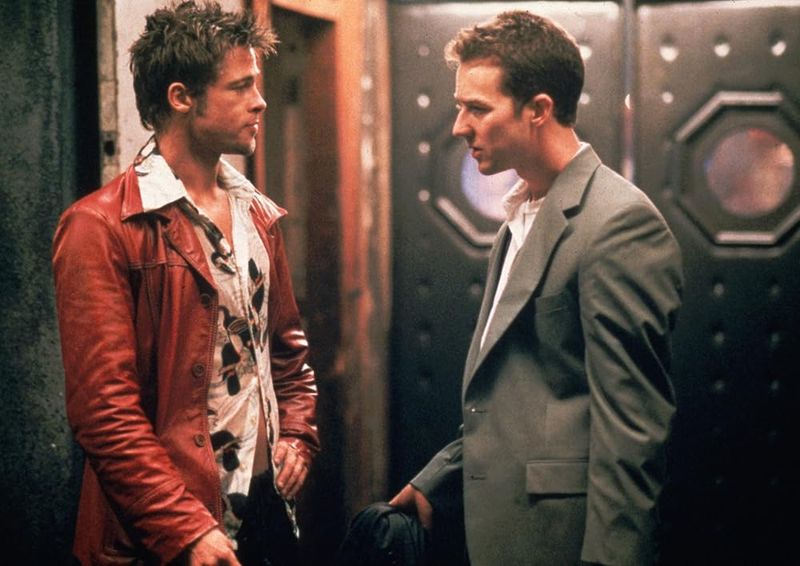
What looks like a wild, anarchic story on the first watch is actually a tightly wound psychological puzzle waiting to be decoded.
Once you know the truth about Tyler Durden, every single scene between the two main characters transforms completely.
You start noticing how they are never truly interacting with others at the same time.
The film is packed with sneaky visual tricks and clever editing choices that quietly hint at the secret from the very beginning.
Rewatching it feels less like entertainment and more like solving a brilliantly designed riddle that was hiding in plain sight all along.
2. The Sixth Sense (1999)
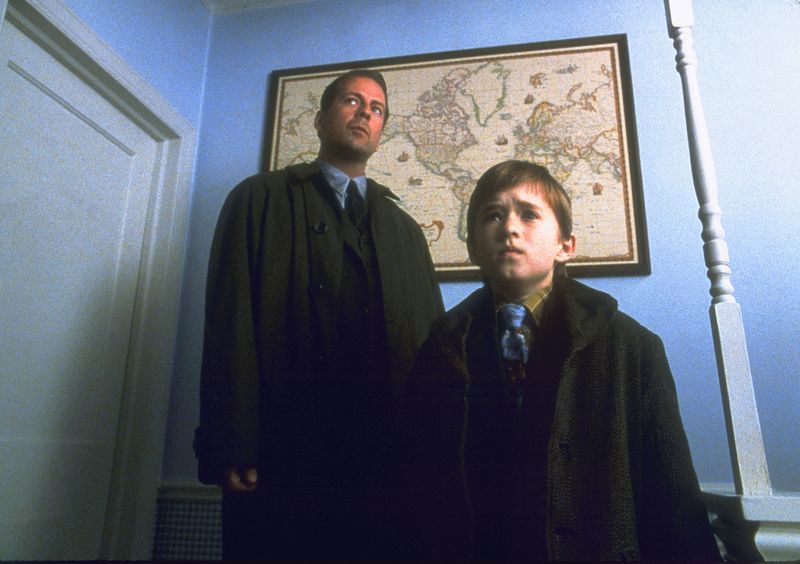
Few movie endings have ever hit audiences as hard as this one.
The moment the twist lands, your brain immediately races back through every earlier scene, realizing the clues were always there, quietly waiting to be found.
Director M. Night Shyamalan hid the truth in plain view throughout the entire film.
On a second watch, the dialogue choices feel almost playful in how openly they hint at the truth.
Character behavior that once seemed slightly odd suddenly makes complete, heartbreaking sense.
Watching it again is less scary and more like admiring a carefully constructed magic trick you now fully understand.
3. Shutter Island (2010)
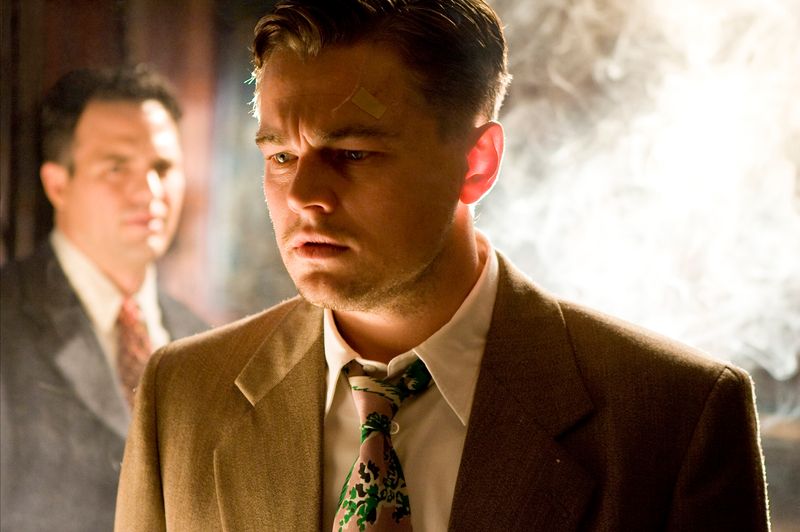
Martin Scorsese built this film as an experience that completely changes shape once you reach its conclusion.
On the first watch, it plays like a gripping mystery.
After the reveal, it becomes something far more emotional, a tragic character study about grief, guilt, and the stories we tell ourselves to survive.
Every interaction Teddy has with the other characters suddenly reads differently, loaded with a quiet sadness you could not have recognized before.
Visual choices that felt like stylish filmmaking reveal themselves as deliberate psychological cues.
Rewatching it with full knowledge makes the film feel almost unbearably poignant rather than simply thrilling.
4. The Prestige (2006)
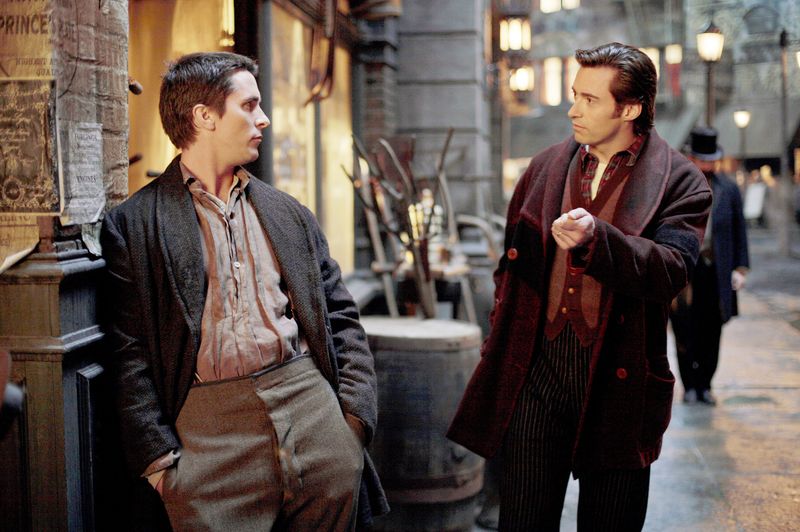
Christopher Nolan essentially made a film that functions exactly like the magic tricks it depicts: it misdirects you, then stuns you, then dares you to figure out how it was done.
The structure of the movie mirrors the three-act structure of a magic performance described early on, and that is not a coincidence.
Once you understand the secrets, the film practically begs to be watched again.
Every line of dialogue and every visual choice reveals itself as a deliberate clue.
The two lead performances gain an extra layer of tragic weight when you realize exactly what each man was willing to sacrifice.
5. Memento (2000)
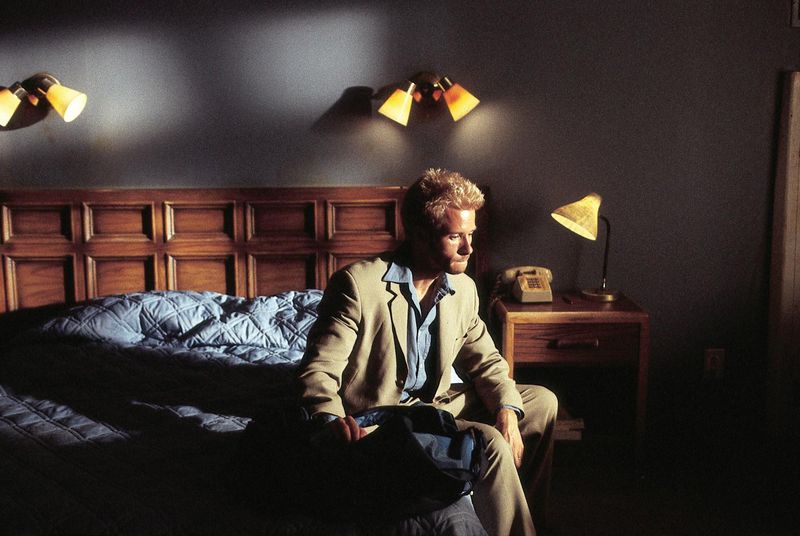
Watching Memento for the first time is intentionally disorienting, and that feeling is the entire point.
The fragmented, reverse-chronological structure mirrors exactly what it feels like to be trapped inside the main character’s condition.
You are just as lost as he is, and that is a deliberate creative choice.
Once you understand the full picture, going back and following the timeline reveals a deeply unsettling story hiding beneath the surface confusion.
The twist does not just surprise you; it reframes the protagonist as something far more complicated than a sympathetic victim.
Every scene becomes a small, careful piece of a chilling puzzle.
6. Gone Girl (2014)

Gone Girl spends its first act making you feel genuinely sorry for a missing woman and genuinely suspicious of her husband.
Then the midpoint reveal flips everything upside down with almost gleeful confidence.
Suddenly, the film’s tone shifts from thriller to something sharper, darker, and almost darkly comedic in its cynicism.
Going back after the reveal is a completely different experience.
Earlier scenes that felt like straightforward drama now crackle with hidden meaning and sharp satire about marriage, media, and performance.
The lead performance, already impressive, becomes even more extraordinary once you understand the full scope of what was being hidden.
7. The Others (2001)
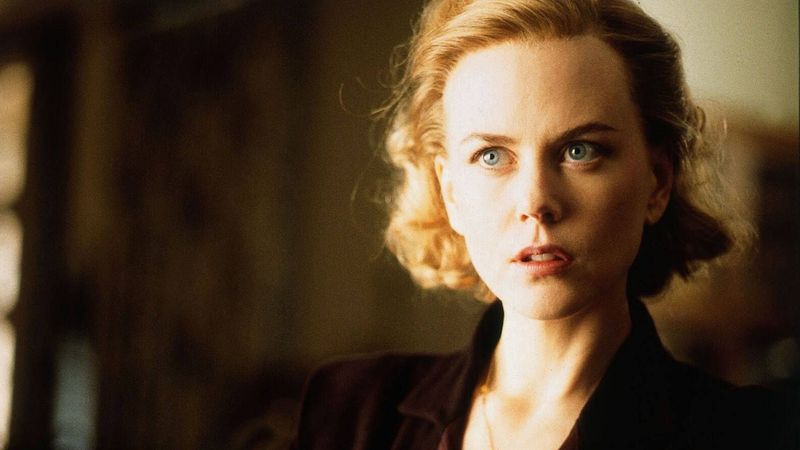
Atmosphere is the real star of this film, and it works beautifully on the first watch as a slow-burn ghost story.
But once you know the truth about who is actually haunting the house, the entire film transforms into something far more layered and emotionally rich than a standard horror experience.
Every quiet, fog-drenched scene carries new meaning on a rewatch.
The mother’s fierce protectiveness, the children’s strange sensitivity, and the servants’ knowing glances all take on a deeply tragic dimension.
What felt like dread becomes something closer to heartbreak.
The film is genuinely more haunting the second time than the first.
8. Black Swan (2010)
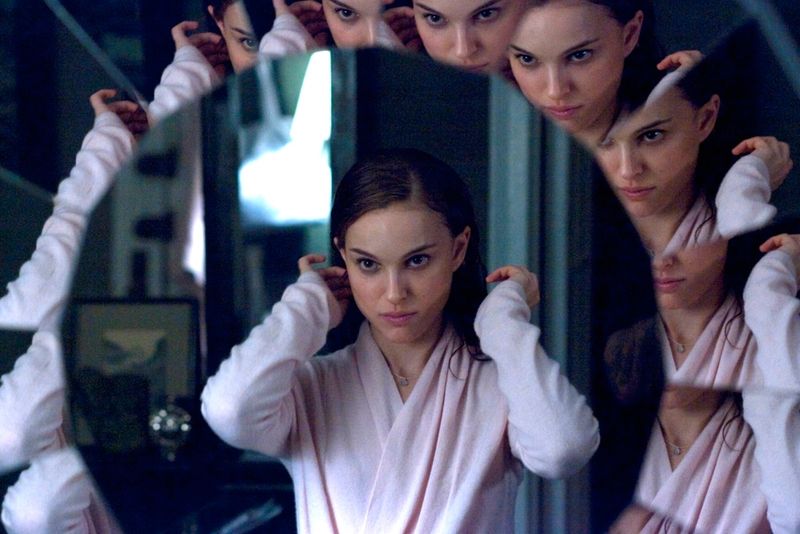
Darren Aronofsky designed this film as a gradual unraveling, and on first viewing, you are never quite sure what is real and what is imagined.
That uncertainty is the film’s greatest weapon.
By the time the ending arrives, the line between Nina’s ambition and her breakdown has completely dissolved.
Rewatching reveals just how carefully every hallucination and paranoid moment was planted and escalated.
Scenes that seemed like straightforward drama now read as early warning signs of a mind consuming itself.
The film becomes less a story about ballet and more a deeply unsettling portrait of perfectionism destroying the very thing it chases.
9. Donnie Darko (2001)
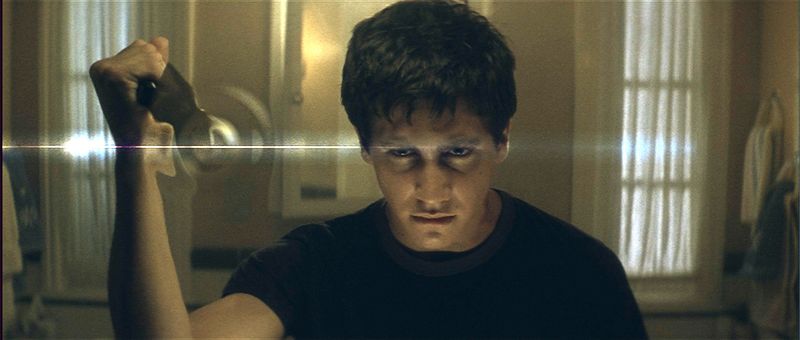
Few films have sparked as many late-night discussions and fan theories as this one.
On first watch, it feels like a moody, mysterious teen drama with a supernatural edge that never fully explains itself.
That ambiguity is part of its strange, magnetic charm and what keeps people coming back.
Once you understand the film’s internal logic about time travel and sacrifice, those seemingly random moments snap into a surprisingly coherent and deeply sad story.
The rabbit, the jet engine, and Donnie’s resigned acceptance all become emotionally loaded rather than merely weird.
The second viewing rewards patience with a quietly devastating payoff.
10. Se7en (1995)
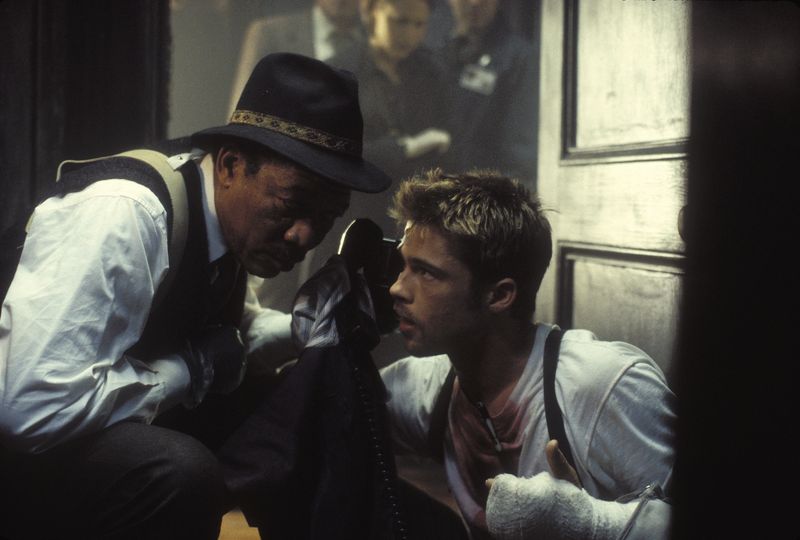
The ending of Se7en is one of the most talked-about in film history, and for good reason.
John Doe’s final act is so devastating that it permanently colors every earlier scene when you go back to watch it again.
The tension that builds throughout the film feels heavier knowing where it leads.
Rewatching highlights just how carefully the script positions the two detectives as opposite forces heading toward an inevitable collision.
Subtle details in their conversations, their philosophies, and their reactions to the crimes all foreshadow the finale.
The film becomes less a mystery and more a Greek tragedy disguised as a police procedural.
11. Oldboy (2003)

Park Chan-wook built this film around one of the most emotionally brutal revelations in cinema history.
The first watch is already an intense, gripping experience that pulls you through a story of obsession and revenge.
Then the truth arrives and retroactively destroys everything you thought you understood about the characters.
Going back is not an easy experience, but it is a rewarding one.
Every tender moment between characters gains a layer of unbearable tragedy.
The film’s themes of manipulation, fate, and the cruelty of knowledge feel even more suffocating once the full picture is clear.
It is genuinely unsettling in the best possible way.
12. Primal Fear (1996)
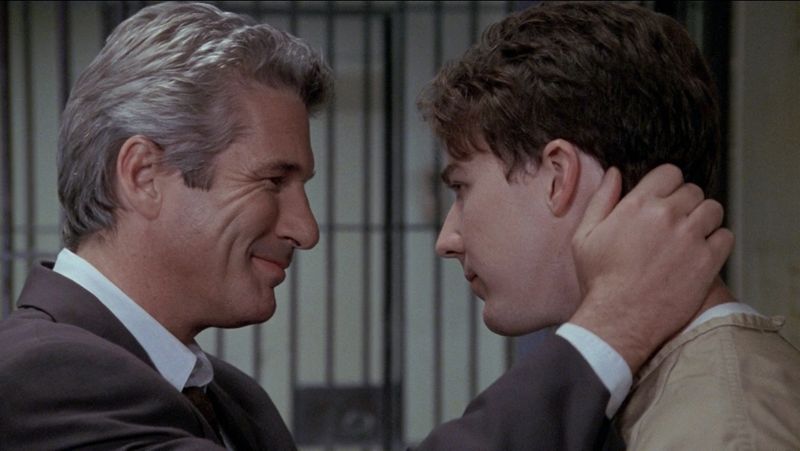
Edward Norton announced himself to the world with this performance, and once you know the twist, that debut becomes even more jaw-dropping.
The film follows a defense attorney who becomes convinced his client, a shy altar boy accused of murder, could not possibly be guilty.
That conviction is precisely the trap.
A second watch reveals just how masterfully Norton hid the truth in every stutter, every nervous glance, and every seemingly vulnerable moment.
The dialogue is loaded with subtle double meanings that only register once you know what is really going on.
It is a clinic in controlled, deceptive acting that deserves far more attention.
13. The Machinist (2004)
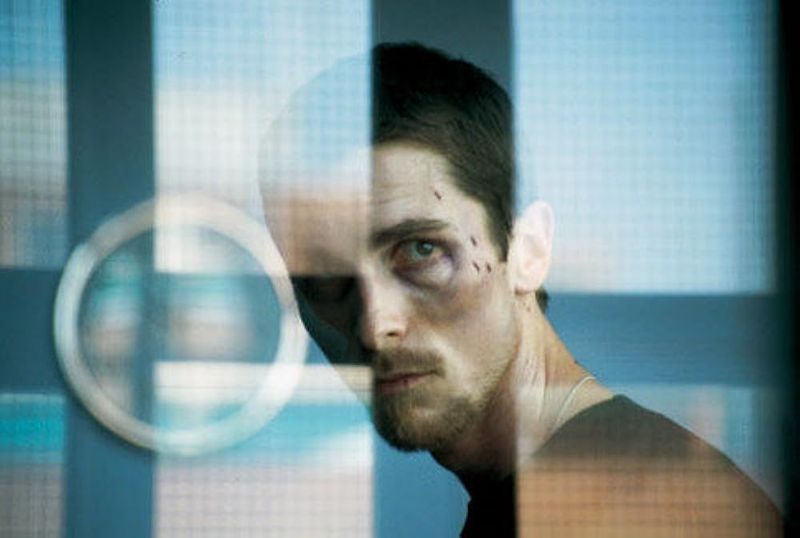
Christian Bale famously lost an alarming amount of weight for this role, and that physical transformation perfectly mirrors the psychological deterioration happening inside the character.
Trevor’s world feels genuinely off-kilter from the very first scene, like a nightmare that never quite tips into full horror.
That unease is carefully constructed.
Once the reveal explains the guilt driving Trevor’s insomnia and hallucinations, every strange encounter and cryptic note snaps into heartbreaking clarity.
Rewatching turns the film from a mystery into a meditation on how the mind punishes itself.
The eerie atmosphere stops feeling random and starts feeling like the precise architecture of a guilty conscience.
14. Arrival (2016)

Most sci-fi films use their twists to surprise you.
Arrival uses its twist to fundamentally change how you understand time, memory, and love.
The reveal is not a shock so much as a quiet, emotional realization that shifts the entire film’s meaning in a deeply affecting way.
Going back and watching Louise’s memories with full knowledge of what they actually are turns every tender moment into something both beautiful and achingly sad.
The film’s structure mirrors the non-linear way its alien language reshapes human perception.
Knowing the ending does not spoil anything; it makes the whole experience richer, more poetic, and genuinely moving.
15. The Usual Suspects (1995)
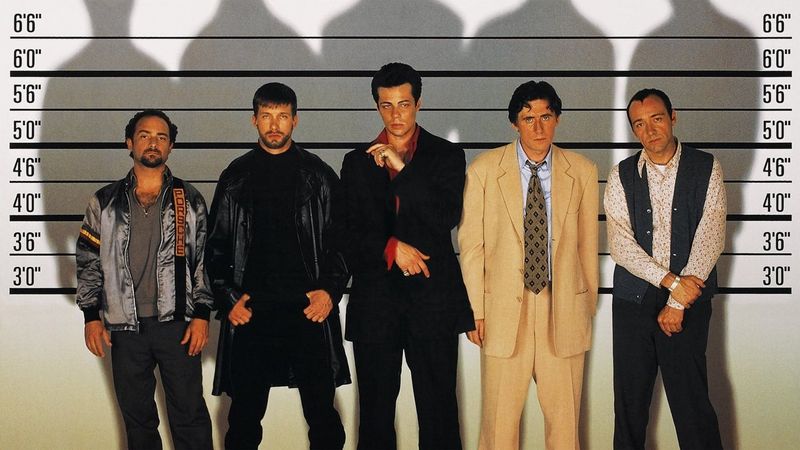
Keyser Soze might be one of cinema’s greatest illusions, and the genius of this film is how confidently it misleads you.
Every detail that seemed random or unimportant on the first viewing turns out to be a deliberate piece of a masterfully constructed deception.
The storytelling is almost arrogantly clever.
Once you know who is really sitting in that interrogation room, going back reveals just how boldly the film plays with your assumptions.
The performances take on an entirely different energy.
What felt like a tense crime thriller becomes something closer to a magic show, and you already know the trick.
Comments
Loading…