
 Mary Murphy
15 Movie Characters We Were Taught to Root For Who Were Actually Toxic

We’ve all had that weird rewatch moment where a “dreamy” lead suddenly feels like a walking red flag.
Movies can teach us to confuse intensity with devotion, persistence with love, and charisma with character.
When a story rewards manipulation, boundary-pushing, or emotional control, it quietly trains us to clap for behavior we’d avoid in real life.
These characters aren’t always written as villains, but their choices often leave a trail of hurt that the camera asks us to ignore.
Here are 15 fan-favorite movie figures who feel a lot less lovable once you stop grading them on charm alone.
1. Travis Bickle — Taxi Driver
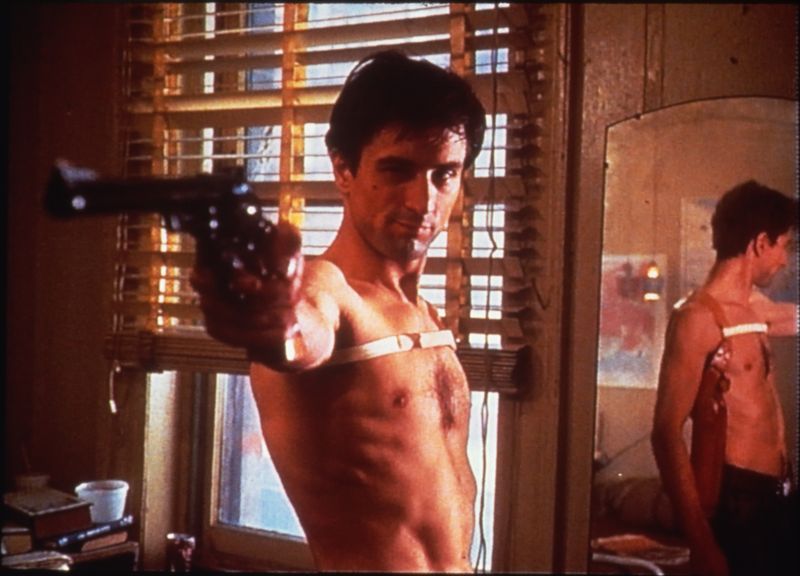
A drifting cabbie with a bruised ego is framed like a misunderstood crusader, even as his worldview curdles into obsession.
He watches people from a distance and decides he understands them better than they understand themselves, which is a classic control fantasy.
His “protector” storyline centers his need to feel important, not the safety or agency of the girl he claims he wants to save.
The film’s intensity can make his rage seem meaningful, but it’s still rage being fed with paranoid ideas and violent solutions.
Instead of seeking help or connection, he nurtures isolation until it becomes a justification for harm.
Rewatching now, it’s hard not to notice how quickly loneliness turns into entitlement when the narrative keeps calling him a hero.
2. Scott Pilgrim — Scott Pilgrim vs. the World

A seemingly lovable slacker is packaged as the quirky underdog, but his relationships often look like games he wants to win.
He drifts through people’s feelings with a shrug, then acts surprised when consequences show up at his door.
The story gives him points for being “nice,” even when he’s avoidant, self-absorbed, and emotionally careless with the women around him.
He collects partners and exes like trophies, while the movie’s bright style distracts from how little empathy he shows in real moments.
What reads as youthful confusion is also a pattern of dodging accountability until someone forces growth.
If you’ve ever dated someone who treated your pain like background noise, this rewatch hits a little too close.
3. Tom Hansen — 500 Days of Summer

A guy who believes in fate treats a woman like a symbol, then punishes her for not living up to the fantasy he invented.
He hears what he wants, ignores what she actually says, and calls it romance when it’s really selective listening.
The relationship becomes a mirror for his inner narrative, which means her boundaries and needs barely register unless they validate him.
When reality breaks the spell, he frames himself as the wounded party instead of owning how he projected expectations onto her.
That’s the toxic trap of “hopeless romantic” energy, because it can hide entitlement behind softness and wistful music.
On a rewatch, the lesson isn’t “love hurts,” but “idealizing someone is not the same thing as loving them.”
4. Noah Calhoun — The Notebook

A passionate small-town heartthrob is celebrated for grand gestures, but many of those moments look like pressure instead of partnership.
He refuses to accept “no” as an answer and keeps escalating, which can read as romantic persistence or as coercion, depending on your lens.
The famous intensity is thrilling on screen, yet it normalizes the idea that love is proven through emotional extremes and relentless pursuit.
His devotion often centers what he wants the relationship to be, rather than what the other person is ready for in that moment.
When a movie rewards boundary-pushing with a fairytale outcome, it teaches viewers to doubt their own discomfort.
Rewatching now, the charm is still there, but it’s paired with a controlling edge the story rarely asks him to confront.
5. Ferris Bueller — Ferris Bueller’s Day Off

A charismatic teen icon turns skipping school into an art form, but his charm is basically a cover for constant manipulation.
He lies easily, uses people as props, and assumes everyone will forgive him because he delivers the fun.
His best friend is clearly anxious and vulnerable, yet Ferris treats that stress like a speed bump on the way to his perfect day.
Even when others take risks or face consequences, he stays insulated by confidence and a grin that says rules are for someone else.
It’s the “cool guy” version of toxicity, where selfishness is repackaged as leadership and spontaneity.
Once you notice how often he pushes, persuades, and steamrolls, it’s hard to unsee the imbalance in every scene.
6. Scarlett O’Hara — Gone with the Wind
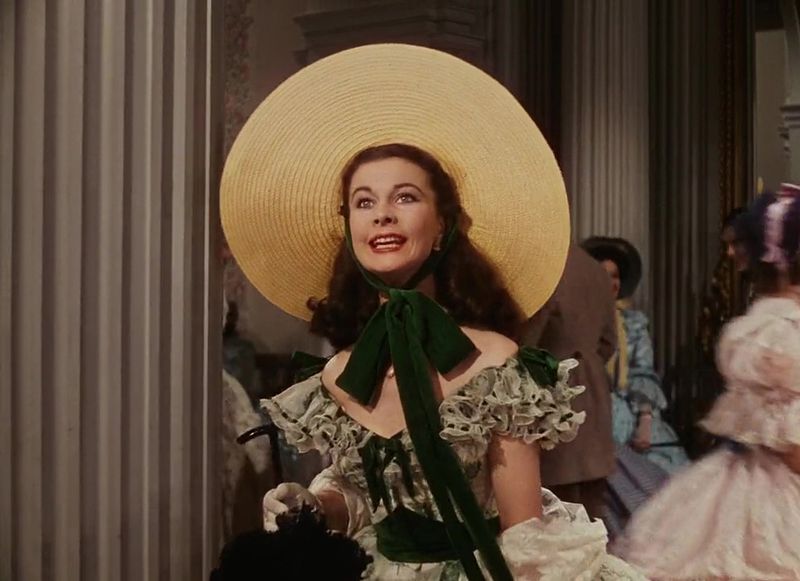
A larger-than-life heroine survives through force of will, but that same will often becomes cruelty when she doesn’t get her way.
She uses charm as currency, turns relationships into transactions, and treats people like tools for security and status.
Her romantic fixation isn’t about real intimacy, but about proving she can win someone who symbolizes success.
The movie admires her resilience while sliding past how frequently she humiliates others, dismisses feelings, and refuses accountability.
Watching now, it’s easier to separate “strong character” from “healthy behavior,” because strength can still be selfish and harmful.
If the story didn’t frame her as iconic, many of her choices would read as the emotional equivalent of scorched earth.
7. Tracy Flick — Election
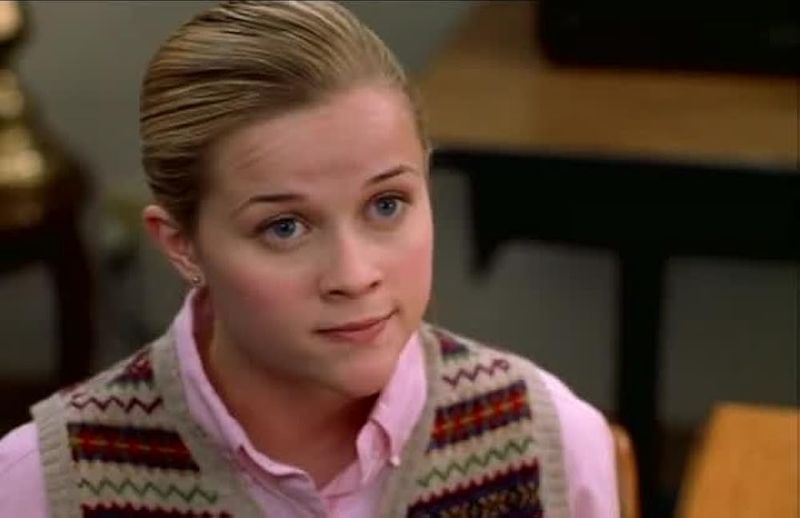
A driven overachiever is painted as the problem, even though the adults around her behave in ways that are far more alarming.
She’s ambitious, calculating, and willing to bend ethics to win, which absolutely qualifies as toxic when it becomes her entire personality.
At the same time, the film invites us to root for her humiliation, as if a teenage girl’s success is a threat that must be stopped.
The dynamic turns ugly when a teacher’s obsession with “teaching her a lesson” becomes retaliation disguised as morality.
That mix of self-serving ambition and power-tripping adult response creates a story full of normalized dysfunction.
Rewatching today, she’s still intense, but the real toxicity is how satisfying the movie wants her downfall to feel.
8. Jerry Maguire — Jerry Maguire

A man in mid-life crisis presents his emotional awakening like a gift everyone else should applaud immediately.
He makes sweeping declarations about love and purpose, yet the people around him still end up doing most of the emotional labor.
His romantic pursuit can feel heartfelt, but it also puts pressure on a woman to become the proof that his transformation is real.
Even his vulnerability has a performative edge, as if he’s auditioning for redemption rather than quietly doing the work.
The story rewards him for choosing feelings, while glossing over how often he centers himself in situations that aren’t actually about him.
Rewatching now, it’s clear that growth isn’t just saying the right words, because healthier love looks like consistency, not speeches.
9. Daniel Hillard — Mrs. Doubtfire
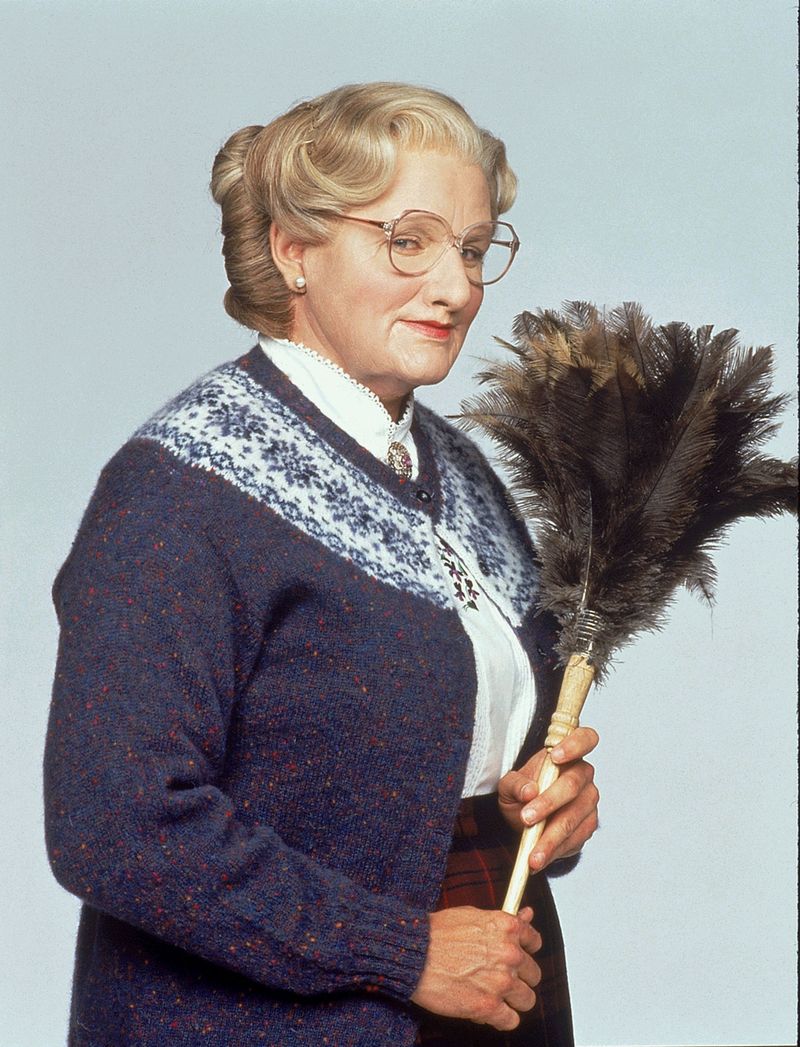
A desperate dad is framed as lovable, but his solution to heartbreak involves deception so extreme it would terrify most people in real life.
He violates boundaries by inserting himself into his ex’s home under a disguise, then acts entitled to access he hasn’t earned.
The comedy softens what is essentially stalking-adjacent behavior, because the audience is meant to laugh instead of question the ethics.
He also undermines co-parenting by turning every moment into a test of whether he can “win” his family back.
His intentions may feel sympathetic, yet good intentions don’t cancel out manipulation and dishonesty.
Rewatching today, the bittersweet lesson lands differently, because healing after divorce requires respect, not elaborate schemes.
10. Christian Grey — Fifty Shades of Grey

A wealthy dominant is sold as a fantasy, but the power imbalance doesn’t stop at the bedroom and often spills into control.
He monitors, buys, and dictates in ways that blur the line between consent and coercion, especially when he leverages resources and influence.
The relationship is framed as exciting because it’s intense, yet intensity becomes dangerous when it replaces communication and mutual safety.
His jealousy reads less like passion and more like surveillance, with rules that function as a cage painted in luxury.
Even when boundaries are discussed, the emotional pressure can make agreement feel like compliance rather than real choice.
Rewatching now, the biggest red flag isn’t kink, but the way control is romanticized as devotion.
11. David Larrabee — Sabrina
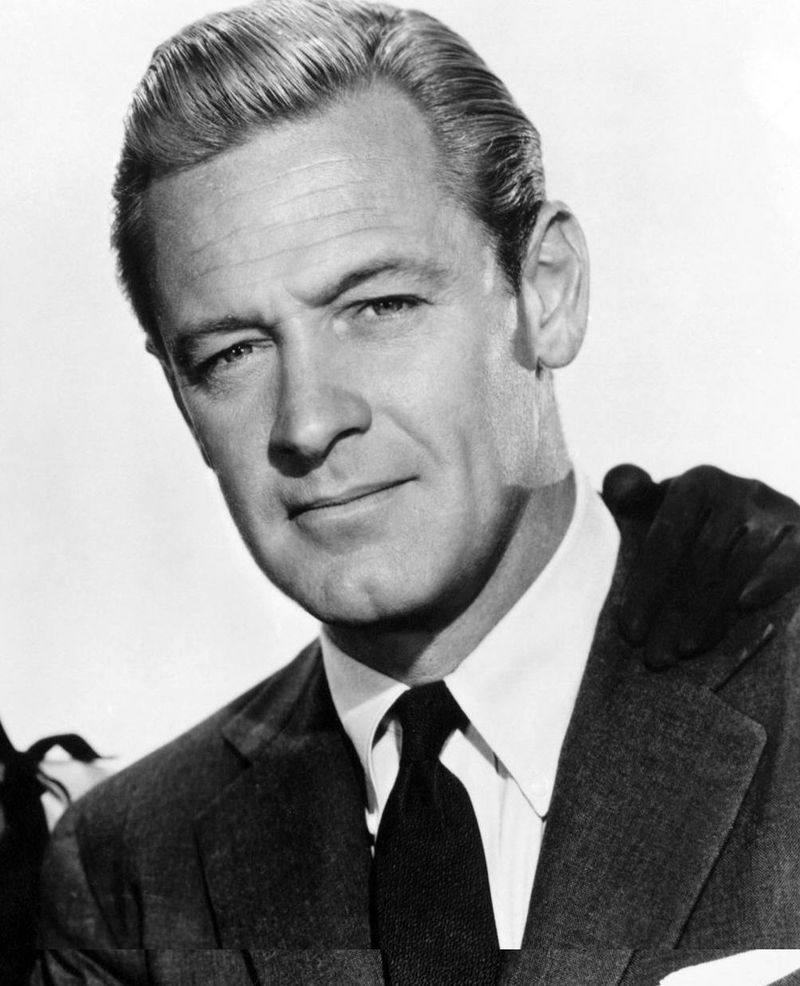
A charming rich bachelor appears to rescue a young woman into a glamorous world, but the rescue comes with subtle condescension.
He tests her, reshapes her, and treats her transformation like a personal project, as if her value increases only when he approves.
The romance leans on the fantasy of being “chosen,” yet that choice is filtered through his power, wealth, and emotional distance.
He can be tender, but tenderness doesn’t erase the patronizing vibe of a man deciding what kind of woman fits his life.
The story also plays with the idea that sophistication equals worthiness, which is a quietly toxic message to internalize.
On a rewatch, the sparkle remains, but so does the sense that she’s being curated rather than truly seen.
12. Buddy Love / Professor Klump — The Nutty Professor
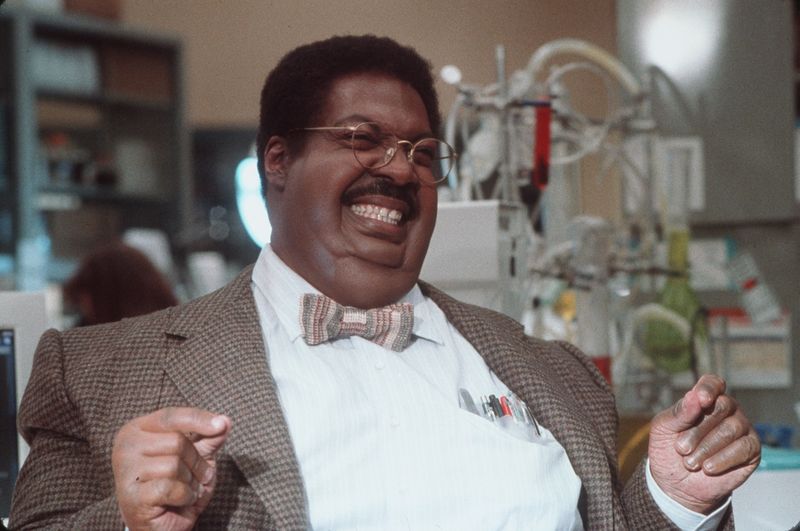
A shy academic’s insecurity is turned into a confidence makeover, but the makeover relies on cruelty and public humiliation.
When the alter ego emerges, “confidence” looks like arrogance, disrespect, and treating other people as punching bags for old pain.
The movie invites laughs at bodies, shame, and social status, which makes toxicity feel like harmless comedy instead of harm.
Even the gentler side can slip into self-pity that expects others to compensate for his low self-esteem.
The core problem isn’t weight or awkwardness, but the belief that power comes from dominating the room.
Rewatching now, the lesson you want is self-acceptance, yet the movie keeps rewarding the version of him who hurts others to feel big.
13. Rhett Butler — Gone with the Wind
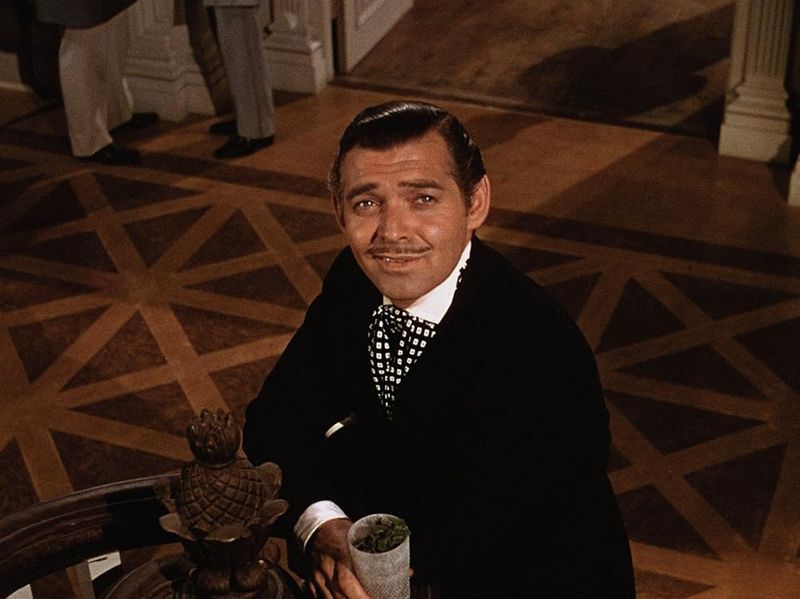
A roguish leading man is treated like the ultimate romantic prize, yet his charm often doubles as manipulation.
He plays emotional chess, withholding affection and approval until it benefits him, then calling it honesty when it’s really control.
His dynamic with Scarlett is fueled by power struggles that the story frames as sexy, even when they veer into cruelty.
The relationship thrives on humiliation, jealousy, and dominance rather than mutual respect, which is a blueprint for emotional toxicity.
He also punishes her for being who she is, while simultaneously pursuing her because he likes the challenge.
On a rewatch, the iconic lines don’t land the same, because swagger can’t disguise a pattern of treating love like leverage.
14. Andie Walsh — Pretty in Pink

A sweet, hardworking teen is positioned as the relatable heroine, yet the story nudges her toward self-erasure to earn acceptance.
She absorbs disrespect from wealthier peers and still feels responsible for proving she’s worthy of love.
Instead of demanding consistent kindness, she’s encouraged to interpret mixed signals as romance and disappointment as something to endure.
The emotional lesson becomes, “If you’re patient enough, they’ll finally choose you,” which can train people to tolerate neglect.
She isn’t malicious, but the narrative normalizes the toxic idea that love requires you to shrink your standards.
Rewatching today, you want her to pick dignity first, because the real glow-up is refusing to beg for basic respect.
15. Michael Corleone — The Godfather

A quiet family outsider becomes the central figure we’re asked to admire, even as his love turns into control and fear.
He frames his choices as protection, but protection becomes possession when he decides no one else gets a say.
The film’s prestige can make his descent feel inevitable and even noble, yet it’s still a slow replacement of intimacy with intimidation.
His relationships suffer because power demands secrecy, and secrecy thrives on isolation, which is a classic abusive pattern.
By the time the door closes on his wife, the message is painfully clear: the “provider” role has eclipsed his humanity.
Rewatching now, the tragedy isn’t just crime, but how easily a man can justify emotional violence when the world keeps calling him strong.
Comments
Loading…