
 Harper Hall
15 Martial Arts Movies That Set the Standard
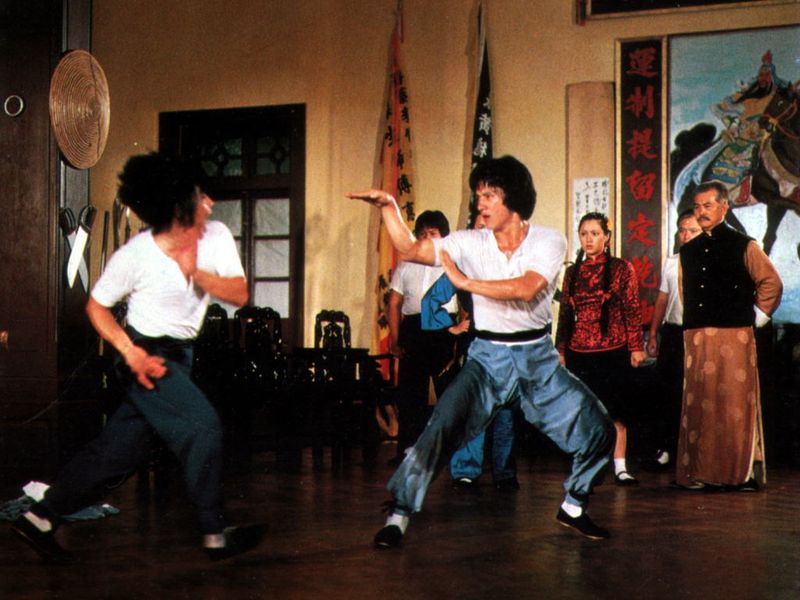
Martial arts movies have thrilled audiences for decades with incredible fight scenes, powerful stories, and unforgettable heroes. These films changed how action movies were made and inspired millions of people around the world to learn martial arts.
From lightning-fast kung fu to brutal hand-to-hand combat, these groundbreaking movies raised the bar for what action cinema could achieve. Here are fifteen films that truly set the standard for martial arts movies everywhere.
1. Enter the Dragon (1973)
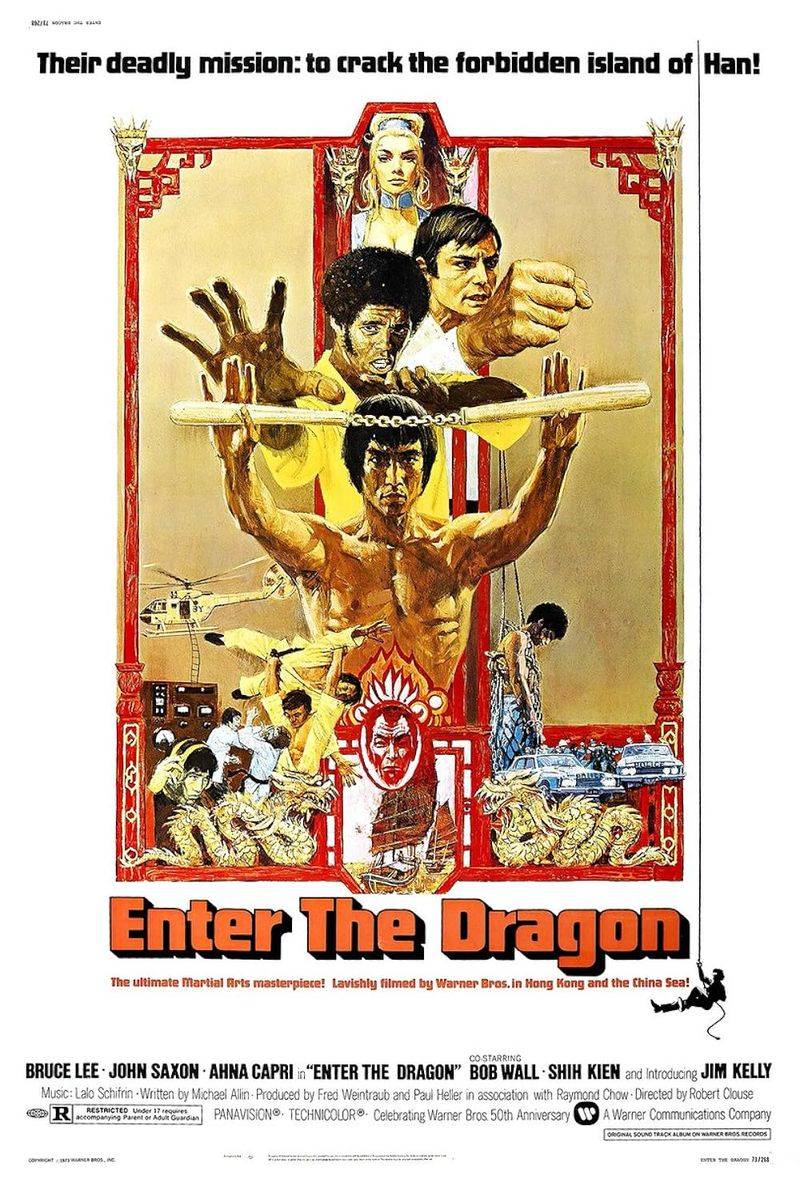
Bruce Lee’s final completed film became the movie that introduced martial arts cinema to Western audiences in a massive way.
His charisma, philosophy, and unmatched fighting skills made him a global superstar overnight.
The tournament setting on a mysterious island created the perfect stage for Lee to showcase different fighting styles.
Every punch, kick, and facial expression demonstrated why he remains the most influential martial artist in film history.
This movie proved that martial arts films could succeed in Hollywood while maintaining authentic fighting techniques.
The mirror room fight scene alone has been referenced and copied countless times in movies and TV shows since.
2. Crouching Tiger, Hidden Dragon (2000)
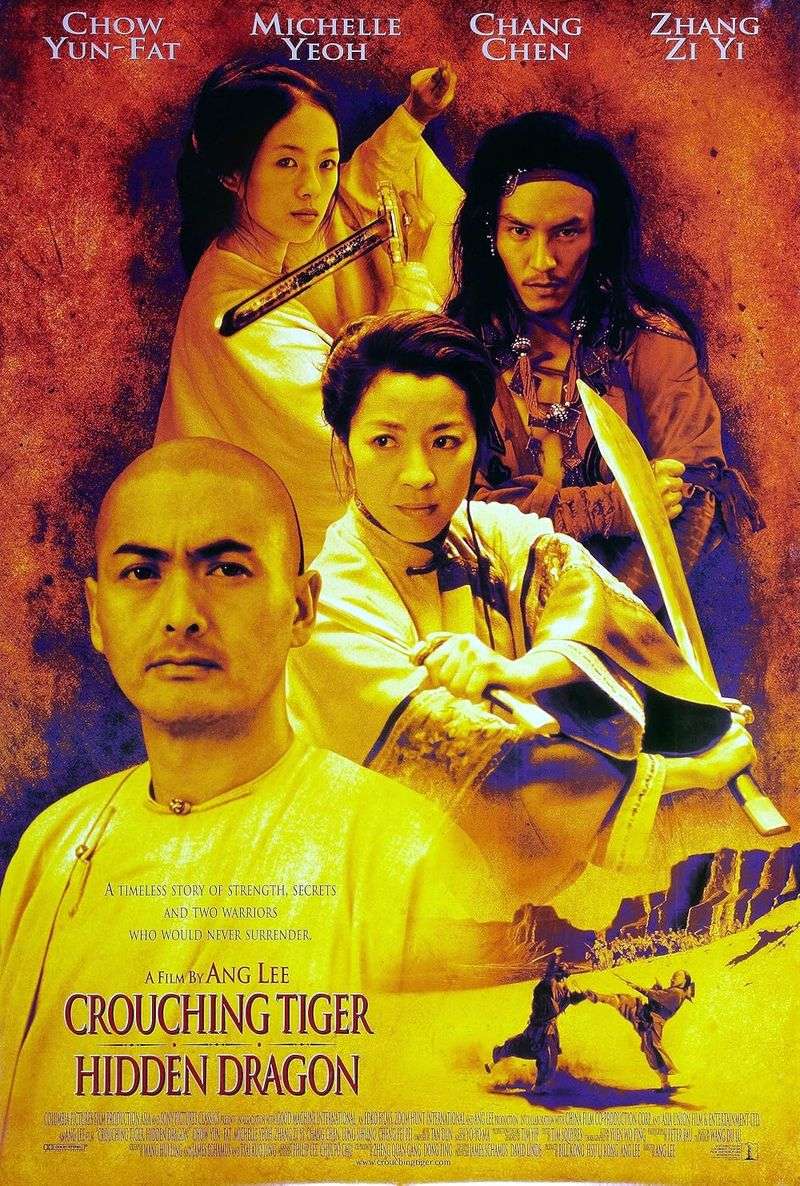
With this epic, Ang Lee brought wuxia cinema to the world stage.
The film combined striking visuals, emotional depth, and fight choreography so fluid it felt more like dance than combat.
Michelle Yeoh and Zhang Ziyi delivered powerful performances as warriors bound by honor and destiny.
Their rooftop chase and bamboo forest duel remain some of the most visually stunning fight sequences ever filmed.
Winning four Academy Awards, including Best Foreign Language Film, proved martial arts movies deserved serious recognition.
The film’s success opened doors for many Asian filmmakers in Hollywood.
3. Ip Man (2008)
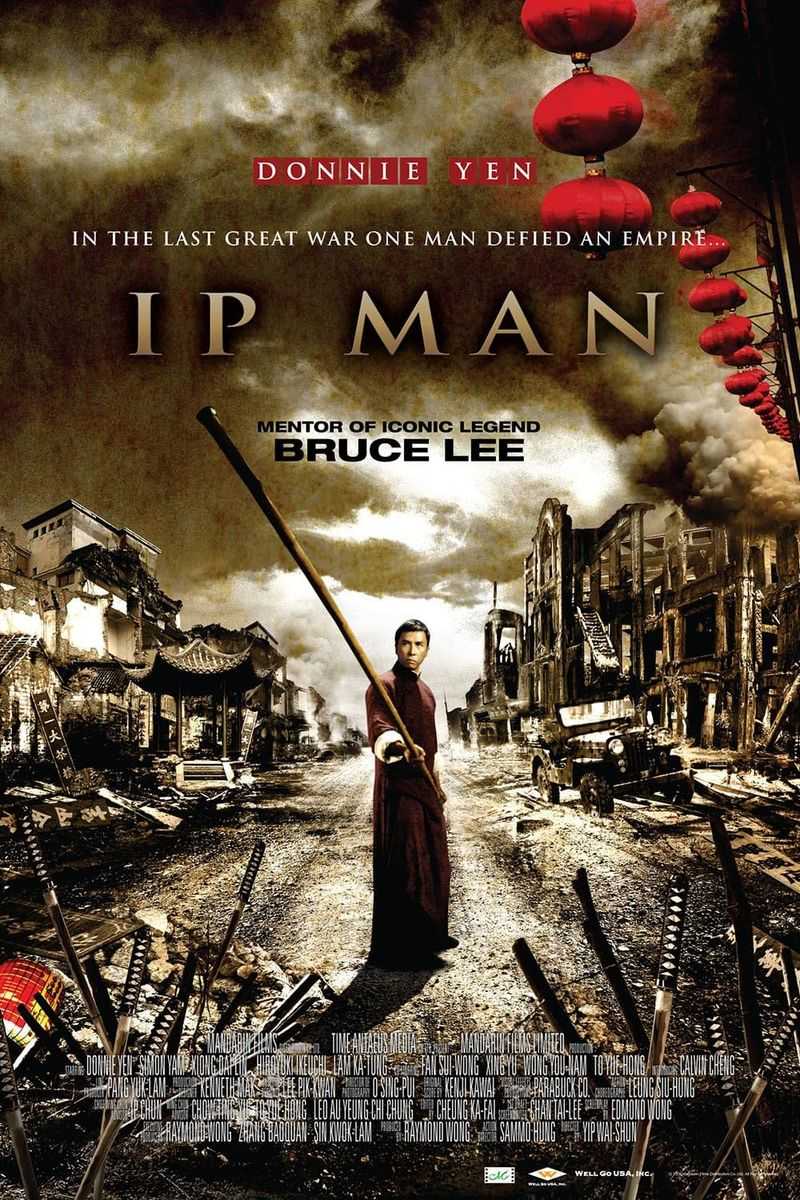
Donnie Yen transformed into the legendary Wing Chun master who trained Bruce Lee in this biographical drama.
His portrayal balanced quiet dignity with explosive fighting ability, showing martial arts as both philosophy and practical defense.
The famous scene where Ip Man fights ten Japanese black belts simultaneously showcases Wing Chun’s efficiency and speed.
Each movement looks realistic rather than exaggerated, giving audiences a true sense of the martial art’s effectiveness.
This film sparked renewed global interest in Wing Chun and launched a successful franchise.
It reminded viewers that behind every great fighter stands years of discipline, respect, and unwavering principles.
4. Hero (2002)
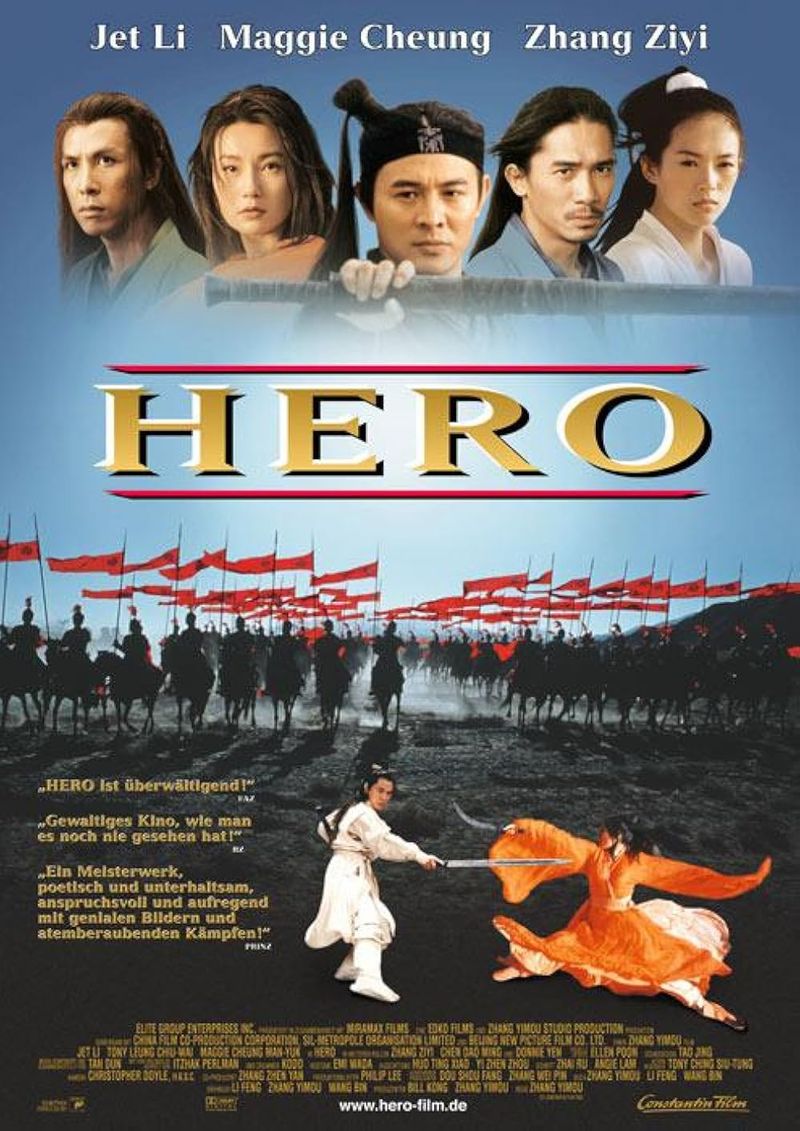
In this cinematic gem, Zhang Yimou employed color to reveal various perspectives of the same narrative.
Jet Li brought life to a nameless warrior, whose saga of sacrifice and revenge felt like a painting coming alive.
Each fight sequence happened in stunning locations with coordinated color schemes—red leaves, blue water, golden deserts.
The choreography emphasized beauty and emotion over brutal realism, making violence look like art.
This film proved martial arts cinema could compete with any Hollywood blockbuster in production value and storytelling depth.
Its influence on visual storytelling in action films continues today.
5. The Raid: Redemption (2011)
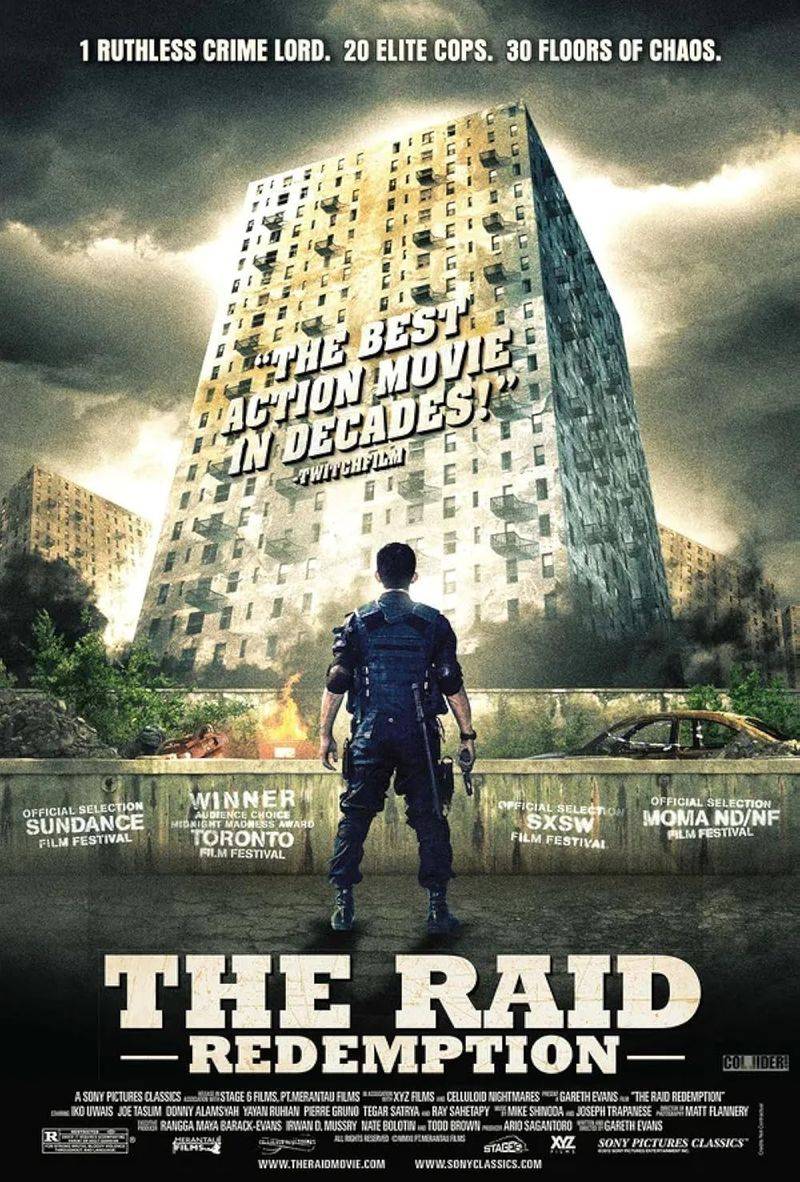
Indonesian cinema exploded onto the global stage with this relentless action thriller set almost entirely in a rundown apartment building.
Iko Uwais introduced audiences worldwide to Silat, a brutal and efficient Southeast Asian martial art.
The film’s simplicity worked perfectly—cops trapped in a building full of criminals, fighting floor by floor to survive.
Every fight felt visceral and dangerous, with bone-crunching choreography that made viewers wince.
Director Gareth Evans changed action filmmaking by proving you didn’t need wire-work or CGI for incredible fight scenes.
Raw talent, creative camera work, and fearless stunt performers created something truly special and unforgettable.
6. Fist of Fury (1972)
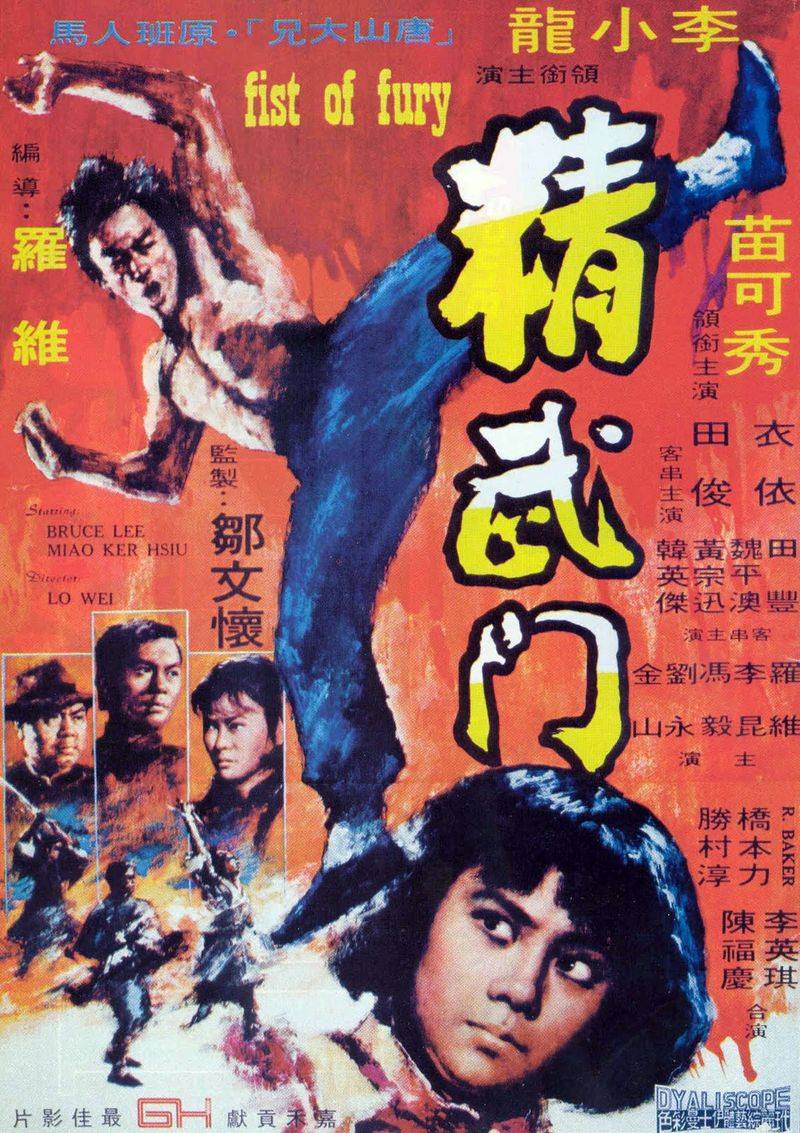
Bruce Lee’s explosive performance as Chen Zhen fighting against Japanese oppression in 1930s Shanghai captured audiences’ hearts worldwide.
His righteous anger and incredible physical abilities made him the perfect hero for challenging injustice.
The famous scene where Chen Zhen returns a racist sign reading “No Dogs and Chinese Allowed” became an iconic moment.
Lee’s speed and power in fight scenes set new standards for what martial arts action could look like on screen.
This film established many martial arts movie tropes still used today, including the revenge-driven hero and dramatic final confrontation.
Lee’s intensity and charisma made every moment electrifying and memorable for generations of fans.
7. Ong-Bak: The Thai Warrior (2003)
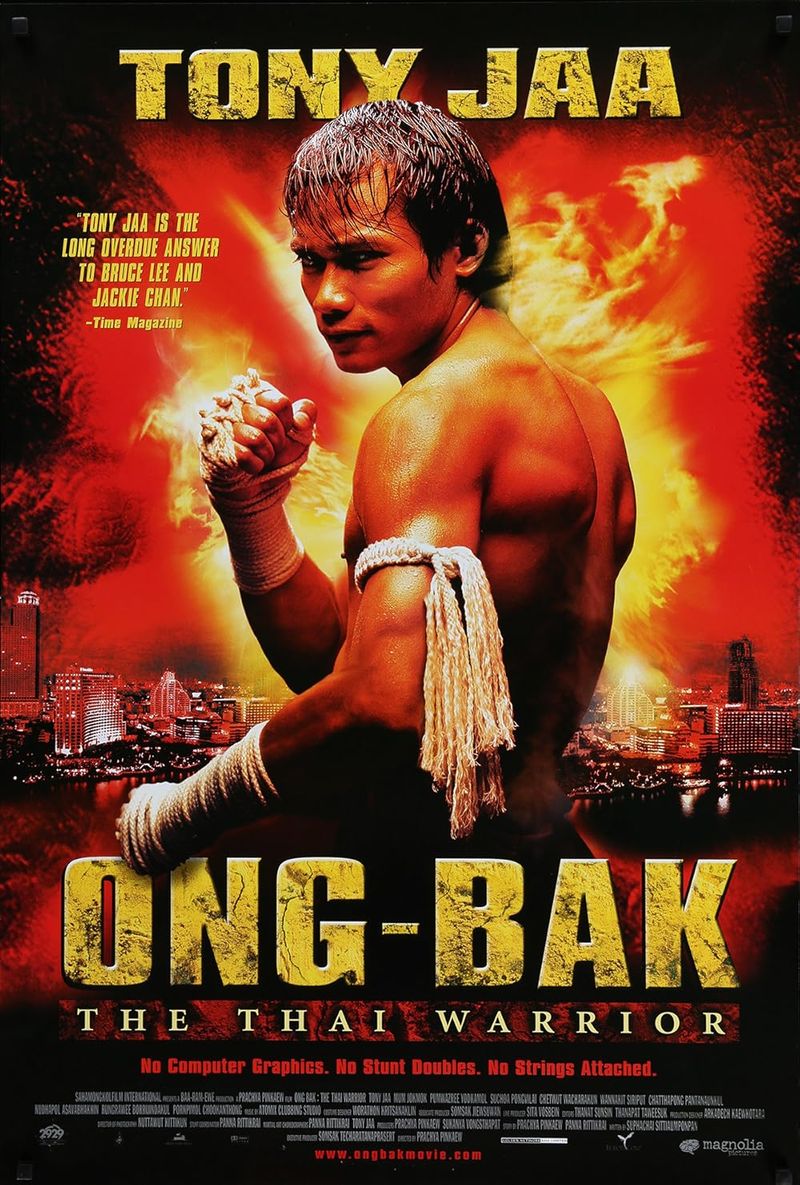
With no CGI or wirework, Tony Jaa brought traditional Muay Thai to the world stage.
His superhuman stunts and precision left audiences stunned.
The film’s marketing proudly declared “No wires, no stunt doubles, no CGI”—and it showed.
Jaa’s elbow and knee strikes looked devastatingly real, while his acrobatic moves defied belief without any special effects assistance.
A simple village story about recovering a stolen Buddha head became the perfect vehicle for displaying authentic Thai martial arts.
This movie reminded everyone that practical stunts and real martial arts skills could still amaze modern audiences.
8. Drunken Master (1978)
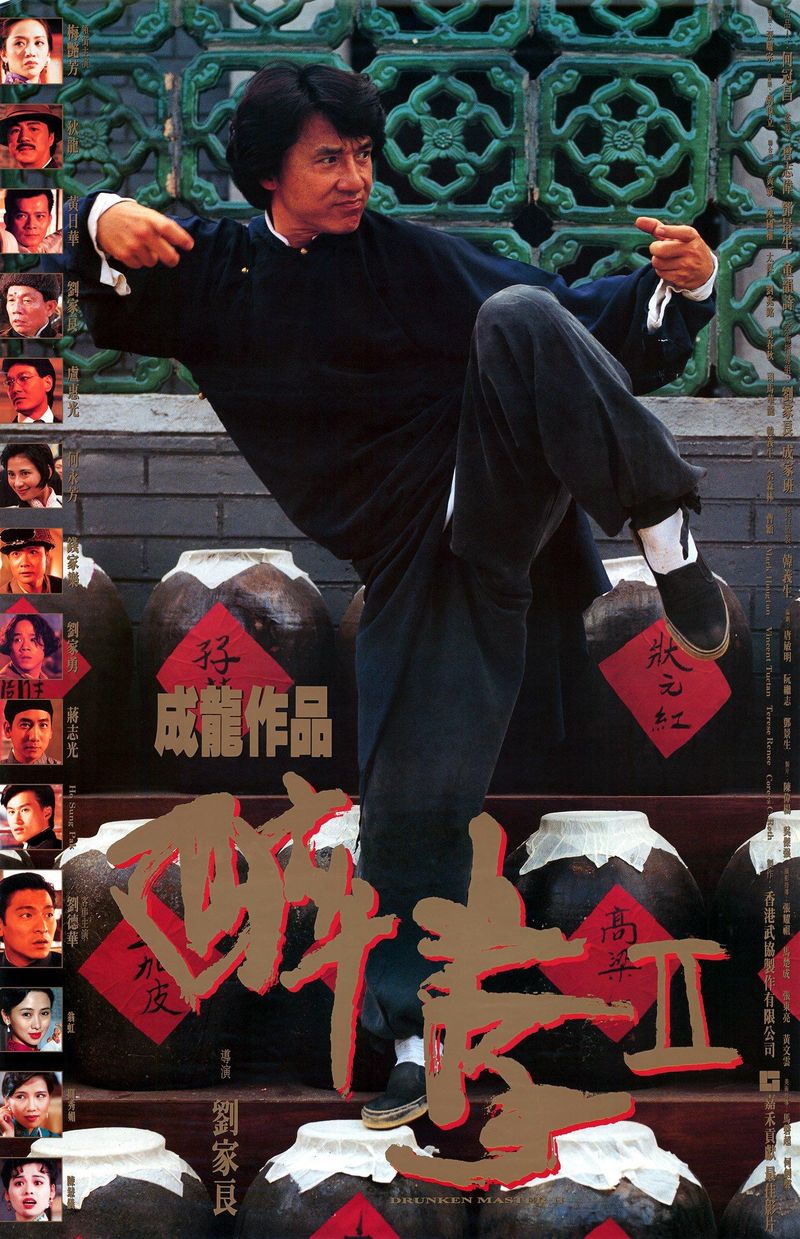
Jackie Chan found his signature style by blending comedy with incredible kung fu in this breakthrough role as legendary folk hero Wong Fei-hung.
His portrayal of the “drunken boxing” fighting style mixed humor with genuinely impressive martial arts techniques.
Watching Chan stumble, fall, and accidentally defeat opponents while pretending to be drunk created a unique entertainment experience.
The training sequences showed the discipline behind the comedy, earning respect alongside the laughs.
This film established Chan as a major star and proved martial arts movies could be funny without losing their action credibility.
His willingness to take painful hits and perform dangerous stunts himself became his trademark approach to filmmaking.
9. Kung Fu Hustle (2004)
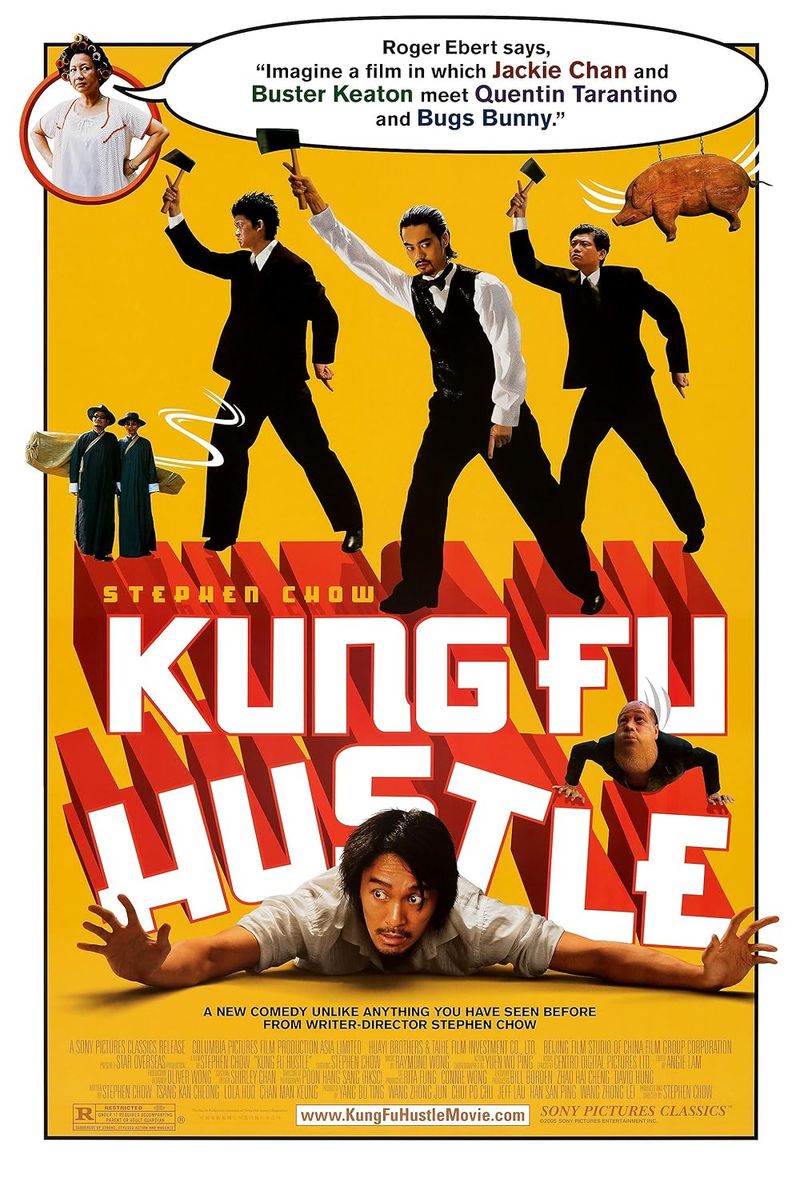
With his wild creativity, Stephen Chow transformed martial arts films into a cartoonish spectacle, packed with outrageous stunts and comedic characters.
The movie fused authentic kung fu with zany effects and humor in a completely new way.
Hidden masters living as ordinary landlords and musicians revealed their powers in increasingly ridiculous and spectacular fight sequences.
The Axe Gang’s dance-like entrance and the final Buddhist Palm technique showed creativity had no limits in Chow’s vision.
By respecting classic kung fu films while adding modern visual effects and comedy, Chow created something completely fresh.
This movie proved martial arts cinema could evolve and experiment while honoring its roots and entertaining new generations.
10. Bloodsport (1988)
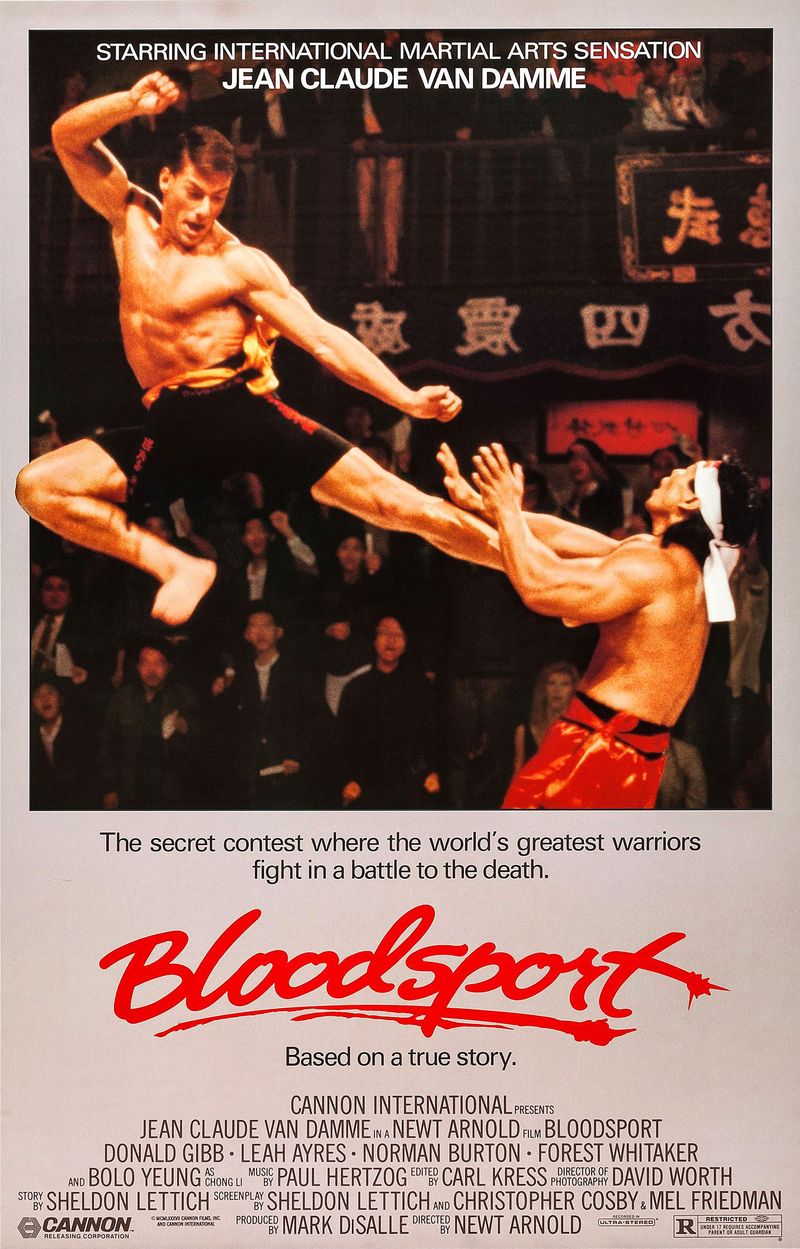
Jean-Claude Van Damme became an action star through this underground tournament film loosely based on real fighter Frank Dux’s claims.
His flexibility, powerful kicks, and determined underdog story resonated with audiences hungry for Western martial arts heroes.
The Kumite tournament format allowed the film to showcase various fighting styles from around the world.
Van Damme’s famous splits between chairs and his devastating spinning kicks became his signature moves that fans wanted to imitate.
While not as technically sophisticated as Asian martial arts films, Bloodsport succeeded by delivering straightforward tournament action with heart.
It proved Western audiences craved their own martial arts champions and inspired countless fighters to pursue their dreams.
11. Kill Bill: Vol. 1 (2003)
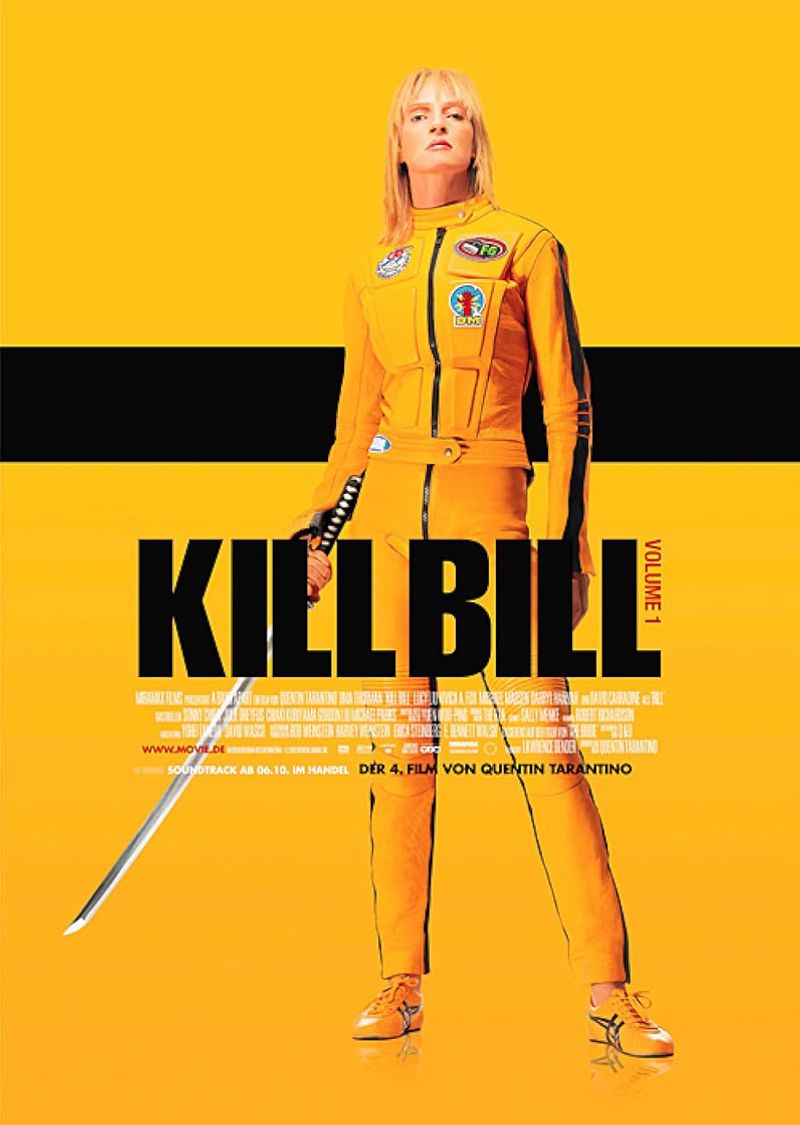
This Tarantino film is a love letter to martial arts cinema, blending nods to numerous kung fu movies into a sleek revenge epic.
Uma Thurman’s Bride wields her Hattori Hanzo sword while the film honors Shaw Brothers classics and anime influences.
The Crazy 88 fight sequence in the House of Blue Leaves demonstrated how Western filmmakers could reinterpret Asian action cinema.
Mixing color and black-and-white footage, blood sprays, and incredible choreography created something familiar yet completely new.
By introducing martial arts movie conventions to mainstream Western audiences, Tarantino sparked renewed interest in classic kung fu films.
His passionate tribute showed deep respect while creating entertainment that stood on its own merits.
12. Fearless (2006)
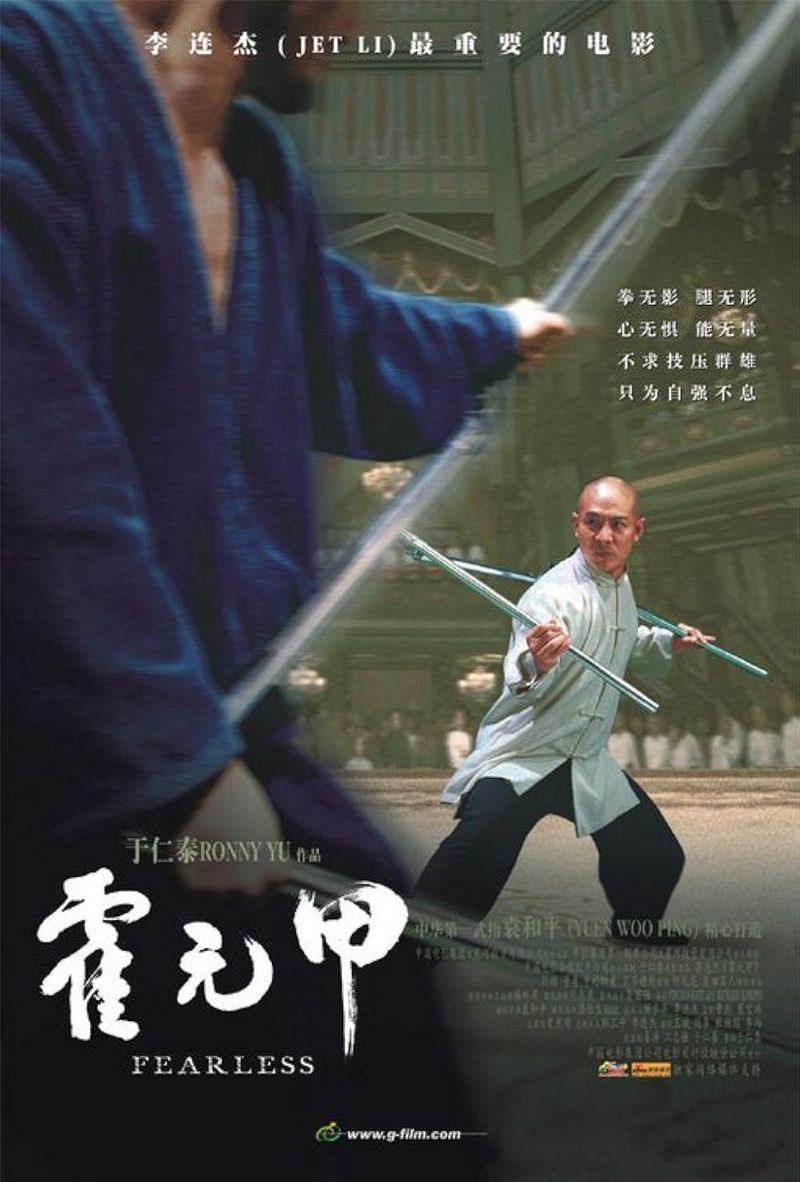
Jet Li’s final traditional martial arts film told the true story of Huo Yuanjia, founder of the Jingwu Sports Federation.
The movie explored how pride and violence can destroy lives before redemption through true martial arts philosophy brings peace.
Li’s performance matured beyond flashy techniques to show martial arts as a spiritual journey toward understanding and respect.
The fight scenes remained spectacular while serving the deeper message about honor, humility, and protecting one’s culture.
This film represented the perfect culmination of Li’s career in wushu cinema, combining his physical skills with emotional depth.
Its message that martial arts should build character rather than just fighting ability resonated with audiences worldwide.
13. The 36th Chamber of Shaolin (1978)
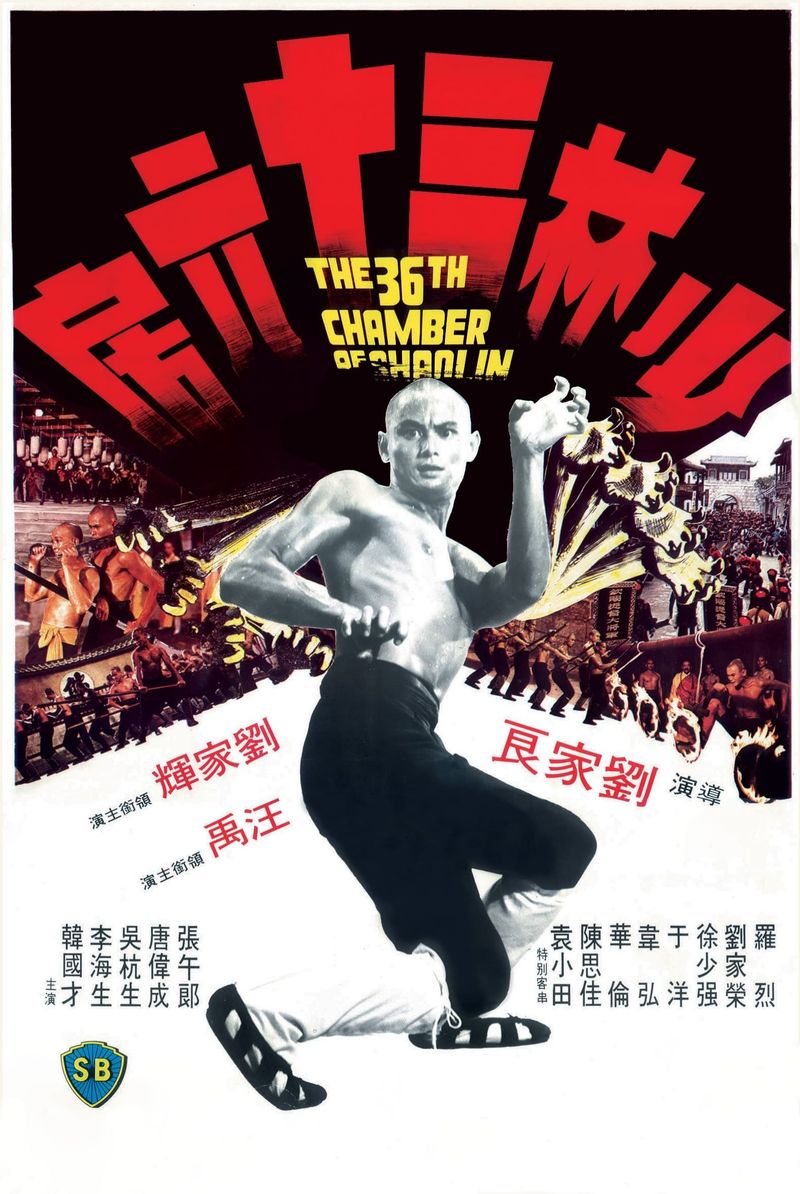
The story of Liu Yude’s rise to the legendary San Te is Shaw Brothers Studio at its finest.
His journey through challenging chambers reminds viewers that true skill requires patience, cleverness, and determination.
Each training chamber presented unique challenges that developed different skills, from balancing on floating logs to strengthening arms by carrying water.
These sequences influenced countless training montages in martial arts films that followed.
Gordon Liu’s earnest performance and the film’s focus on learning rather than just fighting made it special.
It showed that the journey to becoming a martial artist matters as much as the final battles, inspiring viewers to embrace their own challenges.
14. Raging Phoenix (2009)
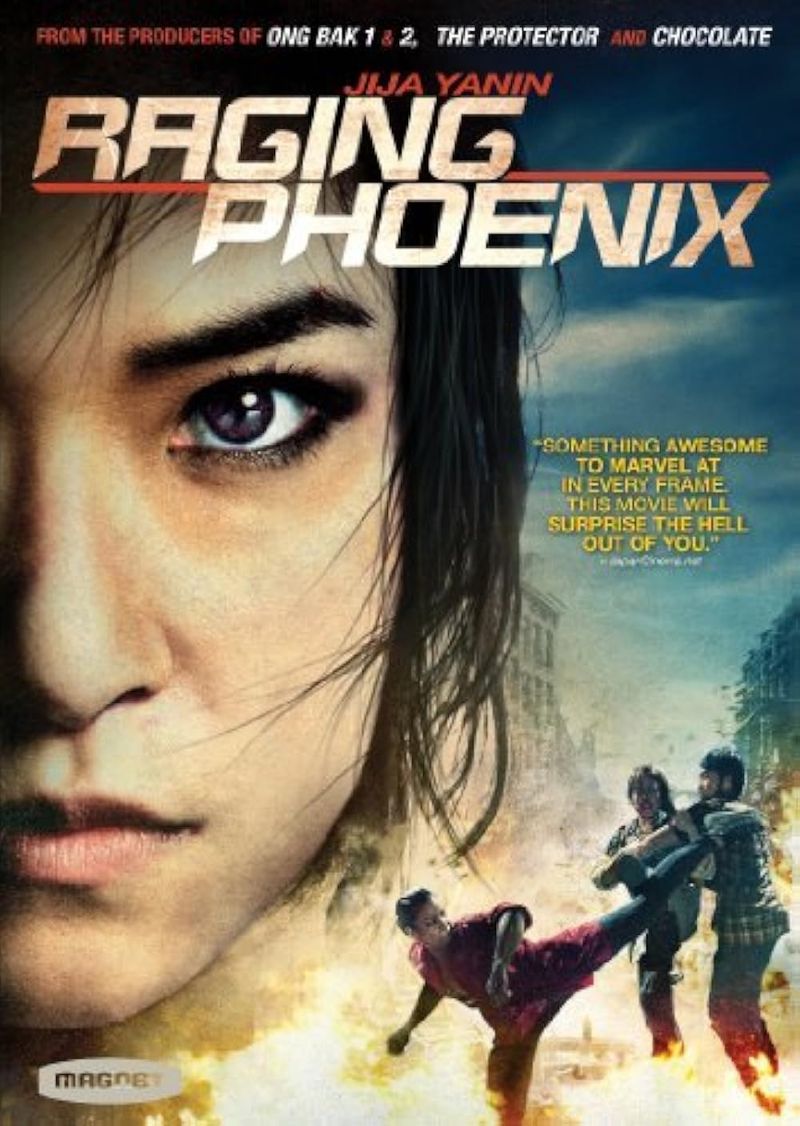
JeeJa Yanin followed her breakout role in Chocolate with this unique film blending Muay Thai, breakdancing, and parkour into a completely original fighting style.
Her character learned to channel heartbreak into physical power through unconventional training methods.
The film’s creative choreography used dance movements and acrobatics in ways that felt fresh and exciting.
Watching fighters incorporate hip-hop culture into traditional martial arts created something genuinely different from typical kung fu movies.
While not as widely known as other entries on this list, Raging Phoenix deserves recognition for innovation and fearless experimentation.
It proved martial arts cinema could continue evolving by mixing styles and cultures in unexpected, entertaining ways that push boundaries forward.
15. Way of the Dragon (1972)
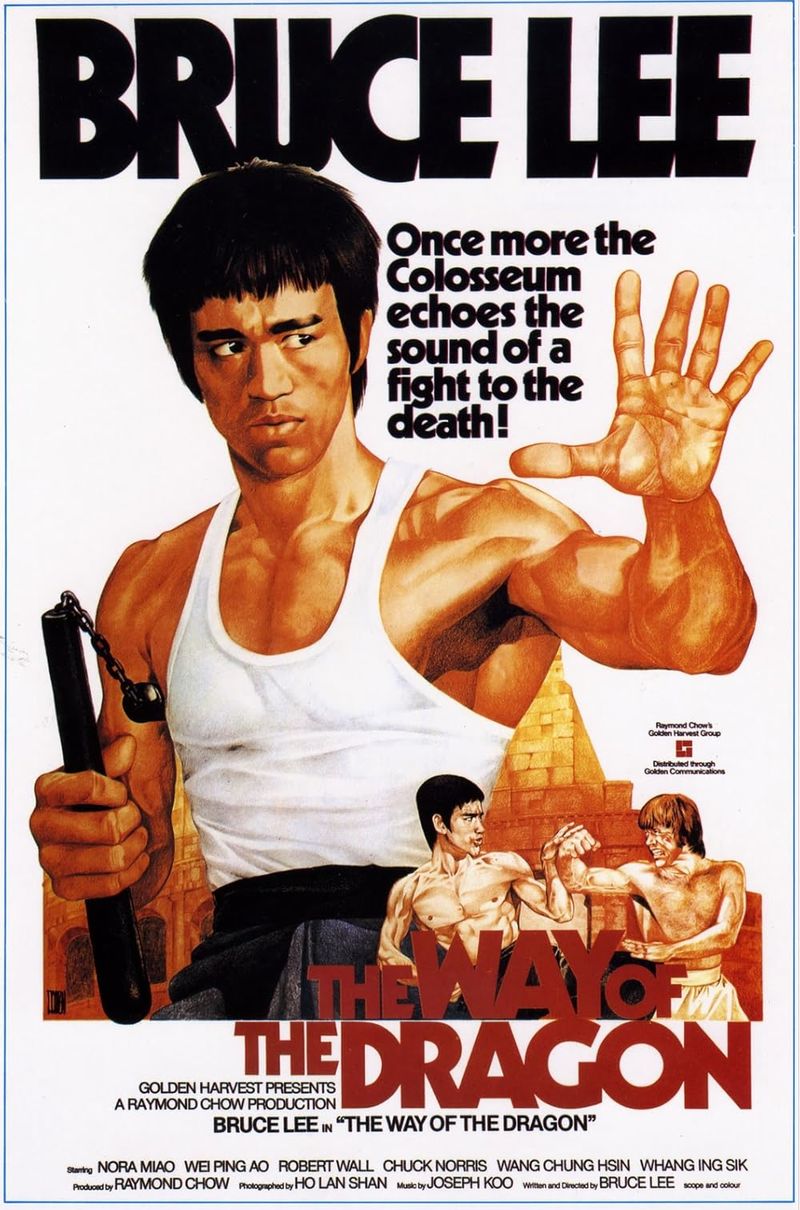
Bruce Lee wrote, directed, and starred in this fish-out-of-water story about a martial artist helping family friends in Rome.
His final confrontation with Chuck Norris in the Colosseum remains one of cinema’s most iconic fight scenes ever filmed.
Lee’s comedic moments as a country bumpkin navigating Italian culture showed his range beyond just fighting.
The contrast between his awkward social situations and supreme confidence during combat made his character relatable and fascinating.
This film demonstrated Lee’s complete vision for martial arts cinema, controlling every aspect of production.
His attention to authentic fighting, character development, and meaningful storytelling influenced how future martial artists approached filmmaking and their screen presence.
Comments
Loading…