
 Jade Reed
15 Long-Running Netflix Shows That Should’ve Ended While They Were Still Good
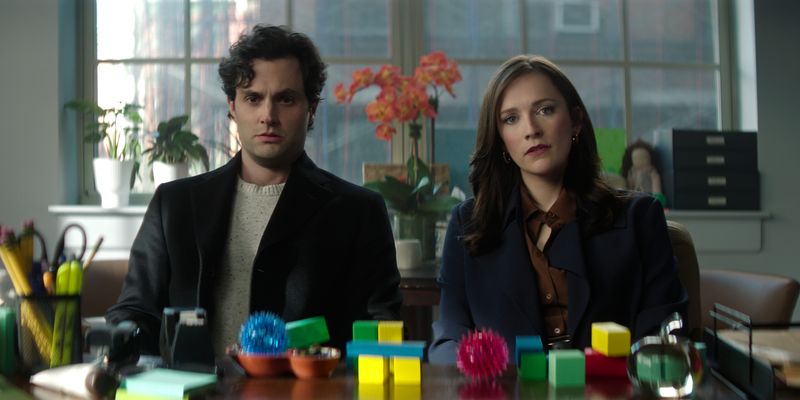
Streaming used to feel magical.
You’d find a new show, fall in love, binge six episodes, and immediately text three friends to watch it.
But somewhere along the way, Netflix realized something dangerous: if a show is popular, they’ll keep stretching it—even when the story clearly ran out of gas.
Suddenly, tight one-season concepts ballooned into four-season marathons.
Characters outlived their emotional arcs.
Plotlines circled the drain.
And fans were left wondering, “Who exactly asked for another season of this?”
If you’ve ever felt a series slowly slipping from must-watch to “I’ll get to it… maybe,” this list is for you.
Here are the Netflix shows that kept going long after they should’ve wrapped things up with a graceful goodbye.
1. 13 Reasons Why

It’s wild to remember how impactful the first season was.
The series began as an adaptation of Jay Asher’s standalone novel—a complete story with a clear, final ending.
Then Netflix renewed it again… and again.
By Season 2, critics argued the show was stretching the emotional weight of its original concept far beyond what it could support.
New mysteries and conspiracies kept popping up purely to justify more episodes.
Season 3 introduced a murder investigation that felt like it came from an entirely different genre.
Season 4 pushed the characters into implausible territory, losing the grounded tone that made Season 1 resonate.
The longer it dragged on, the more viewers questioned why the story refused to bow out gracefully.
A powerful one-season message became a four-season marathon that few asked for.
2. Orange Is the New Black
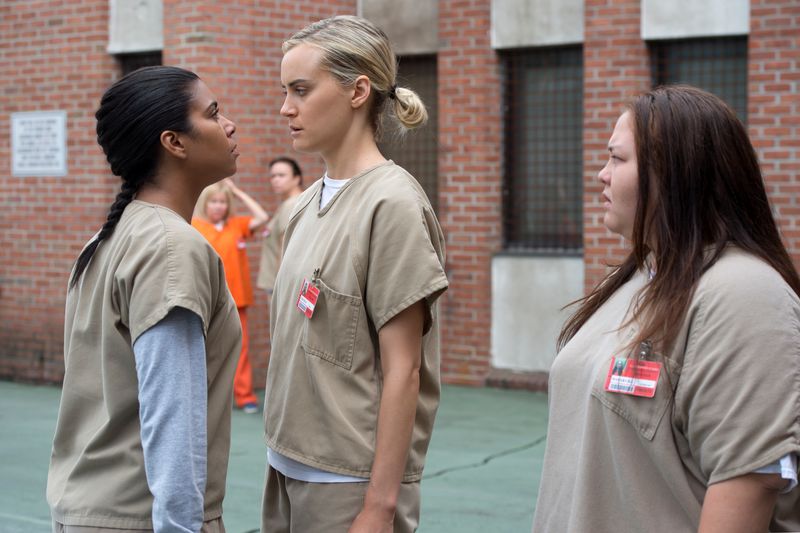
There’s no denying how groundbreaking this show was when it debuted in 2013.
The first few seasons blended drama, humor, and social commentary in ways most series never achieve.
But after Season 4, something started to shift.
The storylines became increasingly scattered as the cast ballooned to more than a dozen major characters.
Plotlines stalled, drifted, or repeated themselves.
Some fans admitted they stuck around more out of loyalty than excitement.
The final seasons tackled heavier topics—privatized prisons and immigration detention—but struggled to maintain the tight emotional focus of earlier years.
Even critics who loved the show noted the pacing issues and narrative sprawl.
By Season 7, it felt like Netflix kept the series alive simply because it had once been a massive hit.
A shorter run could have made the ending even more impactful.
3. House of Cards
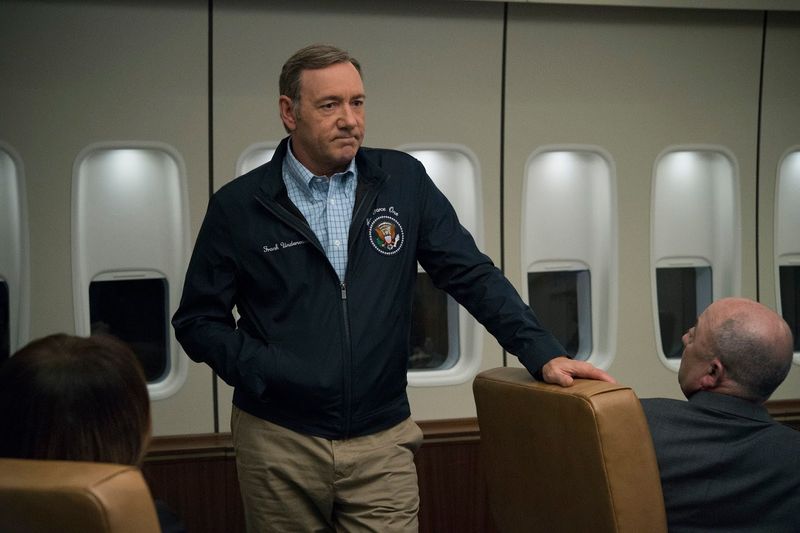
Few political dramas have ever started as strong as this one.
The first seasons were sharp, chilling, and almost Shakespearean in tone.
Then everything changed after the allegations against Kevin Spacey led to his removal from the show.
The final season tried to rebuild momentum around Claire’s presidency but struggled under the weight of real-world scandals.
The writing grew uneven, and the pacing felt rushed in some places and sluggish in others.
Viewers who once saw the series as prestige television were suddenly questioning how it all became so messy.
The finale, intended to be bold, was widely criticized for feeling abrupt and unsatisfying.
Even Robin Wright’s powerhouse performance couldn’t save the lack of narrative direction.
Most fans agree the show should’ve concluded before everything spiraled behind the scenes.
It went from political thriller to political fatigue.
4. The Crown
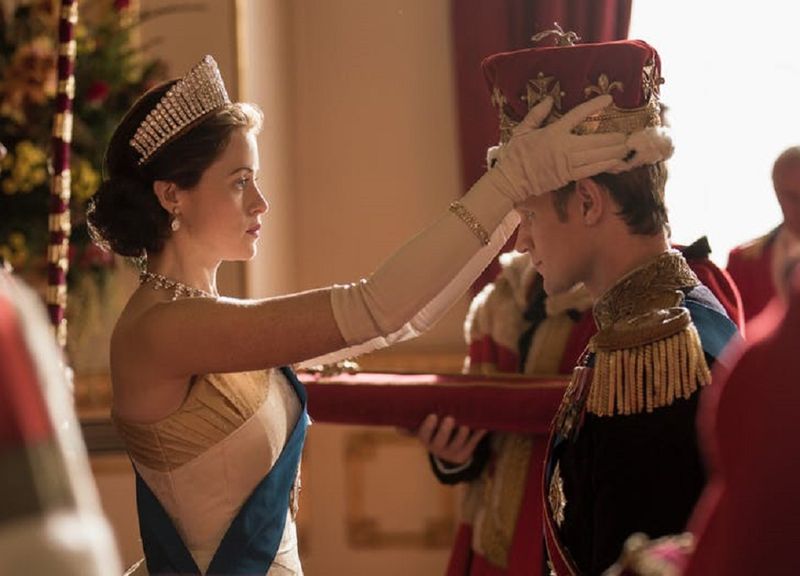
Royal family drama has never looked so prestige-worthy.
Each season was beautifully crafted, with lavish costumes and meticulous historical detail.
But once the show entered more recent events, controversies grew louder.
The recasting every two seasons also divided audiences—some loved the rotating actors, others felt constantly pulled out of the story.
By the Diana-focused seasons, critics argued the plotlines leaned too heavily on sensationalism.
Later episodes shifted from human drama to tabloid reenactments.
Netflix’s decision to extend the show to six seasons didn’t help, as the final stretch felt stretched thin.
Even actors like Imelda Staunton expressed relief when filming wrapped.
It’s still a stunning series, but most fans agree it would’ve landed better with a tighter timeline.
Sometimes less monarchy really is more.
5. Riverdale
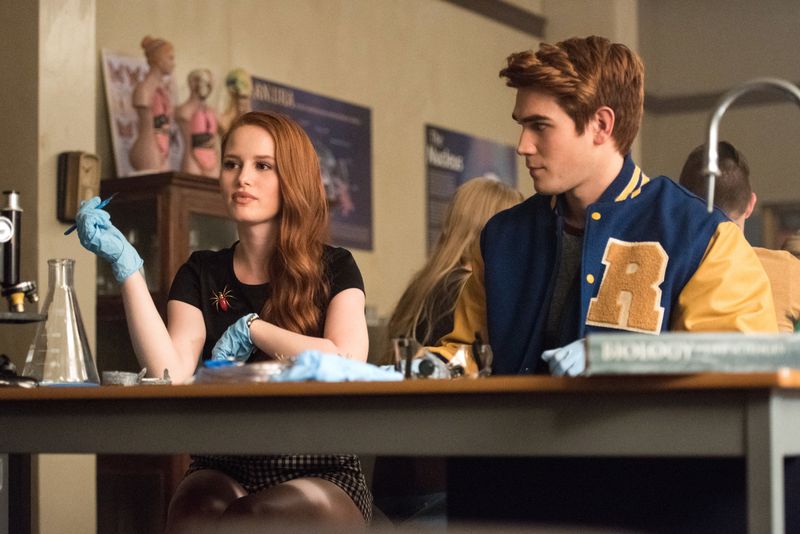
Although Riverdale is not a Netflix Original, it became a major Netflix hit internationally, so we’re including it.
Nothing captures TV chaos quite like this show.
What began as a dark, stylish teen mystery somehow evolved into one of the most unpredictable series ever made.
Witches, cults, serial killers, superpowers—nothing was off the table.
By Season 4, fans were joking that even the writers didn’t know what world they were building anymore.
The wild tonal shifts became a running meme on social media.
Many viewers who adored the early seasons dropped out when the plot turned surreal.
The final season sent the characters back to the 1950s, which confused almost everyone.
Despite all this, the show maintained a loyal fanbase who enjoyed the absurd ride.
Still, most agree it could’ve wrapped several seasons earlier.
A tighter run would’ve preserved its stylish original identity.
6. You
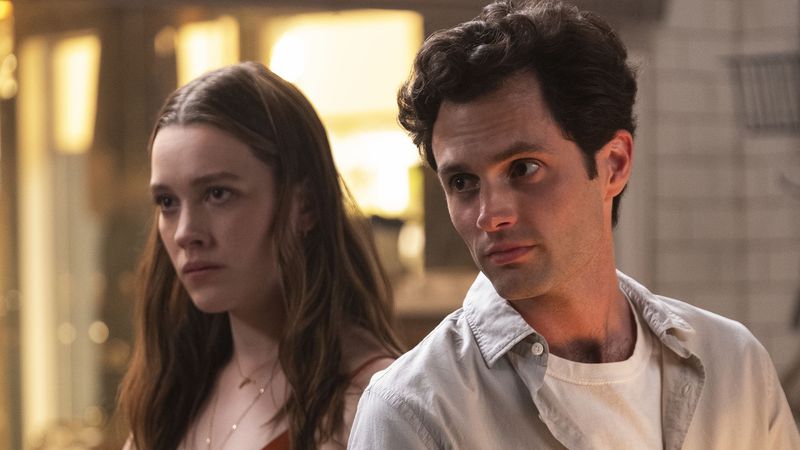
Joe Goldberg made psychological thriller fans deeply uncomfortable in the best possible way.
The first two seasons were sharp, tense, and brilliantly paced.
But once the show moved to the suburbs in Season 3, the formula began to feel repetitive.
Joe meets someone new, becomes obsessed, chaos ensues—rinse and repeat.
The shift to London in Season 4 added another layer of reinvention that some fans found refreshing and others found exhausting.
Critics noted that the series was starting to parody itself.
Penn Badgley even joked publicly that Joe’s survival defies all logic.
As the seasons piled up, the story drifted further from believable psychology and deeper into outlandish twists.
The charm of the early episodes faded under the weight of constant reinvention.
It’s a show that would’ve thrived with a shorter, punchier run.
7. Lucifer
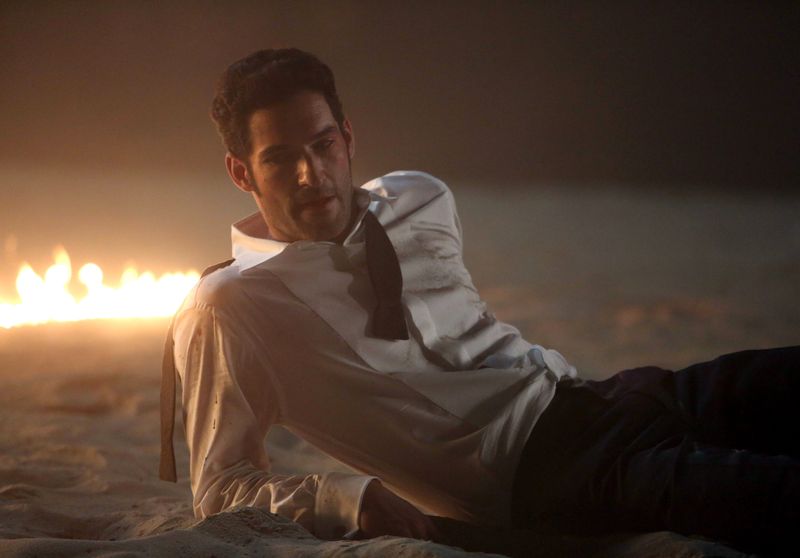
It’s rare for a show to get canceled, revived, and then run even longer than expected.
Fox originally ended Lucifer after three seasons, but fan campaigns brought it to Netflix.
The revival was fun at first, especially with the freedom Netflix provides.
But once the series extended into six seasons, the pacing started to sag.
Episodic filler episodes became more common, and the celestial mythology grew increasingly complicated.
Some fans felt the show drifted away from the crime-procedural charm that made it special.
Even Tom Ellis joked in interviews that the writers had to work hard to create fresh material.
The final season, while emotional, stretched character arcs to their limits.
Shortening the Netflix era could’ve made the ending cleaner.
Sometimes even the Devil stays at the party too long.
8. The Witcher
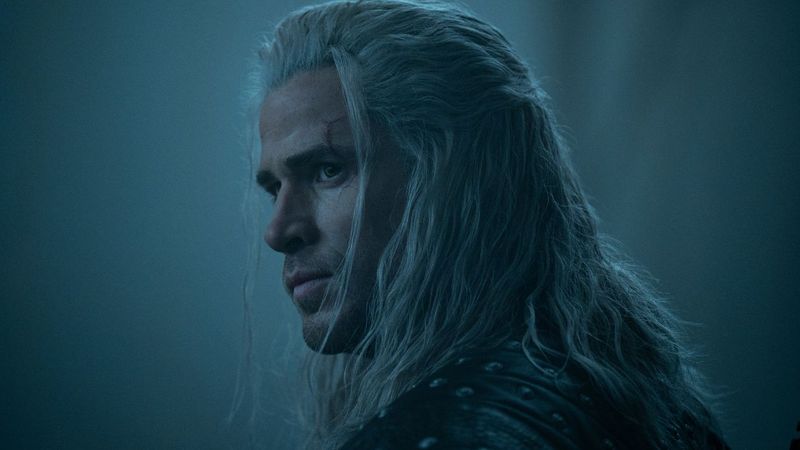
Fantasy fans were thrilled when Netflix announced this adaptation.
Henry Cavill’s performance was instantly praised, and Season 1 became a breakout hit.
But the non-linear storytelling frustrated some viewers.
By Season 2, major changes to the book lore began dividing the fanbase.
The biggest blow came when Cavill announced his departure, citing creative differences.
Season 3 struggled to maintain momentum with the behind-the-scenes uncertainty looming large.
Critics noted that the writing wandered and lacked focus.
Debates erupted online about whether the show was drifting too far from Andrzej Sapkowski’s source material.
And while Liam Hemsworth is set to take over, many feel the magic has already faded.
The show’s world is massive, but the storytelling didn’t support so many seasons.
It’s a classic case of a hit stretched beyond its ideal shape.
9. Emily in Paris
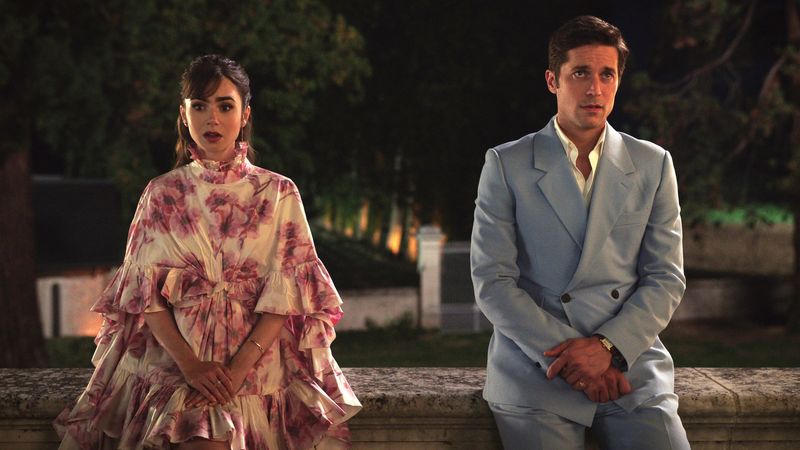
Nobody expected this show to be deep—or realistic—but the charm was undeniable at first.
Emily’s colorful outfits and dreamy Paris life made for easy, escapist fun.
But after several seasons, even fans began asking how many more marketing crises one person can survive.
The romantic drama felt increasingly recycled.
Critics pointed out that Emily showed almost no character growth despite years abroad.
Social media joked that she might actually be immortal given how little she changes.
Meanwhile, the over-the-top fashion choices turned into a distraction rather than a delight.
The show kept leaning on clichés about Paris that locals rolled their eyes at.
It’s still a fun binge, but it’s clearly overstayed its narrative freshness.
A shorter run would’ve kept its sparkle instead of stretching it thin.
10. Outer Banks

Treasure hunting has never been this dramatic.
The first season delivered sun-soaked adventure, teen angst, and a wild finale.
But the later seasons went bigger, louder, and stranger.
The plot became a rotating door of dramatic rescues, betrayals, and new treasure quests.
Some fans joked the characters haven’t attended school in years.
The stakes grew so exaggerated that the show felt more like a live-action cartoon.
Critics pointed out the storyline began repeating itself with slightly different artifacts.
The cast remained charming, but even their chemistry couldn’t save the narrative bloat.
The mythology expanded faster than it could be explained.
It’s still entertaining in a chaotic way, but absolutely could’ve wrapped earlier.
Sometimes the hunt for “one last treasure” gets old.
11. The Umbrella Academy
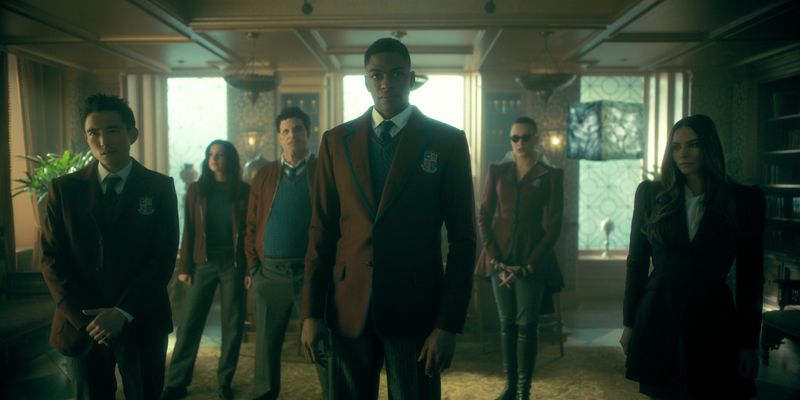
Few superhero shows feel as quirky and heartfelt as this one.
The first season’s dysfunctional family dynamic hooked viewers instantly.
But as the story continued, the repeated time-loop apocalypses began feeling overly familiar.
Season 3 introduced even more alternate-universe hijinks that left some viewers confused.
The character arcs, once rich and emotional, started circling the same themes.
Critics noted that the plot became tangled under its own ambition.
Elliot Page’s transition was handled with care, but the narrative around Viktor sometimes felt rushed.
Meanwhile, the Sparrow Academy twist added more characters than the show could balance.
The series is still beloved but undeniably bloated.
A tighter, more focused run would’ve preserved its unique spark.
Sometimes a superhero family needs less time travel and more closure.
12. Elite
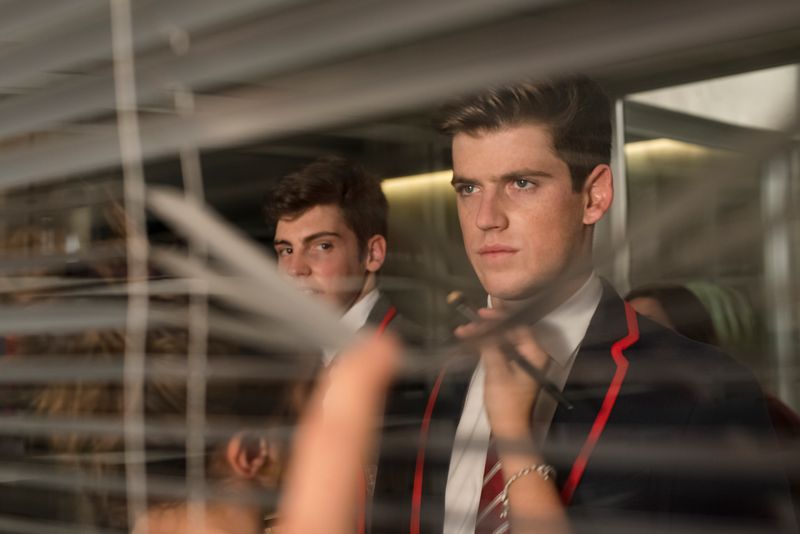
Spanish teen dramas rarely get this addictive.
The first few seasons blended mystery, romance, and scandal flawlessly.
But once the original cast began leaving, the show struggled to maintain its identity.
New characters cycled in and out so quickly that viewers barely had time to connect.
The mystery-driven format repeated itself with new murders and new cover-ups every year.
Critics pointed out the later seasons felt like reboots disguised as continuations.
The glamour and drama remained, but the emotional depth faded.
Social media reactions shifted from excitement to confusion.
Even die-hard fans admitted the plot twists were losing their edge.
The show was a cultural moment early on, but it simply didn’t need so many seasons.
Sometimes fewer scandals make for a stronger story.
13. Manifest
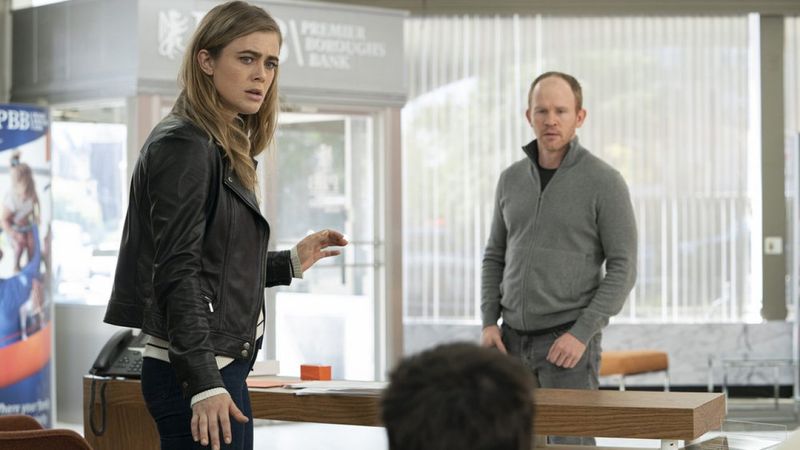
Netflix picked Manifest up after NBC cancelled it, and we’re not sure whether that was a good thing.
The show’s premise was irresistible: a plane disappears and returns five years later with no time passed for passengers.
The mystery was juicy, eerie, and full of potential.
But once the series moved to Netflix for its final season, the mythology became incredibly complicated.
The “callings” expanded into visions, signs, and layered symbolism that even fans struggled to track.
Critics described the pacing as “stop-and-go,” with too many side plots.
The relationship drama sometimes overshadowed the supernatural elements.
The final season wrapped up most mysteries, but reactions were sharply divided.
Many viewers felt the journey had dragged on far longer than necessary.
The show’s core hook would’ve shined brighter with fewer narrative detours.
A tighter season count could’ve made the ending more satisfying.
It’s a classic case of mystery fatigue.
14. Stranger Things
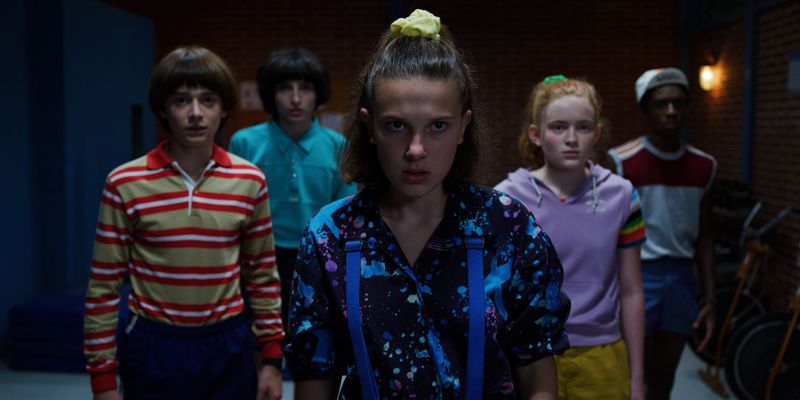
Hawkins became a global obsession the moment Season 1 dropped.
The 80s nostalgia, lovable cast, and horror elements made it an instant phenomenon.
But as the seasons continued, episodes grew longer and storylines more sprawling.
Season 4 featured movie-length episodes that some fans felt were excessive.
The cast ballooned, making it harder to give each character meaningful development.
Critics noted certain subplots—like the California storyline—felt disconnected from the main plot.
Production delays also stretched the series timeline far beyond what anyone expected.
The kids who once charmed viewers as middle schoolers are now adults playing teens, which doesn’t help believability.
The Upside Down remains terrifying, but the narrative has become massive and unwieldy.
A shorter, tighter run would’ve made every season hit harder.
Sometimes even a cultural phenomenon can overstay its welcome.
15. Fuller House
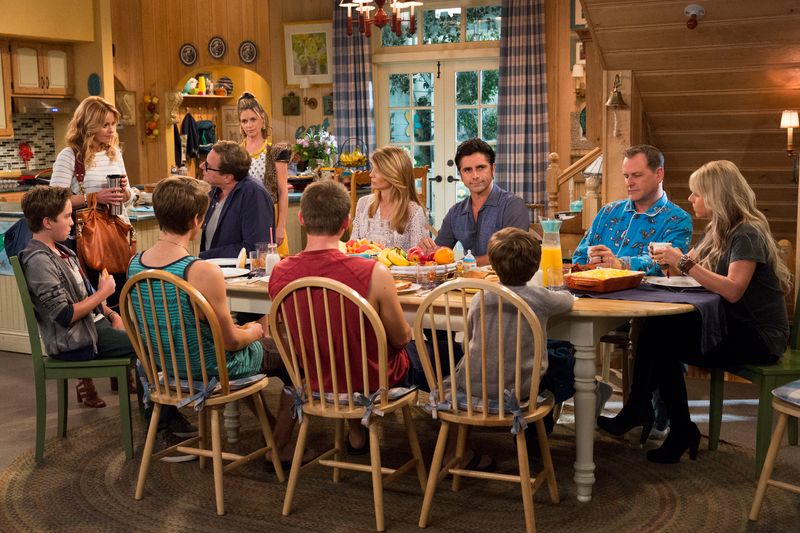
Nostalgia works wonders—at least at first.
The reboot brought back beloved characters and delivered wholesome comfort TV.
But as the series pressed on, the jokes became predictable and overly self-referential.
Many episodes relied heavily on cameos from the original cast to boost excitement.
The plotlines often felt like slightly updated versions of classic Full House episodes.
Critics pointed out the show leaned too heavily on nostalgia rather than evolving the story.
Some fans enjoyed the cozy predictability, but others found it stale after a few seasons.
The finales wrapped everything in tidy bows that bordered on cheesy.
It’s a sweet show, but not one that needed such a long run.
Sometimes even fan service works best in smaller doses.
A shorter revival would’ve kept the charm intact.
Comments
Loading…